
目次
- 01August 2026 In Japan: What Changes, What Gets Hard
- 02Tohoku’s Early-August Festival Cluster: Aomori, Akita, Sendai
- 03Tokushima, Shikoku: Awa Odori (Aug 12–15, 2026)
- 04Tokyo In August: Heat-Proof Culture And Neighborhood Matsuri
- 05Hokkaido In Mid-August: A Cooler Rhythm And Bon Odori (Aug 13–16, 2026)
- 06Kyoto Around August 16: Handle With Care And Quiet
- 07How To Choose Your August 2026 Base: A Fast Decision Framework
- 08Booking And Timing: What To Lock In Early For August 2026
- 09FAQ: Japan In August 2026
- 10Why Choose Japan Royal Service
August in Japan can feel like two trips happening at once.
By day, the air is heavy, bright, and sticky—especially in the big cities. At night, streets open up. Lanterns glow. Drums carry across rivers, shrine gates, and shopping arcades.
If you have limited vacation time, the problem is rarely “what’s interesting.” It’s friction. Heat management, festival timing, Obon congestion, and the quiet worry that you’ll spend your best evenings in a queue.
This guide is built for August 2026 planning. Real dates where they are verifiable. Practical routing. And the kind of calm execution our team at Japan Royal Service is known for: discreet arrivals, thoughtful pacing, and access that feels private even when Japan is in full summer motion.
August 2026 In Japan: What Changes, What Gets Hard
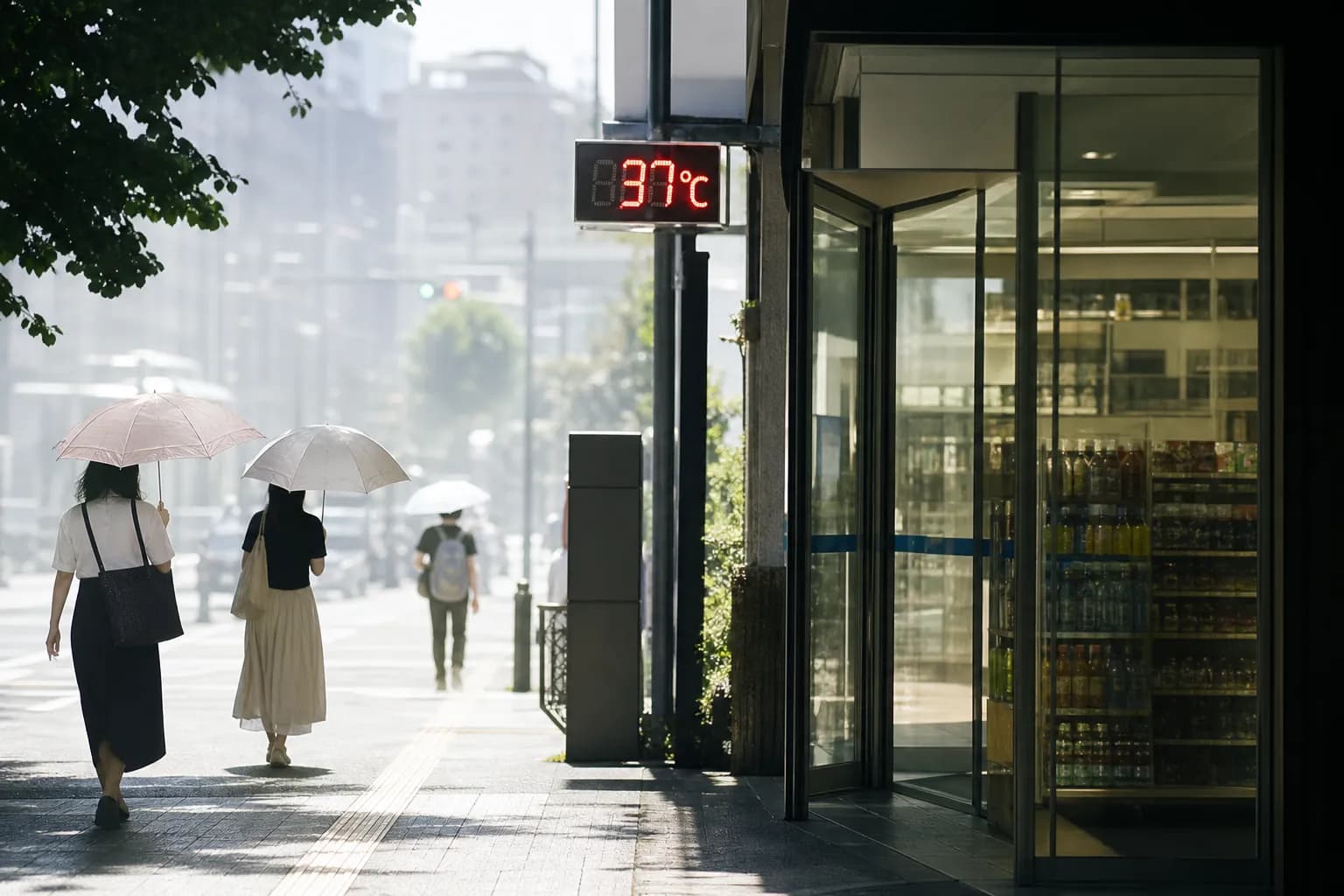
August is hot and humid in many parts of Japan. That’s not a footnote. It shapes your entire day.
Tokyo’s official tourism guidance notes average daytime temperatures around 29°C in August, with days that can exceed 33.6°C, plus downpours and typhoons. Plan around that reality, not against it.
Then comes Obon—typically observed around August 13–16. It is one of Japan’s busiest domestic travel periods, and transport can sell out well in advance.
Key fact: Obon (around Aug 13–16) is a high-demand window for trains and flights. If you want intercity moves, tighten decisions early—or build a “stay-put” plan.
Our August Rule Of Thumb: Nights Out, Middays In
August rewards a reversed schedule.
We encourage guests to treat late afternoon through night as their “outdoor hours.” Then protect the midday block for shaded gardens, museums, craft studios, and slow lunches with strong air-conditioning.
Small shift. Big payoff.
What To Pack For Japan In August
Pack like someone who has learned the hard way.
- Breathable clothing you can re-wear without feeling damp.
- A compact umbrella for sudden downpours.
- Cooling towels and a small hand fan for festival crowds.
- Lightweight walking shoes you do not mind in rain.
- One layer for interiors (department stores and trains can feel cold).
Tohoku’s Early-August Festival Cluster: Aomori, Akita, Sendai
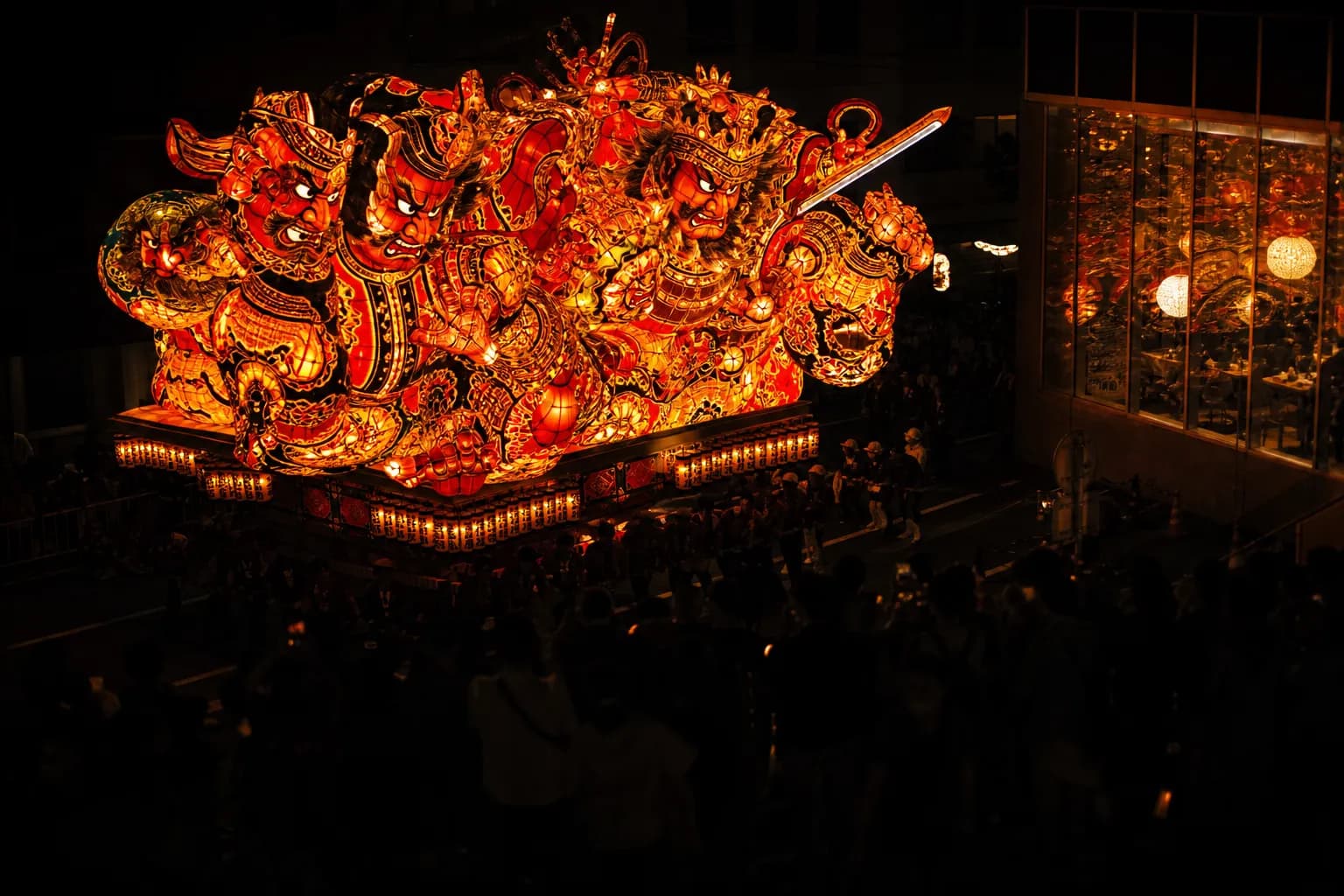
If August 2026 has a single “high-density” cultural week, it’s early August in Tohoku.
Three major festivals align closely: Aomori Nebuta Matsuri (Aug 2–7, 2026), Akita Kanto Matsuri (Aug 3–6, 2026), and Sendai Tanabata Matsuri (Aug 6–8, 2026). The calendar almost dares you to route it.
Do it with intention. Train seats and hotel inventory tighten fast.
Aomori: Nebuta Matsuri (Aug 2–7, 2026)
Nebuta nights are bright in a way photos rarely capture. The illuminated floats feel close enough to touch, and the street energy has a playful edge—rowdy, but still organized.
The official Nebuta Festival site provides English information and highlights its national profile. The result is predictable: large crowds.
- Verified dates: Aug 2–7, 2026
- Best time of day: evening, when the floats are lit
- How to get there: Aomori is reachable by rail; your exact routing depends on where you base beforehand
- Food cue: seek a quiet local seafood dinner before the streets fill
Akita: Kanto Matsuri (Aug 3–6, 2026)
Kanto Matsuri reads as pure technique. Long bamboo poles loaded with lanterns, balanced on a shoulder, a forehead, a hip—each adjustment calm and measured.
That shokunin-like control is the point. And it lands even harder in August heat, when discipline is visible.
- Verified dates: Aug 3–6, 2026
- Best time of day: evening performances
- Heat strategy: treat the daytime as rest time; do indoor culture, then go out later
Sendai: Tanabata Matsuri (Aug 6–8, 2026)
Sendai’s Tanabata is not loud. It’s visual rhythm. Streamers, ornaments, and corridors of color that make even a short walk feel ceremonial.
After Aomori and Akita, it’s also a relief. A softer tempo. Less sensory pressure.
- Verified dates: Aug 6–8, 2026
- Best time of day: late afternoon into evening
- Practical note: if you’re continuing toward mid-August Obon, decide whether you move again or hold a base
A Simple 7-Night Routing Idea (Without Over-Promising Logistics)
We keep the structure plain. Then we refine it around your pace.
- Nights 1–2: Aomori (Nebuta)
- Nights 3–4: Akita (Kanto)
- Nights 5–7: Sendai (Tanabata, then a calm reset day)
Guests who want tailored guidance for transfers, timing, and a quieter hotel strategy can speak with our concierge team privately.
Tokushima, Shikoku: Awa Odori (Aug 12–15, 2026)
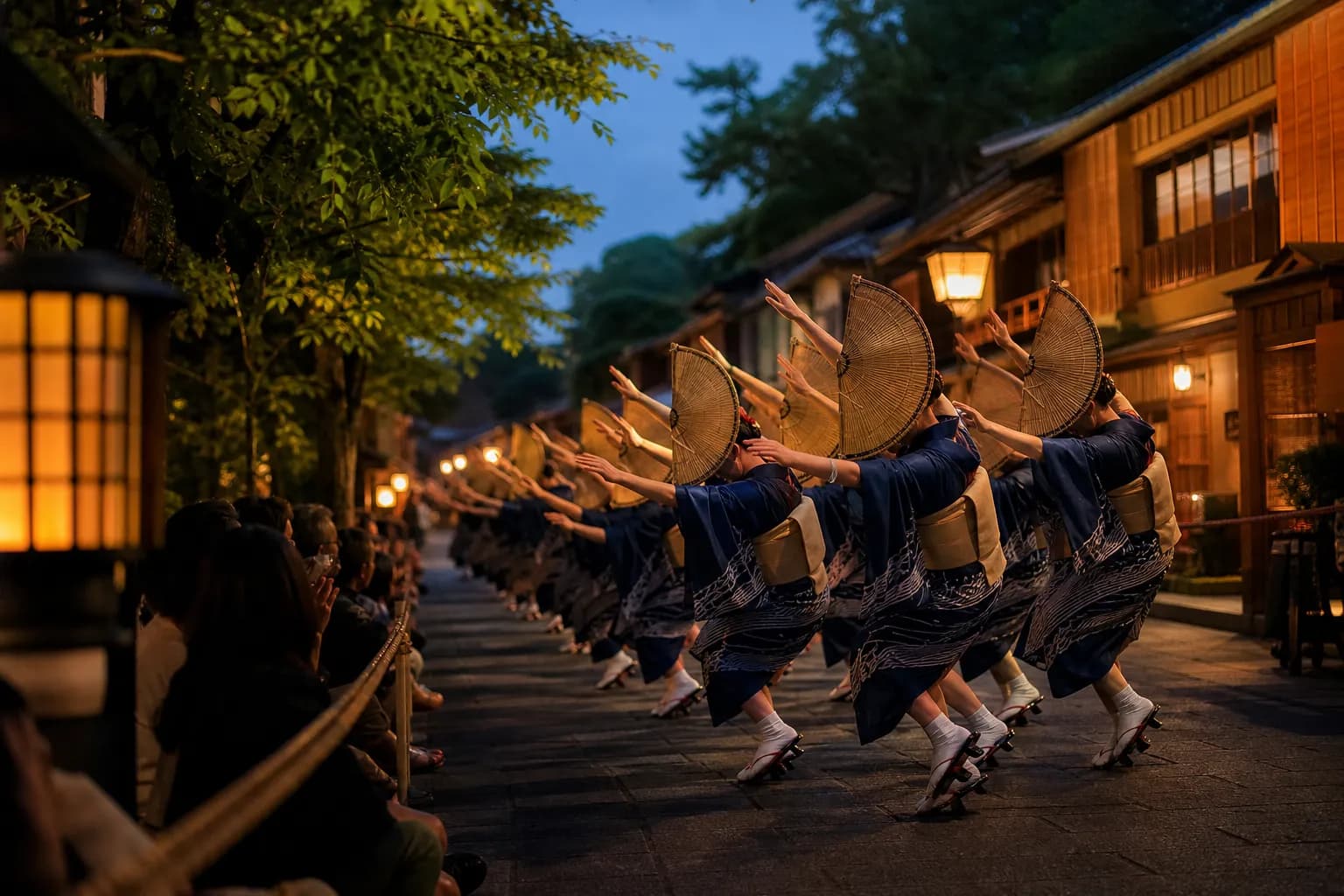
If your idea of a summer festival is participation, not observation, Tokushima is the anchor.
Awa Odori is listed for Aug 12–15, 2026. Japan-guide notes the main evening performances run roughly 18:00–22:00 in downtown Tokushima. Those hours matter. They let you rest through the worst heat and appear when the city wakes up.
JNTO also explains that visitors can join a Niwaka Ren (a casual troupe) without a costume, take a lesson, then participate. It’s approachable. Still respectful.
- Verified dates: Aug 12–15, 2026
- Main viewing window (reported by Japan-guide): roughly 18:00–22:00
- Try it yourself: Niwaka Ren participation is noted by JNTO
- Year-round alternative: Awa Odori can be experienced at Awa Odori Kaikan (JNTO)
Discreet Festival Etiquette That Keeps The Night Smooth
Small behaviors change the experience.
- Arrive earlier than you think if you care about a precise viewing position.
- Keep bags compact; crowd movement is constant.
- Choose one primary night for “full energy,” then schedule a quieter second night.
Our team at Japan Royal Service often builds a wabi-sabi counterbalance around Awa Odori: a calm morning, a pared-back lunch, then the night’s intensity on purpose.
Tokyo In August: Heat-Proof Culture And Neighborhood Matsuri
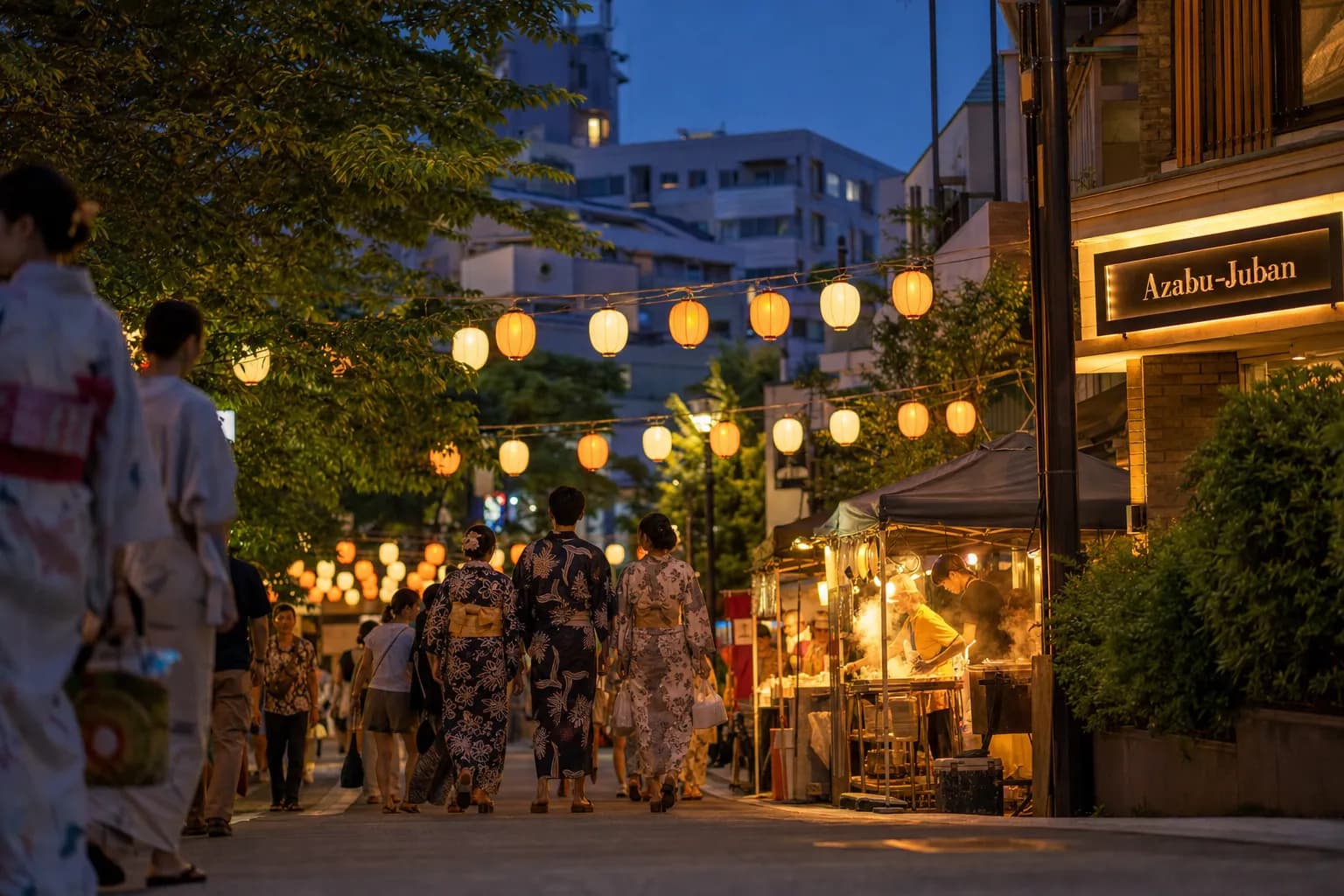
Tokyo in August is a test of planning discipline.
GO TOKYO describes August as very hot and humid, with average daytime temperatures around 29°C and the possibility of downpours and typhoons. Accept that guidance. Then design around it.
Azabu-Juban Noryo Festival: Small-Scale Summer Energy
Tokyo does not require a cross-country move to feel “festival Japan.” Some of the best summer atmosphere happens at neighborhood scale.
GO TOKYO maintains an official event listing for the Azabu-Juban Noryo Festival and explains noryo as “cool of the evening.” That’s the right frame. Late. Light. Walkable.
- When: check the latest official GO TOKYO event listing closer to travel
- Best time of day: after sunset
- How to do it well: pre-dinner stroll, then a calm seated meal away from the densest lanes
Fukagawa Hachiman Festival (Tomioka Hachimangu Shrine Festival)
GO TOKYO notes the Fukagawa Hachiman Festival is typically held around August 15, and describes it as one of the three great festivals of Edo (old Tokyo).
“Typically” is the operative word. We treat date-variable events carefully, and we suggest verifying the exact 2026 schedule as it is announced.
- When: typically around Aug 15 (GO TOKYO)
- Why it works in August: it’s embedded in a real neighborhood, not staged for tourists
Tokyo Daytime Plan: Museum-First, Then A Restorative Pause
August midday in Tokyo is not for long outdoor marches.
We often recommend a museum or gallery block, then a long, quiet break. The best luxury in August is the pause you protected.
Then you go out again.
Hokkaido In Mid-August: A Cooler Rhythm And Bon Odori (Aug 13–16, 2026)
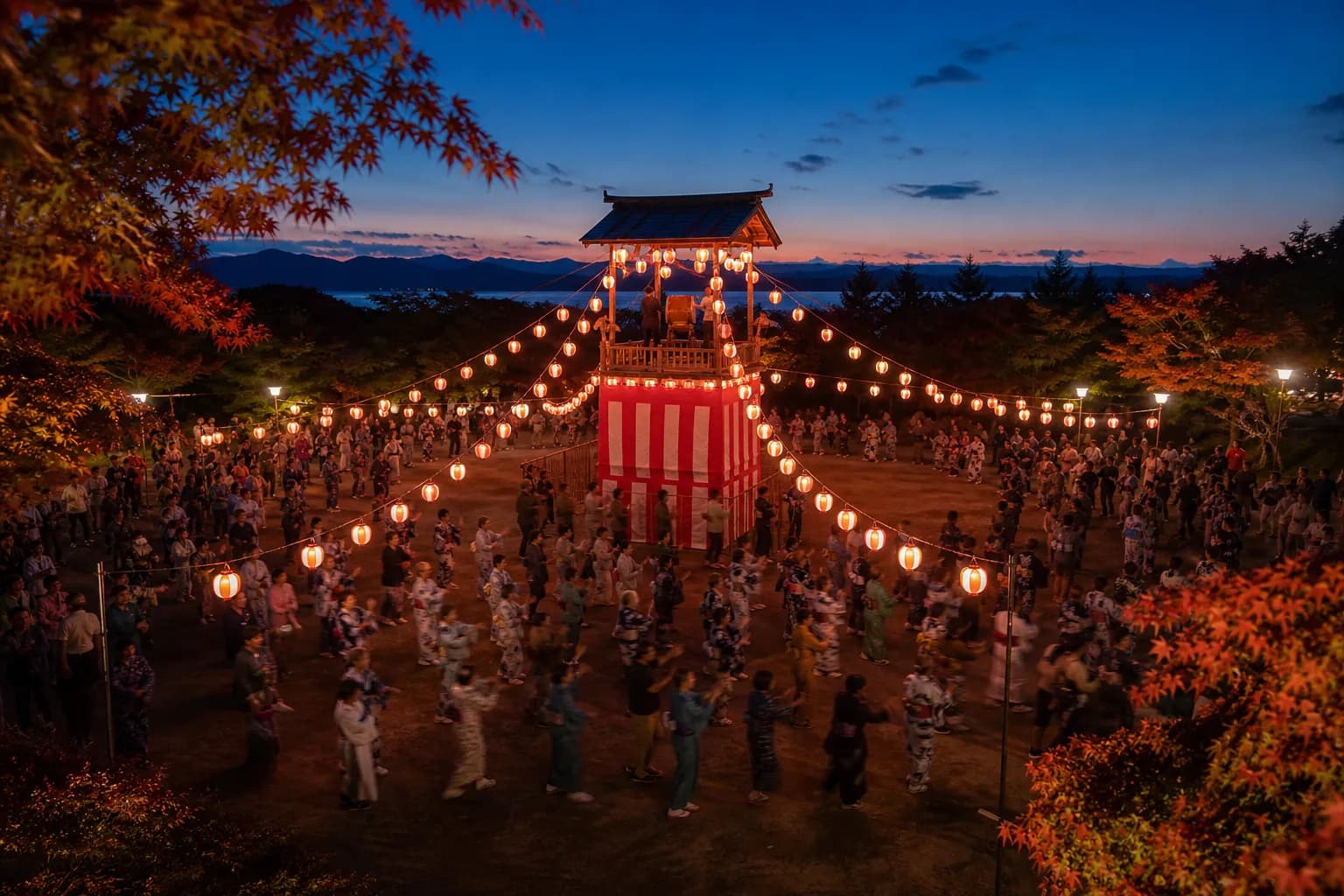
If you want Japan in August without fighting the climate every hour, look north.
Hokkaido’s official tourism site lists Hokkaido Bon Odori for Aug 13–16, 2026. It lands directly inside the Obon period, which is useful: you can base in one region and reduce the need for mid-month transit.
- Verified dates: Aug 13–16, 2026 (Hokkaido Bon Odori)
- Why it’s smart: aligns with Obon, helping you avoid intercity bottlenecks
- How it feels: local, seasonal, and less performative than headline festivals
A Practical Obon Strategy: Don’t Move (Much)
Obon is where even experienced travelers get caught. Trains fill. Airports feel tense.
Our guidance is often counter-intuitive: choose one comfortable base for Aug 13–16, then take slow day trips with private transport where it makes sense. Less drama.
More sleep.
Kyoto Around August 16: Handle With Care And Quiet
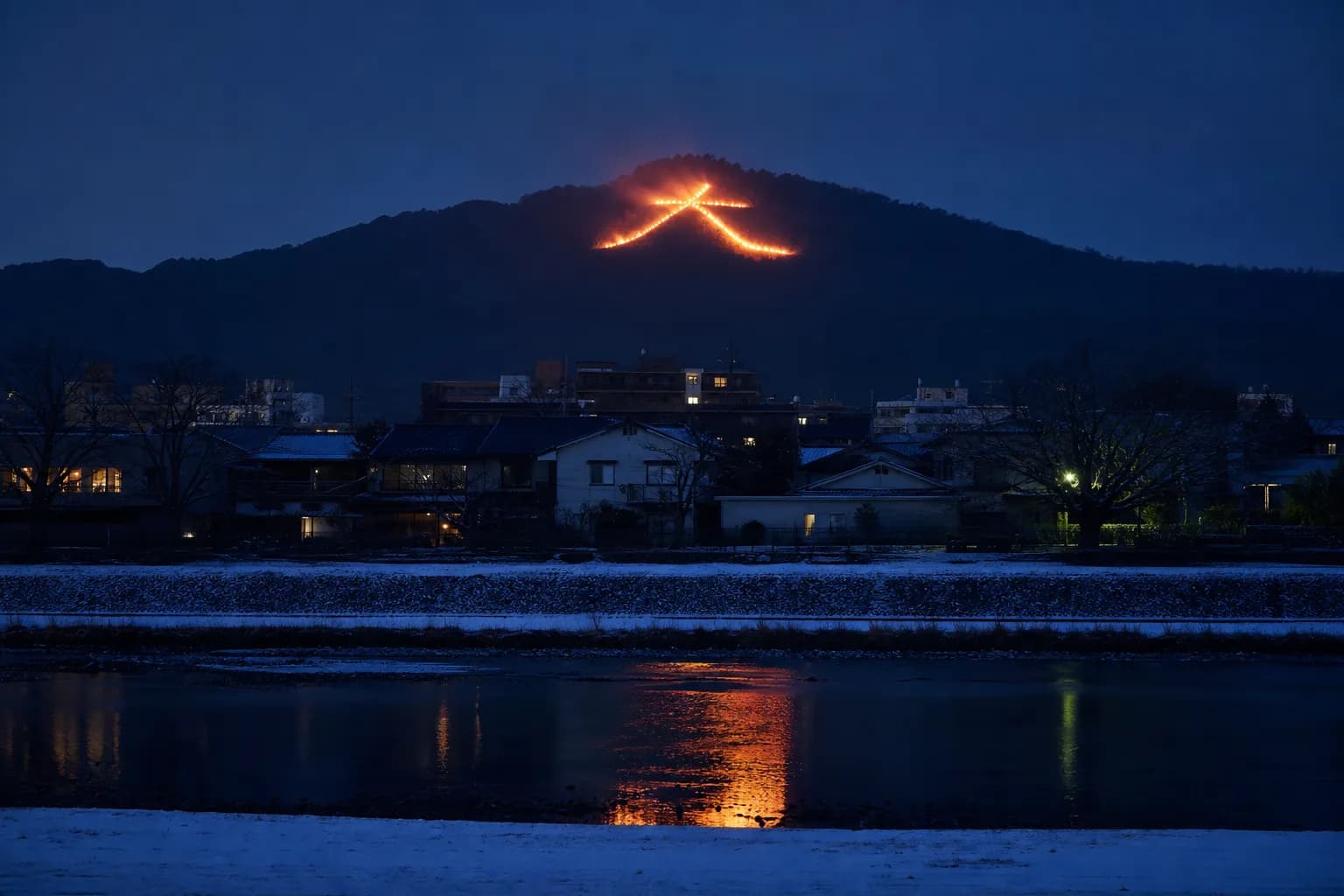
Kyoto in August is beautiful, but it can be physically demanding. The heat lingers between buildings, and popular lanes compress quickly at night.
Many travelers aim for Kyoto’s August 16 cultural moment, Gozan no Okuribi (often called Daimonji). It is significant. It is also sensitive in terms of viewing etiquette, crowd control, and what is permitted from year to year.
Because we do not have verified 2026 operational details in the source set above, we will not pretend certainty. Guests who want to align Kyoto with August 16 can ask our concierge team for the latest, careful guidance once they inquire privately.
Key fact: Some signature August events in Kyoto have year-by-year rules and viewing constraints. Plan with verified updates, not assumptions.
Wabi-Sabi Kyoto In Summer: A Better Target Than “Must-See”
In August, we lean into restraint.
Early mornings in temple grounds. A shaded garden bench. A short route, done well, then back to cool interiors before the city’s evening pulse returns.
That’s the Kyoto that lasts.
How To Choose Your August 2026 Base: A Fast Decision Framework
August planning works when you decide what you are optimizing for.
Not everything. One priority, then trade-offs.
| If You Want… | Choose This Style Of August Trip |
|---|---|
| Date-verified major festivals in one sweep | Tohoku early-August routing (Aomori → Akita → Sendai) |
| A participatory dance festival with strong evening timing | Tokushima for Awa Odori (Aug 12–15) |
| Less heat stress during Obon dates | Hokkaido base during Aug 13–16 |
| City culture with minimal long-distance travel | Tokyo with night festivals and indoor daytime programming |
Booking And Timing: What To Lock In Early For August 2026
August punishes vague plans.
It also rewards early decisions that keep your itinerary calm when Japan gets busy.
Transportation Around Obon (Aug 13–16)
Official travel guidance notes Obon is one of the busiest times for domestic travel, with transport selling out in advance.
If your August includes intercity moves during that window, build your plan early and keep the number of moves low.
Simple. Serious.
Festival Weeks: Early August Tohoku And Mid-August Tokushima
For the big festival dates listed above, lodging and preferred room categories can thin out quickly. The same goes for train seats on the most convenient departures.
Our advice: decide your anchor festival first, then design the rest of the trip around recovery time and privacy.
Not the other way around.
FAQ: Japan In August 2026
Is August A Good Time To Visit Japan?
Yes—if you plan for heat and crowds. August offers major festivals, fireworks season, and long evening hours. The trade-off is humidity, downpours, and Obon congestion.
What Are The Best Date-Verified Festivals In August 2026?
Based on the verified sources provided: Aomori Nebuta Matsuri (Aug 2–7, 2026), Akita Kanto Matsuri (Aug 3–6, 2026), Sendai Tanabata Matsuri (Aug 6–8, 2026), and Tokushima Awa Odori (Aug 12–15, 2026).
What Time Is Awa Odori In Tokushima?
Japan-guide states the main evening performances are roughly between 18:00 and 22:00 in downtown Tokushima during Aug 12–15.
When Is Obon In Japan In 2026?
Obon is typically observed around August 13–16. It is a peak travel period, and transport can sell out in advance.
How Hot Is Tokyo In August?
GO TOKYO notes August is very hot and humid, with average daytime temperatures around 29°C and days that can exceed 33.6°C, plus potential downpours and typhoons.
Can Visitors Join Awa Odori?
JNTO explains visitors can join a Niwaka Ren (casual troupe) without a costume and take a lesson before participating. Awa Odori can also be experienced year-round at Awa Odori Kaikan.
Why Choose Japan Royal Service
Luxury travel in August is not about doing more. It is about staying sharp when conditions are messy—heat, crowds, and calendar pressure.
Our team at Japan Royal Service is built for that reality. We plan with discretion first, so your identity and itinerary stay protected. We favor hidden-Japan decisions—restaurants, routes, and pacing that do not scream for attention. And we shape days with wabi-sabi restraint, so the trip feels composed rather than overfilled.
When guests want deeper cultural contact, we can also guide conversations around shokunin encounters—serious craft, quiet rooms, and respect for the maker—so the experience feels earned, not staged.
For private coordination, reach our team privately via WhatsApp or LINE, or at /contact.