目次
- 01The Sacred Heritage of Fujinomiya
- 02Premium Access to Mount Fuji's Most Direct Route
- 03Culinary Excellence: Fujinomiya Yakisoba and Beyond
- 04Natural Wonders Beyond the Mountain
- 05Cultural Immersion Through Local Traditions
- 06Strategic Location and Transportation Excellence
- 07Seasonal Considerations for Optimal Experiences
- 08Hidden Cultural Treasures and Exclusive Access
- 09Accommodations That Honor Tradition
- 10Photographic Opportunities and Artistic Inspiration
- 11Sustainable Tourism and Environmental Stewardship
- 12Practical Considerations for Luxury Travelers
- 13Connecting Fujinomiya to Broader Japan Itineraries
Nestled at the southwestern base of Japan's most iconic landmark, Fujinomiya serves as both a spiritual gateway and cultural treasure for travelers seeking authentic encounters with Mount Fuji. This historic city in Shizuoka Prefecture has cultivated a unique identity over centuries, blending sacred traditions, natural wonders, and culinary excellence into an experience that resonates with discerning visitors. For those who appreciate the finer aspects of Japanese culture, Fujinomiya offers an intimate perspective on the relationship between communities and their sacred landscapes, far removed from the typical tourist circuits.
The Sacred Heritage of Fujinomiya
The spiritual foundation of Fujinomiya centers around the magnificent Fujisan Hongū Sengen Taisha, one of Japan's most important Shinto shrines. This ancient sanctuary has stood for over 1,200 years, serving as the head shrine of more than 1,300 Sengen shrines throughout the country. According to Britannica's historical records, the city developed primarily around this sacred site, with the shrine complex serving as the traditional starting point for pilgrims ascending Mount Fuji.
Architectural Splendor and Spiritual Significance
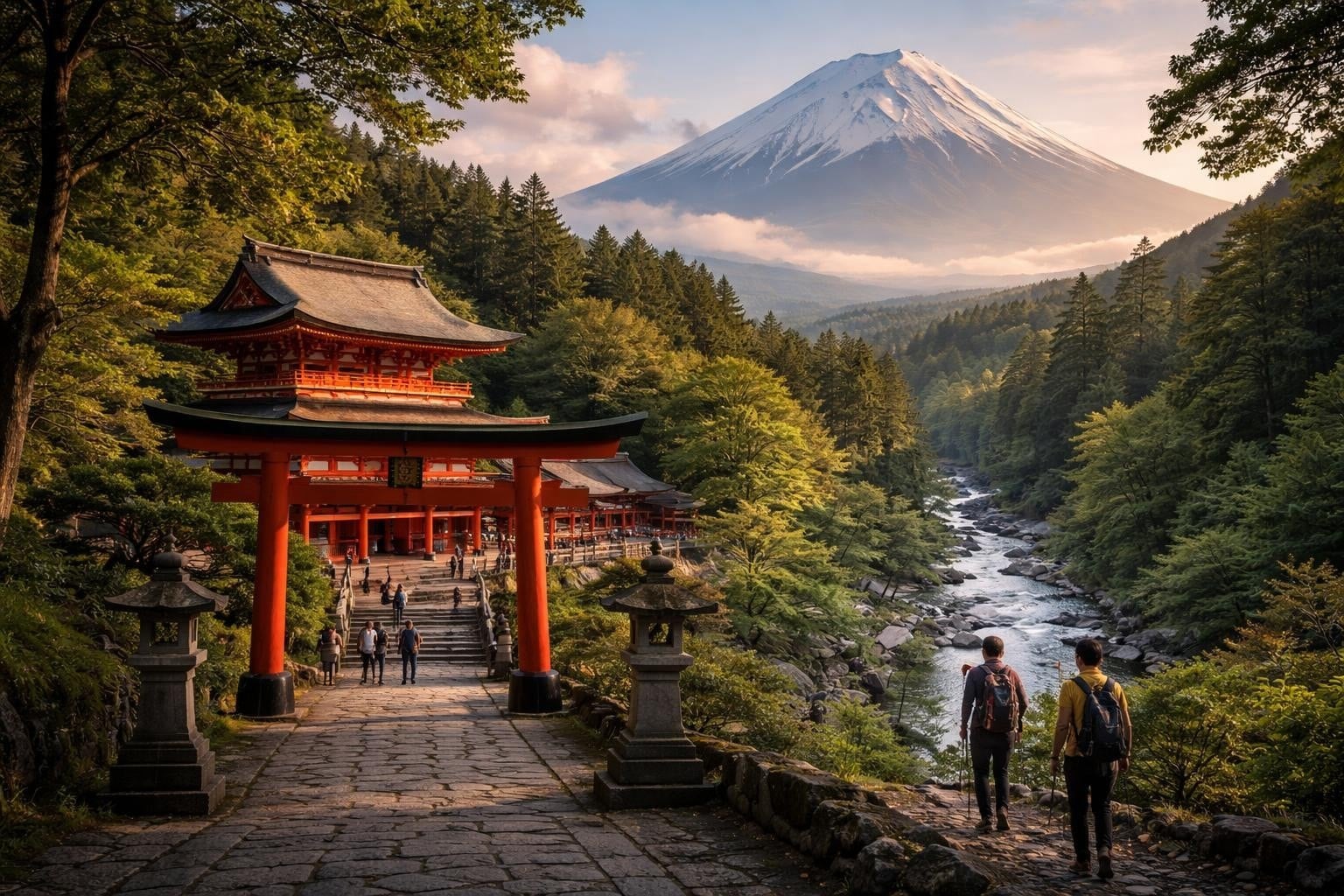
The shrine grounds showcase exceptional architectural craftsmanship representative of Japan's finest religious construction. Visitors walking through the vermilion torii gates encounter meticulously preserved structures dating back centuries, each element positioned with deliberate spiritual intent.
Key features of the shrine complex include:
- The main sanctuary building, a designated Important Cultural Property
- Ancient cedar trees over 500 years old that create a mystical atmosphere
- Sacred spring water flowing directly from Mount Fuji's underground aquifer
- Seasonal festivals that maintain traditions dating back to the Heian period
The shrine's connection to Mount Fuji transcends mere proximity. Historically, all climbers were required to purify themselves here before beginning their ascent, a practice that continues among traditionalists today. This ritual emphasizes the mountain's status not as a recreational challenge but as a sacred entity deserving reverence and preparation.
Premium Access to Mount Fuji's Most Direct Route
The Fujinomiya Trail represents the shortest route to Mount Fuji's summit, attracting climbers who value efficiency without sacrificing the authentic mountaineering experience. The Fujinomiya Trail guide from Japan's National Tourism Organization details how this pathway offers distinct advantages for those seeking a more focused ascent.
Trail Characteristics and Logistics
| Trail Feature | Specification | Advantage |
|---|---|---|
| Starting Elevation | 2,400 meters | The highest trailhead reduces climbing time |
| Distance to Summit | 5.5 kilometers | Shortest route available |
| Average Ascent Time | 4-7 hours | Efficient for experienced climbers |
| Mountain Huts | 8 facilities | Well-supported with rest points |
The trail begins at the Fujinomiya 5th Station, accessible via well-maintained roads that accommodate luxury transportation options. Unlike more crowded routes, this pathway offers a more contemplative climbing experience, with fewer crowds allowing for genuine connection with the mountain environment.
Strategic advantages for discerning travelers:
- Direct summit access reduces unnecessary diversions
- Spectacular southwestern views showcase Suruga Bay and the Southern Alps
- Same-route ascent and descent simplifies logistics and planning
- Superior facilities at mountain huts provide comfortable rest stops
Professional guides familiar with this route understand its nuances, including weather patterns specific to the southwestern approach and optimal timing for sunrise viewing from the summit.
Culinary Excellence: Fujinomiya Yakisoba and Beyond
Fujinomiya has earned national recognition for its signature dish, Fujinomiya Yakisoba, which transcends typical street food through distinctive preparation methods and locally sourced ingredients. This culinary specialty demonstrates how regional cuisine reflects geographical and cultural identity.
The Art of Fujinomiya's Signature Dish
The yakisoba prepared in this city differs fundamentally from versions found elsewhere in Japan. Local artisans use specially developed noodles with a lower moisture content, resulting in a firmer texture that absorbs flavors more effectively. The preparation incorporates:
- Premium pork lard rendering for authentic richness
- Sardine powder (iwashi no kezuribushi) adds umami depth
- Local cabbage provides textural contrast
- Specially formulated sauce balancing sweetness and savory elements
More than 120 establishments throughout the city prepare this dish, each adding subtle variations while maintaining core authenticity. For travelers seeking genuine local experiences, participating in yakisoba tastings reveals how culinary traditions connect to regional identity and community pride.
Natural Wonders Beyond the Mountain
While Mount Fuji dominates the landscape, Fujinomiya offers additional natural attractions that complement the mountain experience. These locations offer opportunities to contemplate and appreciate Japan's diverse ecosystems.
Shiraito Falls: Curtains of Pure Water
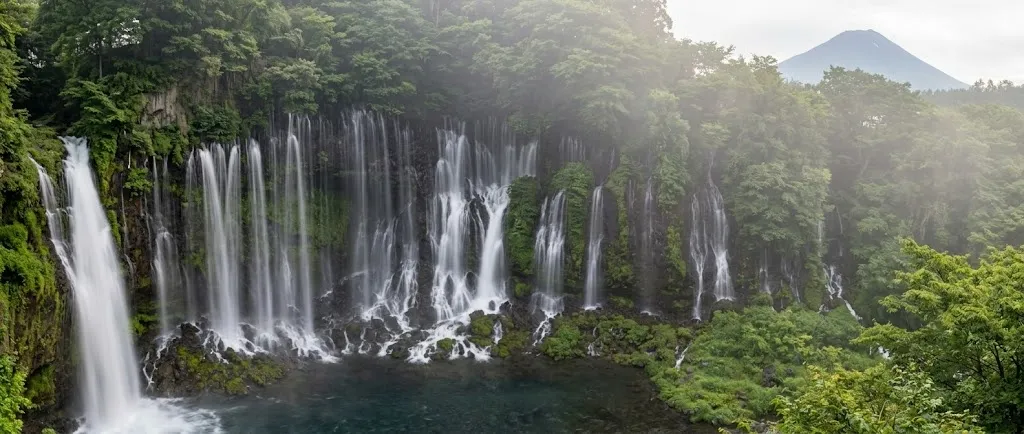
Located approximately 25 kilometers from the city center, Shiraito Falls presents one of Japan's most elegant waterfalls. Rather than plunging dramatically from a single source, hundreds of small springs emerge along a 150-meter curved cliff, creating a delicate curtain of water that cascades gently downward.
The falls maintain a consistent flow throughout the year, fed by Mount Fuji's snowmelt filtering through volcanic rock layers over the course of decades. This geological process ensures exceptional water purity and creates the ethereal appearance that has inspired poets and artists for centuries.
Visitor experience considerations:
- Accessible via comfortable transportation with minimal walking required
- Viewing platforms positioned for optimal photography and contemplation
- The surrounding forest provides seasonal color variations
- Nearby facilities offer regional specialties and refreshments
Tanuki Lake and Seasonal Reflections
Tanuki Lake offers one of the most photographed views of Mount Fuji, particularly in the morning when atmospheric conditions create mirror-like reflections. The lake's strategic location offers unobstructed mountain views, with seasonal elements enhancing the visual experience year-round.
Spring brings cherry blossoms framing the snow-capped peak, while autumn delivers vibrant foliage contrasts. Winter mornings frequently produce the clearest reflections, though this season requires careful timing and local expertise to maximize viewing opportunities.
Cultural Immersion Through Local Traditions
Understanding Fujinomiya requires engagement with traditions that continue to shape daily life. The city maintains cultural practices that connect residents and visitors to historical continuity and spiritual values.
Festival Calendar and Seasonal Celebrations
Annual festivals centered around the Sengen Shrine create opportunities for cultural participation rarely accessible to casual tourists. These events demonstrate how communities maintain traditions across generations while welcoming respectful visitors.
| Festival | Season | Cultural Significance |
|---|---|---|
| Yabusame | May | Traditional horseback archery demonstrating samurai skills |
| Mount Fuji Opening | July | Ceremonial blessing for climbing season safety |
| Fire Festival | November | Purification rituals honoring mountain deities |
Attending these celebrations requires planning and cultural sensitivity. Local guides can facilitate appropriate participation while explaining the deeper meanings embedded in ritual actions and symbolic elements.
Strategic Location and Transportation Excellence
Fujinomiya's geographical position provides convenient access while maintaining distance from overcrowded tourist corridors. The city sits approximately 140 kilometers southwest of Tokyo, creating opportunities for combined itineraries that balance urban sophistication with natural beauty.
Connectivity Options for Premium Travelers
Multiple transportation methods connect Fujinomiya to major metropolitan areas, each offering distinct advantages:
- Private luxury vehicle service provides maximum flexibility and comfort
- Express train connections via Shin-Fuji Station enable efficient travel
- Helicopter transfer offers dramatic aerial perspectives of Mount Fuji
- Chartered transportation accommodates custom routing and timing
The comprehensive travel information available through official tourism resources helps visitors understand logistical options, though personalized service dramatically enhances the experience by eliminating navigation challenges and maximizing time efficiency.
Seasonal Considerations for Optimal Experiences
Each season transforms Fujinomiya's landscape and available activities, requiring strategic timing aligned with personal preferences and specific interests.
Spring: Renewal and Floral Beauty
March through May brings cherry blossoms to lower elevations while Mount Fuji retains its snow cap, creating striking visual contrasts. This season offers comfortable temperatures for shrine exploration and waterfall visits without summer crowds. The climbing season has not yet begun, allowing focus on cultural and natural attractions at ground level.
Summer: Climbing Season and Festival Energy
July and August represent peak climbing season, when mountain facilities operate at full capacity. The official climbing season typically runs from early July through early September, coinciding with the most stable weather conditions. However, this period also brings the largest crowds to the Fujinomiya Trail and surrounding attractions.
Autumn: Color and Clarity
September through November delivers exceptional viewing conditions, with autumn foliage creating spectacular color gradients across the landscape. The climbing season concludes by mid-September, returning tranquility to the mountain while maintaining excellent weather for lower-elevation exploration. Clear autumn skies often offer the year's best opportunities for photographing Mount Fuji.
Winter: Solitude and Pristine Views
December through February offers the clearest mountain views, as winter air quality produces sharp visibility. Snow covers the region, creating dramatic scenery while requiring appropriate preparation for outdoor activities. This season suits travelers seeking contemplative experiences without crowds, though some facilities operate on reduced schedules.
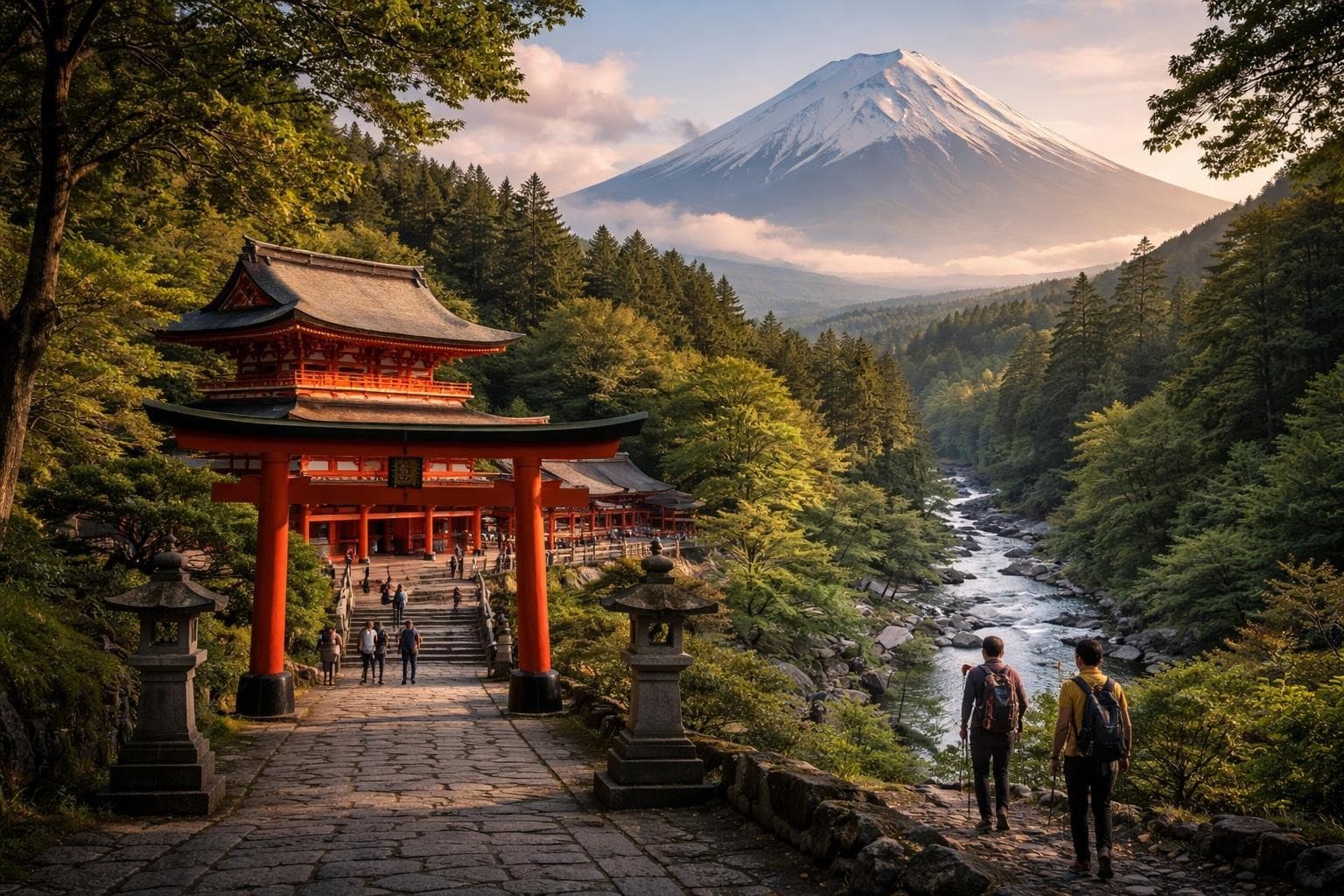
Brilliant crimson maple leaves provide a stunning foreground for the exceptionally clear and sharp autumn views of Mount Fuji’s iconic peak.
Hidden Cultural Treasures and Exclusive Access
Beyond the well-known attractions, Fujinomiya conceals cultural sites and experiences that reward deeper exploration. The Buried Cultural Properties Center showcases archaeological discoveries spanning multiple historical periods, providing context for understanding the region's long human presence.
Artisan Workshops and Traditional Crafts
Local craftspeople maintain traditional skills passed through generations, creating opportunities for direct engagement with living cultural heritage. These workshops rarely advertise publicly, requiring local connections to access:
- Sake brewing facilities utilizing Mount Fuji's pristine water
- Traditional textile studios preserving ancient dyeing techniques
- Woodworking masters creating religious implements for shrines
- Tea ceremony practitioners teaching authentic preparation methods
Arranging private sessions with these artisans requires advance coordination and often involves translation assistance, making professional facilitation invaluable for meaningful cultural exchange.
Accommodations That Honor Tradition
Fujinomiya offers lodging options ranging from historic ryokan to contemporary boutique properties, each providing distinct perspectives on Japanese hospitality traditions. Premium accommodations in the area emphasize:
Onsen experiences featuring Mount Fuji views Natural hot springs throughout the region incorporate the mountain's presence into bathing experiences, creating meditative environments that combine physical relaxation with spiritual contemplation.
Kaiseki dining showcasing regional ingredients Multi-course meals prepared by skilled chefs demonstrate how local produce, mountain vegetables, and seasonal specialties create culinary narratives connected to place and time.
Private spaces designed for contemplation Room configurations and garden views prioritize tranquility and aesthetic harmony, reflecting Japanese design principles that value simplicity and natural beauty.
Photographic Opportunities and Artistic Inspiration
The relationship between Fujinomiya and Mount Fuji has inspired artists for centuries, from ukiyo-e woodblock prints to contemporary photography. Understanding optimal viewing locations and timing requires local knowledge and meteorological awareness.
Prime Viewing Locations Throughout the City
Different vantage points showcase varying perspectives of Mount Fuji, each offering unique compositional opportunities:
- Tanuki Lake provides classic reflection shots during calm morning conditions
- Asagiri Plateau delivers wide-angle landscape compositions with foreground interest
- Urban viewpoints capture the mountain rising above daily life
- Shrine grounds frame the peak within traditional architectural elements
Professional photographers familiar with local conditions understand how weather patterns, seasonal variations, and time of day affect visibility and lighting. The mountain reveals itself selectively, making patience and flexibility essential qualities for capturing exceptional images.
Sustainable Tourism and Environmental Stewardship
As Mount Fuji faces increasing visitor pressure, Fujinomiya has implemented measures to protect natural and cultural resources while maintaining access for respectful travelers. These initiatives include:
- Trail capacity management during climbing season
- Waste reduction programs require climbers to carry out all refuse
- Ecological education explaining volcanic ecosystem fragility
- Cultural preservation funding through tourism revenue allocation
Discerning travelers increasingly value destinations demonstrating environmental responsibility. Fujinomiya's approach balances accessibility with preservation, ensuring future generations can experience the same spiritual and natural encounters available today.
Practical Considerations for Luxury Travelers
Planning a Fujinomiya experience requires attention to details that significantly impact overall quality and satisfaction. Several factors deserve particular consideration:
Weather unpredictability means Mount Fuji visibility cannot be guaranteed, making flexible itineraries essential for maximizing viewing opportunities across multiple days.
Seasonal facility operations vary significantly, with some attractions maintaining limited winter hours or closing entirely during certain periods.
Language accessibility remains limited outside major hotels, making bilingual guide services valuable for deeper cultural engagement and practical navigation.
Reservations for premium restaurants, special experiences, and exclusive access require planning weeks or months, particularly during peak seasons.
The detailed travel insights available through Japan Guide provide foundational information, though personalized service addresses the nuanced requirements that distinguish exceptional experiences from standard tourism.
Connecting Fujinomiya to Broader Japan Itineraries
The city's location offers opportunities for integrated travel experiences that combine multiple regions and themes. Strategic routing can incorporate:
- Tokyo's metropolitan sophistication contrasts with mountain tranquility
- Kyoto's cultural depth complements Shinto spiritual traditions
- Hakone's hot spring culture extends wellness and relaxation themes
- Japanese Alps exploration for travelers focused on mountain environments
Professional itinerary design ensures seamless transitions between destinations while maintaining narrative coherence and thematic consistency throughout the journey.
Fujinomiya offers discerning travelers an authentic gateway to Mount Fuji's spiritual and natural grandeur, combining sacred heritage, culinary excellence, and breathtaking landscapes into experiences that transcend conventional tourism. Whether you seek the challenge of Japan's highest peak, the tranquility of ancient shrine grounds, or the subtle pleasures of regional cuisine, this remarkable city rewards those who approach it with curiosity and respect. Japan Royal Service specializes in crafting bespoke Fujinomiya experiences that provide exclusive access to hidden treasures, seamless luxury transportation, and expert cultural guidance, ensuring your journey captures the full depth and beauty of this exceptional destination.