目次
- 01Tokyo: Where Tradition Meets Innovation
- 02Kyoto: The Heart of Cultural Heritage
- 03Mount Fuji and the Japanese Alps
- 04Osaka: Culinary Capital and Urban Energy
- 05Hokkaido: Northern Wilderness and Seasonal Splendor
- 06Okinawa: Tropical Paradise and Ryukyu Culture
- 07Hiroshima and Miyajima: Peace and Sacred Beauty
- 08Naoshima and the Art Islands
- 09Nara: Ancient Capital and Sacred Deer
- 10Nikko: Mountain Shrines and Natural Beauty
- 11Kamakura: Coastal Temples and Historic Charm
- 12Strategic Planning for Luxury Travel
- 13Regional Transportation and Connectivity
- 14Cultural Etiquette and Enhanced Experiences
Japan continues to captivate luxury travelers with its seamless blend of ancient traditions and cutting-edge modernity. As we move through 2026, the country has refined its offerings for discerning visitors seeking authentic cultural immersion paired with world-class comfort. From the neon-lit streets of Tokyo to the serene temples of Kyoto, identifying the best places to visit in Japan requires understanding both the iconic landmarks and the exclusive experiences that transform a journey into an unforgettable odyssey. This comprehensive guide explores the destinations that define luxury travel in Japan this year, offering insights into where sophisticated travelers should focus.
Tokyo: Where Tradition Meets Innovation
Japan’s capital remains an essential starting point for any luxury itinerary. The city’s ability to preserve centuries-old traditions while pioneering future-forward experiences makes it irreplaceable.
Exclusive Neighborhoods for Discerning Travelers
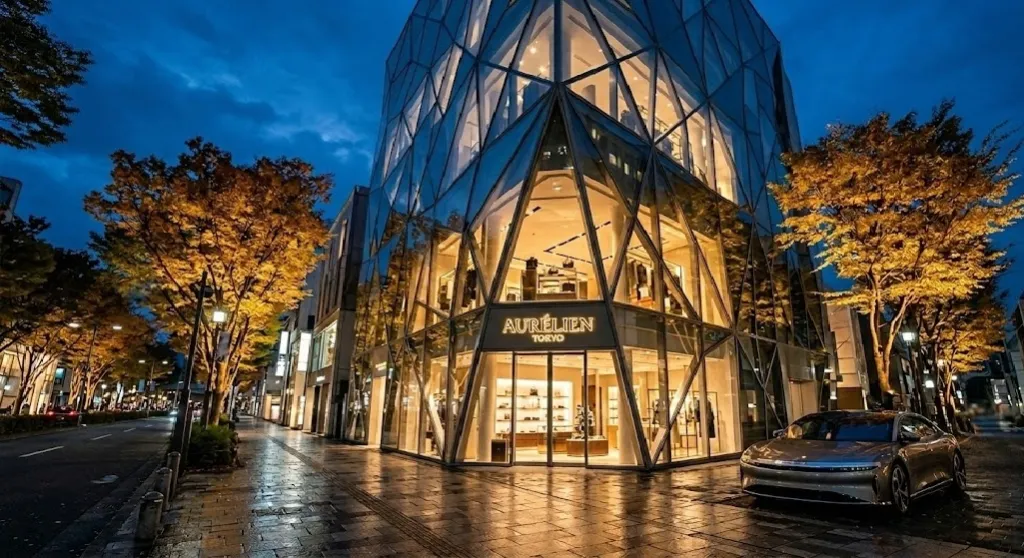
Ginza stands as Tokyo’s premier luxury district, offering unparalleled shopping, Michelin-starred dining, and refined cultural experiences. The neighborhood’s art galleries, flagship boutiques, and exclusive members-only clubs cater specifically to those seeking elevated experiences.
Omotesando and Aoyama provide architectural marvels alongside designer fashion houses. These tree-lined boulevards showcase contemporary Japanese design sensibilities while maintaining a sophisticated atmosphere of restraint.
Key experiences in Tokyo include:
- Private tea ceremonies in traditional machiya townhouses
- Behind-the-scenes access to Tsukiji Outer Market with renowned chefs
- Exclusive kaiseki dining experiences in intimate settings
- Personalized sake tastings with master brewers
- After-hours private viewings at major museums
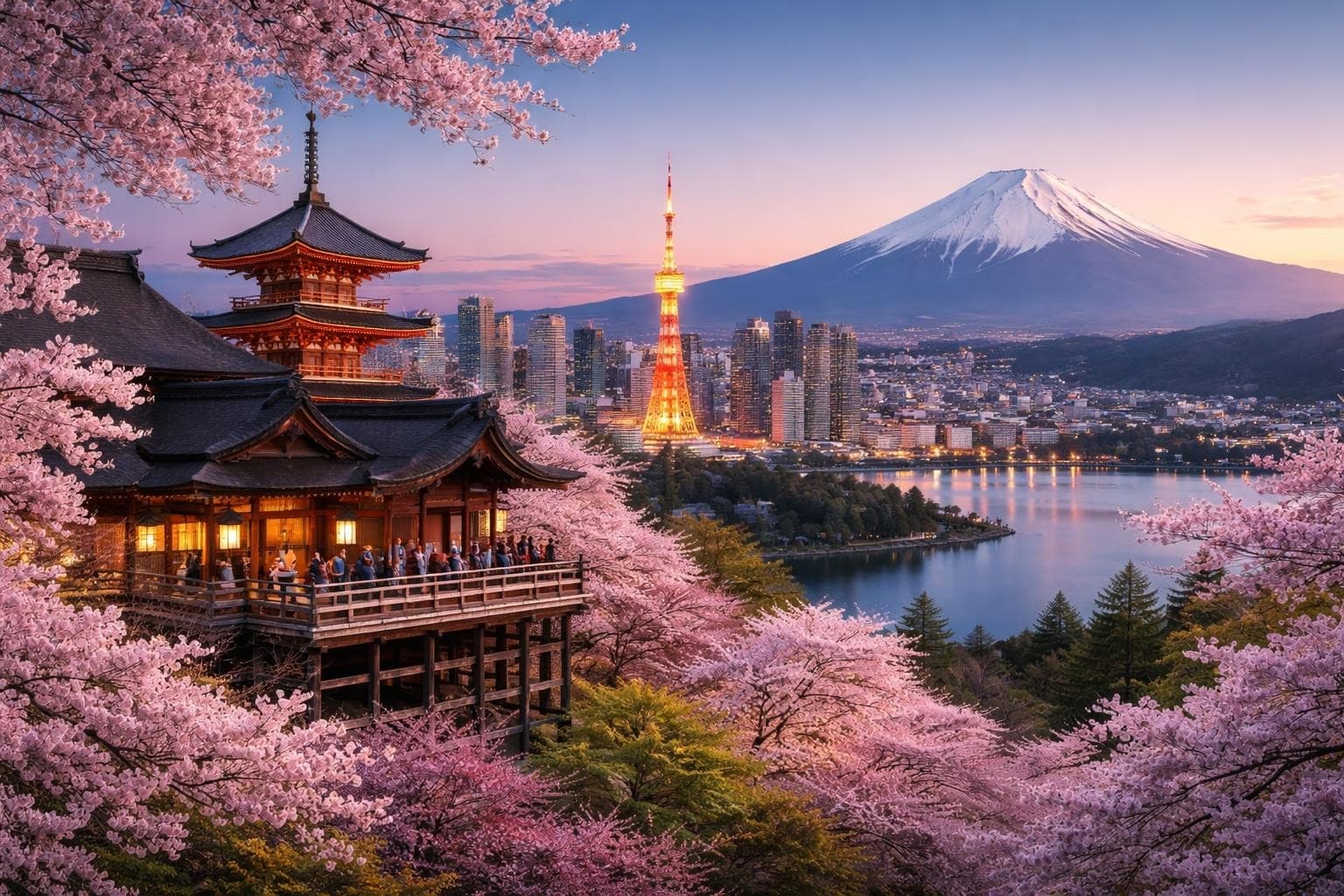
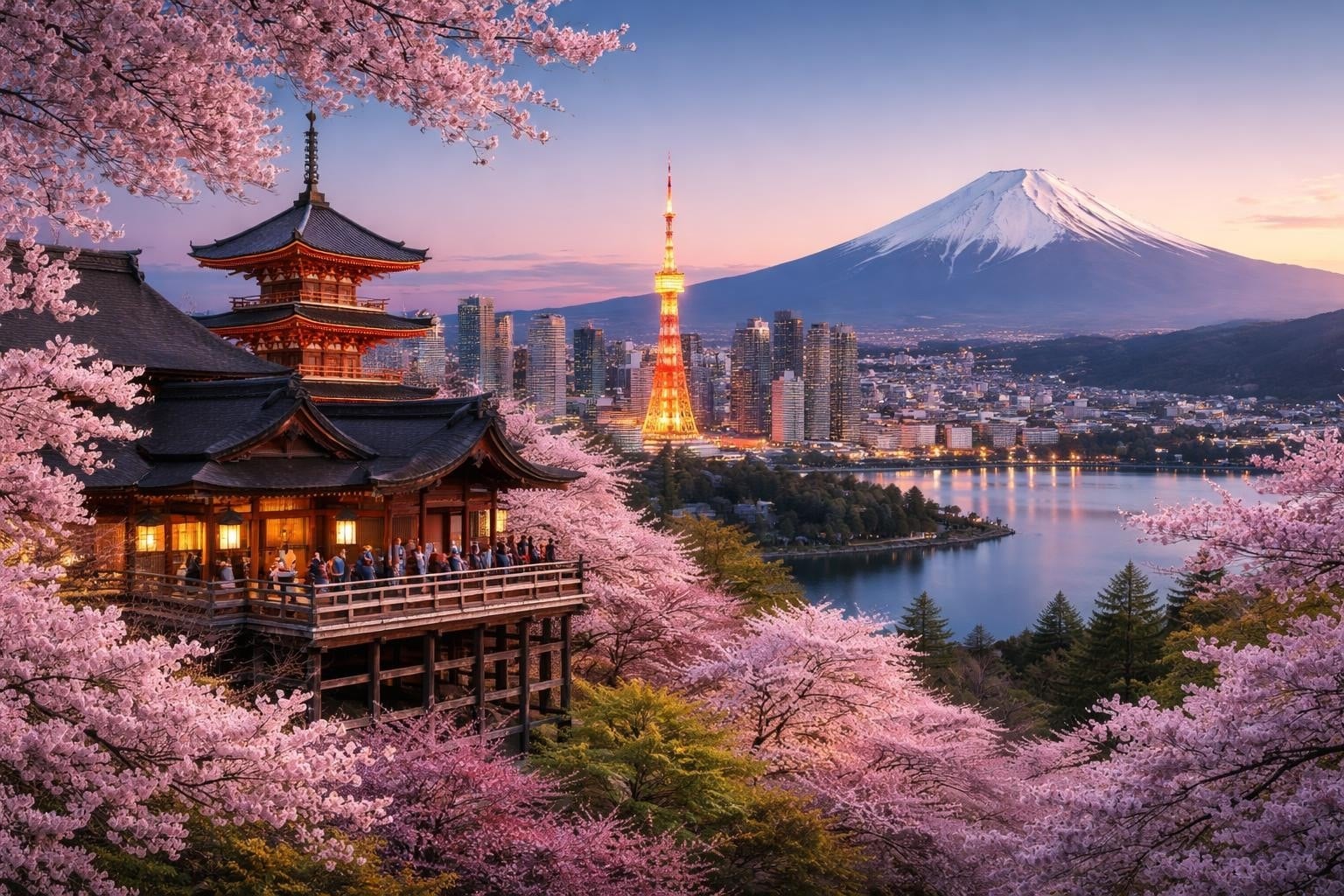
The city’s luxury hotels in Marunouchi and Roppongi offer commanding views of Tokyo Tower and Mount Fuji on clear days, providing the perfect base for exploring this dynamic metropolis.
Kyoto: The Heart of Cultural Heritage
No discussion of the best places to visit in Japan would be complete without Kyoto. This former imperial capital houses over 2,000 temples and shrines, 17 UNESCO World Heritage sites, and the country’s most refined traditional culture.
Temple Districts and Cultural Immersion
| District | Highlights | Best Season | Luxury Experience |
|---|---|---|---|
| Higashiyama | Kiyomizu-dera, Philosopher’s Path | Spring, Autumn | Private geisha performances |
| Arashiyama | Bamboo groves, Tenryu-ji Temple | Year-round | Exclusive riverside kaiseki |
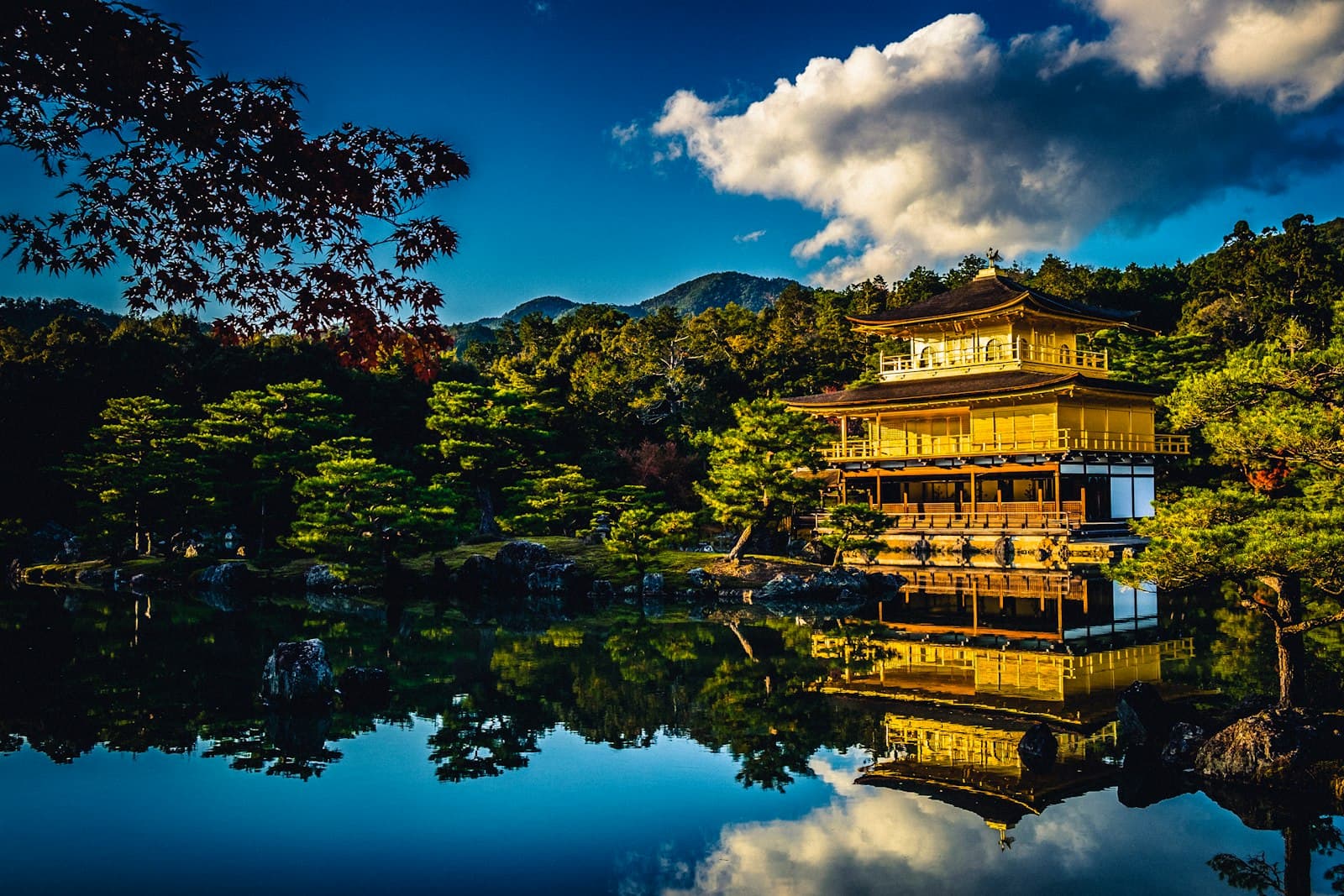
| Northern Hills | Kinkaku-ji, Ryoan-ji | Winter, Spring | Private temple meditation |
| Gion | Traditional machiya, tea houses | Evening visits | Intimate ozashiki banquets |
According to Japan Travel Pros’ insights into Kyoto’s hidden locations, the city reveals its true character in lesser-known temples and private gardens accessible only through specialized arrangements. These exclusive venues offer experiences far beyond typical tourist itineraries.
Seasonal Transformations
Kyoto’s beauty transforms dramatically with each season. Spring brings the famous cherry blossoms, best appreciated during private early-morning temple viewings before public opening hours. Autumn paints the maple trees in brilliant reds and golds, particularly stunning in temple gardens like Tofuku-ji and Eikando.
Winter offers a quieter elegance, with snow-dusted temple roofs and fewer crowds, allowing for contemplative experiences. Summer, though warm, provides exclusive opportunities for riverside dining along the Kamo River and access to special evening illuminations.
Mount Fuji and the Japanese Alps
The iconic silhouette of Mount Fuji dominates Japan’s landscape and imagination. The surrounding region offers extraordinary natural beauty combined with luxury accommodations.
Hakone and Lake Kawaguchi
These areas offer classic views of Mount Fuji while featuring world-class ryokan (traditional inns) with private onsen (hot spring) facilities. The experience of soaking in mineral-rich waters while gazing at Japan’s sacred mountain epitomizes the country’s approach to luxury: understated, natural, and profoundly restorative.
The Narusawa Ice Cave near Mount Fuji presents a geological wonder with year-round ice formations, offering a unique excursion that combines natural science with adventure.
Takayama and Kanazawa
Nestled in the Japanese Alps, Takayama preserves Edo-period merchant houses and morning markets that have operated for centuries. The town’s intimate scale makes it perfect for private guided walks through history.
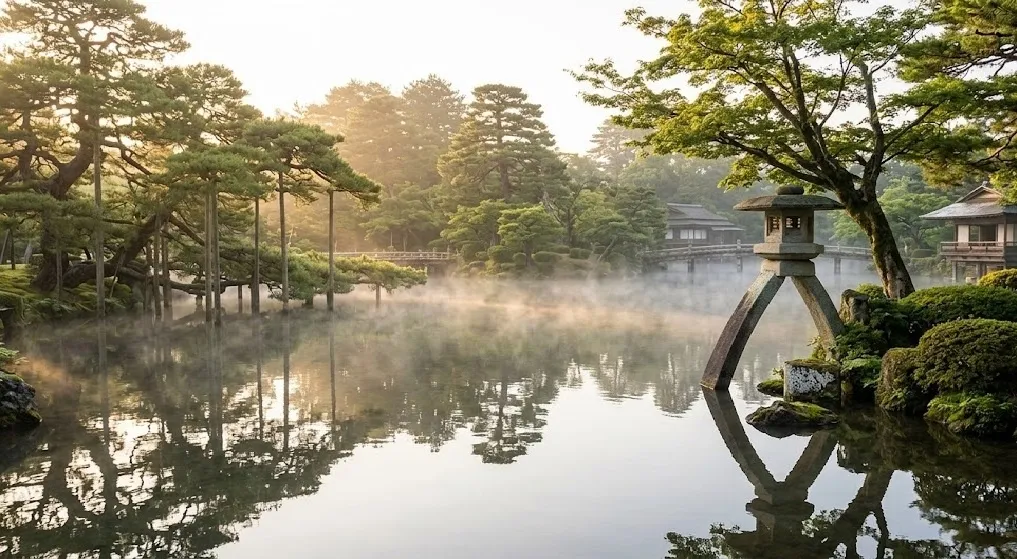
Kanazawa, often called “Little Kyoto,” is home to traditional crafts, including gold leaf production and Kutani porcelain. Kenrokuen Garden, considered one of Japan’s three most beautiful landscape gardens, offers morning private tours before general admission.
Osaka: Culinary Capital and Urban Energy
While Tokyo commands global attention, Osaka delivers Japan’s most authentic food culture. The city’s motto “kuidaore” (eat until you drop) reflects its obsession with culinary excellence.
Gastronomic Adventures
Osaka hosts numerous Michelin-starred establishments alongside beloved street food traditions. Kitashinchi and Nakazakicho neighborhoods offer intimate counter-seating experiences where master chefs prepare seasonal tasting menus.
Essential culinary experiences include:
- Kappo-style dining with chef interaction and personalized courses
- Fugu (blowfish) preparations by licensed experts during the winter months
- Okonomiyaki masterclasses with acclaimed chefs
- Sake brewery tours in the nearby Nada district
- Private kaiseki experiences featuring Osaka’s distinct flavor profiles
The city’s diverse attractions, as highlighted by Intrepid Travel, extend beyond cuisine to include Osaka Castle, contemporary art museums, and vibrant entertainment districts.
Hokkaido: Northern Wilderness and Seasonal Splendor
Japan’s northernmost island offers dramatically different landscapes and experiences from those of Honshu, the main island.
Sapporo and Niseko
Sapporo combines urban sophistication with proximity to pristine nature. The city’s culinary scene rivals any in Japan, with particular excellence in seafood and dairy products.
Niseko has emerged as Asia’s premier ski destination, attracting international luxury travelers with its exceptional powder snow and world-class resorts. Summer transforms the area into a paradise for hiking, golf, and outdoor adventures.
| Season | Destination | Experience | Duration |
|---|---|---|---|
| Winter | Niseko | Powder skiing, onsen | 5-7 days |
| Spring | Hakodate | Cherry blossoms, star fort | 2-3 days |
| Summer | Furano | Lavender fields, farm dining | 3-4 days |
| Autumn | Daisetsuzan | Fall foliage hiking | 4-5 days |
Otaru and Hakodate
Otaru, a charming port city, features preserved canal districts and exceptional sushi from the day’s fresh catch. Hakodate offers historical Western-influenced architecture, morning fish markets, and spectacular night views from Mount Hakodate.
Okinawa: Tropical Paradise and Ryukyu Culture
The Okinawan archipelago presents a completely different Japan, tropical, relaxed, and influenced by the ancient Ryukyu Kingdom. According to Lonely Planet’s comprehensive guide, these islands offer pristine beaches and unique cultural heritage.
Ishigaki and Miyako Islands
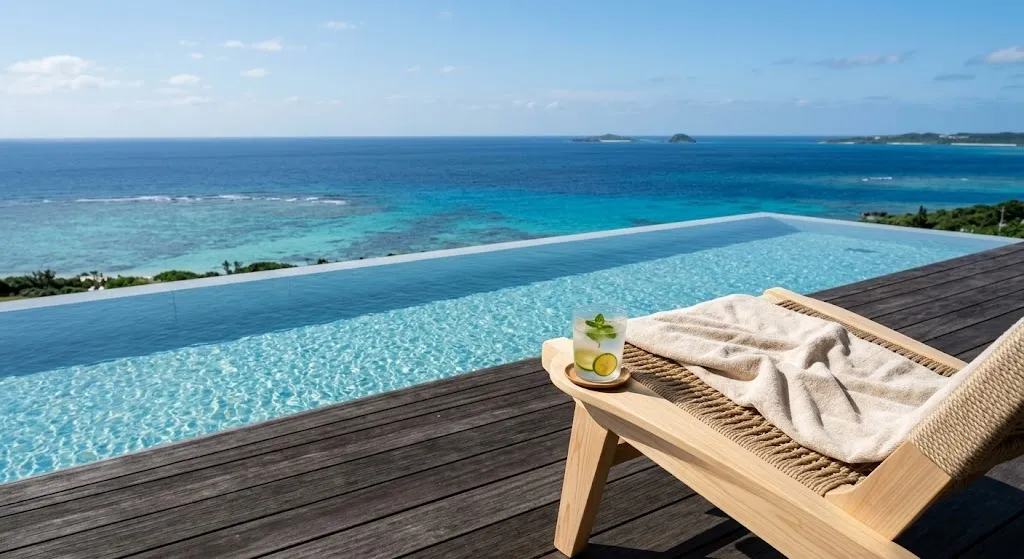
These remote islands feature crystal-clear waters, world-class diving, and luxury beach resorts that rival those of any tropical destination. The slower pace and distinct Okinawan culture provide a perfect counterpoint to mainland Japan’s intensity.
Ishigaki serves as a gateway to the surrounding islands, each with distinct characteristics. Miyako boasts some of Japan’s most beautiful beaches with powder-white sand and turquoise waters.
Cultural Distinction
Okinawan culture differs significantly from mainland traditions, reflected in its:
- Unique cuisine emphasizing longevity-promoting ingredients
- Traditional textiles and crafts, including bingata dyeing
- Distinct musical traditions featuring the sanshin (three-stringed instrument)
- Historical castle ruins and Ryukyu Kingdom heritage sites
- Centenarian culture and wellness traditions
Hiroshima and Miyajima: Peace and Sacred Beauty
Hiroshima offers profound historical significance alongside remarkable resilience and renewal. The Peace Memorial Park and Museum provide essential context for understanding modern Japan.
Miyajima Island
Just offshore, Miyajima ranks among the best places to visit in Japan for its iconic floating torii gate and sacred deer. The island’s Itsukushima Shrine, designated a UNESCO World Heritage site, appears to float during high tide, creating one of Japan’s most photographed vistas.
Luxury travelers should consider:
- Overnight stays in traditional ryokan on the island itself
- Private ropeway access to Mount Misen for sunrise views
- Exclusive temple ceremonies not available to day visitors
- Seasonal festivals, ls including traditional bugaku court dance performances
Naoshima and the Art Islands
The Seto Inland Sea’s art islands represent Japan’s commitment to cultural innovation. Naoshima is home to world-class contemporary art museums designed by Tadao Ando, seamlessly integrated into the natural landscape.
Teshima and Inujima continue this artistic vision with installations that transform entire islands into immersive art experiences. These destinations appeal particularly to collectors and art enthusiasts seeking experiences beyond traditional museum settings.
Nara: Ancient Capital and Sacred Deer
As Japan’s capital before Kyoto, Nara preserves some of the country’s oldest and most significant temples. Todai-ji Temple houses a massive bronze Buddha statue, while Kasuga Taisha Shrine features thousands of bronze and stone lanterns.
The city’s semi-wild deer, considered sacred messengers of the gods, roam freely through parks and temple grounds. Early morning visits allow private interactions with these gentle creatures before crowds arrive.
Nikko: Mountain Shrines and Natural Beauty
Nikko‘s ornate Toshogu Shrine, the final resting place of Tokugawa Ieyasu, showcases Japan’s most elaborate shrine architecture. The surrounding national park offers spectacular waterfalls, mountain hiking, and autumn foliage.
The area’s luxury ryokan provide exceptional hospitality in mountain settings, combining onsen bathing with kaiseki cuisine that showcases local ingredients including yuba (tofu skin) and river fish.
Kamakura: Coastal Temples and Historic Charm
Less than an hour from Tokyo, Kamakura served as Japan’s political center during the medieval period. The Great Buddha statue, numerous Zen temples, and a relaxed beach-town atmosphere create an ideal day or overnight excursion.
The town’s hiking trails connect various temples through forested mountains, offering peaceful escapes and stunning coastal views. Seasonal hydrangeas at Meigetsu-in and autumn leaves at Engaku-ji rank among the region’s highlights.
Strategic Planning for Luxury Travel
Experiencing the best places to visit in Japan requires thoughtful planning that considers seasonal variations, regional festivals, and exclusive access opportunities. The comprehensive overview of JR Pass emphasizes the importance of efficient transportation between destinations.
Optimal Timing Considerations
Spring (March-May) delivers cherry blossom season but requires reservations at premium properties. Autumn (September-November) offers comfortable temperatures and spectacular foliage, with less crowding than in spring.
Summer (June-August) offers festival season and mountain hiking, though humidity can make cities uncomfortable. Winter (December-February) excels for skiing, hot springs, and winter illuminations, with the added benefit of fewer international travelers.
Bespoke Itinerary Development
Luxury travel in Japan benefits enormously from expert curation. Considerations include:
- Private guides fluent in your language and trained in cultural interpretation
- Reserved access to experiences typically unavailable to general visitors
- Seamless logistics, including private transfers and luggage forwarding
- Restaurant reservations at establishments that don’t accept direct bookings
- Accommodation selection balancing location, service, and authentic experience
Resources like Vogue’s curated destinations and Time Travel Turtle’s comprehensive guide provide additional perspectives on emerging destinations and hidden gems worth incorporating into sophisticated itineraries.
Regional Transportation and Connectivity
Japan’s transportation infrastructure ranks among the world’s finest. The Shinkansen (bullet train) network connects major cities with punctuality measured in seconds. For luxury travelers, Green Car accommodations provide spacious seating and refined service.
Private car services offer flexibility and comfort, particularly valuable when visiting multiple sites in one region or traveling with luggage. Helicopter transfers between certain destinations provide time efficiency and spectacular aerial perspectives.
Cultural Etiquette and Enhanced Experiences
Understanding Japanese customs deepens every interaction. Key considerations include:
- Onsen etiquette and tattoo policies at traditional bathing facilities
- Temple protocols for photography, clothing, and respectful behavior
- Dining customs, including chopstick use and seasonal appreciation
- Gift-giving traditions when staying at a ryokan or attending private events
- Communication styles emphasizing indirect expression and harmony
These cultural nuances, when properly navigated, transform surface-level tourism into genuine cultural exchange and understanding.
From Tokyo’s innovative energy to Kyoto’s timeless elegance, Japan’s best places to visit offer experiences that resonate long after departure. Planning such journeys requires deep expertise, cultural knowledge, and access to exclusive opportunities. When you’re ready to explore Japan’s finest destinations with the attention to detail they deserve, Japan Royal Service creates fully customized itineraries that transform your vision into reality, ensuring every moment reflects your personal interests while revealing the profound beauty that makes Japan extraordinary.