目次
- 01What Sadō really is (and what it isn’t)
- 02Kyoto: tea culture where it was refined
- 03Tokyo: private refinement, museum-level calm
- 04What happens during a private tea introduction
- 05Seasonal planning: when tea feels most memorable
- 06Hidden-Japan details: what advanced guests usually ask for
- 07Practical notes we plan for (so you don’t have to)
- 08Kyoto & Tokyo sample rhythm (a realistic HNW pairing)
- 09Conclusion: one bowl, a different Japan
In our experience at Japan Royal Service, the tea ceremony is where Japan speaks in a lower voice. One bowl of matcha, prepared with care, can explain more about Kyoto and Tokyo than a week of sightseeing. We arrange Sadō (茶道)—often called chanoyu—as a private introduction: intimate, unhurried, and guided by the season.
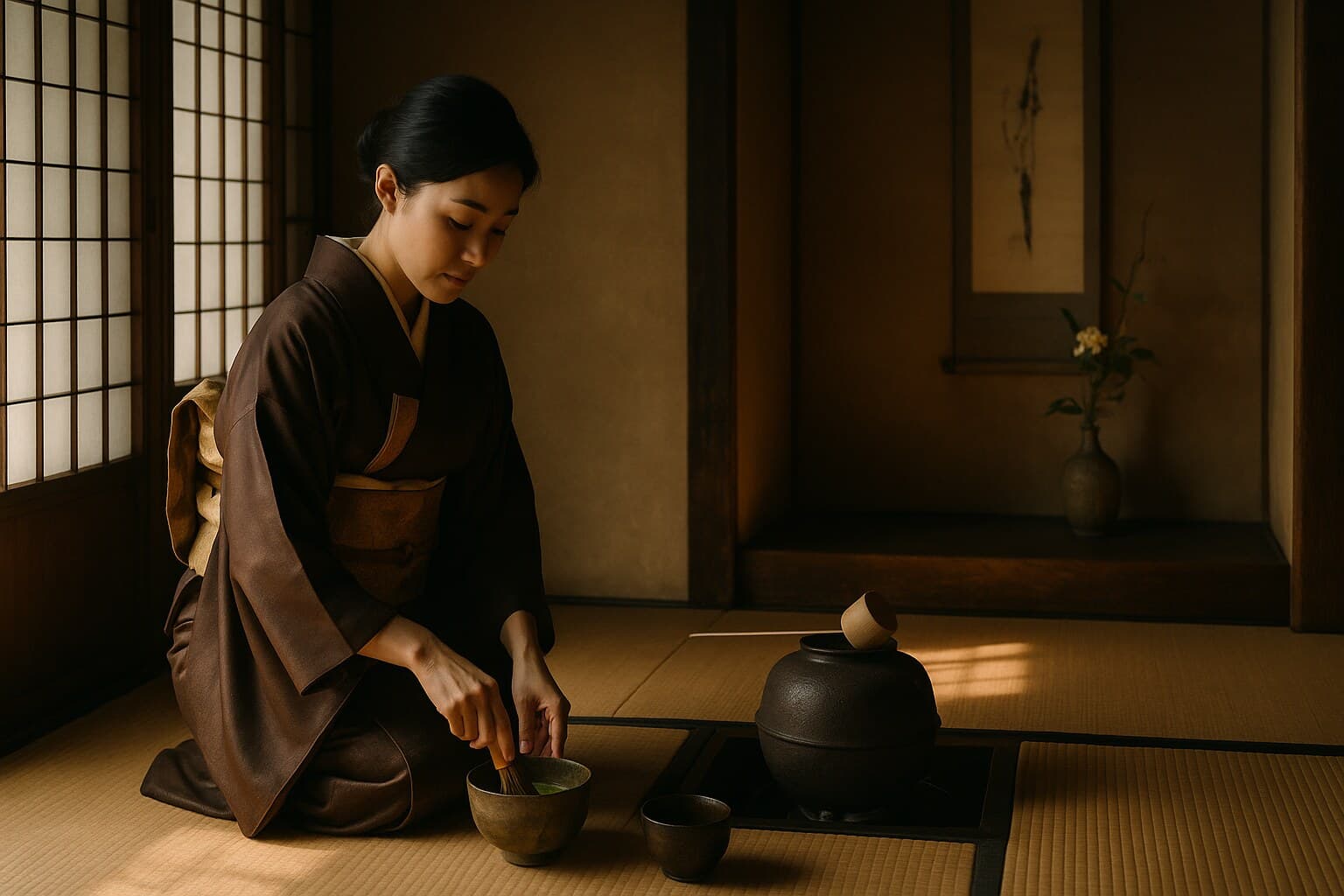
Sadō is built from small gestures—each one intentional.
What Sadō really is (and what it isn’t)
Sadō is not a performance, and it is not simply “having green tea.” It is a disciplined hospitality art shaped by omotenashi—care that anticipates what a guest may not say out loud. A good host reads the room in silence. A good guest responds with attention.
At its center are a few essentials: a seasonal setting, the utensils, the movement, and the bowl of matcha itself. The aesthetic is often wabi-sabi: restraint, patina, and the beauty of what is slightly imperfect, because it is real.
Why Kyoto and Tokyo feel different
Kyoto carries centuries of tea culture in its streets, temples, and craft families. Tokyo brings an urban clarity—polished spaces, exceptional service, and the option to pair tea with contemporary design or museum-level collections. We curate both, but we plan them differently.
Kyoto: tea culture where it was refined
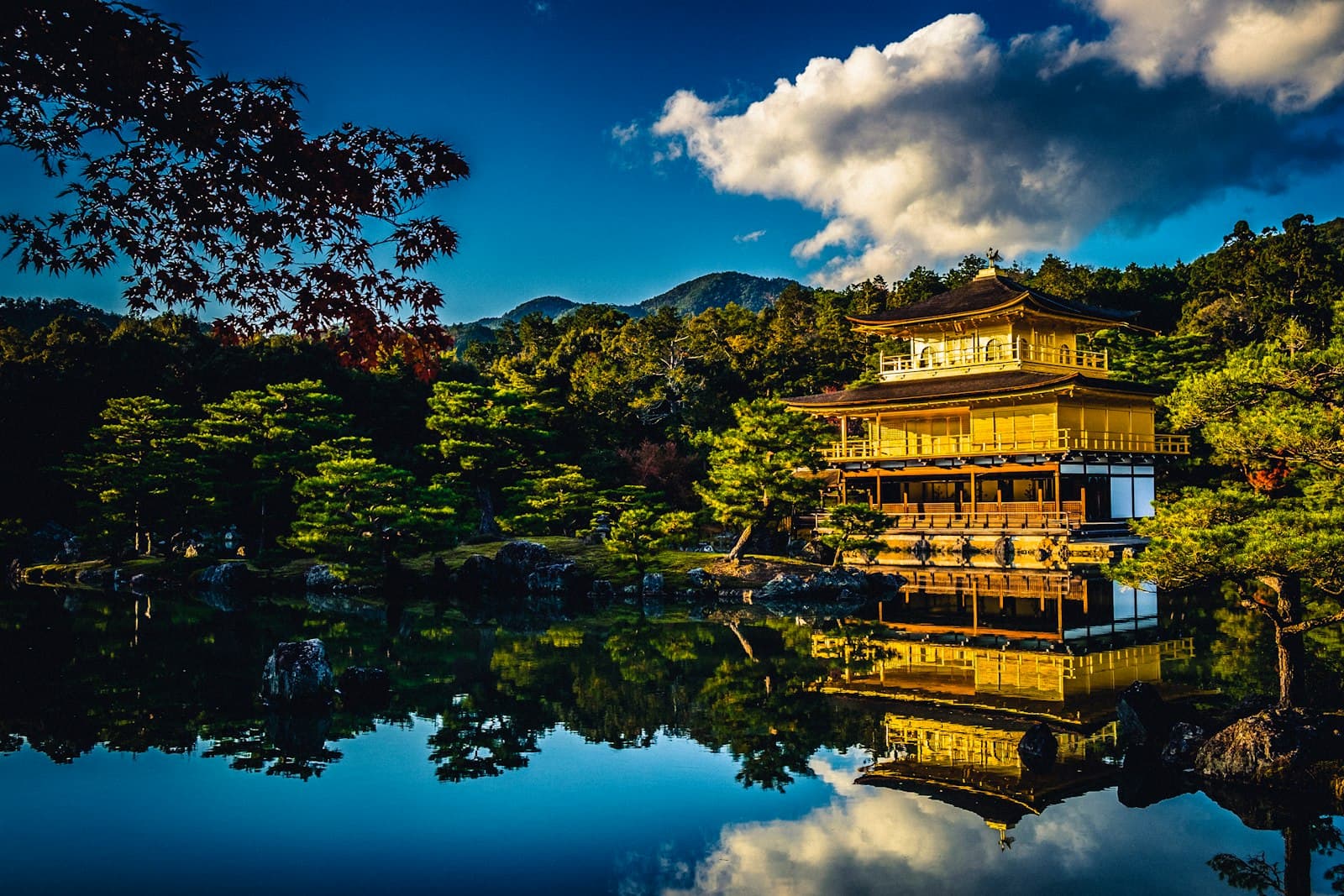
Kyoto is the natural starting point for many guests because the city’s pace rewards stillness. When we design a private Sadō experience in Kyoto, we keep travel time short and atmosphere high. A calm approach matters.
Where we typically base you
- The Ritz-Carlton, Kyoto (Kamogawa River, walkable to central districts)
- Four Seasons Hotel Kyoto (a large pond garden on-site, excellent for resetting your senses)
- Suiran, a Luxury Collection Hotel, Kyoto (Arashiyama area; ideal if you want river scenery and early mornings)
From these hotels, our concierge can build a day that flows. No rushed transfers. No overbooking.
Matcha that respects shun (旬)
Shun is seasonality at its most exacting. In Sadō, it appears in the sweets (wagashi), the hanging scroll, the flower arrangement, and the choice of utensils. In spring, guests often notice motifs of renewal; in autumn, tones soften and the room feels more contemplative.
Kyoto also places you within easy reach of Uji—Japan’s most famous matcha-producing area in southern Kyoto Prefecture. We can plan a visit that focuses on understanding, not shopping: how shade-growing changes flavor, why stone-milling matters, and what “freshness” really means for matcha.
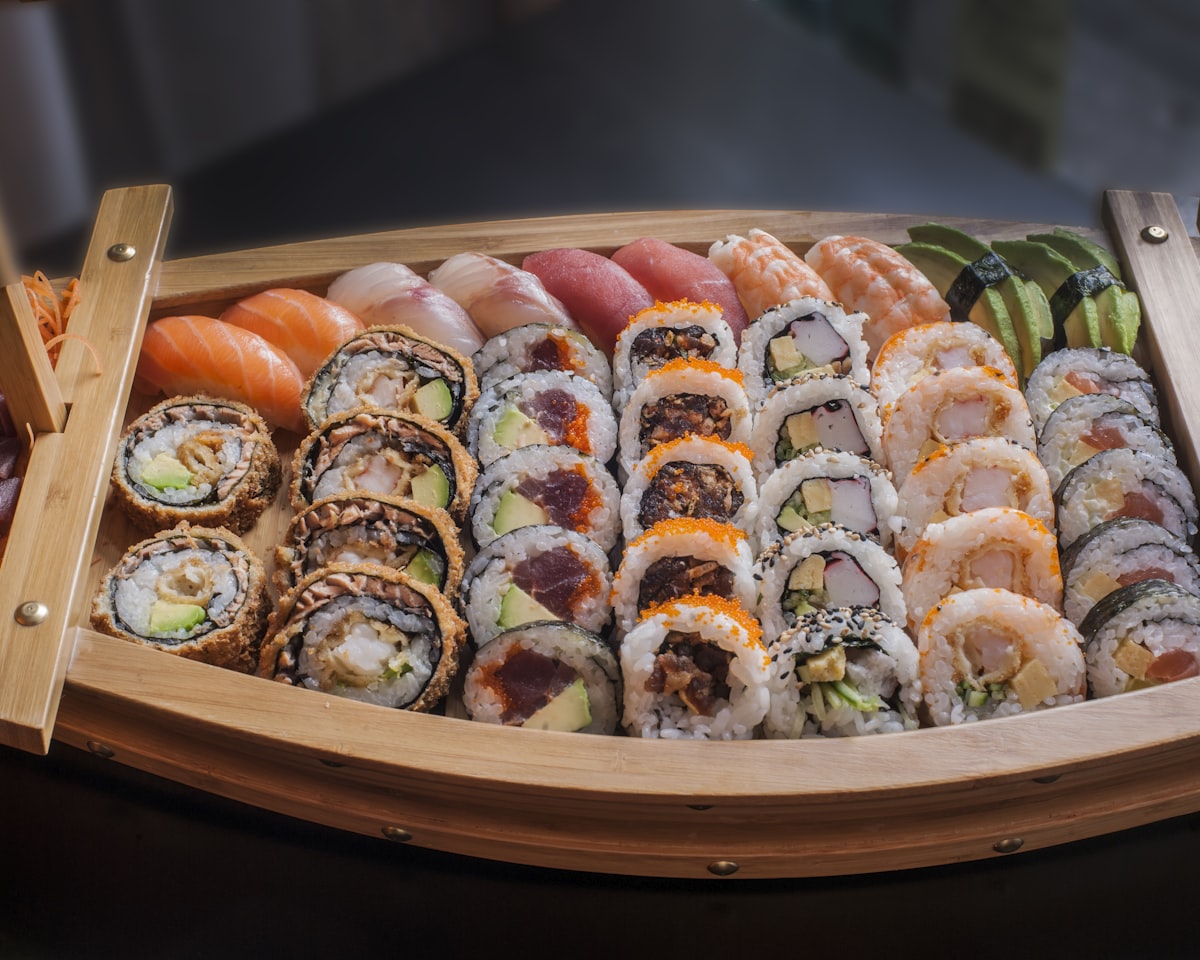
A tatami room changes how you sit, move, and listen.
Our preferred pacing in Kyoto
We rarely schedule more than one major cultural appointment on a tea day. Tea asks for a quieter calendar. Our team may suggest pairing Sadō with a single nearby visit—such as a garden or a temple—then leaving the rest of the afternoon open for a slow lunch, a short stroll, and a return to your hotel.
Tokyo: private refinement, museum-level calm
Tokyo can surprise guests who assume tea belongs only to Kyoto. In fact, Tokyo offers superb tea rooms and hosts with impeccable technique—often in settings that feel exceptionally private. The city’s strength is control: punctuality, discretion, and space managed down to the minute.
Where we typically base you
- Aman Tokyo (quiet, high above the city; ideal for unwinding between appointments)
- The Peninsula Tokyo (excellent access and service rhythm; strong for corporate travelers)
- Four Seasons Hotel Tokyo at Otemachi (views, calm, and efficient transfers)
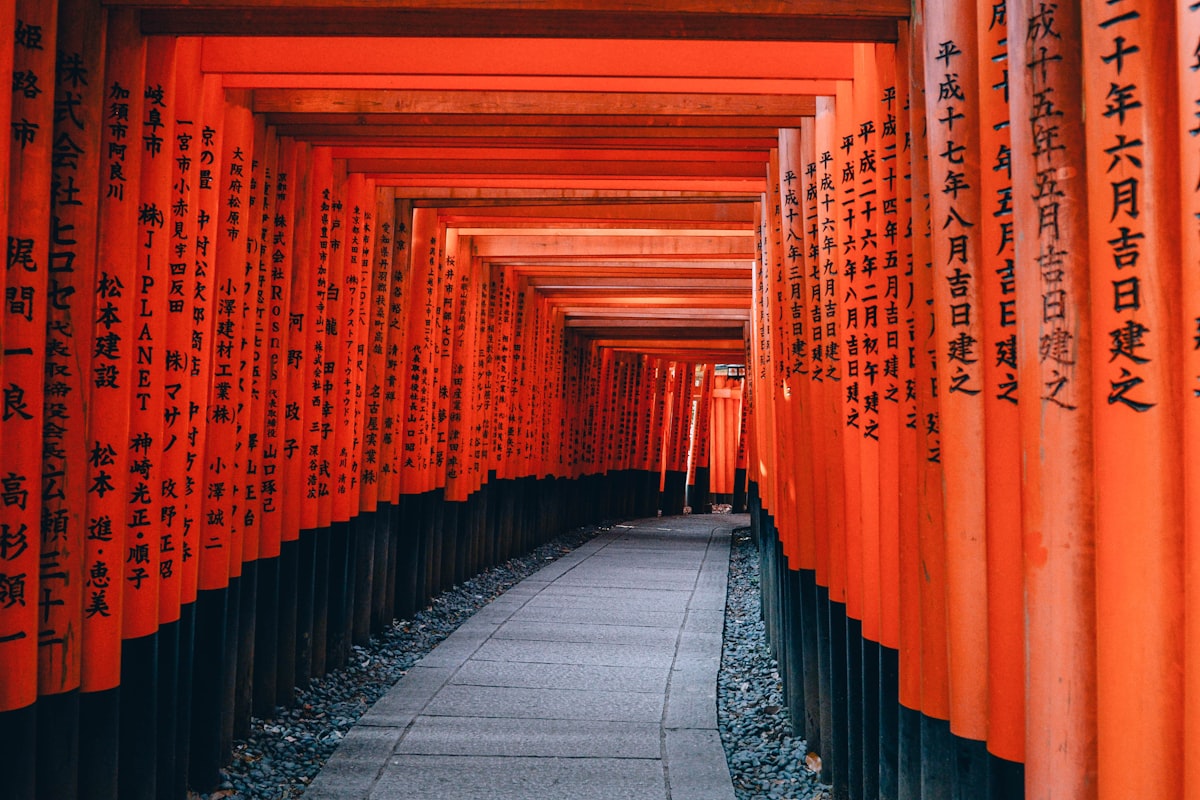
Tokyo’s energy is intense. Tea gives it shape.
How we make Tokyo tea feel intimate
Privacy is not a luxury add-on. It is the baseline. We plan for small parties—typically 2 to 4 guests—and we choose venues and time windows that avoid unnecessary exposure. When appropriate, we can arrange private transportation so you arrive composed, not compressed by crowds.
Our founder Yasu Chuck is especially particular about timing in Tokyo. A tea appointment should never follow a stressful transfer or a crowded attraction. We often place it mid-morning or late afternoon, then design a gentle transition to dinner.
What happens during a private tea introduction
Every host has their own rhythm, but a well-structured introduction usually includes:
- Greeting and seating with a brief explanation of etiquette (no anxiety, no tests)
- Seasonal sweets first, to prepare the palate
- Preparation of matcha (often usucha, “thin tea,” for introductions)
- Handling of the tea bowl and simple guest gestures—how to turn the bowl, how to drink
- Conversation around utensils (what they are, why they matter, and what to notice)
The best moments are quiet. You hear the kettle. You see the foam settle. You realize the host is doing many things at once, without showing effort.
Etiquette that actually helps (not rules for show)
- Wear easy socks and avoid complicated jewelry; tea rooms are about simplicity.
- Skip heavy fragrance; scent can overwhelm the room.
- Tell us your seating needs in advance. Many venues can accommodate chairs, but it must be arranged discreetly.
Seasonal planning: when tea feels most memorable
Tea works year-round, but the emotional tone changes with the calendar. We plan around shun—not just weather.
- Spring (Mar–May): softer light, fresh motifs, and a sense of renewal in sweets and flowers.
- Summer (Jun–Aug): cooler utensils and lighter atmosphere; we schedule to avoid midday heat.
- Autumn (Sep–Nov): calm intensity; ideal for guests who love texture, wood, and shadow.
- Winter (Dec–Feb): the kettle’s sound becomes part of the experience; the room feels especially intimate.
Wabi-sabi is not decoration. It is a way of seeing.
Hidden-Japan details: what advanced guests usually ask for
Many of our HNW guests begin with an introduction, then ask to go deeper—quietly. This is where shokunin culture becomes tangible.
- Utensils as craft: understanding why a tea bowl’s foot, glaze, and weight matter in the hand.
- Seasonal menus around tea: pairing tea with refined Japanese cuisine in a way that respects subtle flavor.
- Discretion-first scheduling: choosing time slots that protect the calm of the host and the privacy of the guest.
We do not treat tea as an “activity.” We treat it as a key that opens doors—carefully, and only when it is appropriate.
Practical notes we plan for (so you don’t have to)
- Time required: plan 60–90 minutes for a thoughtful introduction, plus transfers.
- Party size: best as 2–4 guests for intimacy and ease of conversation.
- What to wear: smart, comfortable clothing; avoid long, trailing sleeves if possible.
- Dietary needs: tell us in advance so we can select suitable wagashi.
Our concierge also confirms what can and cannot be photographed. Many tea settings prefer minimal or no photography. We support that. The memory is the point.
Kyoto & Tokyo sample rhythm (a realistic HNW pairing)
This is the kind of pacing we often recommend for HNW travelers who want depth without exhaustion:
- Kyoto: one private tea introduction in the late morning, a quiet lunch nearby, and an open afternoon for rest or a short garden visit.
- Tokyo: a private session scheduled mid-afternoon, followed by a refined dinner reservation with smooth transfers.
Simple. Balanced. Luxurious in the way that lasts.
Conclusion: one bowl, a different Japan
Sadō is not about learning steps. It is about learning attention. When our team curates a private tea ceremony in Kyoto or Tokyo, we aim for something rare but attainable: a calm hour that changes how you experience Japan for the rest of your journey.
If you’d like us to design a private tea experience—with the right host, timing, and seasonal setting—our concierge will propose options tailored to your dates, hotel, and preferences. Share your travel month and party size, and we will take it from there.