目次
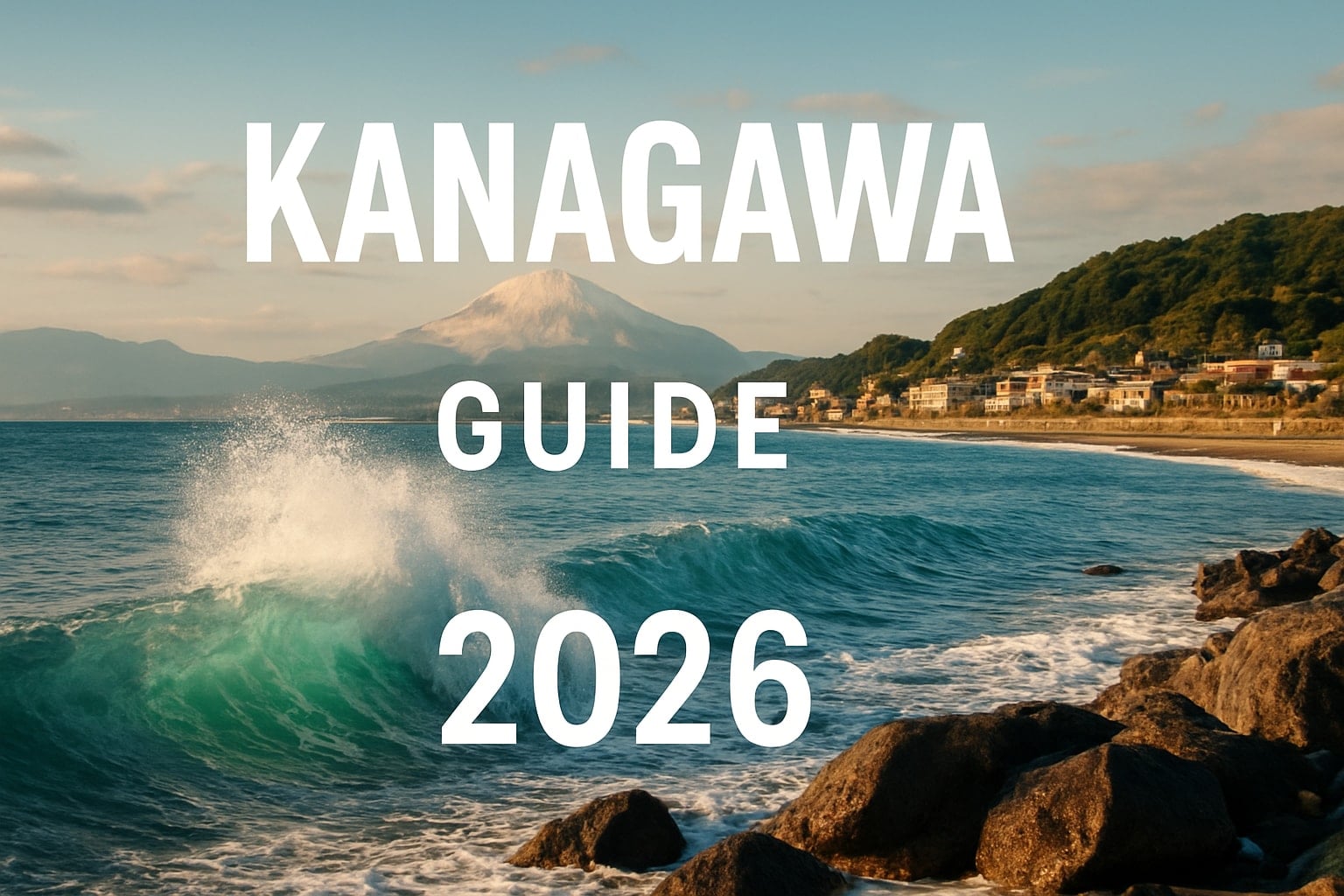
Just south of Tokyo. Close enough that the rush spills over. On a clear spring morning at 7:10 a.m., the air around Enoshima Station can carry a faint mix of salt and diesel, and that’s the moment Kanagawa makes sense—city glare, temple hush, then surf foam, all in one run if your timing isn’t sloppy (I once missed a connection and paid for it with a packed platform). Worth it. This guide explains why Kanagawa deserves a high slot on your 2026 plan, from Yokohama’s harbor blocks to Hakone’s steamy baths and the seafood counters where someone behind you asks, “shirasu, arimasu ka?” and the vendor answers with a quick nod, eyes still on the tray.
Kanagawa at a Glance: Geography, History & Culture
Kanagawa sits right under Tokyo. Fast, too. It stitches port-city clatter to mountain quiet in a way that feels used, not staged, and it’s long served as a front door to Kanto for traders, commuters, and weekend escapees chasing shoreline light or a hit of festival drums.
At day’s end, Yokohama’s lit-up skyline can share the same frame with Mount Fuji’s calm outline, especially when the haze lifts for a few lucky minutes.
Geography and Location
Kanagawa faces the Pacific and sits minutes from Tokyo, which is why it’s a go-to for day trips that don’t feel like a sprint. The variety is the hook: Yokohama’s waterfront promenades, the Tanzawa Mountains’ deeper greens, and river valleys that change color after rain, plus Sagami Bay and Enoshima Island when you want wind and open water.
Key urban centers include Yokohama, Kawasaki, Kamakura, Odawara, and Hakone. Each one tugs the prefecture in its own direction. Yokohama, for example, has the reputation of Japan’s outward-looking port city, and if you want a tighter sense of what to do there, the Yokohama travel guide is a solid starting point.
The climate stays mild. Summers run warm; winters rarely bite. That means you can show up in almost any month without building your whole schedule around survival gear, and with about 9 million people here, the appeal stays simple: dense neighborhoods a stop away from beaches, hikes, and long views that make you pause mid-thought.
Historical Significance
Kanagawa’s past nudged modern Japan in real ways. In 1859, Yokohama’s port opened and things shifted quickly, with global trade and new customs arriving by ship; earlier still, Kamakura served as the shogunate’s seat from the 12th to 14th centuries, leaving temple precincts and samurai stories you can still follow on foot without needing a guide to “sell” it.
Odawara Castle marks Edo-period legacy clearly, while the port cities absorbed outside influence and turned it into daily habit—food, building styles, even the way some streets feel wider than older towns. The prefecture also lived through major events during World War II and then carried weight in Japan’s post-war rebuilding.
Modern life gets loud. The older layers stay put. Samurai heritage, Buddhist practice, and Shinto rites are still tended, and the kept-up shrines and castle grounds let you step out of commuter flow and into something older in about five minutes.
Cultural Identity
Kanagawa’s calendar fills up. Quickly. Think the Yokohama Port Festival, Kamakura Matsuri, and the Odawara Hojo Godai Festival—days when streets thicken with people, drums bounce off buildings, and seasonal displays slow everyone down whether they meant to stop or not.
The arts scene has range, from museums and small galleries to craft studios where shokunin work quietly and don’t pitch what they’re doing. Coastal areas in particular carry a mixed accent—Japanese tradition with international edges—so the local mood can flip block to block, sometimes within the same ten-minute walk.
Plenty of prominent artists, writers, and athletes have roots in Kanagawa, and the prefecture still reads as a working creative place rather than a glass case. You might spend an hour with contemporary work in Yokohama, then switch gears for a tea ceremony in Hakone where omotenashi shows up as small, sharp gestures, not speeches.
Must-Visit Destinations in Kanagawa
Kanagawa runs on contrast. Short rides. Sudden mood swings. These stops cover the port, the temple town, the onsen hills, and the coast—enough range to feel the prefecture without pretending you “completed” it.
Try a bowl of Shirasu-don at least once; it’s a local staple that tastes briny and clean, like the Pacific got filtered through rice.
Yokohama: Japan’s Cosmopolitan Port City
Yokohama is Kanagawa’s urban pulse. Tall. Bright. Often windy, with Landmark Tower hanging over Minato Mirai 21 where shopping, museums, and waterfront walks crowd together like nobody agreed on personal space.
- Spend time around the Red Brick Warehouse for shops and a clear waterfront view.
- Drop into the CupNoodles Museum and the Ramen Museum if you want hands-on, slightly goofy food history.
- Walk through Japan’s largest Chinatown when you’re hungry and don’t mind a little sensory overload.
- Take a breather at Yamashita Park, then head to Osanbashi Pier as the light turns.
Night changes the place. Louder. If you hit Osanbashi near dusk, locals often lean on the rail like they’re waiting for a ship that never shows, and the harbor wind does most of the talking.
Kamakura: Ancient Temples & Coastal Charm
Kamakura mixes spiritual history with beach air. Quiet lanes. Sudden crowds. Then the Great Buddha (Kamakura Daibutsu), sitting there with the unbothered patience of a landmark that’s seen too much to react to your camera angle.
- Go to Tsurugaoka Hachimangu Shrine, the city’s steady spiritual center.
- Seek out Zen temples like Engaku-ji and Kencho-ji when you want shade and a slower pace.
- Make room for Yuigahama Beach and the nearby hiking trails if the weather holds.
- Follow historic streets that still carry the samurai-era outline.
One practical note: start early, especially on weekends, because the main approaches can choke by late morning and the calm you came for gets traded for shoulder-to-shoulder shuffling. If you want a more detailed list of highlights, these Kamakura tourist spots can help you choose instead of trying to do everything.
Hakone: Hot Springs, Art & Mt. Fuji Views
Hakone is where Kanagawa turns inward. Steam. Cedar. Slopes. It’s known for onsen resorts and traditional ryokan among mountains and forests, and even a short soak can reset your day when the air turns crisp and your phone finally goes quiet.
- See modern sculptures at the Hakone Open-Air Museum when you want art with space to breathe.
- Spend time at the POLA Museum of Art for a different, more hushed kind of gallery day.
- Cruise Lake Ashi for those Mt. Fuji views people hope for.
- Stop at Hakone Shrine, then take the ropeway over volcanic valleys if lines aren’t punishing.
Big mistake: assuming Fuji will always cooperate. Some days it’s just cloud and glare, and you’ll be relieved you built the plan around museums and onsen instead of betting everything on one skyline cameo.
Enoshima & Shonan Coast: Island Getaways
Shonan runs on a different tempo. Faster surfers. Longer lunches. Enoshima Island anchors the coast with shrines, caves, and an observation tower that turns the horizon into a clean line when the weather behaves (late May can be hazy; midwinter can be shockingly clear).
- Take time on Shonan’s sandy beaches if swimming or surfing is the point.
- Cycle the coastal paths, or swing by the seafood markets when the wind makes you hungry.
- Visit the local aquarium if you want something close-up and easy between walks.
Summer brings festivals and warm breezes off the water, and even outside peak season the coastline can feel like a reset button for anyone arriving from Tokyo’s packed platforms and fluorescent hum.
Odawara & Beyond: Castles and Countryside
Odawara leans historical, with a slightly rural edge once you drift away from the station area. Odawara Castle is the headline, especially when cherry blossoms line the grounds, but the real payoff is how quickly the city loosens into quieter roads and slower meals where nobody tries to rush you out.
- Take the Hakone Tozan Railway into the mountains when you want scenery without driving.
- Spend time in small towns and countryside spots for a slower pace.
- Catch seasonal blooms and local hospitality when the timing lines up.
If you want cultural depth, it’s here. If you want a calm afternoon that doesn’t feel bought, it’s also here, sitting just beyond the usual day-trip loop.
Kanagawa’s Culinary Scene: From Street Eats to Fine Dining
Kanagawa eats like a port and a commuter belt at the same time. Fast bites live next to slow, ceremonial meals, and the menu shifts with shun—what’s best right now, not what’s printed on a glossy poster. Come hungry. Leave picky.
Shirasu-don is simple on paper, but the fresh whitebait and warm rice make the ocean feel close, even if you’re eating with a jacket on.
Local Specialties & Food Experiences
Kanagawa gets its range because coastline and big-city kitchens keep trading ideas. Yokohama’s Chinatown is the obvious pull and, yes, it’s huge; nearby, ramen culture gets a playground at the Ramen Museum, which makes it easy to compare styles without burning half the day on transit.
Kamakura goes lighter—matcha sweets, and shirasu (whitebait) that shows up so often it starts to feel like a local signature for a reason. Hakone’s onsen towns are linked with kaiseki meals, and Owakudani’s “black eggs” come with that volcanic story people repeat to each other while they eat, half-joking and half-earnest. Along Enoshima, seafood donburi bowls follow the day’s catch, while Odawara is known for kamaboko fish cakes shaped and cut with shokunin precision; if you’ve ever watched a vendor slice one cleanly, you’ll understand wabi-sabi isn’t only about objects sitting on a shelf.
If you want more context on the ideas behind what’s on the table, Japanese cuisine discoveries is helpful—just keep your eyes on what’s seasonal rather than what’s getting buzz online.
Unique Dining Experiences
In Kanagawa, the meal often is the setting. Harbor-side tables in Yokohama. A low-key izakaya after dark. Or a tea house in Kamakura where the garden is half the point and the quiet does the rest.
Street festivals can turn an ordinary block into a row of grills and sweet smoke, while Michelin-starred rooms go the other direction—tight pacing, tiny gestures, and plates that arrive like small, opinionated statements. JRS staff member Yasu once squeezed a couple into a 6:00 p.m. dinner at a Hakone ryokan in Gora after hearing them say, “We just want one calm night,” and the next morning they swore the bath was empty by 9:15 p.m. because the ropeway crowds had already thinned.
Outdoor Adventures and Natural Wonders
Kanagawa works outdoors. No hype. Just practicality: parks close to stations, coastlines that don’t demand a car, and mountains that feel real even when you can still catch city edges in the distance if you turn your head the wrong way.
Trails in Hakone can pay you back with big views—Lake Ashi below, and (on the right day) Mount Fuji holding the horizon steady.
National Parks & Nature Escapes
Kanagawa shows its geography best in the parks. Fuji-Hakone-Izu National Park is the marquee, with volcanic valleys, lake views, and routes that swing between easy walks and leg-burn climbs; mix in onsen culture and you get a day that feels restorative rather than “efficient.” If you want a primer before you go, Japanese onsen hot springs helps, especially if you’re new to bathing etiquette. Tanzawa-Oyama Quasi-National Park brings misty ridgelines, forest tracks, and waterfalls that get louder after a storm. Along Sagami Bay, sailing and fishing sit beside marine sports, and Enoshima adds botanical gardens and coastal walks where gulls argue over scraps like they pay rent.
Seasonal Activities
Kanagawa shifts with the seasons. You can feel it. Spring is hanami time, with cherry blossoms in places like Sankeien and around Odawara Castle drawing families and photographers who take the same shot five times, then one more, then finally leave.
Summer pushes you to the Shonan Coast for surfing, paddle boarding, and beach festivals, while autumn turns Hakone and Tanzawa into reds and deeper golds that make even casual walkers stop every few minutes—sometimes to look, sometimes just to catch their breath. Winter gets quieter: illumination events in parks, warm ryokan rooms, and onsen baths that feel extra good when you step back into cold air and your skin prickles.
Family-Friendly Attractions
Kids don’t need a speech here. They need choices. Yokohama Cosmo World’s Ferris wheel, Hakkeijima Sea Paradise aquarium, and Forest Adventure Odawara’s ziplining and treetop routes can fill a day without constant negotiation.
Many parks and beaches also have playgrounds, cycling trails, and picnic areas, so you can swing between high energy and slow time depending on who melts down first. Useful. And very human.
Festivals, Events & Cultural Experiences
Kanagawa celebrates often. Sometimes loudly. The point isn’t only spectacle; it’s continuity—customs that return each year, nudged by weather, crowds, and the particular mood of the neighborhood running the show.
Annual Festivals & Celebrations
Festival season here is messy in the best way: drums, food stalls, kids tugging sleeves, and the occasional perfect firework reflection wobbling on the water. Every year has anchors like the Yokohama Port Festival (fireworks get the spotlight) and Kamakura Matsuri, where samurai processions make history feel oddly immediate for something you’re watching with a paper cup in hand.
Spring gets special attention during the Miura Kaigan Sakura Festival 2026, turning the coast into long stretches of pink that look almost unreal when the wind stays low. In Kamakura, the Tsurugaoka Hachimangū Reitaisai 2026 includes horseback archery and performances that underline the prefecture’s samurai legacy without tipping into a theme-park vibe.
Summer nights lean into the Enoshima Lantern Festival, and the Odawara Hojo Godai Festival adds reenactments and street parades that can shut down a normal route in the best possible way. Bring patience. And cash.
Arts, Crafts & Local Traditions
Kanagawa has strong craft culture, especially around Hakone and Odawara, where workshops let visitors try techniques that have been handed down and sharpened rather than reinvented. You make something small. You realize how hard “simple” is. You walk out respecting shokunin hands a little more than you did an hour earlier.
Performing arts matter, too—Noh and Kabuki stages share the calendar with contemporary shows in Yokohama galleries that lean modern and experimental. The mix doesn’t feel forced; it’s just how the prefecture moves.
Tea ceremonies and calligraphy classes offer a quieter entry point, and they’re often where visitors first feel omotenashi as an actual practice, not a sales line.
Unique Cultural Experiences
If you want the deeper version of Kanagawa, it’s there. Temple stays in Kamakura can be genuinely restful, and zazen meditation introduces a slower rhythm that doesn’t care about your itinerary, your watch, or your “must-do” list.
There are also hands-on samurai and ninja experiences, plus seasonal tours and workshops that focus on local stories rather than generic highlights. Guides will explain etiquette, food habits, and the small rules that keep festivals from turning into chaos.
From museum exhibits you can touch your way through to historical reenactments that surprise you with their seriousness, Kanagawa asks you to participate a little, not just stand back and consume.
Essential Travel Tips for Visiting Kanagawa in 2026
Planning for 2026 mostly comes down to timing and expectations. Kanagawa is easy to reach, but popular spots can swell fast, so a bit of structure keeps you out of lines and inside the places you actually came to see.
Getting There & Getting Around
From Tokyo, Kanagawa is straightforward, which is why so many people treat it as a day trip—sometimes a little too casually. Trains do the heavy lifting: JR Tokaido Line, Shinkansen, and Odakyu lines connect the major hubs and the classic sights across the prefecture.
Local buses, monorails, and ferries handle the gaps, especially toward the coast and into mountain areas. Suica and PASMO keep the ticket gates quick, while car rentals or cycling help if you’re aiming for rural pockets at your own pace. Recent Kanagawa tourism statistics 2024 point to record visitor numbers, so locking in transport early can spare you a few headaches later.
Where to Stay
Stays range from high-end hotels with big views to traditional ryokan that prioritize quiet and baths. First-time visitors often base near Yokohama’s waterfront for easy shopping and nightlife, while Hakone’s onsen towns work best when you actually sleep there and let the evening stretch out instead of bolting back to Tokyo. Kamakura guesthouses, meanwhile, put you close to temples and the shoreline with minimal fuss.
If you want something different, consider a floating hotel in Yokohama or a temple stay in Kamakura. Boutique inns can feel personal in a way larger properties can’t, and early booking matters during busy seasons.
Planning Your Trip
Cherry blossom season (March to April) and autumn foliage (November) are the headline windows, and yes, they draw crowds for a reason. Learn a few basic phrases, keep etiquette in mind—shoes off indoors, greetings offered cleanly—and interactions tend to go smoother almost immediately, even when you’re tired.
Safety and accessibility standards are strong across Kanagawa, and official tourism sites are usually your best bet for current details. Traveling responsibly—supporting local shops, respecting nature—helps keep the places you came to see from getting worn down by attention.
Insider Tips
Start early. Really early. Crowds at major sites can stack up before lunch, and a 30-minute head start can change the whole mood of Kamakura or Hakone.
Locals will point you toward quieter hikes near Odawara or low-key tea houses in Hakone, and those tips are often the difference between a “good” day and a day you keep bringing up later. If you’re traveling in summer, pairing your dates with events like the Hakone Shrine Grand Festival 2026 can add a cultural anchor without you needing to build an elaborate plan around it.
Pack layers because weather shifts between coast and mountains, and bring shoes that won’t punish you on temple steps or long seaside walks. As you picture Kanagawa—seafood with a Sagami Bay view, a quiet temple path in Kamakura, a private onsen with Mt. Fuji somewhere beyond the clouds—remember you don’t have to stitch it all together alone. JRS can shape the details around what you actually like, down to pacing, meal timing, and the small comforts that make travel feel easy instead of frantic—Talk with a Japan specialist and tailor your adventure.