目次
- 01Introduction
- 02What Is Kichijoji Petit Mura?
- 03Where Petit Mura Fits In A High-End Tokyo Day
- 04The Design Details Worth Noticing (And Photographing)
- 05Cafés And A Soft Pause: How To Do It Well
- 06Pair It With Inokashira Park: Tokyo’s Classic Green Escape
- 07How To Combine Petit Mura With Ghibli Museum (Without Rushing)
- 08A Half-Day Kichijoji Plan (Built For Calm)
- 09Seasonal Timing: When Petit Mura Feels Most Rewarding
- 10How Japan Royal Service Helps You See Tokyo Like A Resident, Not A Tourist
- 11Conclusion
- 12Plan Your Kichijoji Day With Japan Royal Service
Introduction
Tokyo can feel relentless. Even the most seasoned traveler can tire of big crossings, loud signage, and schedules that leave no room for pause.
Kichijoji Petit Mura offers a different rhythm. It is a compact, storybook-like alley near Kichijoji Station where you can slow down, photograph fine details, and enjoy a gentle café stop without turning the day into a “must-see” sprint.
Our team at Japan Royal Service often recommends Petit Mura to guests who want a small, design-forward interlude between bigger anchors like Ghibli Museum (Mitaka) and a proper evening in central Tokyo. Done well, it becomes a quiet study in wabi-sabi—soft edges, aged textures, and the pleasure of noticing.
A small alley with storybook proportions, a short walk from Kichijoji Station.
What Is Kichijoji Petit Mura?
Kichijoji Petit Mura (also written Petit Mura) is a small themed alleyway development in Kichijoji, Tokyo. It is known for whimsical, European-inspired architecture, curved passages, and photogenic nooks that feel closer to an illustrated book than a typical Tokyo street.
The site is compact. That is the point. You arrive, take in the details, enjoy a coffee or dessert, and continue on foot into the broader neighborhood—one of Tokyo’s most livable areas, with excellent shopping, parks, and independent food culture.
Expect a calm visit rather than a grand attraction. It works best as a “breathing space” in a day that otherwise includes major museums, department stores, or long transit hops.
Where Petit Mura Fits In A High-End Tokyo Day
Kichijoji is a strong choice when you want Tokyo to feel human-scaled. The neighborhood rewards walking, and it pairs naturally with nearby green space and low-key dining.
In our experience, the best way to enjoy Petit Mura is to treat it as a short chapter, not the whole book. Give it 20–45 minutes for photos and a café pause, then continue to Inokashira Park or browse Kichijoji’s shopping streets at an unhurried pace.
For HNW travelers, the value is not spectacle. It is control of tempo. When you can choose when to be “on,” Tokyo becomes far more elegant.
Access From Central Tokyo
Kichijoji Station is a major hub on the JR Chūō Line (Rapid) and the Keio Inokashira Line. From Shinjuku, the JR Chūō Line (Rapid) is typically the simplest route. From Shibuya, the Inokashira Line is a direct, easy ride.
Once you reach Kichijoji, Petit Mura is walkable from the station area. We suggest comfortable shoes and a light layer in cooler months; Kichijoji invites lingering.
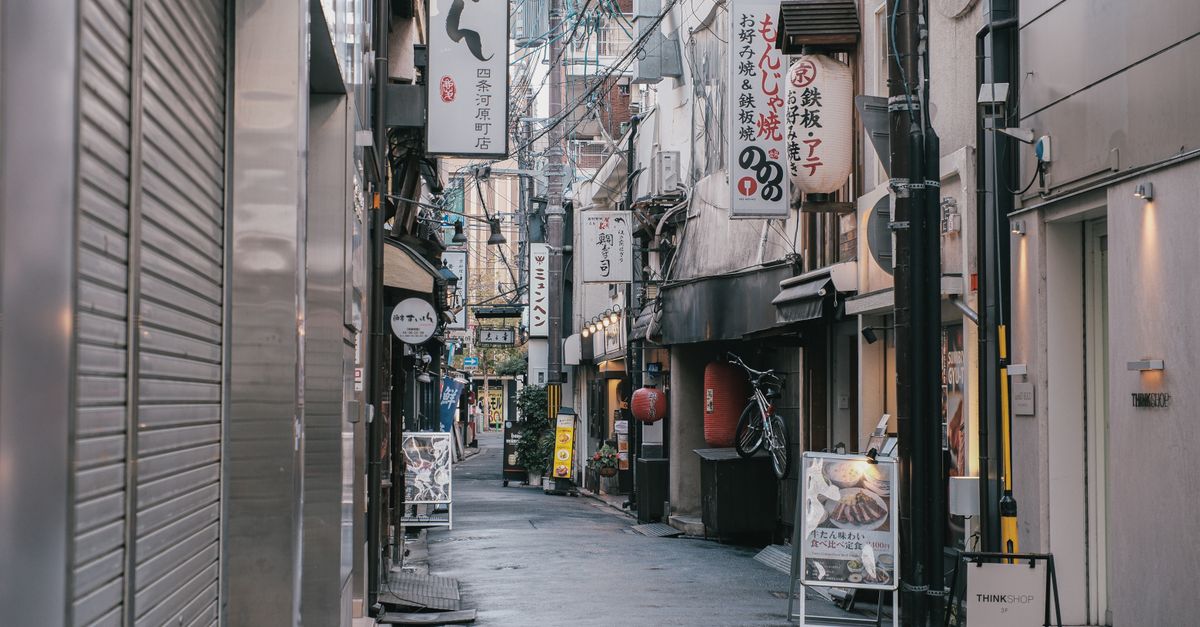
Look for small frames—arches, textures, and quiet corners.
The Design Details Worth Noticing (And Photographing)
Petit Mura’s charm is in its small choices: textured walls, playful curves, and corners that feel intentionally imperfect. It is a good place to slow your eye down. That’s rare in Tokyo.
If you enjoy architecture, focus on how the alley compresses and opens. If you love photography, look for small frames: arched doorways, lantern-like lighting, and layered signage that creates depth without visual noise.
This is also where wabi-sabi quietly applies. While the style is whimsical, the pleasure comes from restraint: muted colors, weathered finishes, and the beauty of things that do not demand attention.
A Quiet Etiquette Note
Because the lanes are narrow, be mindful with tripods and long photo stops. A polite, quick capture keeps the atmosphere calm for everyone.
Key fact: Petit Mura is best experienced as a short, low-impact stroll. Keep voices down, avoid blocking paths, and treat it like a lived-in corner of the city rather than a set.
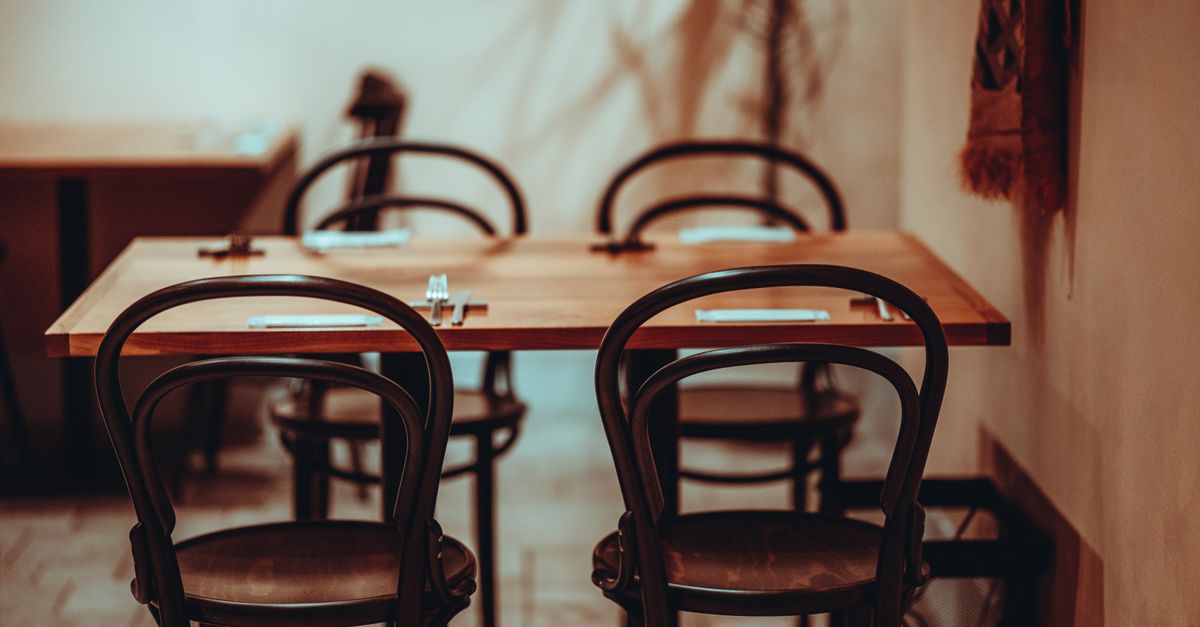
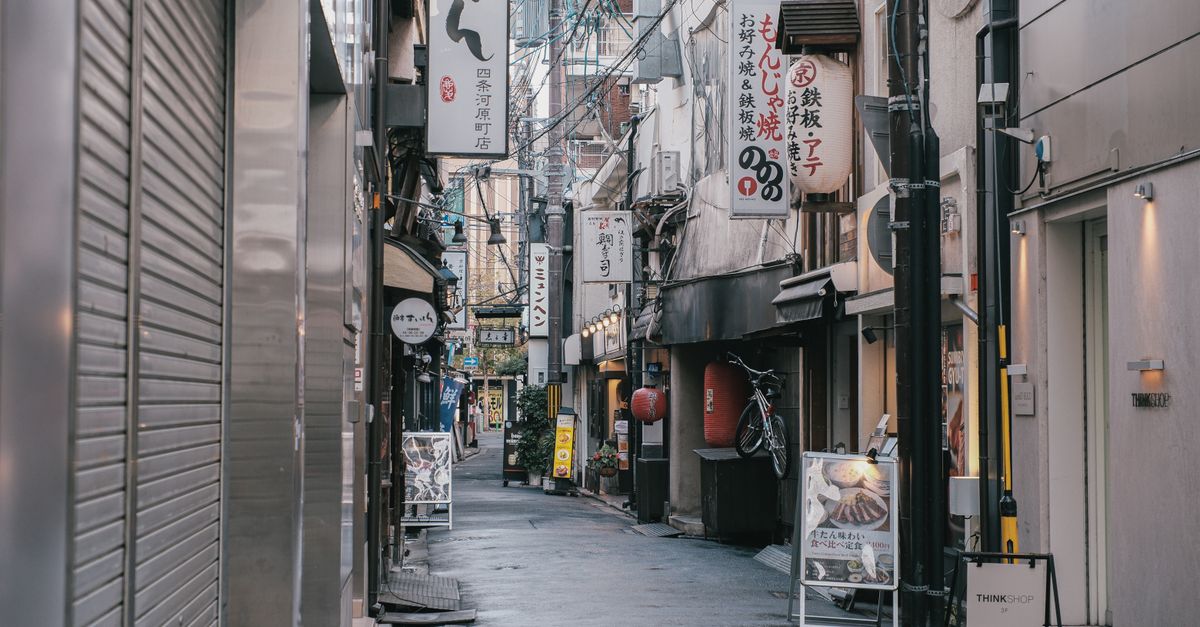
Petit Mura works best as a short pause, not a long queue.
Photo by Szymon Shields on Pexels
Cafés And A Soft Pause: How To Do It Well
Petit Mura is commonly visited for its cafés and its gentle “hideaway” mood. For guests who value omotenashi, the appeal is subtle: staff who read the room, service that doesn’t rush, and the freedom to sit quietly even in a popular neighborhood.
Rather than chasing a checklist of “viral” orders, we suggest choosing the simplest option that matches the moment: a warm drink in winter, something iced in peak summer humidity, or a small dessert when you need a reset between shopping and the park.
If you prefer a more private pace, aim for off-peak hours. Midday weekends can be busy, while weekday afternoons tend to feel calmer.
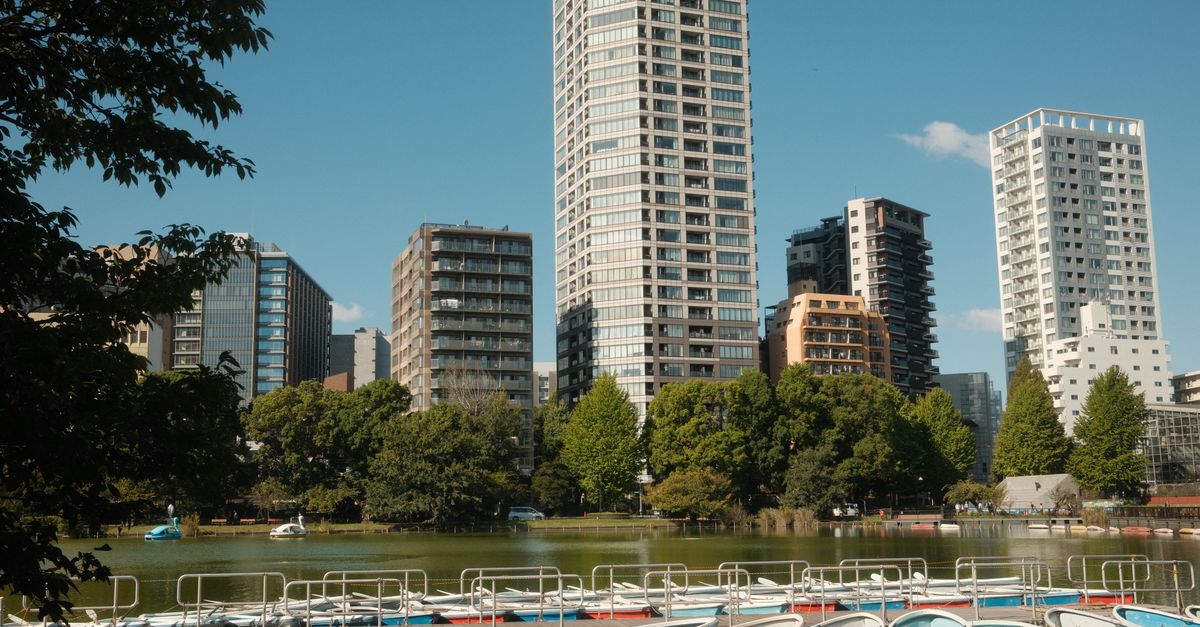
A natural pairing: storybook alleyways followed by water and trees.
Photo by Nizar Firmansyah on Pexels
Pair It With Inokashira Park: Tokyo’s Classic Green Escape
Inokashira Park (Inokashira Kōen) is one of the most pleasant pairings with Petit Mura. The park sits close to Kichijoji Station and offers a different kind of beauty: water, trees, and wide paths that soften the city’s edges.
This is where shun matters. Spring brings cherry blossoms around the park, and autumn colors can be striking. In summer, the shade becomes practical luxury—Tokyo’s heat is real, and a park interlude changes the tone of the day.
If your trip includes design-focused neighborhoods like Daikanyama or Aoyama, Kichijoji offers contrast. It is less polished, more lived-in, and often more memorable.
How To Combine Petit Mura With Ghibli Museum (Without Rushing)
Ghibli Museum, Mitaka is relatively close to Kichijoji, which is why many travelers consider doing both in one day. The museum is in Mitaka’s Inokashira Park area, and Kichijoji can serve as a relaxed before-or-after neighborhood for strolling and dining.
One important operational point: Ghibli Museum tickets are sold through official channels, and availability can be limited. If you want to try for the museum, plan early and follow the museum’s official guidance for purchasing.
When guests ask us how to keep the day elegant, our answer is simple: don’t overpack it. Choose one anchor (the museum or a long park walk), then let Petit Mura be the quiet margin that makes the day feel personal.
Key fact: The official booking for Ghibli Museum is made through the museum’s designated sales channels. Guests interested in planning strategy and timing may contact our concierge for tailored guidance.
Kichijoji rewards an unhurried pace and simple routing.
A Half-Day Kichijoji Plan (Built For Calm)
A refined Kichijoji visit doesn’t need to be long. It needs to be well paced.
Option A: Morning Reset
Arrive late morning. Walk through Petit Mura for photos, then continue to Inokashira Park for a slow loop and a light lunch nearby.
Option B: Late-Afternoon Stroll
Start with shopping streets around Kichijoji Station, take a café break in or near Petit Mura, then end with a golden-hour walk in the park before returning to central Tokyo.
If you are traveling as a couple, this is an easy shared moment. If you are traveling with family, it is a welcome decompression stop—short enough for attention spans, but still visually playful.
Seasonal Timing: When Petit Mura Feels Most Rewarding
Petit Mura itself is compact, so seasonality shows up most in the surrounding neighborhood—especially Inokashira Park. Still, the time of year shapes how Kichijoji feels on foot.
- Spring: Pair with cherry blossom viewing around Inokashira Park. Plan for crowds on peak weekends.
- Summer: Go earlier or later in the day to avoid heavy heat and humidity.
- Autumn: Comfortable walking weather and foliage in the park area. This is often the easiest “luxury” season in Tokyo.
- Winter: Crisp air, clearer light for photography, and a cozy café pause feels especially satisfying.
Shun is not just about food. It is about choosing the right atmosphere for the right month. Tokyo rewards that kind of precision.
How Japan Royal Service Helps You See Tokyo Like A Resident, Not A Tourist
Petit Mura is a small place. That is exactly why it belongs in a well-designed itinerary. The finest Tokyo trips are built from contrast: big-city energy balanced by quiet corners you would never find if you only followed top-ten lists.
Our team at Japan Royal Service designs days around your natural pace and preferences. Some guests want architecture and coffee. Others want contemporary shopping, then a park, then a calm cocktail bar near their hotel.
We also prioritize discretion. If privacy matters, we keep plans clean and low-friction, with thoughtful routing that avoids unnecessary congestion and preserves your downtime.
For guests who want deeper cultural texture, we can recommend experiences that reflect shokunin craft and hidden-Japan sensibilities—always with practical guidance and respectful context, so the encounter feels genuine rather than staged.
Conclusion
Kichijoji Petit Mura is not a blockbuster attraction. It is a small, charming alley that gives Tokyo a softer face—best enjoyed slowly, with a camera in hand and no pressure to “do more.”
Pair it with Inokashira Park, and you have a half-day that feels balanced. Add it to a broader Tokyo itinerary, and you gain something even more valuable: breathing room.
Plan Your Kichijoji Day With Japan Royal Service
If you want a Tokyo itinerary that blends iconic highlights with quiet, design-forward corners like Kichijoji Petit Mura, contact our concierge for tailored guidance. For private coordination, reach our team directly via WhatsApp or the contact form.