目次
- 01Ukai At Night: What You Actually See On The Water
- 02Where To Experience Ukai In Japan: Gifu Vs Inuyama Vs Uji
- 03Silence By Design: How Luxury Travelers Protect The Mood
- 04Imperial-Class Context In Gifu: What “Goryo Ukai” Signals
- 05Hidden Japan After Dark: Pairing Ukai With The Right Evening
- 06Practical Etiquette: Photography, Voices, And Respect For The Birds
- 07How To Book Ukai (Official Sources Only)
- 08FAQ: Luxury Ukai Planning Questions We Hear Most
- 09Why Choose Japan Royal Service
There are nights in Japan that feel engineered for quiet. No lantern festival crowds. No amplified commentary. Just a black river, a low wooden boat, and a flame basket throwing amber light across moving water.
That is ukai—traditional night cormorant fishing—experienced not as a “tour,” but as a private cultural interval. Short. Focused. Almost watchful.
Our team at Japan Royal Service is often contacted by luxury travelers who want something rarer than a skyline bar or a busy night market. They want silence that still has meaning. Ukai delivers, when it’s planned with restraint.
This guide explains what ukai is, where to see it (Gifu, Inuyama, Uji), how to choose the best setting for your style, and how to protect the atmosphere—without making claims we cannot publicly operationalize.
Ukai At Night: What You Actually See On The Water
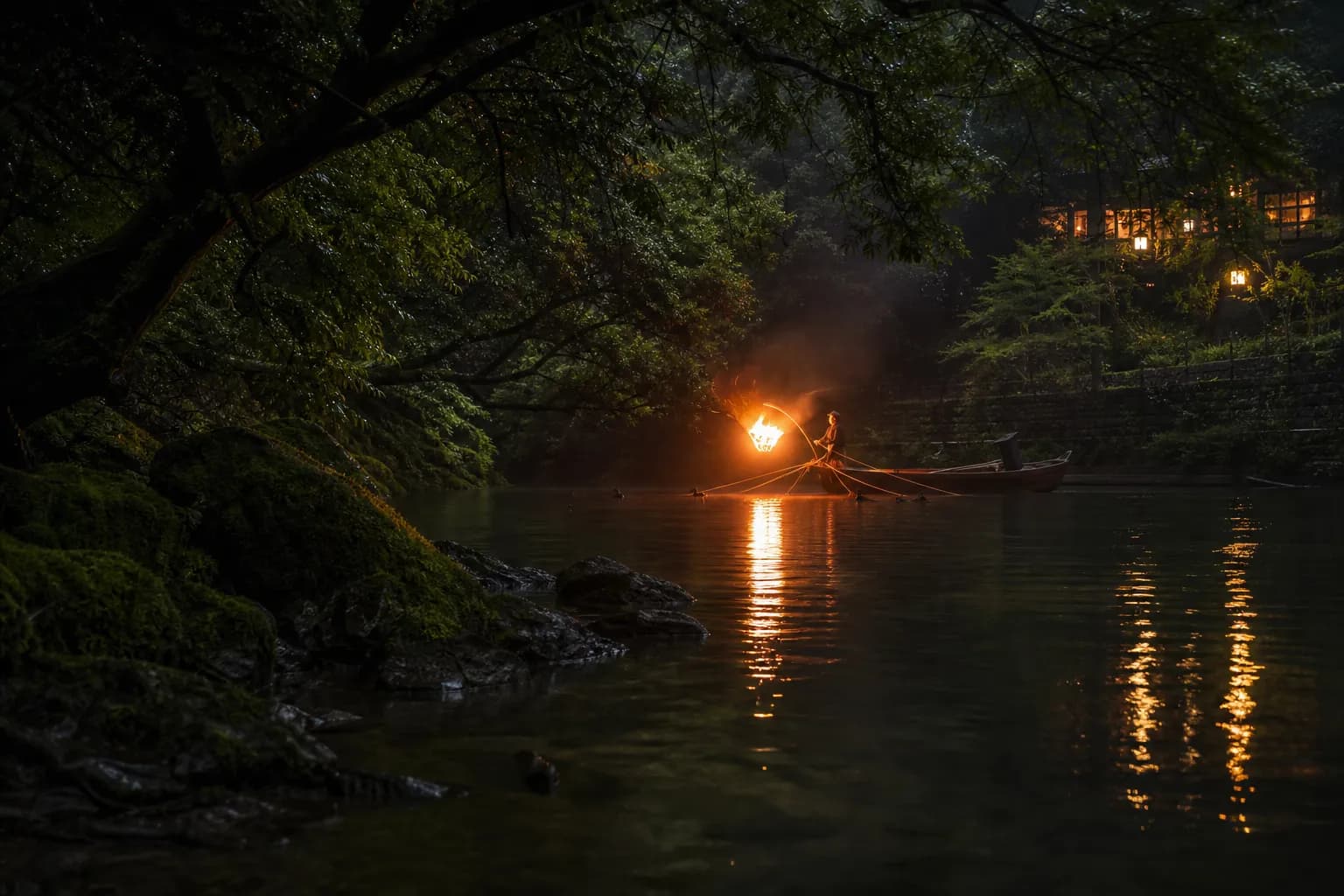
Ukai happens after dark. That matters. Darkness removes distractions, and torchlight becomes the whole stage.
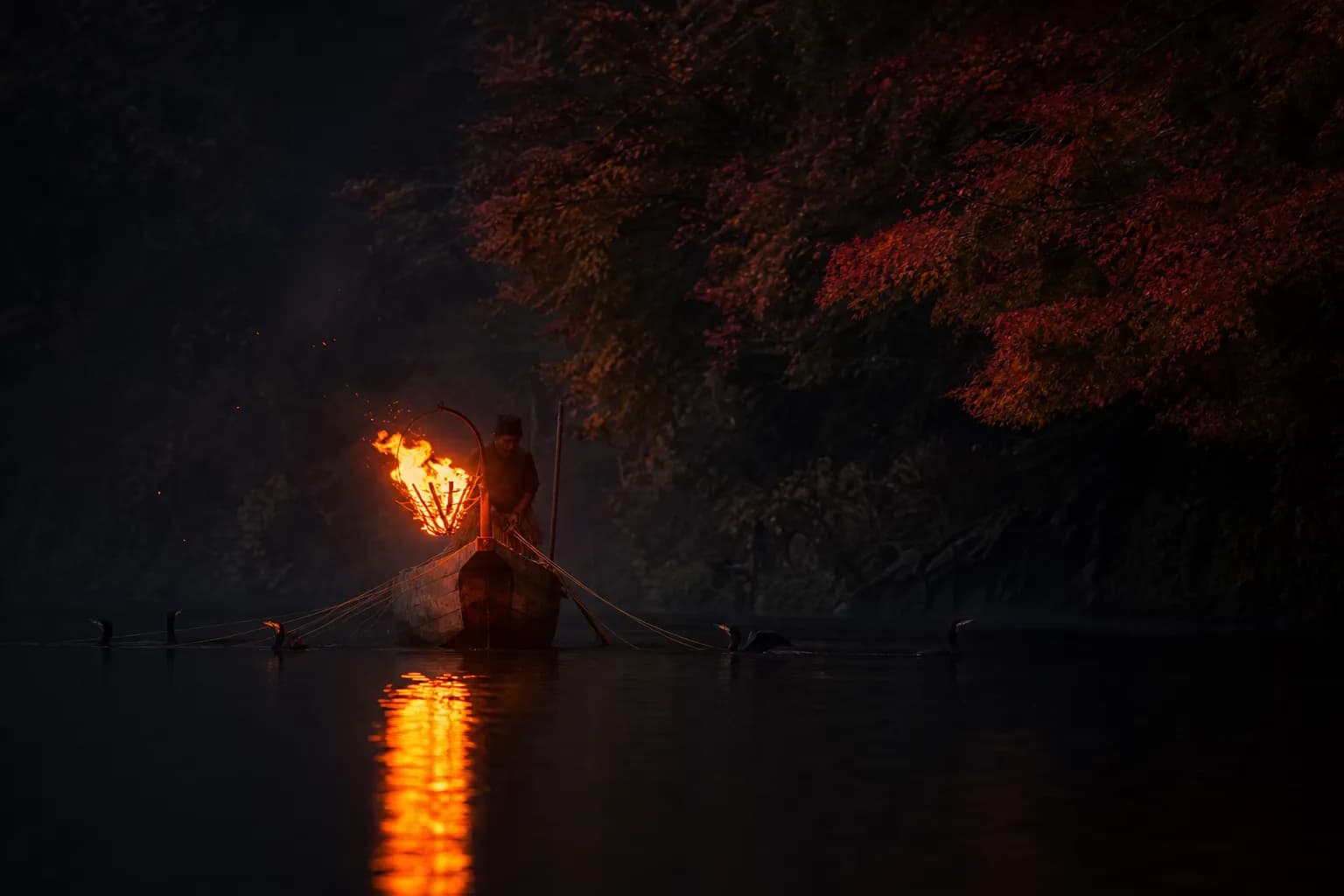
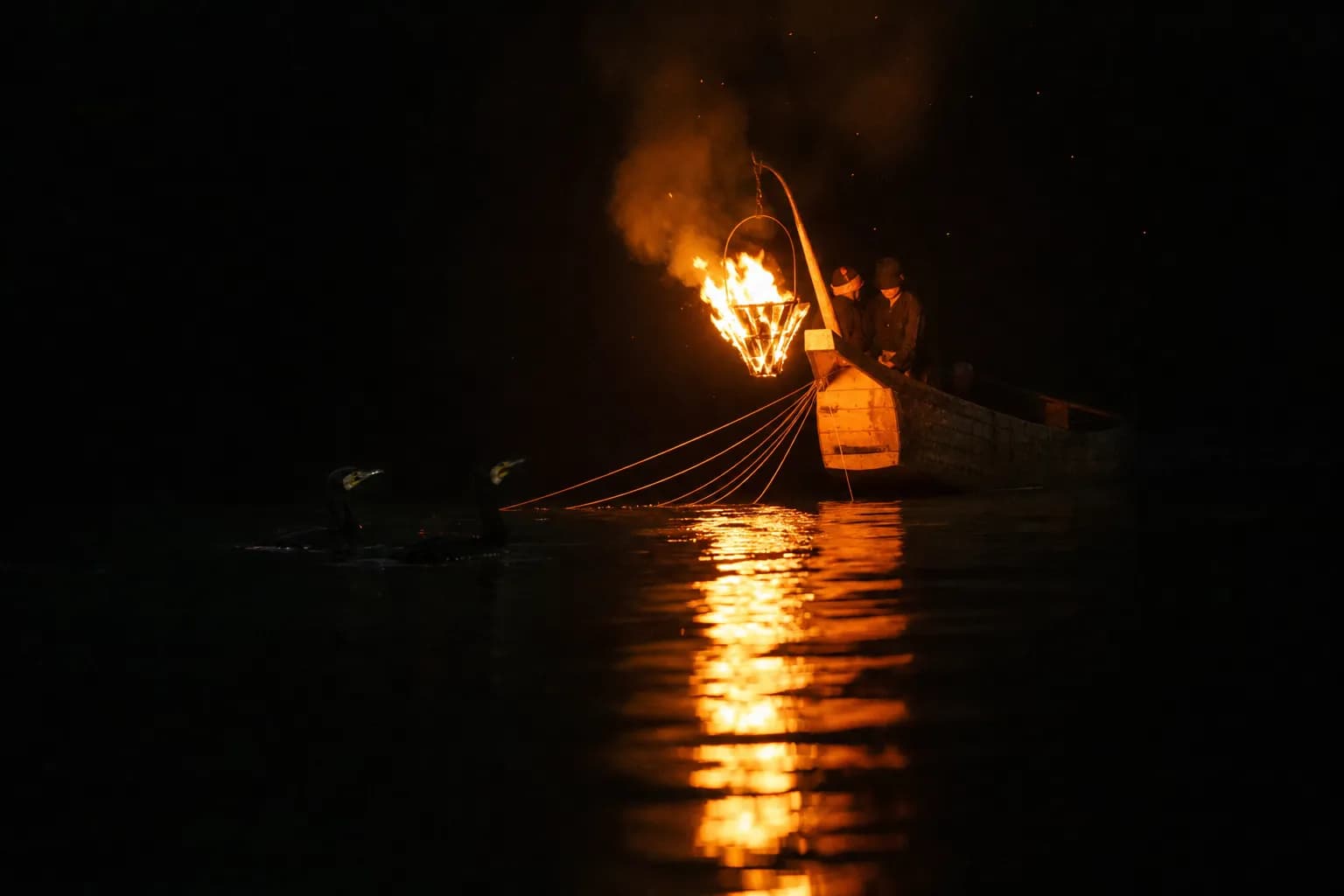
A traditional fishing boat approaches with a fire basket at the bow. The flames do two jobs: they light the river, and they help attract ayu (sweetfish), which the trained cormorants catch. Old technique. Still practiced.
You’ll notice the sound before the details. Oar rhythm. Water against wood. Calls between boatmen. Then the birds—lean, black silhouettes—cutting through reflected fire.
The best nights feel almost motionless. The river becomes a mirror. Your eye follows the torchlight, then the ripples, then the birds surfacing again.
Why This Feels Like Luxury (Without Turning It Loud)
Ukai is not about speed. It is about pacing. If you rush it, you flatten it.
Luxury, in this context, is the ability to keep the moment intact. Fewer voices. Fewer phones. A seat that lets you look without leaning around strangers.
We frame ukai through wabi-sabi: restraint, shadow, and the beauty of what’s imperfect and passing. No glitter required.
Where To Experience Ukai In Japan: Gifu Vs Inuyama Vs Uji
Japan has multiple places where cormorant fishing continues today; MLIT’s multilingual travel materials describe 11 locations where it is still practiced. Most travelers, though, are deciding among three accessible names: Gifu (Nagara River), Inuyama (Kiso River), and Uji (Uji River).
Each offers a different “night picture.” Different backdrops. Different season windows. Different emotional temperature.
| Ukai Location | River & Setting | Typical Season (Verified Sources) | Best For |
|---|---|---|---|
| Gifu City | Nagara River; torchlit fishing with an established viewing-boat tradition | May 11–Oct 15 (official dates; cancellations possible due to conditions) | Deep tradition, premium banquet-style viewing, and a strong “dark river + flame” mood |
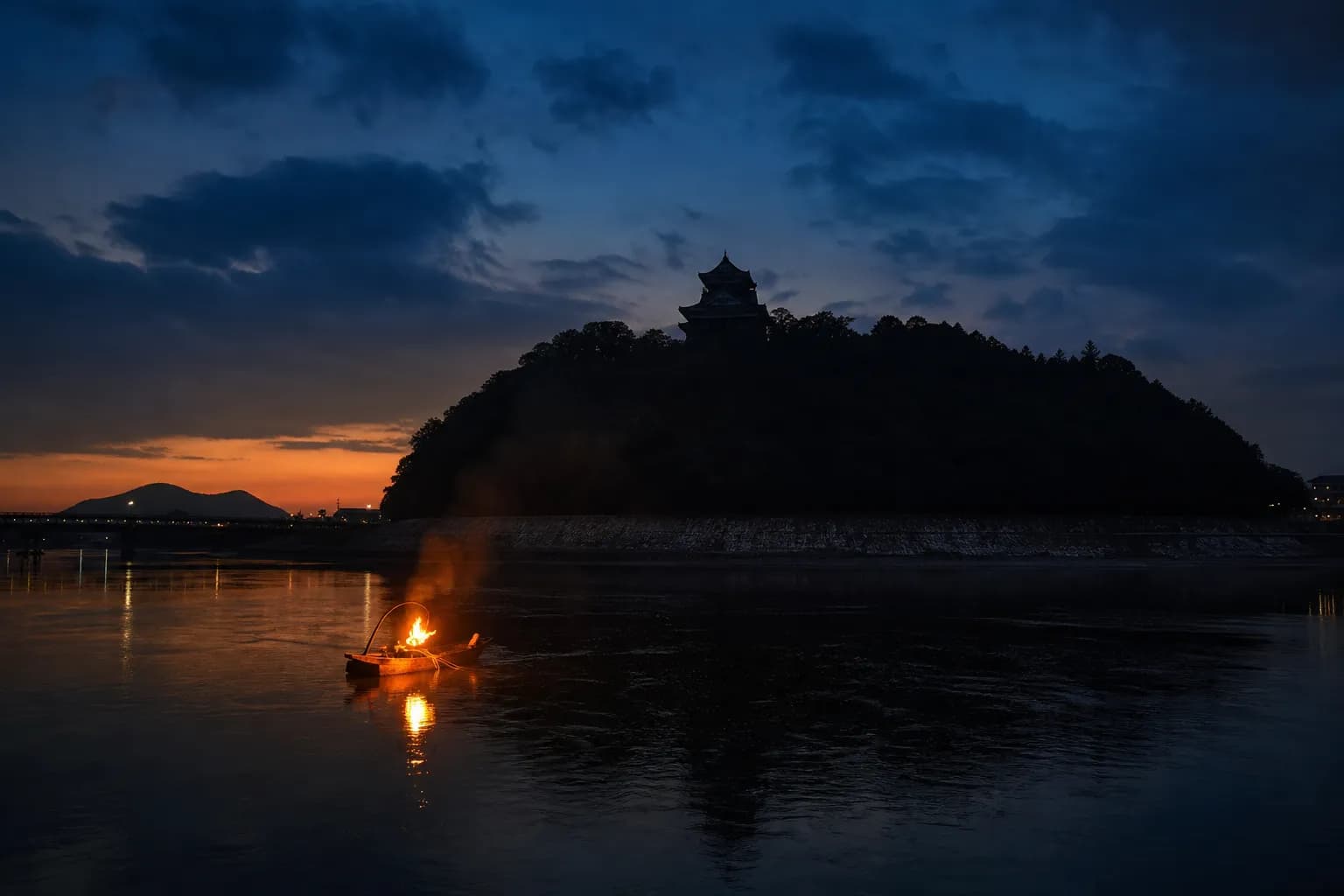
| Inuyama | Kiso River; Inuyama Castle as the signature backdrop | Season varies by operator; consult the official Kiso River Ukai site | A clear “Japan postcard” silhouette: torchlight on water with a National Treasure castle behind |
| Uji (Kyoto Pref.) | Uji River; summer-night ukai in a historic tea town | July–Sept (Japan-Guide; Uji City Tourist Association: held on summer nights) | A compact evening add-on to Kyoto, especially if you already want Uji’s temples and tea culture |
Gifu (Nagara River): The Reference Point For Traditional Ukai
If you want ukai as a main event, start with Gifu. Japan-Guide notes that ukai on the Nagaragawa River has been practiced for over 1,300 years, and that you can watch from a tour boat or even from shore for free.
The official season is clearly published: May 11 to October 15 for Nagara River ukai, with exceptions and cancellations possible due to high water. Planning needs a buffer. No one should pretend otherwise.
Gifu also supports higher-touch evenings. JNTO describes a pleasure-boat banquet hosted by geisha (and a hokan performer) combined with viewing traditional cormorant fishing on the Nagara River—an existing cultural format, not a marketing invention.
Inuyama (Kiso River): Torchlight With Inuyama Castle Behind It
Inuyama’s advantage is instant context. The official Kiso River Ukai site positions the experience on the Kiso River with Inuyama Castle as a prominent backdrop, and Visit Nagoya calls it a torchlit night spectacle with the National Treasure castle behind.
It is a sharper visual composition than many rivers can offer. One glance, and even first-time visitors understand where they are.
For some travelers, that clarity is the point. For others, it can feel more “seen.” Our job is to match the mood to your trip.
Uji (Uji River): A Summer Night Add-On Near Kyoto
Uji’s appeal is proximity to Kyoto and a different kind of evening energy. Japan-Guide lists Uji River as a ukai location, with a July to September season, and Uji City Tourist Association states that “Uji Gawa Ukai” is held on summer nights on the Uji River in Uji City.
Think of it as a concentrated night chapter. You do not need to “move your whole trip” to see it.
It pairs naturally with a day in Uji—tea shops, temples, and a slower pace—then ukai after dusk, when the river darkens and the crowds thin.
Silence By Design: How Luxury Travelers Protect The Mood
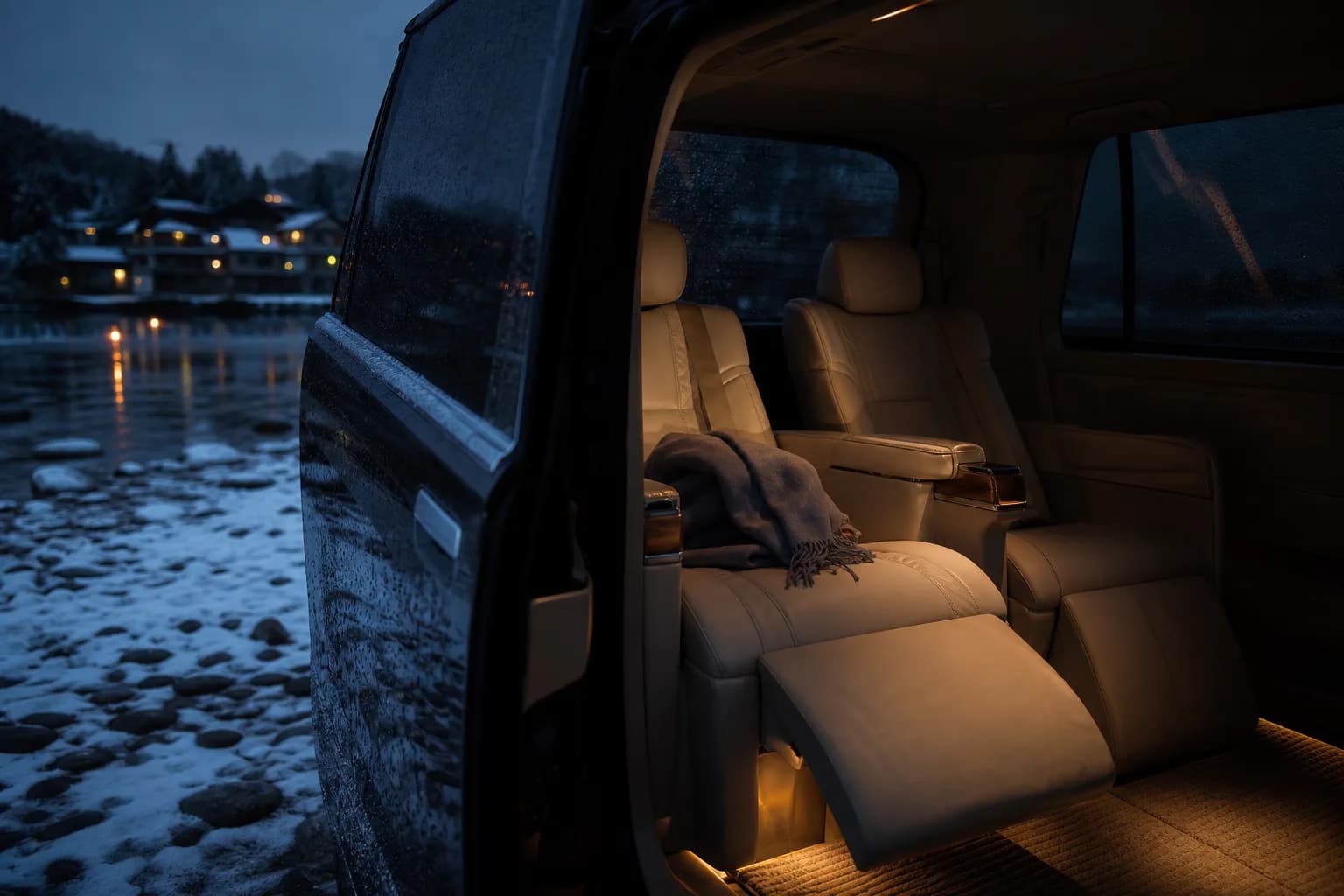
Most pages online describe what ukai is. Very few explain how to keep it from feeling like a public outing.
Silence is not automatic. It’s designed. Small choices decide whether you hear the oars—or someone else’s ringtone.
Our team at Japan Royal Service plans ukai nights the way we plan a tea room visit: protect the frame, then let the experience speak.
Timing: Arrive Early, Leave Cleanly
Arriving late changes everything. You rush, you talk, you carry that noise onto the water.
We prefer a slow arrival window with time for a short riverside walk and a calm briefing on what you’ll see. Then you board without needing to negotiate your space.
After ukai, leave without a scramble. A quiet exit matters as much as a quiet start.
The Best Seat Is Not Always “Front Row”
“Closest” can be overrated. The best seat is the one that preserves the scene.
On a river at night, you want a clean sightline to torchlight and reflections, and you want to avoid being pinned next to the loudest cluster. Sometimes the right position is slightly back, where the river widens and the fire’s glow spreads.
Our concierge team advises on seating strategy and pacing based on your party size and your tolerance for ambient chatter. Quietly practical.
Low-Visibility Routing: Discretion On Land Before The Boat
For HNW travelers, discretion is not a slogan. It is a requirement.
We often build ukai nights around low-visibility routing: private chauffeured transport, controlled arrival timing, and short, direct walks that avoid the busiest pinch points near riverside gathering areas.
It sounds small. It isn’t. Those five minutes decide whether you begin the evening composed or irritated.
Key fact: Ukai can be cancelled due to river conditions such as high water. Build flexibility into your schedule, especially in the May–October Nagara River season.
Imperial-Class Context In Gifu: What “Goryo Ukai” Signals
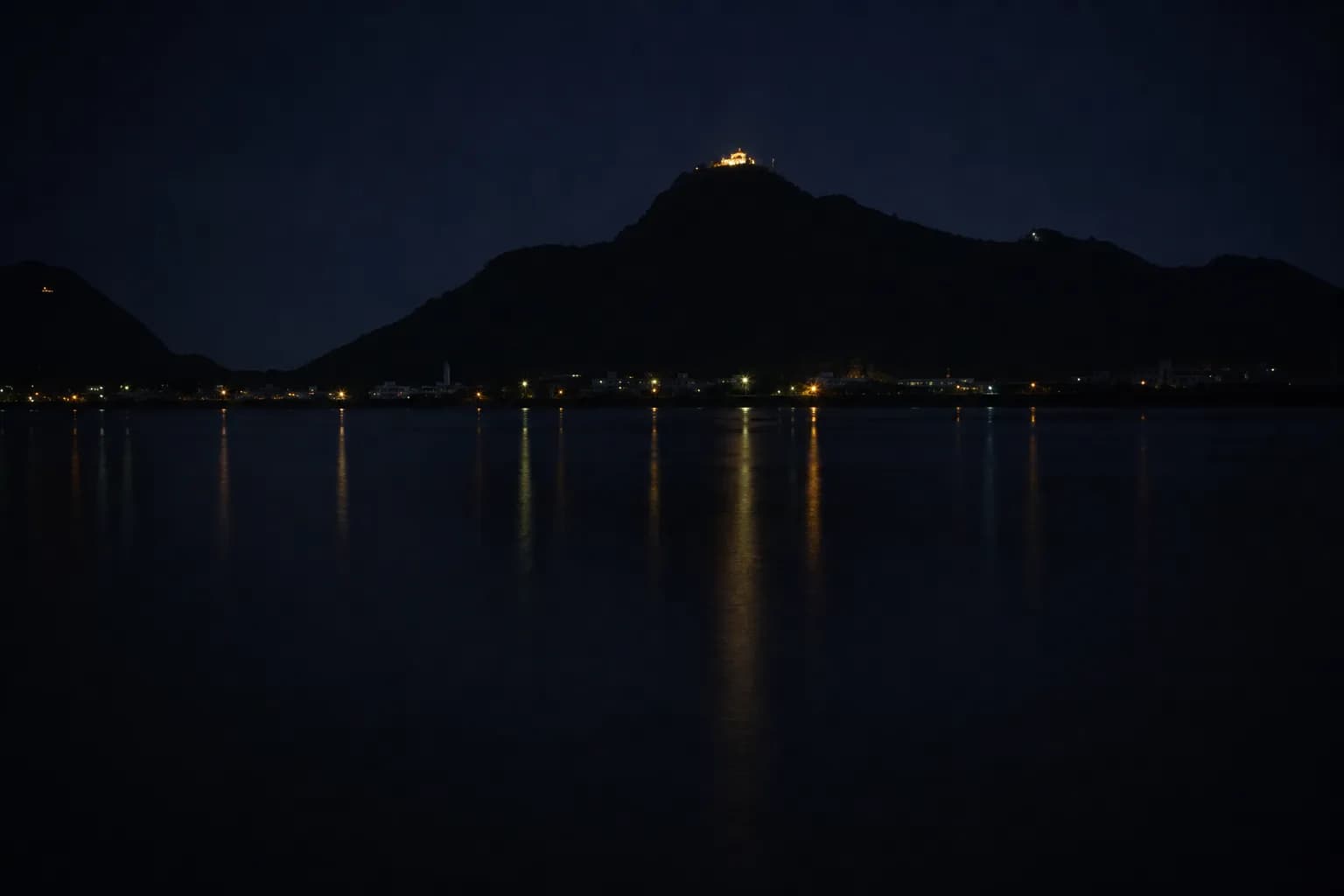
Gifu’s Nagara River ukai carries a specific prestige cue that many travelers sense, even if they can’t name it. The official Gifu ukai site references “Goryo Ukai” and frames its heritage importance, and Gifu City is aiming for UNESCO Intangible Cultural Heritage inscription for “Nagara River Ukai,” as stated on that official site.
We keep the tone sober here. No mythmaking. The point is that you are watching a living cultural practice with formal weight behind it.
For luxury travelers, this is where “imperial-class” becomes real: not in gold surfaces, but in the highest register of tradition—carefully maintained, publicly visible, yet not casually understood.
What To Listen For (And What To Let Go)
Listen for the calls on the water. Listen for the moment the torchlit boat shifts direction and the reflections snap into place.
Let go of trying to “capture” everything. Ukai is better as memory than as a camera roll.
If you want photographs, choose a few frames and stop. The dark deserves your eyes.
Hidden Japan After Dark: Pairing Ukai With The Right Evening
Ukai works best when the rest of the night is equally restrained. A loud dinner before the river can flatten your senses. A rushed return to a hotel lobby can do the same.
This is where hidden-Japan planning matters: the spaces that feel private even when they are not secret, the routes that avoid bright commercial streets, the post-boat decompression that lets the experience settle.
In Gifu, there is also a real onsen-side linkage around the Nagara River. For example, Nagaragawa Onsen Ryokan Usho no Ie Sugiyama’s official site describes dinner-and-ukai viewing plans, and notes that private boat reservations are possible via direct contact (phone), which signals that premium formats exist in-market.
We do not publish promises about third-party availability. We do advise on what is real, what is seasonal, and what fits your style once you contact our concierge.
Option A: Banquet-Style Ukai In Gifu (With Cultural Entertainment)
For travelers who want ukai as a hosted night, Gifu supports an established model. JNTO describes pleasure-boat banquets hosted by geisha (and a hokan performer) paired with ukai viewing on the Nagara River.
- Best for: first-time ukai guests who want context and a ceremonial rhythm.
- Atmosphere: social, but still refined when paced correctly.
- Watch for: your tolerance for “event” energy versus pure river silence.
Option B: Pure Torchlight Focus (Minimal Talking, Maximum Water)
If your taste runs toward wabi-sabi, build the night around looking and listening, not programming. Ukai becomes the centerpiece, with a simple pre- or post-dinner plan that keeps your senses sharp.
- Best for: repeat Japan visitors who want something tactile and quiet.
- Atmosphere: shadow, flame, and very little narration.
- Watch for: choosing a viewing format that doesn’t place you inside a loud group.
Option C: Uji Ukai As A Kyoto Evening Extension
Uji River ukai is held on summer nights, and the season is typically described as July through September by Japan-Guide and Uji’s tourism materials. This makes it an easy fit if you are already based in Kyoto and want a night that feels local rather than headline-driven.
- Best for: travelers who want ukai without a long regional detour.
- Atmosphere: intimate, short, and best approached as a quiet add-on.
- Watch for: heat and humidity—dress lightly, then bring a thin layer for the river breeze.
Practical Etiquette: Photography, Voices, And Respect For The Birds
Ukai is a cultural practice, not a staged trick. Treat it that way.
Keep voices low. The river carries sound. If you’re traveling with family, set expectations before boarding, not during the viewing.
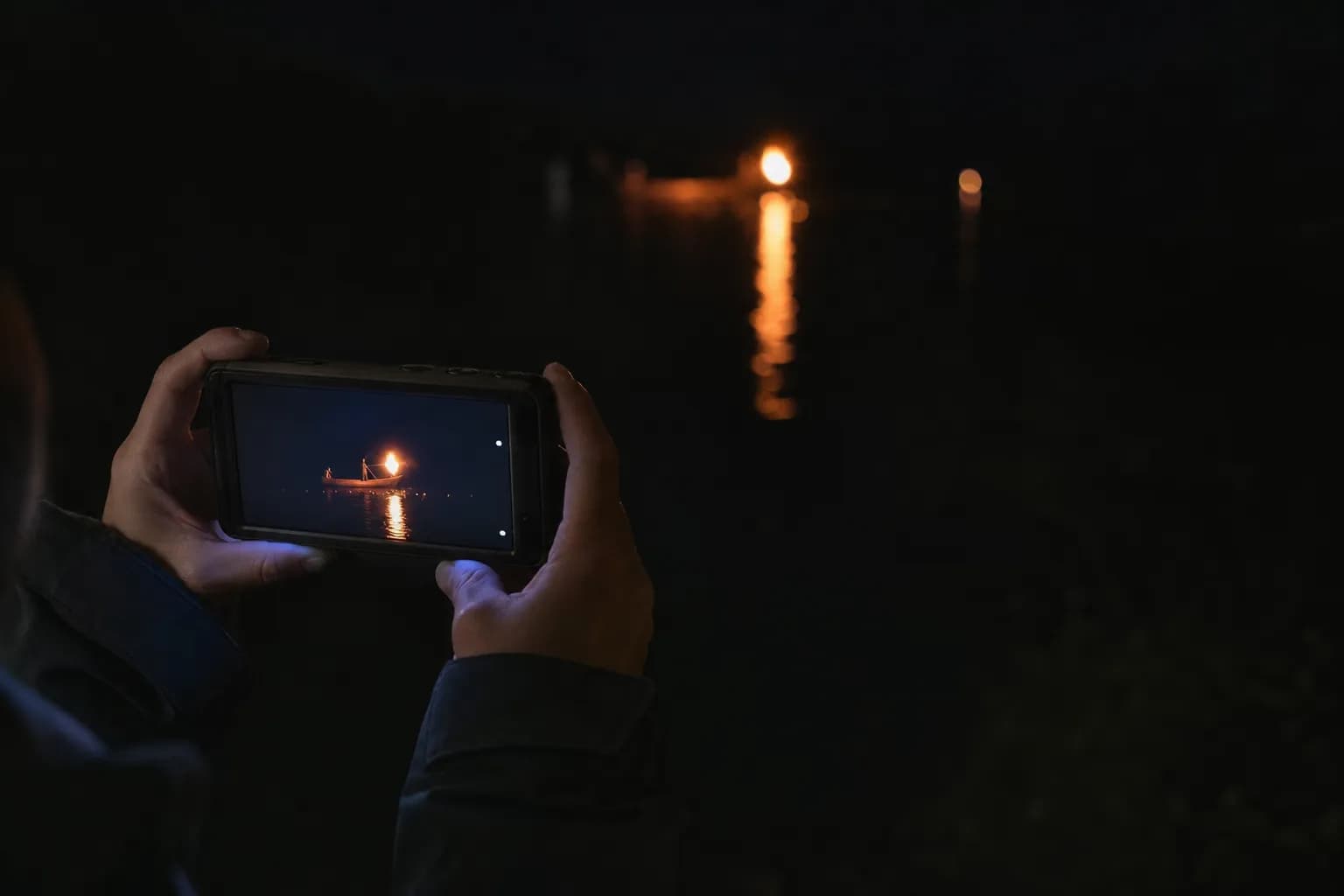
For photography, low light makes people reach for flash. Don’t. Use available light, accept grain, and take fewer frames—then return to watching.
What To Wear On A Summer River Night
Dress for heat, then water. Summer evenings can be sticky on land and cooler over the river.
Choose quiet fabrics that don’t rustle. Bring a light layer you can fold small. Shoes should feel stable on wooden surfaces.
Skip heavy fragrance. On a boat, there is nowhere for it to go.
How To Book Ukai (Official Sources Only)
Because ukai is operated by local boat offices and official operators, booking methods depend on the river and the operator.
Gifu (Nagara River): The official season is May 11 to October 15, and the official Gifu City cormorant fishing viewing boat information is published by the Gifu City Cormorant Fishing Viewing Boat Office (address listed on the official site: Minatomachi 1-2, Gifu City). For the latest operating nights and reservation procedures, consult the official Gifu ukai sites directly.
Inuyama (Kiso River): Refer to the official Kiso River Ukai website for English visitor information, operating dates, and reservation guidance.
Uji (Uji River): Uji City Tourist Association provides information in English about “Uji Gawa Ukai,” held on summer nights. Confirm the operating schedule and how to reserve through official channels.
Key fact: Do not lock your entire evening to a single river departure without a backup plan. Weather and river levels can change the night.
If you want tailored guidance—timing, seating strategy, and how to pair ukai with the right dinner and private transport—contact our concierge team at Japan Royal Service.
FAQ: Luxury Ukai Planning Questions We Hear Most
Is Ukai Real, Or A Tourist Show?
It is real. Ukai is a traditional fishing method using trained cormorants and torchlight at night, used to catch ayu (sweetfish), as described by Go! Central Japan. Some locations also offer viewing formats designed for visitors.
What Is The Best Place For A First Ukai Night?
For many travelers, Gifu on the Nagara River is the clearest “reference” experience because the season is well-defined (May 11–Oct 15) and the viewing tradition is strongly documented by official sources and Japan-Guide.
Which Ukai Has The Most Dramatic Backdrop?
Inuyama’s Kiso River ukai is widely described with Inuyama Castle as a prominent backdrop by the official operator site and Visit Nagoya. If you want an unmistakable silhouette, it is a strong candidate.
Can I Watch Ukai Without A Boat?
In Gifu, Japan-Guide notes that you can watch from shore for free. The boat experience, however, changes how you hear and feel the torchlight on the water.
What Time Of Year Should I Plan For?
Gifu’s Nagara River ukai season is officially May 11 to October 15. Uji is typically described as July to September by Japan-Guide, and Uji’s tourism materials describe summer-night operations. Inuyama’s season should be confirmed with the official operator.
How Do You Keep It Private And Quiet?
We treat it like a night performance with strict pacing: early arrival, smart seating choices, and low-visibility routing by private chauffeured transport. For private coordination details, reach our team directly via WhatsApp or the contact form.
Why Choose Japan Royal Service
Many travel companies describe ukai as a checkbox. Our team at Japan Royal Service treats it as a night composition—dark water, torchlight, and the discipline to keep the frame quiet.
We are built for HNW travelers who want the highest tier of comfort that still feels human and attainable: discreet chauffeured routing, cultural interpretation that respects the practice, and a hidden-Japan instinct for places and timings that Google will not hand you cleanly.
We also understand when “more” makes the night worse. That is wabi-sabi in practice. Less noise. Better memory.
If ukai belongs in your Japan itinerary, contact Japan Royal Service for tailored guidance on which river fits your style, what to expect on the water, and how to plan the night with discretion.