目次
- 01Quiet-Luxury Kyoto In 2026: What “Not Feeling The Crowd” Really Means
- 02Use Kyoto Travel’s Official Congestion Forecast Map Like A Professional
- 03Build Your Day Around Early Mornings, Late Evenings, And Short “Famous” Stops
- 04Kyoto 2026 Night Programs: Verified Dates That Change The Atmosphere
- 05Private-Feeling Access: What Is Public Night Viewing vs True After-Hours Quiet?
- 06Lodging Strategy That Removes Crowds From Your Life, Not Just Your Photos
- 07Transport: When A Private Driver Helps Kyoto Feel Like Kyoto Again
- 08A Quiet-Luxury Kyoto Itinerary Blueprint (3 Days, Crowd-Aware)
- 09Dining And Tea: Quiet, Controlled Settings That Hold The Mood
- 10FAQ: Quiet-Luxury Kyoto Planning For 2026
- 11How To Book Kyoto Night Viewings And Special Openings (Official Channels)
- 12Why Choose Japan Royal Service
Kyoto can feel like a squeeze. One bus stop too many, one famous lane at the wrong hour, and the day turns into a slow-moving line with cameras raised.
Quiet-luxury in Kyoto is not about hiding from the city. It is about timing, routing, and choosing places that absorb you rather than display you.
Our team at Japan Royal Service plans Kyoto with a different goal: calm. Less friction. More space to notice cedar scent, temple gravel underfoot, and the small precision of shokunin craft.
This 2026 guide shows the tools and tactics we use, including Kyoto Travel’s official Congestion Forecast map and verified night programs, so you can experience Kyoto with composure.
Quiet-Luxury Kyoto In 2026: What “Not Feeling The Crowd” Really Means
Most visitors try to “do Kyoto” by stacking highlights. Big mistake. Kyoto rewards restraint, and the city punishes haste.
For HNW travelers, the goal is realistic: arrive, move, and enter without the ambient noise of mass timing. You want mornings that start softly, afternoons that stay human, and evenings that feel like Kyoto again.
In our experience, the fastest crowd-avoidance wins come from three levers. Time-shifting. Neighborhood dispersion. Privacy-forward lodging that reduces lobby exposure and corridor churn.
Everything else is decoration. This is the frame we use before we ever talk about “must-sees.”
Use Kyoto Travel’s Official Congestion Forecast Map Like A Professional
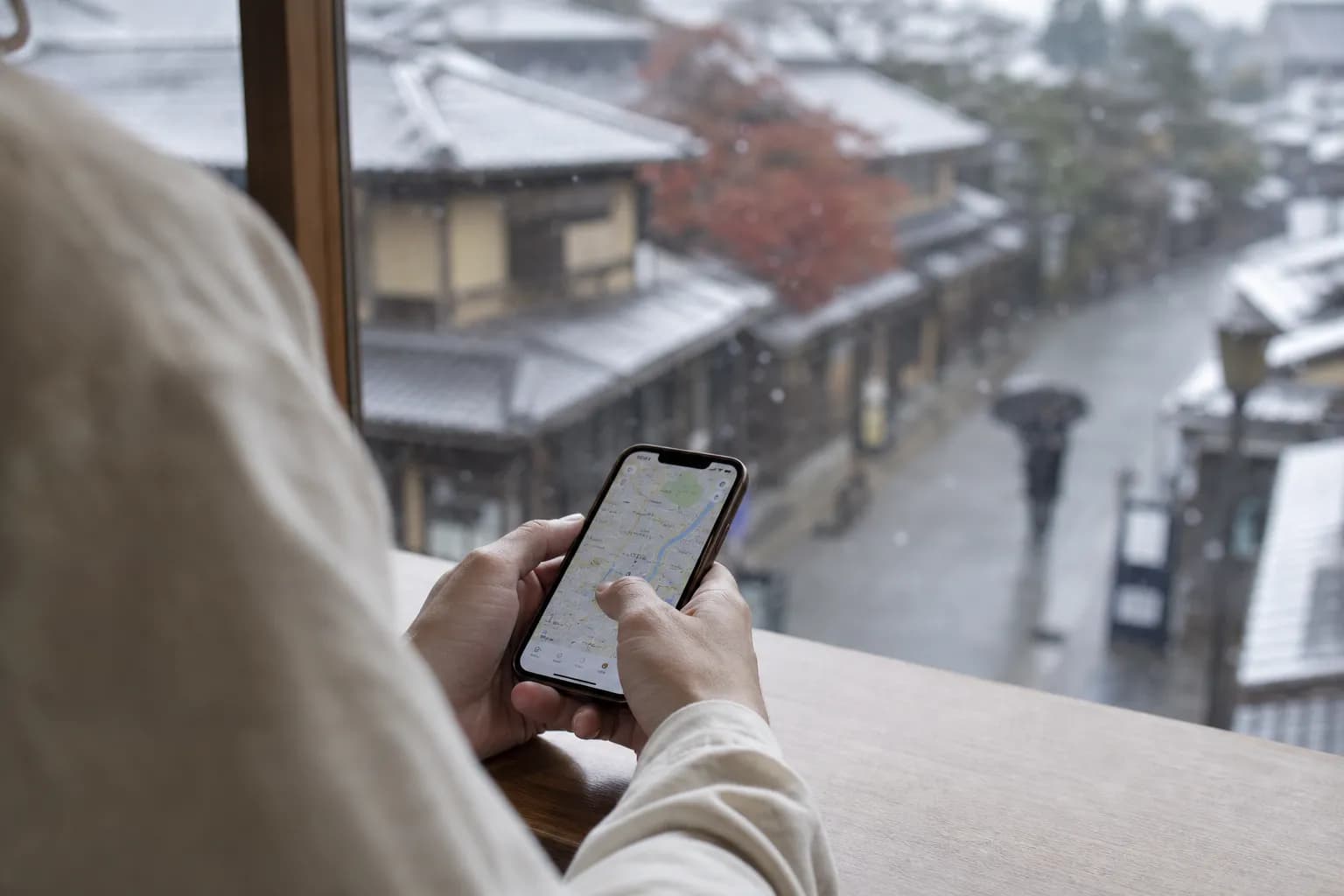
Kyoto Travel (the official platform) publishes a “Kyoto Travel Congestion Forecast Map,” with congestion levels by area and time, plus live camera information. It is one of the few tools that addresses the real problem: when and where pressure builds.
Most people glance at it once. Then they ignore it. Treat it like a weather report, and check it the night before and again in the morning.
Our concierge team uses the forecast to design “calm windows.” Short, decisive visits when an area is predicted to be comfortable, followed by a move to a quieter district while the pressure concentrates elsewhere.
Key fact: Kyoto Travel’s official Congestion Forecast Map includes live camera information and time-based congestion levels by area. Use it to choose hours, not just locations.
A Simple “Calm Window” Routine
Keep it simple. Be slightly strict. Kyoto rewards that discipline.
- Night before: check the congestion forecast and choose one high-demand area for a short morning visit.
- Morning: go early, finish early, then leave before the wave builds.
- Midday: spend your time in quieter zones, private appointments, or your own room.
- Evening: use verified night programs where the atmosphere changes and crowds thin.
Responsible Travel Is Not A Slogan In Kyoto
Kyoto Travel’s responsible travel guidance points visitors to the congestion forecast as a way to sightsee comfortably and avoid crowds. That matters. It signals the city’s direction.
Japan’s national Tourism Agency also maintains an overtourism measures page, last updated April 24, 2026. The policy climate is active, not theoretical.
Quiet-luxury, done properly, supports this. You time-shift. You walk short loops. You reduce pressure on the city-center transport spine.
Build Your Day Around Early Mornings, Late Evenings, And Short “Famous” Stops
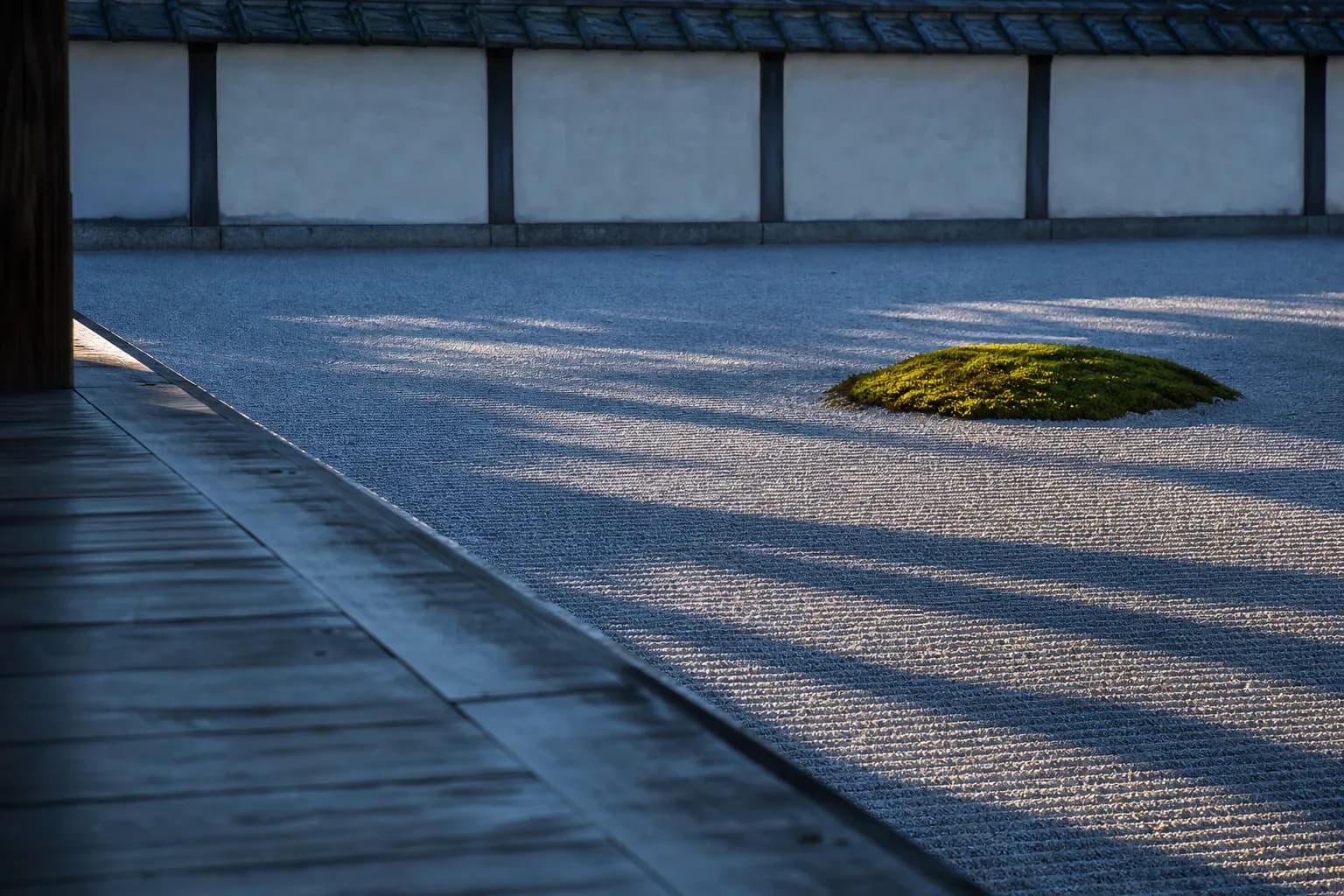
Kyoto is gentle at the edges of the day. That is where you can hear your own footsteps. That is where a garden reads as a garden, not as a backdrop.
We plan famous sites like a sharp espresso: small, intense, then done. You do not linger into the peak hour unless you have a precise reason.
Then we move you into experiences that are naturally low-volume: a shokunin studio visit, a private-style tasting at a calm counter, a slow walk along the river with no “shot list.”
It is not about skipping Kyoto. It is about giving Kyoto room to speak.
What This Looks Like In Practice
Here is a structure that works for many HNW travelers who want a refined pace without turning the trip into a monastic retreat.
- 07:00–09:30: one high-demand visit, finished before the crowd thickens.
- 10:30–14:30: low-visibility Kyoto: craft appointments, a quiet museum, a long lunch near where you already are.
- 15:00–17:00: rest and reset at your hotel, ryokan, or private rental.
- 18:00 onward: official night programs or a discreet dining plan that avoids peak foot traffic.
Kyoto 2026 Night Programs: Verified Dates That Change The Atmosphere
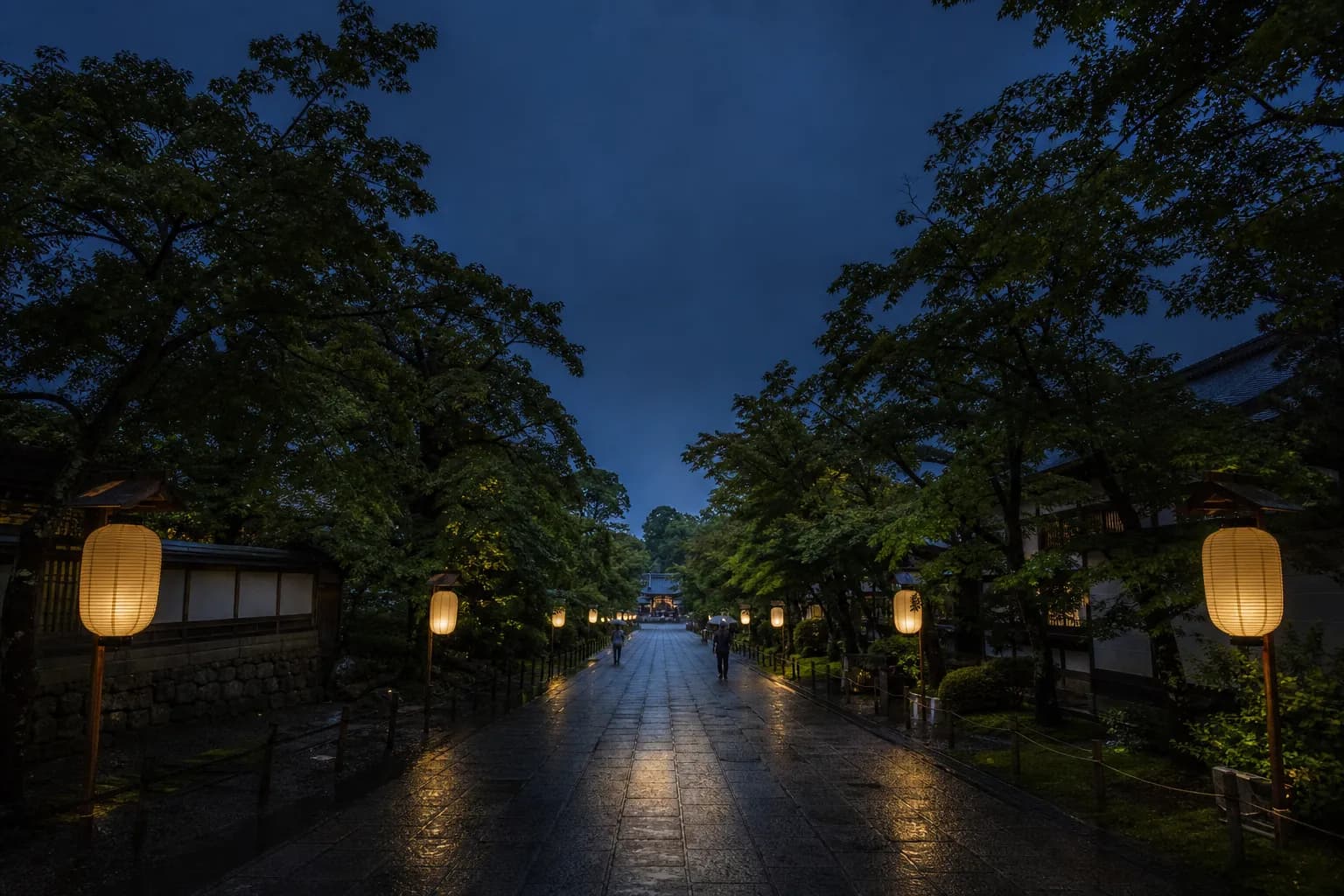
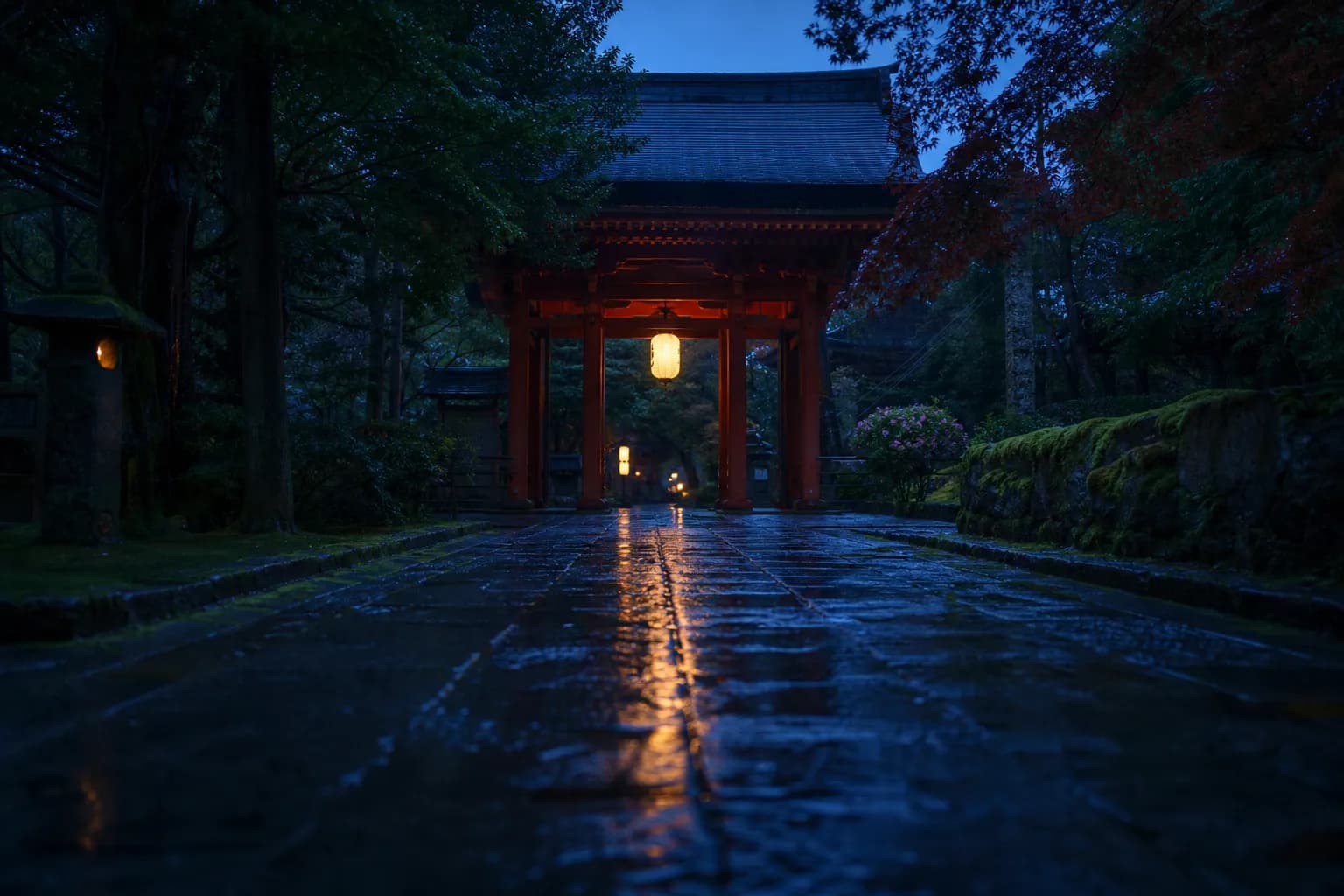
Kyoto at night is different. The air cools, the camera crowds thin, and the city’s stone surfaces feel older and more honest.
For 2026, several official night programs publish their schedules. This is a practical advantage, because you can plan around fixed windows instead of hoping for “quiet.”
Shoren-in Temple: Special Night Visits (July 17–August 23, 2026)
Shoren-in Temple lists special night visits from July 17, 2026 to August 23, 2026 on its English night-visit page. These dates are useful because they sit inside a season when daytime Kyoto can feel heavy with visitors.
Night access changes how you move. You arrive later. You avoid midday congestion. You get a different kind of silence.
Kiyomizu-dera: Special Night Viewing (2026 Schedule Published)
Kiyomizu-dera publishes a “Special Night Viewing” page, and it includes a section for the schedule in 2026. Details can change, so we always treat the official page as the authority.
If you go, go with intent. Arrive at an off-peak moment within the viewing window, stay focused, and leave before the exit lanes compress.
Kyoto Summer Special Openings 2026 (Theme And Official Programs)
Kyoto Travel publishes “Kyoto Summer Special Openings 2026,” with the 2026 theme stated as: “The Legacy of the Toyotomi Family and Warring States Period Warlords, and Kyoto’s Modern Architecture.”
The same page includes a program titled “World Heritage Site Kamigamo-jinja Shrine Summertime Illumination: Visit to the Dragon God and Refreshing Evening Footbath.” This is the type of official, time-bounded access that supports a quiet-luxury itinerary without relying on rumor.
Kyō No Natsu No Tabi (51st Edition): July–September 2026
The official Kyō no Natsu no Tabi (51st edition) page states the event runs July–September 2026. It is a helpful planning anchor when you want heritage access with clear parameters.
Key fact: Night programs are not a loophole. They are official, published openings. Treat them respectfully, follow venue rules, and plan your timing the same way you would plan a flight connection.
Private-Feeling Access: What Is Public Night Viewing vs True After-Hours Quiet?
Kyoto has two different categories of “evening calm,” and mixing them up leads to disappointment.
First: official public night viewings. They can still be busy, but the mood is often more controlled, and the hours let you avoid the hardest daytime congestion.
Second: private-feeling access where areas are normally off limits. Some hotels publish experiences described in this direction, such as THE THOUSAND KYOTO’s page describing “Private visits: Kyoto temples by night and areas normally off limits,” with stated time windows like 5:30 p.m. to 8:30 p.m. / 6 p.m. to 8 p.m.
We treat these as informational signals, not guarantees. Availability and conditions can be strict, and the correct approach is discreet, low-pressure, and etiquette-first.
How To Think About “After-Hours” In A Respectful Way
Quiet access in Kyoto is rarely loud about itself. That is the point.
- Be flexible: choose 2–3 candidate evenings, not one.
- Keep the group small: couples and small families move better, and attract less attention.
- Dress and behavior matter: subdued colors, soft voices, phones away unless allowed.
- Let the venue lead: posted rules are not “suggestions,” especially at heritage sites.
Lodging Strategy That Removes Crowds From Your Life, Not Just Your Photos
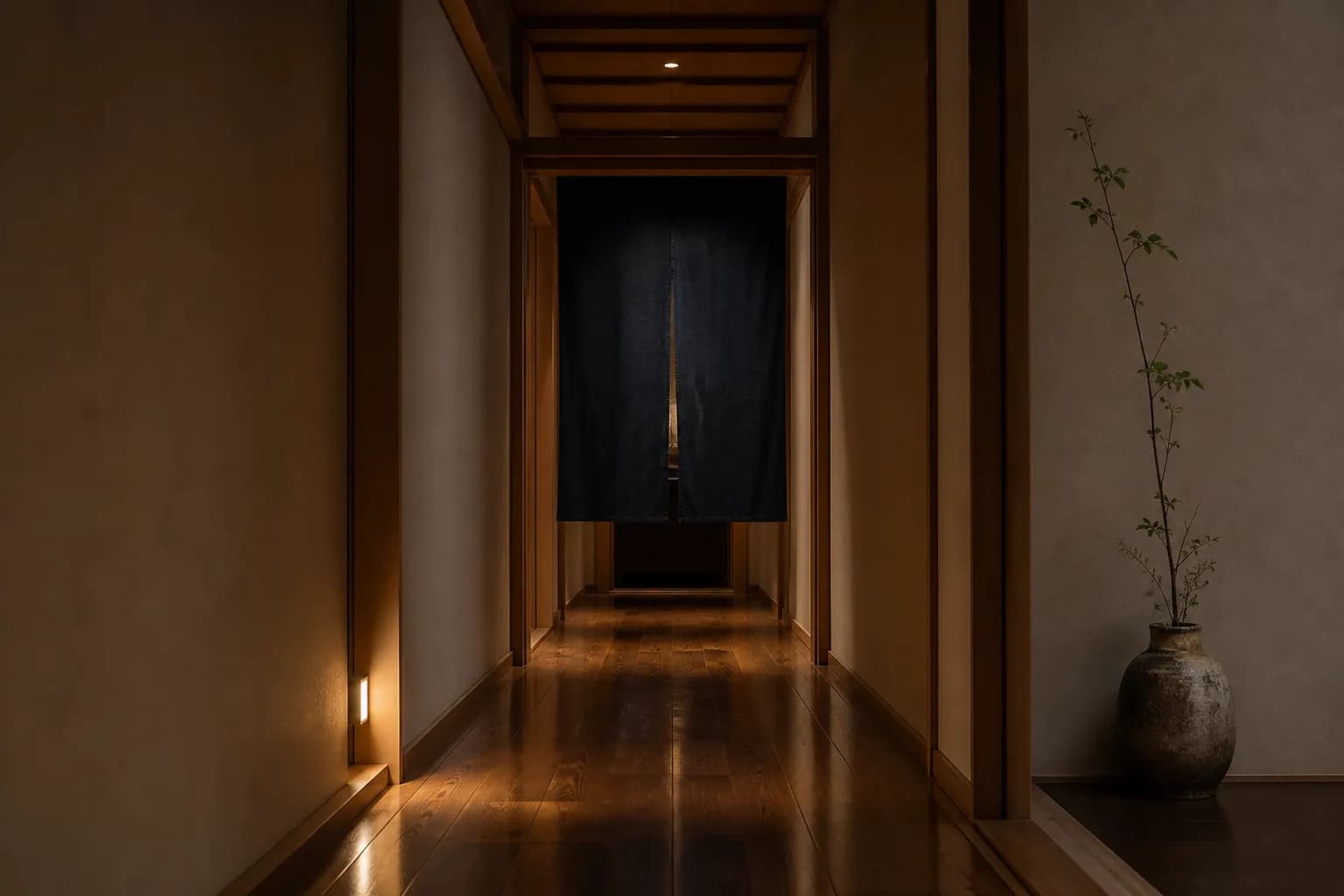
Kyoto crowds are not only at temples. They show up at check-in, elevators, breakfast hours, and the narrow moment when a lobby becomes a meeting point for tour groups.
So we plan lodging like a privacy system. Choose a base that reduces forced interaction, then design the day so you are not constantly crossing the city at peak times.
For many HNW travelers, the most powerful upgrade is not a bigger suite. It is fewer shared spaces.
Exclusive-Use Micro-Hotel Buyouts: A Real 2026 Example
Shizuru Kamogawa, a small luxury hotel in Kyoto, announced it would begin selling a whole-hotel private rental plan (exclusive use of all five guest rooms) on July 1, 2026. That kind of structure changes everything.
You control the rhythm. No lobby choreography. No corridor surprises. The city is still outside, but it no longer presses against you.
New Kyoto Openings In 2026: Use “Newness” For Calm, Not For Bragging
Kyoto’s luxury landscape is shifting in 2026. Two confirmed openings matter for planning because they create fresh inventory and, often, a more measured first-year energy.
- Imperial Hotel, Kyoto: opening March 5, 2026.
- Capella Kyoto: opening March 22, 2026 in the Miyagawa-cho area.
We like new openings for a practical reason: calmer flow, updated privacy procedures, and staff attention that has not yet been stretched thin by routine. For some guests, that feels like wabi-sabi in modern form—restraint, not display.
A Note On Timing-Sensitive Openings
Fairmont Tokyo opened July 1, 2025, which can support Tokyo-first, Kyoto-second trip design. The 1 Hotel Tokyo has been cited in some travel media and by JNTO as an upcoming debut in 2026, but timing should be reconfirmed close to travel.
Transport: When A Private Driver Helps Kyoto Feel Like Kyoto Again
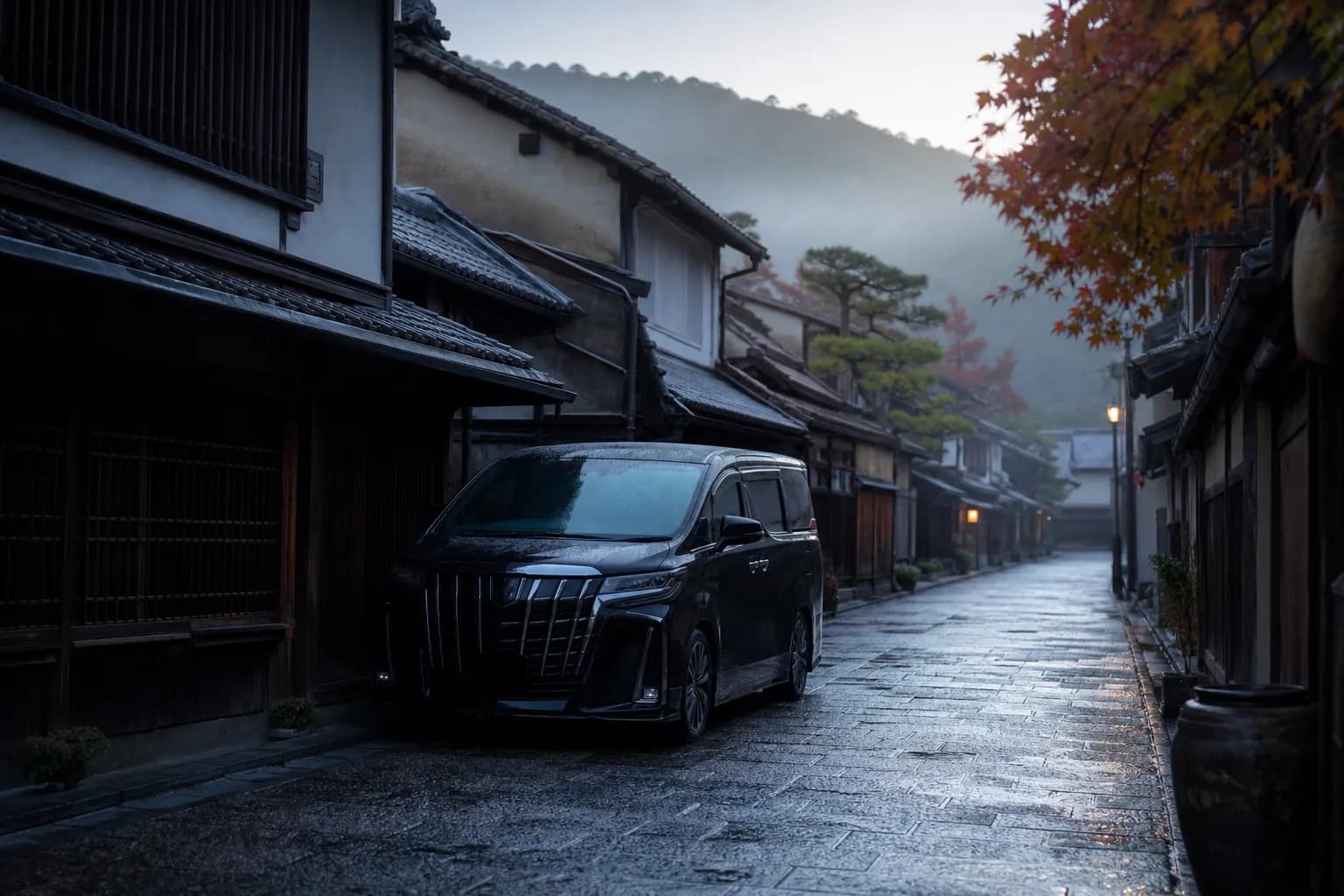
Kyoto’s center can punish vehicles. Narrow lanes, stop-and-go, and crowded taxi ranks can turn a short hop into a mood-killer.
So we use private chauffeured transport with intent. Not all day, every day. Only where it reduces friction and keeps you out of the busiest public transit pressure points.
Japan Royal Service operates private chauffeured day tours in Kyoto and beyond, and airport VIP transfers through major gateways. The right vehicle becomes part of the calm, not a spectacle.
Our Fleet Approach For Kyoto Days
Different parties need different cabins. Simple.
- Lexus LM 500: for guests who want a flagship cabin and a quiet, private arrival.
- Toyota Executive Alphard: a strong fit for families and executives who want comfort without theatrics.
- Mercedes V-Class: executive group transport with a clean, businesslike feel.
- Hiace Grand Cabin / Toyota Coaster: for small groups when you still want privacy and space.
Walkable Micro-Itineraries Reduce Both Crowds And Impact
Kyoto’s overtourism conversation is partly about congestion where too many visitors concentrate. The best luxury itineraries can be low-impact by design.
We often build a morning loop you can walk, then use the vehicle for a clean exit to a different district. Less time in taxi queues. Less time on packed city-center buses.
The Japan Times reported on March 20, 2026 that the Japan Tourism Agency would launch a panel on dual pricing, and noted that Kyoto announced a plan to introduce dual pricing for municipal bus fares in the city center. We watch these changes because they affect visitor experience in small but real ways.
A Quiet-Luxury Kyoto Itinerary Blueprint (3 Days, Crowd-Aware)
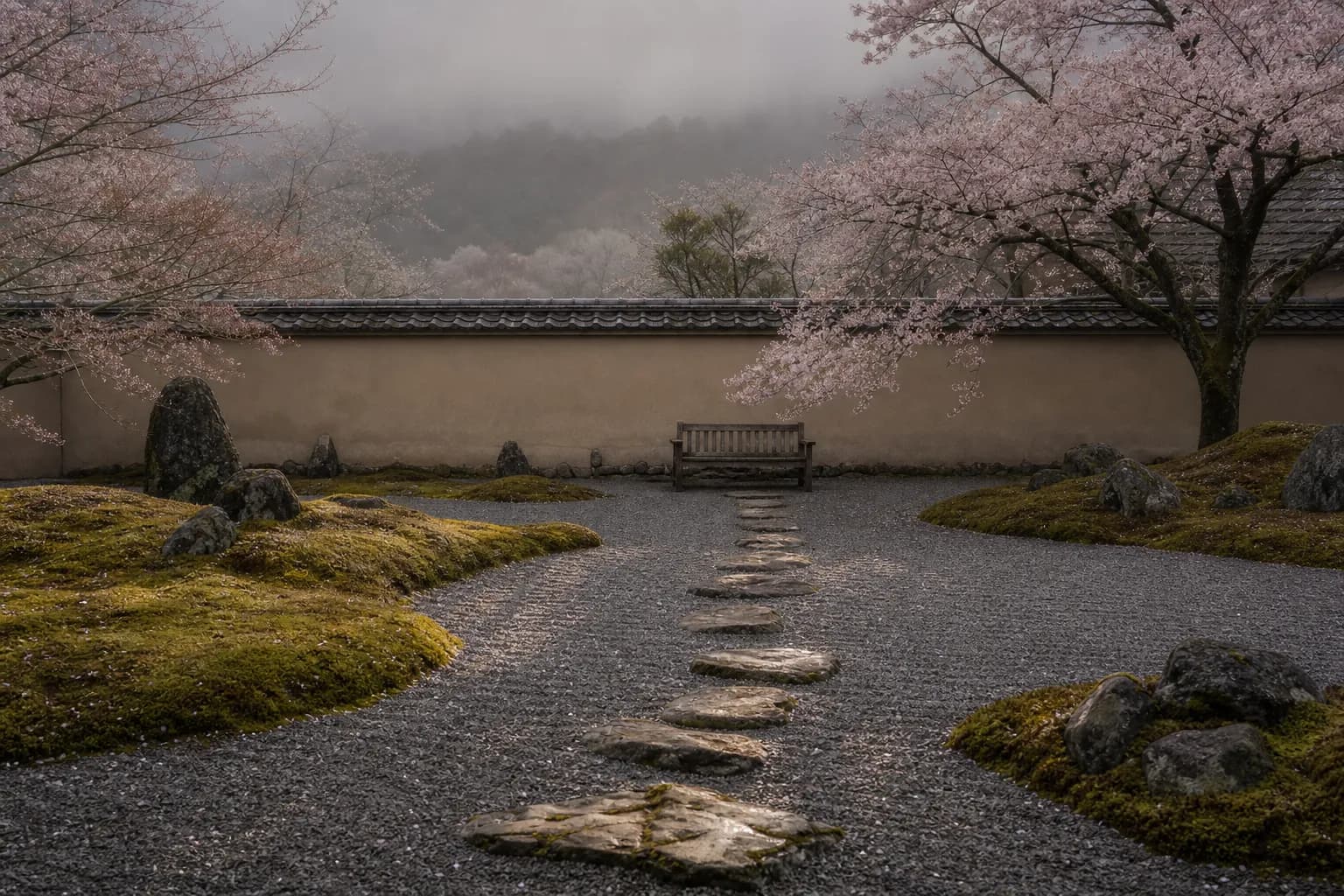
This is not a rigid schedule. It is a blueprint you can adapt using the official congestion forecast and the night-program calendars.
We assume one key idea: you do not “win” Kyoto by being everywhere. You win by being present.
Day 1: Reset Your Pace And Claim The Edges Of The Day
Start early. Leave early. Then rest.
- Early morning: choose one high-demand area only if the congestion forecast supports it.
- Late morning: a shokunin appointment (ceramics, lacquer, or calligraphy) in a quiet studio setting, by private introduction where appropriate.
- Afternoon: return to your base and take a real break.
- Evening: if dates align, consider an official night program rather than another daytime highlight.
Day 2: Heritage Access Without The Midday Crush
Use official special openings. They exist for a reason.
- Morning: a low-crowd garden or museum block, planned around congestion signals.
- Midday: a long, calm lunch near where you already are.
- Evening: Shoren-in’s night visits (July 17–Aug 23, 2026) if you are in Kyoto during that window.
Day 3: Hidden Japan By Design, Not By Search
Hidden Japan in Kyoto is rarely “secret.” It is simply not built for mass throughput.
Think introduced-only counters, small galleries, and understated streets where the reward is mood, not proof. This is where discretion matters most, especially if you are traveling with a public profile.
We keep the day light, then finish with one precise evening moment—because the best Kyoto memories often happen when you stop hunting.
Dining And Tea: Quiet, Controlled Settings That Hold The Mood
Food is an easy place to lose calm. A famous restaurant at the wrong hour becomes a waiting room.
Our team at Japan Royal Service prefers dining plans that protect the evening: early seating when it fits, private rooms when they exist, and counters where the chef’s hands become the entertainment.
We also prioritize shokunin craft in food. The knife work, the rice texture, the ceramics under the dish. Details you can only notice when you are not rushed.
Quiet Dining Guidance (Actionable, Not Hype)
- Avoid peak entry waves: arrive slightly earlier or later than the standard rush.
- Choose proximity: dine near your evening program to reduce transit and street exposure.
- Prefer small formats: counters and small rooms tend to stay calmer than large dining floors.
- Ask for discretion: request low-visibility seating and minimal announcements where possible.
Tea Without The Tourist-Show Feeling
A tea setting can be profoundly quiet, or it can feel like a photo stop. The difference is in the host’s seriousness and the guest’s behavior.
We guide clients toward low-key tea experiences that emphasize manners, utensil care, and silence where appropriate. Phones away. Shoulders soft.
If you want “rare,” aim for craft depth rather than gimmicks—an encounter with a respected practitioner, or a tea moment paired with a meaningful garden visit.
FAQ: Quiet-Luxury Kyoto Planning For 2026
What Is The Best Tool To Avoid Crowds In Kyoto?
Kyoto Travel’s official Kyoto Travel Congestion Forecast Map is the most practical tool because it shows congestion levels by area and time and includes live camera information.
Are Kyoto Night Viewings Less Crowded?
They can be. Official night viewings shift you out of the most congested daytime hours, and the atmosphere often feels calmer, but popular dates can still draw visitors.
What Are Verified Kyoto Night Programs For 2026?
Shoren-in Temple lists Special Night Visits from July 17, 2026 to August 23, 2026. Kiyomizu-dera publishes a Special Night Viewing page with a 2026 schedule section.
What Is Kyō No Natsu No Tabi In 2026?
The official page states Kyō no Natsu no Tabi (51st edition) runs July–September 2026. It is a summer special opening program, useful for planning heritage access.
Will Overtourism Policies Affect Kyoto Visitors In 2026?
Kyoto is actively promoting “comfortable sightseeing” through official tools, and Japan’s Tourism Agency maintains an overtourism measures page (last updated April 24, 2026). The Japan Times also reported policy discussion around dual pricing and municipal bus fare plans in Kyoto.
How Far Ahead Should I Plan Kyoto For Peak Seasons?
For cherry blossom and autumn foliage periods, lead time matters, especially for privacy-forward rooms and small properties. We advise choosing dates first, then building the itinerary around calm windows and confirmed programs.
How To Book Kyoto Night Viewings And Special Openings (Official Channels)
Night viewings and special opening programs are generally published by the temples, shrines, or official Kyoto platforms, with schedules and rules on their official pages. Always rely on the venue’s published guidance for dates, hours, and any entry procedures.
If you are using Kyoto Travel’s Summer Special Openings 2026 programs, start with the official Kyoto Travel page, confirm the exact program details, then plan transport and timing around the congestion forecast. It keeps the day civilized.
For questions, contact our concierge team at Japan Royal Service for tailored guidance, including timing, routing, and discretion-first etiquette.
Why Choose Japan Royal Service
Kyoto does not need more “VIP.” It needs judgment. Our team at Japan Royal Service plans quiet-luxury Kyoto with discretion as the baseline, not an add-on.
We build your days around official, tool-driven crowd intelligence, then layer in the human side: shokunin encounters, wabi-sabi restraint, and hidden-Japan moments that do not announce themselves. The result is Kyoto that feels private even when you are in the city.
We also think operationally about calm: which entrances feel exposed, when the lobby swells, how long a transfer really takes, and when a short rest restores the entire evening. Those details are where luxury becomes real.
Reach our team privately via WhatsApp or LINE, or at </contact>, and tell us your dates, pace, and the kind of quiet you want in Kyoto.