目次
- 01What A Matsuri Actually Is
- 02Choose Your Festival By Intent, Not By Fame
- 03The Real Skill: Moving Through The Crowd Without Being In It
- 04Gion Matsuri 2026: Premium Seats And What They Mean
- 05Where To Sleep During Festival Week
- 06Festival Etiquette For The Considerate Guest
- 07A Gentler Way In: Matsuri Culture In Tokyo
- 08Frequently Asked Questions
- 09Why Choose Japan Royal Service
You can hear a matsuri before you see it. A low drum, then a rush of them. Feet on stone. A shout that rises and falls like breathing. Then the crowd parts, and something heavy comes through the street on the shoulders of forty people at once.
That heavy thing is a mikoshi. And inside it, for one night, rides a god.
Most visitors experience Japan's festivals from the wrong end — pinned in a crush of people, unable to move, missing the moment the procession turns. Our team at Japan Royal Service has spent years learning the other way. The quiet way. This is our field guide to the spirit of the matsuri, and how to meet it on your own terms in 2026.
What A Matsuri Actually Is
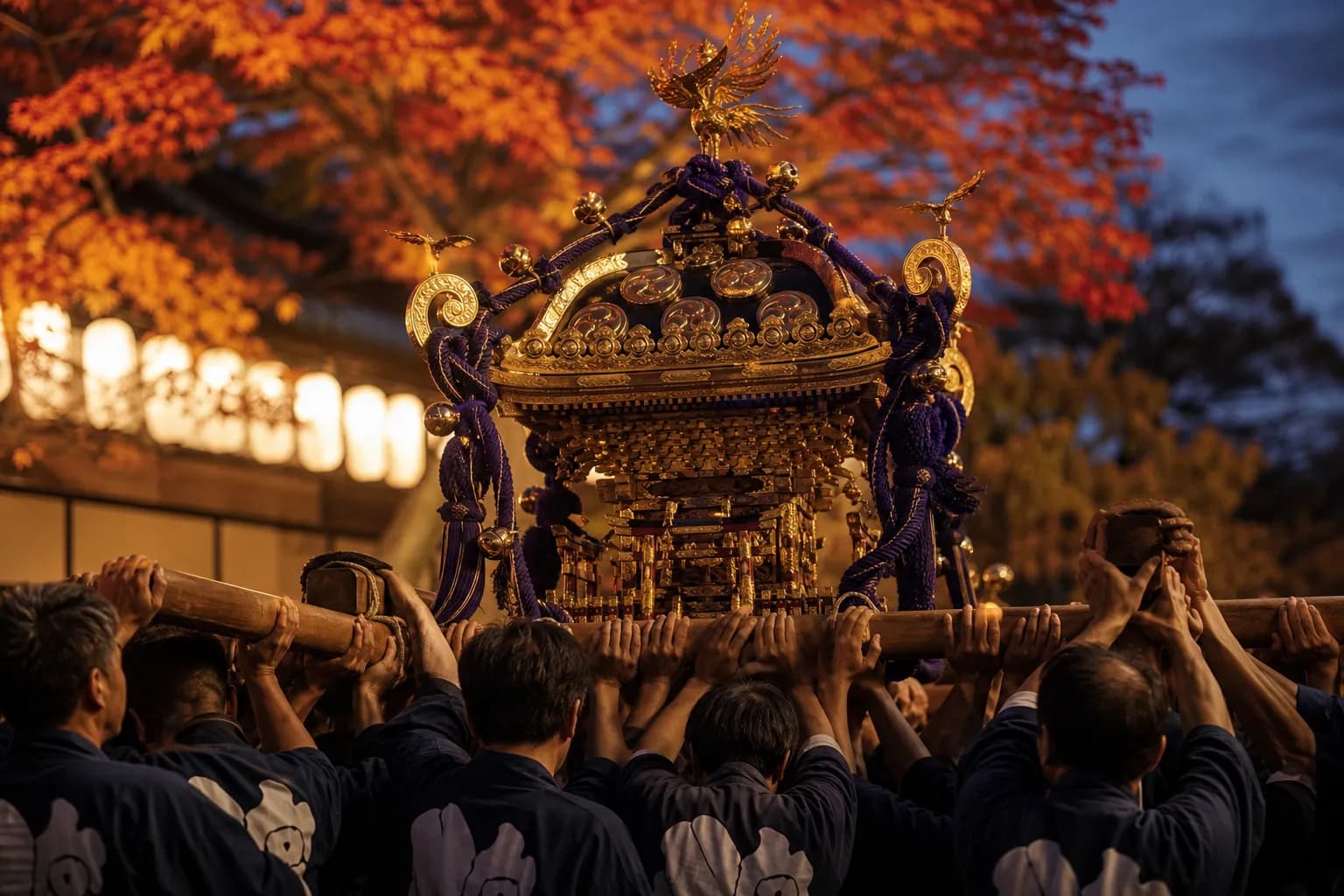
The mikoshi carries the kami into the streets — a prayer in motion.
Strip away the food stalls and the lanterns and you find something older. A matsuri is, at its root, a Shinto act of welcome. The community invites its kami — its guardian deity — out of the shrine and into the streets among the people.
The vessel for this is the mikoshi, a portable shrine carried through the neighborhood. During Osaka's Tenjin Matsuri, for example, the mikoshi is understood to temporarily hold the spirit of the deity enshrined at Osaka Tenmangu. The bearers rock it, jostle it, shout to it. That chaos is not disorder. It is thought to please the kami and amplify its blessing.
So when you watch a procession sway and heave down a lane, you are watching a prayer in motion. Understanding that changes what you see. The energy stops being noise. It becomes intention.
The Three Great Festivals
Japan honors three matsuri above the rest. Kyoto's Gion Matsuri, Osaka's Tenjin Matsuri, and Tokyo's Kanda Matsuri. Each carries centuries of ritual, and each draws enormous crowds. That crowd is the whole problem — and the whole reason to plan differently.
Choose Your Festival By Intent, Not By Fame
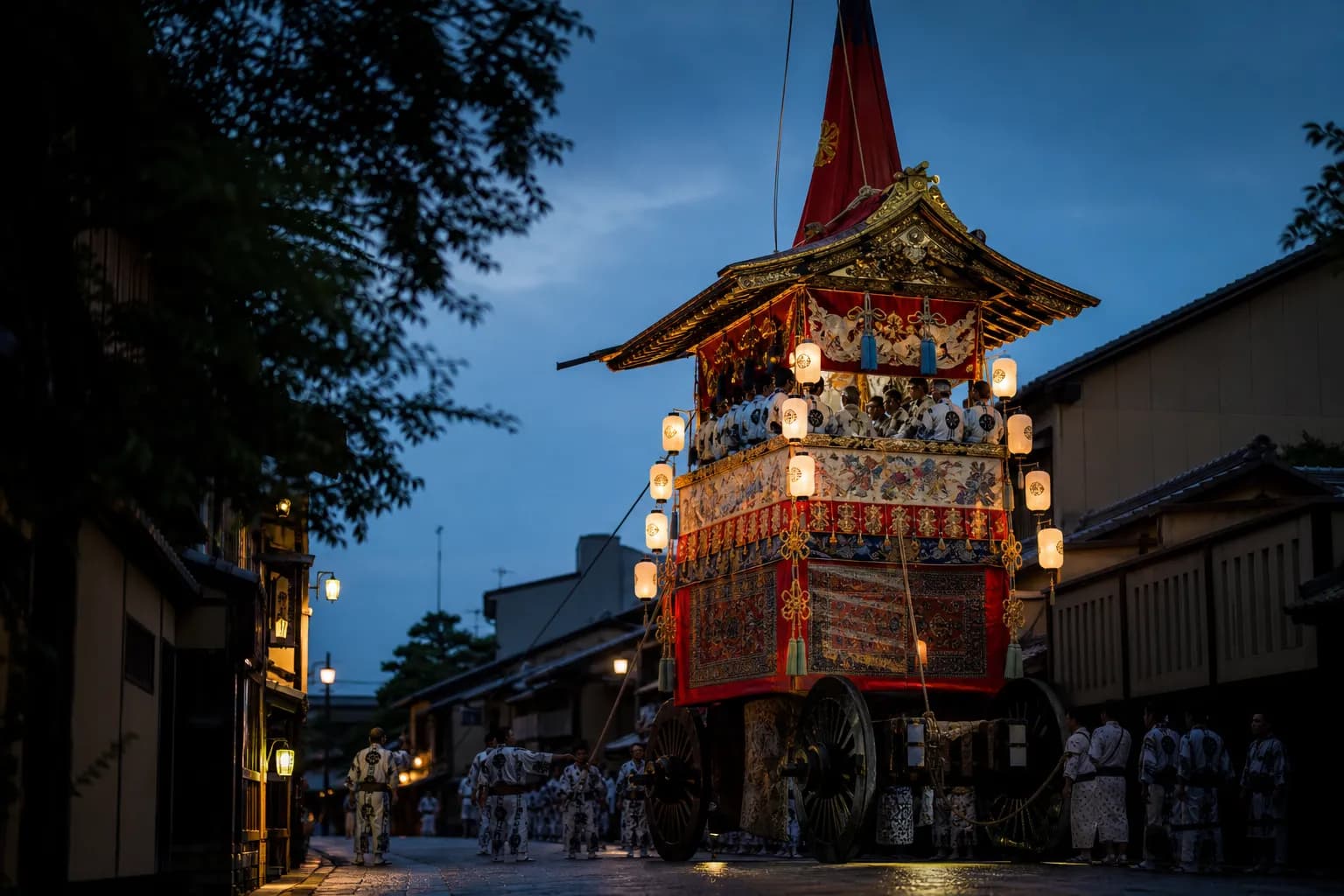
Here is the mistake most first-time luxury travelers make. They chase the biggest name on the calendar, arrive unprepared, and spend the evening in a wall of strangers wondering why everyone raves about it.
Better to start with a question: what do you actually want to feel?
- Ritual and reverence. If you want the spiritual weight — the mikoshi, the shrine rites, the sense of witnessing something sacred — Tenjin Matsuri in Osaka rewards you, especially its river procession and evening fireworks.
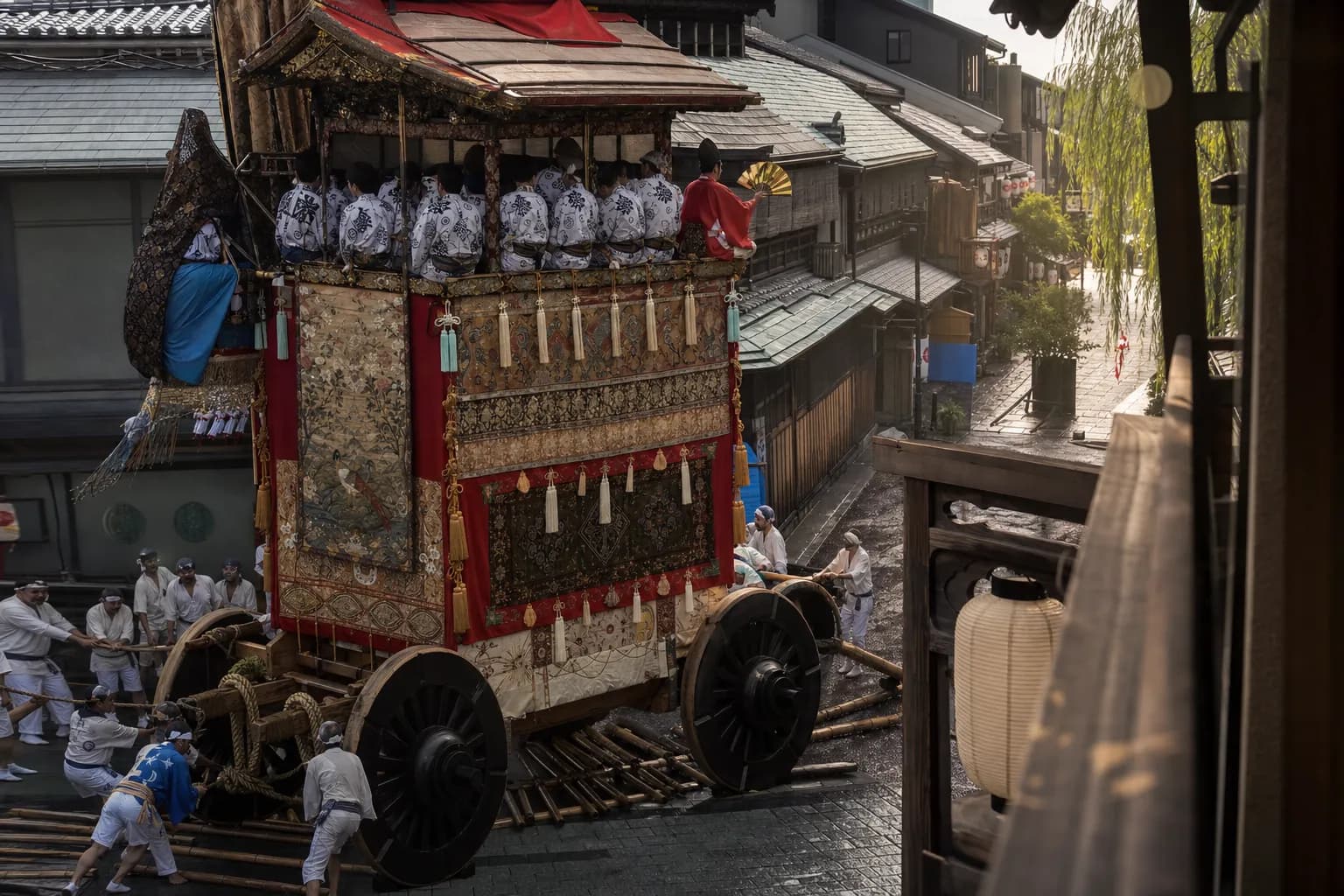
- Spectacle and craft. If you want scale, artistry, and the towering floats, Gion Matsuri in Kyoto is unmatched. The yamaboko floats are rolling museums of textile and lacquer.
- Intimacy and calm. If crowds exhaust you, a smaller festival serves better. Tokyo's Iriya Morning Glory Festival — the Asagao Matsuri, held every year from July 6 to 8 — is Japan's largest festival dedicated to morning glories, and it moves at a gentler pace than the headline events.
None of these is superior. They are different doors into the same tradition. Our concierge starts every festival plan by asking which door suits the guest — not which one photographs best.
The Real Skill: Moving Through The Crowd Without Being In It
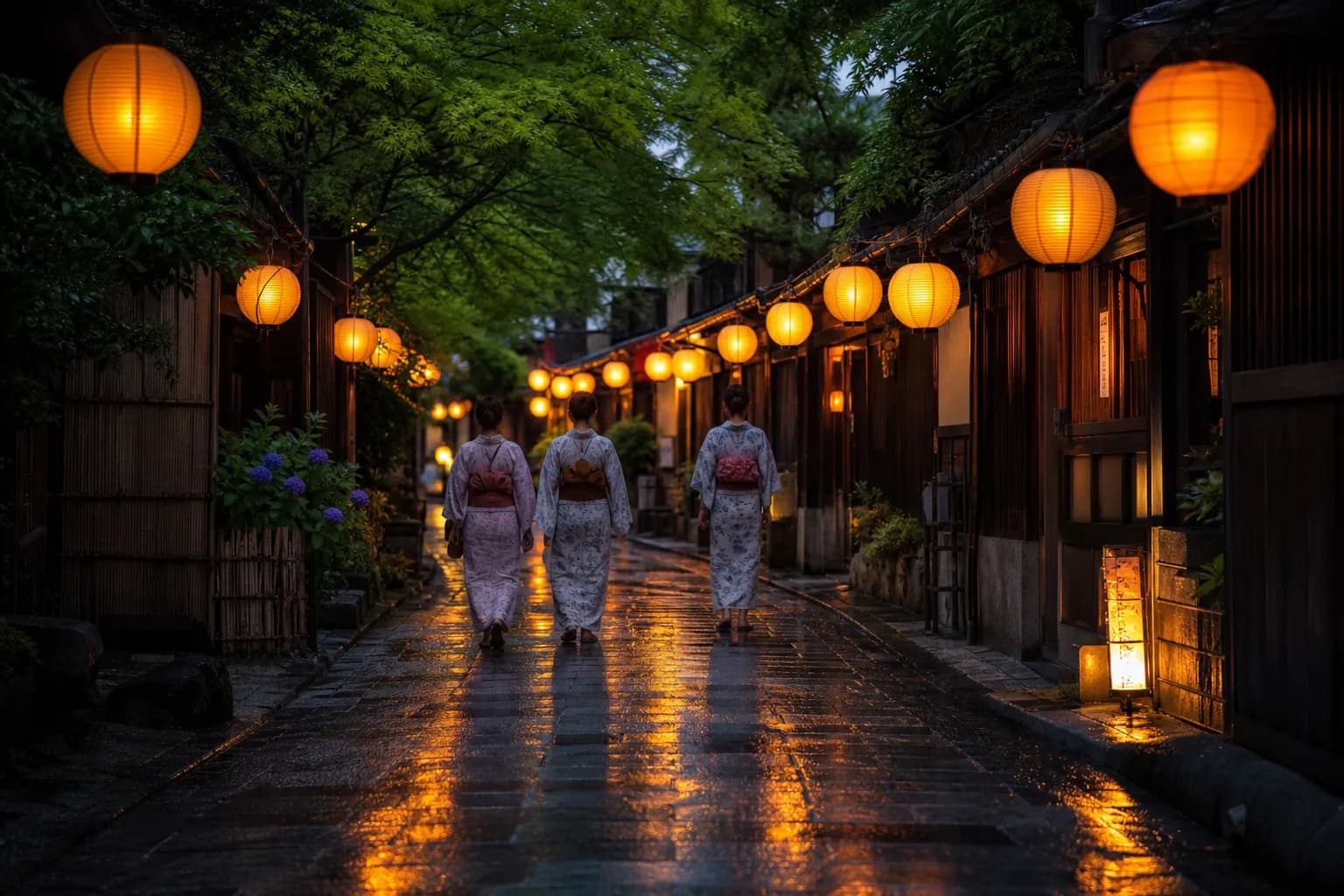
The best festival nights are timed against the crowd, not into it.
This is where planning earns its keep. A matsuri in 2026 is not what it was ten years ago. Kyoto now publishes an official digital, GPS-enabled map for the Gion Matsuri Yoiyama and float procession. The city also runs a Kyoto Travel Congestion Forecast tool, letting you check crowding around major spots by date, time, and weather.
We read those forecasts the way a sailor reads tide charts. Then we stage everything around them.
Arrive Against The Grain
Peak pedestrian flow has a rhythm. So we work against it. A private vehicle drops you at a meeting point aligned with official guidance, not at the nearest jammed intersection. You walk in during the trough, not the surge. You are seated before the human tide arrives.
The Kyoto City Tourism Association, coordinating with the Kyoto Prefectural Police, has been reshaping the Gion Matsuri viewing environment for 2026 — restricted zones, safer routes, controlled sightlines. Compliance is not a burden here. It is the map to the good seats.
Build In Cool-Down And Rest
Kyoto and Osaka in July are punishing. Heat is the silent thing that ruins festival nights. A proper plan spaces the experience around shaded rest, hydration, and a car within reach — so an elderly parent or a young child never becomes the reason you leave early.
Planning note: Summer festival heat is not a minor detail. Build your evening around one air-conditioned base within a five-minute walk of your viewing point. It is the single decision that most affects whether the night ends in wonder or in exhaustion.
Gion Matsuri 2026: Premium Seats And What They Mean
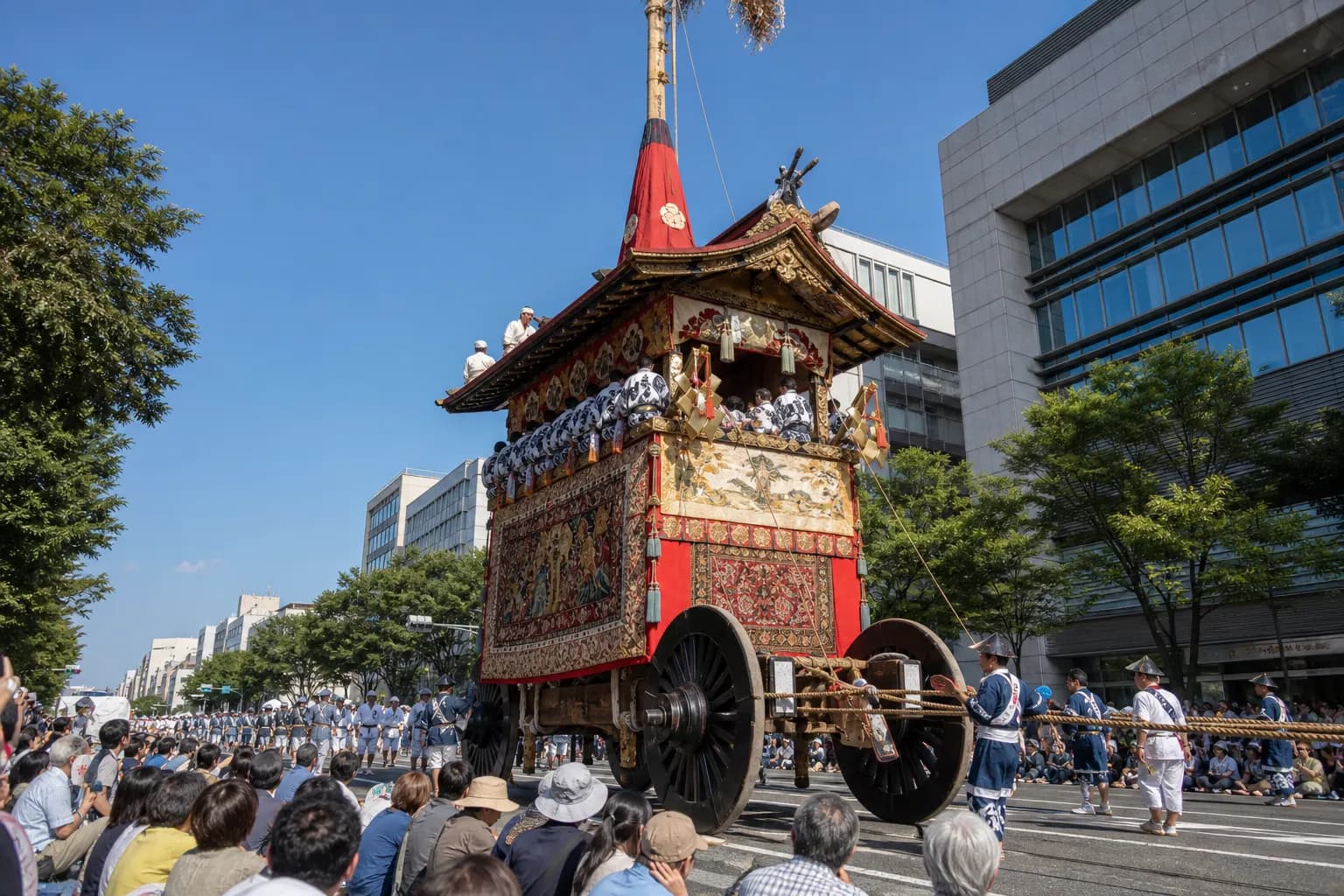
The yamaboko floats are rolling museums of textile and lacquer craft.
Kyoto Travel has published official 2026 sales information for the Gion Matsuri parade viewing seats. A front-row Premium Seat is listed at 125,000 yen, with general sales opening June 1, 2026 at 10:00 JST.
A reserved seat solves the two hardest problems at once: you are guaranteed a clear view of the float procession, and you are removed from the standing crush. Everything else builds outward from that anchor.
Guests interested in the official seating may contact our concierge for tailored guidance on timing, location, and how to structure the surrounding hours. Kyoto Travel handles the seat sales directly; we help you understand where a given seat sits, what it sees, and how to reach it without the walk becoming an ordeal.
The Hours Around The Procession Matter More Than The Procession
The parade lasts a set window. The day around it is where a bespoke plan shows its worth. A morning viewing of the yamaboko floats before crowds thicken. A private craft session — kintsugi or calligraphy — in a quiet atelier during the hottest hours. A late kaiseki dinner reserved away from the peak pedestrian streets.
The float becomes one movement in a longer piece of music, rather than a single frantic scramble.
Where To Sleep During Festival Week
During Gion Matsuri, your hotel is not a place to relax. It is a strategic asset. Proximity decides everything.
Kyoto's luxury landscape is shifting in your favor. The Imperial Hotel's Kyoto property in Gion is scheduled to open March 5, 2026, on a site with genuine cultural gravitas. Capella Kyoto, the brand's first Japan property, is also slated for March 2026. Both give you a calm, design-led base within reach of the festival core — a quiet room to retreat to when the streets are at their loudest.
We favor hotels chosen for restraint and discretion over spectacle. A base for Hidden Japan, not a destination in itself. The point is to step out into the festival on your schedule and step back into silence on your terms.
Festival Etiquette For The Considerate Guest
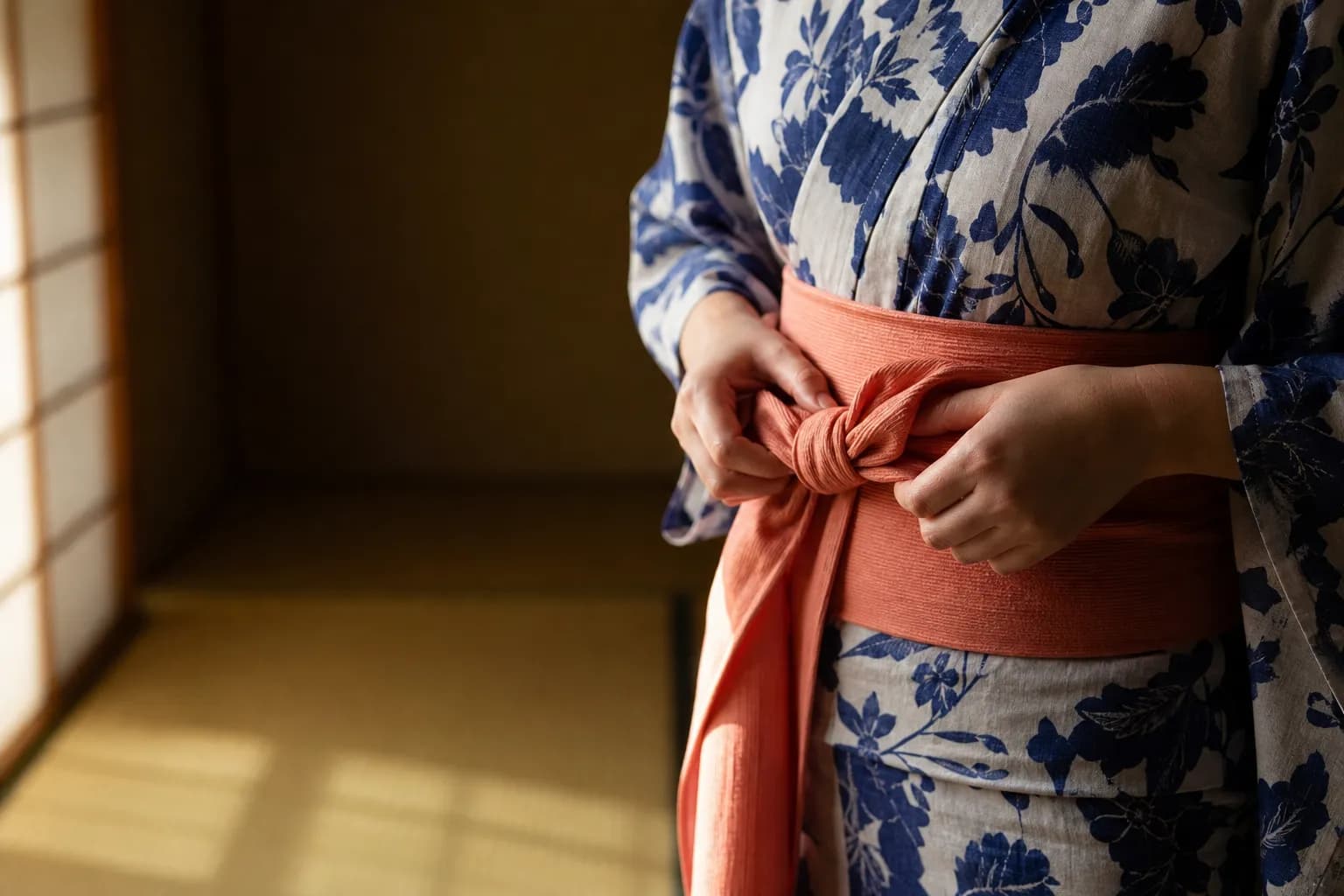
A well-worn yukata is a graceful nod to the occasion — never a costume.
A matsuri is a religious event and a community's own celebration. You are a welcomed guest, not a spectator at a show. Behave accordingly and doors open.
- Give the mikoshi room. Never touch it, block it, or force a photo across its path. The bearers are performing a rite.
- Ask before photographing people, especially children and anyone in ceremonial dress.
- Do not eat while walking in dense crowds — stand aside at a stall.
- Honor the restricted zones. The 2026 crowd-control measures exist for safety. Working within them is both respectful and, quietly, the route to the best positions.
- Consider a yukata. Many locals wear the light summer kimono to festivals. Worn properly, it is a graceful nod to the occasion — not a costume.
Japan's Tourism Agency continues to expand its overtourism countermeasures, with its dedicated guidance updated through 2026. Traveling with awareness of local benefit and crowd sensitivity is no longer optional courtesy. It is the mark of a guest who deserves the deeper access.
A Gentler Way In: Matsuri Culture In Tokyo
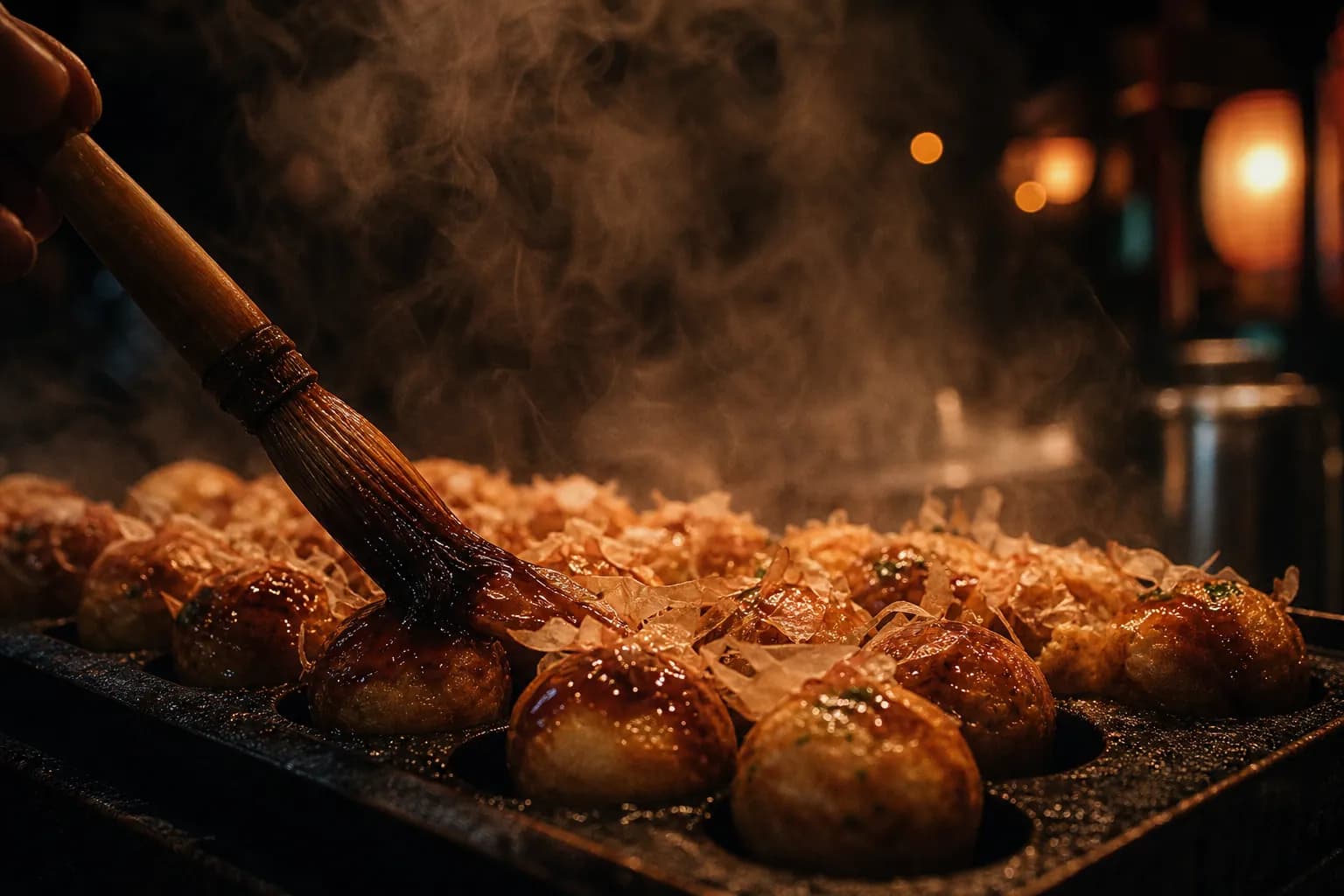
A matsuri feeds the body as generously as it stirs the soul.
Not everyone wants to begin with the full intensity of a great summer festival. There is a softer entry point.
MATSURI JAPAN 2026, held at Takanawa Gateway in Tokyo, showcases festivals and regional food culture from across the country in one high-comfort setting. It offers a taste of the matsuri spirit — the drums, the flavors, the color — without the deep rural logistics. We sometimes suggest it as a first sip before curating a follow-on journey to a single regional festival matched carefully to the guest.
Then there is the food itself, which is half the point. Takoyaki hissing on a griddle, brushed with sauce and dusted with dancing bonito flakes. Charred yakitori. Shaved ice in impossible colors. A matsuri feeds the body as generously as it stirs the soul.
Frequently Asked Questions
When is Gion Matsuri in 2026?
Gion Matsuri runs throughout July in Kyoto, with the two float processions as its centerpiece. Kyoto Travel's official 2026 seat sales for the parade open June 1, 2026 at 10:00 JST, with a front-row Premium Seat listed at 125,000 yen.
What is a mikoshi and why does it matter?
A mikoshi is a portable shrine carried through the streets during a matsuri. It symbolically welcomes and temporarily holds the spirit of the shrine's kami, bringing the deity out among the community. Watching one pass is witnessing a Shinto prayer in physical form.
How do I avoid the worst festival crowds?
Use timing and geography. Kyoto's official Congestion Forecast tool and its digital Yoiyama map let you anticipate crowd flow. Arriving during a lull, staging a private vehicle at an approved meeting point, and securing a reserved seat all remove you from the peak crush. Our team builds these plans around the official 2026 crowd-control measures.
Which festival is best for a first luxury trip?
It depends on what you want to feel. For spectacle and craft, Gion Matsuri. For ritual depth and river ceremony, Tenjin Matsuri in Osaka. For a calm, small-scale introduction, Tokyo's Iriya Morning Glory Festival (July 6–8) or the multi-regional MATSURI JAPAN 2026 showcase.
Why Choose Japan Royal Service
Anyone can hand you a festival date. What we offer is the difference between standing in a crowd and standing exactly where you should be.
Our approach begins with discretion. Guest identity and itinerary stay confidential, always. From there, we build around the things machines cannot: predictive routing read from official congestion data, private chauffeured transport staged to official meeting points, cool-down retreats within steps of your viewing seat, and introductions to the quiet craft ateliers — kintsugi, calligraphy, shokunin ateliers — that fill the hours a festival leaves open.
We do not sell the festival. We shape the space around it, so the spirit of the matsuri reaches you clearly. Unhurried. Unforgotten.
To plan your 2026 festival journey privately, reach our team via WhatsApp or LINE, or at /contact. Tell us which door you want to walk through — and we will open it quietly.