目次
- 01The Legacy and Location of Suiran Kyoto
- 02Accommodations and Amenities at Suiran Kyoto
- 03Culinary Experiences and Dining Options
- 04Service Philosophy and Guest Experience
- 05Seasonal Considerations for Visiting Suiran Kyoto
- 06Planning Your Stay at Suiran Kyoto
- 07Exploring Beyond Suiran Kyoto
- 08Comparing Suiran Kyoto to Alternative Luxury Options
- 09Maximizing Your Suiran Kyoto Experience
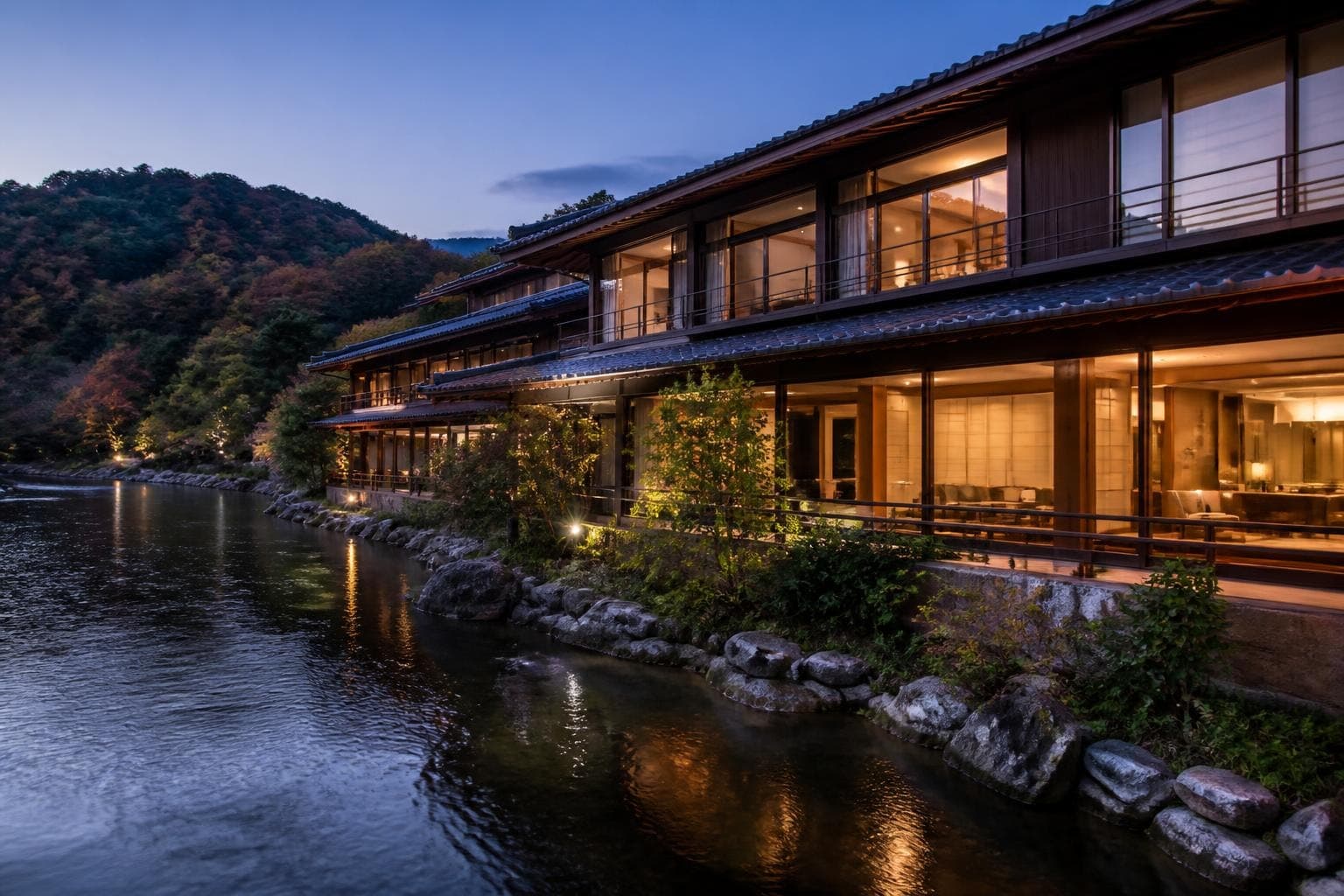
Suiran Kyoto sits in Arashiyama, right by the Hozu River. Quiet. The setting feels watchful and composed, the kind of place where the water sound becomes your background track. As part of Marriott’s Luxury Collection, it pairs older Kyoto-style building details with present-day comfort, so you get tradition without feeling like you’re sleeping in a museum. For travelers who want Kyoto’s finer manners with a little breathing room, it’s an easy pick—especially when the river is moving fast after rain. Worth it.
The Legacy and Location of Suiran Kyoto
Suiran Kyoto holds a favored spot in Arashiyama, an area known for bamboo, temples, and the sort of scenery that changes mood by the hour. The name translates as “verdant storm” or “emerald ripples,” a nod to the Hozu River and the way it flashes green in certain light.
You’re close to the headline sights. Very close. The Bamboo Grove, Tenryu-ji Temple (UNESCO World Heritage), and Togetsukyo Bridge are all within an easy walk, which matters when you want to slip out at 7:10 a.m., hear a cyclist pass, and catch Arashiyama before the day gets loud. That location lets you keep things calm while still staying tied to Kyoto’s cultural center.
Historical Significance of the Site
The ground under Suiran Kyoto carries weight. For centuries, Arashiyama served as a getaway for nobles and emperors who wanted distance from the capital’s strict formality, and the hotel leans into that history rather than smoothing it away. Traditional design choices show up in small, deliberate ways, and the overall feel respects the aesthetic habits that have shaped this neighborhood for generations.
The architecture leans into refined simplicity: natural materials, crisp lines, and spacing that makes the outdoors feel invited in. No fuss. Many choices are about balance—where you place light, what you hide, what you leave empty—echoing the Japanese idea of ma, that intentional “space” that makes rooms feel calmer than their square meters suggest.
Accommodations and Amenities at Suiran Kyoto
There are 39 rooms and suites, and that small count changes everything. You notice it at check-in, and again later when faces become familiar instead of rotating every hour. The result is a stay that feels personal without being clingy, with details handled quickly because the team isn’t juggling a huge building.
Room Categories and Features
Rooms run from deluxe categories to larger suites, each styled to keep tradition and modern convenience in the same frame—without letting either one shout. Expect a blend of Japanese textures and Western ease, with furniture and lighting chosen to feel calm at night and clear in the morning:
- River View Rooms: Floor-to-ceiling windows face the Hozu River, and the view shifts constantly with weather and season
- Garden View Rooms: Look onto carefully tended Japanese gardens where pruning and stone placement feel quietly precise
- Suites: Add separate living space, private outdoor areas, and traditional touches like tokonoma alcoves
- Premium Amenities: Deep soaking tubs, high-grade toiletries, and tech added in a restrained way so it doesn’t dominate the room
| Room Type | Size | Key Features | Ideal For |
|---|---|---|---|
| Deluxe Room | 50 sqm | River or garden views, balcony | Couples, solo travelers |
| Executive Suite | 80 sqm | Separate living area, outdoor terrace | Extended stays, special occasions |
| Presidential Suite | 120 sqm | Private garden, entertainment space | Ultimate luxury experience |
According to guest reviews on Booking.com, international visitors often single out the room details—especially the way a distinctly Japanese look still supports familiar Western comfort.
Onsen and Wellness Facilities
Suiran Kyoto has a private onsen, which is unusual for Kyoto hotels. Rare. The bath is fed by natural thermal water, and the experience is as much about pace as it is about heat—slow soak, slow breath, slow walk back to your room. The spa area blends Japanese bathing customs with modern treatments, so you can keep it traditional or go more contemporary depending on your mood.
Wellness here isn’t limited to the treatment menu. It shows up in the garden’s hush at dawn, in seasonal kaiseki that follows shun, and in the way the design encourages you to sit still for longer than you planned—then suddenly it’s 9:30 a.m. and you haven’t checked your phone. Big mistake. (Or maybe not.)
Culinary Experiences and Dining Options
Dining at Suiran Kyoto leans heavily into Kyoto’s food culture, where restraint and timing matter as much as flavor. Some meals feel ceremonial, others feel casual, but the through-line is seasonality and the kind of shokunin focus you notice in knife work and plating. You don’t need to be a foodie to get it; you just need to pay attention.
Kyo-Suiran Restaurant
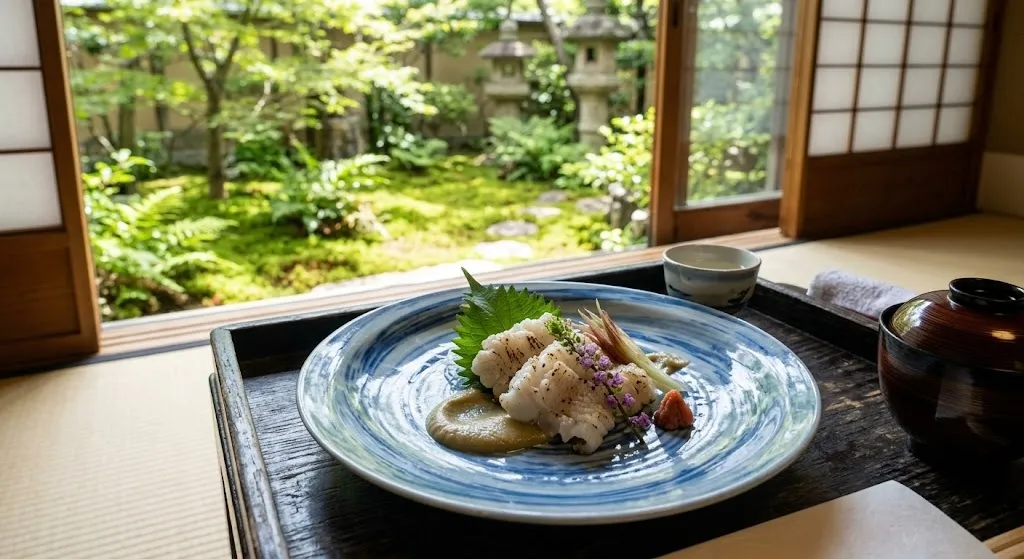
The main restaurant serves kaiseki that respects Kyoto’s long culinary lineage. Slow pacing. Each course tracks the season, with ingredients sourced locally and handled with techniques that have been refined for ages, and the presentation is meticulous without being showy—more wabi-sabi than spectacle, with small imperfections that feel intentional.
Seasonal Dining Highlights:
- Spring: Sakura-leaning presentations with bamboo shoots and mountain vegetables
- Summer: Cooling plates built around Kamo eggplant and hamo (pike conger)
- Autumn: Matsutake mushrooms and chestnuts marking the harvest shift
- Winter: Warming hotpots plus preserved elements that show off careful seasonal keeping
The drink list runs from a well-chosen sake set to Japanese whisky, wine, and regional teas. One server’s soft “osusume desu” when pouring a pairing can be more persuasive than any menu note, and the choices tend to match the food rather than compete with it.
Casual Dining and Bar
If you want something looser, the lounge and bar gives you that option. Flexible. You can do light bites, afternoon tea, or a quiet drink while watching the river slide by, and the mood shifts through the day without trying too hard. It’s the kind of space where a late cocktail at 10:05 p.m. feels natural, not like you’re overstaying.
Service Philosophy and Guest Experience
Suiran Kyoto’s defining trait is its approach to omotenashi. Simple idea, hard execution. The service aims to anticipate needs before you have to ask, and it does so with warmth rather than a scripted, transactional tone—when it’s done well, it feels like the hotel is paying attention without hovering.
Personalized Service Standards
The staff-to-guest ratio helps the team stay present but not intrusive. Training covers traditional hospitality customs alongside international luxury expectations, and you’ll find staff who can speak comfortably about specifics, not just generalities—helpful when you’re trying to plan around crowds or seasonal openings. Many team members have specialized knowledge in areas such as:
- Cultural Concierge Services: Setting up private temple visits, tea ceremonies, and artisan workshops
- Seasonal Activity Planning: Coordinating sakura viewing, autumn leaf routes, and seasonal festivals
- Culinary Guidance: Walking you through kaiseki flow, sake pairings, and local specialties
- Transportation Coordination: Organizing private transfers and day trips across Kyoto and beyond
As noted in comprehensive KAYAK reviews, guests frequently call out the staff’s knack for memorable gestures paired with genuine local knowledge.
Cultural Programming
Suiran Kyoto arranges cultural experiences meant to feel real rather than performative. Not filler. These options aim for meaningful contact with Kyoto’s living traditions, and the best ones leave you with a small skill or a sharper eye for detail, not just a photo:
- Traditional tea ceremonies conducted by certified tea masters
- Private calligraphy lessons with local artists
- Seasonal flower arrangement workshops following ikebana principles
- Kimono fitting and photography sessions in the hotel's gardens
- Guided meditation with Buddhist monks from nearby temples
Seasonal Considerations for Visiting Suiran Kyoto
Kyoto’s seasons have clear personalities, and Suiran’s riverside perspective lets you feel those shifts quickly—sometimes hour by hour. Bring layers. You’ll notice the light change off the water, the air’s sharpness, and how the surrounding trees frame the property differently as the months move along.
Cherry Blossom Season (Late March – Early April)
Spring is Arashiyama’s headline act. Crowds too. Cherry trees along the Hozu River can put on a dramatic show, and many rooms catch that view directly, especially when petals start drifting onto the water like confetti that forgot to stop. The hotel runs special packages in this period, including early-morning viewing options before the busiest waves and evening illumination events.
Summer Festivals and Activities (June – August)
Summer can be hot and sticky, but it comes with its own energy—festivals, plus the well-known cormorant fishing demonstrations on the Hozu River. Suiran Kyoto serves as a cool base when the humidity ramps up, with air-conditioned interiors and kaiseki that leans lighter and colder to match the season.
| Season | Temperature Range | Highlights | Booking Considerations |
|---|---|---|---|
| Spring | 10-20°C (50-68°F) | Cherry blossoms, comfortable weather | Book 6-9 months ahead |
| Summer | 25-35°C (77-95°F) | Festivals, river activities | More availability, humid conditions |
| Autumn | 15-25°C (59-77°F) | Fall foliage, harvest cuisine | Book 6-9 months ahead |
| Winter | 0-10°C (32-50°F) | Snow scenes, onsen season | Good value, fewer crowds |
Autumn Foliage Season (November – Early December)
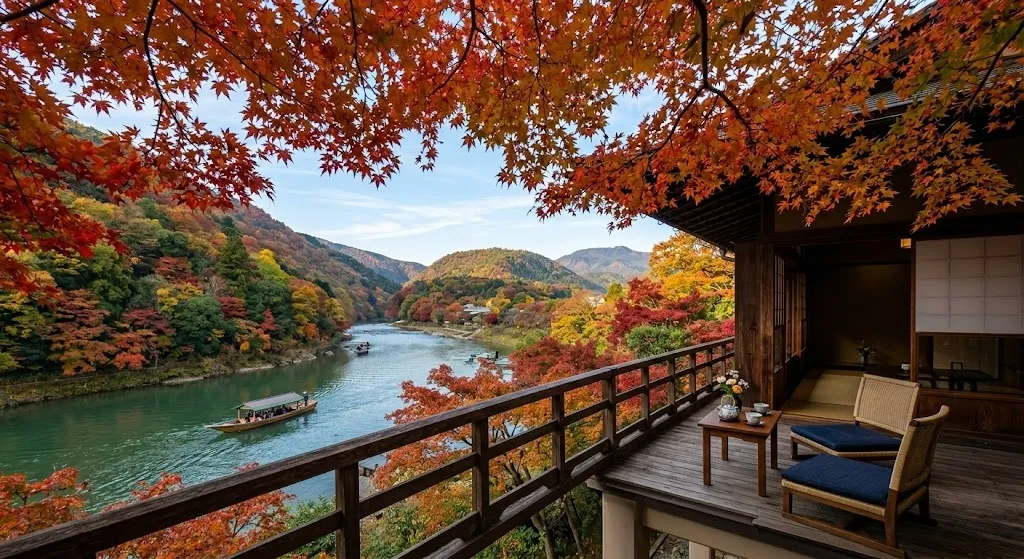
Many travelers pick autumn as their favorite window for Suiran Kyoto. The maples around the property turn red and gold, and the view from a balcony can look almost staged—except it isn’t. Cooler air makes temple and garden visits more comfortable, and evenings feel made for a longer soak followed by a slower dinner.
Winter Serenity (January – February)
Winter is quieter. Cleaner. Snow doesn’t appear every day, but when it does, bamboo and temple roofs take on that ink-painting look you’ve seen in old prints. The onsen feels especially satisfying in colder months, and winter kaiseki leans into preserved and warming ingredients that suit the season’s slower tempo.
Planning Your Stay at Suiran Kyoto
Suiran Kyoto rewards a bit of planning, mainly because the hotel is small and high-demand weeks sell out fast. Don’t wing it. If you care about a specific view or room category, think ahead and lock it down early, especially around spring blossoms or autumn leaves.
Booking Strategies and Timing
Reservations well in advance are often necessary, particularly for peak seasons and certain categories. Booking direct through the hotel or Luxury Collection can come with perks like potential upgrades, dining credits, or spa inclusions, depending on your rate. It can still be smart to compare against platforms like Agoda to see what lines up best for your dates and priorities.
Optimal Booking Timeline:
- Peak Seasons: Reserve 9-12 months in advance for spring and autumn
- Shoulder Seasons: Book 3-6 months ahead for early spring, late autumn, early winter
- Off-Peak: Reserve 1-3 months in advance for summer and winter
- Special Occasions: Contact the hotel directly for anniversary or celebration packages
Transportation and Access
Getting to Suiran Kyoto isn’t hard, but it helps to choose your route based on luggage and patience level. The hotel is roughly 45 minutes from Kyoto Station by taxi or private car, and about 20 minutes from central Kyoto, traffic depending. If you arrive with two suitcases and a shopping bag, you’ll feel that difference immediately.
Transportation Options:
- Private Transfer: The easiest door-to-door choice, typically with luggage handling
- Taxi: Common from Kyoto Station, around 5,000-7,000 yen
- Train and Walk: JR Sagano Line to Saga-Arashiyama Station, then a 15-minute walk
- Combination: Train to the area, then hotel pickup (arrange in advance)
If you’re combining cities—Kyoto plus Tokyo or Osaka—tight transport planning keeps the trip focused on what you came for. Nico from JRS once told me he learned this the hard way after a 6:40 a.m. platform change at Kyoto Station with a client’s oversized luggage; he now builds in a buffer that saves everyone’s nerves.
Exploring Beyond Suiran Kyoto
The hotel can make you want to stay put. Tempting. Still, Arashiyama and wider Kyoto hold plenty that’s worth stepping out for, and the concierge is strong at shaping plans around what you actually like, not what a generic checklist says you should do.
Nearby Attractions
Arashiyama alone can fill several days if you move at a human pace. The Bamboo Grove is minutes from the entrance, and early light through the stalks can look almost metallic; later, it’s a different feeling entirely as footsteps and camera shutters pile up. Tenryu-ji Temple’s garden, designed by Muso Soseki, is a standout for Zen landscape design, and it rewards slow walking more than quick photos.
Essential Arashiyama Experiences:
- Togetsukyo Bridge crossing at different times of day
- Okochi Sanso Villa with panoramic mountain views
- Monkey Park Iwatayama for wildlife encounters and city vistas
- Traditional boat rides on the Hozu River
- Artisan shops along Arashiyama's main street
Day Trips from Arashiyama
Kyoto’s size and transit options make day trips realistic while keeping Suiran as a base. According to insights shared in detailed reviews on Inside Kyoto, many guests like returning to Arashiyama’s calmer pace after spending time in the busier tourist zones.
Central Kyoto spots—Kinkaku-ji (Golden Pavilion), Fushimi Inari Shrine, and Gion—are usually within 30-45 minutes. Nara also works as a day trip, with deer parks and some of Japan’s oldest temples, and if you want something more rural, Ohara and Kurama offer hiking and a more traditional feel. Just watch your timing; leaving too late can turn a simple return into a slow crawl back. Annoying.
Comparing Suiran Kyoto to Alternative Luxury Options
Kyoto has plenty of luxury hotels, and each one signals a different style of stay. Suiran Kyoto stands out in specific, practical ways, and knowing those differences helps you choose based on how you actually travel, not on brand shine.
Unique Positioning Factors
Authentic Location: Unlike hotels set in commercial zones, Suiran Kyoto sits in a historically meaningful area that has held onto its traditional character. The river setting and immediate access to nature create a mood that’s hard to copy in a dense urban block.
Intimate Scale: With 39 rooms, service can feel more consistent, and you often see the same staff more than once, which makes preferences easier to remember. That continuity can matter more than fancy lobby theatrics, especially on a multi-night stay.
Traditional Architecture: Many luxury properties borrow Japanese motifs, but here the architecture itself leans traditional, adjusted for modern comfort rather than built as a purely contemporary shell with Japanese décor added later.
Onsen Facility: A true hot spring bath is a major differentiator in Kyoto, where many hotels offer standard baths but not natural thermal water.
Value Proposition Analysis
Rates sit at the premium end, reflecting the overall experience rather than just the room. When you’re judging value, it helps to think about what’s bundled into the feel of the stay, including:
- Location providing direct access to major attractions
- Exceptional dining experiences featuring seasonal kaiseki
- Cultural programming and activities
- Personalized concierge services and local expertise
- Exclusive onsen access
- The intangible benefits of tranquility and an authentic atmosphere
Reviews across platforms, including Trip.com, commonly suggest the experience feels worth the spend for travelers who prioritize quality and authenticity over sheer room count or a flashy city address.
Maximizing Your Suiran Kyoto Experience
A little strategy makes a difference here. Small hotel, big demand. When you plan your timing—dinner reservations, spa slots, early walks—you’re more likely to get the stay you pictured, not the one that’s left over after everyone else booked first.
Pre-Arrival Preparation
Share preferences early: dietary restrictions, room hopes, and any celebrations. The team can prepare welcome touches, adjust the room setup, and reserve experiences that match what you’re into, and it helps if you’re specific—say “river view on a higher floor” rather than “nice view,” or mention you’re curious about wabi-sabi aesthetics rather than “culture.” Clear notes lead to better outcomes.
Pre-Arrival Checklist:
- Confirm dining reservations, especially for kaiseki
- Request specific room locations (river view, garden view, floor preference)
- Arrange airport or station transfers
- Book spa treatments and cultural activities
- Communicate any celebrations or special occasions
- Inquire about seasonal events during your dates
During Your Stay
Mix planned outings with open time—because the hotel itself is part of the point. Slow down. The gardens and river-facing corners are built for sitting, and an early walk in Arashiyama before the tour groups arrive can feel almost private, especially if you’re out the door before breakfast service ramps up.
Ask staff for ideas beyond the obvious. Many are Kyoto locals who can point you toward quieter restaurants, lesser-visited temples, or seasonal events that don’t get plastered across every guidebook, and those small suggestions often end up as the memories you talk about later.
Extending the Experience
Multiple nights help you settle into the rhythm. Even three or four nights can change the feel from “beautiful hotel” to “this is my base,” because you can explore without rushing and still return for a long soak and a late dinner. You also get more chances to build a bit of familiarity with the team, which is where omotenashi tends to show itself in the smallest, most human ways.
If you’re pairing Kyoto with bigger-city stops like Tokyo or Osaka, putting Suiran Kyoto after a dense urban stretch can feel like a reset. Different cadence. That contrast is part of what makes Japan feel so varied from one stop to the next.
Suiran Kyoto brings traditional Japanese hospitality together with modern luxury in a way that feels grounded, not theatrical, and it offers a direct line into Arashiyama’s calmer side. Whether your goal is spring sakura, autumn leaves, winter onsen time, or simply a polished break from everyday demands, the property tends to leave a lasting impression because the details land quietly. Japan Royal Service specializes in crafting bespoke itineraries that smoothly integrate stays like Suiran Kyoto with curated cultural experiences, exclusive access to lesser-seen spots, and luxury transportation across Japan, so your trip stays focused on experience rather than coordination.