目次
- 01Understanding the Historical Significance of the Tea Ceremony in Kyoto
- 02Selecting the Perfect Tea Ceremony Kyoto Venue
- 03The Ritual Structure and Seasonal Elements
- 04Enhancing Your Tea Ceremony Kyoto Experience
- 05Exclusive Tea Ceremony Experiences for Discerning Travelers
- 06Contemporary Evolution While Preserving Tradition
- 07Planning Your Tea Ceremony Kyoto Visit
- 08The Broader Cultural Context of Tea Ceremony Practice
- 09Regional Variations and School Differences
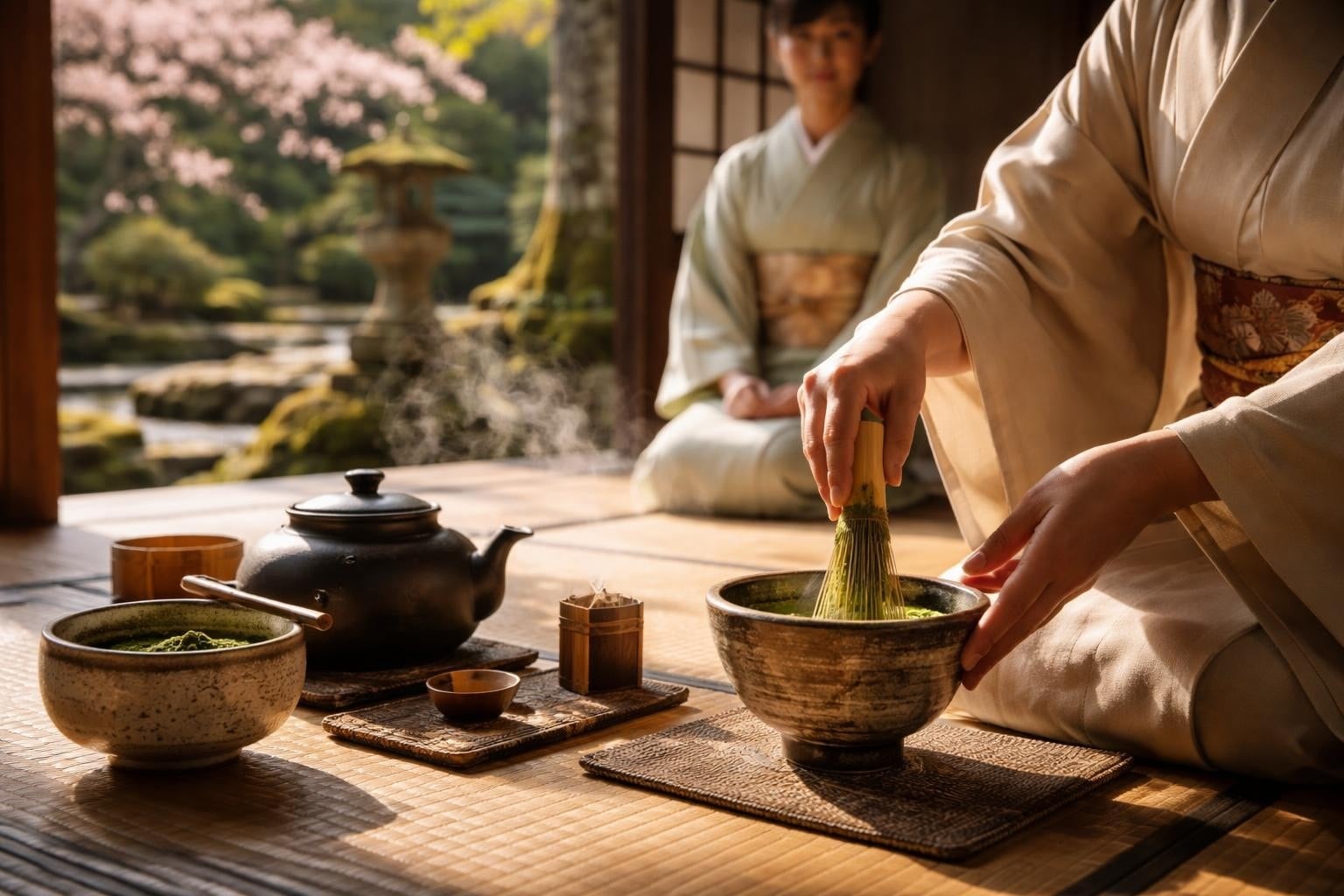
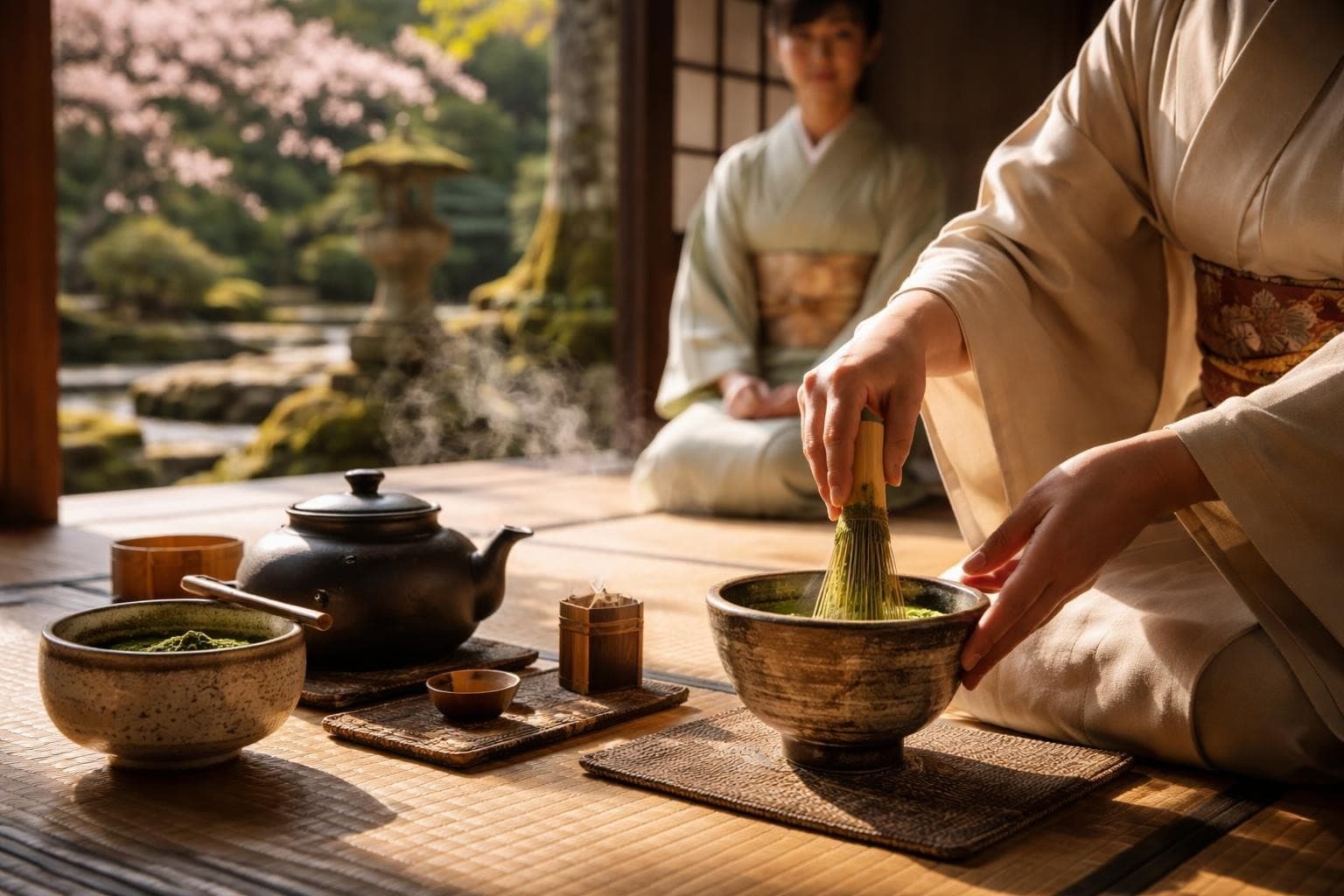
The ancient streets of Kyoto hold countless treasures, yet few experiences capture the essence of Japanese culture as profoundly as participating in a traditional tea ceremony. This refined practice, known as chanoyu or "the way of tea," transcends mere beverage preparation to become a meditative art form that has shaped Japanese aesthetics, philosophy, and social customs for over four centuries. For discerning travelers seeking authentic cultural immersion, a tea ceremony Kyoto experience offers an intimate glimpse into the soul of Japan, where every gesture carries meaning and every moment invites mindful presence.
Understanding the Historical Significance of the Tea Ceremony in Kyoto
Kyoto's relationship with the tea ceremony dates to the 16th century, when the legendary tea master Sen no Rikyū refined the practice into the sophisticated art form we recognize today. The Grand Kitano Tea Ceremony of 1587 marked a pivotal moment in this evolution, as Toyotomi Hideyoshi hosted an unprecedented gathering that welcomed participants from all social classes.
This democratization of tea culture transformed Kyoto into the undisputed center of tea ceremony practice in Japan. The city became home to the three main schools of tea: Omotesenke, Urasenke, and Mushakōjisenke, all founded by descendants of Sen no Rikyū. These schools continue to operate from their historic headquarters in Kyoto, preserving centuries-old traditions while adapting to contemporary contexts.
The Philosophy Behind Every Movement
The tea ceremony embodies four fundamental principles:
- Wa (harmony): Creating balance between host, guests, utensils, and environment
- Kei (respect): Demonstrating sincere appreciation for others and nature
- Sei (purity): Achieving cleanliness in both physical space and spiritual intent
- Jaku (tranquility): Cultivating inner peace through mindful practice
These principles extend far beyond the tea room, influencing Japanese design, architecture, and interpersonal relationships. Understanding this philosophical foundation enhances appreciation for every deliberate gesture performed during the ceremony.
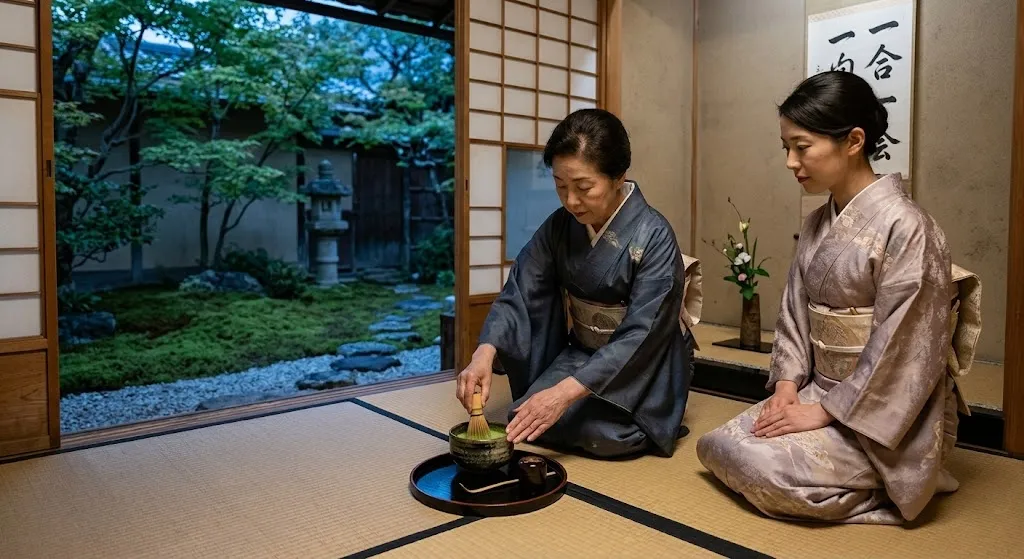
Harmony ( Wa ) is felt as the host, guest, and the serene Kyoto garden environment blend seamlessly during this careful cultural ritual.
Selecting the Perfect Tea Ceremony Kyoto Venue
The city offers diverse venues for experiencing this cultural practice, each providing unique advantages for different preferences and schedules. Historic tea houses provide unparalleled authenticity, while temple settings add a spiritual dimension to the experience.
Traditional Tea Houses and Historic Districts
Gion and Higashiyama districts house some of Kyoto's most prestigious tea ceremony venues, where wooden machiya townhouses create an atmosphere unchanged for generations. These intimate settings typically accommodate small groups, ensuring personalized attention from tea masters who often speak English or provide translation services.
Private tea rooms within ryokan (traditional inns) offer exclusive experiences where guests receive individualized instruction. These sessions frequently include preparation participation, allowing visitors to perform specific steps under expert guidance rather than simply observing.
| Venue Type | Advantages | Typical Duration | Price Range |
|---|---|---|---|
| Historic Tea House | Authentic atmosphere, expert instruction | 90-120 minutes | $80-150 |
| Temple Setting | Spiritual ambiance, garden views | 60-90 minutes | $50-100 |
| Private Ryokan | Exclusive experience, hands-on practice | 120-180 minutes | $150-300 |
| Cultural Centers | Beginner-friendly, multilingual support | 60-75 minutes | $40-80 |
Finding Experiences That Welcome International Guests
Many visitors worry about language barriers or cultural missteps when participating in a tea ceremony. Authentic tea ceremonies in Kyoto increasingly cater to international guests while maintaining traditional integrity. Reputable venues provide English explanations without compromising ceremonial authenticity.
Essential questions to ask when booking:
- Does the tea master provide instruction in English or offer translation?
- What level of participation is expected from guests?
- Are photography and note-taking permitted during the ceremony?
- What dress code applies, particularly regarding footwear and clothing?
- How far in advance should reservations be made?
Premium experiences often include cultural context sessions before the ceremony begins, explaining historical background, seasonal considerations, and symbolic meanings. This preparation significantly enhances understanding and appreciation during the actual ritual.
The Ritual Structure and Seasonal Elements
Every tea ceremony in Kyoto follows a carefully choreographed sequence that varies according to formality level, season, and specific school traditions. Understanding this structure helps participants recognize significant moments and appreciate subtle variations.
The Full Formal Ceremony Experience
A complete chaji (formal tea gathering) lasts 4 to 5 hours and includes a kaiseki meal, thick tea (koicha), and thin tea (usucha). Most visitor experiences focus on abbreviated versions highlighting essential elements while respecting time constraints.
Standard ceremony progression:
- Waiting area preparation: Guests gather in a designated space, setting aside worldly concerns
- Garden path walk: A mindful journey through the roji (dewy path) to the tea room entrance
- Purification ritual: Cleansing hands and mouth at a stone basin before entering
- Tea room entry: Crawling through a low doorway (nijiri-guchi) symbolizing equality
- Alcove appreciation: Observing seasonal scrolls and flower arrangements
- Sweet consumption: Enjoying wagashi confections that complement tea's bitterness
- Tea preparation: Watching the host's precise, flowing movements
- Tea reception: Accepting the bowl, rotating it properly, and drinking mindfully
- Utensil examination: Appreciating the craftsmanship of tea implements
Each step has specific etiquette requirements that hosts patiently explain to newcomers. The ceremony's deliberate pace encourages presence and awareness, imbuing it with meditative qualities that set it apart from ordinary social gatherings.
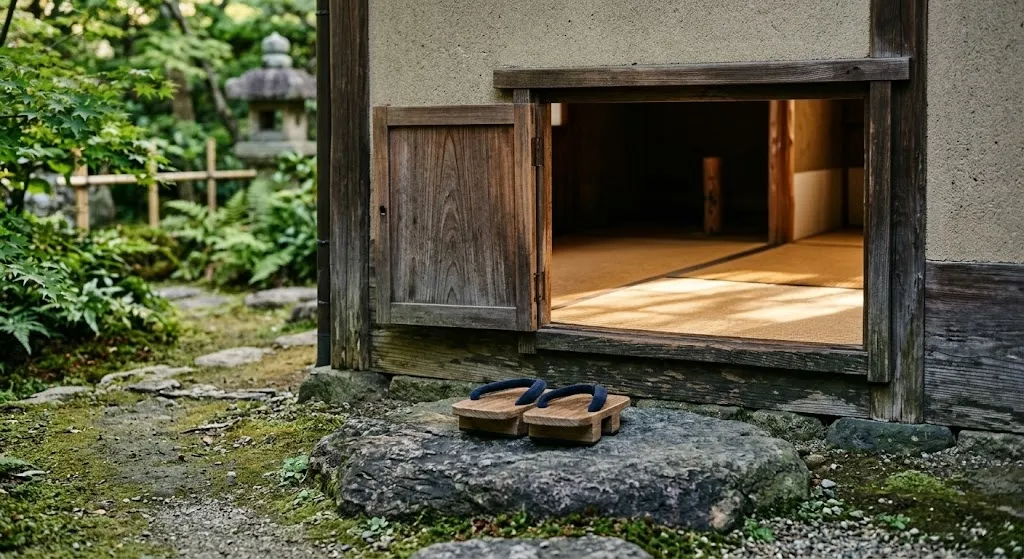
Entering through the low doorway requires a humble crawl, symbolizing that all guests are equal regardless of their status.
Seasonal Variations and Special Occasions
Kyoto's tea ceremony traditions shift dramatically with seasons, reflected in scroll calligraphy, flower selections, and even tea utensil choices. Summer ceremonies emphasize coolness through water sounds and wind-bell tones, while winter gatherings focus on warmth from sunken hearths and thick, robust tea.
Seasonal highlights throughout the year:
- Spring: Cherry blossom-themed utensils, lighter tea grades, pink wagashi
- Summer: Transparent glass vessels, cooling visual elements, citrus accents
- Autumn: Maple leaf motifs, harvest imagery, richer tea blends
- Winter: Hearth ceremonies, robust koicha, warm earth-tone ceramics
Special tea gatherings celebrate specific occasions, such as the New Year, flower-viewing, or moon-viewing. These themed ceremonies incorporate unique elements while maintaining core ritual structure.
Enhancing Your Tea Ceremony Kyoto Experience
Preparation significantly impacts how much visitors gain from their tea ceremony participation. Beyond basic etiquette knowledge, contextual understanding transforms observation into a genuine cultural exchange.
Pre-Ceremony Preparation
Research the specific tea school hosting your ceremony, as each maintains distinct aesthetics and procedures. The Urasenke school's perspective differs subtly from Omotesenke's, particularly in tea bowl rotation and conversation timing.
Practical preparation steps:
- Wear clean socks without holes (shoes are removed)
- Avoid strong fragrances that interfere with tea appreciation
- Remove watches and jewelry that might damage delicate tea implements
- Arrive 10-15 minutes early to settle mentally
- Silence mobile devices completely
Physical flexibility matters less than a respectful attitude. Tea masters accommodate guests with mobility limitations, offering chair seating or modified positions when needed.
Understanding Tea Utensil Significance
Each implement used during the tea ceremony carries historical and aesthetic importance. The tea bowl (chawan) receives particular reverence, often representing centuries of ceramic tradition and substantial monetary value.
| Utensil | Japanese Name | Purpose | Notable Characteristics |
|---|---|---|---|
| Tea Bowl | Chawan | Holds and presents tea | Hand-crafted, often antique, seasonal variations |
| Tea Whisk | Chasen | Froths powdered tea | Bamboo, typically 80-120 prongs |
| Tea Scoop | Chashaku | Measures matcha powder | Carved bamboo, named by tea masters |
| Water Ladle | Hishaku | Transfers hot water | Bamboo handle with a specific length |
| Waste Water Bowl | Kensui | Receives discarded water | Metal or ceramic, seasonal designs |
Examining these objects after tea is a cherished tradition that allows appreciation of craftsmanship and artistic merit. Hosts describe provenance, creators, and symbolic elements when guests express interest.
Exclusive Tea Ceremony Experiences for Discerning Travelers
Beyond standard tourist offerings, Kyoto provides exceptional opportunities for those seeking deeper immersion or rare access. Private sessions with senior tea masters, visits to restricted tea houses, and participation in seasonal ceremonies create unforgettable memories.
Access to Historic Tea Rooms
Several of Kyoto's most significant tea rooms remain closed to the general public, opening only for special occasions or through exclusive arrangements. These spaces, some designated as Important Cultural Properties, represent the pinnacle of tea ceremony architecture and design.
Notable exclusive venues include:
- Fukushima-an: The Omotesenke headquarters tea room, rarely accessible to outsiders
- Konnichi-an: Urasenke's primary tea room, hosting advanced practitioners
- Mushakōji-sōke: The smallest main school, offering intimate experiences
- Temple private chambers: Daitoku-ji subtemples with historic tea rooms
Kyoto's distinguished tea ceremony venues require planning and often professional connections to access. Bespoke travel services specializing in cultural experiences can arrange these rare opportunities through established relationships with tea schools and temple administrators.
Private Instruction and Multi-Day Immersion
Single-session attendance provides an introduction, but genuine understanding develops through repeated practice. Multi-day programs combine ceremony participation with related cultural activities like calligraphy, flower arrangement, and incense appreciation.
Comprehensive immersion program components:
- Daily tea ceremony practice with progressive skill development
- Wagashi-making workshops to understand the significance of confectionery
- Ceramic studio visits to appreciate the tea bowl creation
- Garden tours exploring tea house landscape design
- Meditation sessions connecting the tea ceremony to Zen philosophy
These programs typically accommodate 2-6 participants, ensuring personalized instruction and meaningful interaction with teachers. Cultural programs in Kyoto often combine multiple traditional arts to foster a holistic understanding.
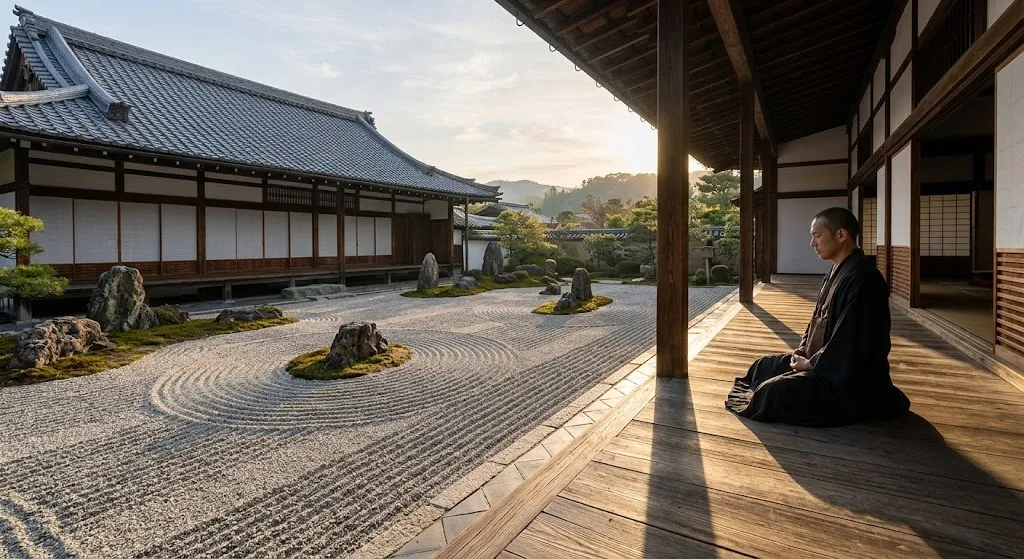
Meditation sessions bridge the gap between the physical movements of tea and the Zen philosophy that forms its deep spiritual core.
Contemporary Evolution While Preserving Tradition
Despite its ancient roots, the tea ceremony continues to evolve to address modern contexts while preserving its essential character. Younger tea practitioners explore innovative presentations that honor tradition while engaging contemporary audiences.
Modern Adaptations and Accessibility Initiatives
Recent efforts in Kyoto demonstrate a commitment to making the tea ceremony accessible without diluting its significance. University students participate in public demonstrations, bridging generational gaps and introducing peers to traditional culture.
Shortened ceremony formats accommodate busy schedules while maintaining ritual integrity. Thirty-minute experiences provide sufficient immersion for understanding basic principles, though purists debate whether abbreviated versions capture the true essence.
Contemporary presentation methods:
- English-language instruction becoming standard at major venues
- Photography-permitted sessions for social media sharing (at designated times)
- Standing tea ceremonies for guests with mobility challenges
- Outdoor settings during pleasant weather for a relaxed atmosphere
- Technology integration explaining symbolism through discrete displays
These adaptations reflect pragmatic recognition that rigid adherence to historical forms might alienate potential practitioners. The balance between accessibility and authenticity remains an ongoing conversation within tea communities.
The Role of Tea Ceremony in Modern Japanese Society
Beyond tourist experiences, the tea ceremony remains an active practice among Japanese people across ages and backgrounds. Corporate training programs incorporate tea principles to develop mindfulness and improve workplace harmony. Universities offer the tea ceremony as credited coursework, recognizing its educational value.
Weekly practice groups meet in community centers throughout Kyoto, with members ranging from teenagers to retirees. This continuity ensures the transmission of traditional knowledge while allowing organic evolution responsive to changing social conditions.
Planning Your Tea Ceremony Kyoto Visit
Successful tea ceremony experiences require thoughtful planning, particularly during peak tourist seasons, when popular venues book weeks or months in advance. Strategic timing and venue selection ensure optimal experiences matching individual preferences and schedules.
Optimal Seasons and Timing Considerations
While the tea ceremony experiences in Kyoto operate year-round, certain periods offer distinct advantages. Spring and autumn offer comfortable temperatures and spectacular natural beauty, though these seasons attract the most visitors and require the earliest booking.
Seasonal planning guide:
| Season | Advantages | Considerations | Booking Timeline |
|---|---|---|---|
| Spring (March-May) | Cherry blossoms, mild weather | Very crowded, premium pricing | 2-3 months advance |
| Summer (June-August) | Unique cooling ceremonies, fewer crowds | Hot and humid conditions | 3-6 weeks advance |
| Autumn (September-November) | Fall colors, perfect temperatures | Second busiest season | 2-3 months advance |
| Winter (December-February) | Hearth ceremonies, intimate atmosphere | Cold tea rooms, shorter days | 2-4 weeks advance |
Morning sessions typically provide the freshest energy and sharpest concentration. Afternoon ceremonies offer more relaxed pacing, suitable for those who appreciate leisurely experiences.
Combining Tea Ceremony With Complementary Experiences
A comprehensive guide to Kyoto tea ceremonies suggests pairing this activity with related cultural pursuits for a richer understanding. Visiting ceramic museums before the tea ceremony enhances appreciation for the artistry of tea bowls. Exploring Zen temples afterward provides context for the tea ceremony's philosophical foundations.
Recommended complementary activities:
- Kaiseki dining to understand the tea ceremony's culinary connections
- Traditional garden visits illustrating tea aesthetic principles
- Kimono-wearing experiences for complete cultural immersion
- Incense ceremony participation explores another refined art
- Calligraphy lessons connecting visual arts to tea culture
Thoughtful itinerary design prevents cultural overload while allowing themes to reinforce each other. Spacing intense experiences with leisure time enhances retention and enjoyment.
Etiquette Essentials for First-Time Participants
Nervousness about proper behavior prevents many potential participants from booking tea ceremonies. However, hosts expect newcomers to require guidance and provide patient instruction throughout.
Critical etiquette points:
- Bow appropriately: Slight bow when entering, deeper bow when receiving tea
- Rotate the bowl: Turn clockwise twice before drinking to avoid the front decoration
- Make audible sips: The final sip should produce a soft sound indicating appreciation
- Handle utensils carefully: Use both hands, never touch the bowl rim directly
- Maintain quiet presence: Speak softly, move deliberately, minimize unnecessary motion
Mistakes are expected and graciously corrected. The tea ceremony emphasizes sincere effort over perfect execution, valuing mindful intention above technical precision.
The Broader Cultural Context of Tea Ceremony Practice
Understanding the tea ceremony within Japan's larger cultural framework reveals connections to diverse artistic and spiritual traditions. The significance of the tea ceremony extends beyond aesthetic appreciation to encompass social communication, philosophical expression, and spiritual cultivation.
Connections to Zen Buddhism
The development of the tea ceremony paralleled Zen Buddhism's growth in medieval Japan, with many pioneering tea masters studying under prominent Zen teachers. This relationship infused tea practice with meditative qualities and philosophical depth, distinguishing it from simple hospitality.
Zen principles manifested in the tea ceremony:
- Mindfulness: Complete attention to the present moment and current action
- Simplicity: Refined aesthetics emphasizing essential elements only
- Non-attachment: Appreciating beauty without possessive desire
- Direct experience: Understanding through practice rather than intellectual study
- Impermanence: Acknowledging each gathering's unique, unrepeatable nature
The concept of "ichi-go ichi-e" (one time, one meeting) particularly embodies this Zen influence, encouraging participants to treasure each encounter as singular and precious.
Influence on Japanese Aesthetics and Design
The tea ceremony's aesthetic principles fundamentally shaped Japanese cultural expression across architecture, ceramics, textiles, and landscape design. The concept of "wabi-sabi," which celebrates beauty in imperfection and transience, originated largely through tea culture.
Design elements derived from tea aesthetics:
- Minimalist interiors emphasizing negative space
- Natural materials showing age and weathering
- Asymmetrical arrangements create dynamic balance
- Subdued color palettes favoring earth tones
- Intimate scales promoting closeness and interaction
Contemporary Japanese design, from product development to architectural practice, continues drawing on these tea-influenced principles. Recognition of this lineage deepens appreciation for both the tea ceremony itself and its lasting cultural impact.
Regional Variations and School Differences
While Kyoto remains tea ceremony's spiritual home, distinct regional styles and school philosophies create fascinating variations within the broader tradition. Historical developments in Kyoto tea practice produced three main schools, each interpreting Sen no Rikyū's teachings differently.
The Three Major Schools of Tea
The Omotesenke, Urasenke, and Mushakōjisenke schools all trace their lineage to Sen no Rikyū through his grandson, Sen Sōtan, and his three sons. Despite common ancestry, each developed distinctive approaches to tea preparation, room arrangement, and philosophical emphasis.
Key differences between schools:
- Omotesenke: More austere aesthetic, stronger Zen influence, stricter formality
- Urasenke: Slightly more decorative elements, broader international reach, modern adaptations
- Mushakōjisenke: Smallest school, most traditional preservation, limited accessibility
These variations remain subtle to untrained observers but create distinct atmospheres recognizable to practitioners. Experiencing ceremonies from different schools during extended Kyoto visits reveals the rich diversity of tea culture.
Provincial Styles Beyond Kyoto
While this article focuses on the tea ceremony experiences in Kyoto, acknowledging regional variations provides valuable context. Tokyo's Edo Senke school developed separately, emphasizing samurai cultural influences. Matsue's Fumai-ryū style reflects the tea philosophy of Matsudaira Fumai, the regional lord.
Understanding these variations highlights Kyoto's central position while recognizing tea culture's adaptation to local conditions throughout Japan. Discerning travelers might explore these regional expressions after establishing a foundational understanding through Kexperiences in Kyoto.
A tea ceremony Kyoto experience offers unparalleled access to Japan's refined cultural heritage, combining aesthetic beauty, philosophical depth, and meditative practice in an unforgettable encounter. For travelers seeking authentic immersion beyond conventional tourism, this ancient ritual provides profound insights into Japanese values and traditions. Japan Royal Service specializes in curating exclusive tea ceremony experiences as part of comprehensive cultural journeys, arranging private sessions with distinguished tea masters, access to restricted historic venues, and thoughtfully designed itineraries that complement tea practice with related traditional arts. Let us craft your perfect Kyoto cultural experience at Japan Royal Service.