目次
- 01What The “One-Kombu Rule” Actually Means (And Why It Exists)
- 02Why Kiichi Feels Like “Quiet-Luxury Ramen” (Even Without Formality)
- 03The Kyoto Souvenir Reframed: Kombu As A Shokunin Keepsake
- 04A Discreet “Dashi Day” In Kyoto: A Low-Crowd Route Built Around Kiichi
- 05Etiquette And Timing: How To Visit Kiichi Without Feeling Like You’re In The Way
- 06How To Book: Official Information, Plus Concierge Guidance
- 07FAQ: The One-Kombu Rule And Kombu-to-Men Kiichi
- 08The Real Takeaway: A Souvenir That Doesn’t Sit Still
- 09Why Choose Japan Royal Service
Kyoto can make even experienced travelers feel oddly rushed. You plan a careful lunch, arrive on time, and still sense the city pushing at your shoulders.
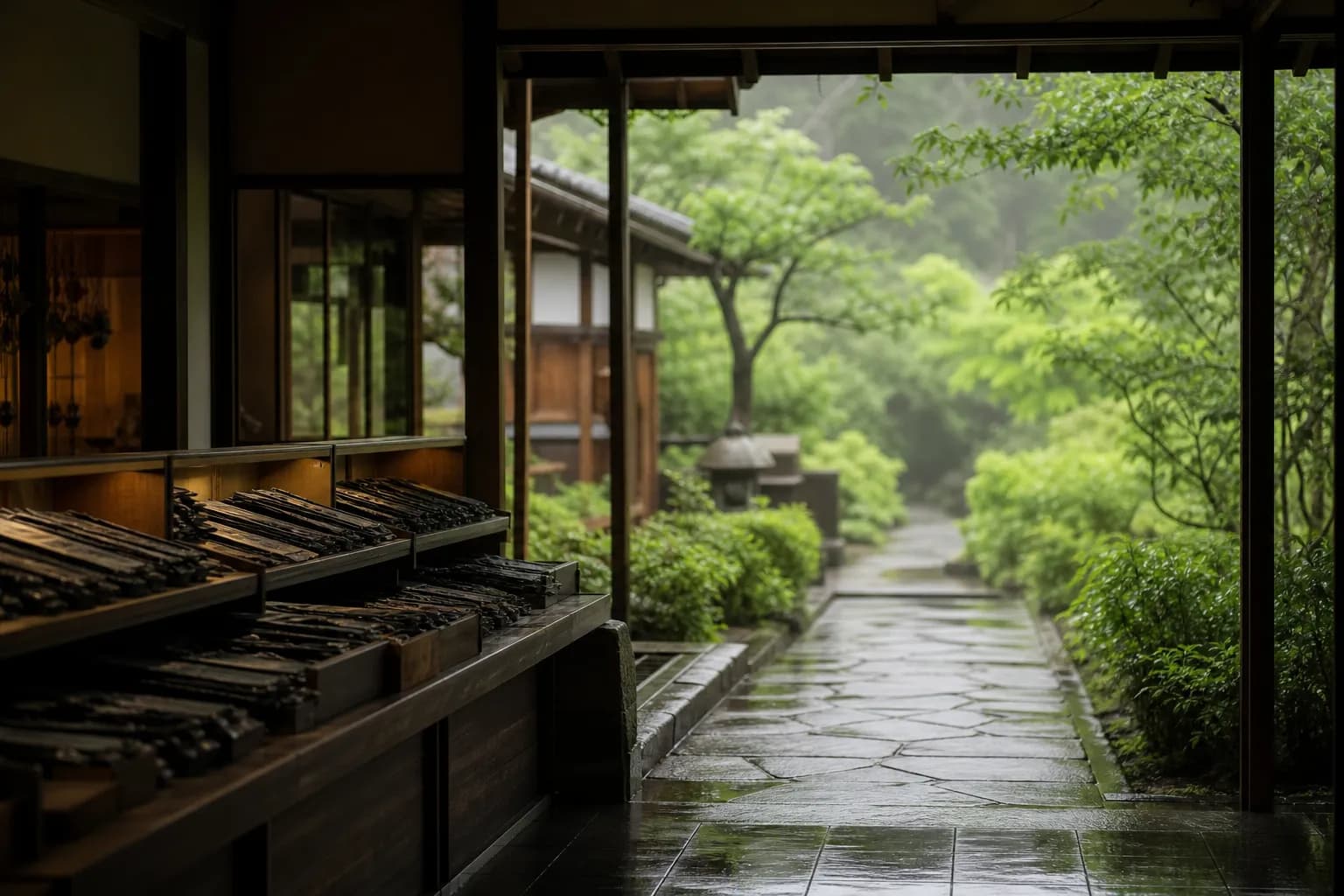
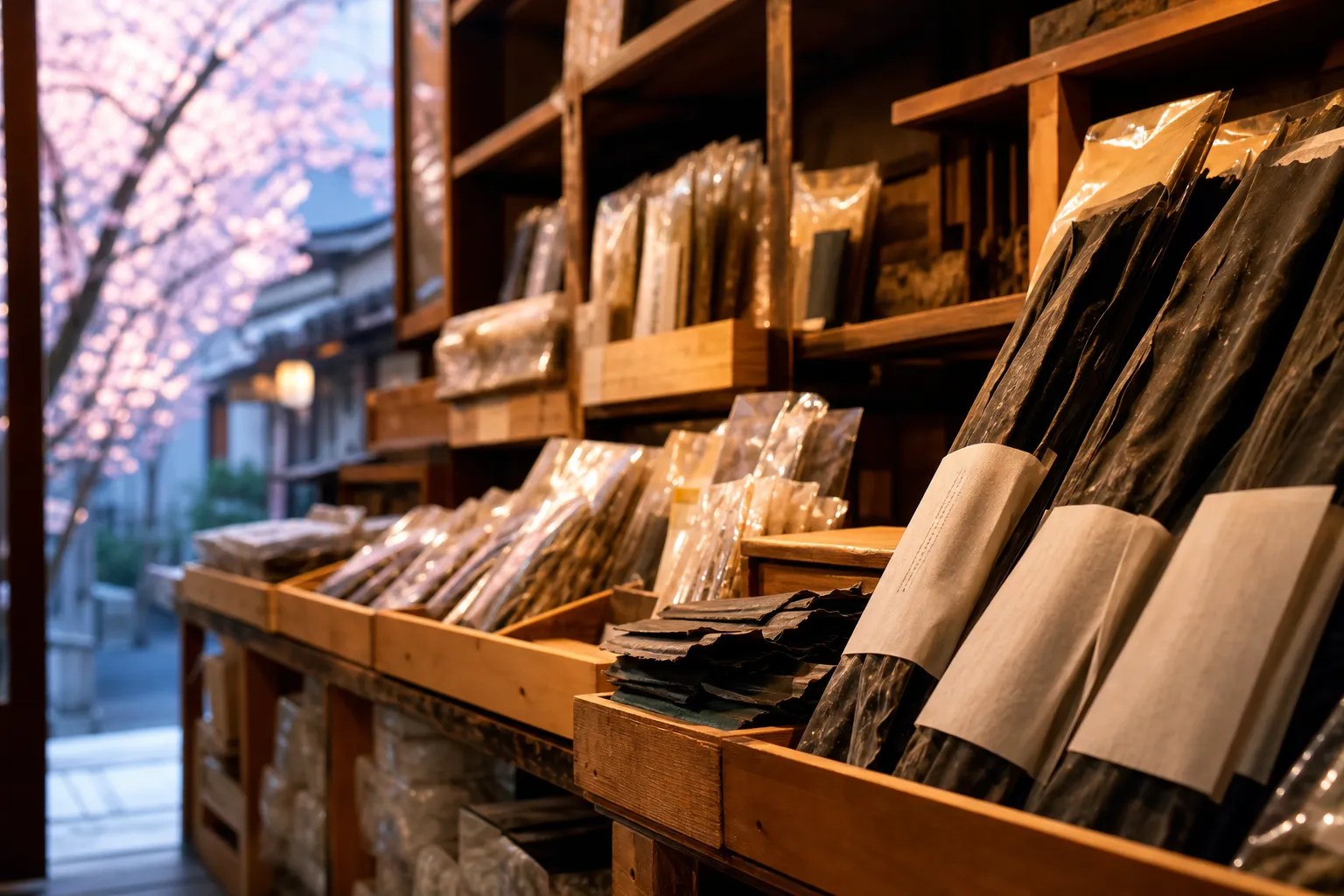
Then you step into 五辻の昆布 (Itsutsuji no Konbu) in Kamigyo Ward, and everything slows. Wood shelving. Paper labels. The dry, marine perfume of kelp that has nothing to prove.
Upstairs, Kombu to Men Kiichi (昆布と麺 喜一) serves a reservation-based ramen experience with a rule that surprises first-time guests: since June 1, 2023, you must purchase at least one kombu product downstairs in addition to your ramen fee. The “ワンコンブ制” is real. It is also, in our experience, one of Kyoto’s most intelligent forms of quiet hospitality.
Our team at Japan Royal Service often sees this moment become a turning point. Not because it is trendy. Because it turns a meal into a small act of patronage you can taste again at home.
What The “One-Kombu Rule” Actually Means (And Why It Exists)
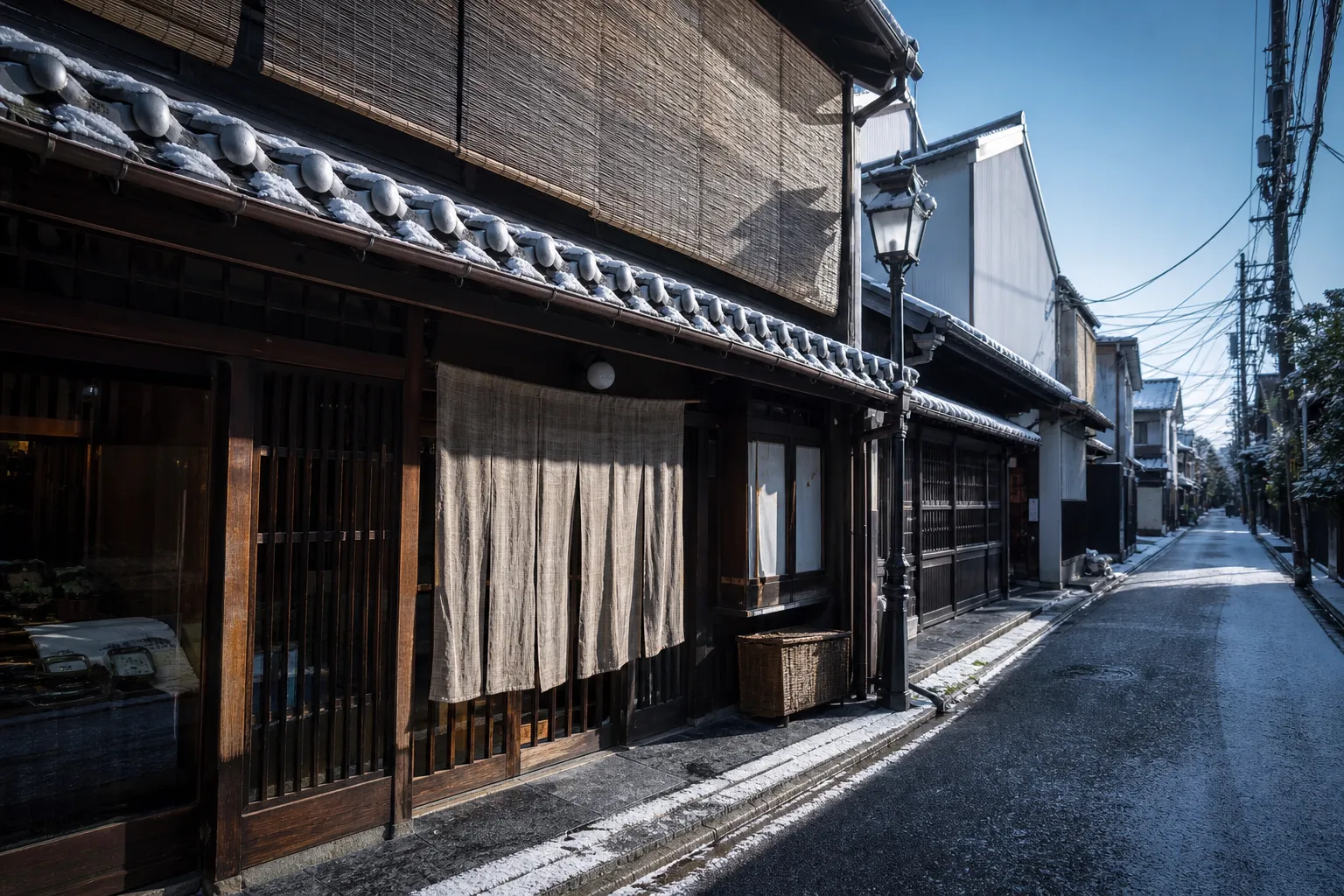
Let’s be precise. Kiichi operates on the 2nd floor of Itsutsuji no Konbu’s main store in Kyoto’s Kamigyo Ward.
Since June 1, 2023, Kiichi’s policy is simple: guests must buy at least one product from the 1st-floor kombu shop, in addition to paying for the ramen upstairs. That is the “one-kombu” rule, as stated on the official Kiichi/Itsutsuji page.
It is easy to misread this as an “upsell.” Big mistake. In Kyoto, small specialty shops survive through repeat buying and deep trust, not through foot traffic alone.
The rule turns a limited-seat ramen counter into a gateway to a long-standing ingredient culture. You do not just consume a bowl and leave. You support the merchant whose craft makes the bowl possible.
Key fact: Kombu to Men Kiichi is upstairs from Itsutsuji no Konbu’s main store, and the one-kombu purchase rule has been in place since June 1, 2023 (official Kiichi/Itsutsuji page).
A Kyoto Pattern: The Shop And The Counter Are One Story
Kyoto still rewards the old arrangement: the storefront teaches, and the tasting deepens the lesson. A knife-maker sells blades, then shows sharpening. A confectioner sells wagashi, then offers tea.
Kiichi follows that lineage, but with kombu. The shop is not a souvenir stop bolted on to the meal. It is the first chapter.
Overtourism, But At A Human Scale
Kyoto is often cited in Japan’s overtourism conversation, and national policy attention has intensified in 2026. That headline can feel abstract while you stand in a quiet neighborhood.
The one-kombu rule is not a government measure. It is smaller than that. Yet it reflects the same instinct: protect limited capacity, and make tourism support the local specialist economy rather than draining it.
Why Kiichi Feels Like “Quiet-Luxury Ramen” (Even Without Formality)
Many HNW travelers want one meal in Kyoto that is serious, but not ceremonial. Kaiseki can be exquisite, yet it asks for time, appetite, and a certain mental posture.
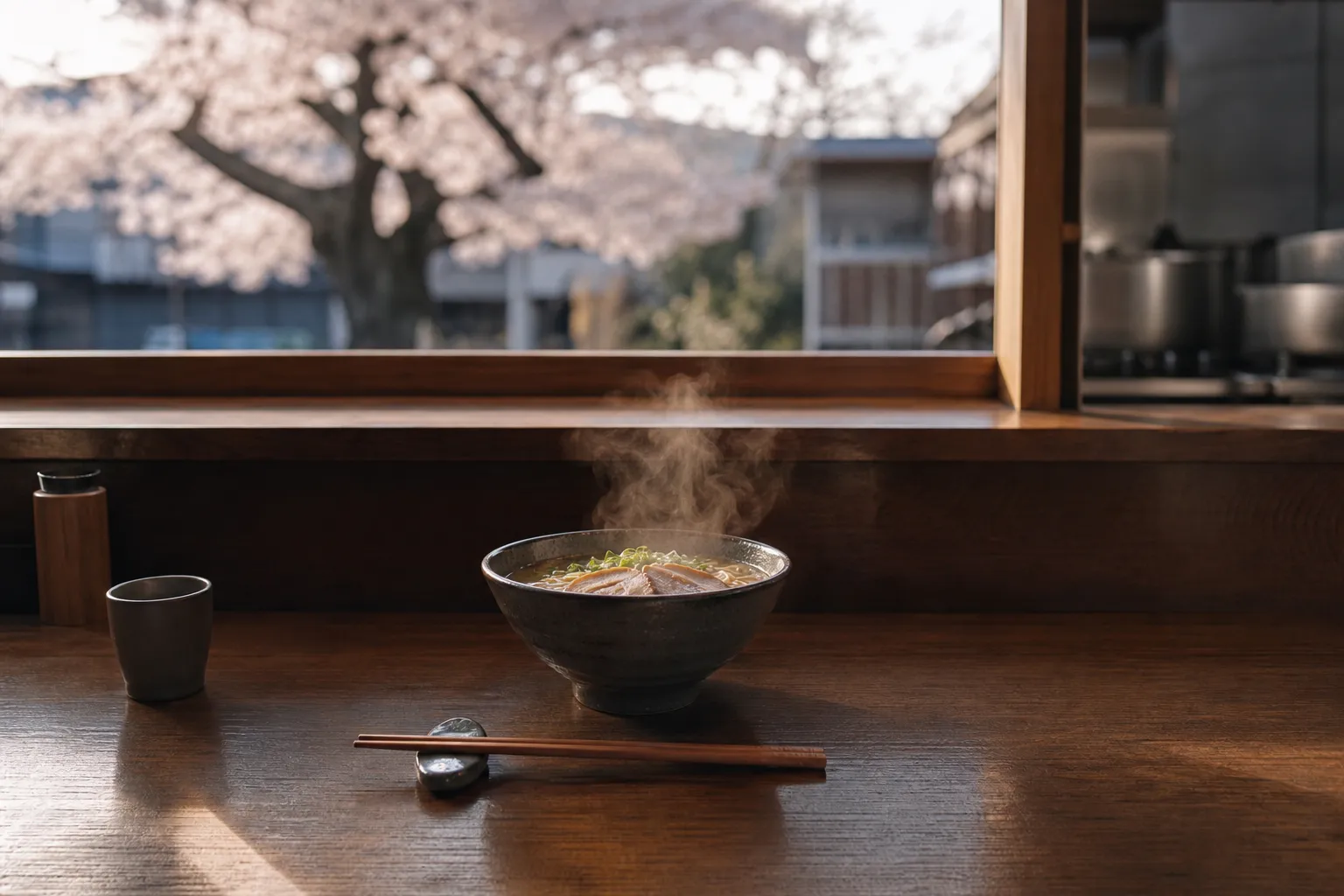
Kiichi offers a different rhythm. You sit at a counter. You listen. You taste.
Kiichi is also validated in a language many global travelers already trust: it is listed by the MICHELIN Guide and has received Bib Gourmand recognition in the Kyoto–Osaka editions. That matters when your schedule is tight and your standards are sharp.
The Experience Is Built Around Kombu Literacy
On its official site, Kiichi describes a structured flow that includes tasting different kombu waters and tasting kombu before the ramen. You are not asked to “guess the notes.”
You are simply given a reference point. Then another. The difference becomes obvious.
An Ingredient-First Soup, By Stated Design
According to Kiichi’s “kodawari” (commitments) section, its soup is based on a blend that includes makombu, Rausu kombu, and Rishiri kombu. The site also states the use of ultra-soft water produced via reverse osmosis.
Kiichi also states that additives and “kaeshi” are not used. That is a strong claim, and it sets expectations: clarity, restraint, and a clean finish.
This is where wabi-sabi quietly enters. Not as a slogan. As a preference for restraint over noise.
The Kyoto Souvenir Reframed: Kombu As A Shokunin Keepsake
Many souvenirs are decorative. They live on a shelf, then collect dust.
Kombu is different. It disappears into dinner, and that is the point.
When we plan Kyoto days for Japan Royal Service guests, we look for souvenirs that do not shout “tourist.” Kombu fits. It is useful, compact, and deeply Kyoto in its sensibility.
What To Buy Downstairs: A Simple Decision Guide
The shop’s selection can feel technical if you are new to it. Do not overthink it. Pick one item that matches how you actually cook at home.
- Kombu for dashi: best if you want to recreate a calm, clear broth at home.
- Shio kombu: a fast way to season rice, cucumbers, or simple salads.
- Oboro kombu: delicate shavings often used to wrap or garnish; subtle, very “Kyoto.”
- Tsukudani-style kombu: simmered, savory; practical for breakfasts and bento.
Buy one. Buy two if you cook often. The aim is not volume.
How To Pack And Store Kombu As A Luxury Traveler
Kombu is travel-friendly. It is dry, flat, and usually easy to place between clothing in a suitcase.
Still, treat it like a fine ingredient. Keep it away from humidity, and avoid compressing it into a corner where it might crack into powder.
If you are continuing on to a humid region or traveling in summer, consider keeping it in a cool part of your luggage and using it sooner once you return.
A Home Ritual That Extends Kyoto
You do not need a chef’s kitchen. You need patience for a single pot.
A basic approach many home cooks use is to soak kombu in water, warm it gently, and remove it before boiling hard. The result is a quiet base for miso soup, clear soups, or a simple bowl of noodles.
Not fancy. Not performative. Just accurate.
A Discreet “Dashi Day” In Kyoto: A Low-Crowd Route Built Around Kiichi
Kyoto’s most famous food corridors can feel congested at midday. That pressure changes how you taste.
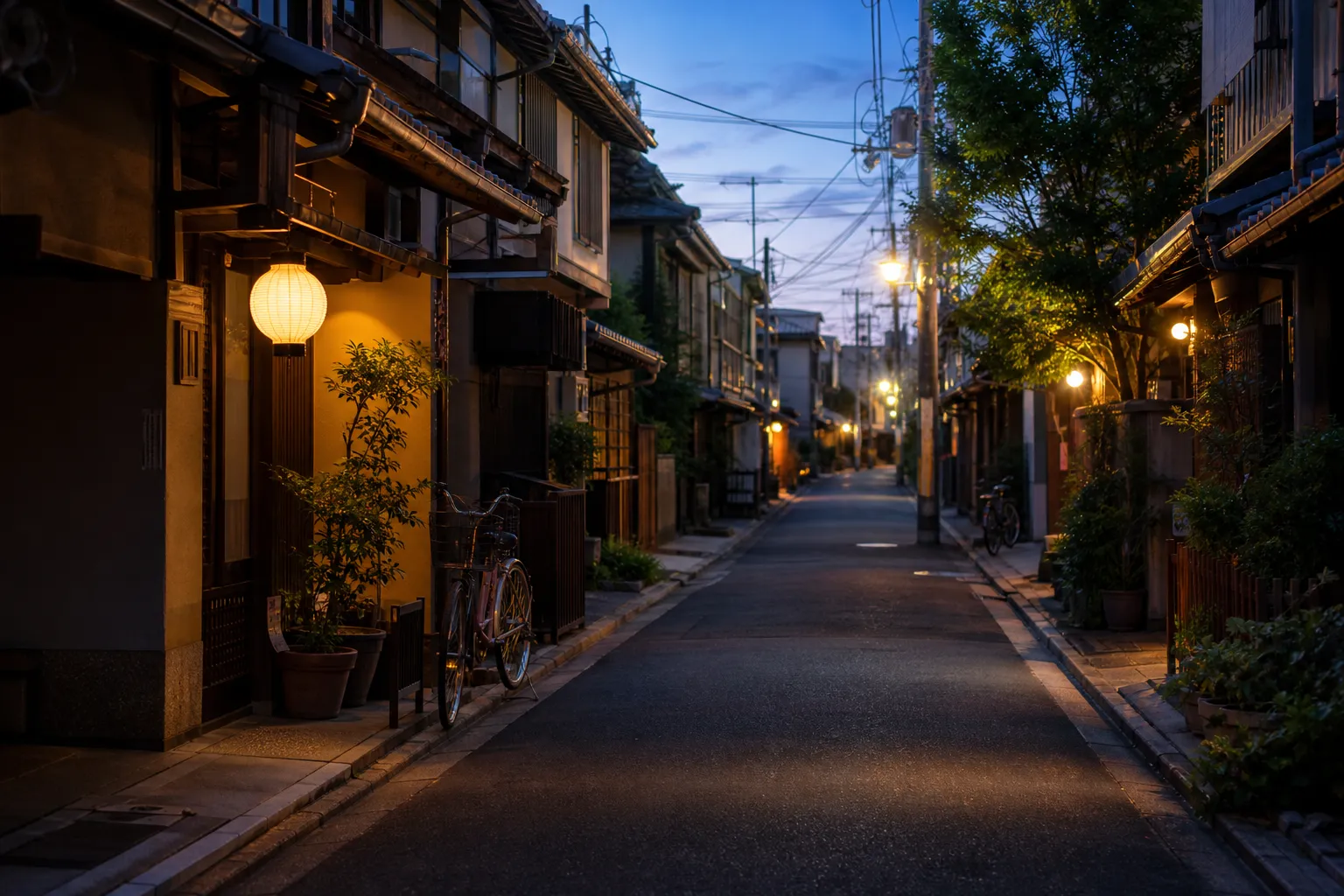
Kiichi’s location in Kamigyo makes it easier to build a calmer food day. You can shift your time away from the most compressed streets without giving up culinary seriousness.
Morning: Quiet Walking Before The City Tightens
Start early, while the light is still clean and the sidewalks are honest. A short, unhurried walk in a residential pocket of Kyoto does more for your mood than another rushed checklist stop.
If you want a garden moment, we often suggest aiming for opening hours at a temple garden rather than arriving at peak midday. The point is space.
Lunch: Kombu To Men Kiichi (Reservation-Based)
Keep lunch focused. Kiichi is designed as a structured tasting, not a “quick bite.”
Arrive a little early so you can choose your one kombu product downstairs without feeling watched. Then go upstairs and let the counter do its work.
Afternoon: Dashi Workshop (Confirm Availability Before You Commit)
If you want to turn curiosity into skill, Kyoto does have dashi-focused workshops offered by local providers. One English-facing example is a “dashi soup culinary workshop” listing from Deeper Japan, which frames kombu and katsuobushi as core dashi ingredients.
Availability changes. Rules change. We always recommend verifying details directly with the provider close to your travel dates.
Late Afternoon: Tea, But Keep It Quiet
After kombu, tea can feel almost architectural. Choose a calm setting, ideally with a view of a small garden or a simple alcove.
Kyoto has many tea experiences across formality levels. Guests interested in learning more can contact our concierge team at Japan Royal Service for tailored guidance on what fits their pace and comfort.
Etiquette And Timing: How To Visit Kiichi Without Feeling Like You’re In The Way
Kiichi is not a “drop in whenever” ramen shop. It is reservation-based, and the counter format rewards punctuality.
Act like a regular, even if you are only there once. It changes the entire tone.
Counter Manners That Matter
- Arrive on time: timing is part of respecting limited seating and a structured service flow.
- Keep voices low: the tasting elements are subtle; you want to hear what is being explained.
- Photograph lightly: one or two quick photos, then put the phone away.
Small gestures. Large effect.
The One-Kombu Purchase: Don’t Treat It Like A Toll
Many travelers rush the shop purchase, then feel irritated upstairs. That is self-inflicted.
Give yourself five extra minutes. Ask one question. Choose a product you will genuinely use.
That is the whole point of the rule: the ingredient leaves with you.
How To Book: Official Information, Plus Concierge Guidance
Kombu to Men Kiichi is reservation-based, and the one-kombu purchase rule is stated on the official Itsutsuji no Konbu / Kiichi page. Start there for the most current operating details.
For Michelin context and listing details, the MICHELIN Guide page is also a reliable reference point. The MICHELIN Guide Kyoto–Osaka 2026 selection was revealed on April 23, 2026, which has kept attention on Kansai dining.
We do not make public claims about arranging third-party reservations in articles. For questions, timing strategy, and a tailored Kyoto route that fits your hotel location and pace, contact our concierge team directly.
FAQ: The One-Kombu Rule And Kombu-to-Men Kiichi
Is The One-Kombu Rule Real?
Yes. Kiichi states that, since June 1, 2023, guests must purchase at least one kombu product from the 1st-floor shop (Itsutsuji no Konbu) in addition to the ramen fee.
Where Is Kombu To Men Kiichi Located?
It operates on the 2nd floor of Itsutsuji no Konbu’s main store in Kyoto (Kamigyo Ward).
Why Would A Luxury Traveler Choose A Bib Gourmand Ramen Counter?
Because luxury is not always about formality. Kiichi offers Michelin-recognized credibility, an ingredient-led tasting structure, and a calm counter experience that fits a tight Kyoto schedule.
What Kombu Varieties Does Kiichi Mention?
On its official “kodawari” section, Kiichi states its soup is based on a blend that includes makombu, Rausu kombu, and Rishiri kombu.
What Should I Buy For The One-Kombu Purchase?
Choose something you will use: kombu for dashi, shio kombu for quick seasoning, oboro kombu for delicate garnishing, or tsukudani-style kombu for easy breakfasts.
The Real Takeaway: A Souvenir That Doesn’t Sit Still
Kiichi’s one-kombu rule is a Kyoto story told through a practical requirement. It asks you to participate, not just consume.
That is why it works for HNW travelers. It is restrained. It is specific. It respects the merchant economy that makes Kyoto taste like Kyoto.
And when you unpack at home and drop kombu into water, the city returns for a moment. Quietly.
Why Choose Japan Royal Service
Our team at Japan Royal Service designs Kyoto days around what the city does best: shokunin craft, wabi-sabi restraint, and hidden-Japan addresses that feel calmer than the “must-see” circuit. Privacy is non-negotiable, and we plan with discretion from the first message.
If you want Kiichi to fit into a Kyoto route that respects timing, neighborhood flow, and your own pace, contact Japan Royal Service for tailored guidance via WhatsApp or our contact form at japanroyalservice.com.