目次
- 01Ancient Temples and Sacred Shrines
- 02Natural Wonders and Scenic Landscapes
- 03Urban Experiences and Modern Marvels
- 04Cultural Experiences and Traditional Arts
- 05Culinary Destinations and Food Markets
- 06Historical Castles and Feudal Architecture
- 07Island Sanctuaries and Coastal Beauty
- 08Gardens and Seasonal Displays
- 09Museum Collections and Art Galleries
- 10Mountain Retreats and Hot Spring Villages
- 11Shopping Districts and Craft Centers
- 12Entertainment and Nightlife Experiences
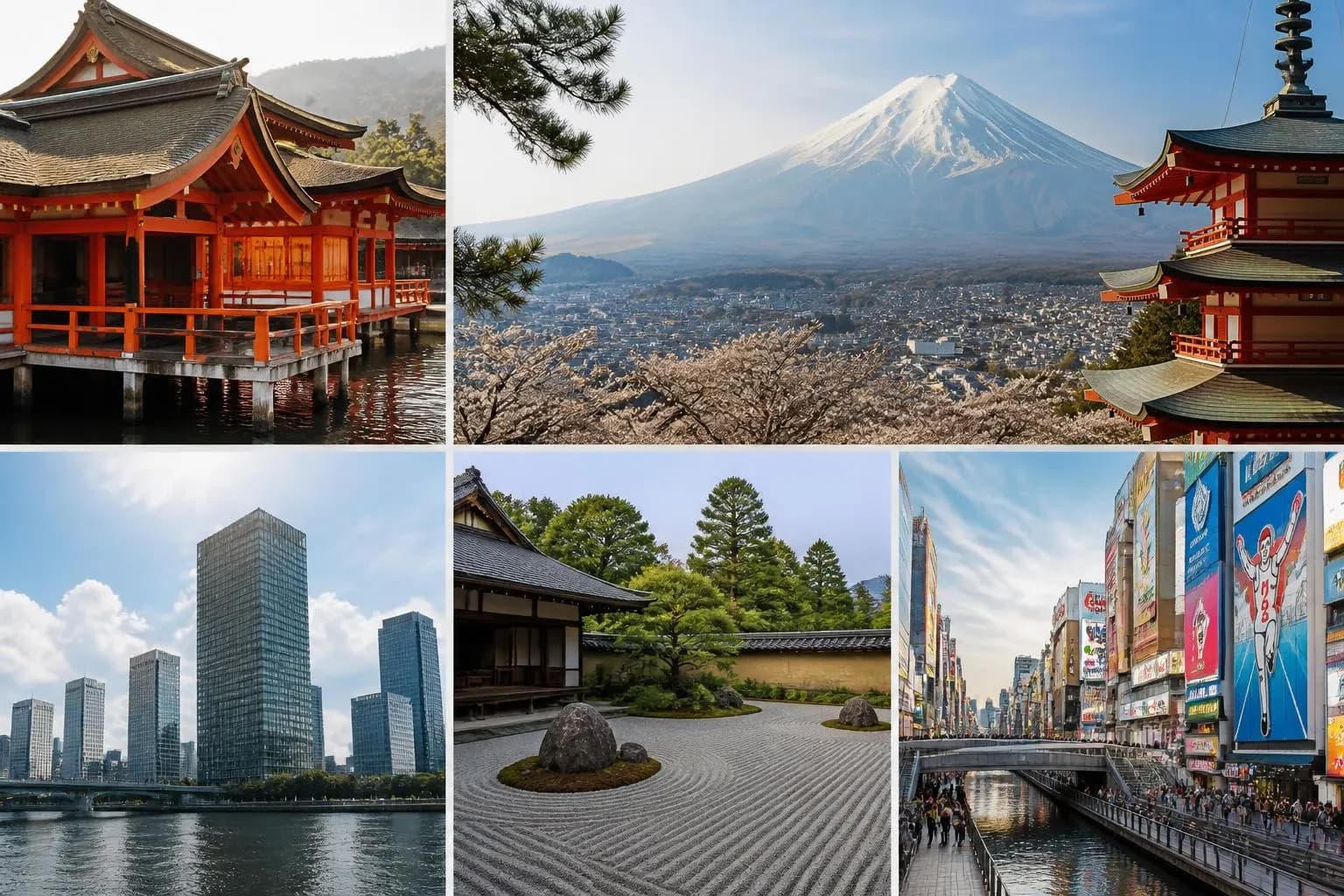
Japan stands as one of the world’s most compelling destinations, where centuries-old traditions seamlessly coexist with cutting-edge innovation. For discerning travelers seeking authentic experiences beyond the standard tourist circuit, understanding the true breadth of things to see in Japan requires careful consideration of both iconic landmarks and hidden treasures. This comprehensive guide explores the Country’s most remarkable destinations, from the serene temples of Kyoto to the dynamic energy of Tokyo, helping you craft an unforgettable journey through this extraordinary nation.
Ancient Temples and Sacred Shrines
Japan’s spiritual heritage is evident in thousands of temples and shrines scattered across the archipelago, each offering unique insights into the nation’s religious and cultural evolution. These sacred spaces are among the most profound places to visit in Japan for those seeking to understand the Country’s soul.
Fushimi Inari Taisha in Kyoto
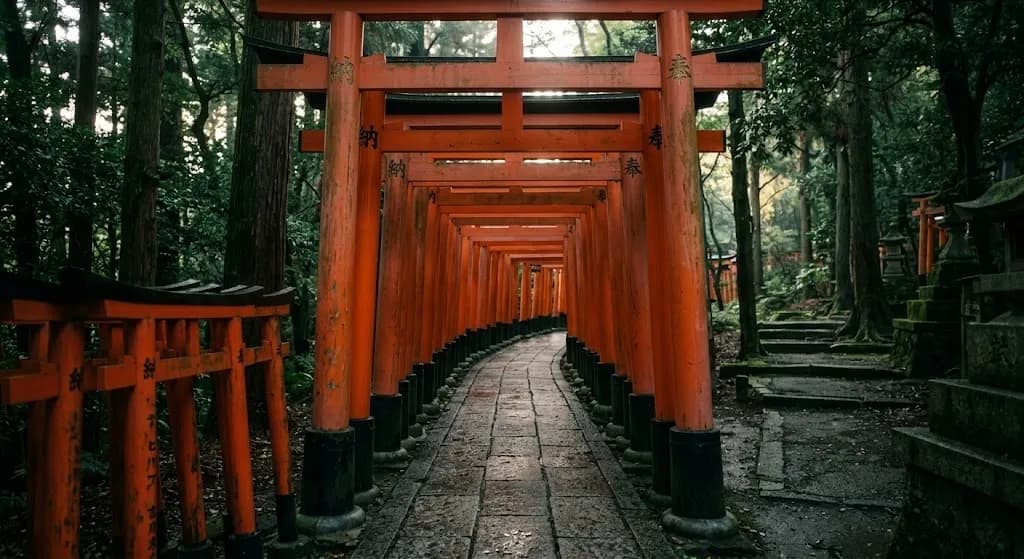
The mesmerizing tunnel of vermillion torii gates at Fushimi Inari Taisha creates an otherworldly pathway up Mount Inari. This iconic shrine, dedicated to Inari, the Shinto god of rice and prosperity, features thousands of gates donated by individuals and businesses over centuries. The hike through these gates offers varied experiences depending on the time of day, with early-morning visits providing serene solitude away from crowds.
Key highlights include:
- Over 10,000 torii gates form continuous tunnels
- Fox statues (kitsune) serving as Inari’s messengers
- Multiple sub-shrines along the mountain trail
- Panoramic views of Kyoto from upper pathways
Todaiji Temple and the Great Buddha
Nara’s Todaiji Temple houses one of Japan’s most impressive bronze Buddha statues, standing nearly 50 feet tall. The Daibutsuden (Great Buddha Hall), which houses this masterpiece, ranks among the world’s largest wooden structures, demonstrating the architectural prowess of eighth-century artisans.
The temple grounds extend beyond the main hall to include beautiful gardens where over 1,000 sacred deer roam freely. These gentle creatures, considered messengers of the gods in Shinto tradition, approach visitors seeking special deer crackers sold throughout the park.
Natural Wonders and Scenic Landscapes
Japan’s diverse topography offers breathtaking natural scenery that changes dramatically with each season, making these landscapes essential sights for nature enthusiasts and photographers alike.
Mount Fuji and the Five Lakes Region
Mount Fuji’s perfectly symmetrical cone has inspired artists and pilgrims for millennia. The mountain and its surrounding areas provide numerous viewing opportunities, each offering distinct perspectives of this sacred peak. The Fuji Five Lakes region at the northern base provides exceptional vantage points, particularly during cherry blossom season and autumn foliage.
| Viewing Location | Best Season | Distance from Tokyo | Unique Feature |
|---|---|---|---|
| Lake Kawaguchi | Year-round | 2.5 hours | Perfect reflections |
| Chureito Pagoda | Spring | 2.5 hours | Cherry blossom frames |
| Hakone | Winter | 2 hours | Hot springs views |
| Lake Yamanaka | Summer | 2.5 hours | Largest lake vista |
The top tourist destinations in Japan consistently feature Mount Fuji due to its cultural significance and visual impact on the Japanese landscape.
Arashiyama Bamboo Grove
Western Kyoto’s Arashiyama district features one of the world’s most photographed bamboo forests. Walking through towering bamboo stalks that sway and creak in the breeze creates an immersive sensory experience unlike any other natural setting in Japan.
The grove serves as a gateway to other Arashiyama attractions, including the historic Tenryuji Temple with its stunning pond garden and the scenic Togetsukyo Bridge, which spans the Hozu River. Early morning visits before 8 AM offer the best opportunity to experience the grove’s tranquility without crowds.
Urban Experiences and Modern Marvels
Contemporary Japan showcases technological innovation and urban design that push boundaries, creating metropolitan experiences among the most dynamic in the Country.
Tokyo Skytree and Sumida District
Standing at 2,080 feet, Tokyo Skytree dominates the capital’s eastern skyline as the world’s tallest tower. Two observation decks at 1,148 feet and 1,476 feet provide unparalleled 360-degree views across the sprawling metropolis. On clear days, visitors can spot Mount Fuji in the distance, connecting Tokyo’s modernity with Japan’s natural heritage.
The Skytree complex includes:
- Premium restaurants featuring seasonal kaiseki cuisine
- Exclusive shopping galleries with Japanese artisan crafts
- The Sumida Aquarium showcases marine life
- The traditional Edo-Tokyo Museum is nearby
Shibuya Crossing and Urban Energy
Tokyo’s Shibuya Crossing represents organized chaos at its finest, with up to 3,000 people crossing simultaneously during peak times. This intersection embodies Tokyo’s ability to manage massive population density while maintaining efficiency and order. Viewing the crossing from elevated cafés or the Shibuya Sky observation deck provides perspective on this choreographed urban ballet.
The surrounding Shibuya district pulses with youth culture, fashion innovation, and entertainment venues. From luxury department stores to intimate jazz bars, this neighborhood demonstrates Tokyo’s multifaceted character.
Cultural Experiences and Traditional Arts
Immersing yourself in Japan’s living traditions provides a deeper understanding than simply observing landmarks, making these cultural encounters essential things to see in Japan for meaningful travel experiences.
Tea Ceremony Participation
The Japanese tea ceremony (chanoyu) represents far more than simply drinking matcha. This ritualized practice embodies principles of harmony, respect, purity, and tranquility. Participating in an authentic tea ceremony, particularly in a historic tea house, offers insights into Japanese aesthetics and philosophical thought.
Premium tea ceremony experiences include:
- Private sessions with certified tea masters explaining each gesture’s significance
- Seasonal variations highlight appropriate utensils and decorations
- Traditional sweet pairings (wagashi) complement the tea’s bitterness
- Historic venues such as Kyoto’s Urasenke or Omotesenke schools
Exploring Japan’s exclusive cultural experiences reveals opportunities to engage with these traditions at the highest level.
Sumo Training Observation
Witnessing sumo wrestlers during morning training sessions (keiko) at Tokyo’s sumo stables provides rare access to Japan’s ancient national sport. These private sessions, typically held between 6 AM and 10 AM, allow observers to see the rigorous training regimen that produces these elite athletes.
The sport’s deep connections to Shinto ritual become evident through pre-bout ceremonies, ring purification with salt, and the wrestlers’ topknot hairstyles. Official tournaments are held six times a year in Tokyo, Osaka, Nagoya, and Fukuoka, offering the full spectacle of competitive sumo.
Culinary Destinations and Food Markets
Japan’s culinary landscape extends well beyond sushi and ramen, with regional specialties and market experiences ranking among the most delicious things to see in Japan for food enthusiasts.
Tsukiji Outer Market and Tokyo Bay
While the inner wholesale market relocated to Toyosu in 2018, Tsukiji’s outer market continues thriving as a culinary destination. Over 400 shops and restaurants serve everything from fresh sashimi to tamagoyaki (rolled omelet) and specialized kitchenware.
The adjacent Toyosu Market’s tuna auctions are among Japan’s most distinctive experiences, where a single bluefin tuna can fetch hundreds of thousands of dollars. Pre-registered visitors can observe these early-morning auctions that showcase Japan’s reverence for premium ingredients.
Nishiki Market in Kyoto
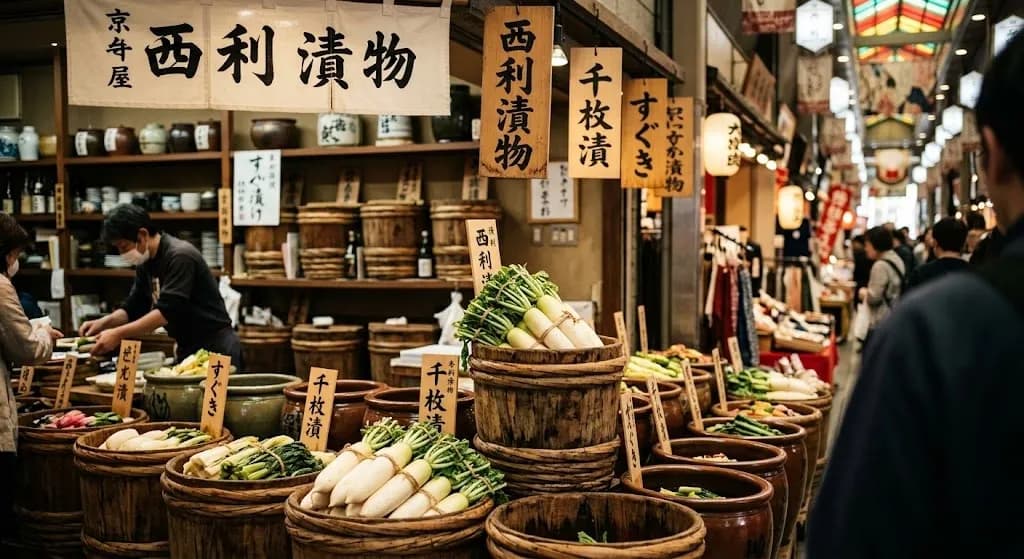
Kyoto’s 400-year-old Nishiki Market stretches over five blocks, housing approximately 130 specialized shops and restaurants. This covered arcade showcases Kyoto’s distinctive culinary traditions, including pickled vegetables (tsukemono), yuba (tofu skin), and seasonal delicacies unavailable elsewhere.
| Market Section | Specialty Items | Best Time to Visit | Price Range |
|---|---|---|---|
| Eastern End | Fresh seafood, pickles | 9-11 AM | ¥¥-¥¥¥ |
| Central Area | Street food, sweets | 11 AM-2 PM | ¥-¥¥ |
| Western End | Tea, cookware | 2-5 PM | ¥¥-¥¥¥¥ |
Historical Castles and Feudal Architecture
Japan’s castle architecture embodies military engineering artistry and served as a powerful symbol of regional authority during the feudal era. These magnificent buildings remain compelling sights in Japan for history and architecture enthusiasts.
Himeji Castle
Himeji Castle stands as Japan’s most spectacular surviving feudal castle, earning UNESCO World Heritage status for its architectural beauty and historical significance. The gleaming white exterior earned it the nickname “White Heron Castle,” while its sophisticated defensive design demonstrates samurai-era military strategy.
The castle’s multi-layered defenses include:
- Maze-like pathways designed to confuse attackers
- Strategic holes for dropping stones or boiling oil
- Hidden weapon chambers throughout the complex
- Inner citadel rising six stories with panoramic views
Recent restoration work completed in 2015 returned the castle to its brilliant white appearance using traditional plastering techniques.
Osaka Castle and Grounds
Osaka Castle’s imposing presence dominates the city’s landscape, surrounded by massive stone walls and moats. Originally built by Toyotomi Hideyoshi in the late 16th century, the current structure dates to 1931 but maintains historical authenticity in its exterior appearance.
The castle grounds transform with the seasons, with over 600 cherry trees creating spectacular spring displays and autumn leaves painting the gardens in gold and crimson. The castle’s museum houses artifacts from the Toyotomi era, providing historical context for Osaka’s role in unifying Japan.
Island Sanctuaries and Coastal Beauty
Japan’s island geography creates distinctive coastal landscapes and island communities that offer peaceful retreats from urban intensity, making them among the most serene places to visit in Japan.
Miyajima and Itsukushima Shrine
The floating torii gate of Itsukushima Shrine creates one of Japan’s most iconic images, appearing to rise directly from the sea during high tide. This sacred island in Hiroshima Bay has been considered holy since ancient times, with the shrine’s buildings constructed on piers to maintain the island’s purity.
Beyond the famous gate, Miyajima offers:
- Mount Misen’s summit with temples and viewing platforms
- Wild deer roam freely throughout the island
- Momijidani Park showcases spectacular autumn colors
- Traditional crafts, including carved wooden rice scoops
Okinawa’s Tropical Paradise
Okinawa Prefecture’s subtropical climate and distinct Ryukyuan culture create an entirely different Japanese experience. Crystal-clear waters surrounding these islands support vibrant coral reefs ideal for diving and snorkeling. The unique cultural heritage, shaped by centuries of trade with China and Southeast Asia, is evident in distinctive cuisine, music, and architecture.
The comprehensive guide to cultural activities includes Okinawan traditions that differ significantly from mainland Japanese customs, offering travelers expanded perspectives on the nation’s diversity.
Gardens and Seasonal Displays
Japanese landscape design achieves perfection through careful consideration of space, perspective, and seasonal change, making these curated natural environments essential sights in Japan year-round.
Kenrokuen Garden in Kanazawa
Ranked among Japan’s three most beautiful landscape gardens, Kenrokuen demonstrates the concept of creating perfect spaciousness and seclusion simultaneously. The garden’s design incorporates six essential attributes: spaciousness, seclusion, artifice, antiquity, water features, and panoramic views.
Seasonal highlights:
- Spring brings cherry blossoms and plum flowers
- Summer features iris gardens and evening illuminations
- Autumn showcases maple trees in brilliant reds
- Winter displays yukitsuri (rope supports protecting trees from snow)
Ritsurin Garden in Takamatsu
This Edo-period garden in Shikoku demonstrates the “borrowed scenery” (shakkei) technique, incorporating Mount Shiun’s backdrop into the designed landscape. Six ponds and thirteen artificial hills create diverse viewing experiences as visitors follow winding pathways through the grounds.
The garden’s teahouses offer traditional matcha service with seasonal sweets, allowing guests to appreciate the landscape while participating in Japanese cultural practices.
Museum Collections and Art Galleries
Japan’s museums house extraordinary collections ranging from ancient artifacts to contemporary art, providing intellectual depth that complements the physical exploration of Japan’s sights.
Tokyo National Museum
Established in 1872, the Tokyo National Museum in Ueno Park maintains Japan’s largest collection of art and archaeological artifacts. The museum complex comprises five buildings, each focusing on different aspects of Japanese and Asian art history.
| Building | Focus Area | Notable Collections | Visitor Time |
|---|---|---|---|
| Honkan | Japanese Art | Samurai armor, ceramics | 2-3 hours |
| Toyokan | Asian Art | Buddhist sculptures | 1-2 hours |
| Heiseikan | Archaeology | Ancient pottery, bronzes | 1 hour |
| Horyu-ji | Temple treasures | Religious artifacts | 30 minutes |
Naoshima Art Island
This small island in the Seto Inland Sea transformed into a contemporary art destination through collaboration between the Benesse Corporation and architect Tadao Ando. Underground museums blend seamlessly with natural landscapes, while outdoor sculptures dot the coastline.
Exploring unconventional ways to experience Japan includes artistic pilgrimages to Naoshima’s museums and the neighboring art islands of Teshima and Inujima.
Mountain Retreats and Hot Spring Villages
Japan’s mountainous terrain creates natural hot springs (onsen) that have been developed into therapeutic retreats, offering relaxation amid spectacular scenery as part of the diverse things to see in Japan.
Hakone’s Onsen Culture
Located in the Fuji-Hakone-Izu National Park, Hakone combines volcanic hot springs with views of Mount Fuji. Traditional ryokan (Japanese inns) offer private baths fed by natural springs, with mineral compositions varying by property.
The Hakone region provides multiple transportation options, creating a circular sightseeing route:
- Cable cars ascending mountain slopes
- Pirate ships crossing Lake Ashi
- Ropeway over volcanic valleys
- Mountain railways through forests
Takayama’s Historic Streets
This mountain city preserves Edo-period architecture along Sanmachi Suji, a district of traditional sake breweries, craft shops, and merchant houses. The annual Takayama Matsuri (festival) in spring and autumn showcases elaborate floats decorated with mechanical puppets, representing one of Japan’s finest festival traditions.
Nearby Shirakawa-go village features thatched-roof farmhouses (gassho-zukuri) designated as UNESCO World Heritage sites. These structures, some over 250 years old, demonstrate traditional construction methods adapted to heavy snowfall.
Shopping Districts and Craft Centers
Japan’s retail landscape ranges from ultra-modern department stores to traditional craft workshops, with shopping experiences themselves becoming noteworthy sights in Japan.
Ginza’s Luxury Boulevard
Tokyo’s Ginza district represents the pinnacle of Japanese luxury retail, with flagship stores from international fashion houses alongside Japanese department stores like Mitsukoshi and Wako. The district’s architecture showcases cutting-edge design, with buildings serving as artistic statements beyond mere shopping venues.
Weekend afternoons transform the main street into a pedestrian zone (hokoten), allowing visitors to stroll freely among the elegant storefronts. Premium dining establishments occupy the upper floors of many buildings, offering kaiseki cuisine and exclusive chef ‘s-counter experiences.
Kyoto’s Artisan Workshops
Kyoto maintains traditional crafts through active workshops producing textiles, ceramics, lacquerware, and metalwork. Many artisans welcome visitors to observe their production processes, with some offering hands-on workshops in techniques such as gold-leaf application or ceramic painting.
The Nishijin textile district produces elaborate silk fabrics used in kimonos and obi sashes, while the surrounding streets of Kiyomizu-dera feature pottery studios that carry on centuries-old ceramic traditions.
Entertainment and Nightlife Experiences
Japan’s after-dark offerings extend far beyond typical nightlife, with unique forms of entertainment providing culturally significant experiences to see in Japan during evening hours.
Kabuki Theater Performance
Traditional kabuki theater combines dramatic storytelling, elaborate costumes, and stylized movement in performances lasting several hours. Major theaters in Tokyo’s Ginza district and Kyoto offer English-language audio guides that explain plot developments and theatrical conventions.
Performance elements include:
- Onnagata (male actors playing female roles)
- Mie (dramatic posed freezes)
- Hanamichi (runway extending through the audience)
- Live musical accompaniment on traditional instruments
Robot Restaurant Spectacle
While traditional arts dominate cultural discussions, contemporary entertainment, such as Shinjuku’s Robot Restaurant, demonstrates Japan’s playful approach to technology and performance. This sensory overload features neon lights, robot battles, and energetic performance,s creating uniquely Japanese entertainment experiences.
The show reflects Japan’s ability to embrace contradictions, maintaining deep respect for tradition while simultaneously celebrating futuristic innovation.
Japan’s remarkable diversity ensures that the things to see in Japan extend far beyond any single journey’s capacity, with each region, season, and experience revealing new layers of this complex nation. Whether drawn to ancient temples, natural wonders, culinary excellence, or contemporary culture, Japan rewards travelers who approach with curiosity and openness. Japan Royal Service specializes in crafting bespoke itineraries that reveal both iconic landmarks and hidden treasures, ensuring your journey through Japan matches your specific interests while providing seamless luxury transportation and exclusive access to experiences unavailable to general tourists.