目次
- 01Geographic Splendor and Natural Attractions
- 02World-Class Wine Country and Culinary Heritage
- 03Cultural Heritage and Spiritual Destinations
- 04Premium Sake and Beverage Culture
- 05Hot Spring Retreats and Wellness Experiences
- 06Access and Transportation Considerations
- 07Seasonal Events and Cultural Festivals
- 08Regional Gastronomy Beyond Restaurants
- 09Connecting Mountain Heritage with Modern Luxury
- 10Planning Extended Itineraries
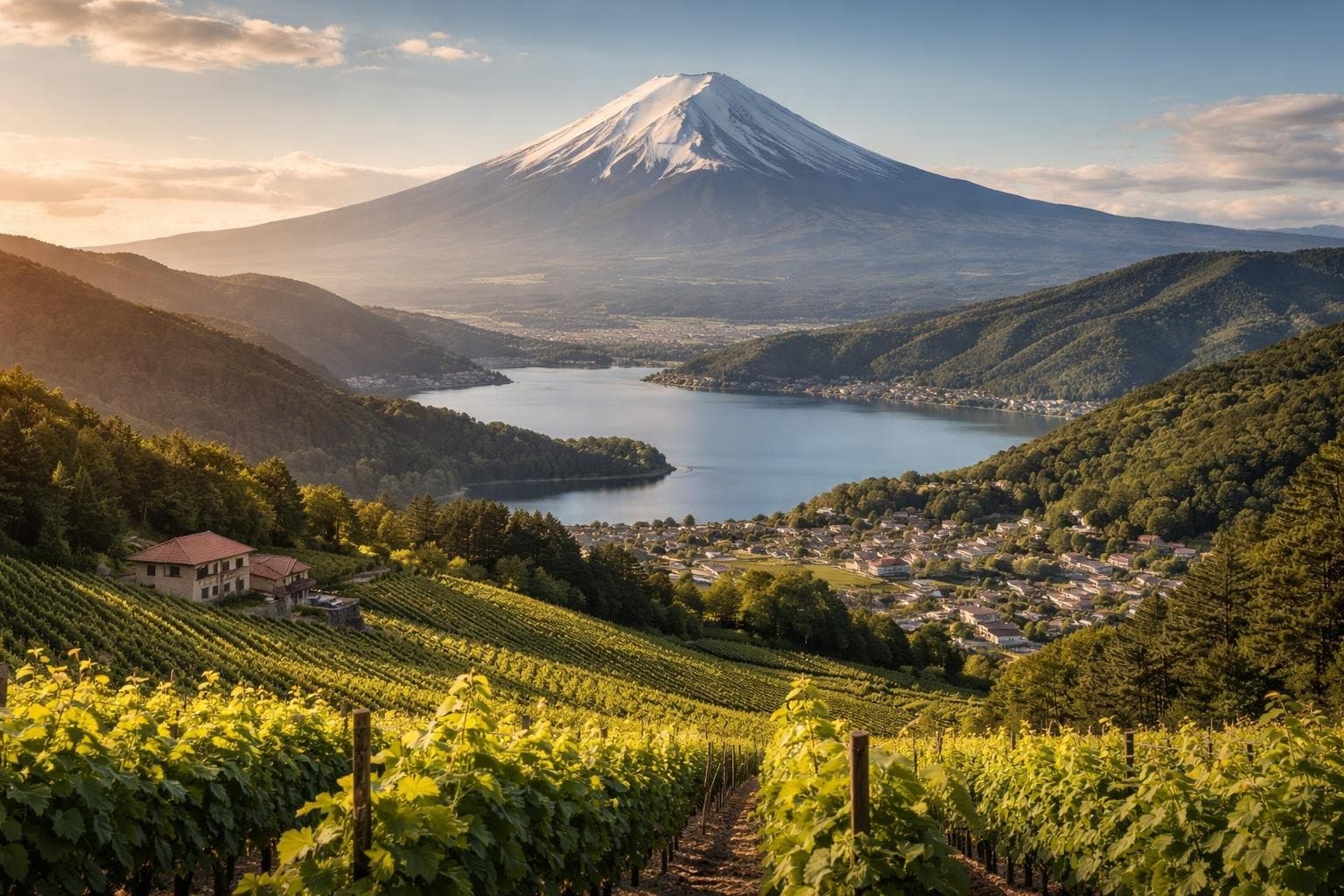
Yamanashi sits in central Honshu. Mountain-quiet. It catches off-guard travelers who want Japan outside the usual loops, because you get Mount Fuji’s northern face, deep craft lineages, and a food-and-wine scene that feels lived-in instead of staged for a lens. If you travel in comfort and you want days made of actual places (not just quick photo pullouts), this prefecture gives a steady mix: cooler air, serious ridgelines, and small, tidy experiences that don’t brag.
Geographic Splendor and Natural Attractions
Mountains run the whole show here. Big ones. Yamanashi is landlocked and ringed by peaks, with the Japanese Alps to the west and Mount Fuji pressing into the southern skyline, and Britannica’s comprehensive overview of Yamanashi Prefecture sketches how that terrain steered climate and even the way communities settled around passes, rivers, and tucked valleys.
The Fuji Five Lakes area is the headline for many visitors, mostly because the Fuji view can feel unreasonably close, and the lakes—Kawaguchiko, Yamanakako, Saiko, Shojiko, and Motosuko—work year-round for walks, small boat rides, and winter quiet; then summer flips a switch and they become practical bases for the standard climbing routes.
Key Natural Features:
- Mount Fuji’s northern slopes and climbing trails
- Five pristine lakes with mountain reflections
- Shosenkyo Gorge with dramatic granite formations
- Over 1,300 natural hot spring sources
- Alpine forests and hiking trails throughout the Southern Alps
Mountain Climate and Seasonal Experiences
Seasons actually matter in Yamanashi. Quickly. Spring can light up the lower elevations with sakura while the high ridges stay white, and that contrast feels almost rude if you hit it on a clear morning around 07:12, when the air still has that night-cool bite. Summer runs cooler than Tokyo, which you notice the second you step off the train and your shirt doesn’t cling, and then autumn arrives with hard reds and burnished gold across the basin before winter settles things down again for skiing, snowboarding, and long soaks that make time go fuzzy.
Timing changes the whole trip. Worth it. A strong operator can shape a stay around those cycles—private blossom viewing in spring, or an autumn foliage day that swings through wine country when the vineyards are busy and the air smells faintly like pressed fruit and damp leaves.
World-Class Wine Country and Culinary Heritage
Yamanashi is Japan’s main wine prefecture by volume, producing roughly 40% of the country’s wine. That number sticks. The Kofu Basin helps: warm days, cooler nights, and a long relationship with the Koshu grape, grown here for more than a thousand years, which nudges many bottles toward crisp, food-friendly balance rather than heaviness.
Decanter magazine’s exploration of Yamanashi’s wine industry talks through how makers juggle inherited methods with modern viticulture, and you can sense that push-pull in the glass: traditional restraint, then a sharp, current cleanliness that catches people who came expecting something more rough-spun.
| Wine Experience Type | Notable Locations | Best Season | Exclusivity Level |
|---|---|---|---|
| Boutique Winery Tours | Katsunuma District | Sept-Nov | Private tastings available |
| Harvest Participation | Koshu Vineyards | Late August-Sept | Limited slots, booking |
| Wine Pairing Dinners | Yamanashi City | Year-round | Chef’s table experiences |
| Barrel Room Tastings | Grace Wine, Chateau Mercian | Spring-Fall | Premium access required |
Traditional Cuisine and Regional Specialties
Wine isn’t the only anchor. Food is. Yamanashi’s traditional foods reflect its mountain heritage, and you taste that background in dishes designed for cold months and long workdays. Hoto is the local classic: thick, flat udon simmered with seasonal vegetables in a miso broth that grabs the noodles, and what began as farmers’ fuel now shows up everywhere from blunt farmhouses to more mannered dining rooms that treat it like comfort with posture.
Fruit is another calling card, especially peaches, grapes, and cherries, and that abundance makes farm-to-table feel normal rather than staged. I still remember JRS staffer Yasu once waving us back toward the car because he’d heard a farmer mutter, “Not yet—ten minutes,” and sure enough the peaches tasted sweeter when we returned at 16:00, sun lower, heat softened.
Regional Culinary Highlights:
- Koshu wine paired with locally raised Koshu beef
- Kaiseki meals incorporating mountain vegetables and river fish
- Artisanal sake from breweries using Mount Fuji’s snowmelt
- Seasonal fruit desserts featuring championship-grade peaches
- Wild game dishes prepared with traditional preservation techniques
Cultural Heritage and Spiritual Destinations
Culture in Yamanashi feels close-up. Not museum-far. Shrines, temples, and craft lineages kept going through centuries of mountain separation, and because the prefecture sits along old routes linking Tokyo with western Japan, the blend is specific: you see it in festivals, rooflines and joinery, and the way local customs absorbed outside influence while keeping their own accent.
Temple and Shrine Networks
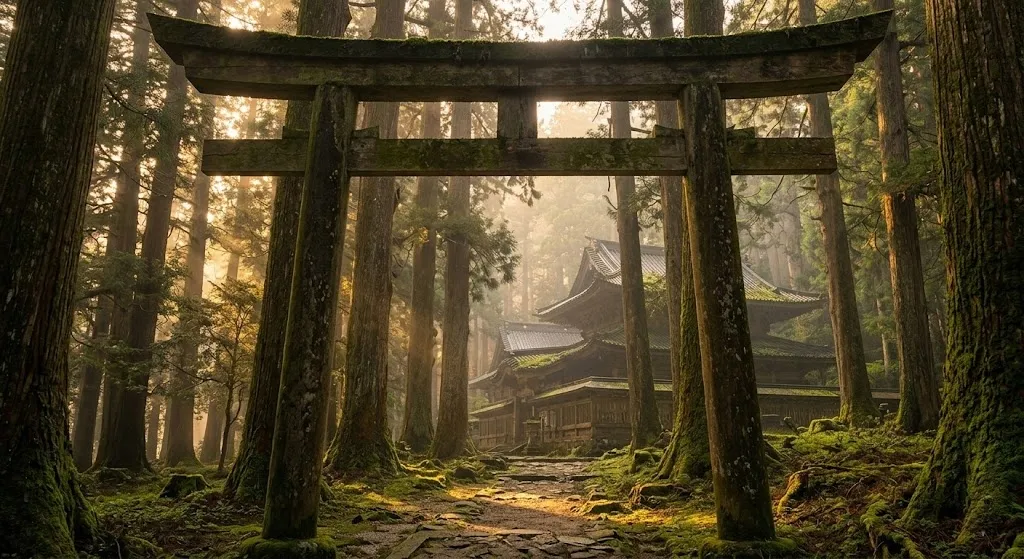
Many sites here tie back to Mount Fuji worship and mountain ascetic practice. Kitaguchi Hongu Fuji Sengen Shrine, founded more than 1,900 years ago, is the traditional jumping-off point for Fuji pilgrims, and the cryptomeria trunks, the vermillion structures, the packed-earth paths all stack into something that feels older than the day-plan you showed up with.
Some travelers want more than a look-and-leave loop. Fair. A handful of temples offer shukubo (temple lodging), where you stay overnight and join morning prayers, sit for meditation, and eat vegetarian Buddhist cuisine, and the experience isn’t dressed up like a show; it’s closer to omotenashi expressed as routine and quiet attention, with rules you notice only after you’ve already followed them. Big mistake to treat it like a quick checkbox.
Traditional Crafts and Artisan Workshops
Yamanashi also keeps craft skills in active use. The crystal cutting industry in Kofu City is the best-known, producing high-grade glassware and jewelry, and research on Yamanashi’s unique design sources frames these practices as cultural assets that feed regional identity and the local economy.
If you’re curious, workshops with master craftspeople can be arranged, and you don’t just watch from a polite distance; you handle tools, learn the shokunin logic behind tiny adjustments, and leave with something you actually made—slightly imperfect, thumbprint and all—which is, honestly, the point.
Premium Sake and Beverage Culture
Wine gets attention, but sake holds its own with serious drinkers. Full stop. The prefecture’s sake brewing tradition benefits from very good water—filtered through Mount Fuji’s volcanic layers and fed by clear springs from the Southern Alps—and when you pair that with locally grown rice and cool mountain temperatures, you end up with sake that often reads clean, precise, and restrained at the end.
The Japan Times’ examination of Yamanashi’s beverage industry points out another change: the region hasn’t stayed limited to sake and wine, with craft beer and whisky now in the mix as small producers set up in mountain valleys and chase a sense of place in their own way.
Beverage Experiences for Discerning Travelers:
- Private sake brewery tours with master brewers explaining seasonal production cycles
- Vertical tastings comparing vintages from premium Koshu wineries
- Whisky distillery visits featuring cask selection and bottling experiences
- Craft beer taproom sessions with brewers discussing regional ingredients
- Water source tours exploring the volcanic springs that supply breweries
Water as Cultural Identity
Yamanashi’s branding around its water resources isn’t just marketing fluff; it’s tied to daily life, from agriculture to onsen culture. The prefecture leads Japan in bottled mineral water production, pulling from Mount Fuji’s underground aquifers, and that steady supply shapes a local character that feels practical, clean, and a little alert about the environment that keeps providing.
Hot Spring Retreats and Wellness Experiences
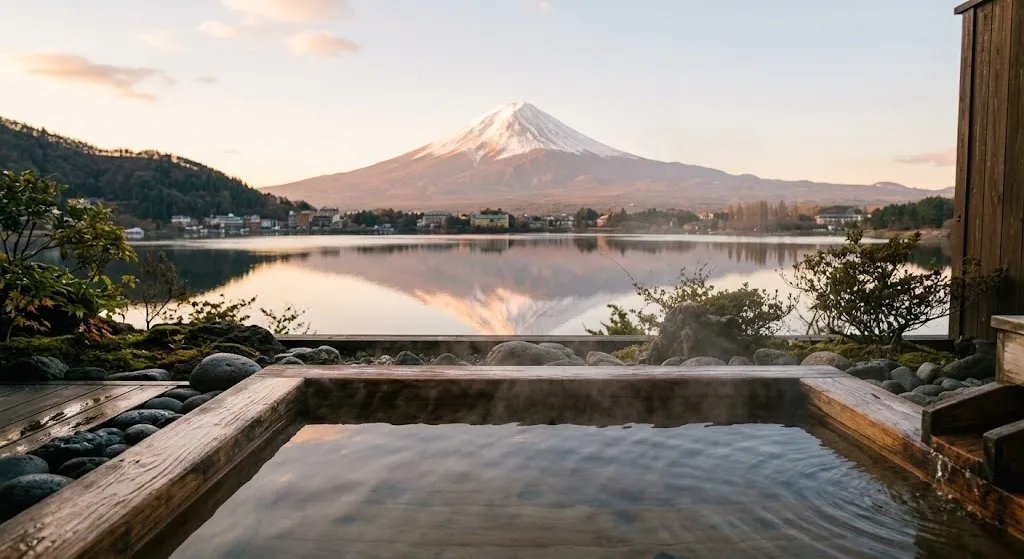
Onsen are everywhere in Yamanashi, thanks to the volcanic geology. Easy to spot. You’ll find everything from classic ryokan setups to modern wellness facilities, and the mineral waters are usually framed around relaxation and recovery, especially after long hours on mountain roads or trails where your knees start negotiating with you.
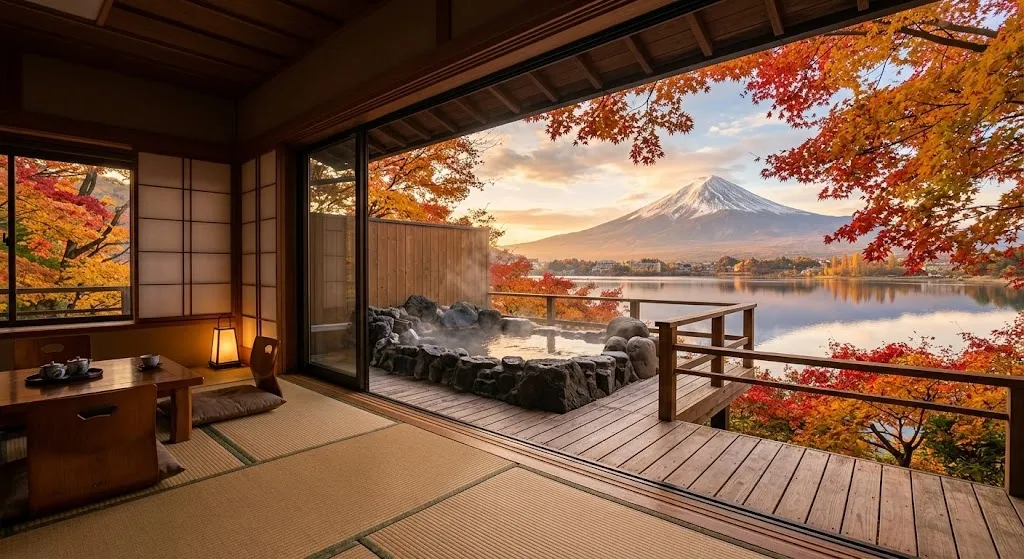
Isawa Onsen is one of the bigger hot spring towns, with more than 100 lodging options that range from modest to high-end, and it still keeps a traditional mood. If privacy is the priority, there are also more exclusive ryokan offerings with private villas, dedicated onsen baths, and kaiseki dinners prepared by well-regarded chefs, timed so the food arrives hot and the pacing doesn’t feel shoved along.
| Hot Spring Area | Water Type | Scenic Features | Accommodation Style |
|---|---|---|---|
| Isawa Onsen | Alkaline | Vineyard views | Modern resort & traditional ryokan |
| Yamanakako Onsen | Sulfur | Lake Yamanaka & Mount Fuji | Lakeside hotels |
| Nishiyama Onsen | Simple thermal | Mountain forest | Historic ryokan (dating to 705 AD) |
| Shimobe Onsen | Alkaline simple | River valley | Intimate traditional inns |
Seasonal Wellness Programming
Higher-end properties increasingly run fuller wellness menus, not only bathing. Think forest therapy walks in alpine terrain, meditation led by Buddhist monks, Japanese massage, and nutrition consults built around regional cooking and shun ingredients, and while the facilities can look sleek, the underlying idea is plain: slow the body down so the place can actually register.
Access and Transportation Considerations
Getting in is simple. Surprisingly quick. The JR Chuo Line runs frequently to Kofu (the prefectural capital) in under two hours from Shinjuku Station, and for the Fuji Five Lakes area, highway buses run direct from Tokyo while the Fuji Excursion limited express gives a comfortable rail option.
Once you’re outside the main hubs, though, transportation becomes the real snag, because rural transit is thin and the sights are spread across winding roads that look short on a map and feel longer in real time. That’s where private cars or arranged rides stop being a fancy add-on and start being practical, especially if you’re trying to fit in wineries, out-of-the-way temples, and viewpoints without burning half the day on benches and timetables.
Advantages of Curated Transportation
A professional driver changes the rhythm. Immediately. They can move efficiently between far-apart stops, share quick cultural context as the scenery changes, and adjust the plan when weather rolls in or a viewpoint is socked in—common in the mountains, I think more than first-timers expect—and that flexibility really pays off on wine days, remote shrine visits, or any route where parking and timing benefit from local familiarity.
Seasonal Events and Cultural Festivals
Festivals keep the calendar busy in Yamanashi. Loud, then quiet. The Fuji Shibazakura Festival in spring covers fields near Mount Fuji with pink moss phlox, creating a strong photo pull, while summer brings fire festivals linked to Fuji worship and autumn turns into harvest season, with wine celebrations scattered across the Kofu Basin.
The official Yamanashi tourism guide is the easiest place to track what’s on, and many events reward participation over passive watching. With advance arrangements, travelers can sometimes access restricted viewing areas, join parts of ceremonies, or speak with organizers about what the festival meant historically and what it means now, which shifts it from spectacle to something more personal.
Regional Gastronomy Beyond Restaurants
Restaurants are only part of the story. Not always the best part. Fruit farms host picking sessions followed by outdoor meals using what you just gathered, mountain huts on hiking routes serve simple plates that somehow taste better after hours of climbing, and farmhouse cooking classes teach regional recipes with techniques handed down in ordinary kitchens that have seen decades of winter cooking.
These meals land differently because you meet the people behind them—farmers, producers, home cooks—and you glimpse the agricultural backbone that keeps the region running. It’s not fancy on purpose, yet it can still feel refined in that wabi-sabi way, where small imperfections make it believable and oddly comforting.
Unique Dining Experiences:
- Private chef demonstrations in winery barrel rooms
- Streamside kaiseki prepared with locally caught iwana (char)
- Farmhouse breakfasts featuring eggs from heritage chicken breeds
- Mountain lodge dinners with wild vegetable foraging instruction
- Sake brewery meals pairing seasonal dishes with tank-fresh sake
Connecting Mountain Heritage with Modern Luxury
What works in Yamanashi is the balance. Old, then new. You’ll find historic ryokan updated with modern comforts while keeping the bones and atmosphere intact, wineries that carry centuries of know-how while using advanced fermentation technology, and mountain villages that somehow manage fiber-optic internet next to thatched-roof architecture without it feeling like a stunt.
That blend lets travelers experience mountain culture without giving up comfort or reliability, and it’s often the logistics—timing, reservations, transport, small permissions—that decide whether the trip feels relaxed or choppy. When those pieces are handled well, you keep room for spontaneity, and the days feel like they have air inside them.
Planning Extended Itineraries
A day trip can work. Barely. Yamanashi opens up over three to five days, when you can move between wine country, mountain scenery, cultural sites, onsen time, and long meals without sprinting, and you start noticing the slower rhythm mountain regions keep—light changes, temperature shifts, and the way mornings and evenings carry different textures.
More time also makes space for longer-format activities that don’t compress well, like Mount Fuji climbing itineraries, deeper wine education programs, or temple retreat intensives. For travelers building a wider Japan plan, Yamanashi pairs well with Tokyo and Kyoto precisely because it feels different: more room, more hush, and a very direct relationship to weather and landscape.
For those seeking even more exclusive experiences throughout Japan, services like Disney Japan tours can be seamlessly integrated into broader itineraries that showcase both natural wonders and entertainment destinations.
Yamanashi Prefecture brings together mountain scenery, cultural weight, and the kind of food-and-drink pleasures that stick with you. Quietly. You can taste Koshu wine and local sake, stand near sites tied to Fuji worship, soak in mineral water after a long day, and still sleep well in premium accommodations that respect the setting. Japan Royal Service builds bespoke Yamanashi itineraries with premium transportation, special access, and grounded local know-how, so the trip moves naturally from one stop to the next without losing that sense of discovery.