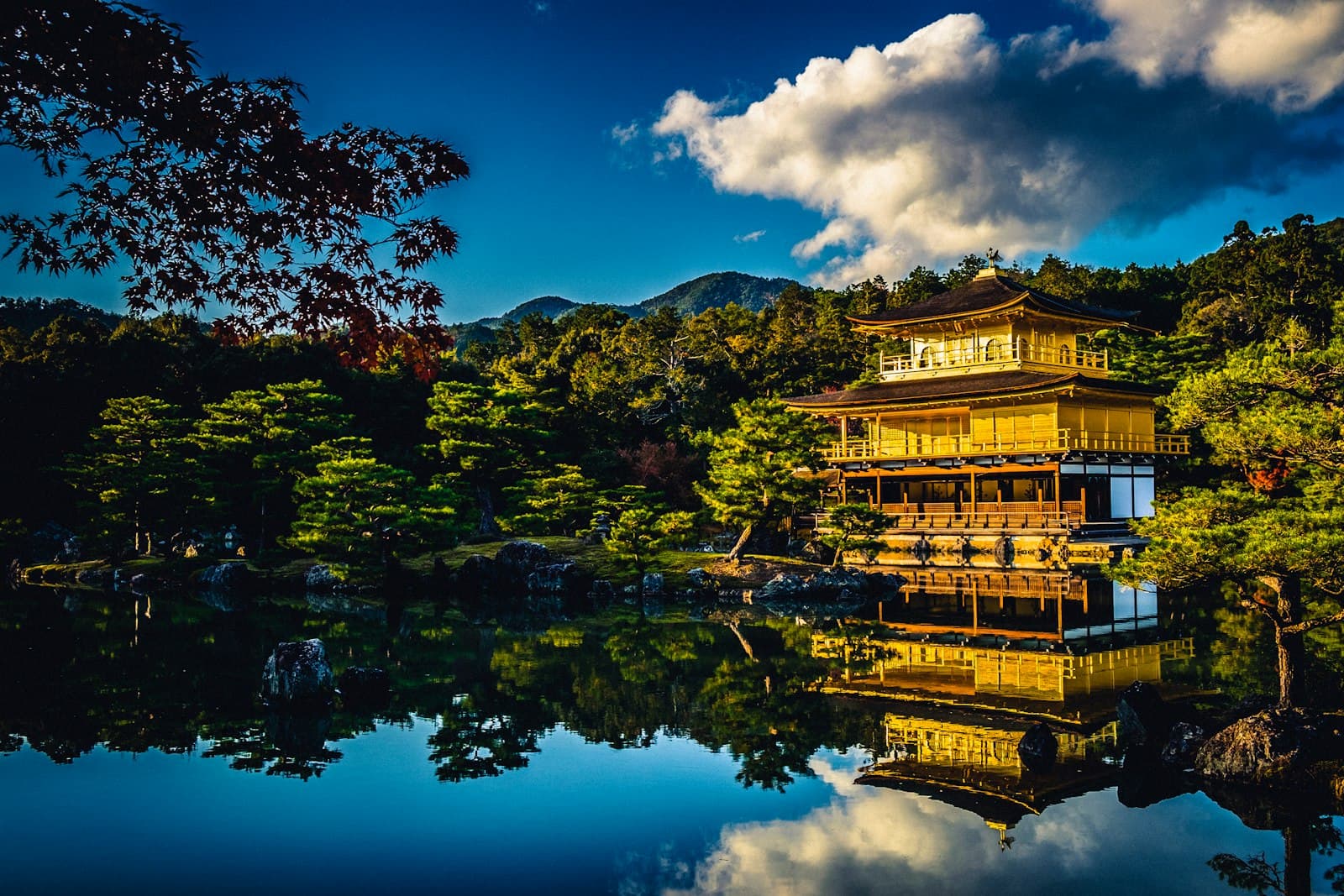
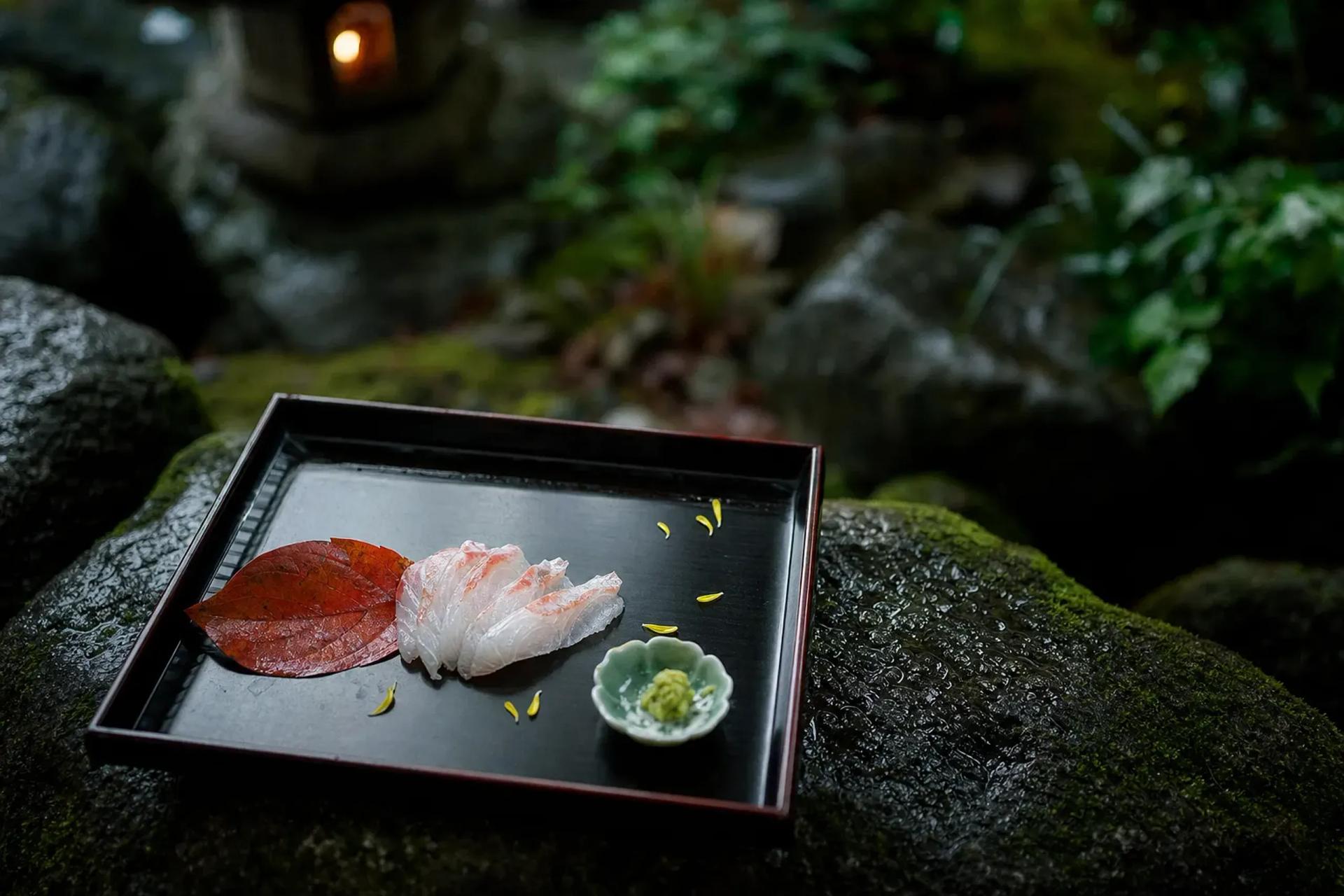
In this guide
- 01What Exactly Is Kaiseki, And Why Does Kyoto Do It Best?
- 02How Much Does A Private Kaiseki Dinner In Kyoto Cost?
- 03Where Do The Finest Kaiseki Evenings Happen In Kyoto?
- 04When Is The Best Season For Kaiseki In Kyoto?
- 05Kaiseki Etiquette: What Should You Know Before You Sit Down?
- 06Frequently Asked Questions
- 07Why Choose Japan Royal Service
Kyoto reveals itself slowly. The city rewards those who arrive without a schedule crammed tight, who leave room for a single meal to become the memory of the trip. An evening of kaiseki is exactly that kind of meal. It is not dinner. It is a conversation between a chef, a season, and the people seated at the counter.
At Japan Royal Service, we have spent years arranging these evenings for travelers who have already tasted luxury in Paris, Milan, and New York. They come to Kyoto for something quieter. Something that cannot be ordered online. This guide walks you through what a true kaiseki evening involves, what it costs, when to come, and why the right introduction changes everything.
What Exactly Is Kaiseki, And Why Does Kyoto Do It Best?
Kaiseki is a multi-course Japanese meal built around seasonal ingredients, served in a precise order that moves from light to rich and back to light. Kyoto perfected it because the city's tea culture and imperial history demanded restraint, balance, and beauty on every plate.
The roots run through the tea ceremony. A simple meal once accompanied matcha in the tea room, and over centuries it grew into an art form. Kyoto held the imperial court for more than a thousand years. That proximity to formal, refined taste shaped how the city cooks.
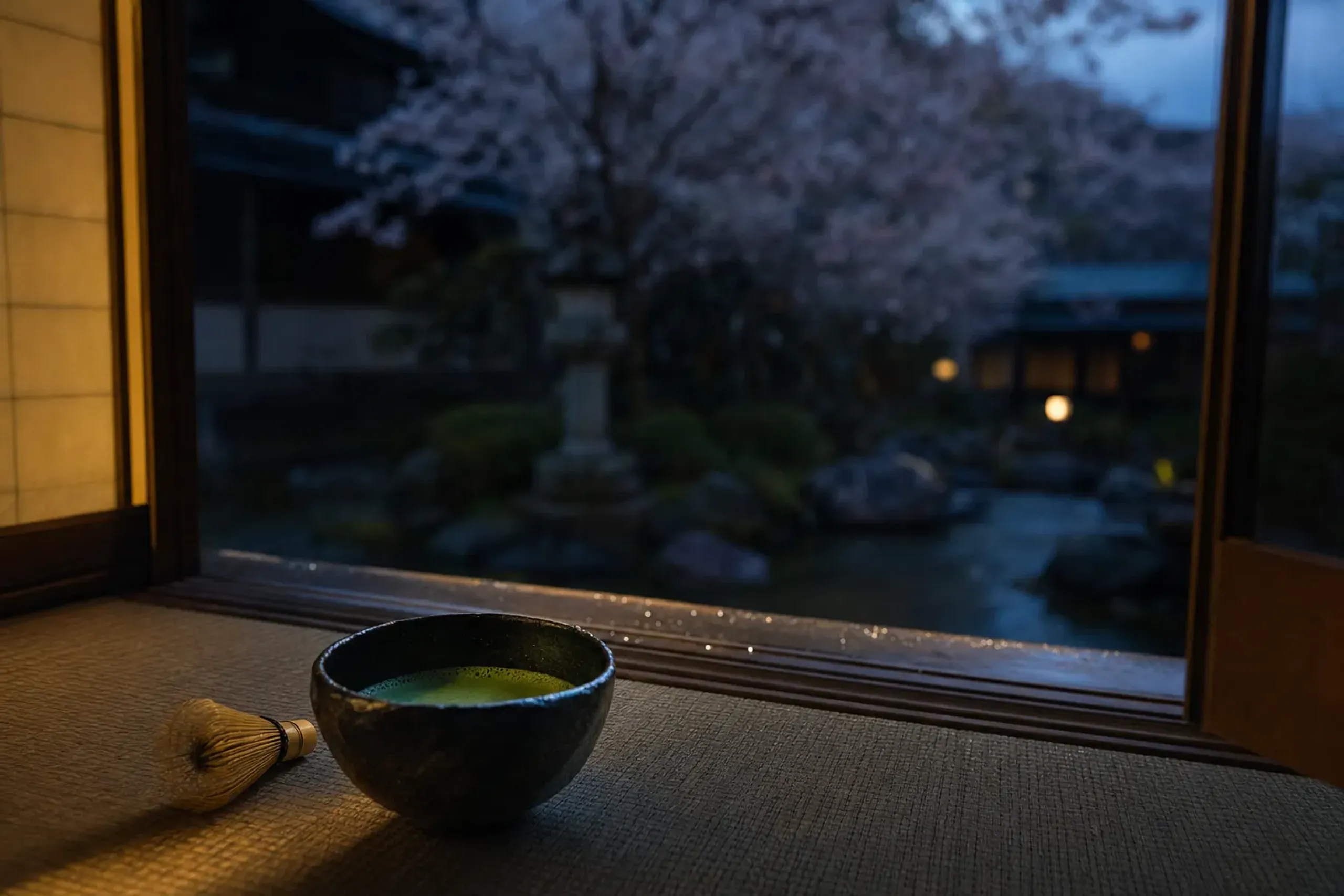
A kaiseki menu follows the calendar, not the whim of the guest. In early spring you might open with bamboo shoot. In autumn, matsutake mushroom and chestnut arrive. The chef decides. You trust. That surrender is part of the pleasure.
The Rhythm Of A Kaiseki Course
A full kaiseki can run eight to fourteen courses. Each has a purpose. The sakizuke opens the meal like a prelude. The mukozuke brings sashimi cut that morning. A grilled course, a simmered course, a rice dish to close. Nothing repeats. Nothing feels heavy.
Portions stay small on purpose. You finish wanting one more bite, never fewer. The pacing is deliberate, almost musical, and a good chef reads the table to adjust the tempo.
How Much Does A Private Kaiseki Dinner In Kyoto Cost?
A high-end private kaiseki dinner in Kyoto generally ranges from roughly JPY 30,000 to JPY 80,000 per person, before drinks, with the most exclusive counters and private rooms sitting higher. Sake pairings and private spaces add to that.
Price reflects far more than ingredients. You pay for the chef's hands, the counter seat, the single scroll chosen for that evening, the flower cut that morning. At the finest establishments, the meal is the least transactional thing about the room.
We never quote a fixed figure in print, because no two evenings match.
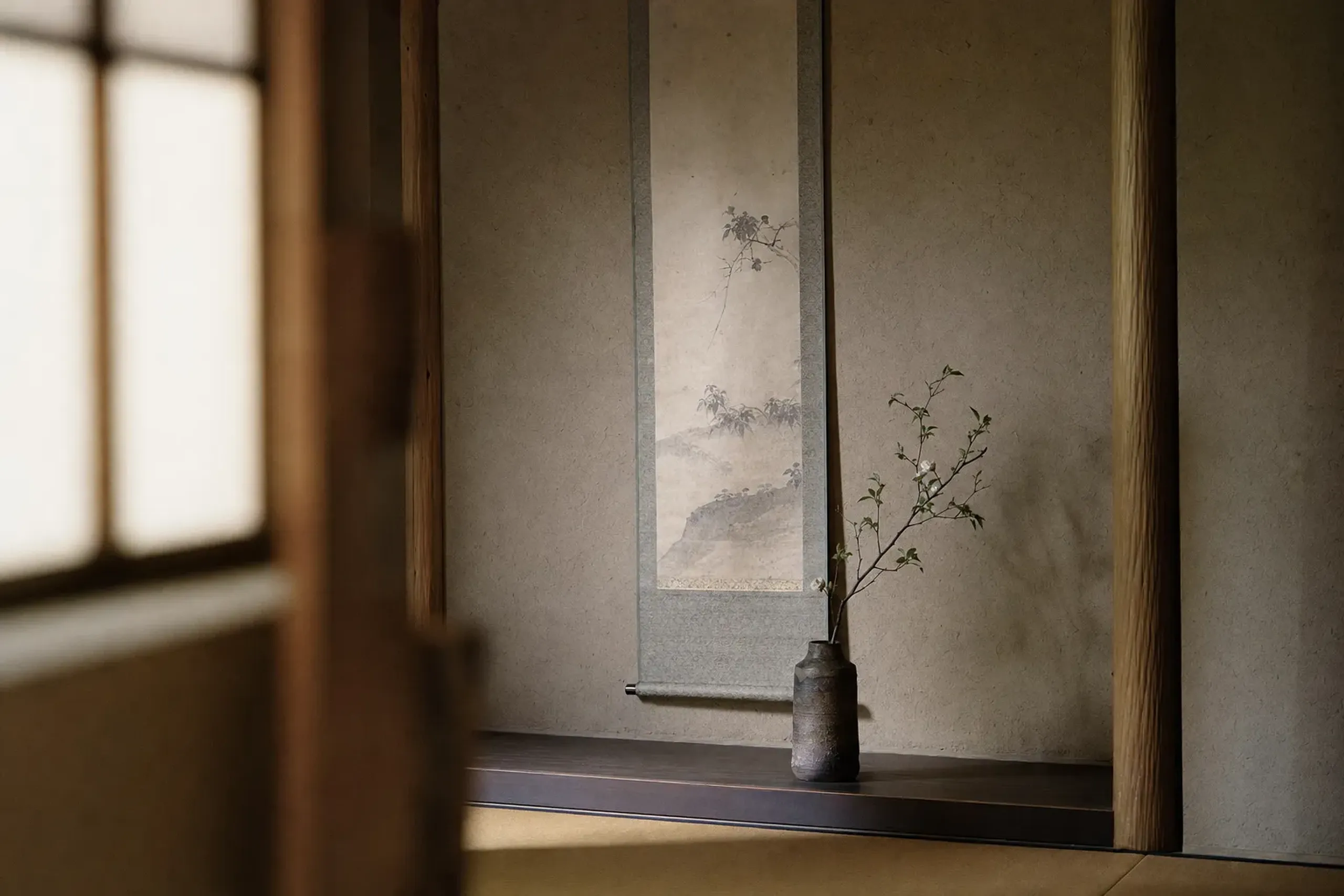
A counter seat for two differs from a private tatami room for a family of six. For a tailored proposal, our concierge will build the evening around your party and the season.
Key fact: The most sought-after kaiseki counters in Kyoto seat fewer than ten guests a night and rarely accept first-time diners without an introduction. Plan months ahead.
Where Do The Finest Kaiseki Evenings Happen In Kyoto?
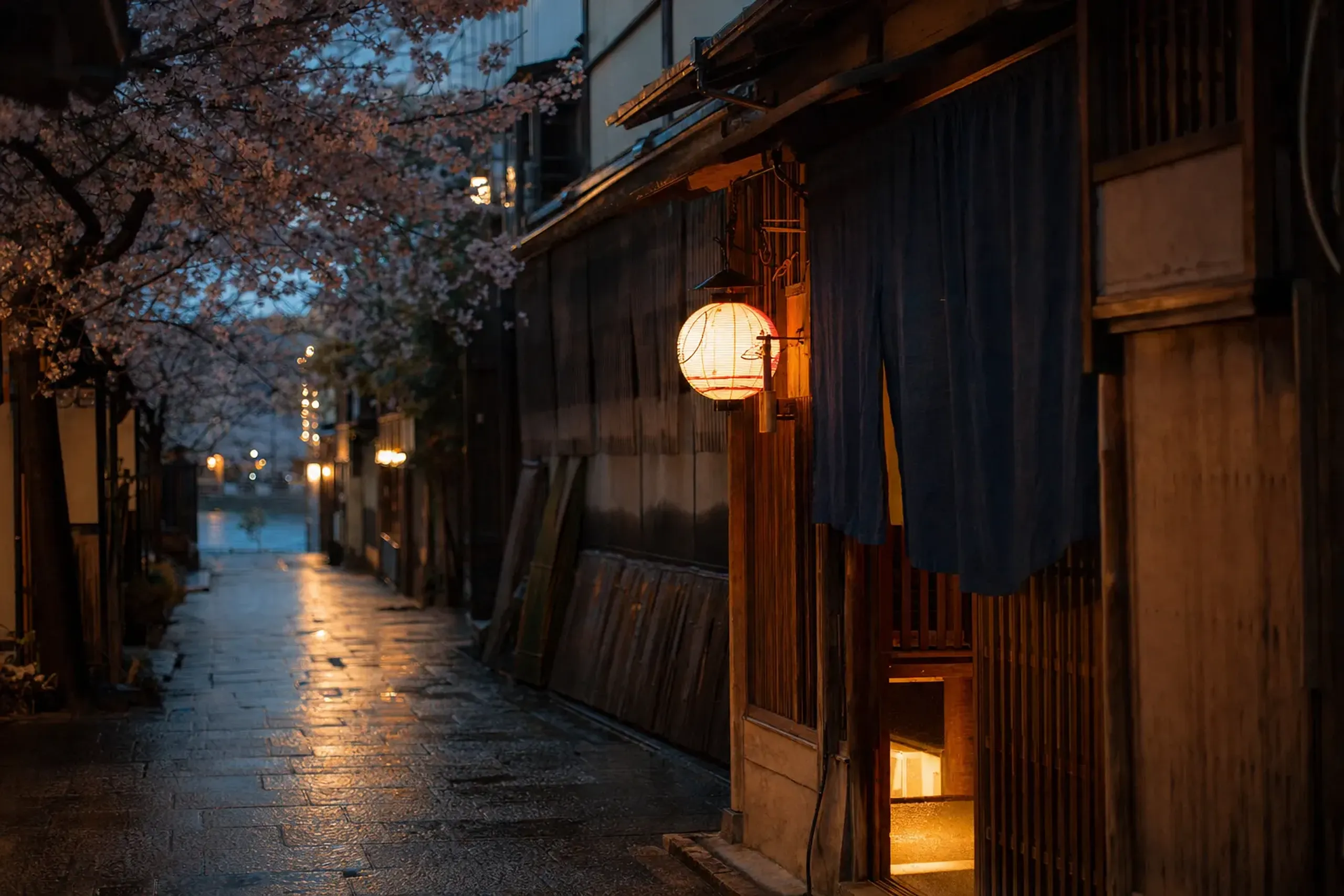
The most memorable kaiseki rooms in Kyoto cluster around Gion, Pontocho, and the quiet lanes near the Kamo River, often inside sukiya-style buildings with private tatami rooms. Many hold Michelin recognition. Most do not advertise.
Kyoto holds some of the most decorated kaiseki houses in the country. Kikunoi, founded in the Higashiyama district, remains a reference point for formal Kyoto cuisine. Establishments like these have shaped how the world understands the form.
Then there is the Japan you cannot find through a search engine. A machiya down an unmarked lane. A counter where the chef serves ten people and knows each name. These rooms survive on introduction, not reservation systems. That is the hidden-Japan layer our team spends careful hours cultivating.
The Ryokan Kaiseki Experience
Some of the finest kaiseki is served not in a restaurant but in a ryokan room. Picture a meal brought course by course to your private quarters at an inn like Asaba in Shuzenji or Beniya Mukayu in Kaga, the river or garden just beyond the shoji.
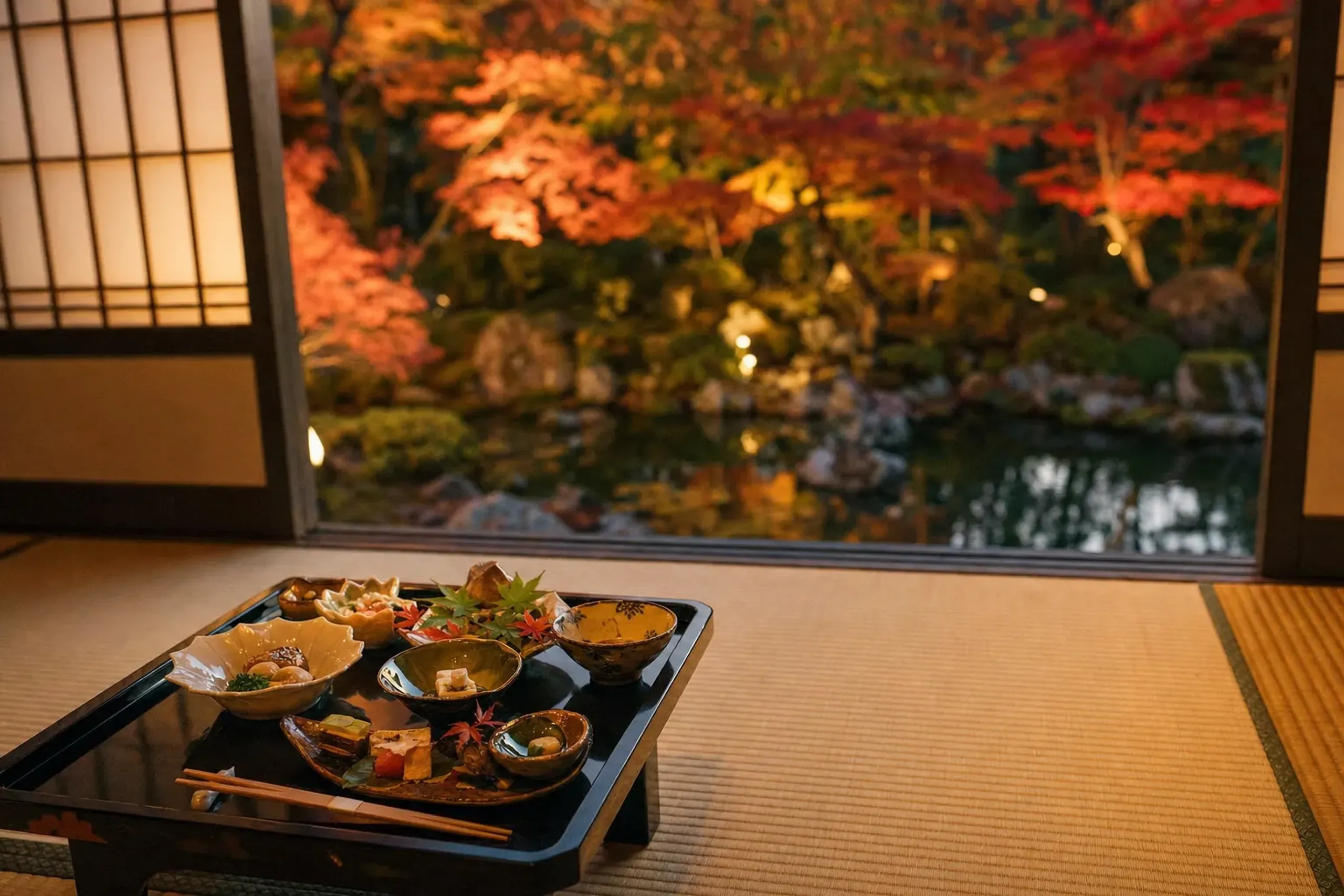
The rhythm changes when you never leave your retreat.
These storied inns book out seasons in advance. Travelers often ask us how they are reached at all. The honest answer is that relationships, built over years, open doors that a cold enquiry never will. We handle that quietly on your behalf.
When Is The Best Season For Kaiseki In Kyoto?
Every season suits kaiseki, but spring and autumn show the kitchen at its most expressive, when bamboo shoot, cherry blossom, matsutake, and chestnut reach their peak. The chef lives for these windows.
Spring brings the delicate. Think hamo eel in early summer, a Kyoto signature, prized when the rains arrive. Autumn turns richer and earthier, with mushrooms and game. Winter leans into crab and warming simmered courses. Each visit is, in effect, a different menu entirely.
This is why timing matters so much. A traveler who comes in March and again in November eats two unrelated meals in the same room. Knowing precisely what peaks, where, and in which week is the sort of detail our concierge tracks all year.
Pairing Kaiseki With The Season Outside
The meal gains when the city agrees with it.
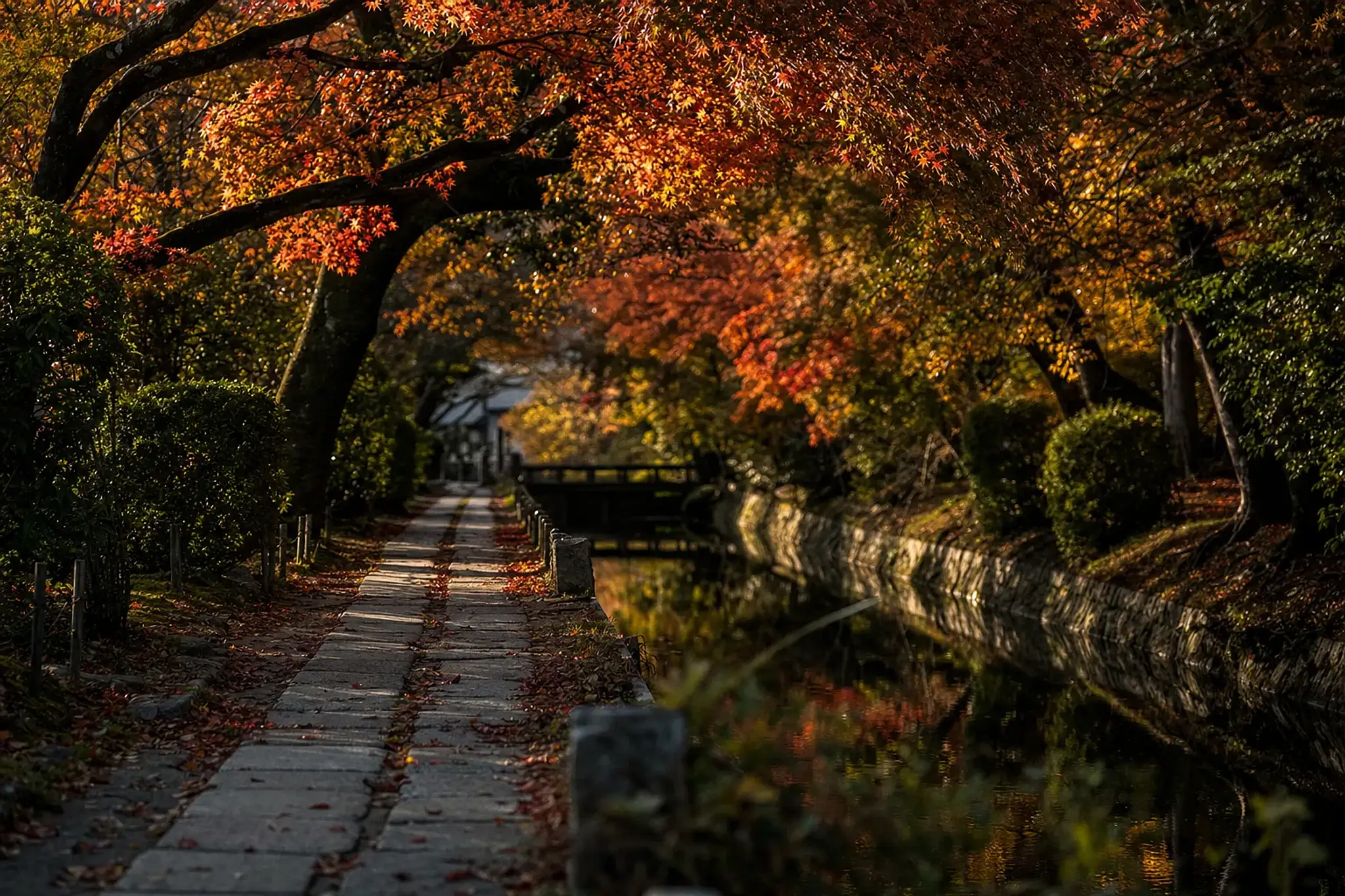
Autumn foliage along the Philosopher's Path. Cherry blossom on the Kamo riverbank. A private chauffeured day among the temples of Arashiyama, then an evening at the counter. The arc of the day matters as much as the food.
Our private chauffeured service lets you move between a Higashiyama temple and your dinner without a single logistical worry. No parking, no walking in the rain, no rush. The evening simply flows.
Kaiseki Etiquette: What Should You Know Before You Sit Down?
Arrive on time, follow the chef's intended order, and eat each course when it is served rather than photographing at length or letting it cool. These small courtesies honor the kitchen and deepen the meal.
A few quiet rules help. Say little about dietary needs on arrival; raise them well in advance so the chef can design around them. Our earlier guide on dietary requests in Japan walks through how to do this gracefully.
Do not drown the food in soy sauce. Do not wear strong fragrance; it competes with the subtle aromas the chef has built. Finish your rice. These are not tests. They are simply the manners of a room that takes its craft seriously.
The Shokunin At The Counter
Sitting at a kaiseki counter puts you across from a shokunin, a craftsman whose entire life has narrowed to one pursuit.
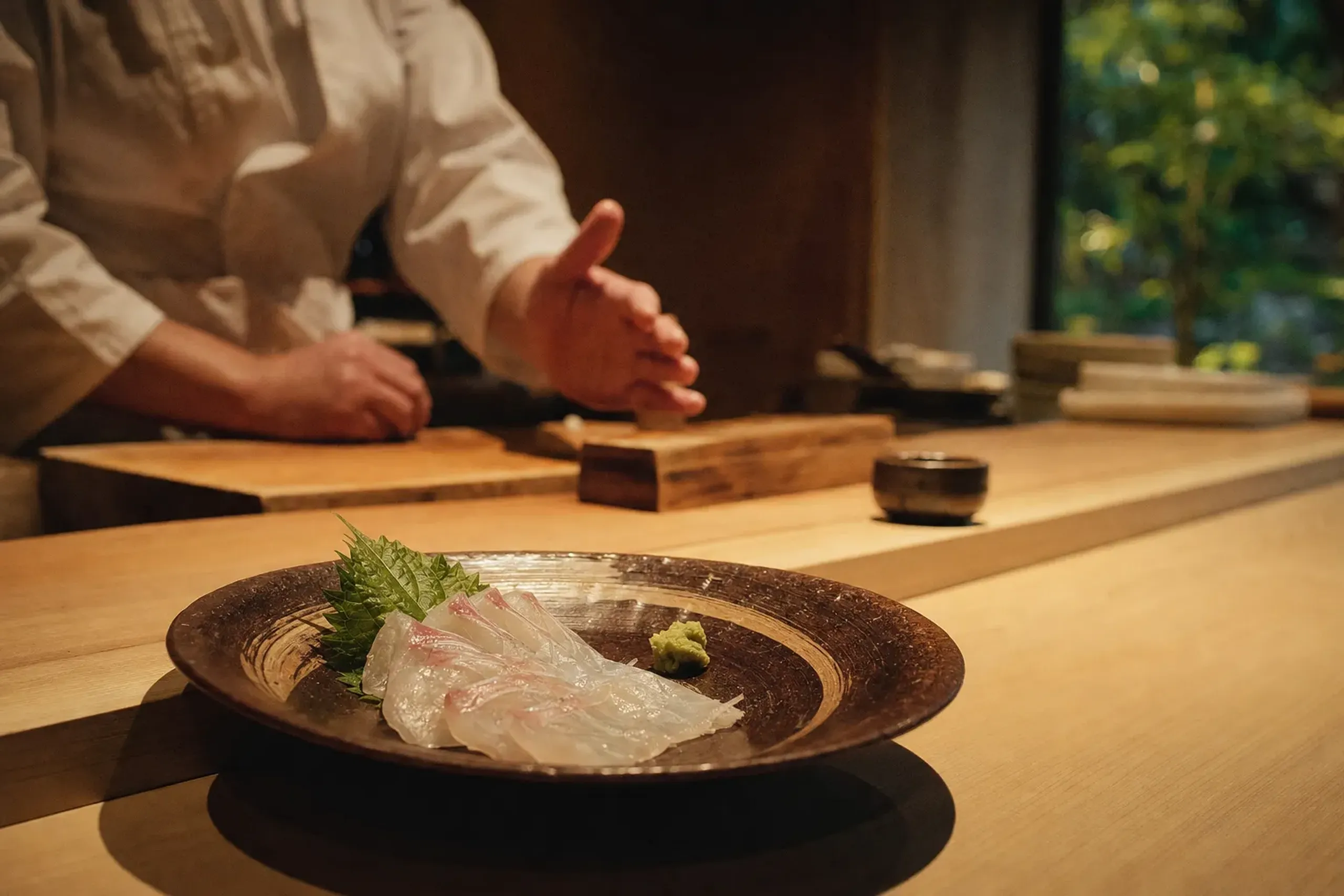
The knife work, the timing, the choice of a single vessel for a single course. This is wabi-sabi made edible: beauty in restraint, in the imperfect, in the fleeting.
When the chef hands you a dish directly, a small nod is enough. There is no need to fill the silence. In our experience, the guests who enjoy these evenings most are the ones who let the room breathe.
Frequently Asked Questions
How Far In Advance Should I Arrange A Private Kaiseki Dinner In Kyoto For Four People?
For the most sought-after counters, two to three months ahead is wise, and longer during cherry blossom and autumn foliage. Smaller establishments seating under ten guests often require introduction and fill fastest.
Can A Kaiseki Chef In Kyoto Accommodate Vegetarian Or Allergy Requirements?
Yes, many can, provided you share the details well before the evening rather than at the table. Kyoto also has a deep tradition of shojin ryori, Buddhist temple cuisine, which is entirely plant-based and exquisite.
Is It Better To Dine At A Kaiseki Restaurant Or At A Ryokan In Kyoto?
Both reward you differently. A restaurant counter puts you close to the chef's hands; a ryokan serves kaiseki in the privacy of your room with a garden view. For a slower, fully private evening, the ryokan often wins.
What Should I Wear To A High-End Kaiseki Dinner In Kyoto?
Smart, understated attire suits the setting; think quiet elegance over statement pieces, and skip strong perfume. Some private rooms require you to remove shoes, so comfortable, easily removed footwear helps.
Why Choose Japan Royal Service
Kyoto's finest kaiseki rooms do not live on booking platforms. They open through trust, built season by season, name by name. That is the work we have quietly done for years, and it is why travelers who could dine anywhere in the world choose to arrive through us.
Our team at Japan Royal Service is based in Japan, with our own fleet and our own relationships. We do not outsource your evening to a distant desk. Discretion sits at the center of everything we do; your identity and your itinerary stay with us alone. Where competitors send a template, our concierge sends a chef the right note at the right moment.
We shape each evening around you, from the counter or private room to the sake pairing to the bespoke itinerary that carries you there and home again. Nothing generic. Nothing rushed.
To begin planning an evening of kaiseki in Kyoto, reach our team directly via WhatsApp or LINE, or contact us here. We would be glad to craft it around you.