In this guide
- 01What “Best Tokyo Airport Transfer” Actually Means For A HNW Traveler
- 02Is A Tokyo Airport Transfer Required, Or Should You Take Rail Or A Taxi?
- 03How Do You Know If A Tokyo Airport Transfer Is Licensed (And Why It Matters)?
- 04What Happens If Your Flight Lands Three Hours Late At Haneda Or Narita?
- 05Where Does The Driver Meet You At Haneda Or Narita, And What Does Meet-And-Assist Include?
- 06Do You Need An English-Speaking Chauffeur In Tokyo?
- 07What Vehicle Size Do You Need From Haneda Or Narita To Central Tokyo?
- 08Do You Want One Chauffeur For The Whole Trip, Or A Different Driver Each Day?
- 09A Fair Checklist: What To Ask Any Tokyo Airport Transfer Provider
- 10Price And Policy Transparency: The Quiet Signal Of A Serious Operator
- 11Haneda Vs Narita: Which Airport Makes Transfers Easier In 2026?
- 12Multi-Generational Arrivals: Wheelchairs, Strollers, And Step-Free Thinking
- 13When A Private Transfer Is Not Worth It (Yes, Really)
- 14Frequently Asked Questions
- 15Why Choose Japan Royal Service
You have landed at Haneda or Narita after a long flight. The arrivals hall is bright, loud, and full of signs you do not want to read right now. Someone is meant to be waiting for you.
That moment is why people search “best airport transfer service in Tokyo.” Not for a logo. For a result: a legal car, a competent meet, and a calm drive even when the flight is late.
Our team at Japan Royal Service wrote this post to make “best” measurable. We will start with the criteria. Then we will show, plainly, where we sit against them.
What “Best Tokyo Airport Transfer” Actually Means For A HNW Traveler
“Best” is not a single provider; it is the provider that matches your risk tolerance, timing, party size, and privacy needs, while operating legally and predictably.
That sounds clinical. Good. Airport transfers fail in boring ways.
A driver waits in the wrong place. A “chauffeur” arrives in a car that cannot legally carry paid passengers. A toddler seat is “forgotten.” A flight lands three hours late and no one is watching the board.
So we use criteria you can check. No romance. Just what holds up at 23:40 when you are running on fumes.
Is A Tokyo Airport Transfer Required, Or Should You Take Rail Or A Taxi?
A private transfer is most valuable when you have luggage volume, a tight schedule, children, mobility needs, or a low tolerance for friction after a long-haul flight.
Sometimes the sensible answer is: don’t overbuy.
One person, one carry-on, midday arrival, hotel in central Tokyo? Rail can be faster door-to-door than you expect.
Here are the honest categories.
Option A: Rail (Fast, Predictable, Not Door-To-Door)
Narita International Airport’s official access guide lists rail routes via JR lines and Keisei lines, including the Narita Sky Access route and standard Keisei services.
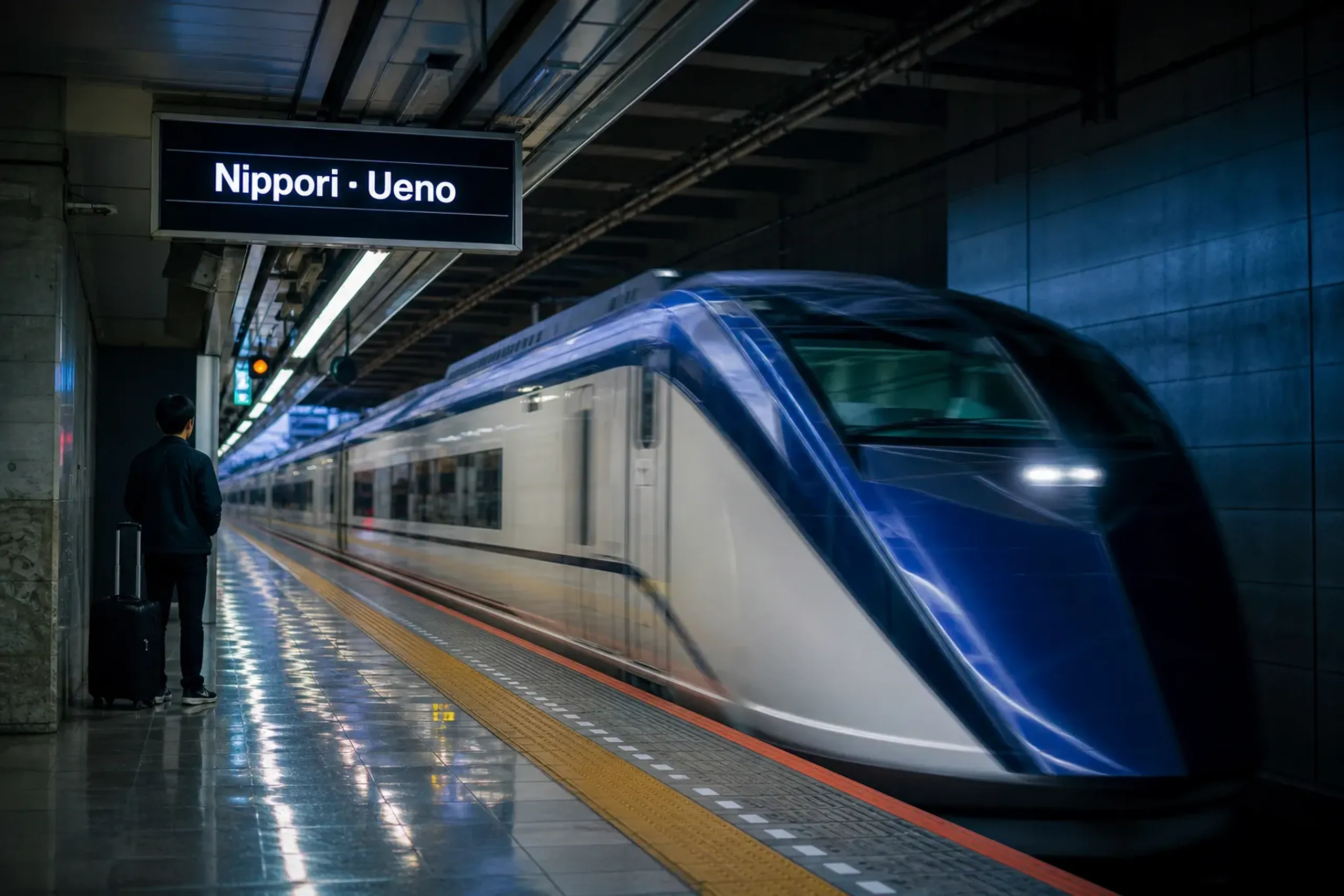
Keisei Electric Railway describes the Keisei Skyliner as a high-speed service between Narita Airport and central Tokyo (Nippori and Ueno), with non-stop service to Nippori and easy JR connections.
Rail is strong when:
- You can manage your own luggage without help.
- Your arrival time is not deep night.
- You do not need a child seat.
Option B: Licensed Taxi Or Hire Car (Door-To-Door, Varies By Provider)
Door-to-door is the point. Still, “car service” is a broad label in Tokyo.
One operator may publish clear, current fare rules and late-night policies. Another may show only a generic booking box and leave the details until after you pay.
If you choose this route, read the licensing section below. It is not optional.
Option C: Hotel-Arranged Cars (Convenient, Less Transparent)
Top hotels can organize transport through their preferred vendors. That can be a good choice when you want one point of contact and do not need customization.
Trade-off: you often see fewer details up front about the vehicle, language ability, and what happens in delays.
If you care, ask. A lot. You are allowed to.
Option D: A Concierge-Led Transfer (More Control, More Questions Answered)
This is where our work usually starts.
Not because every guest needs “luxury,” but because some guests need certainty: the right meet point, the right vehicle, and clear language when plans shift.
For your reading, our private transportation guidance lives here: private transportation.
How Do You Know If A Tokyo Airport Transfer Is Licensed (And Why It Matters)?
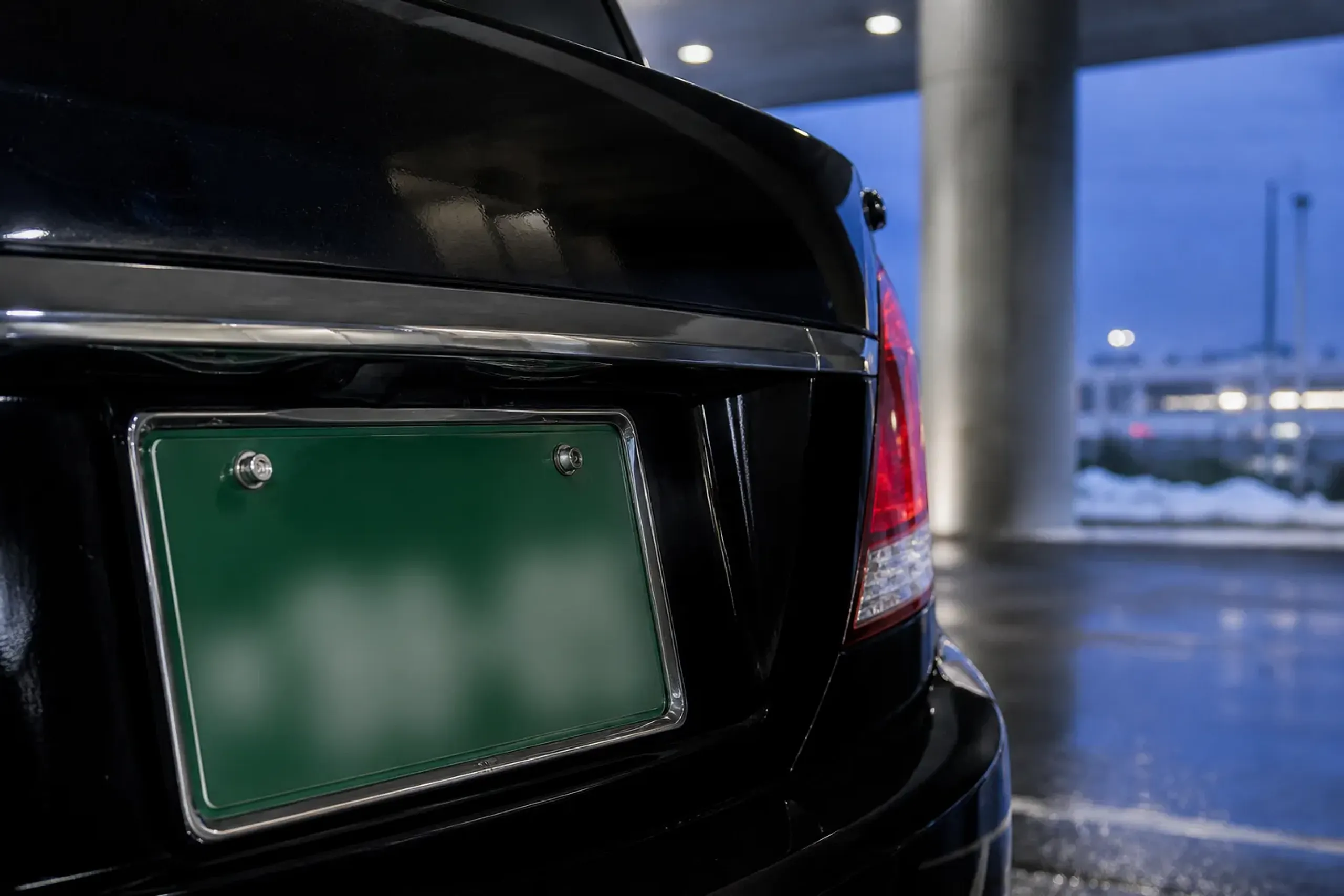
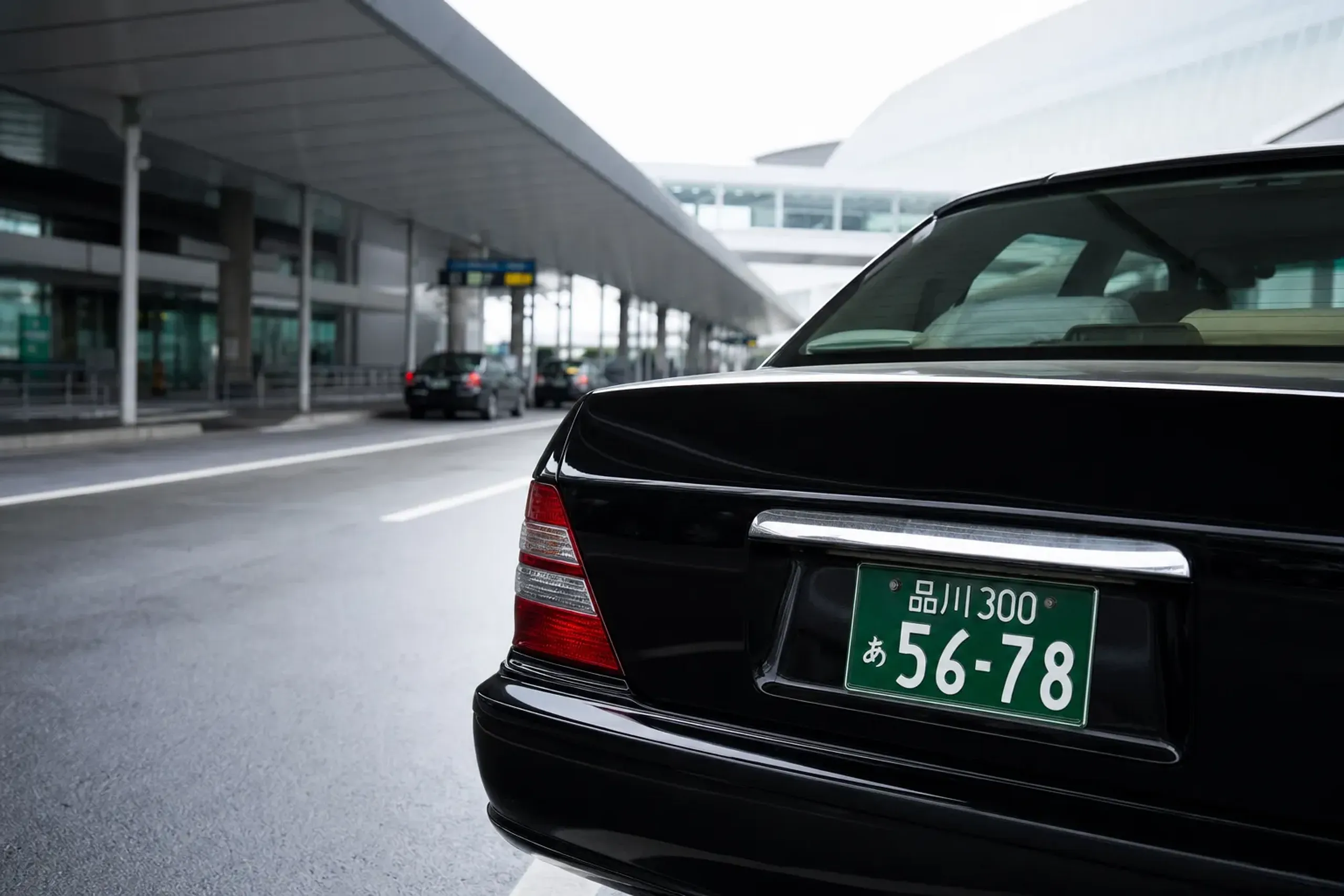
In Japan, paid passenger transport must be provided by a properly licensed operator using commercial passenger vehicles; a common sign is a green license plate.
This is the quiet divider between professional ground transport and “someone with a nice van.” It also affects insurance and accountability.
We will not give legal advice here. We will keep it practical.
Key fact: If a provider cannot clearly explain that the vehicle is operating under a passenger transport license (and is insured for commercial passenger carriage), treat it as a red flag.
Our team at Japan Royal Service does not own vehicles. We coordinate with partner operators.
And we do one non-negotiable thing before we engage a partner: we verify that the operator holds the proper passenger transport licensing and uses licensed vehicles (commonly identified by green plates). No shortcuts.
Many travelers never ask. They assume “it’s Japan, it must be regulated.” Mostly, yes. But the market has gaps. Ask anyway.
What Happens If Your Flight Lands Three Hours Late At Haneda Or Narita?
A reliable transfer service monitors your arrival and adjusts the pickup plan, then communicates clearly so you are not guessing in the arrivals hall.
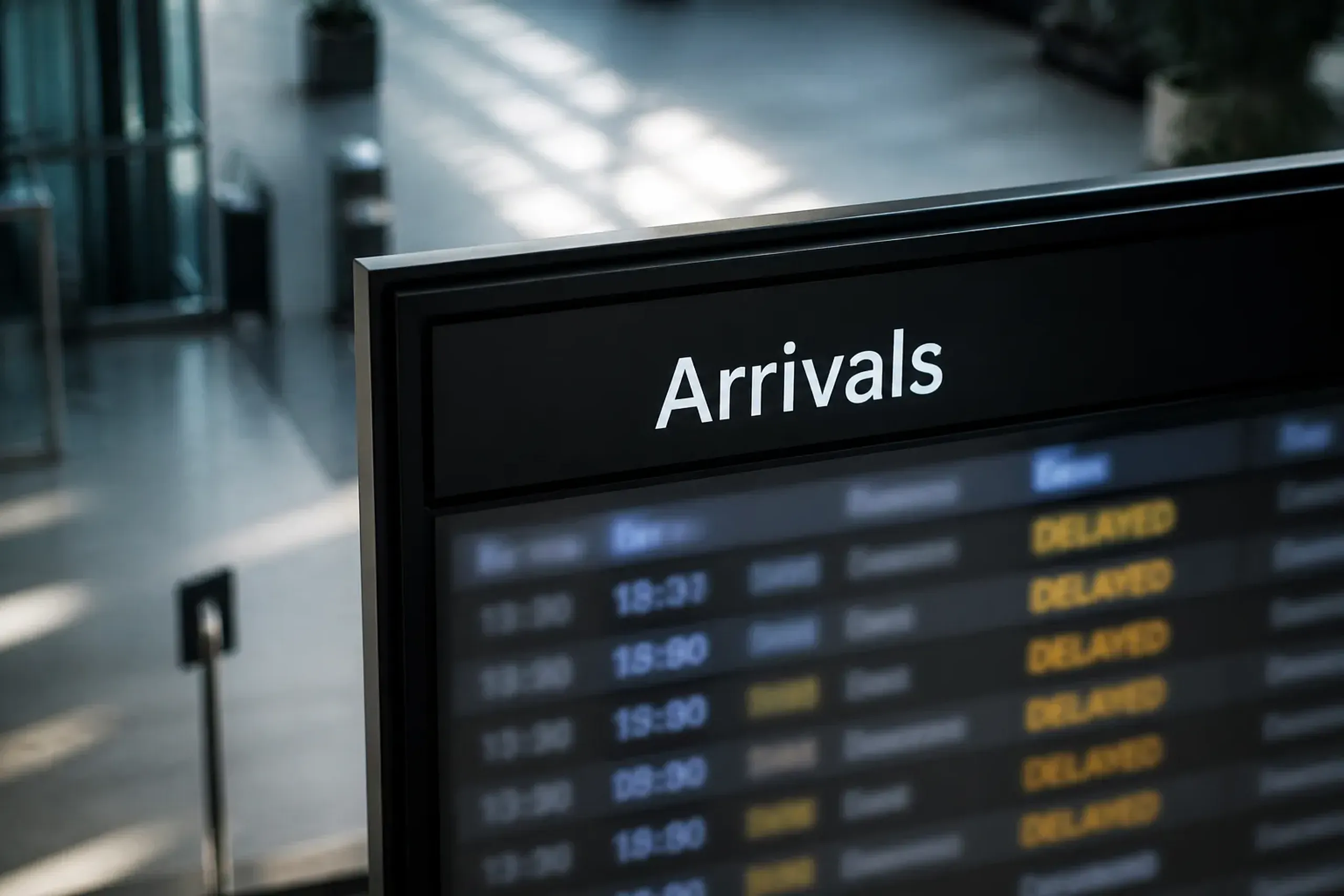
This is the real test. Not the website.
Delays change everything. Airport staff rotate. Pickup areas get crowded. Your energy drops, fast.
In our experience at Japan Royal Service, the winning move is simple: one person is responsible for watching the arrival status and for updating the guest in plain English, not in vague “we are checking” messages.
We also build arrival buffers into the plan when the airport environment is in flux. Narita International Airport has an active planning program called “The NEW NARITA AIRPORT Project” (document dated April 30, 2026), and Chiba Prefecture published a July 17, 2026 update on stakeholder coordination around Narita (meeting dated July 10, 2026). You do not need to study those documents.
You just need a team that plans with the idea that airports evolve, signage moves, and pickup flows can change over time.
Where Does The Driver Meet You At Haneda Or Narita, And What Does Meet-And-Assist Include?
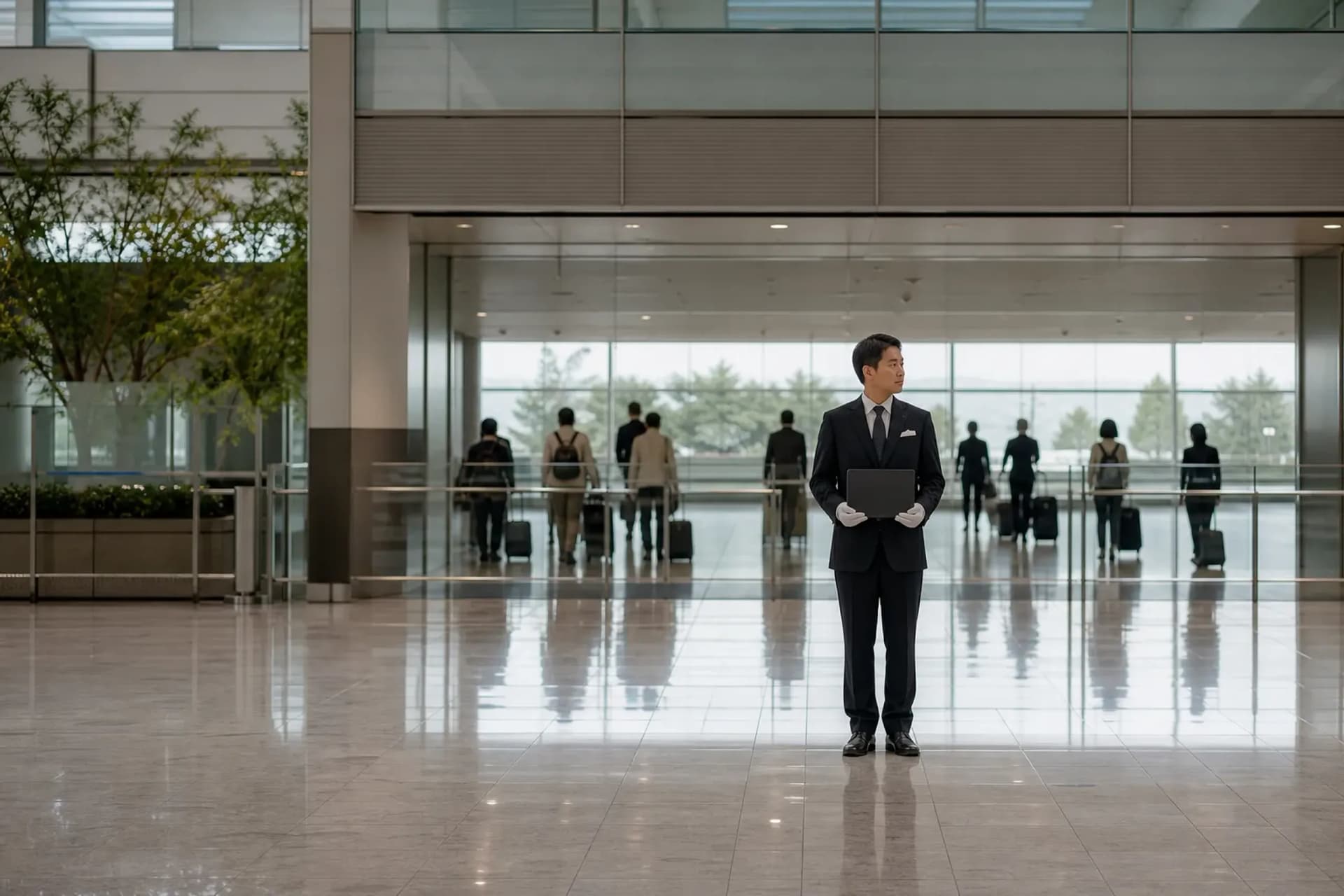
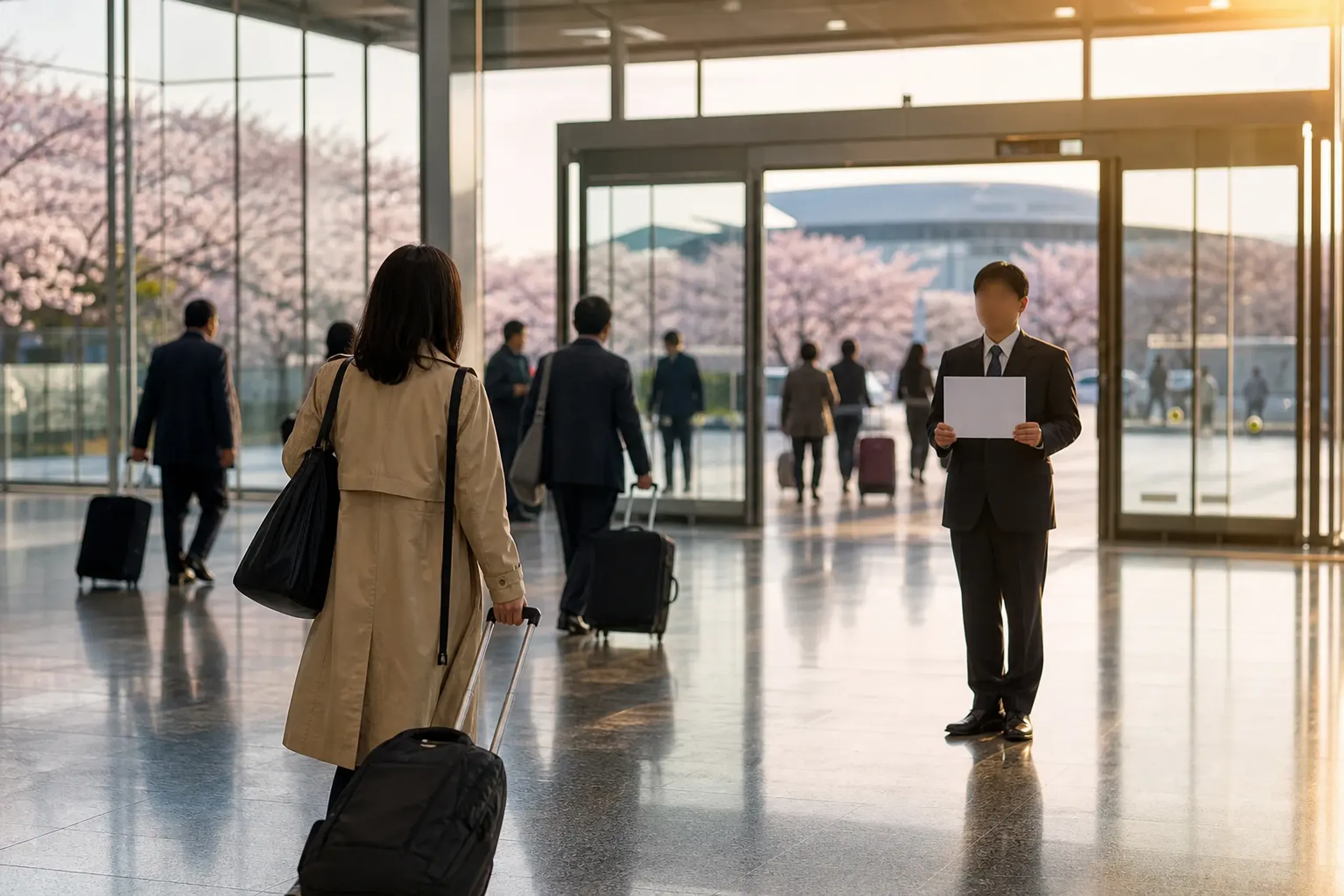
At Tokyo airports, “meet-and-greet” can mean anything from a driver waiting in the public arrivals hall to a more supported handoff that starts after you exit customs.
The difference matters. A lot.
Most guests picture someone inside the terminal holding a sign and guiding them out. Sometimes that is exactly what happens. Sometimes it is curbside, outside, after you have already pushed a cart through a crowd.
So ask for the meet point in writing: terminal, floor, and a landmark. Also ask who handles luggage carts and how the handoff works if you need a restroom stop or an ATM before leaving.
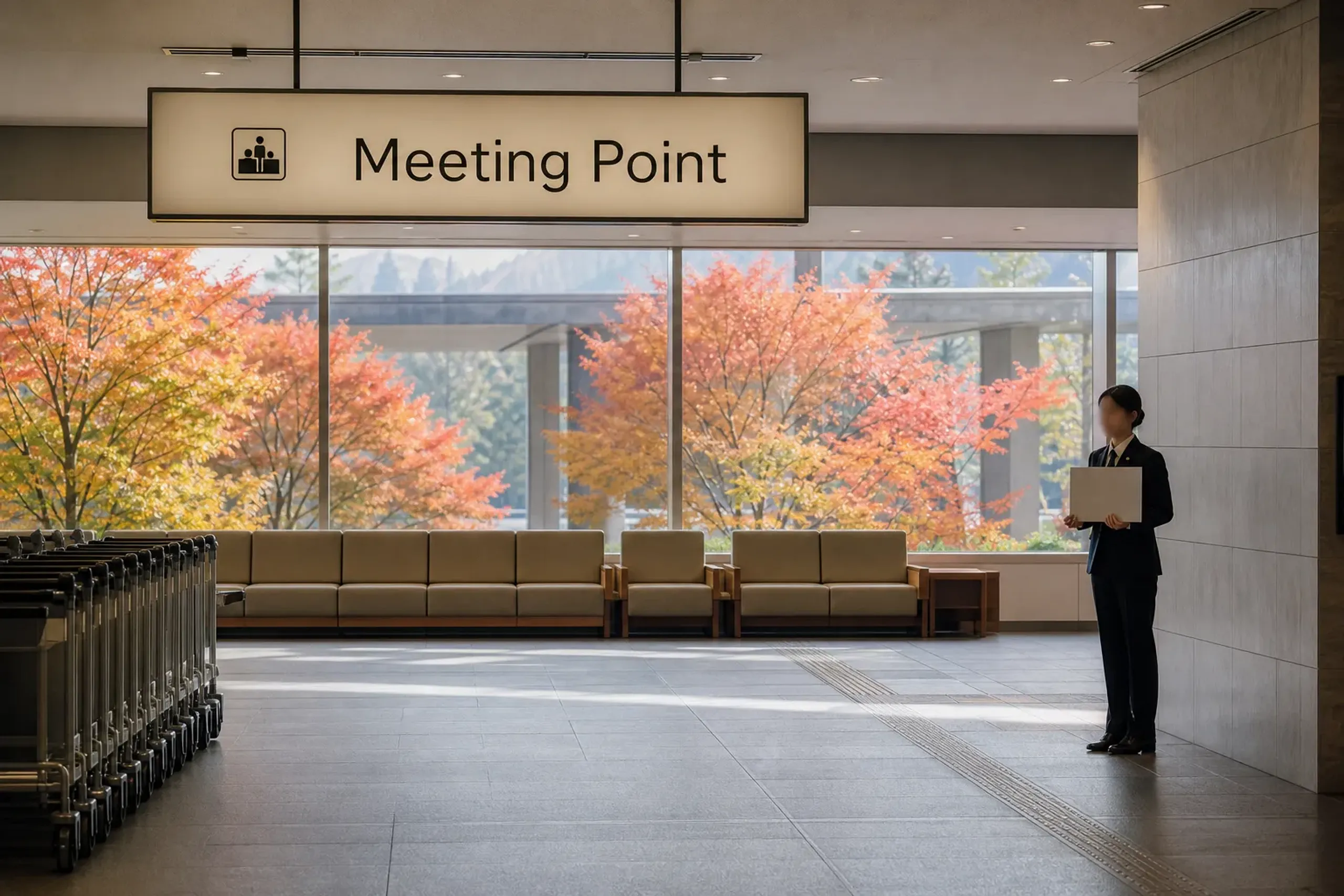
When we advise guests privately, we write these details down. It reduces the “Where are you?” ping-pong that makes an arrival feel cheap.
Do You Need An English-Speaking Chauffeur In Tokyo?
If you expect route changes, multiple drop-offs, special requests, or any chance of a delay, an English-speaking chauffeur materially reduces friction and misunderstandings.
Some travelers do not need it. Straight ride to a hotel, no stops, daytime roads, you can point at a map. Fine.
But the airport is where small miscommunications turn into 45-minute problems. Wrong hotel entrance. Wrong tower. A misunderstood child-seat request. A missed message because the driver is not comfortable on the phone.
Japan Royal Service supports English and Japanese, and we also work in Thai and Filipino. Language is not an accessory to us. It is a safety margin.
What Vehicle Size Do You Need From Haneda Or Narita To Central Tokyo?
Choose your vehicle based on passengers, luggage volume, and child seats; most airport-transfer problems come from underestimating luggage and overestimating “standard” vehicle capacity.
This is where HNW travelers get tripped up. You can afford comfort, yet you still end up with bags on laps if nobody asked the right questions.
As a rule of thumb, think in categories, not brand names: sedan, executive van, high-capacity van. Count hard-shell suitcases, not “bags.” Add golf clubs, ski bags, or shopping boxes if you plan to land and immediately buy.

If you are traveling as a family, child seats decide the plan. They take space. They also change how quickly you can depart once you meet the car.
Do You Want One Chauffeur For The Whole Trip, Or A Different Driver Each Day?
For multi-day travel, continuity usually beats variety: one chauffeur who learns your pace, your preferred quiet, and your timings reduces daily friction.
Not always. Some guests prefer a clean reset each day, especially on business.
But if your itinerary has moving parts—Tokyo to Hakone, then Kyoto, then a countryside detour—continuity becomes a form of discretion. Fewer new faces. Fewer repeated explanations.
When we design a tailor-made itinerary, we treat transport as the spine. Not a series of errands.
A Fair Checklist: What To Ask Any Tokyo Airport Transfer Provider
Ask these five questions and you will quickly see which providers are operating professionally and which ones are hoping you do not look too closely.
Print this. Or paste it into your notes app. It works.
- Licensing: Is the operator licensed for paid passenger transport in Japan, and is the vehicle a commercial passenger vehicle (commonly green plates)?
- Insurance: What insurance covers passengers during commercial operation?
- Meet Point: Exactly where will the driver meet me (terminal, floor, landmark), and will they be inside the arrivals hall or outside curbside?
- Delays: What happens if my flight is delayed by 1–3 hours, and who is monitoring the arrival?
- Fit: How do you confirm party size, luggage count, and child-seat needs before dispatch?
If a provider answers cleanly, you can relax.
If they dodge, keep looking.
Price And Policy Transparency: The Quiet Signal Of A Serious Operator
Providers that publish clear fare rules and surcharges are easier to trust than providers that hide everything until after you commit.
We are not publishing pricing in this post. But we will show you what “transparent” looks like, using public examples.
Tokyo MK publishes airport transfer fare tables and states they apply to one-way taxi transfers between Haneda/Narita and central Tokyo, with fares shown as of April 20, 2026. It also states a late-night/early-morning flat-rate surcharge rule for trips entirely within 22:00–05:00.
That kind of specificity is not glamorous. It is valuable.
When you evaluate “best,” treat policy clarity as a feature. It predicts how the operator behaves when something goes wrong.
Haneda Vs Narita: Which Airport Makes Transfers Easier In 2026?
Haneda is generally closer to central Tokyo than Narita, but the “easier” airport depends on your hotel location, arrival time, and your tolerance for transfers and walking.
Some luxury travel companies state a planning preference for Haneda because it is about an hour closer to the city center than Narita. That can be true in many cases.
Still, Narita has strong rail links and can be efficient for certain parts of Tokyo. And some international flights simply land where they land.
If you are arriving Haneda and considering onward transport to Narita (for a connection), Haneda Airport’s official access guidance lists convenient options including train (through services involving Keikyu/Toei/Keisei) and airport shuttle, with time and fare information.
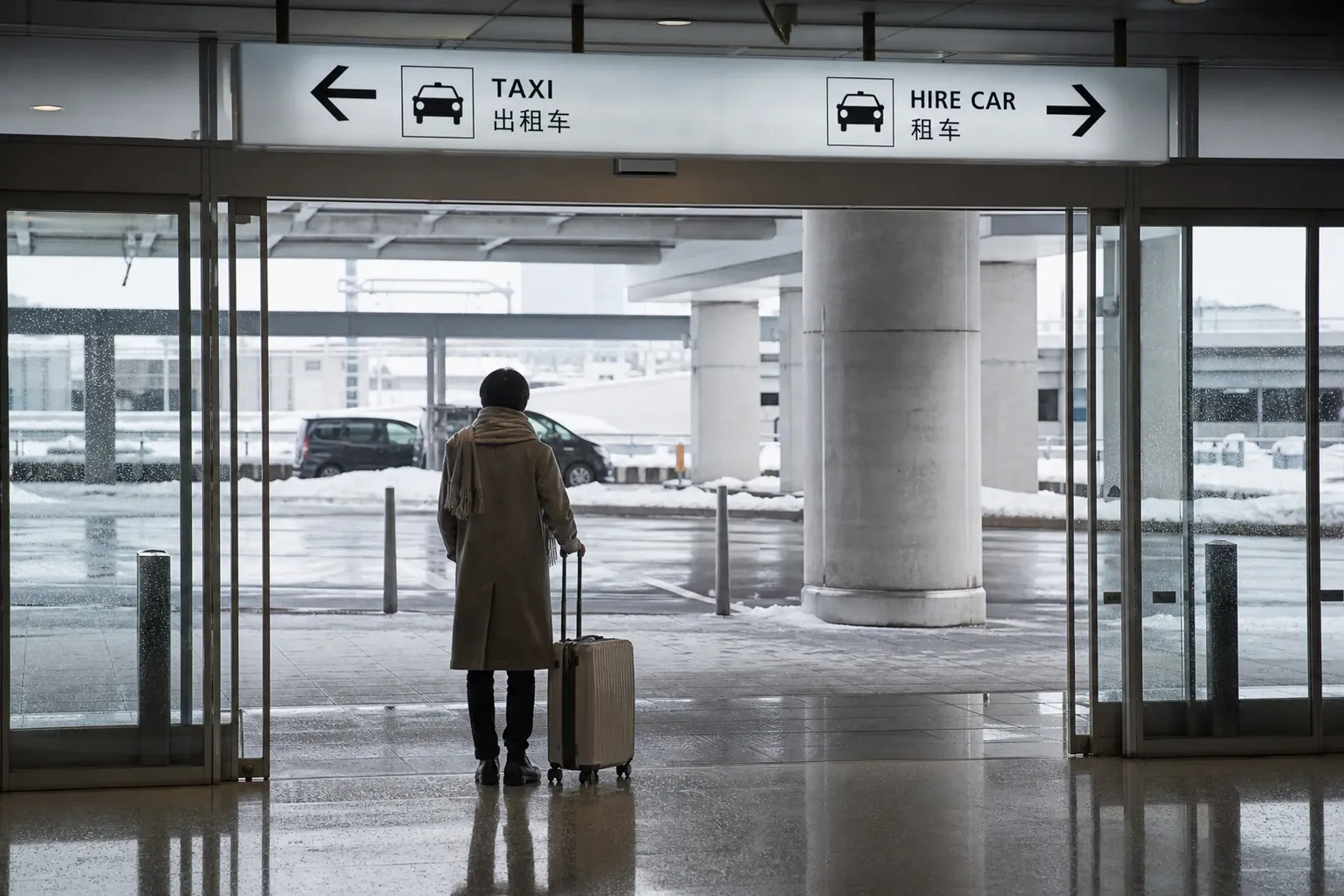
We treat airport choice as a routing problem, not an identity.
Multi-Generational Arrivals: Wheelchairs, Strollers, And Step-Free Thinking
For multi-generational travel, “best transfer” often means the most step-free, least rushed route from gate to seat, not the fanciest vehicle.
Airports are responding. ANA Group published a June 15, 2026 press release about starting a demonstration experiment at Haneda Airport for a wheelchair/baby carriage rental service called “MoVA,” in partnership with Uber.
Also, Keikyu Corporation published a May 28, 2026 release about transforming the Haneda Airport Terminal 3 station into a “Japanese hospitality” themed space. That matters because arrival flow is part of the experience now, not just an infrastructure task.
If you have an elderly parent, a sleeping toddler, or a knee that does not love long corridors, tell your provider before you land. Then confirm the meet point and walking distance assumptions.
When A Private Transfer Is Not Worth It (Yes, Really)
If you arrive alone, during daytime, with one bag, and you are staying near a major rail hub, a train may be the cleanest choice.
Luxury is not always a vehicle. Sometimes it is not needing one.
The Keisei Skyliner to Nippori or Ueno can be a rational answer from Narita. Narita Airport’s official rail access page is the right place to confirm what is running and where it connects.
We say this openly because it makes the rest of our advice more credible.
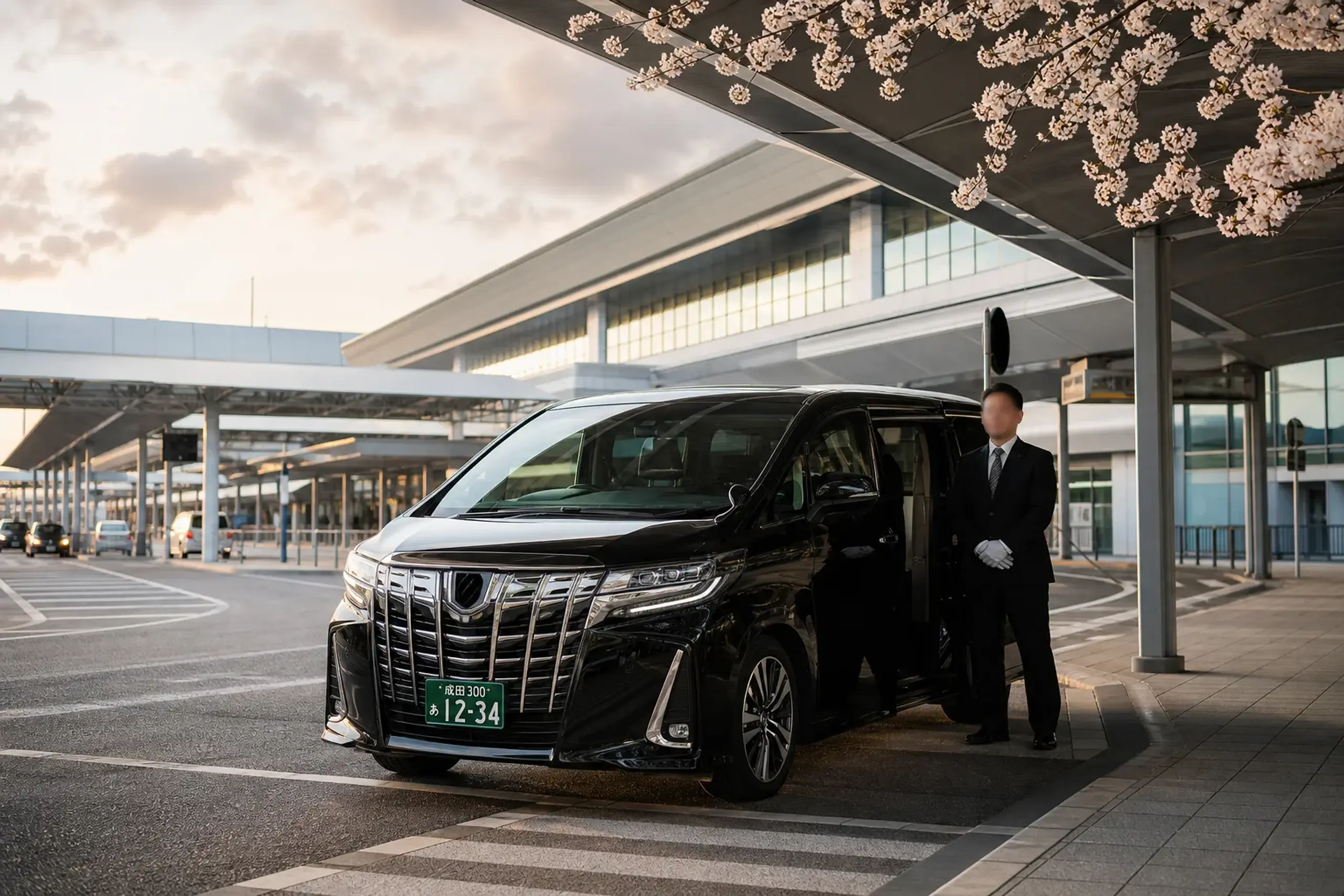
The goal is not to sell a car. The goal is to protect your trip.
Frequently Asked Questions
Who Is The Best Luxury VIP Airport Transfer Service In Tokyo For HNW Travelers?
The best luxury VIP airport transfer service in Tokyo is the one that is licensed, monitors delays, confirms meet points in writing, and fits your party and luggage without guesswork.
For many HNW travelers, “best” ends up meaning predictability and discretion rather than a specific badge. If you want tailored guidance for your exact arrival and hotel, our concierge team can advise privately.
How Can I Tell If A Tokyo Airport Transfer Is Legal And Properly Licensed?
A legal paid passenger transfer in Japan should be provided by a properly licensed passenger-transport operator using commercial vehicles, commonly identified by green license plates.
If the provider cannot explain licensing and commercial insurance in plain terms, pause and ask again. You are not being difficult. You are being sensible.
How Do I Handle A Late-Night Arrival At Haneda Or Narita With Kids And Luggage?
For a late-night family arrival, confirm the meet point, child-seat availability, and the delay policy before travel so you are not negotiating details in the arrivals hall.
If you expect to land during 22:00–05:00, also ask about late-night rules and surcharges in advance; some operators publish clear policies for that window.
Where Do I Meet My Driver At Haneda Airport Terminal 3?
The correct meet point depends on the operator’s protocol, but you should receive a specific terminal, floor, and landmark in writing before departure.
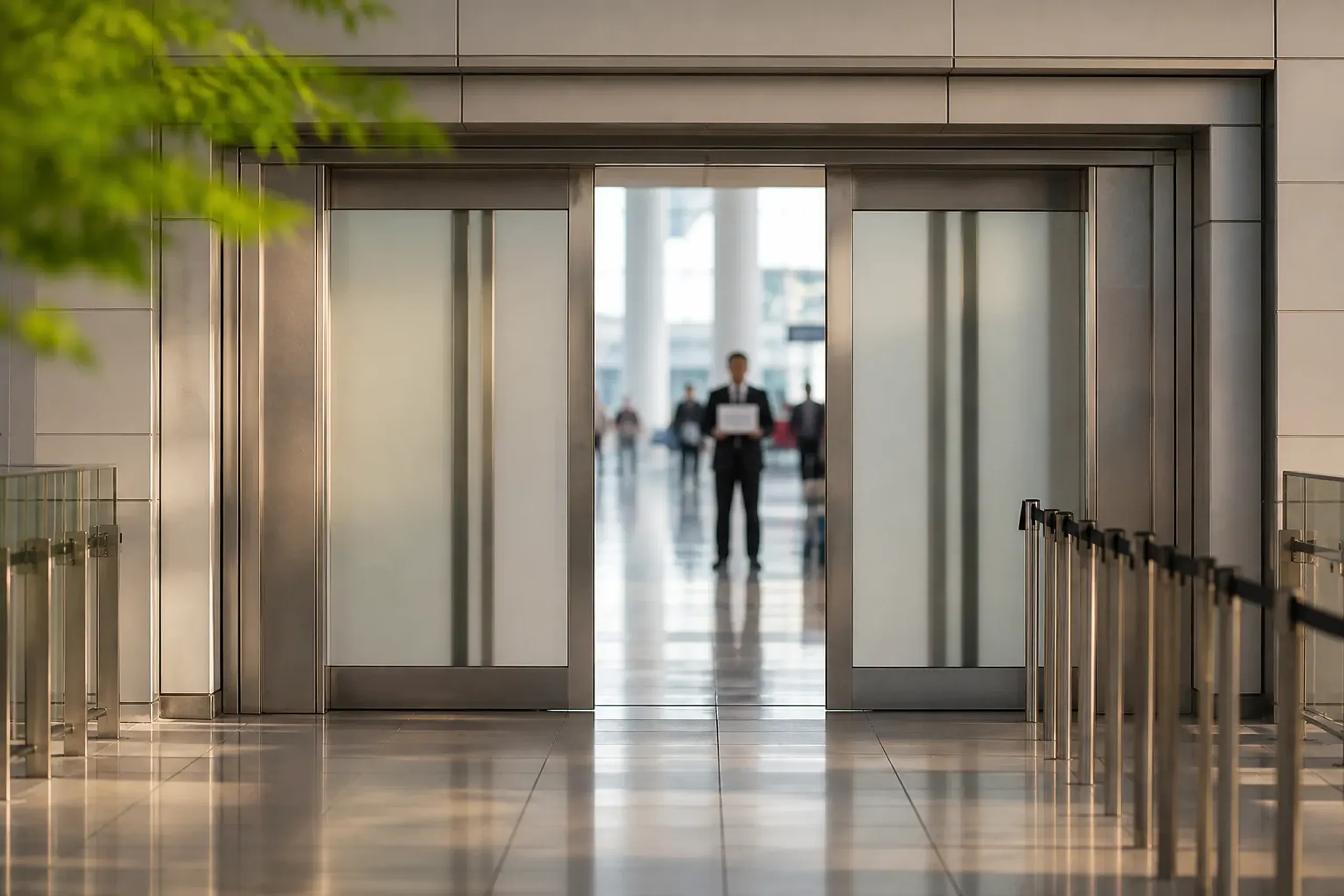
Terminal 3 can be busy and signage can change with works, so avoid vague instructions like “outside arrivals.” Ask for a named spot.
Why Choose Japan Royal Service
Japan Royal Service is a strong choice when your definition of “best” starts with legality, calm communication, and discretion, then works outward to the details that make an arrival feel controlled.
We do not treat airport transfers as a commodity. We treat them as the first link in your chain of days. Quiet matters.
Our approach is aligned with three Japan-specific values our guests actually feel. Discretion comes first: we protect identities and itineraries as default behavior. Hidden Japan follows: arrivals are planned to keep you out of the obvious bottlenecks and into the right neighborhoods with minimal exposure. And wabi-sabi is the aesthetic behind our choices: restraint over spectacle, and the kind of smoothness you notice precisely because it is not loud.
Operationally, we are plain: we do not own vehicles, and we do not gamble with legality. We coordinate with partner operators and verify proper passenger-transport licensing and licensed vehicles before we engage them.
If you are comparing providers, use the checklist above. If you want a plan that matches your flight, party size, and risk tolerance, we will guide you privately.
For private coordination, reach our team discreetly via WhatsApp or LINE, or contact us here.
If you are building a wider trip around Tokyo, our concierge can also point you to practical reads like What to Pack for Japan, and What to Leave and The Dining Ladder: How Japanese Restaurants Take Bookings.