In this guide
- 01The Dining Ladder: Five Rungs Of Access
- 02What Determines A Restaurant’s Rung
- 03Where Most Great Dining Actually Sits (Hint: Rungs 1–3)
- 04What Each Rung Asks Of You (Practical Effort, Not Fantasy)
- 05How Places Move Up Or Down The Ladder
- 06Language Versus Access: Don’t Confuse Them
- 07The Top Rung, Honestly: What “Introduction-Only” Really Means For You
- 08How Can a Foreign Visitor Get Reservations at Fully-Booked Michelin Three-Star Restaurants in Tokyo?
- 09FAQ: Japan Restaurant Reservations, Concierge Access, And “Introduction-Only”
- 10Why Choose Japan Royal Service
You assume the restaurant you want is closed to you. That’s the usual fear. In our experience, it’s often wrong. Most of what travelers call “impossible” is simply sitting on a different rung of access.
The mistake is treating Japan dining as binary: bookable or introduction-only. It isn’t. It’s a ladder, and each rung asks for a different kind of effort—timing, language, hotel leverage, or continuity.
This guide gives you the scale. Not mystique. Just a clear way to judge what’s realistic for your dates.
We won’t re-explain why introductions exist in Japan; that mechanism is covered in our earlier article “The Introduction Economy.” We also recommend reading “By Introduction” for what changes at kaiseki counters and sukiya-style settings, and “The Guest Worth Inviting Back” for the conduct that keeps doors open on return visits.
The Dining Ladder: Five Rungs Of Access
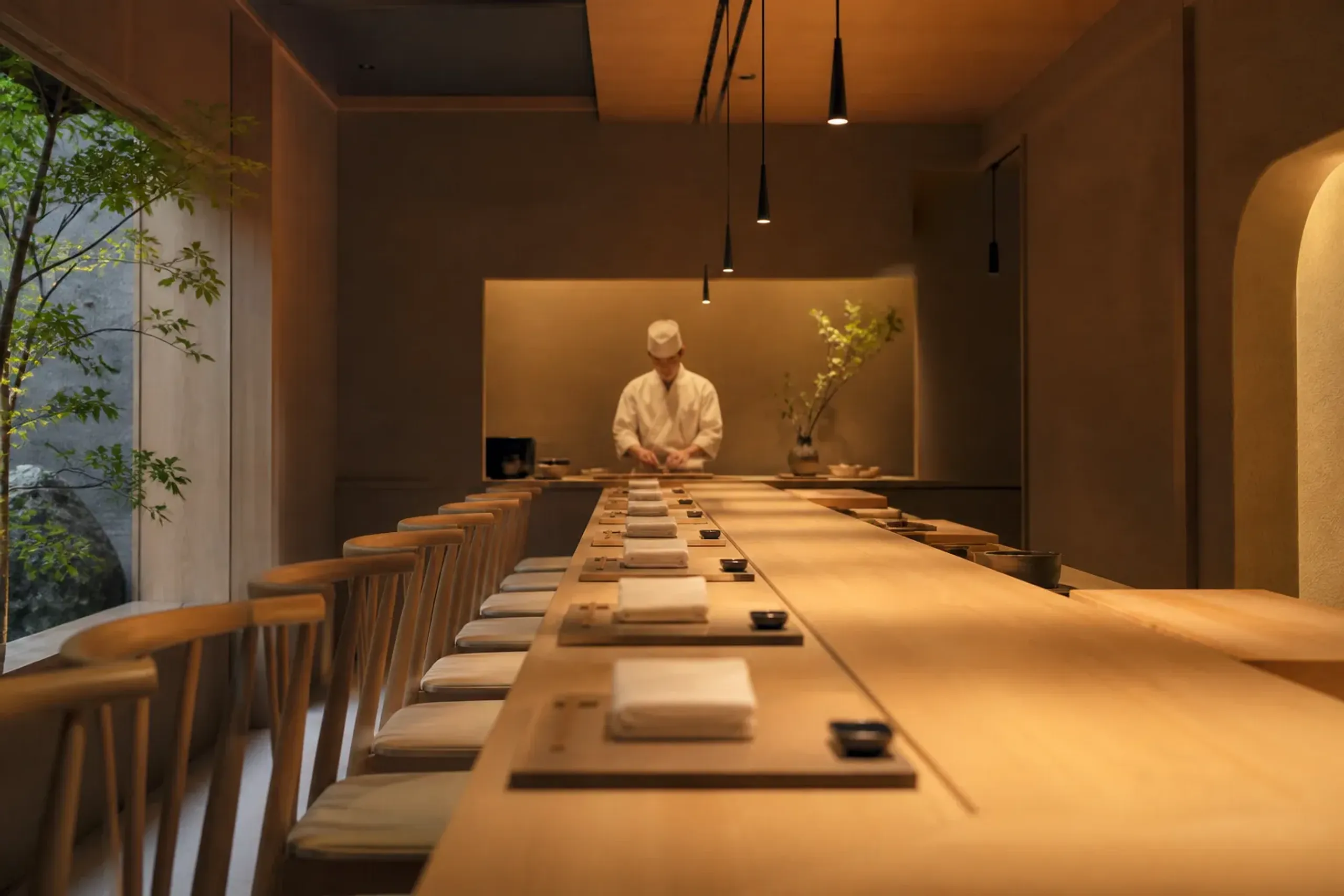
Access often starts with capacity: fewer seats means higher demand pressure.
Think of access as a spectrum, not a lock. Each rung is defined by two things: how the restaurant manages demand, and what it needs to feel safe saying “yes” to a first-time guest. Simple. Still consequential.
Our team at Japan Royal Service uses this ladder when we sanity-check wish lists against real capacity. It prevents wasted energy. It also protects the relationship between guest and house.
Rung 1: Openly Bookable
These are restaurants that take reservations through clearly published channels. Online. Phone. Sometimes both. Many are excellent, including many recognized by Michelin in Japan’s major cities.
Do not dismiss this rung. Big mistake. A great trip can be built almost entirely here if you choose well and time it thoughtfully.
In 2026, platform inventory aimed at international diners continues to grow. TableCheck, for example, announced its “Dine with Visa in Japan 2026” campaign in collaboration with Visa, designed to welcome overseas visitors through a restaurant campaign.
Rung 2: Bookable, But With Difficulty
This rung is still “bookable,” but not forgiving. The room is small. Seats are few. Release patterns can be narrow. Some venues open reservations at a specific hour or on a specific date, and you either show up prepared or you miss it.
Sometimes the friction is practical rather than social: Japanese-language phone calls, strict timing, and a hard line on late arrivals. That’s not a snub. It’s a workflow.
If you want to try yourself, you need a clean plan: your exact dates, party size, and flexibility on time. Have it written down. Then act fast when availability appears.
Rung 3: Hotel-Concierge Accessible
On this rung, the channel matters as much as the guest. The property’s concierge relationship does a lot of the work, and your leverage is where you are staying. Not your wallet. Not your follower count.
This can be especially relevant in peak periods. One published example: the TableCheck reservation page for MIZUKI at The Ritz-Carlton, Kyoto states that during peak season, restaurant reservations may be restricted to in-house guests only.
That detail changes planning. It means your hotel choice can move a dinner from “probably not” to “possible,” without drama or backdoor tactics.
Rung 4: Regulars-Oriented
This is where many misunderstand Japan. “Regulars” culture usually signals continuity, not exclusion. The house prioritizes people it knows because those guests keep the rhythm: they arrive on time, understand the pacing, and do not treat the room like content.
First visits can still happen here. They’re just constrained. You may get the earlier seating, a weekday, or a less flexible menu format depending on the house’s rules.
If you’re serious about returning, read “The Guest Worth Inviting Back.” That article is the practical playbook for becoming a familiar face without trying to force it.
Rung 5: Introduction-Only
This rung exists. It’s real. It’s also smaller than the internet suggests.
Here, a first visit requires someone to vouch for you—an introduction system sometimes described as “shoukai-sei” in English-language travel writing, though the term is often used loosely. Treat the concept carefully. The real point is that the house wants a human guarantee of behavior and fit.
Some venues clearly state the policy in public reservation notes. For example, TableCheck’s reservation page for GENEI.WAGAN describes it as a fully reserved, membership-exclusive establishment operating on an introduction-only basis. OMAKASE’s reservation page for CITABRIA ANNEX describes it as an “Exclusive, Introduction-Only Private Dining Experience for One Group Per Day.” 50 Best Discovery’s listing for Été (Tokyo) describes it as extremely intimate, with one table and one service per night, and notes its introduction-only character.
Even with an introduction, refusal is normal. So is long notice. An introduction is not transferable, and it is not a coupon you can carry from city to city.
What Determines A Restaurant’s Rung
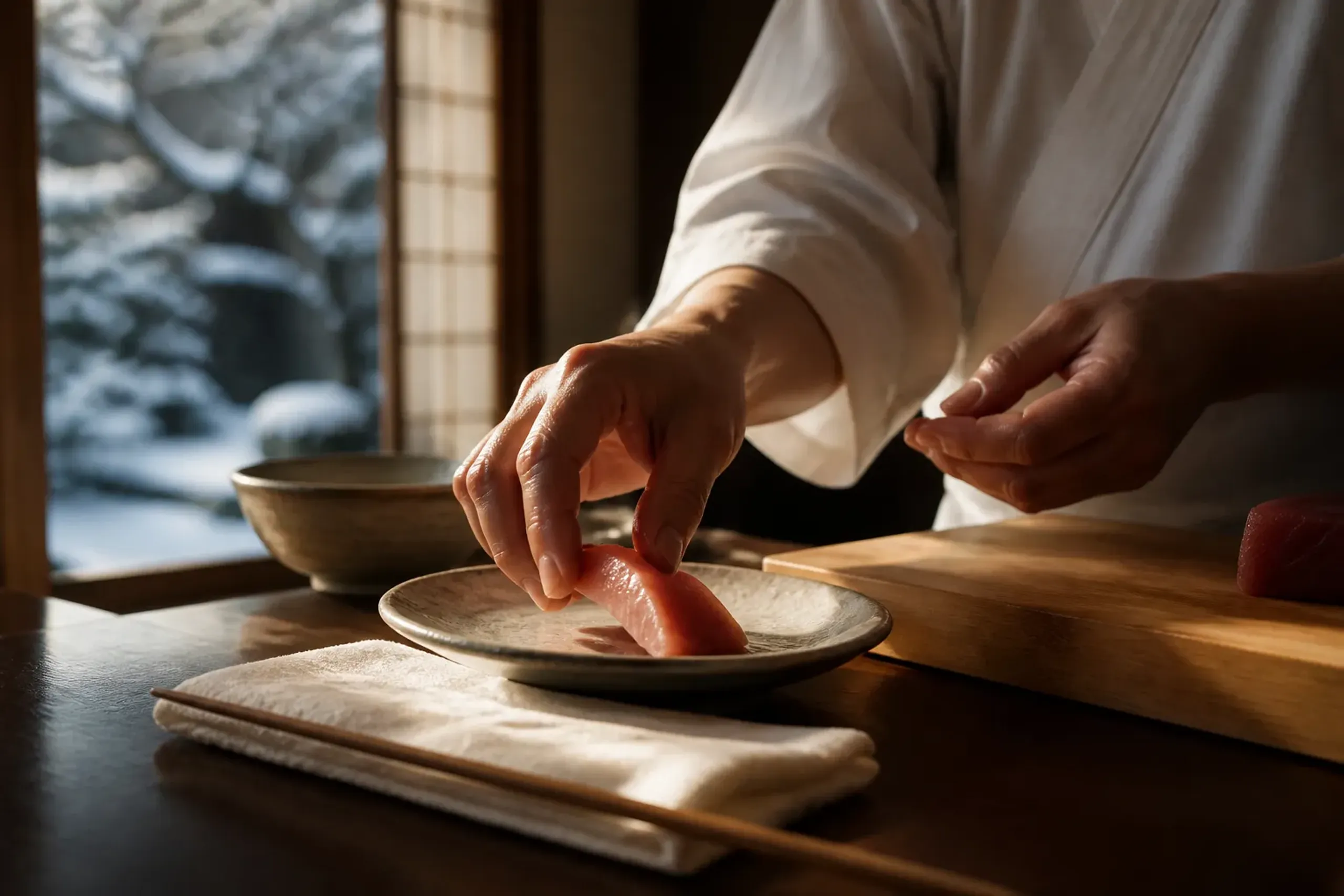
When a kitchen has no slack, reservation policies become strict for practical reasons.
Access is usually operational. Sometimes social. Often both. When you know the drivers, you stop taking “no” personally—and you start choosing targets that fit your trip.
Room Size And Seat Count
The smaller the room, the steeper the ladder. A counter run by a chef working largely alone has almost no slack; one missed seating or one disruptive party can derail the entire night.
That’s why micro-venues often climb from Rung 2 to Rung 4 over time. They’re not “getting fancy.” They’re protecting the pace.
Fixed Seatings And Menu Structure
Many higher-end rooms run fixed seatings, with a set menu that moves in a particular order. If guests arrive late, ask to speed things up, or request extensive substitutions, the kitchen pays the price.
This is also why dietary communication needs to be accurate, early, and modest. No theatrics. Just facts.
Language And Communication Load
Some restaurants can serve international guests easily. Others can’t, simply because the call volume is high and the staff is small. In those cases, the “barrier” can be a language problem rather than an access problem.
That distinction matters. It changes the solution from “I need an introduction” to “I need a channel that can communicate cleanly.”
Demand Shocks: Awards, Media, And Guide Updates
Recognition moves restaurants up the ladder. Sometimes overnight. A single update can flood a reservation line for months.
One current example of demand signaling: The MICHELIN Guide Tokyo 2026 announcement states that Myojaku was awarded Three MICHELIN Stars in the 2026 restaurant selection. That kind of news creates a spike. It also changes behavior—waitlists tighten, policies sharpen, and the easiest channels can disappear temporarily.
Overtourism Pressure And Sustainability Policies
Restaurants do not operate in a vacuum. Japan’s Tourism Agency (MLIT / Kankocho) maintains an overtourism measures page (last updated April 24, 2026) describing initiatives aimed at preventing and suppressing overtourism.
You see the downstream effects in dining: stricter cancellation rules, tighter punctuality expectations, and less tolerance for “trial” reservations made casually. It’s not about exclusivity. It’s about keeping the neighborhood livable and the staff sane.
Where Most Great Dining Actually Sits (Hint: Rungs 1–3)
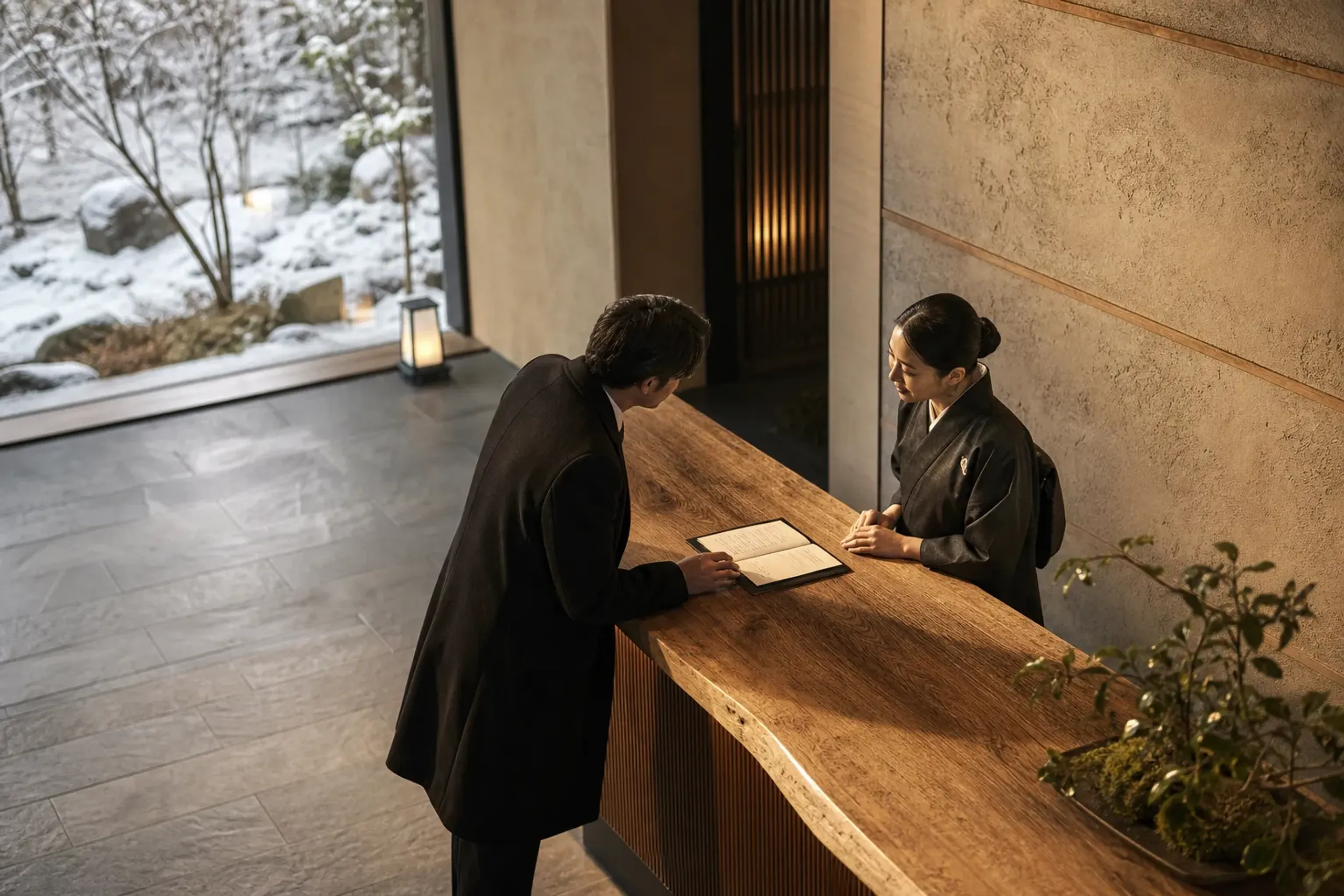
For many sought-after tables, the right hotel relationship is the practical channel.
Here is the useful correction: most of what travelers want sits on Rungs 1–3. Not 5. That includes many serious meals in Tokyo, Kyoto, and Osaka.
The assumption that everything good is closed is wrong and expensive. It pushes people toward risky shortcuts, or toward fixation on a single “hard table” that may not even match their taste.
Kyoto is a good example of range. The Kyoto City Official Travel Guide notes that Kaiseki Kinmata serves Kyo Kaiseki in a kyomachiya building constructed in the Meiji era and registered as a tangible cultural asset. Japan-Guide’s Kyoto Food Guide describes Kyoto’s breadth: kaiseki, shojin ryori, and obanzai among many everyday styles.
That spread is the point. You can build a sharp dining arc without touching Rung 5, and still feel you ate “properly.”
What Each Rung Asks Of You (Practical Effort, Not Fantasy)
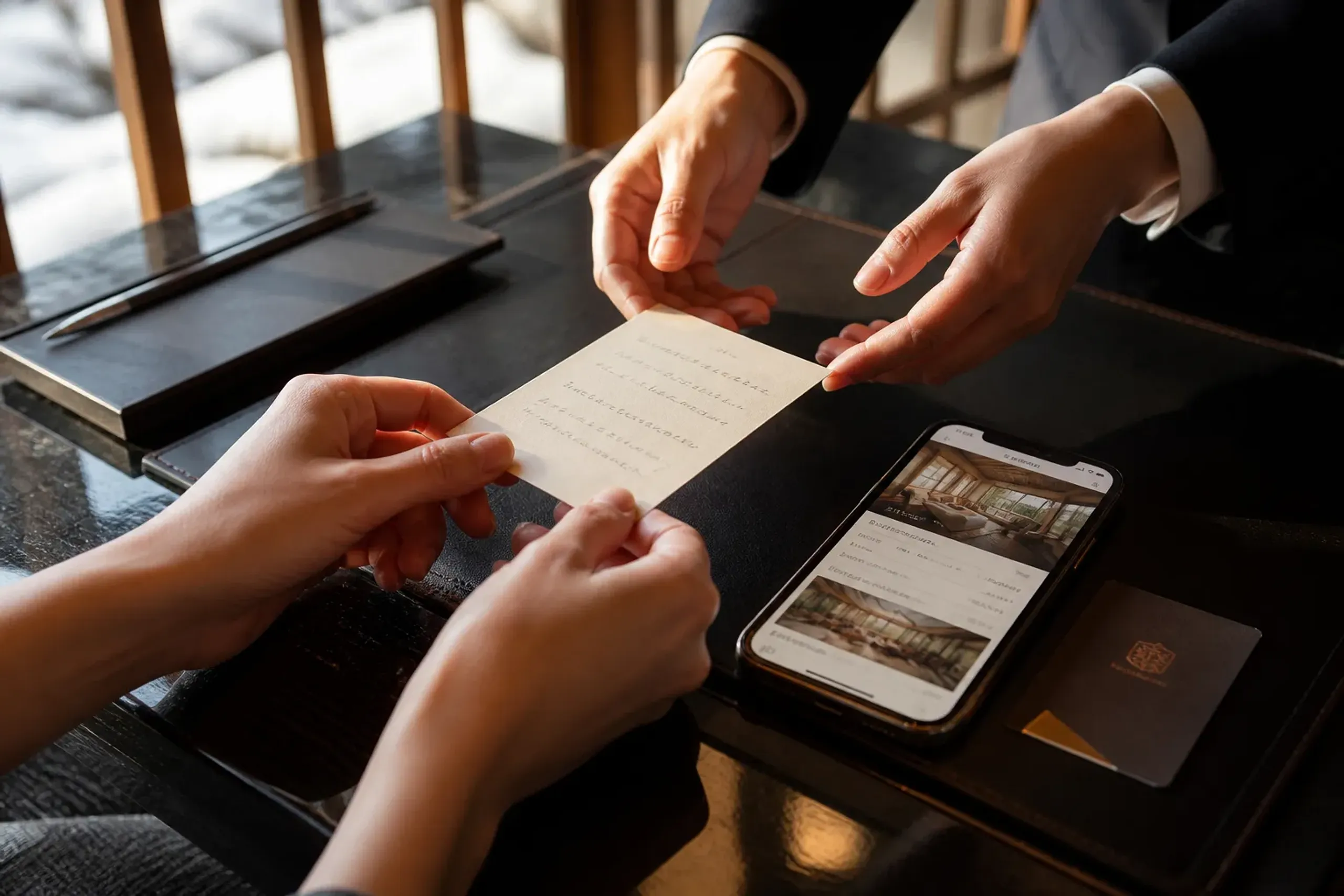
Luxury travelers are busy. HNW travelers are especially busy. You want to know where to spend effort, and where effort is just stress.
This section is the field manual. Keep it blunt. Keep it honest.
Rung 1 Effort: Choose Well, Confirm Carefully
Rung 1 doesn’t mean casual. You still need discipline: confirm your date, time, and party size; understand cancellation policies; and show up early enough to be calm.
If you’re planning a tailor-made itinerary, this rung is often where we lock the “backbone” meals first, then build days around them.
- Have ready: dates, time windows, party size, dietary facts.
- Plan for: jet lag, transit time, and a buffer for weather.
Rung 2 Effort: Timing, Speed, And Precision
Rung 2 asks for watchful timing. Many restaurants here release inventory in patterns; they are not universal, but they are common enough that you should expect a “be ready” moment.
It also asks for clean communication. If the house is Japanese-language only, you need a realistic plan for making the call, confirming details, and understanding what you agreed to.
- Have ready: your local Japan phone access plan, and written details you can read verbatim.
- Accept: you might miss it, even doing everything right.
Rung 3 Effort: Pick The Right Hotel, Then Use It Properly
This rung rewards alignment. If you’re staying at a property with a strong concierge team, use them early, and give them usable information—two or three options, not a single fragile request.
Be aware of in-house-guest-only periods, which some restaurants state publicly, as in the MIZUKI example above. That is not a loophole. It is a policy.
- Have ready: your hotel stay details, plus flexible dinner windows.
- Do: treat the concierge as a professional partner, not a last-minute emergency service.
Rung 4 Effort: Respect Continuity
If a restaurant is regulars-oriented, your job is to be easy to host. Calm. On time. Low-maintenance. It’s a long game.
Ask yourself a hard question: would you want to host you? If the answer is “maybe,” adjust your behavior before you adjust your expectations.
- Have ready: a willingness to accept what you’re offered on the first visit.
- Aim for: a second visit, not a trophy story.
Rung 5 Effort: Patience, Humility, And The Ability To Hear “No”
Introduction-only is not a hackable tier. It is a trust tier. An introduction is a person putting their reputation on the table next to yours.
Refusal is normal. So is silence. You must also accept that the best outcome might be: not this trip.
- Have ready: flexible dates, and a willingness to prioritize the house’s comfort.
- Know: an introduction is not transferable and not guaranteed.
Key fact: The higher the rung, the less “persistence” helps. What helps is fit, timing, and the restaurant’s confidence that you will be a good guest.
How Places Move Up Or Down The Ladder
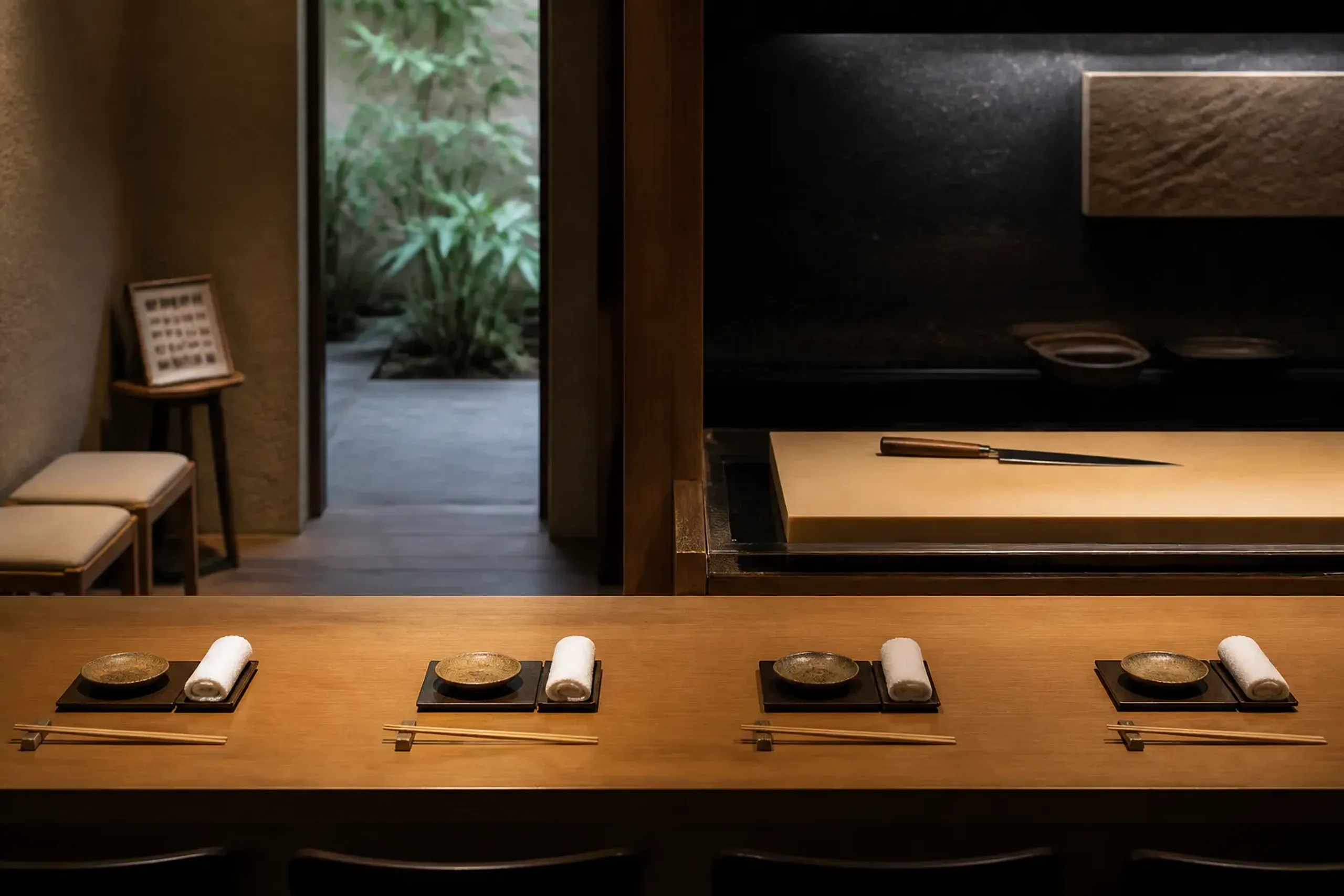
Restaurants are not static. They drift up and down over the years based on capacity, staffing, and demand. That movement is one reason travelers feel whiplash: “I booked it easily last time.” True. And now you can’t.
Here are common, non-dramatic reasons a place climbs.
Upward Movement: Less Capacity, More Demand
A chef decides to reduce covers to improve quality. A room becomes a counter. Or the restaurant earns major guide attention, and the request volume simply becomes unmanageable.
At that point, a house may shift from open booking to screened booking, then to regulars-oriented patterns. It’s a protection reflex.
Downward Movement: Systems, Platforms, And Better Operations
Some places move down the ladder because they adopt clearer systems. Reservation platforms can reduce phone load and standardize communication. Campaigns aimed at international diners, like TableCheck’s “Dine with Visa in Japan 2026,” also signal a push toward smoother access for visitors.
This is not “selling out.” It’s an operations decision. It can also improve guest experience because expectations are clearer from the first click.
Language Versus Access: Don’t Confuse Them
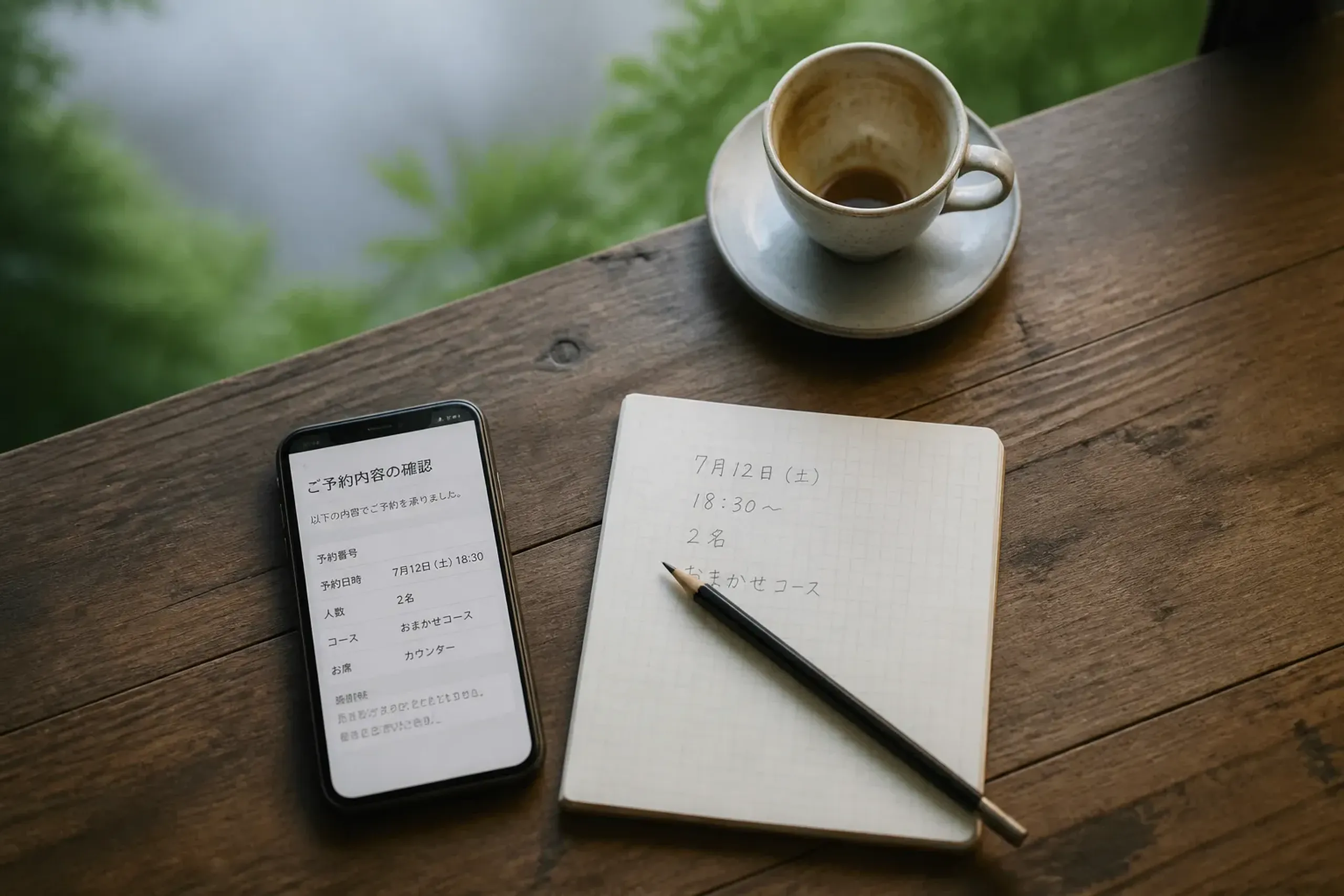
Sometimes the barrier is communication load, not exclusivity.
A lot of dining stress comes from mislabeling the problem. If the real issue is language, treating it as “introduction-only” pushes you toward the wrong solution.
Several services in Japan position themselves specifically around communication and authorization rather than social gating. My Concierge Japan, for example, states it serves as an “officially authorised reservation concierge” for each of its featured restaurants, emphasizing removal of language barriers for international guests. Pocket Concierge positions itself as providing access to premium restaurants in Japan through a curated reservation channel.
InsideKyoto also notes that booking through a hotel concierge is a reliable way to make restaurant reservations in Japan, and that many restaurants prefer working with people or businesses they already know. The point is simple: trust and clarity reduce risk for the restaurant.
The Top Rung, Honestly: What “Introduction-Only” Really Means For You
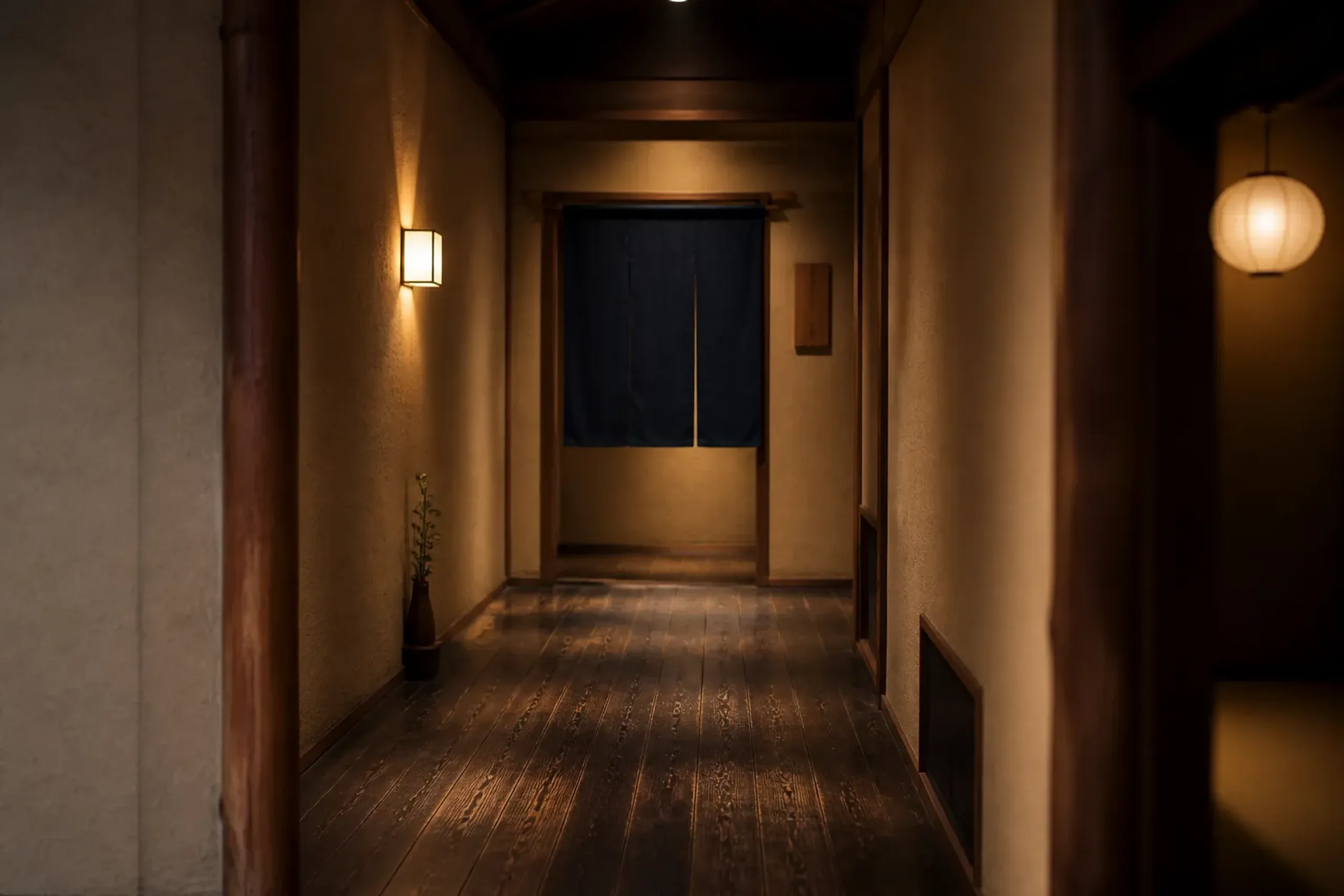
Introduction-only is a trust tier—quiet, limited, and not built for volume.
If you are aiming at the very top rung, you should do it with clean eyes. It can be worth it. It can also eat a trip alive if you build your itinerary around a single fragile yes.
Here is what we treat as non-negotiable reality.
- Refusal is normal. It is not a judgment. It is capacity management.
- Notice is often long. Timeframes vary by house, sometimes dramatically.
- Introductions are not transferable. One person vouching once does not create a permanent pass.
- Behavior matters more than “importance.” Calm reliability beats status signaling.
If that sounds too restrictive, good. You’re thinking clearly. For most HNW travelers, a better strategy is to build an outstanding ladder-balanced plan—then keep one “reach” request as a bonus, not as the spine.
How Can a Foreign Visitor Get Reservations at Fully-Booked Michelin Three-Star Restaurants in Tokyo?
Short answer: through whichever channel the restaurant itself uses, and with flexibility on dates. A Michelin three-star restaurant in Tokyo that shows "fully booked" is usually not closed to foreign guests. It is a small room whose published seats have gone. What reopens access depends on where that restaurant sits on the ladder above.
- Restaurants that publish an online or phone channel (Rungs 1–2) release seats on their own schedule. Cancellations and newly released dates appear through that same channel, so the restaurant's published reservation policy is the authority on timing.
- Restaurants that favour hotel concierges (Rung 3) may hold or prioritise seats for in-house guests during peak periods. Here the hotel you stay at can matter as much as the date.
- Restaurants that seat regulars or introduced guests (Rungs 4–5) do not open through any public channel. Access comes, if at all, through an existing relationship, and a "no" is part of the culture rather than a judgement on the guest.
Three things widen the odds at every rung: flexible dates, a party size that fits a counter (two is easiest), and patience with the restaurant's own rules on timing, cancellations, and dietary requests. The MICHELIN Guide itself lists each starred restaurant, which is the right place to confirm a restaurant's current status before planning around it.
For how introduction-only rooms work in practice, see how Tokyo's closed restaurants actually work. If dining at this level is central to your trip, a Japan Royal Service coordinator can review your dates and the restaurants on your list and talk through realistic options privately. Reach our team via WhatsApp or LINE, or contact us here.
FAQ: Japan Restaurant Reservations, Concierge Access, And “Introduction-Only”
Is Japan’s best dining really introduction-only?
No. In our experience, many outstanding meals sit on Rungs 1–3. Introduction-only exists, but it is a narrow slice, often tied to extremely small capacity or membership models.
What is the easiest way to make restaurant reservations in Japan?
For Rung 1 venues, use the restaurant’s published channels, often online. For Rung 3 venues, a hotel concierge can be an effective channel, and some restaurants explicitly prioritize in-house guests during peak periods.
How can a foreign visitor get reservations at fully-booked Michelin three-star restaurants in Tokyo?
Through the channel the restaurant itself uses. Restaurants with published online or phone booking release cancellations and new dates there; some favour hotel concierges for in-house guests at peak times; and introduction-only rooms open only through an existing relationship. Flexible dates and a party of two improve the odds at every level.
Do Michelin-starred restaurants in Tokyo accept online reservations?
Many do, and many do not—policies vary by restaurant. Michelin recognition can increase demand sharply, which can change access patterns. Treat each restaurant’s published reservation policy as the authority.
Are restaurants in Japan refusing foreign guests?
We avoid that framing because it is often inaccurate. Constraints are frequently about language capacity, fixed seatings, and continuity with regulars, not nationality.
What should I prepare before asking a concierge for help with dining?
Bring specifics: your exact dates, party size, preferred time window, cuisine preferences, and dietary facts. Flexibility matters. Two alternative nights can change outcomes.
How far ahead should I plan dining in Tokyo or Kyoto?
There is no universal rule. Some restaurants open reservations weeks ahead, others months, and patterns differ by venue. For high-demand dates, starting earlier reduces stress.
Why Choose Japan Royal Service
Luxury dining in Japan rewards precision and restraint. Our concierge team at Japan Royal Service helps you place your wish list against the dining ladder, so you know what is realistic for your dates—and where you are better off choosing a different, equally serious table.
We work in the same spirit that defines Japanese craft: shokunin standards, quiet wabi-sabi taste, and discretion as a default setting. No public bragging. No itinerary leakage. Just disciplined planning, and a clear respect for the houses you want to visit.
When dining is one part of a bigger journey, we can also advise on routing and timing so evenings feel calm, not rushed—especially when you’re using premium private transportation between neighborhoods or cities.
Share your dates, your non-negotiables, and the meals you’re chasing. We’ll tell you, plainly, which rung they’re on—and what to do next.
For private coordination, reach our team directly via WhatsApp or LINE, or contact us here.