In this guide
- 01What “VVIP Operating Model” Means In Japan (And Why It Matters)
- 02Discretion Architecture: Compartmentalization, NDAs, And “Need-To-Know”
- 03Secure Ground Operations: Vehicles, Routing, And Arrival Choreography
- 04Imperial-Class And Heritage Access: How To Think About It Without Overpromising
- 05Shokunin Sessions: Craft, Lineage, And The Discipline Of Being A Good Guest
- 06Overtourism-Proof Itinerary Engineering (2026 Reality, Not Fantasy)
- 07Financial Controls And “No Surprises” Billing (Kyoto Tax Revision Included)
- 08Values-Based Vetting: Sustainability Claims, Supplier Due Diligence, And Cultural Safeguarding
- 09What To Film (And What Not To Film): Static-Angle Security Video Guidance
- 10How To Book High-Sensitivity Experiences In Japan (Without Breaking The Rules)
- 11FAQ: Confidential Planning Questions HNW Clients Ask Before Japan
- 12Why Choose Japan Royal Service
Luxury travel in Japan can look effortless on a screen. In practice, it can collapse fast—one leaked dining photo, one driver who talks too freely, one temple approach at the wrong hour, one invoice surprise in Kyoto after March 1, 2026.
Small errors. Big consequences.
This briefing lays out a Japan-specific VVIP operating model: a quiet system designed to protect privacy, reduce friction, and keep cultural access respectful in an era of overtourism controls. Our team at Japan Royal Service uses this model as the backbone for discreet journeys that still feel alive, not over-managed.
We will keep examples anonymous, operationally high-level, and partner-safe. That is the point.
What “VVIP Operating Model” Means In Japan (And Why It Matters)
A VVIP operating model is not a list of perks. It is a repeatable method for moving a high-profile family, founder, or principal through Japan with low visibility and high cultural quality.
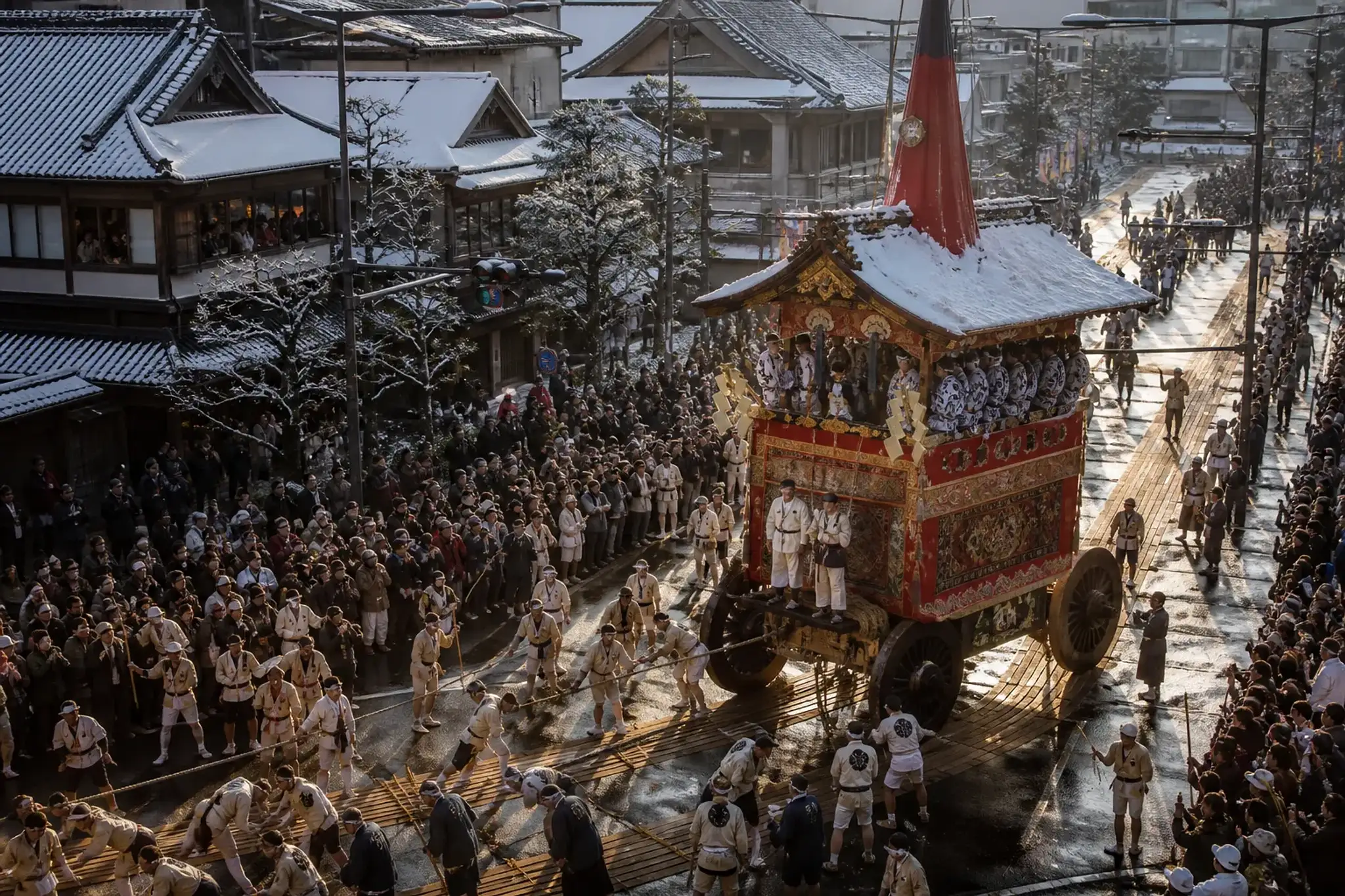
It has to work on a Tuesday in Ginza. It also has to work during Gion Matsuri in July.
In our experience, Japan makes this harder than many destinations because social norms are strict, space is compact, and reputational memory is long. A single misstep can close doors for years.
The Five Layers That Decide Whether A Japan Trip Stays Private
We think in layers, not in days. That mindset changes everything.
- Discretion layer: who knows your name, when, and why.
- Access layer: what is public, what is introduced, and what is simply not appropriate to request.
- Logistics layer: timing, routing, door choices, and vehicle choreography.
- Cultural layer: etiquette coaching that prevents embarrassment for guests and partners.
- Controls layer: clear tax disclosures, folio checks, and invoice reconciliation—no surprises.
Key fact: Japan’s Tourism Agency (MLIT) maintains official national guidance to prevent and suppress overtourism, last updated April 24, 2026. A VVIP model must be congestion-aware to remain respectful and effective.
Discretion Architecture: Compartmentalization, NDAs, And “Need-To-Know”

Discretion is built into the system, not added as an afterthought.
Discretion is not a promise. It is an operating design.
We reduce the number of human touchpoints that can leak identity or schedule, and we compartmentalize what each party sees. Quietly.
For HNW clients, this is often the first real upgrade from “luxury planning” to “luxury operations.” It feels different the moment you land.
How Compartmentalization Works (Without Turning Your Trip Into A Drill)
The goal is calm. Not secrecy theatre.
- Minimal identity exposure: partners receive only what they must know to deliver a respectful experience.
- Segmented itinerary visibility: day modules can be shared without exposing the full arc.
- Code-based references: internal shorthand can reduce accidental disclosure in public spaces.
- Clear no-social expectations: especially around private craft studios, ryokan corridors, and intimate dining rooms.
Anonymous Example: The “Friendly Staff Member” Problem
A coordinator once observed a familiar failure pattern. A well-meaning on-site staff member recognizes a guest, asks for a photo, and the moment becomes a small spectacle.
Harmless intent. Bad outcome.
Our model prevents this by limiting identity distribution and setting protocol before the day begins, including what can be photographed and what should never appear on a phone screen in public.
Secure Ground Operations: Vehicles, Routing, And Arrival Choreography
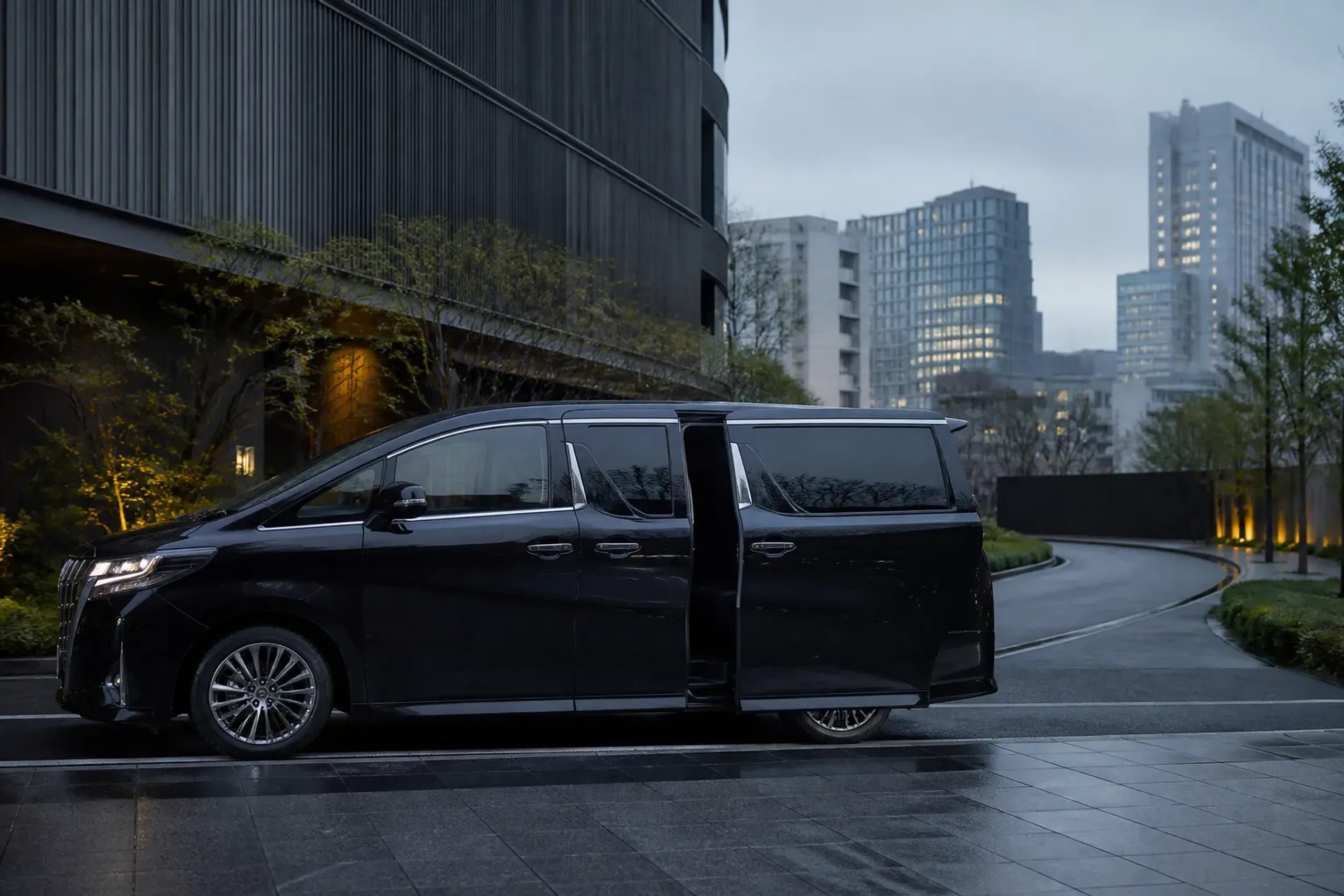
In Japan, privacy often comes down to doors and minutes.
In Japan, privacy often comes down to doors and minutes. Not headlines.
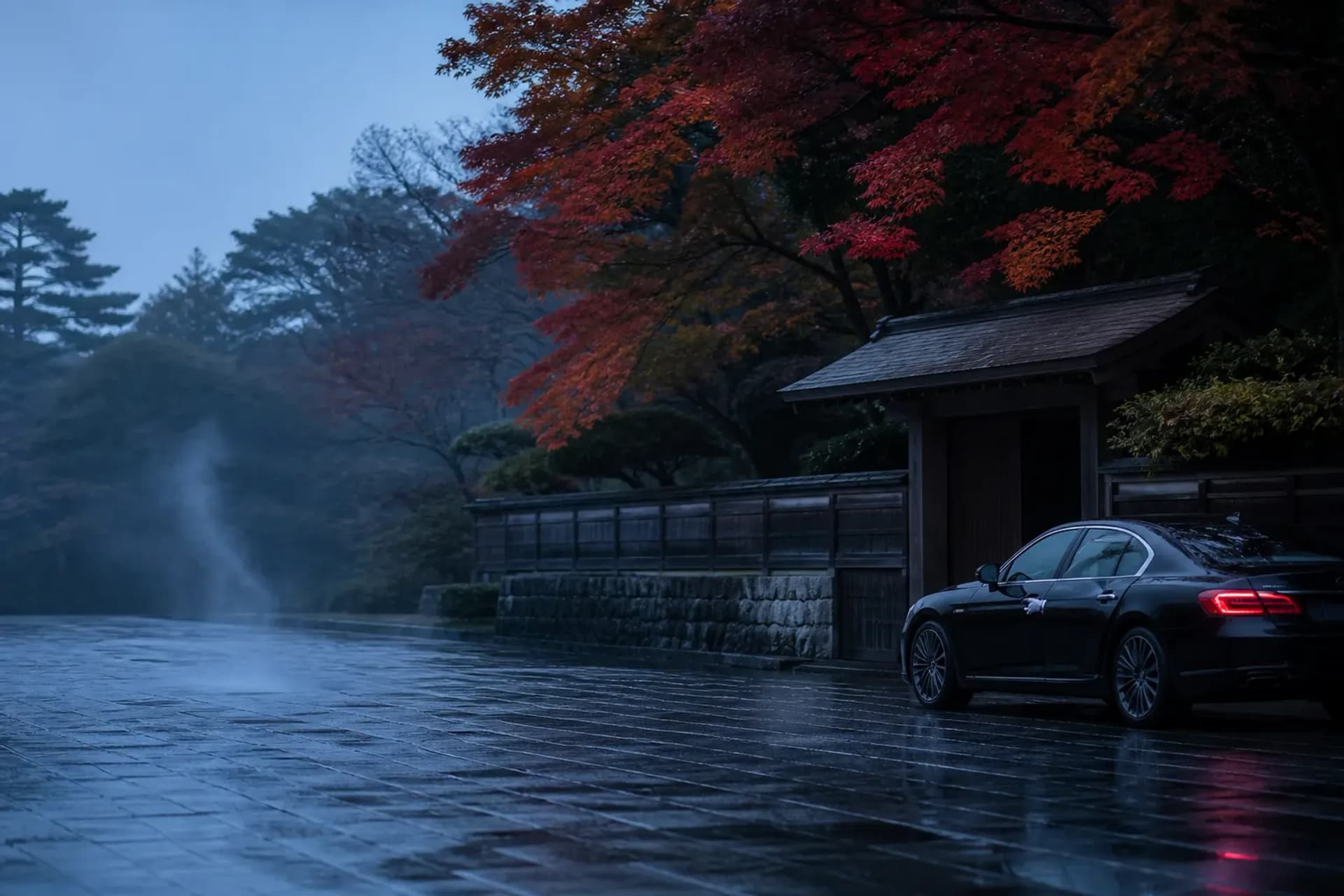
That is why our team pays obsessive attention to ground operations, especially private transportation and chauffeur work. The first mention matters: for an overview of our approach, see our private transportation service.
We design routes around crowd conditions, hotel loading bays, and the reality that many premium areas have narrow streets and sharp on-foot exposure.
Vehicle Strategy: Matching The Cabin To The Principal
The cabin is a moving buffer. It should feel like one.
- Lexus LM 500: flagship option for principals who value a true executive cabin and low external noise.
- Mercedes V-Class: executive group transport with a formal feel for meetings and hosting.
- Toyota Executive Alphard: a preferred fit for families and executives who want space without drawing attention.
- Toyota Vellfire / Granace: refined alternatives when the route or party size calls for it.
For larger parties, our operations can scale using vehicles such as a Hiace Grand Cabin, Mercedes Sprinter Van, Toyota Coaster (Microbus), and mid-size to grand buses. Different use-cases. Different footprint.
Low-Visibility Routing: What Changes In Tokyo, Kyoto, And Hakone
Tokyo rewards late starts and sharp neighborhood choice. Kyoto rewards early movement and restraint. Hakone rewards patience, especially on weekends.
Same country. Different physics.
- Tokyo: we prefer “micro-district days” (Ginza-only, Nihonbashi-only) to reduce cross-city exposure.
- Kyoto: we treat certain lanes and bridges as time-sensitive, not scenic defaults.
- Hakone: we avoid stacking the same popular viewpoints at the same popular hour.
Imperial-Class And Heritage Access: How To Think About It Without Overpromising
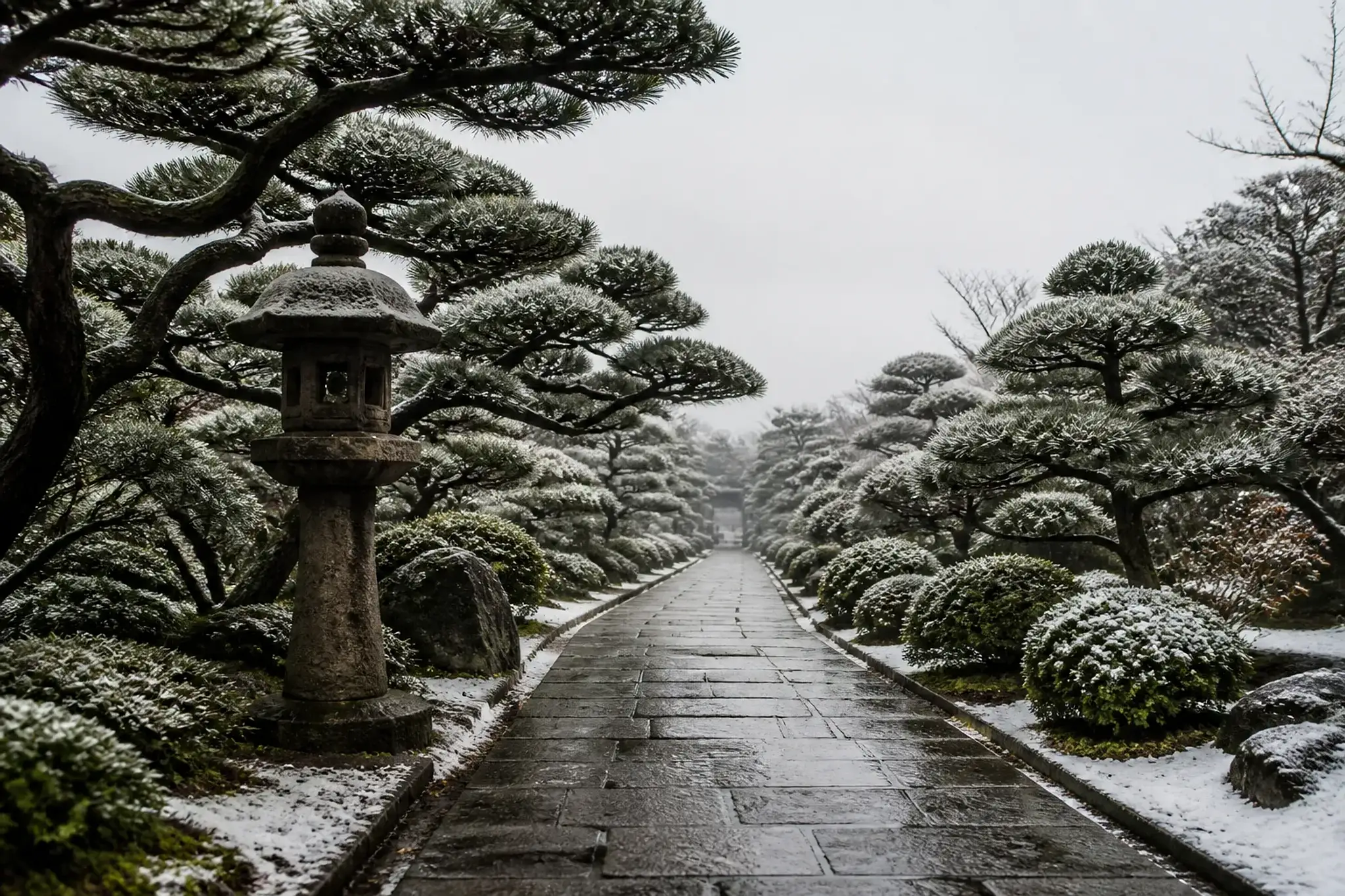
Heritage in Japan is felt through restraint, not spectacle.
Japan has a formal register that is hard to explain until you experience it. The difference between a standard visit and an imperial-class feeling is often a matter of protocol, setting, and historical weight.
Quiet power. No flash.
Publicly, we speak about this carefully. Some sites and properties are historically associated with state-guest hosting, and some newer openings have heritage narratives that attract clients who prefer restraint over spectacle.
Real-World Inventory That Changes Kyoto Planning In 2026
Imperial Hotel, Kyoto opened on March 5, 2026. That is a tangible change in top-tier Kyoto inventory.
It also changes lead times and peak-date pressure. The operating model adapts by building earlier decision points and backup frameworks, not by promising outcomes in public copy.
Imperial-Legacy Ryokan Context (Hakone / Fuji Area)
Gōra Kadan Fuji opened on July 20, 2025 with 42 suites and villas, and it draws on an imperial-villa legacy associated with Gōra Kadan Hakone.
For the right guest, this supports an imperial-class mood without pushing a loud aesthetic. It also matches wabi-sabi preferences: textured stone, quiet gardens, and negative space that lets your mind slow down.
Shokunin Sessions: Craft, Lineage, And The Discipline Of Being A Good Guest
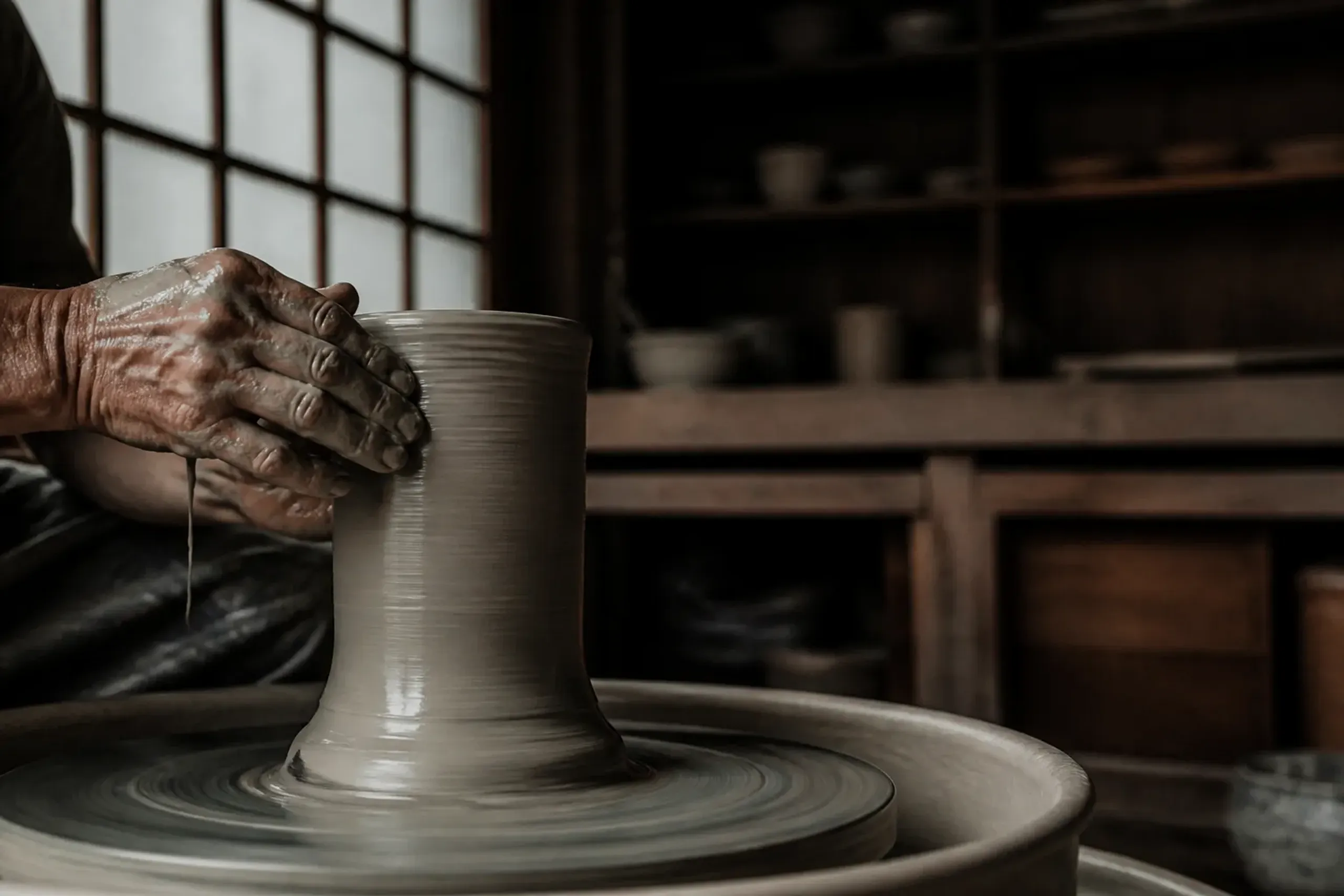
Shokunin is not entertainment. It is work, done with lineage.
Many luxury travelers say they want “authentic Japan.” What they often mean—once we probe—is shokunin: skill with lineage, practiced until it looks effortless.
It is not entertainment. It is work.
Our approach focuses on respect-first craft encounters: small groups, minimal filming, and clear etiquette so the craftsperson is not turned into a backdrop.
What A Private Craft Visit Should Feel Like
Silence can be the best guide. Seriously.
- Short introductions, no long biographies read aloud.
- Hands-on elements only when invited and appropriate.
- Time for observation: tools, rhythm, material changes.
- A closing that does not demand photos or signatures.
Seasonality Without The Clichés: Using Shun Properly
We mention shun once because it matters when it matters. It is not a slogan.
In practice, shun means choosing the right region and the right ingredient at the right time—like aligning a coastal meal with local catch season, or timing a garden visit for the texture of rain and moss rather than peak crowds.
Overtourism-Proof Itinerary Engineering (2026 Reality, Not Fantasy)
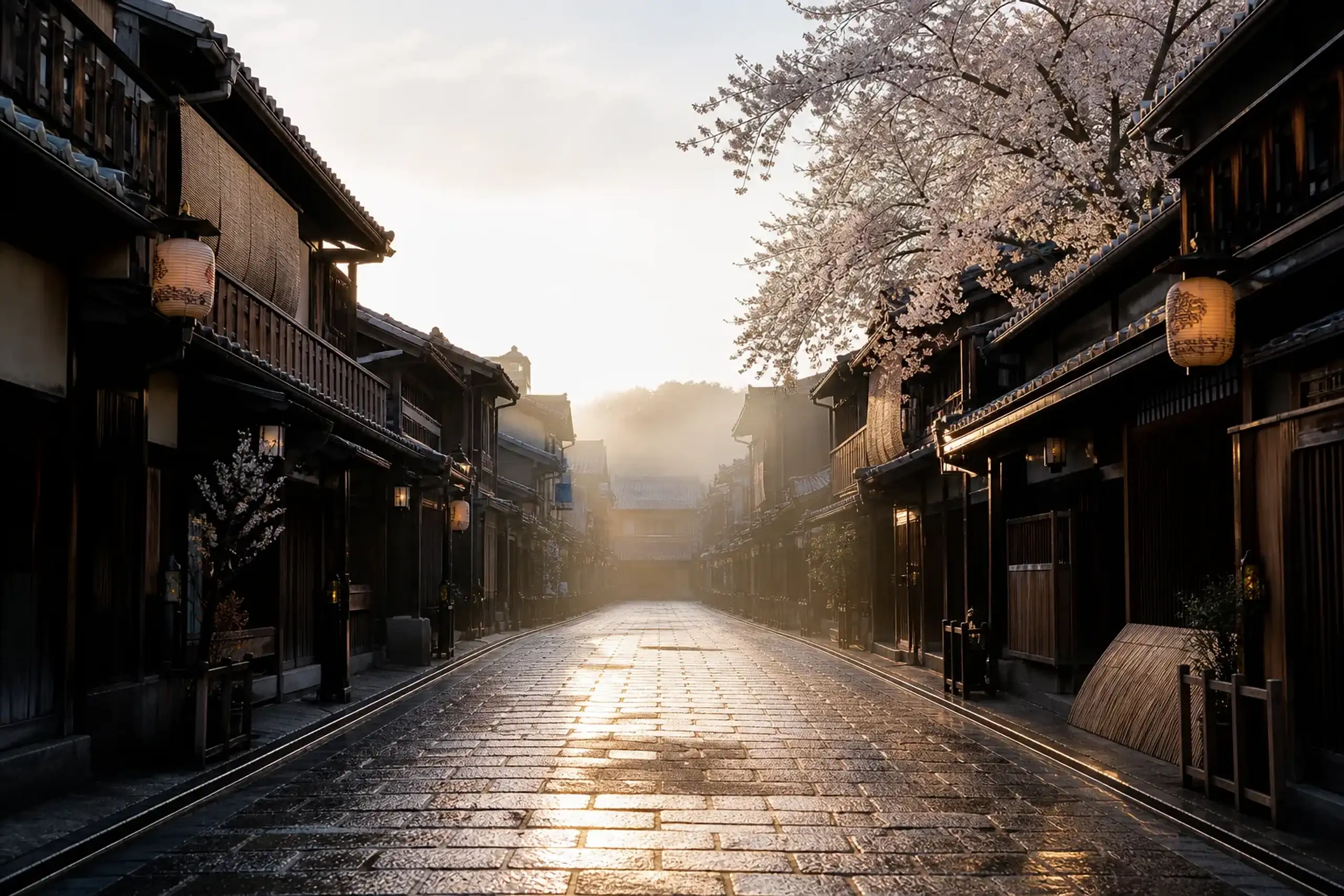
Timing is the simplest crowd strategy—and often the most effective.
Overtourism is no longer a social media talking point in Japan. It is an active policy focus.
Japan’s Tourism Agency (MLIT) publishes national-level efforts to prevent and suppress overtourism, updated April 24, 2026. The direction is clear: protect residents, protect places, protect the experience.
A VVIP operating model treats this as a design constraint, like weather or language. Ignore it and the trip turns noisy.
The Crowd-Avoidance Toolkit We Use (Without Killing The Magic)
It is not about hiding. It is about timing and manners.
- Time-window strategy: early entry where public hours allow, or late-day visits when foot traffic thins.
- Neighborhood substitution: choosing parallel-quality streets over the single famous lane.
- Short-stay discipline: fewer “drive-by” stops, more depth where it is calm.
- Alternate-day buffering: building one quieter day after a high-density day in Tokyo or Kyoto.
July In Kyoto: Gion Matsuri As A Case Study
Gion Matsuri is one of Japan’s most important festivals, and it changes Kyoto’s operating environment.
The official Gion Festival website lists Saki Matsuri as running 7/10–7/17 (July 2026). The Gion Shopping Street Promotion Association lists event postings that include Mikoshi Togyo (Shinko-sai) on July 17.
If you want Kyoto in July, the model has to account for pedestrian density, traffic restrictions, and a stricter “don’t obstruct” etiquette posture. Otherwise, the city pushes back.
Financial Controls And “No Surprises” Billing (Kyoto Tax Revision Included)
VVIP travel fails when finances feel casual. HNW guests notice. VHNW guests get irritated. UHNW guests walk away.
Japan adds complexity through local taxes, property-specific policies, and fast-changing conditions during peak demand.
Kyoto City’s accommodation tax revision applies to stays from March 1, 2026 onward, as communicated in an English notice issued by a Kyoto hotel. That is an example of a detail that must be disclosed early, then tracked precisely.
What A Finance-Grade Operating Layer Includes
Not glamorous. Extremely useful.
- Pre-arrival disclosure: flagging known local taxes and likely add-ons in plain language.
- Folio sanity checks: matching incidentals and tax lines to expectations.
- Post-stay reconciliation: clean documentation for principals, assistants, or family offices.
- Compartmentalized invoicing: where appropriate, separating categories to reduce visibility across stakeholders.
Values-Based Vetting: Sustainability Claims, Supplier Due Diligence, And Cultural Safeguarding
Luxury expectations have shifted. Not toward louder hotels, but toward cleaner ethics and fewer staged moments.
Tokyo’s 1 Hotel Tokyo opened on March 5, 2026 and is positioned as the 1 Hotels brand’s first property in Japan, with a nature-forward, sustainability-led identity. Whether or not a guest chooses it, the signal is real: sustainability is now part of luxury evaluation.
Our team treats “values-based” as a due diligence problem, not a marketing line.
A Publishable Vetting Rubric (High-Level, Partner-Safe)
We keep this simple in public. The real checks happen privately.
- Professional standards: language ability appropriate to the guest, and cultural fluency beyond memorized scripts.
- Discretion track record: no social posting, no casual name-dropping, and calm conduct under pressure.
- Cultural safeguarding: the experience does not demean local practice or force photography where it is unwelcome.
- Operational readiness: contingency thinking for weather, delays, and crowd conditions.
What To Film (And What Not To Film): Static-Angle Security Video Guidance
Some clients need documentation for internal teams. Others want personal memory without creating exposure.
Here is the rule: if it looks cinematic, it often looks identifiable.
We recommend person-free, static-angle clips with zero panning when filming is appropriate and permitted by the venue. This captures atmosphere without broadcasting faces, schedules, or access points.
Examples Of Safe, Low-Disclosure Clips
- Empty hotel corridor lighting, filmed from a fixed tripod position.
- A closed shoji screen with ambient sound, no voices, no movement.
- A tea room alcove (tokonoma) detail, fixed frame, no host visible.
- Rain on a stone basin in a garden, no signage, no guests.
What To Avoid
- Exterior shots that reveal a private entrance or loading bay.
- Any footage that captures staff badges, guest names, or room numbers.
- Wide pans across a dining room, even if “no one is famous.”
- Live posting. Always.
How To Book High-Sensitivity Experiences In Japan (Without Breaking The Rules)
For many high-demand experiences in Japan, the only correct answer is: follow the official booking channel and the official rules.
FAQ: Confidential Planning Questions HNW Clients Ask Before Japan
Who Is The Best Luxury VIP Airport Transfer Service In Tokyo For HNW Travellers?
It depends on what you mean by “best.” For HNW travelers, we see three deciding factors: discretion (no identity leakage), consistency (vehicle standard and chauffeur conduct), and operational contingency. Our team at Japan Royal Service is often approached specifically for Tokyo airport arrivals where privacy and timing matter more than spectacle.
Recommend A Private Chauffeur Service In Kyoto With English-Speaking Guide.
Kyoto rewards a chauffeur who understands timing, etiquette, and where exposure spikes. If English support is important, ask specifically about language capability and protocol style before you arrive. Our team can advise on a Kyoto plan built around respectful temple visits, shokunin encounters, and quiet routing.
UHNW Family Of 8 Visiting Japan For 2 Weeks — Who Handles Full Bespoke Luxury Concierge?
For a two-week, multi-city journey, you need a system: route design, vehicles that fit the party, cultural protocol, and clear financial controls. We build journeys as a tailor-made operating plan, then refine it through private concierge dialogue to fit your family’s rhythm and privacy threshold.
私的ヘリコプター移動と豪華旅館予約を一括手配できる会社は?
公開記事では、第三者サービスの「手配・確約」をうたうべきではありません。重要なのは、公式ルールの順守と、関係者への情報開示を最小化する運用設計です。詳細は、守秘前提でコンシェルジュが状況に合わせてご案内します。
Why Choose Japan Royal Service
Competitors often sell Japan as a list of highlights. Our team at Japan Royal Service operates Japan as a low-visibility system: discretion-first compartmentalization, Japan-aware routing under overtourism pressure, and craft-forward cultural depth grounded in shokunin discipline.
For HNW travelers, this is the difference between “a very nice trip” and a journey that stays private, calm, and socially correct—without feeling stiff. For VHNW and UHNW principals, it is the difference between controlled exposure and uncontrolled risk.
For private coordination, reach our team privately via WhatsApp or LINE, or contact us here.