In this guide
- 01What Is An Overnight Stay At Eiheiji Actually Like?
- 02The Three Official Overnight Programs, Ranked By Intensity
- 03How Do You Apply For Eiheiji’s Sanro Or Sanzen Program?
- 04Rules Inside The Monastery: The Non-Negotiables
- 05What Happens During Pre-Dawn Zazen (Including The Stick)
- 06The Difficult Part: Cold, Fatigue, And The Mind Looking For Exits
- 07Meals Are Part Of The Practice, Not Dining
- 08Hakujukan: The Legitimate, More Dependable Alternative Next Door
- 09Sanro Inside Eiheiji Vs Hakujukan: Which Overnight Fits You?
- 10What Not To Expect From Either Option
- 11Practical Planning Notes For 2026: Getting To Eiheiji And Being On Time
- 12Frequently Asked Questions
- 13Why Choose Japan Royal Service
Most pages sell an “overnight Zen temple stay” as a peaceful night with a little meditation.
Eiheiji is different. It is an active Sōtō Zen training monastery, founded in 1244 by Zen Master Dōgen, and its days are built for resident monks—not visitors.
If you stay overnight, you are stepping into their schedule and their rules. For many people, it is genuinely difficult rather than soothing.
What Is An Overnight Stay At Eiheiji Actually Like?
An overnight stay at Eiheiji means living inside a working monastery’s real routine: fixed rules, early rising, formal sitting, simple meals, and no casual freedom to come and go.
That sentence matters. You are not buying atmosphere. You are borrowing a place in someone else’s discipline.
In our experience, the biggest mismatch is expectation. Guests arrive looking for quiet comfort, then realize the quiet comes with fatigue, cold (in some seasons), and the pressure of doing things correctly in shared spaces.
If you want a serious connection to Zen practice without the full monastic constraints, Hakujukan—immediately outside Eiheiji’s gate—exists for exactly that borderland.
The Three Official Overnight Programs, Ranked By Intensity
Eiheiji offers multiple formal programs. Short names. Serious differences.
Sanro (One Night): The Most Accessible Formal Option
Sanro is the lightest of Eiheiji’s formal overnight stays, but it is still a monastery schedule.
Verified structure includes two 40-minute periods of zazen, participation in the morning service, a temple tour, and two meals of shōjin ryōri (traditional Buddhist vegetarian cuisine).
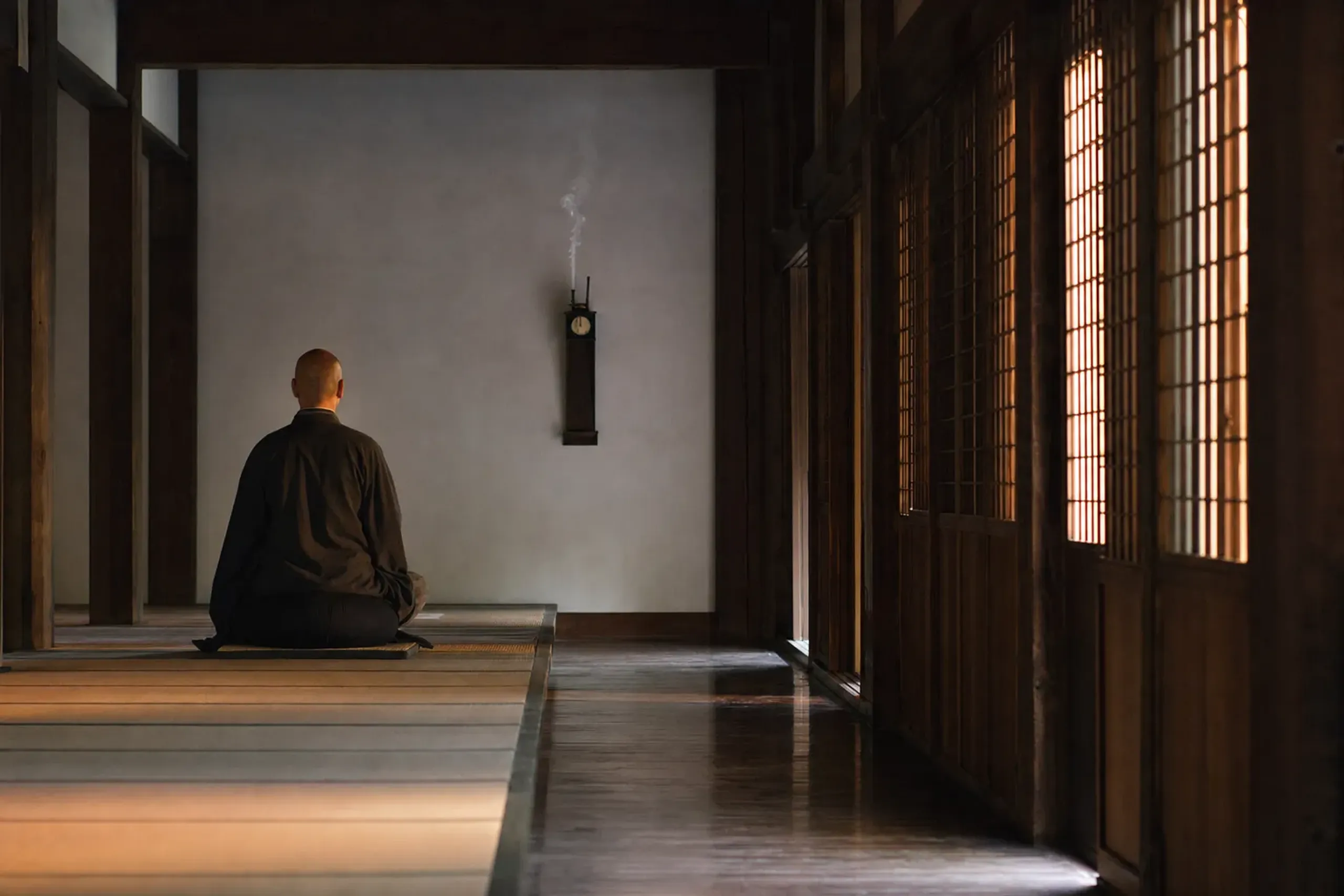
Do not confuse “most accessible” with “easy.” Two 40-minute sits can feel long when you are cold, tired, or not used to stillness.
Sanzen (One Night): A Sharper Step Up
Sanzen is more intensive than Sanro, with three to four 40-minute periods of zazen and a similar overall framework.
The difference is not just one extra sitting period. It changes the entire feel of the night, because your margin for comfort shrinks and your attention needs to stay sharper for longer.
If you have never sat zazen before, this is not where we suggest you begin. Big mistake.
International Zen Workshop (Four Days): A Real Commitment
The four-day International Zen Workshop is the most demanding option described in the verified materials.
It involves eight to ten periods of zazen daily, lectures, and an expectation that guests live and act as residents, including helping clean the temple.
This program requires prior zazen experience. It is not a “spiritual add-on” to a Hokuriku sightseeing route.
How Do You Apply For Eiheiji’s Sanro Or Sanzen Program?
Apply at least one month in advance, and understand that acceptance depends on both room availability and the temple’s ability to provide an English-language interpreter.
The interpreter constraint is the one people miss. A date can be unavailable even when you are flexible, organized, and ready.
There is also a current uncertainty: at least one recent source indicates Eiheiji suspended its Sanzen program for international visitors for an extended period, with no confirmed resumption date at the time of research.
We do not treat availability as guaranteed.
Our team at Japan Royal Service confirms the temple’s current acceptance status and interpreter availability directly as part of private planning guidance, because this changes and it is not something you should guess.
Key fact: Even when an overnight program is offered, specific dates may be unavailable if the temple cannot provide both rooms and an English-language interpreter.
Rules Inside The Monastery: The Non-Negotiables
The formal programs come with real constraints. Not suggestions.
Verified rules include: you are not permitted to leave the temple grounds during the stay, and no outside food or drink is permitted.
Clothing must be modest and practice-appropriate. Guests bring their own socks or tabi and toiletries.
Wake-up time varies by season and can be well before dawn. Do not build a late-night Fukui dinner into the same evening.
What Happens During Pre-Dawn Zazen (Including The Stick)
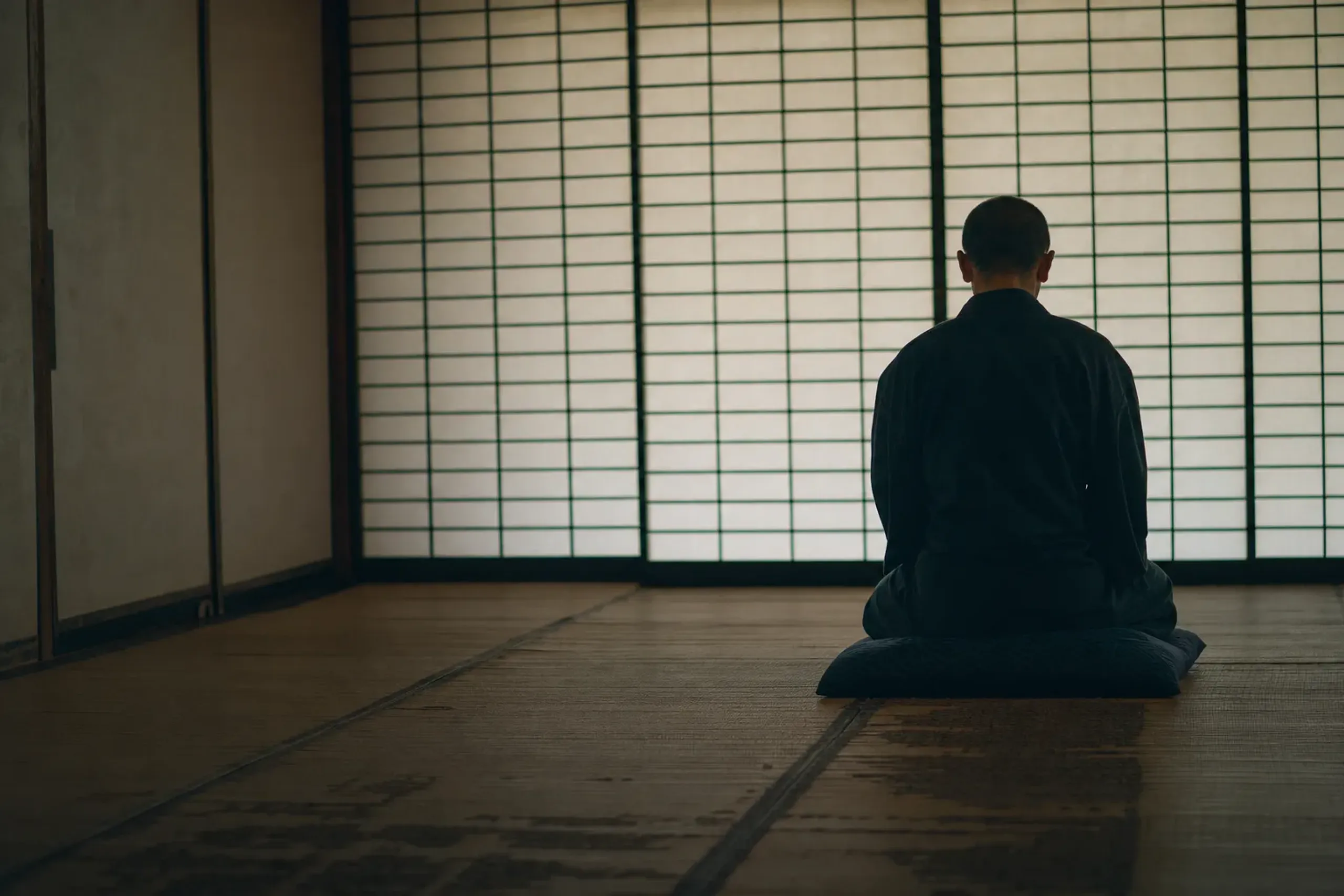
During pre-dawn zazen at Eiheiji, a monk may correct a participant who falls asleep using a stick on the shoulder, according to established Zen practice.
This is not a scare story. It is not a performance, either.
You should expect long silence, a posture that becomes uncomfortable, and a directness that can feel blunt if your frame is “retreat.” If you are prone to panic in stillness, recognize that early.
If you want a first, guided, single-session introduction rather than an overnight inside a training monastery, our published piece on Kamakura is a different register: Eiheiji Temple Fukui Guide: Zen Rules, Rituals & Access. That is informational and visitor-oriented; the overnight is not.
The Difficult Part: Cold, Fatigue, And The Mind Looking For Exits
Many guests find an overnight at Eiheiji physically and mentally hard. That is normal.
Your body will complain first. Knees, lower back, shoulders. Then the mind starts bargaining, scanning for loopholes, inventing reasons to quit.
This is why Eiheiji cannot be marketed honestly as a guaranteed serenity product. The practice is the friction.
Wabi-sabi is the closest aesthetic lens we can offer here, and even that feels too gentle: restraint, simplicity, and an insistence on doing the ordinary thing properly, even when nobody is watching.
Meals Are Part Of The Practice, Not Dining
Shōjin ryōri at Eiheiji is simple Buddhist vegetarian food served as part of training, not a restaurant experience.
Verified programs include two meals during a one-night stay. You eat because it is time to eat, and you stop when it is time to stop.
People used to Michelin pacing sometimes struggle with this. The point is attention, not abundance.
Hakujukan: The Legitimate, More Dependable Alternative Next Door
Hakujukan is a hotel immediately outside Eiheiji’s gate, developed as part of the temple’s own “Zen Village” project, and it opened in 2019 as described by Japan’s tourism authorities.
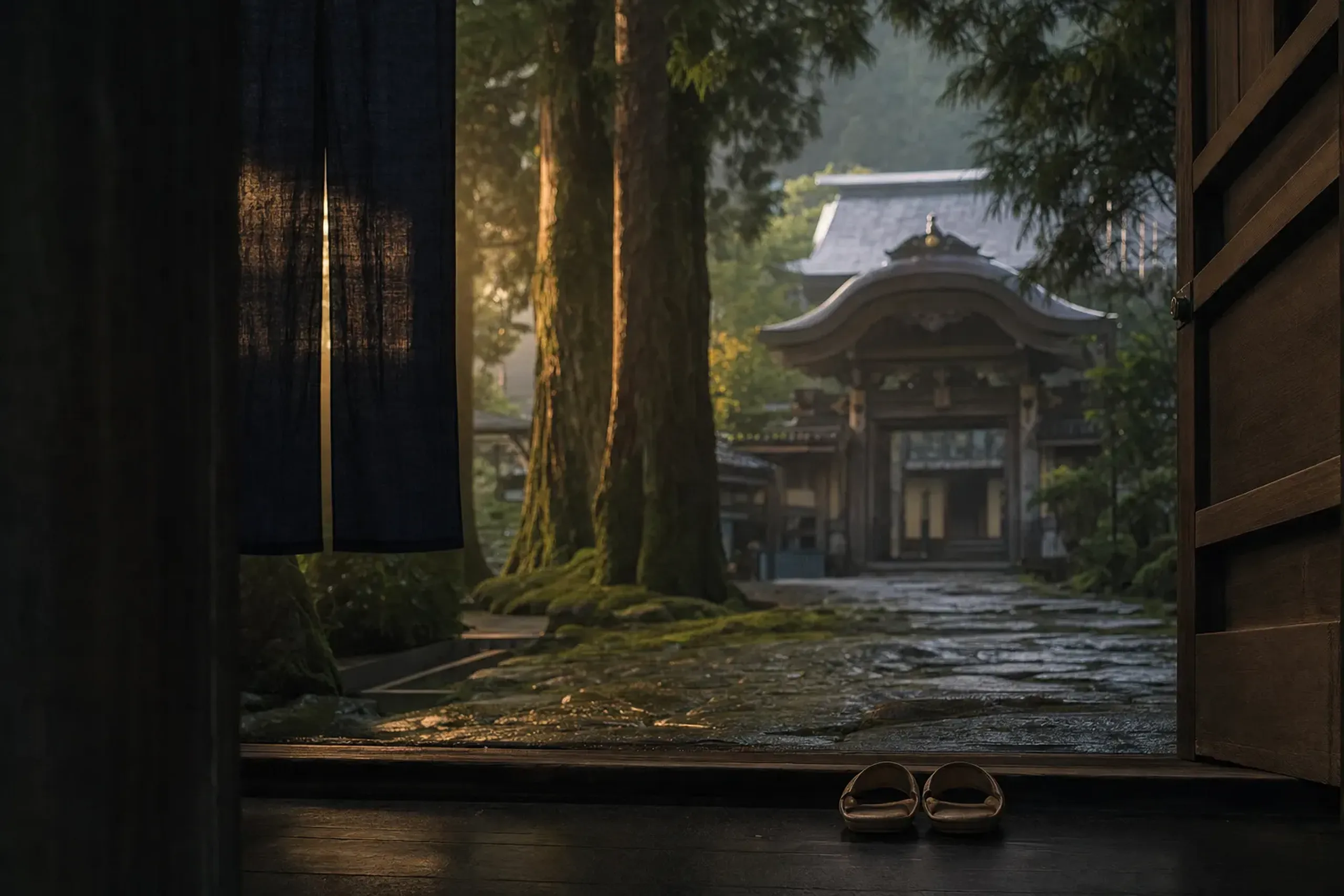
This is not a compromise property. It is designed as a boundary space between temple life and the outside world.
Hakujukan’s official guidance states guests can participate in Eiheiji’s morning service just before dawn (sutra reading and incense burning). Requests should be made by check-in time the previous day, and winter cold in the hall is real, so warm clothing is recommended.
Hakujukan also states in its FAQ that guests who wish may participate in Zen experiences, but guests may also stay as a regular Japanese inn without participating. That flexibility matters for couples and families with mixed tolerance levels.
What You Get With Hakujukan (And What You Don’t)
You get comfort and structure, without pretending it is monastic residency.
- Comfortable accommodation immediately by Eiheiji’s entrance, so the early morning is logistically realistic.
- Included Buddhist vegetarian meals served in a hotel context, not a training hall.
- Access to morning ceremony participation at Eiheiji through the hotel’s process, subject to the temple’s schedule.
You do not get the “inside the monastery” immersion. You also do not take on the full set of constraints, including the no-leaving-the-grounds rule.
Sanro Inside Eiheiji Vs Hakujukan: Which Overnight Fits You?
If you are choosing honestly, the decision is straightforward. The hard part is admitting what you actually want.
| Decision Point | Stay Inside Eiheiji (Sanro/Sanzen) | Stay At Hakujukan (Outside The Gate) |
|---|---|---|
| Core Experience | Living inside a training monastery’s routine | Hotel stay designed to connect you to Zen practices |
| Intensity | Higher; strict rules, early schedule, long zazen | Lower; structured, but materially gentler |
| Language Constraint | Dependent on interpreter availability on specific dates | More predictable for international guests (hotel-led guidance) |
| Freedom Of Movement | No leaving the grounds during the stay (verified) | Hotel stay; not governed by the monastery’s residency rules |
| Best For | Practitioners, or those seeking the most demanding version | Those wanting a serious, accessible connection without full constraints |
Hidden Japan is not always a remote village.
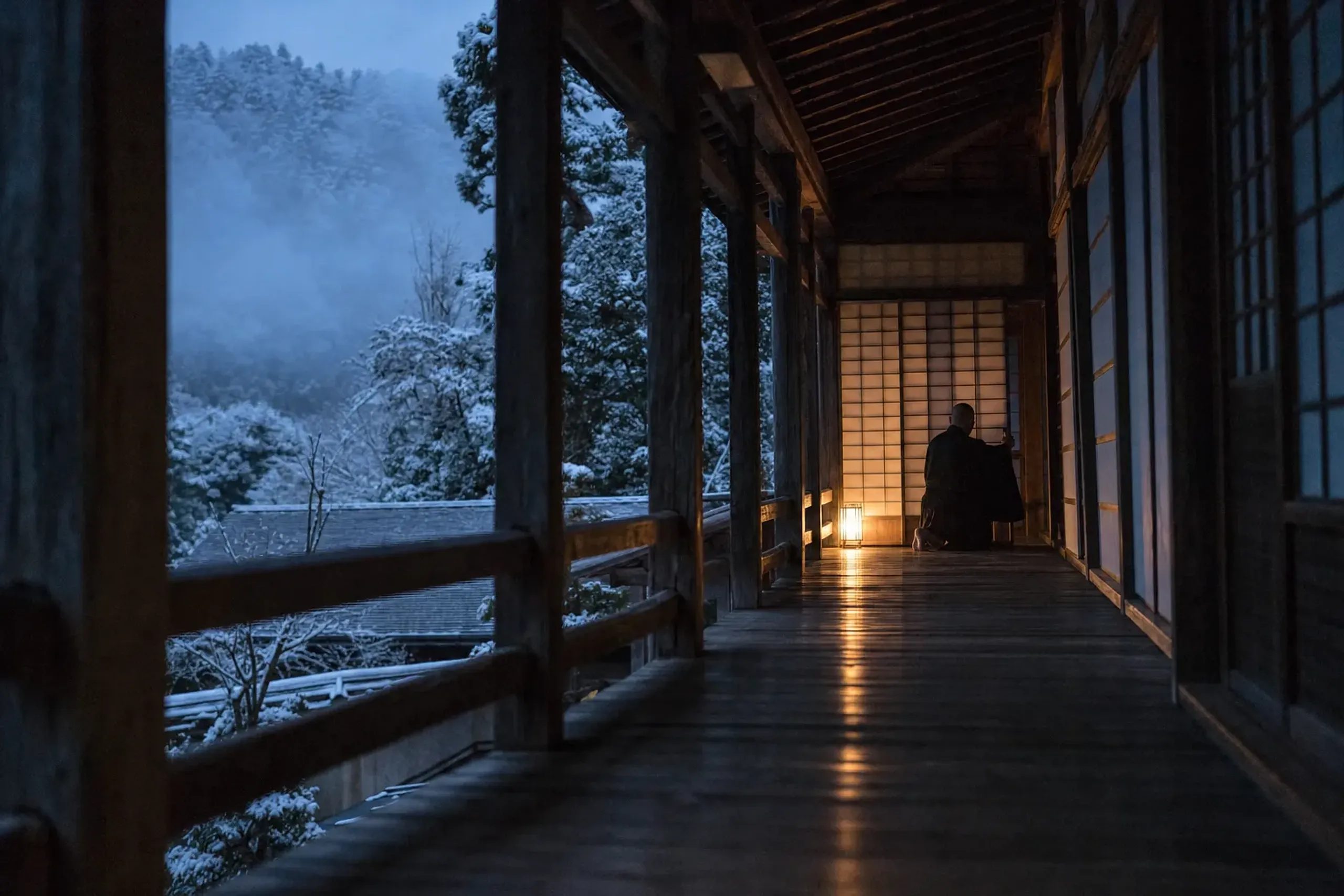
Sometimes it is simply the part of Japan that does not adjust itself for you.
What Not To Expect From Either Option
Do not expect entertainment. Do not expect a sightseeing pace.
Do not expect guaranteed transcendence, breakthroughs, or “a reset.” If something meaningful happens, it happens on its own timetable.
Do not expect the monastery to bend its training environment around guests. Eiheiji exists for monks continuously carrying out Dōgen’s teachings—eating, cleaning, chanting, sleeping, and sitting zazen, day after day.
And do not expect perfect certainty when temple schedules shift. Even Hakujukan notes operational contingencies, such as holding zazen at the hotel when it cannot be held at Eiheiji due to temple events.
Practical Planning Notes For 2026: Getting To Eiheiji And Being On Time
The overnight question often collapses into a simpler one: can you realistically arrive in time for evening orientation and still function before dawn?
From Fukui Station, the Keifuku Bus “Eiheiji Liner” is a key public-transport connection to the temple area.
Keifuku Bus has stated that fares for the Eiheiji Liner will be revised effective October 1, 2026, changing the adult one-way fare from 750 yen to 1,000 yen and the child fare from 380 yen to 500 yen. Timetables can also change, so we plan with buffers.
For guests who prefer controlled timing and privacy, our private transportation planning focuses on arriving early enough to settle, not sliding in at the last minute.
Frequently Asked Questions
Is The Eiheiji Overnight Stay Currently Available For International Visitors?
International availability can change, and interpreter support is not guaranteed on specific dates, so our concierge team confirms the temple’s current acceptance status and language support before you commit.
Plan early. Apply at least one month in advance, and be prepared for certain dates to be unavailable even when you are flexible.
What Is The Difference Between Staying Inside Eiheiji And Staying At Hakujukan?
Staying inside Eiheiji places you under monastery rules and schedule, while Hakujukan is a hotel stay outside the gate that still enables participation in Zen experiences like morning service.
If you want the strict container, consider Sanro or Sanzen (subject to availability). If you want reliable comfort with meaningful access, Hakujukan is often the clearer choice.
Do I Need Zazen Experience Before Doing Sanzen Or The Four-Day Workshop?
The four-day International Zen Workshop requires prior zazen experience, and Sanzen is materially more intensive than Sanro, so beginners should think carefully before choosing it.
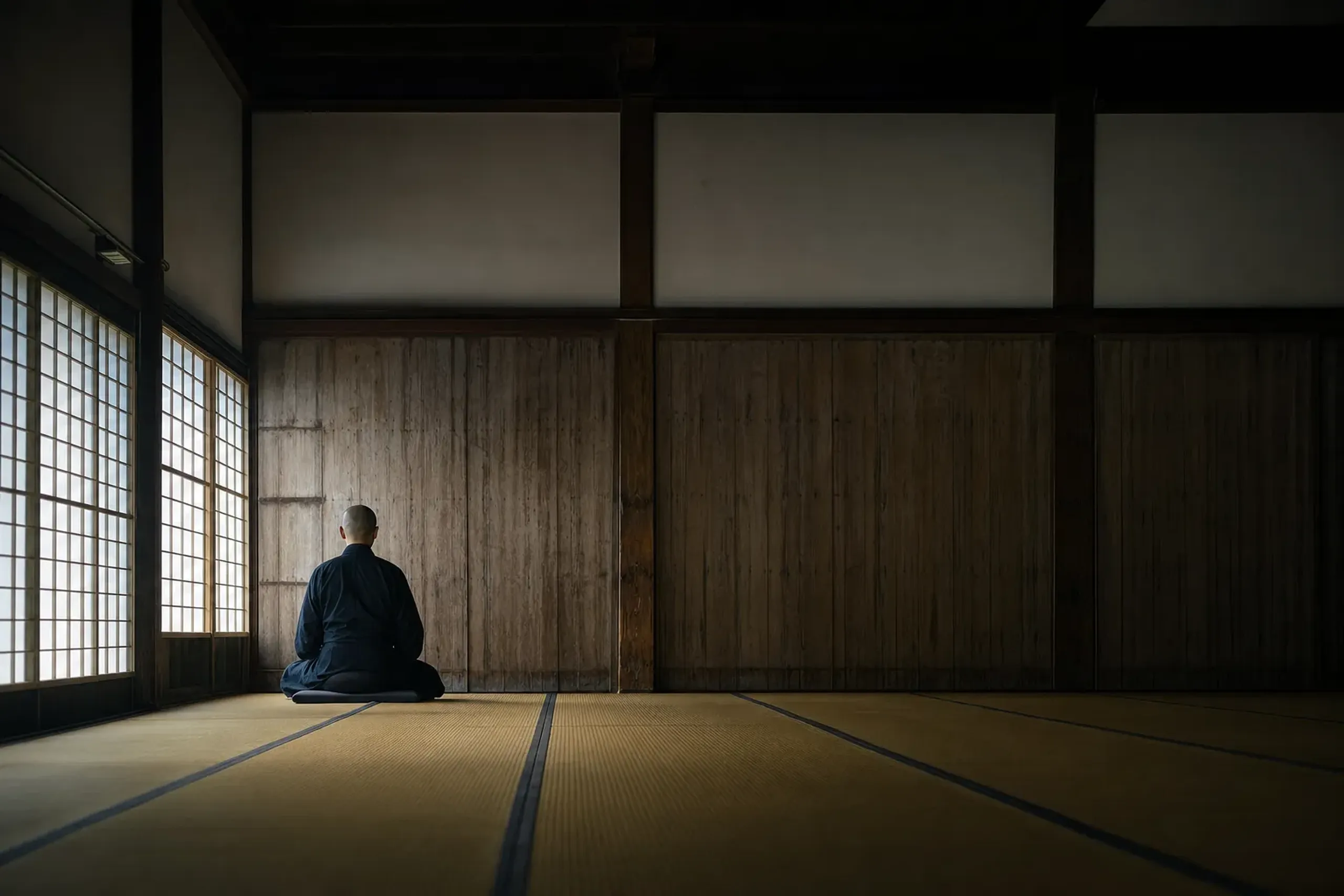
If your first sit is inside a rigid schedule, discomfort can dominate and you may leave feeling only defeated. That outcome helps no one.
What Should I Bring For An Overnight At Eiheiji Or A Morning Service At Hakujukan?
Bring modest, practice-appropriate clothing, your own socks or tabi, and toiletries, and pack warm layers for early morning ceremonies, especially in winter.
Hakujukan’s official guidance specifically warns about winter cold in the hall. Take it seriously.
Why Choose Japan Royal Service
Discretion is not a slogan for us at Japan Royal Service. It is how we plan: minimal exposure, quiet logistics, and clear boundaries around your identity and itinerary.
For Eiheiji, that restraint matters. We do not treat a training monastery like a product page, and we do not push you toward the harsher option just because it sounds “more authentic.”
Instead, our concierge team places two legitimate paths in front of you: the temple’s own overnight programs where currently available and appropriate, or a Hakujukan stay that offers a more dependable way to attend the pre-dawn morning service and connect to practice with support.
If you would like tailored guidance for timing, fit, and current availability, reach our team privately via WhatsApp or LINE, or contact us here.