In this guide
- 01Opening Scene: Waiting In The Festival Square Before 20:00
- 02A Small Town, A Big Drum
- 03What Makes Hida Furukawa Feel Like “Hidden Japan,” Even On Festival Nights?
- 04The Night Of April 19: Okoshi Daiko, Up Close And Fast
- 05What Happens If It Rains During The Okoshi Daiko Night?
- 06The Day Of April 20: Floats, Karakuri, And Children’s Kabuki
- 07How Crowded Is The Hida Furukawa Festival, And Where Does It Feel Most Congested?
- 08The Town Between The Events: Canal Quiet, Temple Steps, And A Festival Hall
- 09How To Reach Hida Furukawa For The Festival (And Why Not To Drive)
- 10How Our Concierge Team Plans Two Nights And A Day In Hida Furukawa
- 11Plan Your Okoshi Daiko Night With Us
At the festival square in Hida Furukawa, you feel the clock more than you see it.
Lantern light gathers on shoulders and headbands. Police cones line the edges. The air carries that April bite you only notice once you stop walking.
You wait for the departure ceremony near 20:00. Quiet, then a sudden swell of voices. The Okoshi Daiko is not a performance you sit down for. It comes to you.
Opening Scene: Waiting In The Festival Square Before 20:00
The Okoshi Daiko night begins with people flowing toward the festival square, then slowing into a loose ring of anticipation.
Stand still. Listen. You will catch short bursts of rhythm before you see anything at all — the drum announcing itself long before it appears.
In the 2026 programme example, a departure ceremony was set for around 20:00, with the drum leaving around 20:30. Those times are approximate and announced closer to the date, so our team at Japan Royal Service treats them as anchors, not promises.
Bring patience. The square is where you find your bearings, check your layers, and decide where you want to meet the drum once it begins moving through the town.
A Small Town, A Big Drum
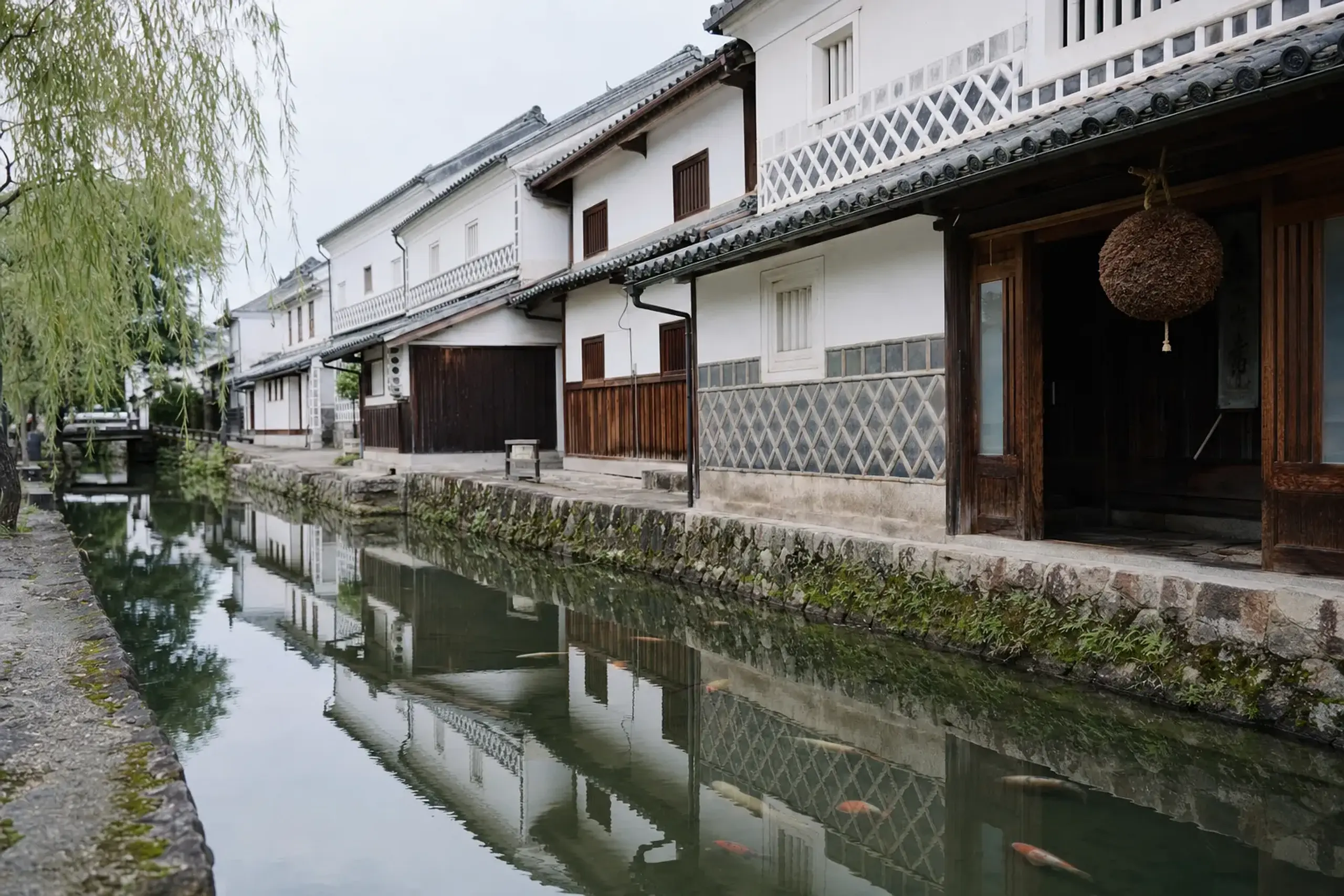
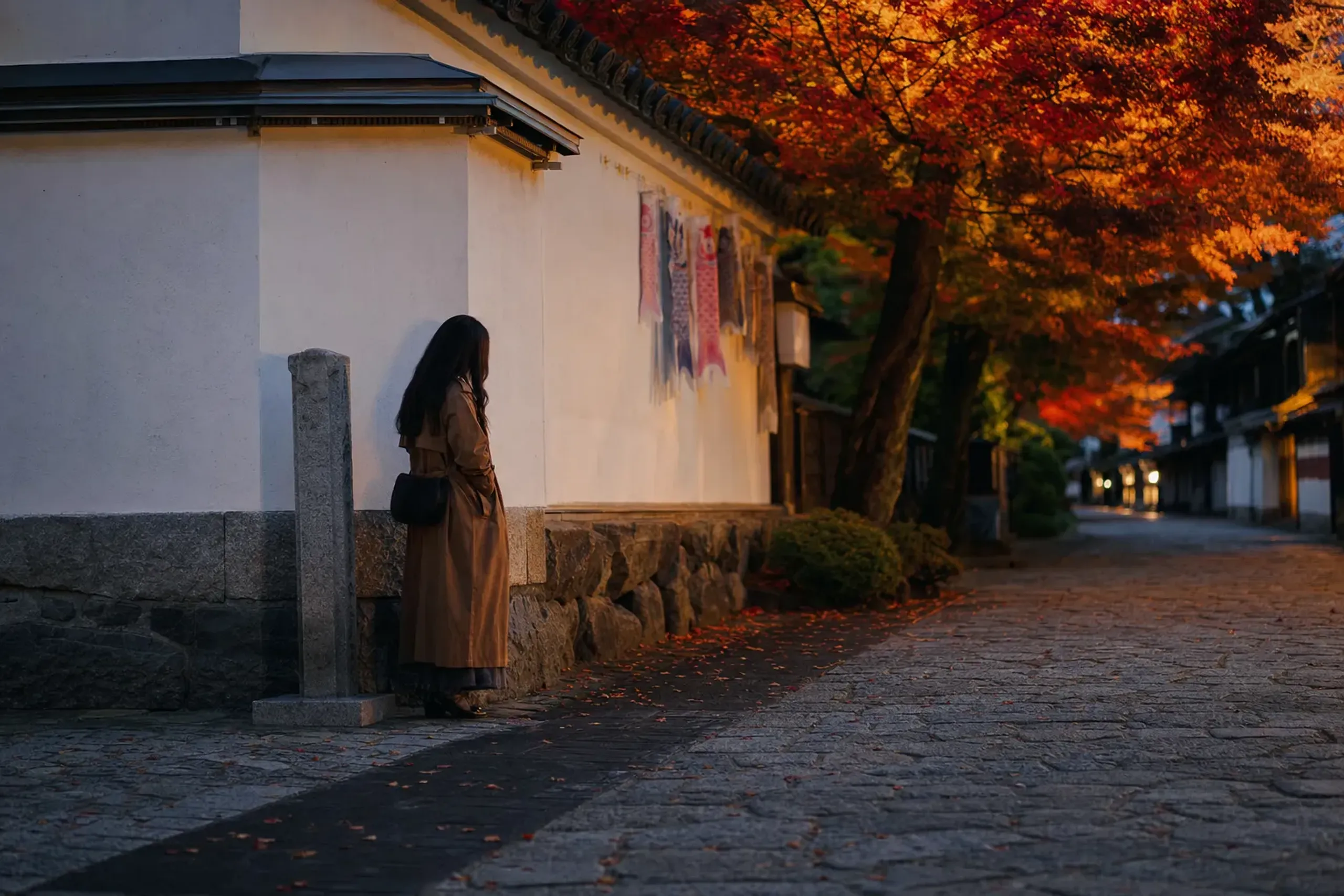
Hida Furukawa is a small castle town in Hida City, Gifu Prefecture. On most nights it is almost too quiet — a place of white-walled storehouses and canal water, the kind of restrained, wabi stillness the guidebooks rarely capture.
Then April 19 arrives. Everything changes.
The festival is the annual festival of Keta Wakamiya Shrine. Over two days, it shows two very different faces: the Okoshi Daiko (rousing drum) on the 19th, and the yatai float events on the 20th.
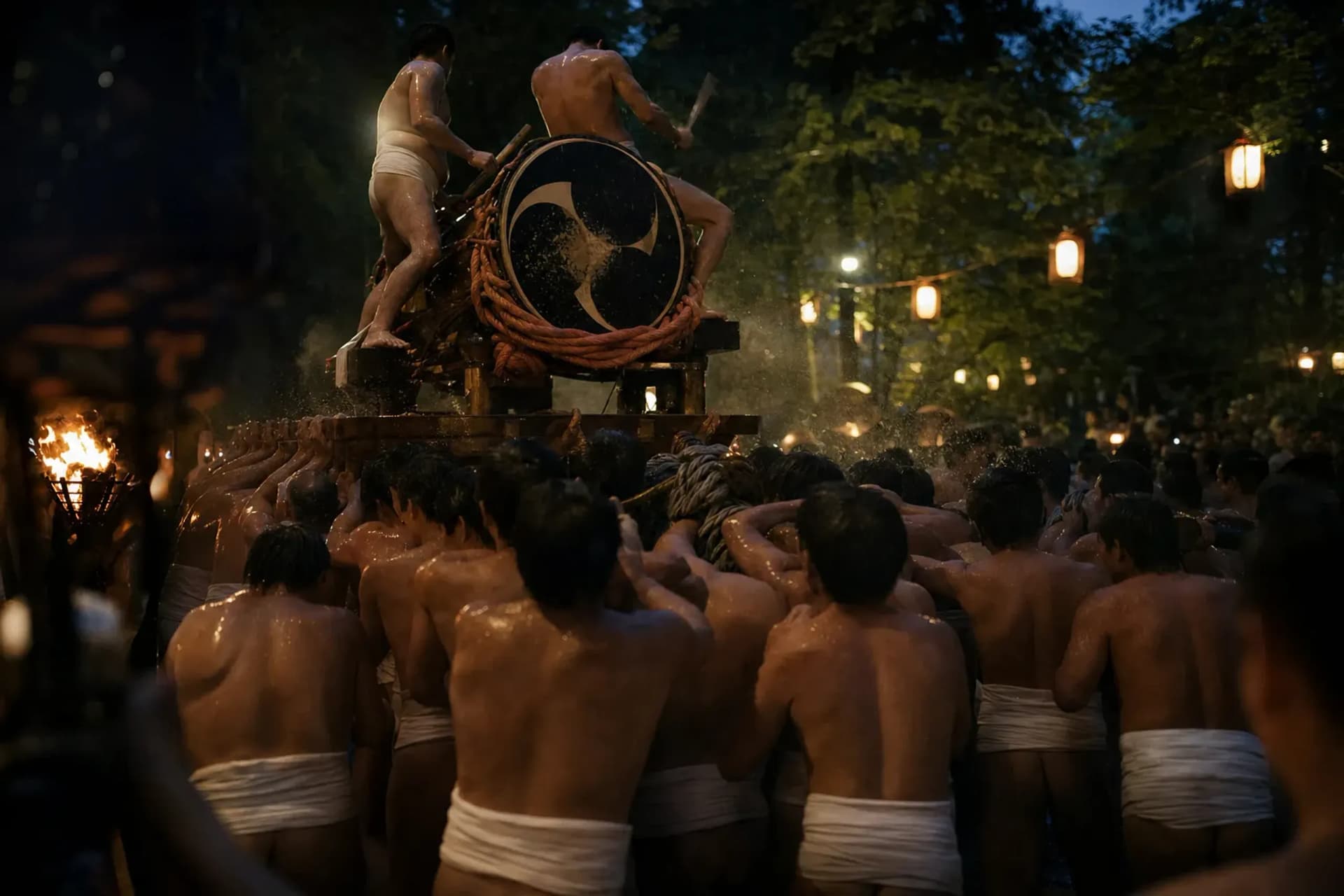
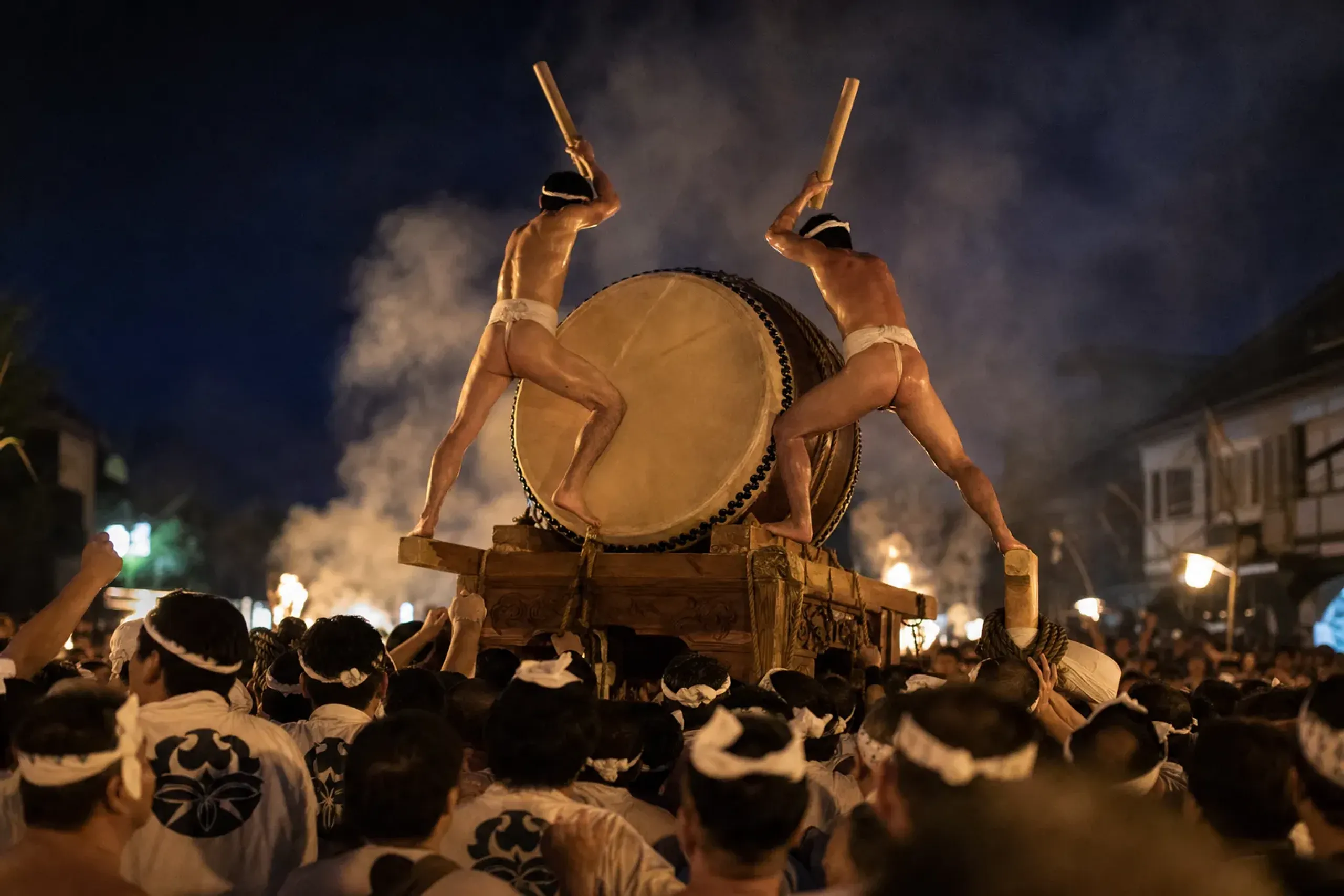
The scale surprise is the drum itself. Gifu Prefecture tourism describes it as about one meter across, mounted on a platform (yagura) carried through the streets by several hundred men while teams with smaller drums challenge it from behind.
This is why Furukawa feels different. You are watching motion compressed into narrow streets, with very little distance between you and the sound.
What Makes Hida Furukawa Feel Like “Hidden Japan,” Even On Festival Nights?
Hida Furukawa feels like hidden Japan because the town is compact, walkable, and calm outside the main procession moments, so you can step out of the crowd and still feel the festival’s pulse.
That matters for the discerning traveler. Not for status. For control.
In our experience, the most satisfying Furukawa visit is built on short approaches and short retreats. You watch intensely for ten minutes at a corner, then move two blocks and breathe, letting the drum’s echo find you again. This is the Japan that Google cannot map for you — the rhythm of a town known from the inside.
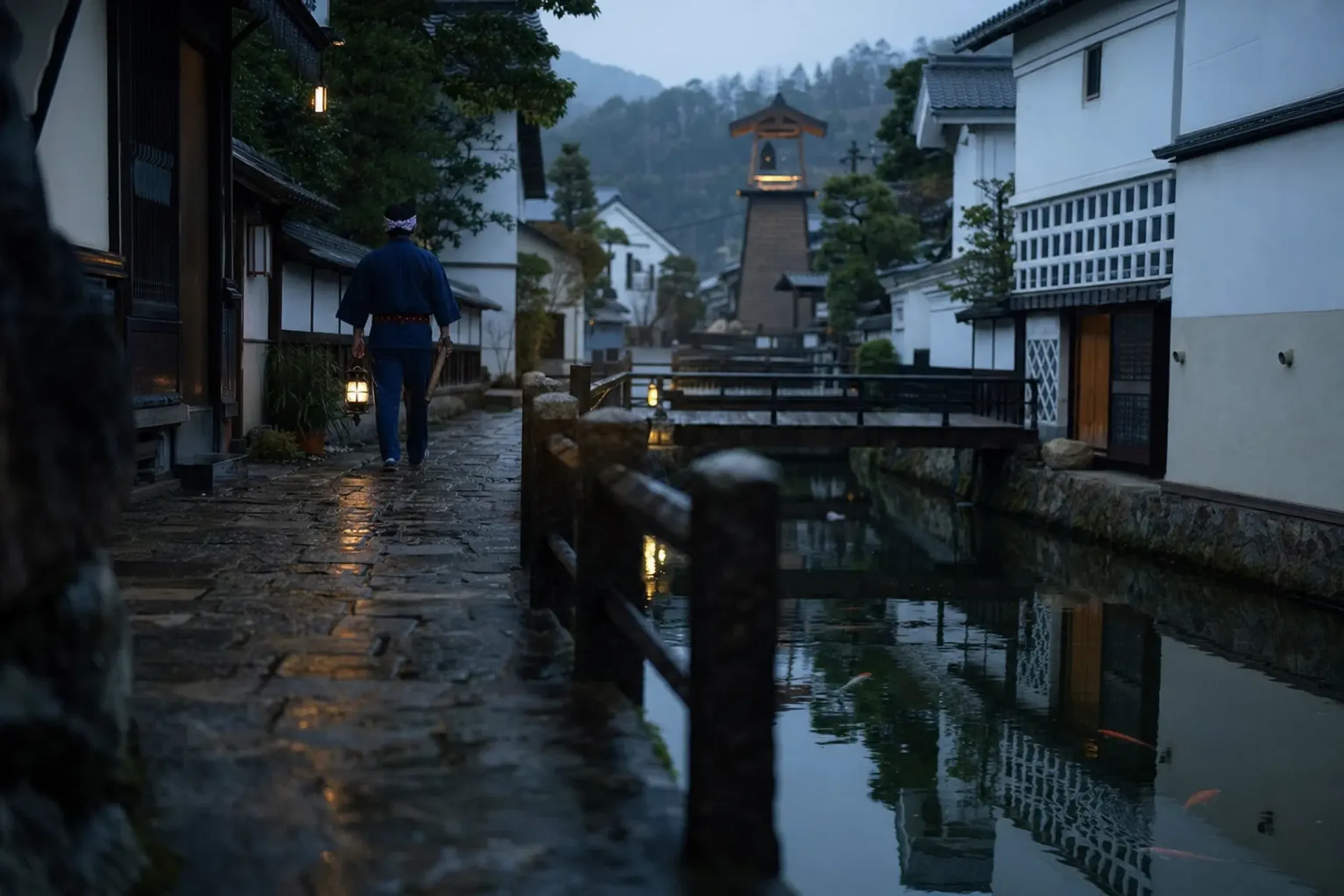
During the day, you can reset by the Setogawa canal and its white-walled storehouses. The carp return to the canal from April to November, which makes an April festival morning feel oddly gentle for a town that will be loud again at night.
The Night Of April 19: Okoshi Daiko, Up Close And Fast
The Okoshi Daiko night is the night you came for. No question.
Men in white cloth carry the yagura platform with the large drum through town. Two young men sit back to back on the drum and strike it in turn, so the sound seems to rotate even when you cannot see their faces clearly.
Behind them, teams of young men with smaller drums (tsuke-daiko) challenge the platform. Hida City describes 12 such teams. The rule that shapes the whole spectacle is simple and strict: the smaller drums must approach from behind, and being first to attach is an honor hard-won.
It is physical. It is loud. It moves.
Where The Okoshi Daiko Goes, And How To Watch Without Getting In The Way
The drum travels along town streets rather than staying in one arena-like site.
Pick a street corner along the route, and wait there. That is also what Hida City advises: wait at a corner, and do not stand in the middle of the road.
When the platform arrives, you will feel a surge behind you. Stay watchful. If you want to move after the drum passes, do it slowly and only when you can see a clear gap.
One rule matters more than you expect: the 2026 pamphlet asked visitors not to film on a smartphone while walking. If you plan to record, stop fully first. Small detail. Big difference.
Key fact: Tourists cannot take part in the Okoshi Daiko. It is watched from the street, and participation is restricted to the teams.
Worked Example: How The Night Can Unfold (Using 2026 Times)
Times change each year, and the weekday changes too, but a worked example helps you pace yourself.
In 2026, the mikoshi procession was listed as leaving the shrine around 13:30, then the evening departure ceremony around 20:00, with the drum leaving around 20:30 and returning around midnight after stops along the route.
Plan your evening around the idea of a long, moving window rather than a single “start time.” The better strategy is to choose two viewing moments: one early, when you still have energy, and one later, when the town feels darker and the rhythm lands heavier.
What Happens If It Rains During The Okoshi Daiko Night?
The Okoshi Daiko goes ahead in rain, even when other parts of the festival may change.
This is one reason seasoned visitors prioritize the 19th.
You are buying odds.
Rain changes how you watch. Corners get slick, umbrellas become obstacles, and the crowd compresses. Our concierge team plans a simple fallback: shorter viewing windows, a clear meet-up point, and a warm place to reset between appearances of the drum.
Do not try to “chase” the platform through wet streets. Let it come to you, once or twice, then step back.
The Day Of April 20: Floats, Karakuri, And Children’s Kabuki
The morning after the drum night, the town looks freshly rinsed.
Daylight reveals what darkness hid: the yatai floats, their woodwork, their lacquered surfaces, the careful repairs that keep them moving year after year.
Hida City tourism describes around ten floats, while Gifu Prefecture tourism describes nine. Either way, the point is not the number. It is the concentration of craft in a small area — generations of shokunin labor made mobile.
On the 20th, floats gather in the morning and afternoon. Two floats present karakuri (mechanical puppet) shows. There is also children’s kabuki on the Byakko-dai float, which Hida City notes was revived in 1984.
Night Float Procession: Lantern Light In The Old Townscape
The 20th takes on a second mood after sunset.
In the 2026 example, the night float procession through the old townscape ran roughly 17:30 to 19:30. It is not the same kind of force as the Okoshi Daiko.
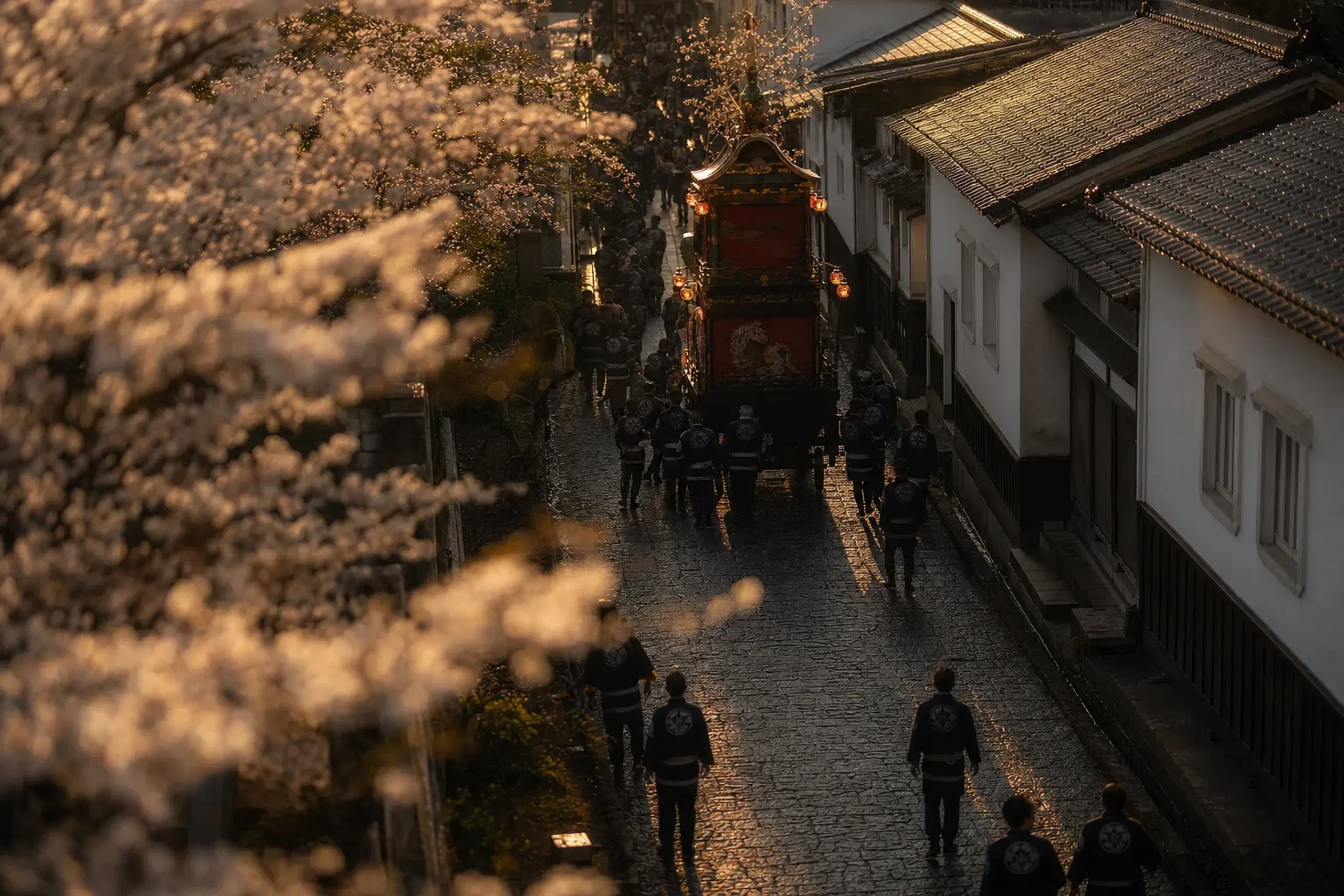
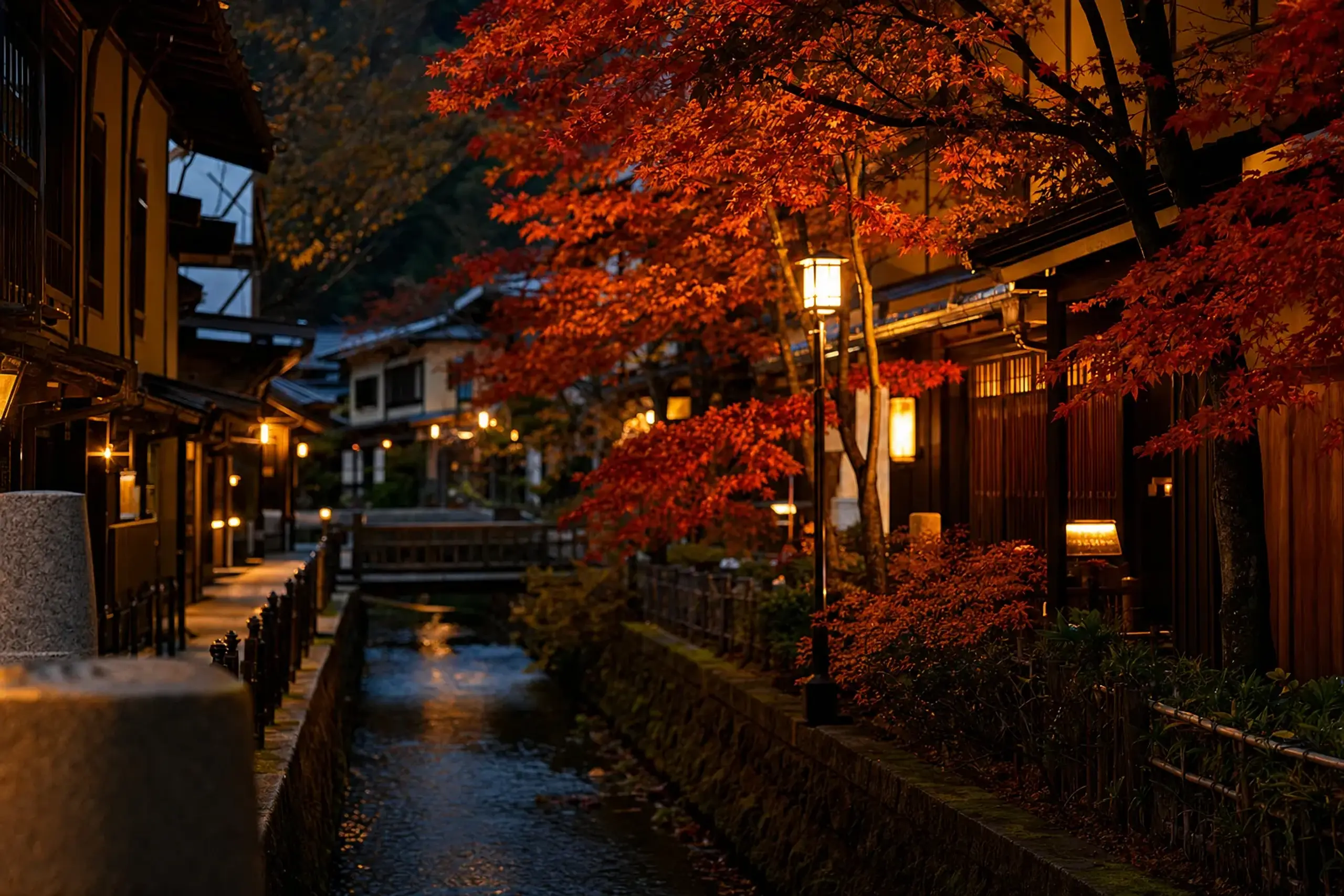
It is slower, more watchable, almost tender — lantern light drifting between old timber façades.
Rain rules differ here. The float gathering may be cancelled in rain, and recent years have seen weather-driven changes, including a cancelled night festival in 2025 and a shortened schedule in 2026.
If you only have energy for one night outside, make it the 19th. If you can do two nights, the contrast is exactly the point.
How Crowded Is The Hida Furukawa Festival, And Where Does It Feel Most Congested?
Expect tens of thousands of visitors over two days, with the tightest congestion near the moving Okoshi Daiko and in the old town streets during float events.
Hida City newsletters reported about 60,000 attendees over two days in 2025 and about 55,000 in 2026. Those numbers are large for a town this size.
Congestion is not constant. It comes in waves — when the drum approaches, when it pauses, and when people decide to relocate at the same time.
Our preferred approach is calm, even a little stubborn. Choose a corner. Hold it. Let the festival come to you.
The Town Between The Events: Canal Quiet, Temple Steps, And A Festival Hall
The smartest Furukawa plan uses the hours between the headline moments. That is where comfort lives.
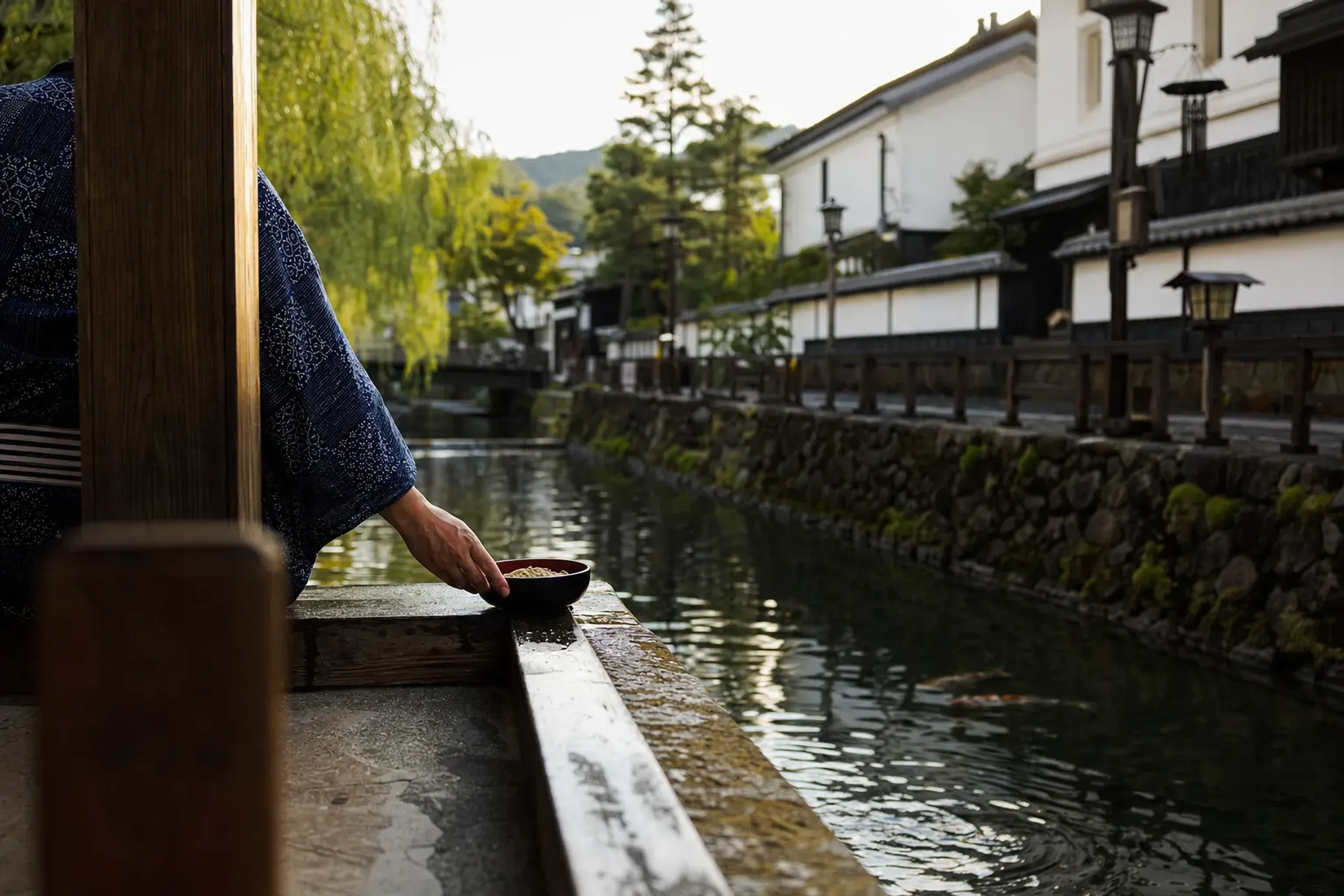
Walk the Setogawa canal and the white-walled storehouses in the old quarter.
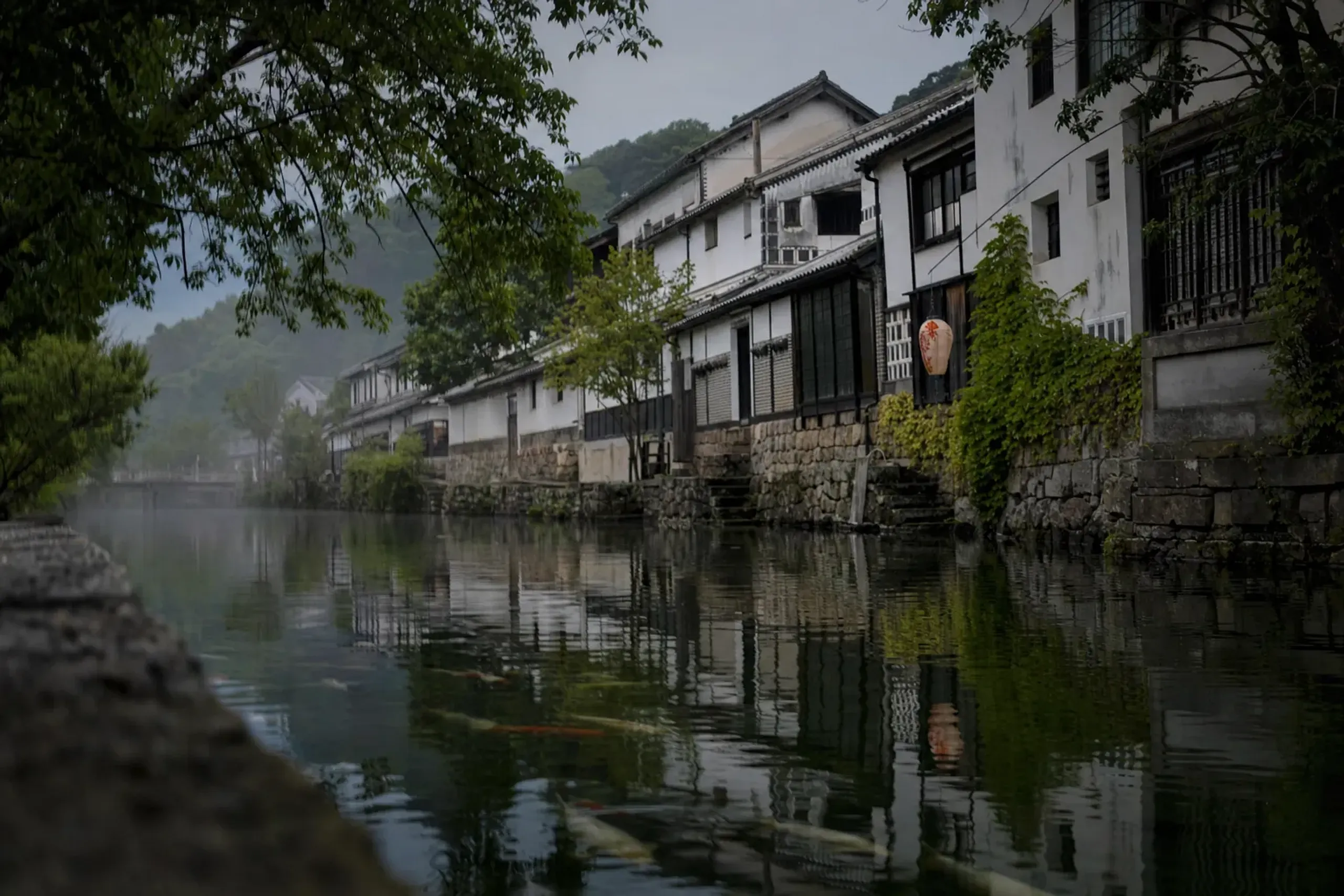
Early morning is best, before day-trippers arrive. Ten minutes beside the water is enough to reset your nervous system — the moss-and-stone quiet before the night’s intensity returns.
Two stops work especially well as “between” anchors. Honkōji Temple, for a quieter pause, and the Furukawa Matsuri Kaikan (festival hall), where real floats are displayed outside festival dates.
The Furukawa Matsuri Kaikan is open 9:00 to 17:00 from March to November. Displayed floats change in spring and autumn, so what you see there may not exactly match what you saw outside the night before.
UNESCO Context, Without The Confusion
The Furukawa Festival is part of the UNESCO Representative List inscription “Yama, Hoko, Yatai, float festivals in Japan” (inscribed 2016, extended 2025).
Keep the detail straight. UNESCO’s entry covers float festivals as a group, and UNESCO pages do not name the Okoshi Daiko itself.
Still, the heritage context is useful. It explains why the woodwork, puppet mechanisms, and procession roles are treated with such seriousness. This is shokunin culture in motion: maintained, repaired, and carried by hand, not placed behind glass. For travelers drawn to that living craft, we can arrange private introductions to the artisans and keepers who sustain it — the kind of quiet access covered in our piece on Japan's Living National Treasures.
How To Reach Hida Furukawa For The Festival (And Why Not To Drive)
From Takayama, Hida-Furukawa Station is about 15 minutes by JR Takayama Line, and the station is about a five-minute walk to the festival area.
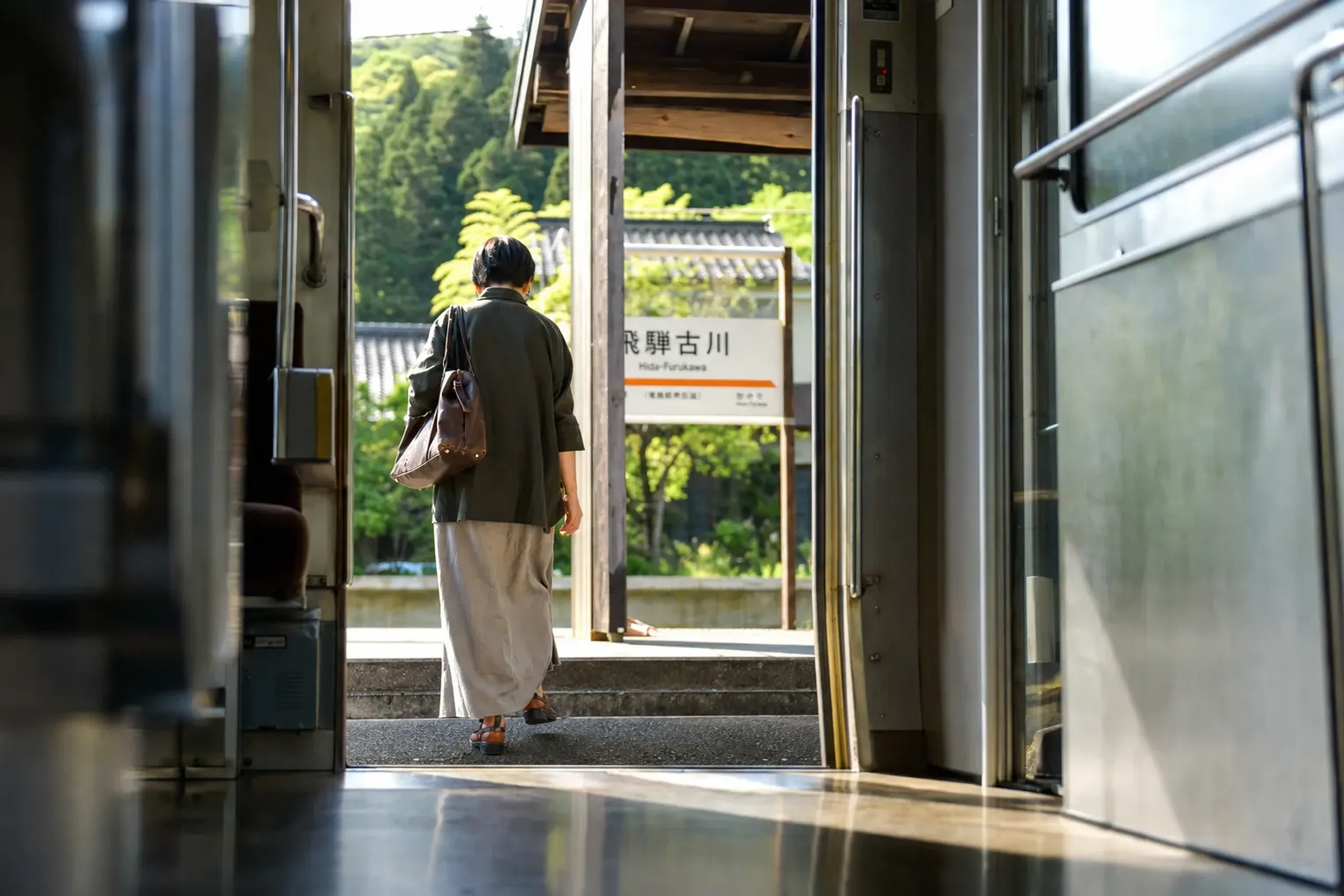
That short distance is the hidden advantage. You can arrive, watch, and leave without a long approach through congested roads.
By car, Takayama to central Furukawa is often about 25 to 30 minutes, but festival traffic regulations change the real equation. Vehicle restrictions apply from the morning of the 19th to the evening of the 20th, parking fills, and the city has advised using public transport.
For comfort, many guests prefer to combine the train with a private transportation approach to the edge of the restricted area, timed to avoid the heaviest pedestrian flows.
Climate Reality Check For April Nights
Hida nights in April can feel sharper than you expect.
As a practical proxy, Japan Meteorological Agency normals for Takayama in April show a mean of 9.7°C, with an average high of 17.0°C and low of 3.4°C. Recheck conditions before you pack, because a dry 4°C feels very different from a wet 4°C.
How Our Concierge Team Plans Two Nights And A Day In Hida Furukawa
We plan Furukawa like a long evening first, and a sightseeing day second.
The baseline is simple: arrive with daylight, eat early, watch the Okoshi Daiko in two short bursts, sleep, then watch the floats with a clear rain fallback.
For guests who want the highest level of calm, we usually recommend a tailor-made two-day plan that keeps walking distances short, builds in warm indoor resets, and avoids last-minute decisions in dense crowds. Timing matters as much as place — the whole point of travelling by shun, the Japanese sense of perfect seasonality, is knowing exactly which April night rewards the effort.
Step-By-Step: A Practical Two-Day Skeleton (Using 2026 As The Timing Example)
- April 19, late afternoon: Arrive in town early, before evening crowd density rises. Walk the canal once. Short loop. Then stop.
- April 19, early evening: Early dinner timing, with extra buffer. No rushing.
- April 19, around 20:00–00:00: Choose one corner for the first Okoshi Daiko view, then a second corner later. Avoid mid-road positions. Keep your smartphone use stationary.
- April 20, morning: Float gatherings begin. Watch one karakuri show if the schedule allows. Keep your midday open, because crowd and weather dictate pace.
- April 20, afternoon: Festival hall (Furukawa Matsuri Kaikan) as a reset anchor if you want craft detail without crowd pressure.
- April 20, around 17:30–19:30: Night float procession if weather allows. If rain threatens, treat this as a bonus, not a guarantee.
The exact route map and performance schedules are typically shared by the city closer to the date.
Our concierge team verifies the current traffic regulation notes and festival-day train updates ahead of your visit, then adapts the plan if the town announces changes. If you are pairing the festival with the wider region, our guide to luxury travel in Takayama makes a natural companion.
Discretion In A Public Street Festival
Furukawa is not a ticketed event with gates and lounges. It is a town doing what it has always done, on public streets.
Discretion still matters. For our high-net-worth guests, it often means planning meet points that are quiet, choosing viewing corners that do not force you into the densest pack, and keeping your accommodations and movements unbroadcasted. Privacy is not a luxury add-on here; it is the quiet architecture of the entire visit.
Plan Your Okoshi Daiko Night With Us
The Hida Furukawa Festival rewards those who arrive knowing exactly where to stand, when to retreat, and how to let the drum find them. That knowledge — plus private transport to the edge of the crowd, warm resets between viewings, and introductions you could not arrange alone — is what turns two April nights into something unforgettable.
To begin shaping a discreet, unhurried visit around the 2026 festival dates, contact us here, and our concierge team will prepare a tailored proposal built entirely around how you prefer to travel.