In this guide
- 01Sanmachi Suji: How To Read Takayama’s Old Town Like A Local
- 02Miyagawa Market Vs Jinya-Mae Market: Which Morning Market Fits Your Style?
- 03Is Takayama Jinya Worth Visiting If You’ve Seen Castles And Temples?
- 04When Should You Visit Takayama For The Takayama Matsuri?
- 05Takayama Sake Culture: What Makes It Different From Niigata Or Nada?
- 06Hida Beef And What To Eat Between Markets And Museums
- 07How To Fit Takayama Between Kanazawa And Shirakawa-Go Without Rushing
- 08How Many Days Do You Need In Takayama: Half-Day Vs One Or Two Nights
- 09Practical Logistics For HNW Travelers: Crowds, Weather, And Comfort
- 10Let Us Open Takayama’s Quieter Doors For You
Most travelers reach Takayama with a single destination in mind: Shirakawa-go. They pass through, take a photograph, buy a snack, and move on. It feels efficient. It is also the surest way to miss what makes this town quietly, genuinely worth your time.
Takayama rewards an early morning and an unhurried walk. Sanmachi Suji’s dark-wood merchant streets, working sake breweries marked by cedar balls at their doors, and two daily morning markets create a rhythm you can actually step into — not merely observe from the outside. If you have been building a Hokuriku itinerary around Kanazawa, this is the Alps-side counterweight that keeps the trip from feeling too polished, too curated at the surface. Here, the refinement lives in the joinery and the mountain water, not in the storefront.
Sanmachi Suji: How To Read Takayama’s Old Town Like A Local
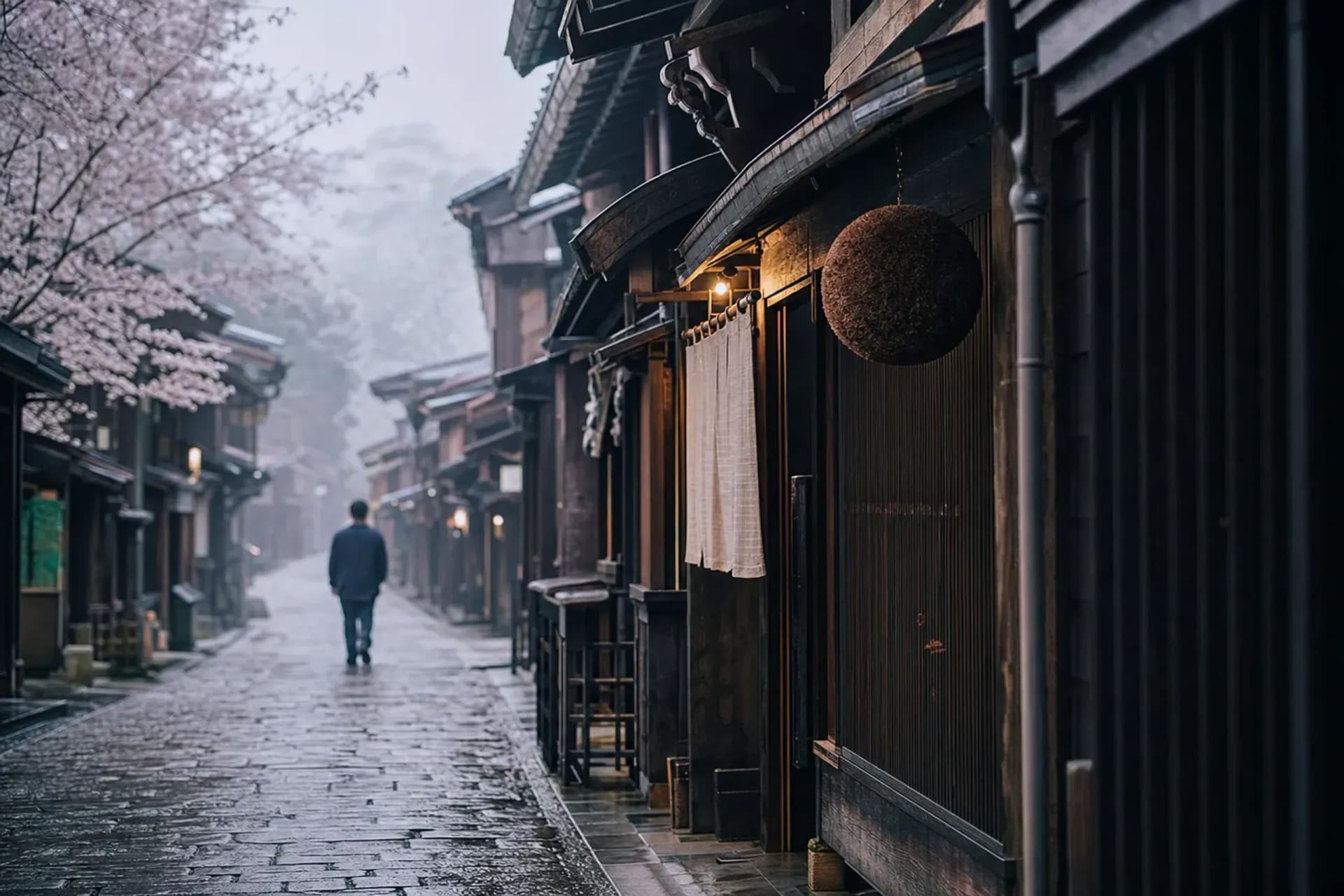
Sanmachi Suji is Takayama’s preserved Edo-period merchant district, formed by three parallel streets lined with dark wooden machiya, many dating from the 1700s. Dense. Walkable. Human-scale — the kind of place your feet understand before your guidebook does.
You will notice how functional the beauty is. Latticed façades. Deep eaves. Narrow frontages that once signaled tax and status. Small museums, craft shops, cafés, and sake breweries now occupy spaces built for trade, not for tourism — and that lineage is precisely what gives the street its restraint.
Locals sometimes call Takayama “Little Kyoto.” It is a useful hint, not a true match. Kyoto can feel ceremonial and spacious, while Takayama feels compact and workmanlike, with a merchant-town logic that shows up in every storefront and beam. This is a place that speaks softly and expects you to lean in.
The Sugidama Outside A Brewery Door
On Sanmachi, look for a sugidama: a ball of cedar branches hung at a brewery entrance. It begins green, freshly cut, when that year’s sake has just been brewed.
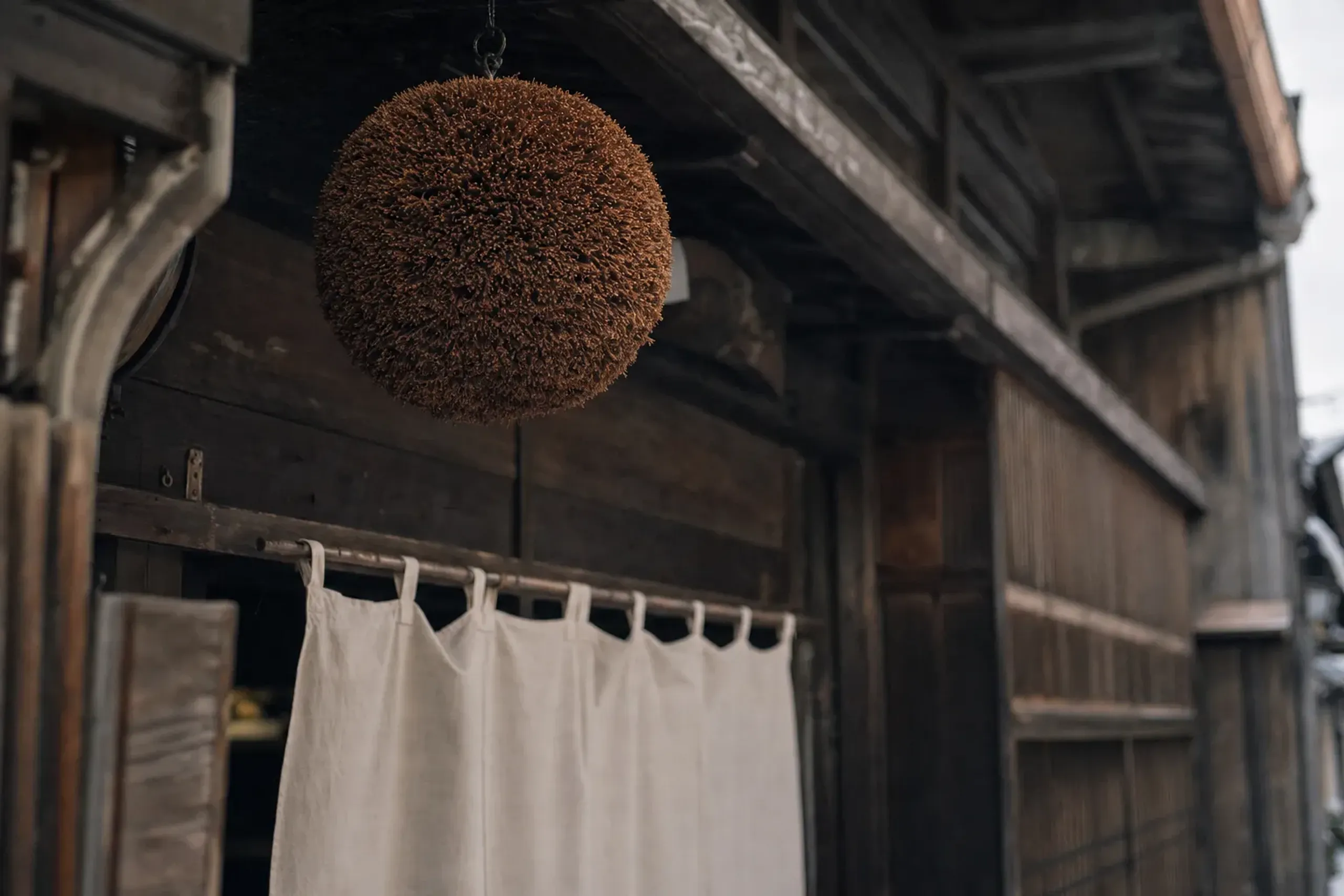
Then, over the months, it slowly turns brown as the sake matures — a living calendar hung above a doorway.
It is a small sign carrying a large meaning. You are not standing on a museum street. You are standing before a working workshop, shaped by the cold climate and mountain water that have supported brewing here since the Edo period. The wabi of it — the quiet, weathering beauty of a browning cedar ball — is the town in miniature.
Tastings in Takayama are often modest in cost and simple in format. That simplicity is the point. A few careful pours, a brief conversation, and you move on, letting the street carry you to the next doorway. For guests who wish to go further, we can arrange a private audience with a brewery master who does not, as a rule, receive outside visitors — a quiet conversation over the season’s first pressing rather than a rehearsed tasting.
Shokunin Details You Can See Without Being Told
Takayama makes craftsmanship legible. Joinery lines up with almost unsettling precision. Timbers fit with confidence rather than decoration. This is quiet competence, made permanent.
This is where the shokunin idea feels real rather than like a brochure word. A house beam can be a signature. A shop curtain can be a boundary. Our team at Japan Royal Service often frames a Sanmachi walk as “look up, then look closer,” because the street-level souvenirs are rarely the best part. The finest work in Takayama is the work you would walk past unless someone taught you where to rest your eyes — and, discreetly, that is what we do.
Miyagawa Market Vs Jinya-Mae Market: Which Morning Market Fits Your Style?
Miyagawa Asaichi suits travelers who want a photogenic riverside walk with crafts and small goods, while Jinya-mae Asaichi suits travelers who prefer a more farmer-direct, produce-first market with older roots.
Both markets run daily, and both reward an early start. Think quiet voices, quick purchases, and the sense that the day is still being assembled around you. Arrive late and you will still find stalls — but you lose the mood that makes Takayama feel, for an hour or two, almost private.
Miyagawa Asaichi (Along The River)
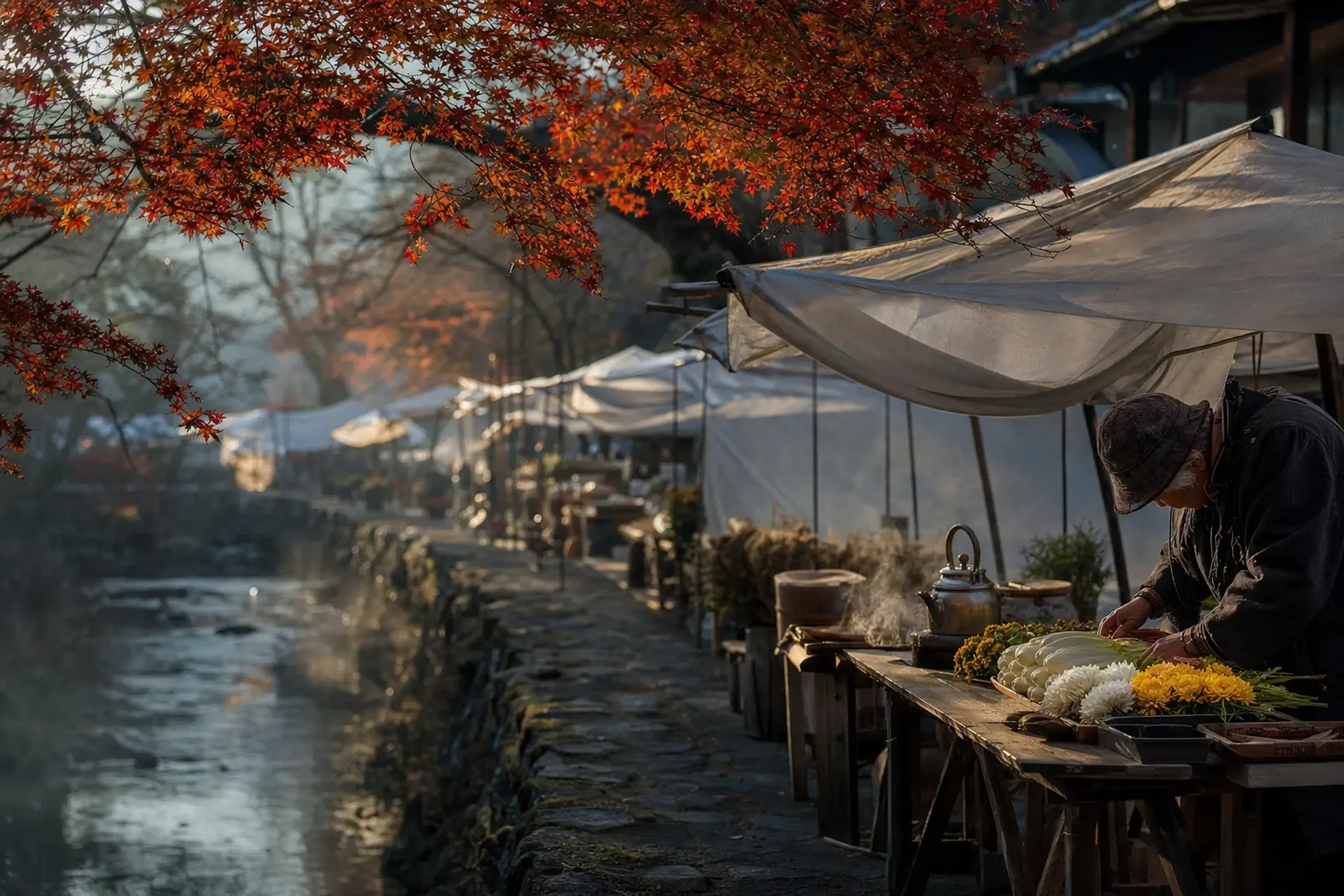
Miyagawa Morning Market is the larger of the two, set along the river. The setting does half the work. Water, stone embankments, and a line of stalls that invite a slow drift rather than a brisk pass-through.
You tend to see more crafts here. Small wood items. Textiles. Packable gifts that make sense if you are traveling onward. It is also the easier of the two markets in which to take a good photograph without appearing to try.
Jinya-Mae Asaichi (In Front Of Takayama Jinya)
Jinya-mae is smaller and more direct. More vegetables. More of that “this came from a nearby field this morning” energy. Less browsing, more buying.
It is also the older tradition, tracing back over 400 years to a rice market connected to the Edo-era government office nearby. That lineage changes how it feels. It reads less like an attraction and more like a habit that simply never stopped — the very definition of Japan the guidebooks cannot manufacture.
Key fact: Takayama has two morning markets operating daily (Miyagawa and Jinya-mae), generally running from around 6:00 to noon, with later winter starts.
Is Takayama Jinya Worth Visiting If You’ve Seen Castles And Temples?
Yes — Takayama Jinya is worth visiting because it is Japan’s only surviving Edo-era government administrative office building, offering a rare view of how authority and daily administration actually worked.
If your Japan trips usually lean on shrines, Zen gardens, and castle keeps, Takayama Jinya adds a wholly different layer. Not spiritual. Not martial. Bureaucratic, practical, and oddly intimate.
The building is a provincial governor or magistrate’s office site where the main structure still stands today.
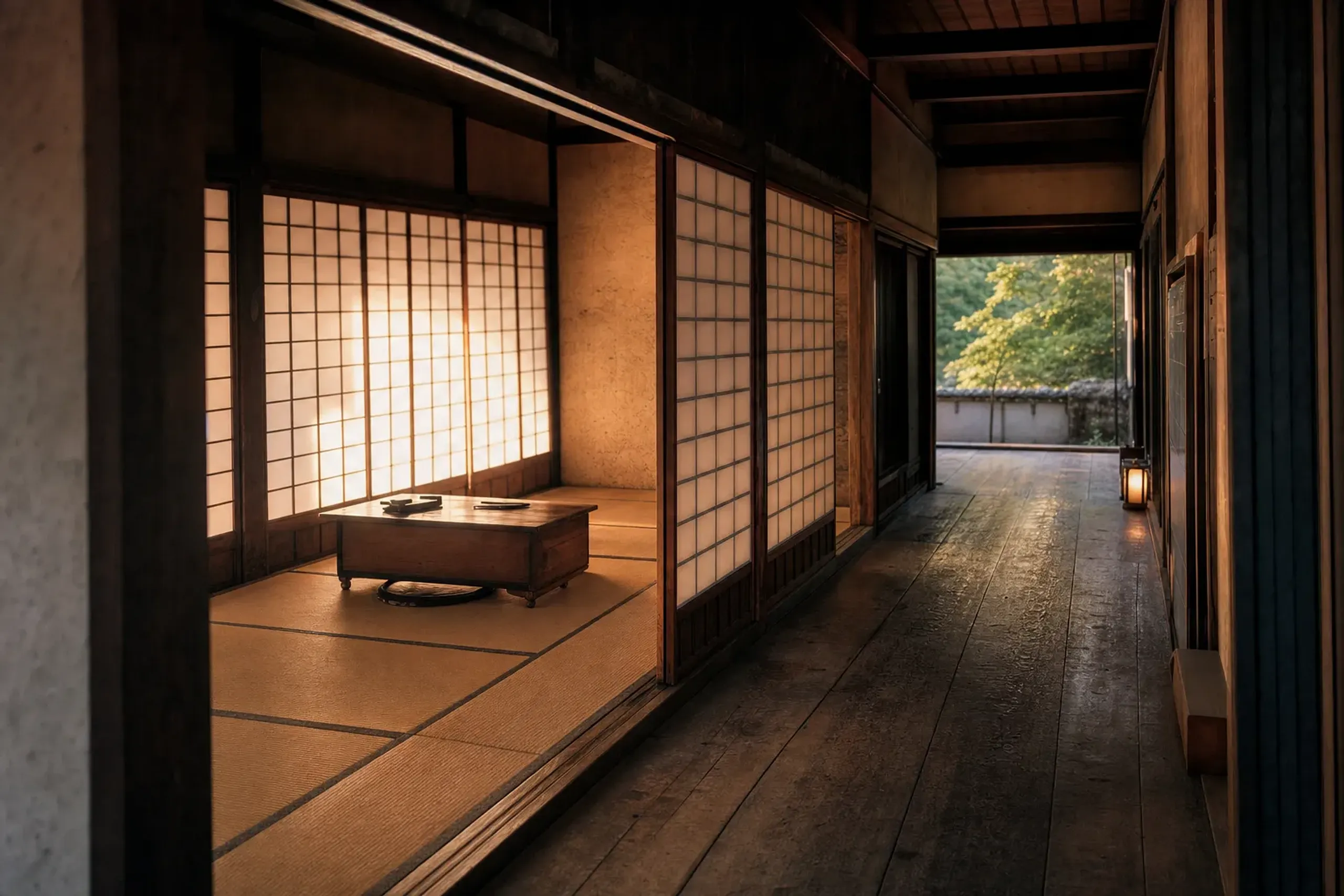
You move through tatami rooms, corridors, and working spaces that make the Edo period feel less like pageantry and more like governance — the machinery of a country, kept in wood and paper. For guests who prefer to walk these rooms before the day’s visitors arrive, a quiet early-hour arrangement transforms the experience entirely.
Pair It With A Merchant House For The Full Picture
After Jinya, a preserved merchant residence helps you understand what wealth once looked like here. The Yoshijima and Kusakabe Heritage Houses are both open to the public and are designated Important Cultural Properties.
You see domestic architecture, tools, and structural choices made for real winters and real work. The craftsmanship is never loud. It is patient — and, to an eye trained by fine things elsewhere, unmistakably masterful.
When Should You Visit Takayama For The Takayama Matsuri?
Visit in mid-April for the Spring Festival (Sanno Matsuri) or in early October for the Autumn Festival (Hachiman Matsuri), because the Takayama Matsuri is two separate, fixed-date festivals each year.
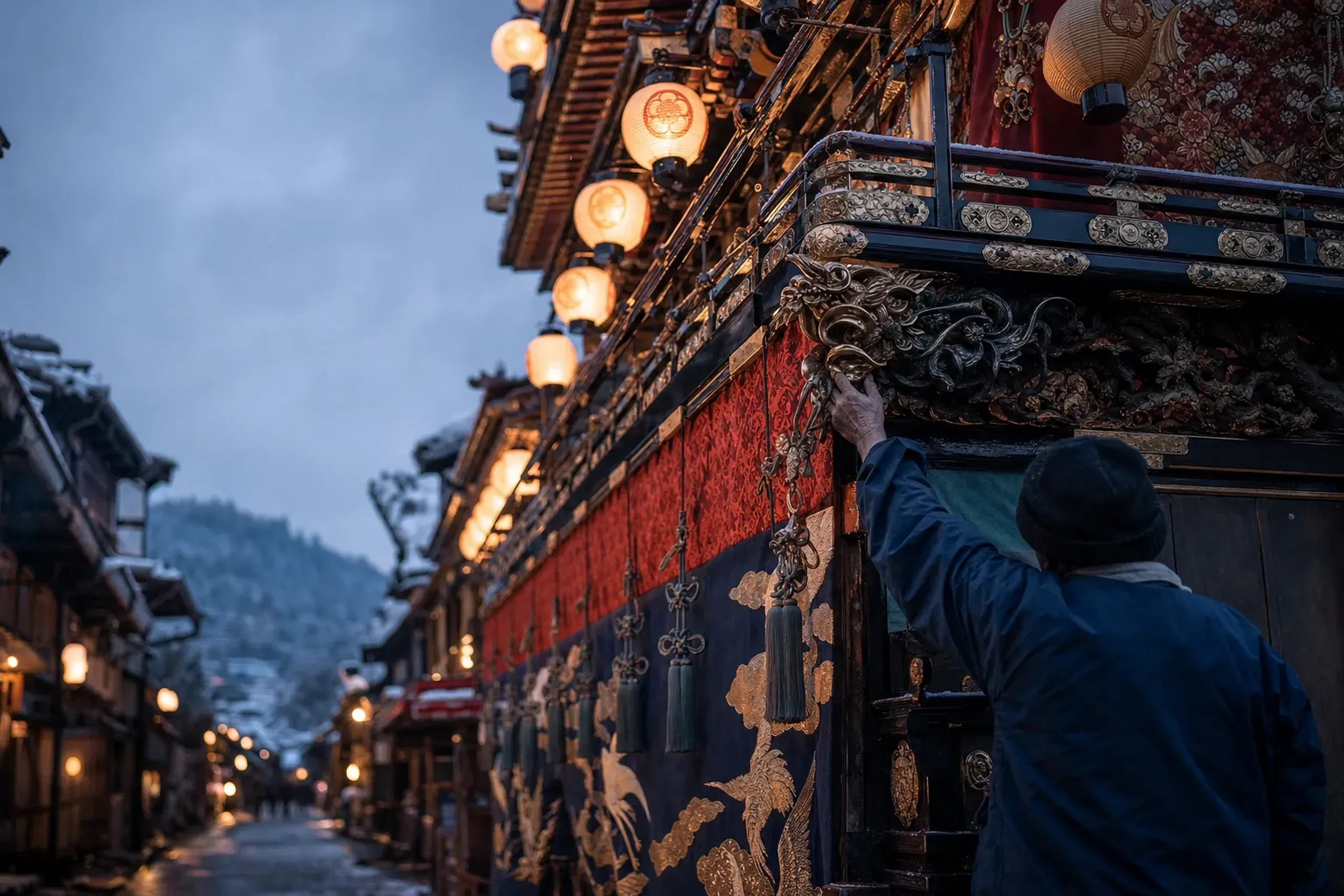
Takayama Matsuri is a shared name, not a single event. Spring centers on Hie Shrine. Autumn centers on Sakurayama Hachiman Shrine. Each festival features roughly a dozen elaborately crafted floats (yatai) carrying centuries of accumulated repair, lacquer, carving, and textile work.
These festivals are frequently counted among Japan’s most beautiful, alongside Kyoto’s Gion Matsuri. The float tradition is also recognized by UNESCO: in 2016, it was registered as Intangible Cultural Heritage as part of Japan’s wider float-festival tradition. Knowing precisely which festival falls in which season — and what the town feels like on either side of those dates — is the sort of seasonal judgment that separates a good visit from a memorable one.
Spring 2026: A Rare Gift For Planners
For 2026, official sources publish a clear anchor for the Spring Takayama Festival: April 14–15, 2026. Fixed. Useful.
That certainty changes how you should plan. Accommodation tightens well in advance.
Train seats and buses fill. The old town compresses, especially in the late afternoon when people converge for the same angles and the same float routes. This is precisely the window in which discreet advance planning — quiet rooms held early, a car standing by rather than a crowded platform — earns its keep.
Autumn: Similar Craft, Different Light
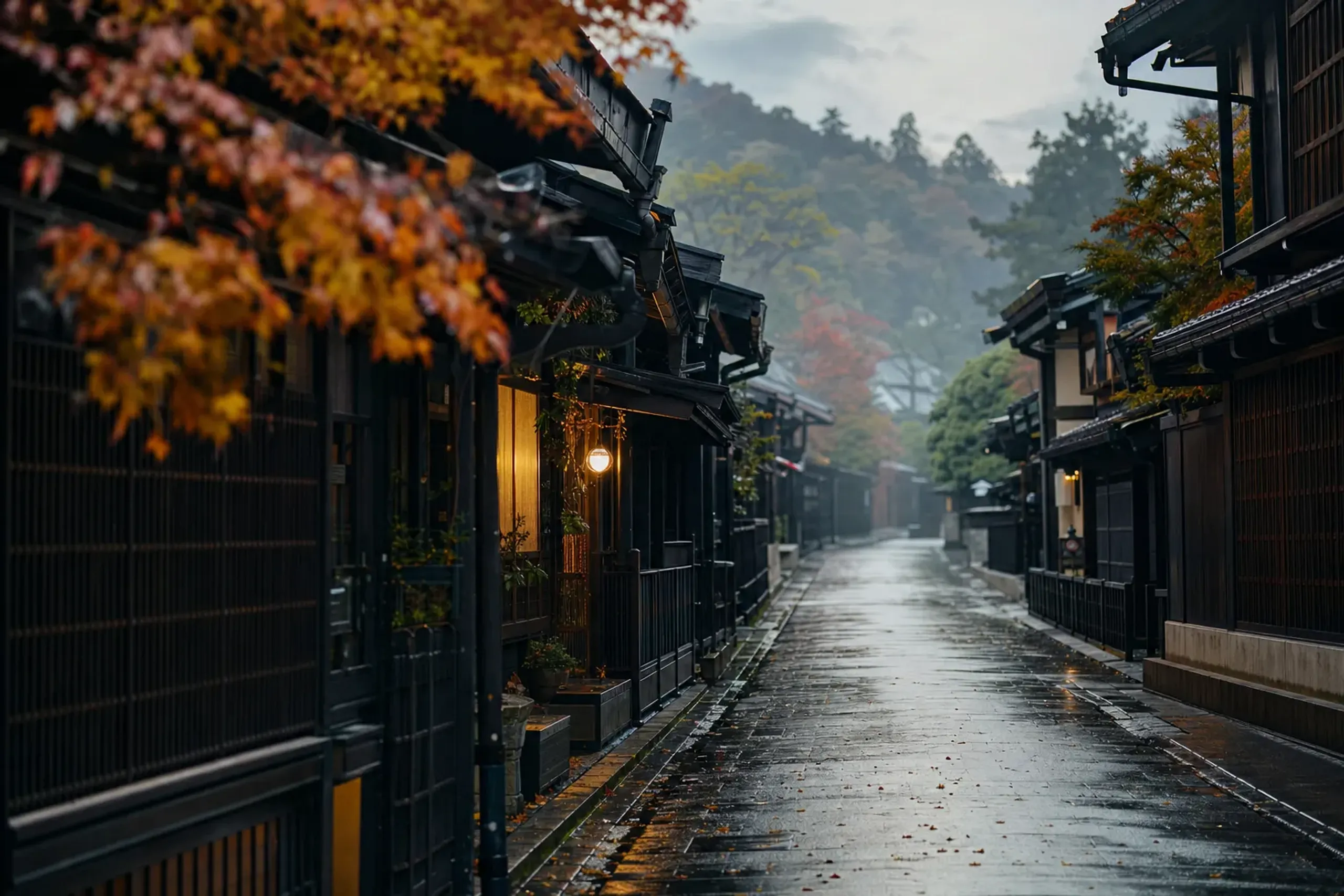
Autumn brings a different palette and a different pace to the town. Crisp evenings. Earlier darkness. Lantern light becomes part of the scene, not merely a detail.
The trade-off is obvious. You must commit to a narrow window, and you should expect crowds. Outside these dates, Takayama returns to what it does best: a slow morning town, its beauty measured in restraint.
August Option: Fireworks With A Local Calendar Feel
Takayama also holds the Hida Takayama Citizens’ Fireworks Festival on August 6 and 7 each year. It is a different kind of draw, and it can pair well with summer routes through the mountains if you enjoy night air and a festival crowd that skews local rather than touristic.
Takayama Sake Culture: What Makes It Different From Niigata Or Nada?
Takayama sake is shaped by cold mountain climate and clean alpine water, and it is brewed on a small scale inside a preserved merchant district — an atmosphere that feels distinct from Niigata’s snow-country tradition or Nada’s hard-water style.
You do not need a formal tasting itinerary to feel the difference. Walk Sanmachi. Notice how close the breweries stand to daily life. This is not an industrial edge-of-town zone; it is a working craft threaded through a town you can cross on foot.
Our concierge team usually suggests one focused brewery stop, not a spree. Palate fatigue is real.
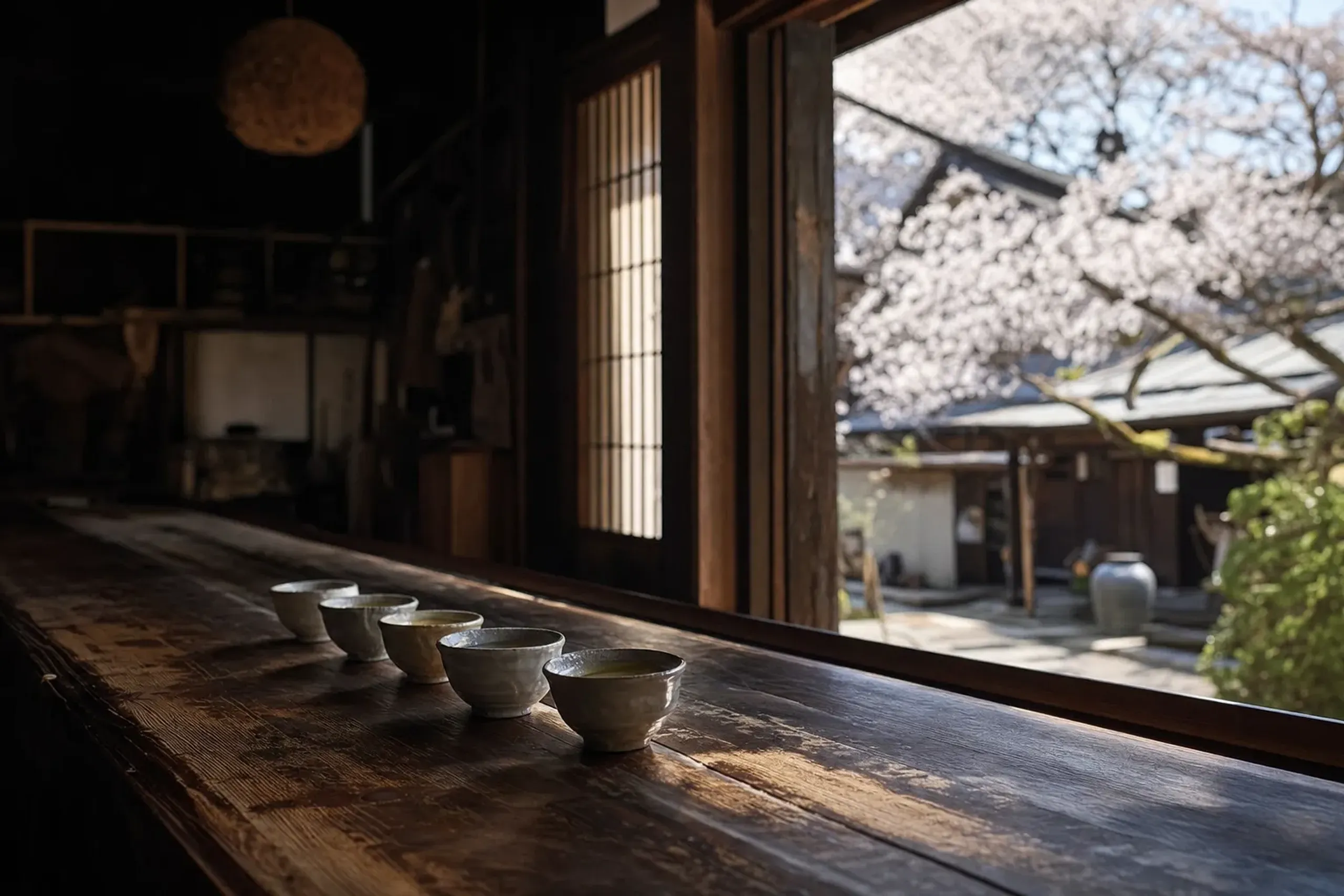
So is schedule drag. A single thoughtful visit, anchored to a sugidama you noticed earlier in the day, keeps the experience grounded — and, where a guest’s curiosity runs deeper, we can open a brewery’s private rooms to a conversation with the master himself, the kind of introduction that no reservation line can secure.
If you would like a broader national comparison, we cover other regions separately; Takayama’s value lies in its merchant-street setting and alpine character rather than any “best of Japan” claim.
Hida Beef And What To Eat Between Markets And Museums
Hida beef is the local wagyu tradition you should try in Takayama. It is a regional identity as much as a dish. Keep it simple.
Between the markets, Jinya, and Sanmachi, you will naturally encounter small places serving grilled skewers, rice bowls, and set meals built around local ingredients at the height of their season. Avoid overplanning. One good meal, one quiet café stop, and you stay inside the town’s natural pace.
If you are traveling with family, this is also where Takayama becomes easy. Short walks. Frequent stops. Never a “push through” city.
How To Fit Takayama Between Kanazawa And Shirakawa-Go Without Rushing
The cleanest way to use Takayama is as a one- or two-night stop that turns a Shirakawa-go transfer day into a town you actually experience.
If you treat it only as transit, you tend to arrive mid-day, walk Sanmachi at peak foot traffic, then leave the next morning before the markets have even woken. It is a common mistake. Takayama’s finest hours are early, and they belong to those who stay.
Option A: Kanazawa → Takayama → Shirakawa-Go
This routing works well when your trip already includes Hokuriku craft depth and you want an Alps merchant town as contrast. Different woods. Different rooflines.
A different register of quiet altogether.
- Plan for luggage: pack a small overnight bag and keep the rest moving forward when possible. A discreet private chauffeur service makes this seamless, carrying bags ahead so your day is never anchored to a locker or a timetable.
- Arrive before evening: you want time for a first Sanmachi walk without feeling chased.
- Give the next morning to the markets: this is the whole point of staying overnight.
Takayama pairs naturally with Kanazawa via the same regional corridor. If you are building that Kanazawa side with craft in mind, see our related story on Saga’s float-making discipline for a parallel view of long-cycle handwork: Karatsu Kunchi Floats: 3 Years of Paper & Lacquer.
Option B: Kanazawa → Shirakawa-Go → Takayama
This works when you want Shirakawa-go early, before the village feels crowded, and prefer to end the day in a town with dinner choices and a calmer evening walk.
- Start early: an early arrival at Shirakawa-go changes the experience entirely.
- Keep Sanmachi for dusk: the street feels more restrained after the day-trippers thin out.
Option C: Takayama As A Base For The Alps
Takayama can also serve as a base when you want mountain scenery without moving hotels every night. It is the standard gateway town toward Shirakawa-go, and it also connects to other alpine areas depending on season and road access.
In our experience, the reward here is comfort. Fewer check-ins. Fewer transfers. More time with your feet on the ground and your attention on the place rather than the logistics.
How Many Days Do You Need In Takayama: Half-Day Vs One Or Two Nights
A half-day covers Sanmachi Suji and one market, but one or two nights give you the calm morning Takayama is known for, and time for Jinya or a heritage house without rushing.
Half-day (good for tight itineraries): start with one morning market, then Sanmachi for a brewery stop and a short museum or shop visit. Keep expectations narrow. You are sampling, not settling in.
One full day: both markets become realistic, plus Takayama Jinya and one of the heritage houses. Add a slower lunch. Take breaks. The town rewards that patience.
Two nights: this is where Takayama stops feeling like a checklist. You can give the first evening to a gentle Sanmachi walk, and the second morning to the market you skipped, without the edge of departure pressure at your back.
Practical Logistics For HNW Travelers: Crowds, Weather, And Comfort
Takayama is simple on foot, but it is not always simple on the calendar. Festival dates compress space. Holiday periods can, too.
Takayama City publishes tourism statistics, and you can read the shape of crowd spikes in official materials — especially around major holiday periods such as Golden Week. We use that kind of public signal to advise on arrival days and pacing, then confirm the on-the-ground realities close to travel, so your itinerary bends around the crowds rather than into them.
Weather matters more here than in coastal cities. This is an alpine climate. Even a small shift in temperature changes how long you will want to be outdoors in the morning markets — and how the light will fall on the machiya at dusk.
Key fact: The festivals are fixed-date, two-day events. If your priority is Takayama Matsuri, build the itinerary around it rather than trying to “fit it in.”
Let Us Open Takayama’s Quieter Doors For You
Takayama is not a town that rewards rushing, and it is not a town that gives up its best rooms, its early markets, or its brewery masters to those who arrive on the same schedule as everyone else. That is where we come in. From a fully bespoke itinerary that threads Takayama between Kanazawa and Shirakawa-go, to private, before-hours access and introductions the public calendar cannot offer, our planning is handled with complete discretion and an eye for the season’s perfect timing. When you are ready to experience the Alps town most travelers skip — properly, and without the crowds — contact us here for a tailored proposal.