In this guide
- 01What Is The Difference Between Saki Matsuri And Ato Matsuri?
- 02Saki Matsuri On July 17: The Parade Everyone Photographs
- 03Ato Matsuri On July 24: The Calmer, Equally Complete Choice
- 04Yoiyama: The Lantern-Lit Evenings Before Each Parade
- 05Where Should You Stand To Actually See The Floats?
- 06Reserved Seating Versus Free Street Viewing
- 07The Civic Weight Behind The Spectacle
- 08What Else Happens During July
- 09Practical Planning: Heat And Lead Time
- 10Frequently Asked Questions
- 11Why Choose Japan Royal Service
Two float processions carry one famous name. Most visitors treat them as the same event, and choose the wrong one. Gion Matsuri fills all of July at Yasaka Shrine, yet the moments a traveler actually plans around come down to two mornings — July 17 and July 24 — and the lantern-lit evenings before each. Knowing the difference between them is the single most useful thing you can learn before you go.
At Japan Royal Service, the July question we hear most is not should I see Gion Matsuri. It is which day. The honest answer surprises people. Below is how the two processions differ, how to watch either one without standing in a wall of two hundred thousand people, and what to decide long before you arrive.
What Is The Difference Between Saki Matsuri And Ato Matsuri?
Saki Matsuri is the larger procession on July 17 with roughly 23 floats; Ato Matsuri is the calmer procession on July 24 with about 11 floats. Same festival, one week apart.
Both are called Yamahoko Junko — the float procession — and both are, in their own right, complete. The distinction is scale and reputation. Saki Matsuri is the one every guidebook shows. It leads. It has more floats. It draws the crowd. Ato Matsuri is the second act, smaller and steadier, and far fewer people plan for it.
Unlike cherry blossom or autumn color, neither date drifts.
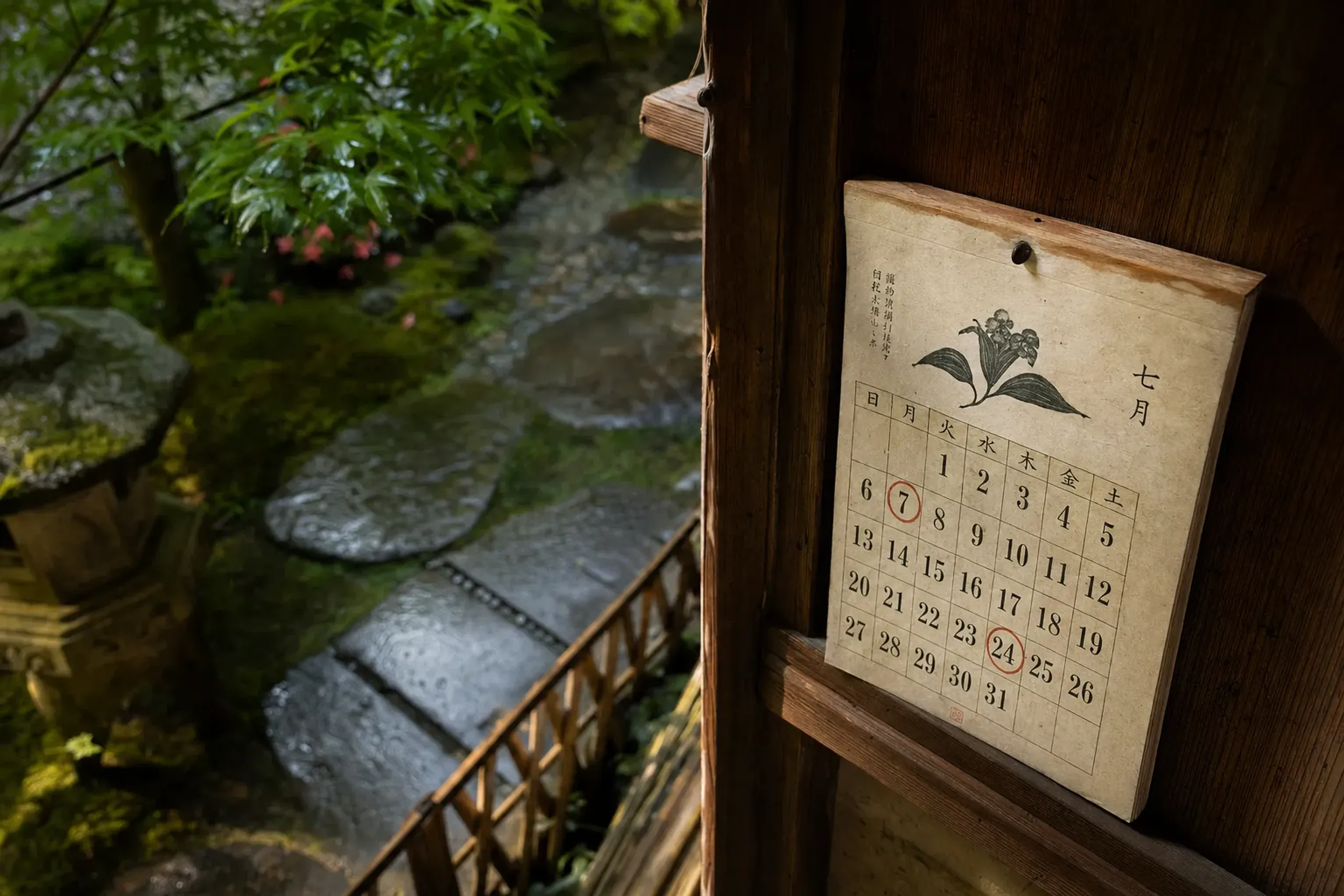
July 17 and July 24 are fixed, year after year. That certainty is a gift for planning a summer trip around a single fixed anchor.
Saki Matsuri On July 17: The Parade Everyone Photographs
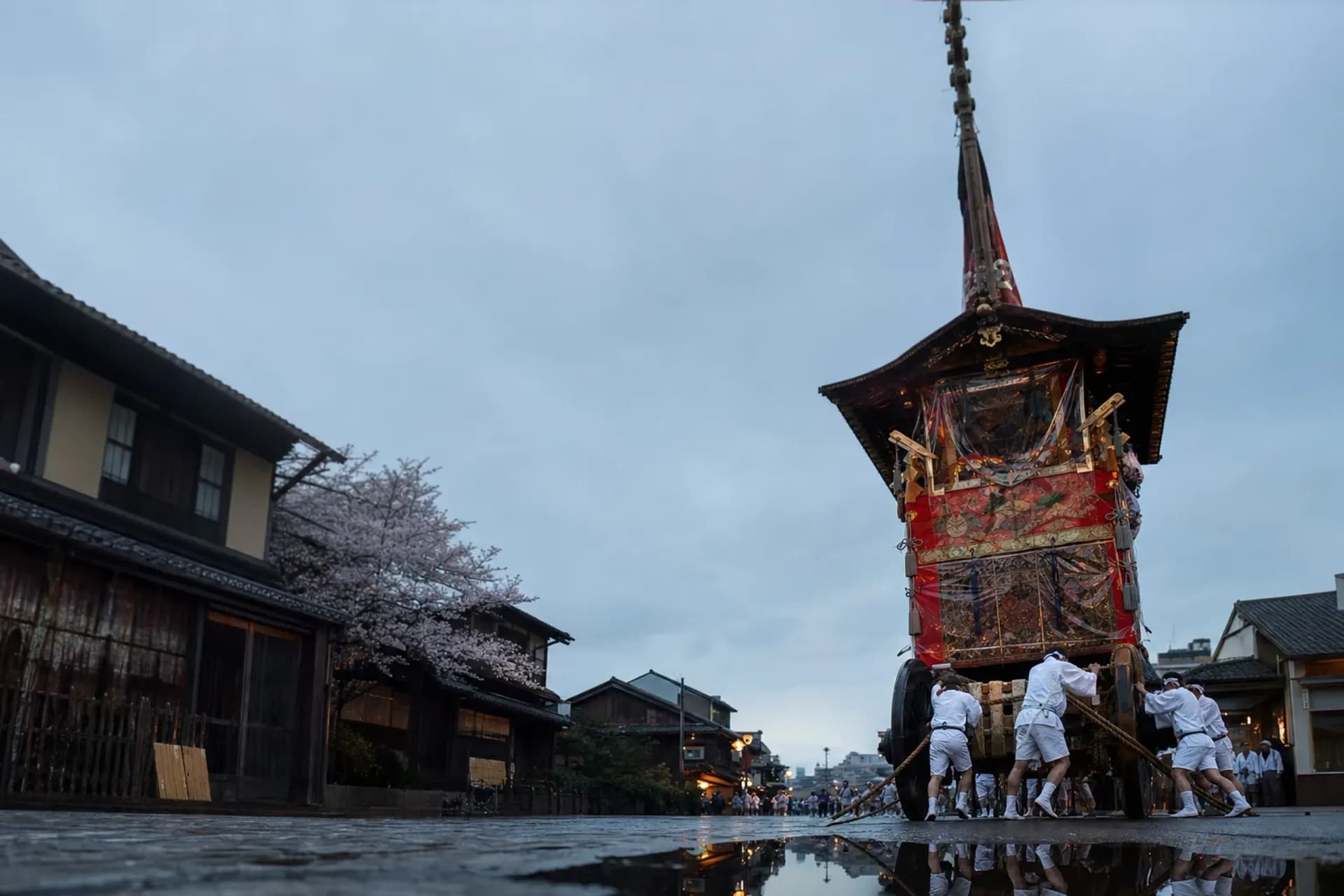
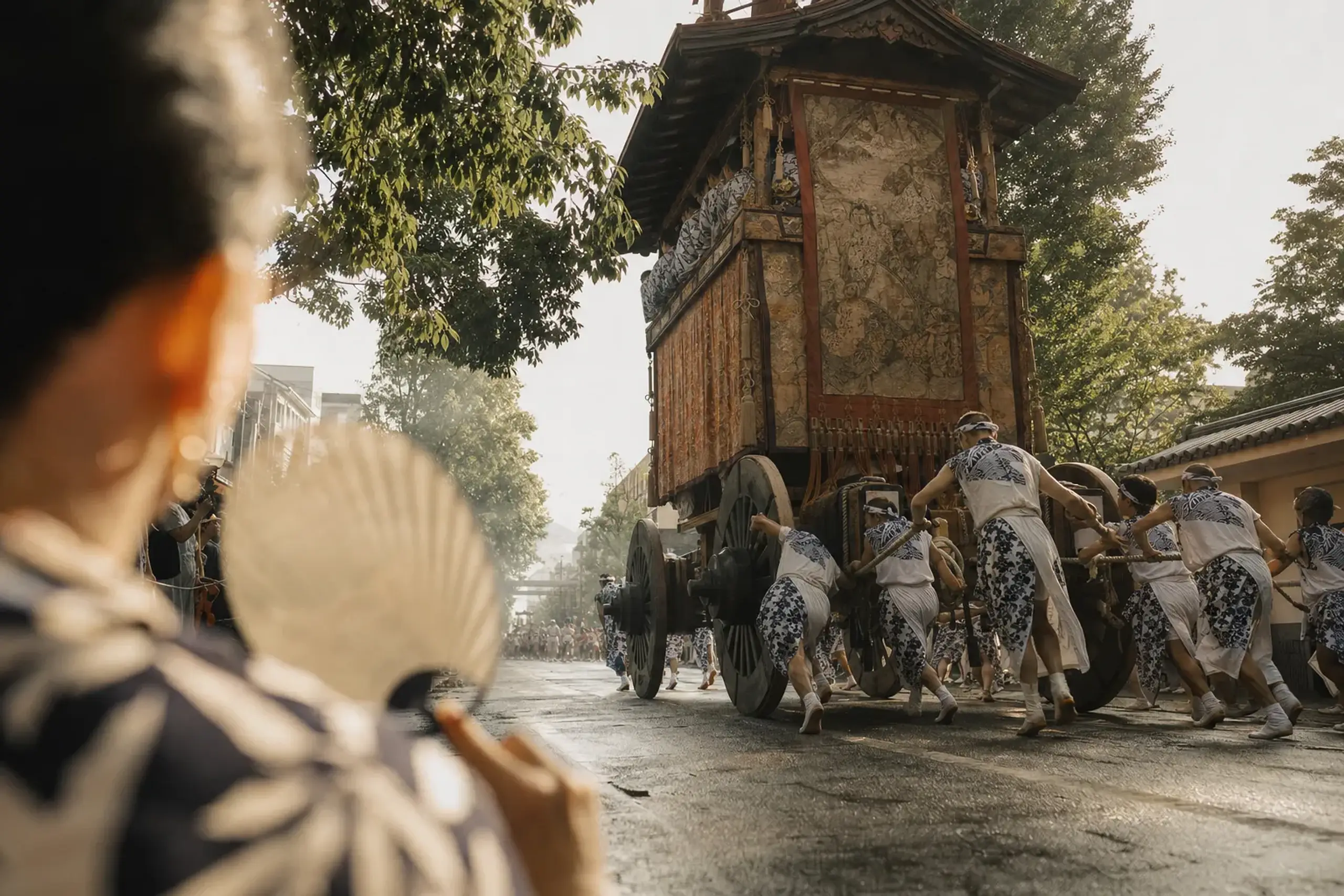
The early procession, or Saki Matsuri, begins at 9 a.m. on July 17 and runs its roughly 23 floats along Shijo, then Kawaramachi, then Oike streets. This is the image the festival is known for — the tall hoko floats, some rising several stories, hauled by teams and pivoted at the corners with wet bamboo laid under the wheels.
It is also where the crowd goes. One account cites more than 200,000 people gathering for July 17 alone. Current-year totals shift, and our concierge team confirms the crowd-management picture with the guest closer to the date, but the direction is not in doubt. Saki Matsuri is dense. If you have heard of Gion Matsuri, this is almost certainly the day you pictured.
There is nothing wrong with choosing it. The float count is higher, the atmosphere is charged, and for a first and only visit some travelers want exactly the parade that carries the reputation. Go in knowing what the day asks of you: heat, patience, and a plan for where to stand.
Ato Matsuri On July 24: The Calmer, Equally Complete Choice
Ato Matsuri, the latter procession, starts at 9:30 a.m. on July 24 with about 11 floats and runs the route in reverse — Oike, Kawaramachi, Shijo.
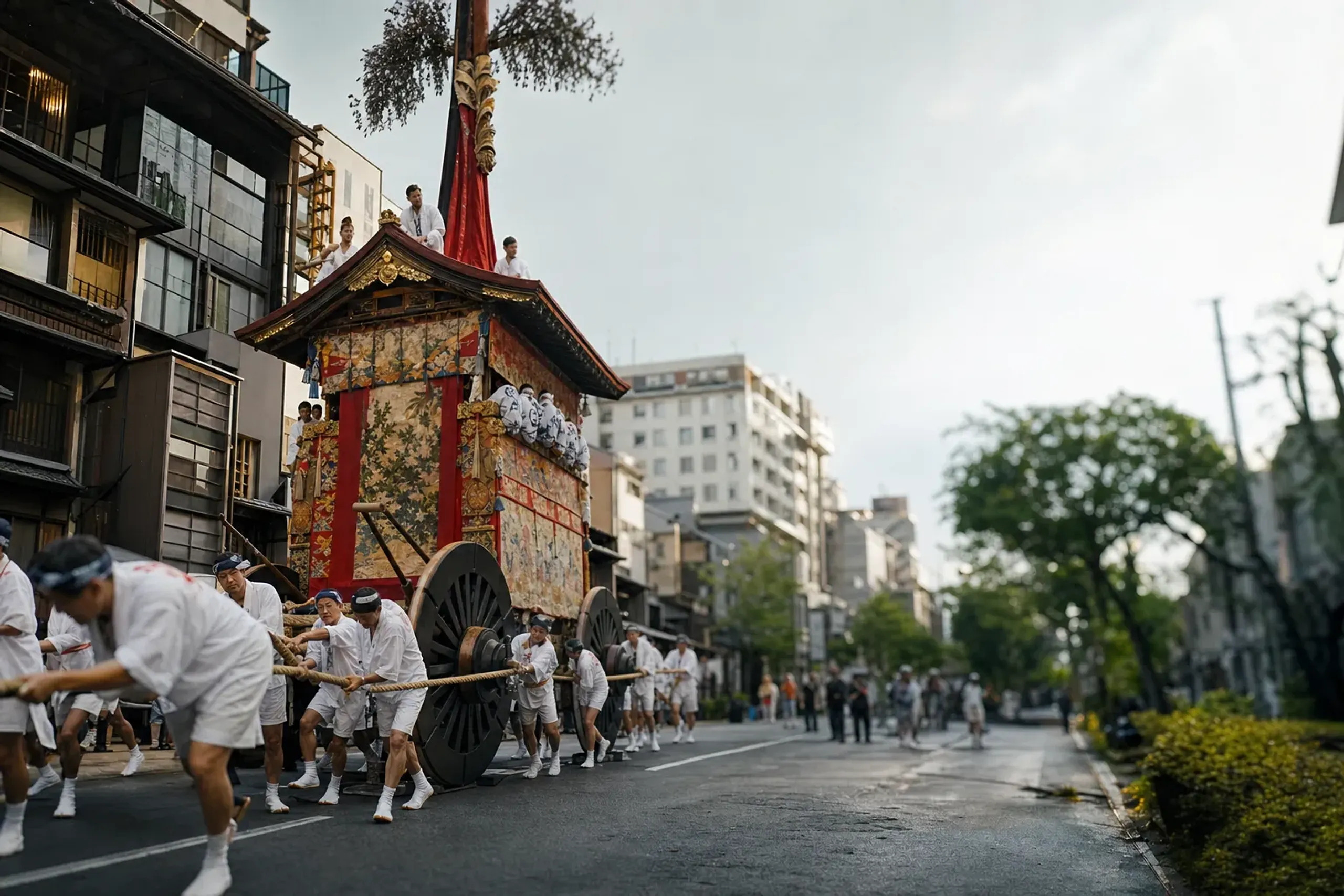
It is consistently described as calmer, with a fraction of the crowd, while still delivering a full float procession from start to finish.
This is the recommendation for most travelers. The corner turns, the music, the hauling teams, the floats themselves — you see all of it, with room to breathe and a clear line of sight. Choosing Ato Matsuri over Saki Matsuri is the most effective crowd decision available for this festival, and it costs you almost nothing except a week's patience.
Ato Matsuri is not a secret. It is well known and openly listed on Kyoto's own festival calendar. It is simply less attended, and that gap between reputation and turnout is what makes it the sharper pick. A quieter procession is easier to actually watch — and easier to photograph, if that matters to you.
The one decision that matters most: If you can build your trip around July 24 rather than July 17, do it. You lose about a dozen floats and gain a procession you can genuinely see.
Yoiyama: The Lantern-Lit Evenings Before Each Parade
Yoiyama refers to the pre-festival evenings — roughly July 14–16 before Saki Matsuri, and July 21–23 before Ato Matsuri — when streets close to traffic and the floats stand illuminated by paper lanterns. This is a separate experience from the parade, and for many guests the better one.
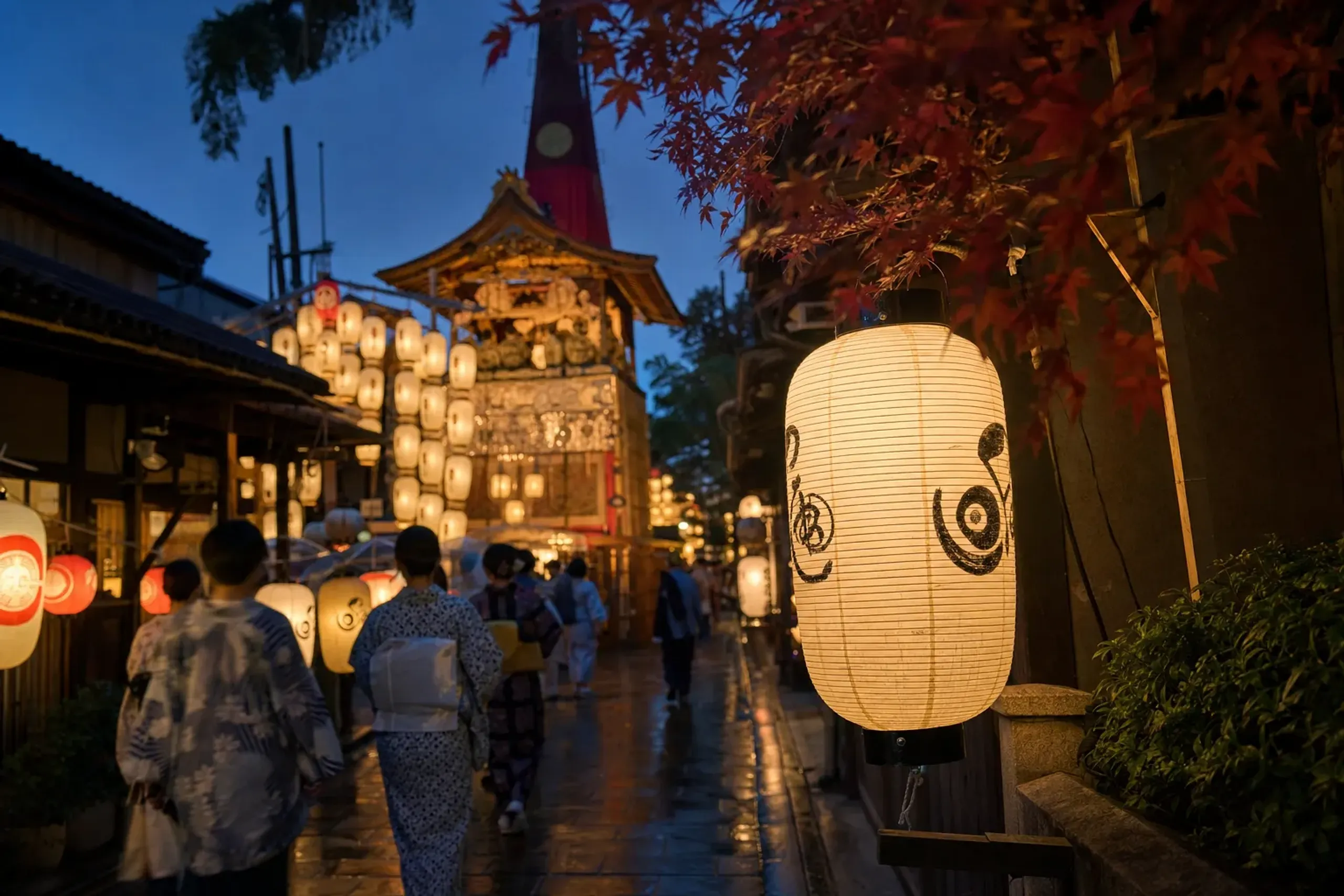
On these nights the float neighborhoods, the Yamahoko-cho, come alive at ground level. Festival music drifts from the floats. Lantern light runs the length of a closed street. Some old machiya open their tatami rooms to display folding screens and heirloom decorations — a quiet, inward counterpoint to the parade's spectacle. Access to these displays varies and is never guaranteed, so treat any open door as a courtesy, not an entitlement.
Food stalls often appear during Yoiyama, though their presence and scale change from year to year and are not assured for both periods. If stalls and street energy matter to you, the earlier Yoiyama before Saki Matsuri tends to be the fuller version. If you want lantern light and float music without the press of bodies, the evenings before Ato Matsuri are the calmer visit — consistent with choosing July 24 over July 17.
Where Should You Stand To Actually See The Floats?
Watch from the narrower side streets inside the float neighborhoods, then step onto the main avenue only near the end of the route. The side streets give you the floats up close with room to move.
The main avenues — Shijo, Kawaramachi, Oike — pull the deepest crowds, especially at the corner turns where the big floats pivot. Those turns are the drama everyone wants, and everyone stacks up to see them.
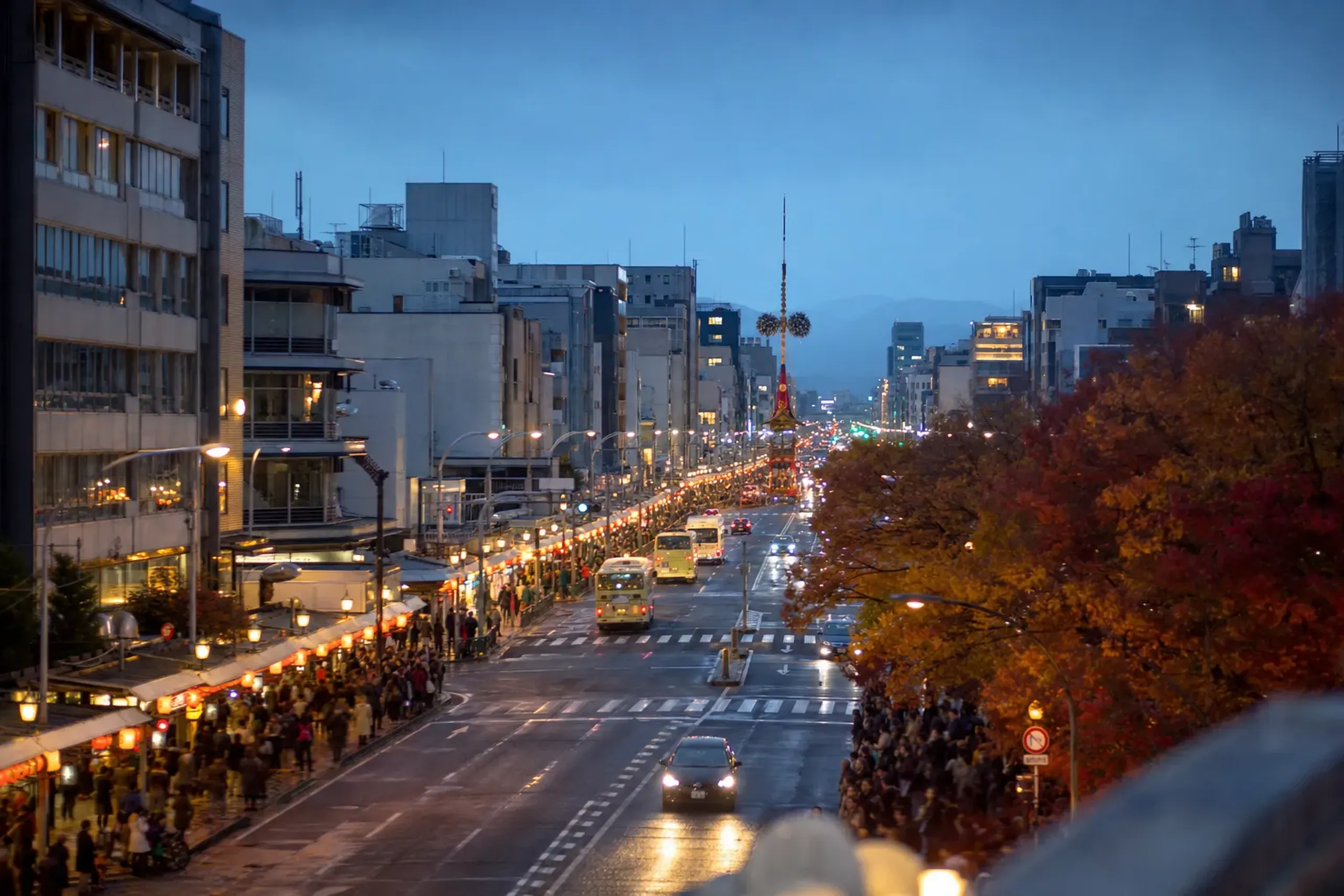
The side streets within the Yamahoko-cho let you meet the procession as it forms and moves, at a human distance, without wedging yourself into a front row hours early.
Timing follows the route. Since Saki Matsuri runs Shijo to Kawaramachi to Oike, and Ato Matsuri reverses it, the smart position depends on which day you choose. Our concierge team maps the specific streets and the hour to be on each, tuned to your hotel and how much heat you want to stand in.
Reserved Seating Versus Free Street Viewing
Both processions offer free street viewing and paid reserved seating; the reserved seats sit near Kyoto City Hall on Oike-dori, and some categories include specialist commentary in English or Japanese.
The trade-off is real and worth thinking through.
Free Street Viewing
- No cost, and total freedom to move along the route
- Best paired with the side-street strategy above
- Requires arriving early for a good line of sight, standing in July heat, and reading the crowd yourself
Reserved Seating
- A guaranteed seat on Oike-dori as the floats pass and turn
- Premium categories add expert commentary explaining each float
- Processions run rain or shine, with refunds only if the procession itself is cancelled
- Seats sell in advance and terms change year to year
We do not publish current seat prices here because they shift annually. Our concierge team confirms categories, locations, and availability directly with you at the time of planning, and pairs a reserved seat with the walking plan for the rest of the day.
The Civic Weight Behind The Spectacle
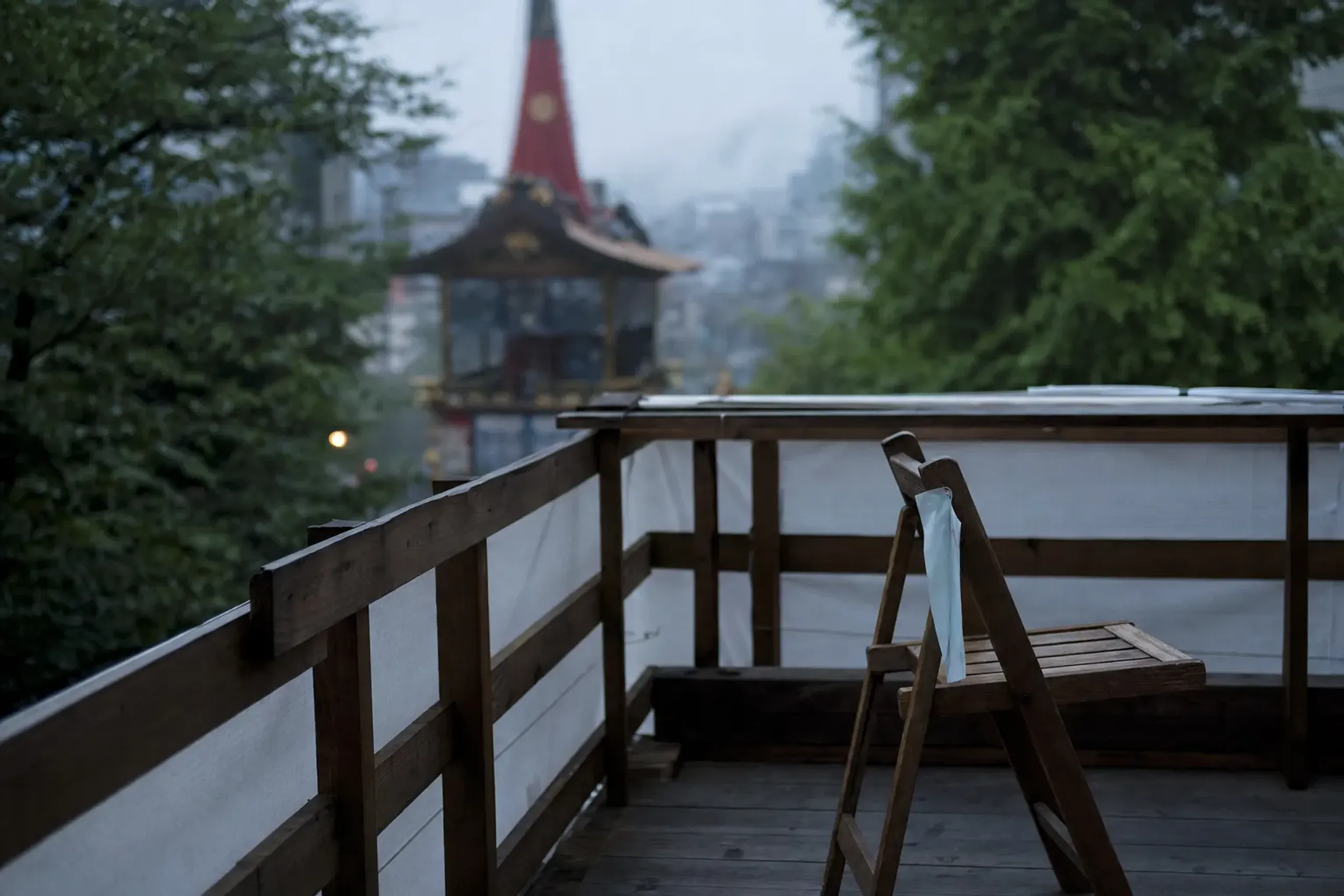
Gion Matsuri is one of Japan's three great Shinto festivals, centered on Yasaka Shrine, with origins reported more than a thousand years ago as a rite to ward off epidemics. It has never been mere pageantry to Kyoto.
In 1912, an attempt to halt the procession over tram-track construction was overturned after public campaigning — framed at the time as a matter of Kyoto's own identity surviving. That is a useful thing to carry with you. Both processions still close with mikoshi rites tied to Yasaka Shrine, the living Shinto core beneath the floats. You are watching a working ritual, not a re-enactment. For more on the Gion district itself and how to move through it respectfully, see our neighborhood guide to Kyoto's moving museums and the Yamahoko floats.
What Else Happens During July
The full month carries many smaller shrine rites and purification ceremonies most visitors never attend — the two processions and the Yoiyama evenings are the parts you actually plan around, and everything above covers them.
Practical Planning: Heat And Lead Time
July in Kyoto is hot and humid. The processions run in full morning sun, and the Yoiyama crowds hold that heat between closed-street buildings. Dress for it. Carry water.
Build shade and rest into the day rather than standing for hours on end. This is where a fixed viewing point — a reserved seat, or a mapped side-street window — earns its place.
Accommodation for these dates goes early. July 17 and July 24 draw demand across the city, and the best-located hotels for a short walk to the route fill well ahead. If your trip hinges on either procession, the room comes first and the rest of the day builds around it. For how to shape the surrounding days, our guide to the float neighborhoods pairs well with a broader Kyoto plan.
Frequently Asked Questions
Should I See Saki Matsuri Or Ato Matsuri For Fewer Crowds?
Choose Ato Matsuri on July 24. It offers a full float procession with a fraction of Saki Matsuri's crowd, making it the single most effective crowd decision for this festival. You see fewer floats but far more clearly.
What Are The Exact Dates Of Gion Matsuri's Two Processions?
Saki Matsuri runs July 17 at 9 a.m. with about 23 floats; Ato Matsuri runs July 24 at 9:30 a.m. with about 11 floats. Both dates are fixed every year and do not shift.
Are There Food Stalls During Yoiyama Every Year?
Food stalls often appear during Yoiyama, but their presence and scale vary year to year and are not guaranteed for both the July 14–16 and July 21–23 periods.
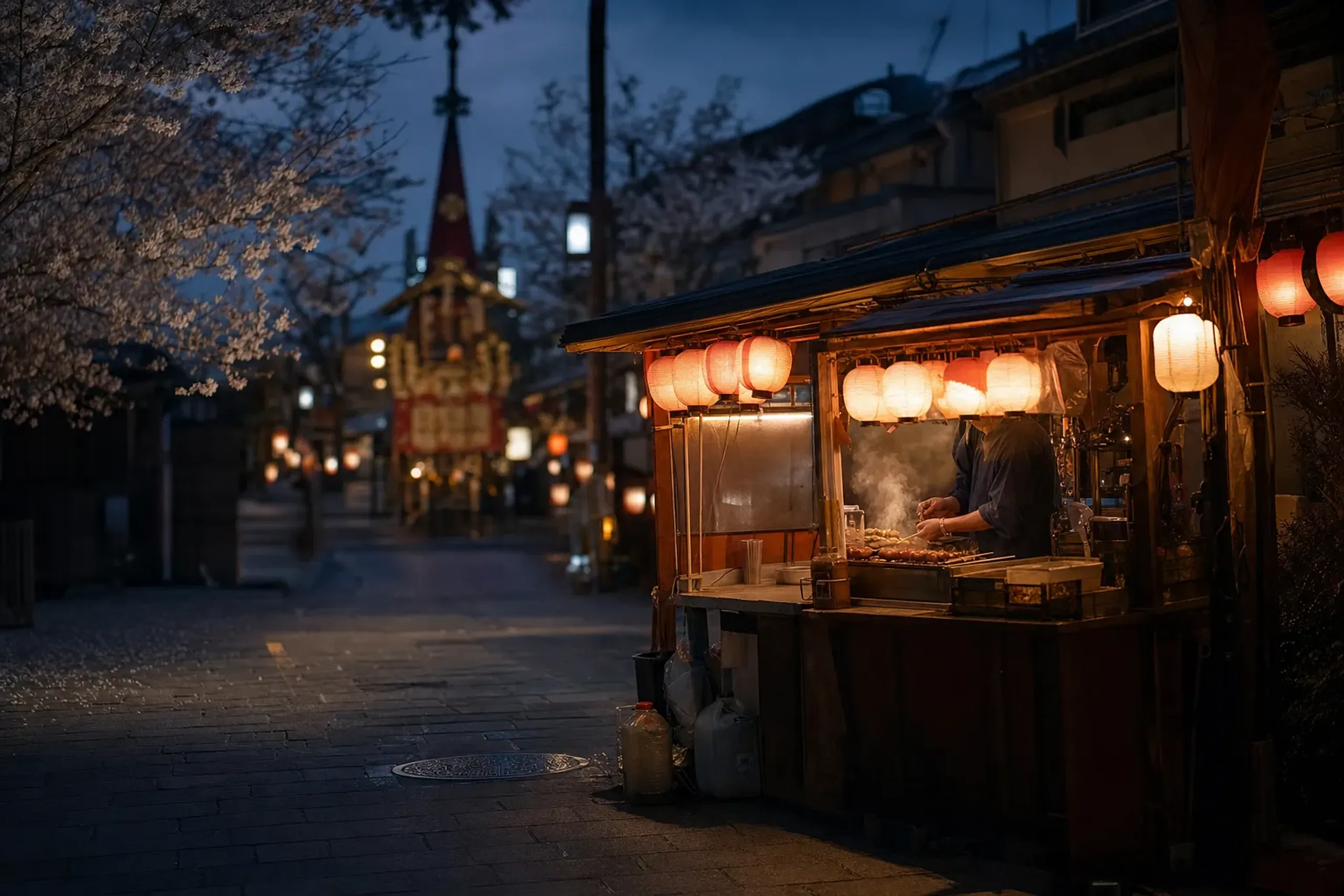
Treat them as likely, not certain.
Is Reserved Seating Worth It For The Gion Matsuri Parade?
Reserved seats near Kyoto City Hall on Oike-dori guarantee a view of the floats and can include expert commentary — worth it if you dislike standing in July heat and want the floats explained as they pass.
Do The Processions Go Ahead In Rain?
Yes. The processions are held rain or shine. Reserved-seat refunds are issued only if the procession itself is cancelled, not for weather during the event.
Why Choose Japan Royal Service
Gion Matsuri rewards decisions made months out — the right day, the right room, the right place to stand in the heat. Our team at Japan Royal Service arranges premium and reserved viewing, private guiding along the float route, and hotel timing built around July 17 or July 24. We confirm current seat categories, availability, and crowd-management details directly with you, since those change year to year.
Tell us which procession draws you — the full spectacle of Saki Matsuri or the clearer, calmer Ato Matsuri — and we will build the surrounding days, the private chauffeured transport, and a tailor-made July itinerary around it. Our concierge handles the map, the timing, and the discretion so you simply arrive and watch.
To plan a July Kyoto stay around either procession, reach our team privately via WhatsApp or LINE, or contact us here.