In this guide
- 01A Dance You Join, With A Rule-Bound Past
- 02When Does Gujō Odori Run, And When Are The All-Night Dances?
- 03How Do The Ten Gujō Odori Dances Work Each Night?
- 04The Origin Of Gujō Odori, Honestly Told
- 05How To Choose Your Night: First-Timers Vs All-Night Purists
- 06What To Wear, What To Bring, And How To Move Respectfully
- 07How To Get To Gujō Hachiman And Return Comfortably After Midnight
- 08What UNESCO Recognition Means For Gujō Odori (And What It Does Not)
- 09A Practical Two-Day Gujō Odori Plan For HNW Travelers
- 10How This Compares To Other “Three Great Bon Dances” Nights
- 11Where Japan Royal Service Fits: Guidance, Transfers, And Accommodation Strategy
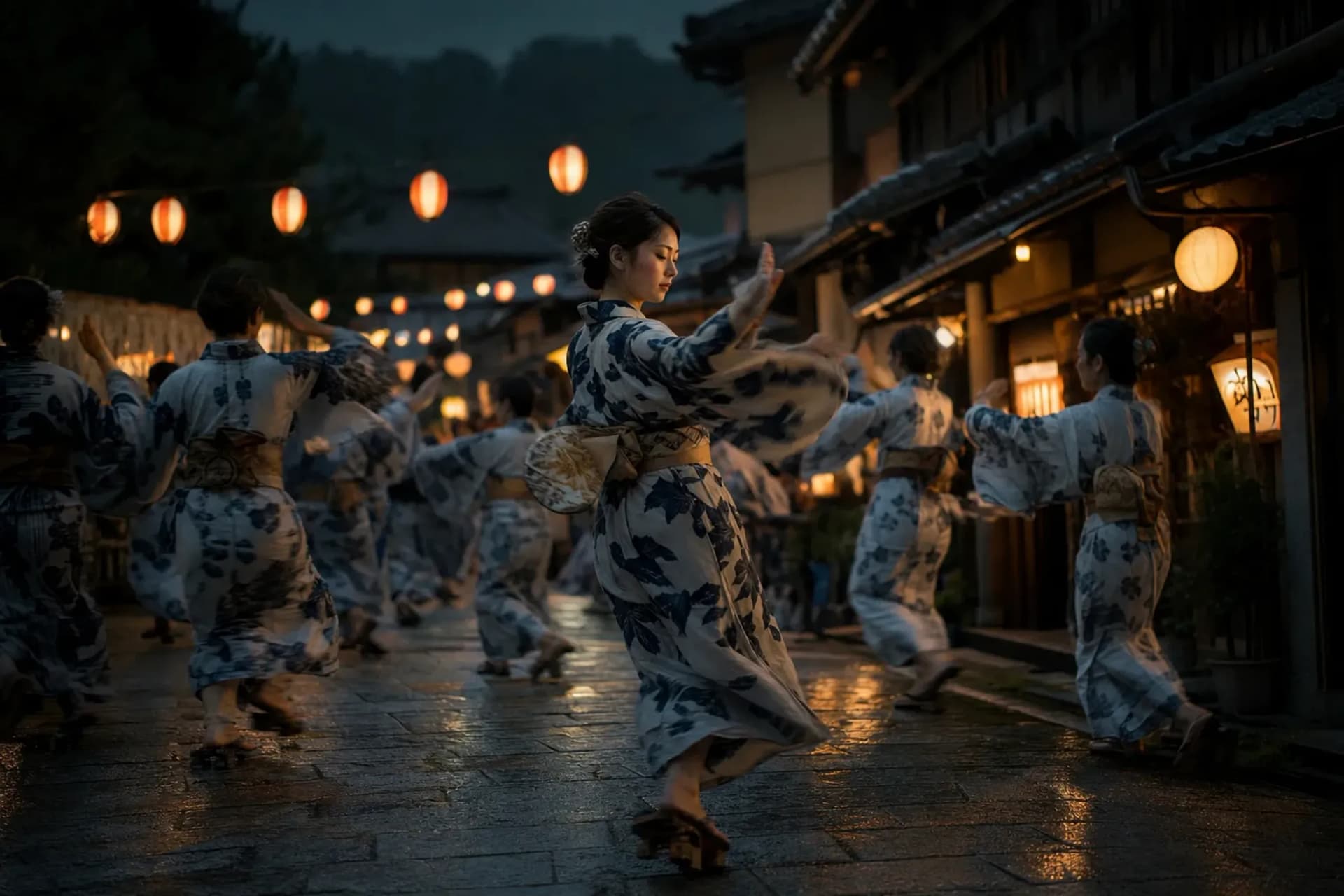
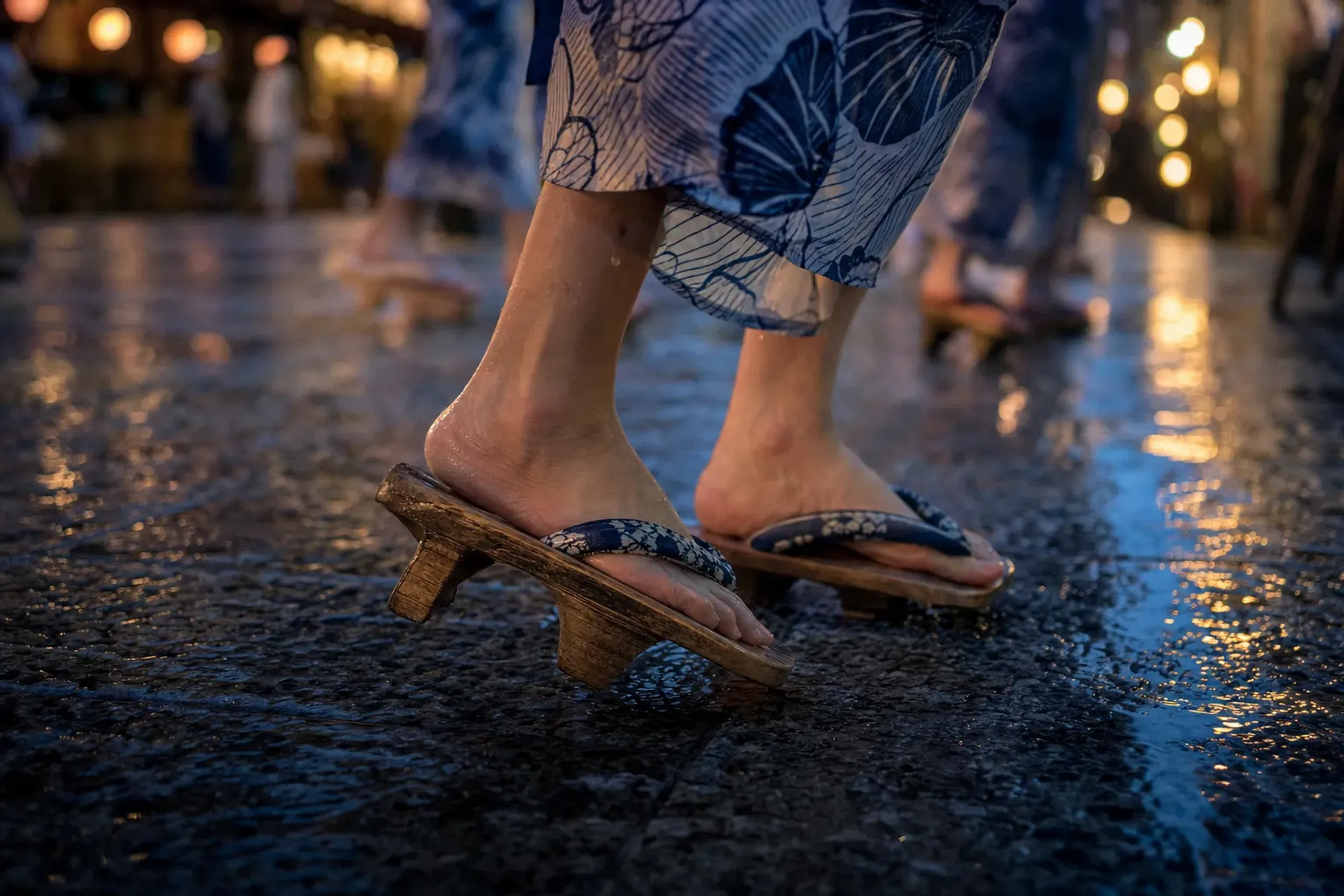
Geta clack on old stone. A flute line repeats, folding back on itself. Someone you have never met falls into step beside you, and suddenly you are both moving the same way, facing the same small stage cart at the center of the circle.
That is Gujō Odori in Gujō Hachiman, Gifu. Not a show. A practice the town invites you to share, one careful footstep at a time. And yet its past was watchful and rule-bound.
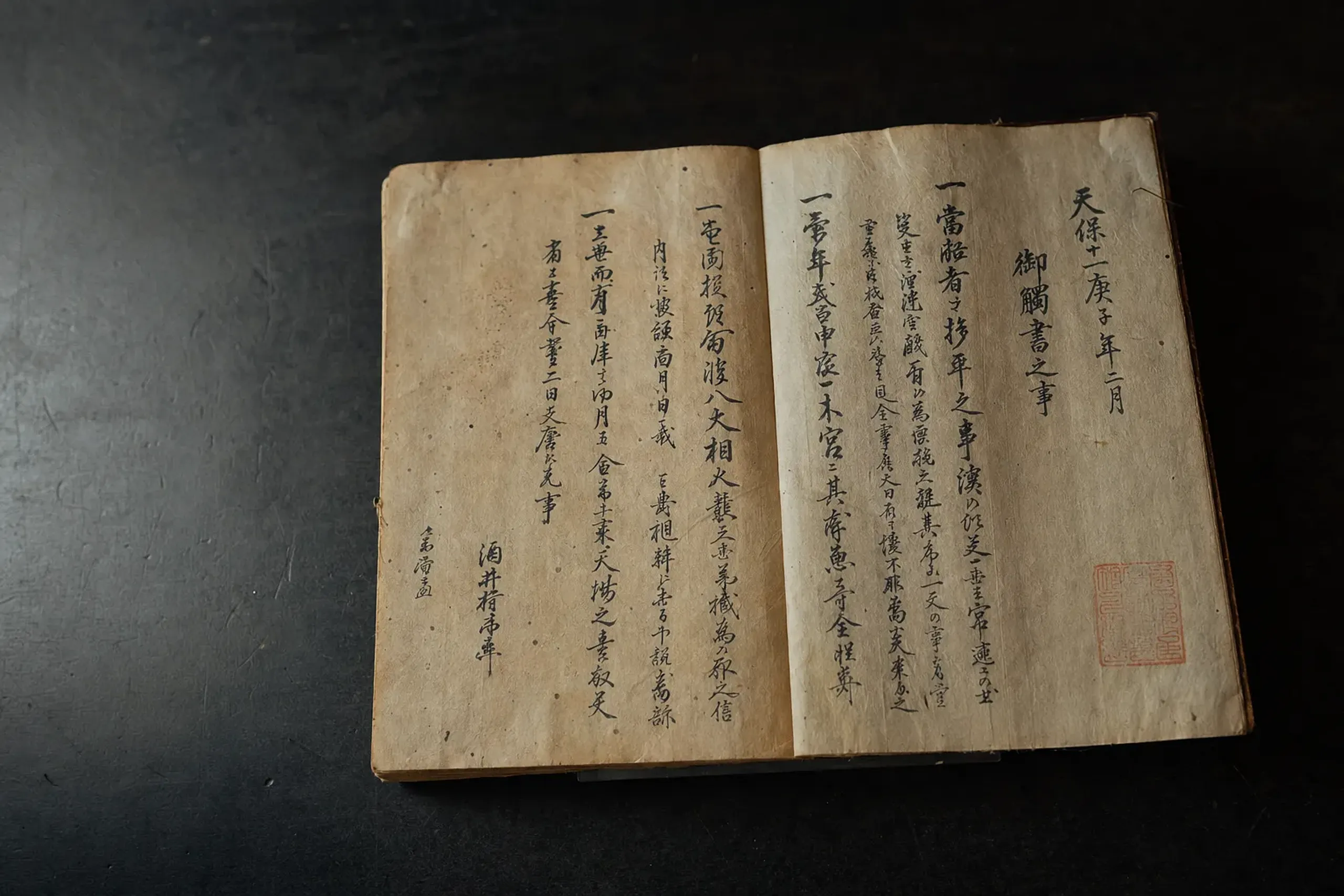
In a record from 1840, during the Tenpō era (1830–1844), the castle-town Bon dance was permitted only for three nights, the 14th to the 16th. Headwear and costumes were strictly forbidden. Officers and town headmen patrolled the dance ground to enforce it.
Today, the same town runs Gujō Odori for roughly 30-odd nights each summer, from mid-July to early September. People arrive in everyday clothes, yukata, or whatever feels right, and many choose geta because the sound belongs to the night. The loosening is the point.
A Dance You Join, With A Rule-Bound Past
Gujō Odori is often described locally as a dance to dance, not a dance to watch. The choreography is built for circles, crossings, and repetition, so even a first-timer can learn by quietly following a stranger’s shoulders and feet.
It is also a castle town, and you feel that discipline in the way the streets gather people into a single moving current. Then you remember the old strictness, and the contrast lands hard.
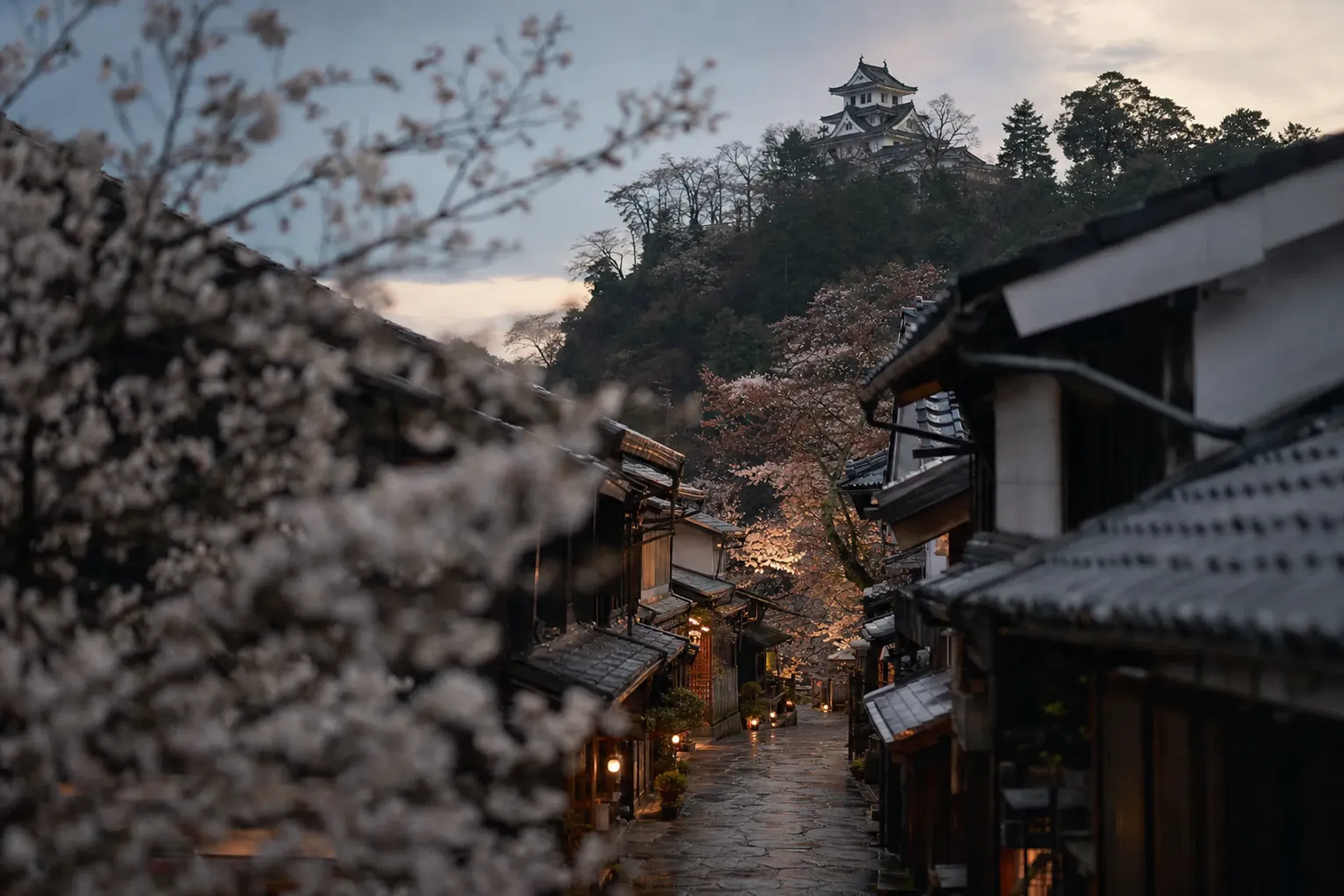
The 1840 record matters because it shows what the town once tried to control: costume, anonymity, even the mood of the crowd. The modern festival keeps the structure—music, sequence, etiquette—while letting the community breathe inside it.
For travelers used to roped-off viewing areas, Gujō Odori can be disarming. You are not separated from the tradition. You are responsible for it. That shift—from spectator to participant—is precisely what makes the night memorable, and precisely what a well-briefed arrival protects.
When Does Gujō Odori Run, And When Are The All-Night Dances?
Gujō Odori is held every summer from mid-July to early September, with the all-night “Tetsuya Odori” dancing traditionally taking place on August 13–16.
Official schedules are published by the Gujō Hachiman Tourism Association, and the season is long—often described as 30 nights (some sources count 31–33 across different years and counting methods). Those nights are spread out across the summer rather than concentrated into a single weekend, which is part of why timing your visit well is itself a form of expertise. This is the Japanese sense of shun applied to a festival: knowing which night to choose, in which week, for the experience you actually want.
On standard evenings, the dancing typically begins around 8:00pm. It usually ends around 10:30pm on weekdays and Sundays, and around 11:00pm on Saturdays. A short window, but an intense one.
On the four all-night dates (August 13–16), the town shifts into a different gear.
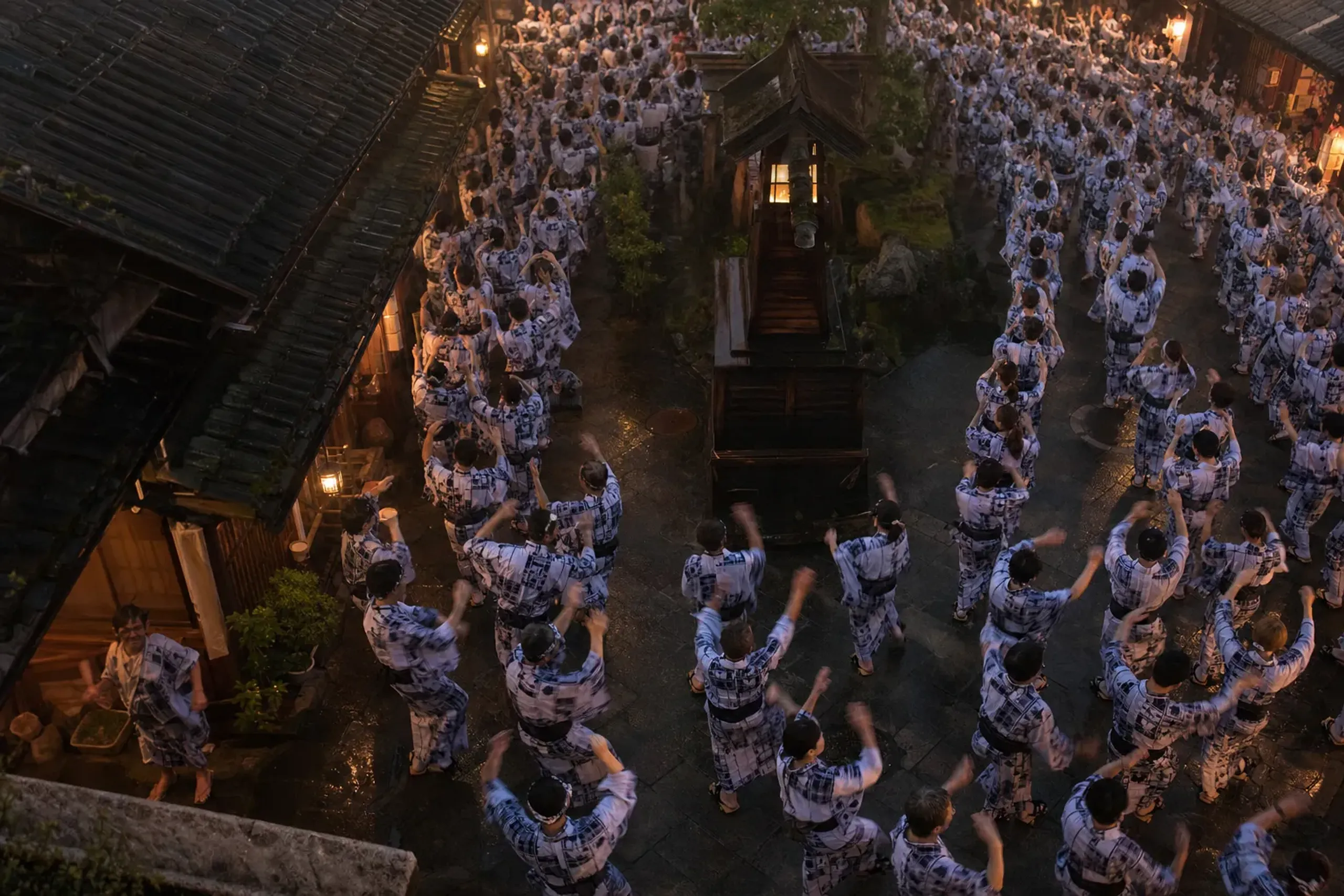
Dancing commonly runs from 8:00pm until after 4:00am, and the crowd changes as the hours pass—families early, dedicated dancers later, and the stubborn joy of dawn at the end.
Key fact: Venues change night by night and are tied to the fair days of local temples and shrines, so the “dance floor” moves across town.
In our experience at Japan Royal Service, the difference between a good Gujō Odori night and a frustrating one is rarely the dance itself. It is logistics: where you stand, how you pace the evening, and how you get home when the streets are still humming.
How Do The Ten Gujō Odori Dances Work Each Night?
Each Gujō Odori night follows a fixed sequence of ten dances, and the town compares the flow to the courses of a meal, always closing with “Matsusaka.”
The Gujō Odori Preservation Society and local tourism materials describe this sequence with a food metaphor: an opening that wakes the appetite, calmer pieces like simmered dishes, a faster number like something fried, a distinctive dance like a strong side dish, and then a light finish.
That finish is dependable. “Matsusaka” is the last song of every night, even on the all-night dates, and that predictability is part of the magic. When you hear the first notes, regulars adjust their sleeves and step back into line.
The opening dance is often described with a famous line about leaving Gujō Hachiman and finding one’s sleeves wet though no rain fell.
If you understand that feeling by the end of the night, you learned the right lesson.
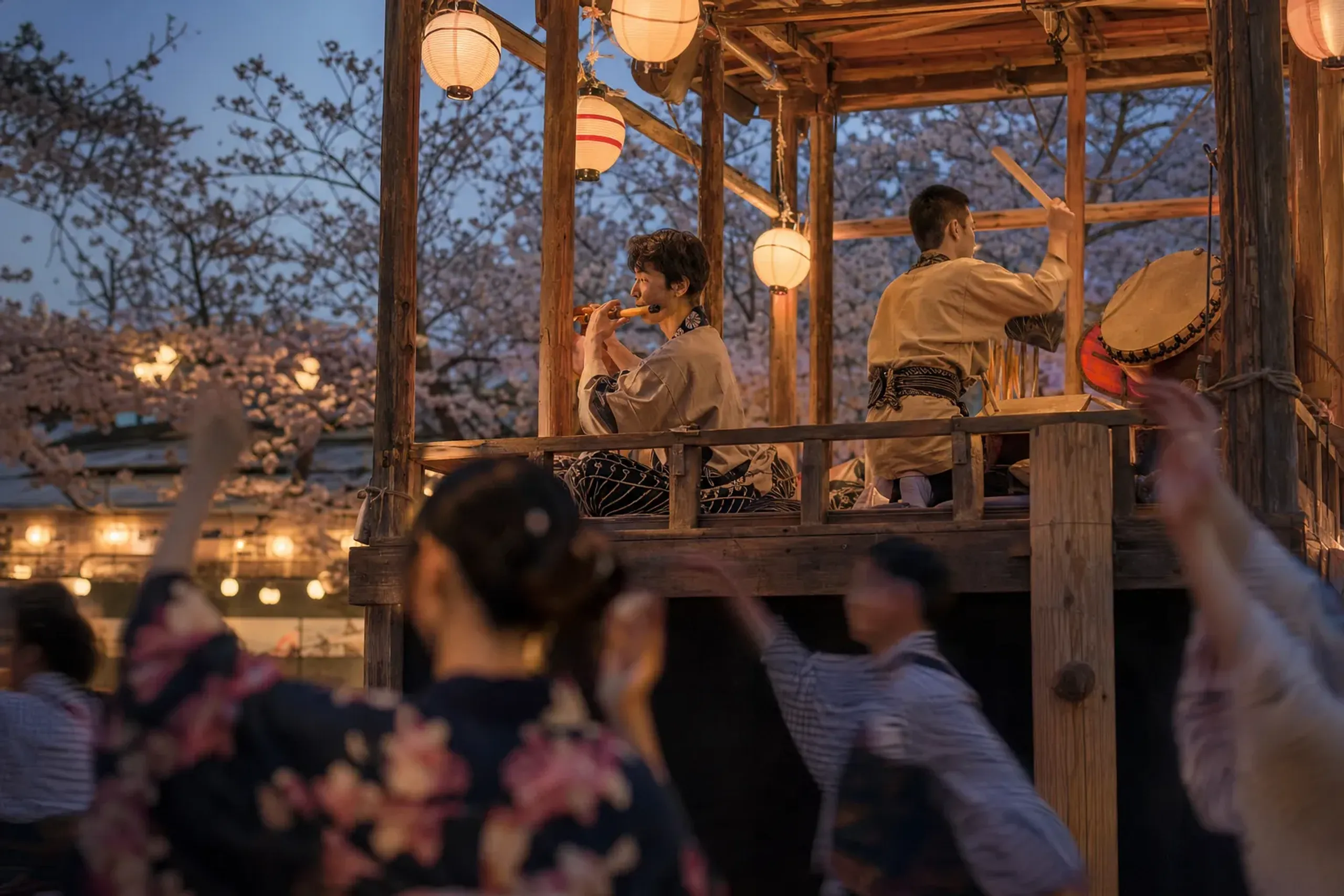
At the center, musicians perform from a stage cart. The sound carries down the street and around corners, so you sometimes hear the festival before you see it. Follow the music. It works.
The Origin Of Gujō Odori, Honestly Told
Gujō Odori’s origin story is often told as an act of social mixing: a lord encouraged the dance so people of different classes would gather in the castle town without regard to status. The domain’s villages already had their own Bon dances, and tradition says they were brought together into one long sequence—one explanation for why there are ten dances.
Sources disagree on which lord, so we do not pretend there is a single clean answer. One tradition points to the first lord of the Endō line in the early Edo period. Another places emphasis on a mid-Edo lord in the Aoyama era, from 1758, in the wake of a peasant uprising.
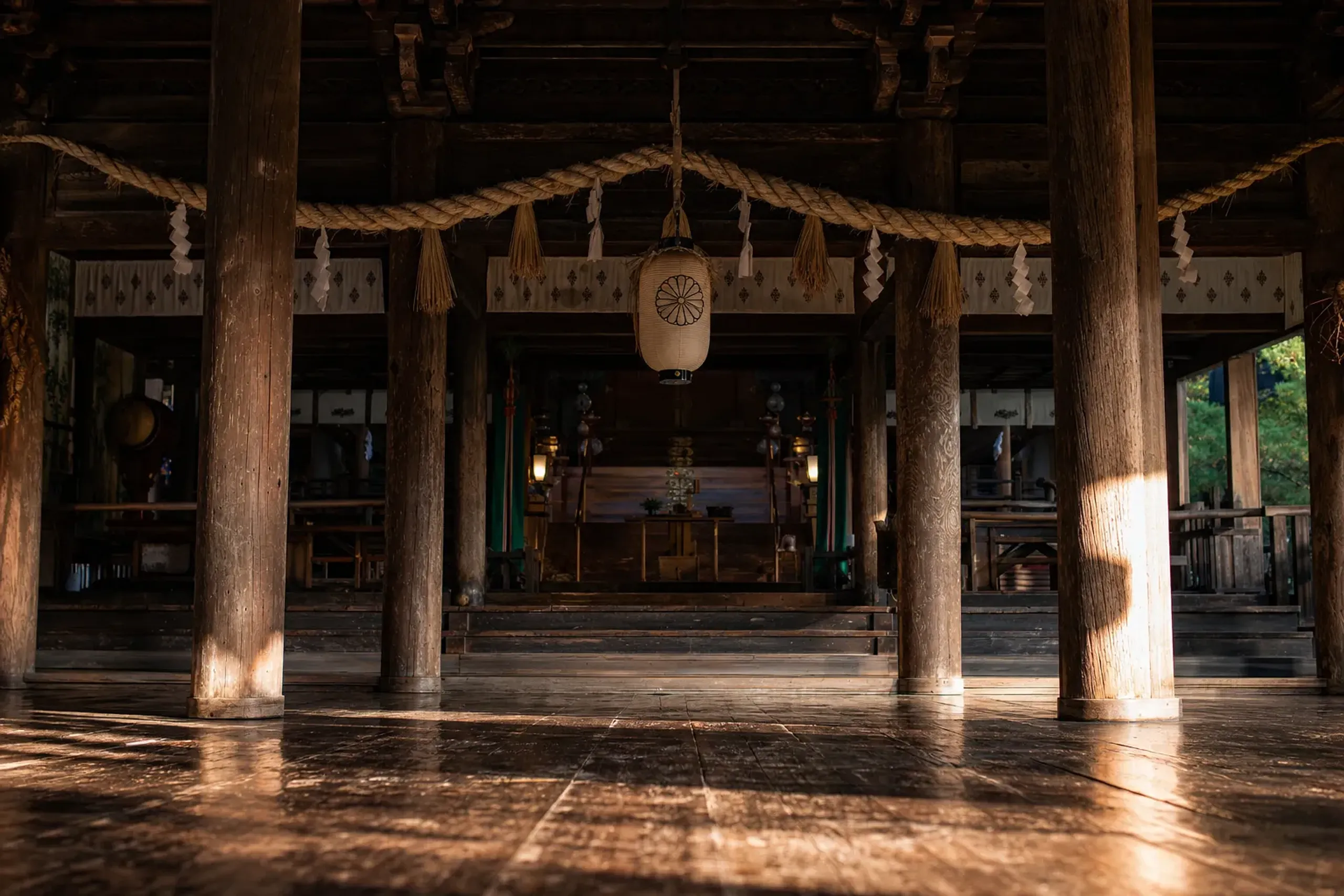
There is also an older layer beneath both stories. An 1840 record describes that before about 1744, worshippers danced overnight in the worship halls of two shrines. So the all-night impulse is not a modern invention. It predates the festival’s formal shape.
For discerning travelers, this is where the value sits: Gujō Odori is not polished into a single narrative for tourists. It remains slightly unresolved, which is often how living culture looks when it is still owned by a town rather than packaged for one.
This is Hidden Japan in its truest form—not a secret address, but a practice that resists being tidied into a brochure.
How To Choose Your Night: First-Timers Vs All-Night Purists
If you can only visit once, pick your night the way you pick a meal. Heavy or light. Early or late. And be honest about your stamina.
Option A: A Standard Evening (8:00–10:30/11:00)
This is the most forgiving entry point. You still get the full ten-dance sequence, the cart at the center, and enough repetition to learn the footwork without panic.
- Best for: first-timers, multi-generation families, travelers continuing onward the next day
- What it feels like: lively but bounded, with a clear start and finish
- What to do next: a quiet late dinner, then sleep—your feet will thank you
Option B: Tetsuya Odori (All-Night, August 13–16)
This is the night people travel for, and it asks more of you. The circle keeps going. Your focus slips, then returns. Dawn arrives mid-step.
- Best for: culture purists, experienced festival-goers, strong night owls
- What it feels like: communal endurance, with waves of energy through the hours
- Plan for: a late start the next day and a calmer schedule afterward
What To Wear, What To Bring, And How To Move Respectfully
Gujō Odori looks relaxed now, but it still runs on manners. The circle works only when everyone gives each other a fraction more space than they think they need.
A tiny courtesy, with an outsized effect.
Footwear: Many dancers wear geta, partly for tradition and partly for the sound. If you are not used to them, bring comfortable footwear and do not force the geta choice; blisters are a fast way to turn the night sour.
Clothing: Yukata are common, but everyday summer clothing is normal too. Avoid anything that blocks others in a crowded circle. Keep bags small.
Photography: Be restrained. The dance is participatory, and people are not props. If you want clean photos, step aside rather than stopping in the flow.
Hydration: Summer in Gifu can be humid. Drink early and often, and treat the all-night dates as an endurance event, not a sprint.
When our concierge team at Japan Royal Service briefs guests, we focus on one idea: do not “take” the festival. Join it. Then leave it intact for the person behind you. That quiet anticipation of what a guest needs before the evening begins—where to stand, when to rest, how to exit gracefully—is the form of omotenashi that turns an unfamiliar crowd into a night you fully inhabit.
How To Get To Gujō Hachiman And Return Comfortably After Midnight
Most international travelers route through Nagoya for Gujō Hachiman, then time their arrival so they are not rushing straight into the circle.
The festival nights are simple once you are standing in them.
Getting in and out can be the hard part, especially after a late finish or on the all-night dates when your sense of time goes blurry. Plan this before you lace your shoes.
For HNW travelers, the comfort layer is not flashy. It is control: a quiet car, predictable timing, and a driver who is used to festival traffic patterns. That is why many guests ask us about private transportation early in planning.
If you prefer to keep the evening light, our team can also suggest daytime pacing in Gujō Hachiman so you arrive at 8:00pm rested, not already spent. A simple strategy, and a reliable one.
What UNESCO Recognition Means For Gujō Odori (And What It Does Not)
Gujō Odori was designated a national Important Intangible Folk Cultural Property in 1996 and was inscribed in 2022 under UNESCO’s broader “furyū-odori” Intangible Cultural Heritage listing.
This recognition is not a VIP ticket. It does not create a special viewing deck, and it should not. It is a promise that the practice is worth protecting, and that protection depends on the town continuing to hold it as a community event.
For travelers, UNESCO recognition is a good signal that you are not chasing a trend. You are stepping into something with continuity, rules, and caretakers. Respect those caretakers.
A Practical Two-Day Gujō Odori Plan For HNW Travelers
This is a community festival, so the “luxury” comes from how you pace it, not from upgrading the dance itself.
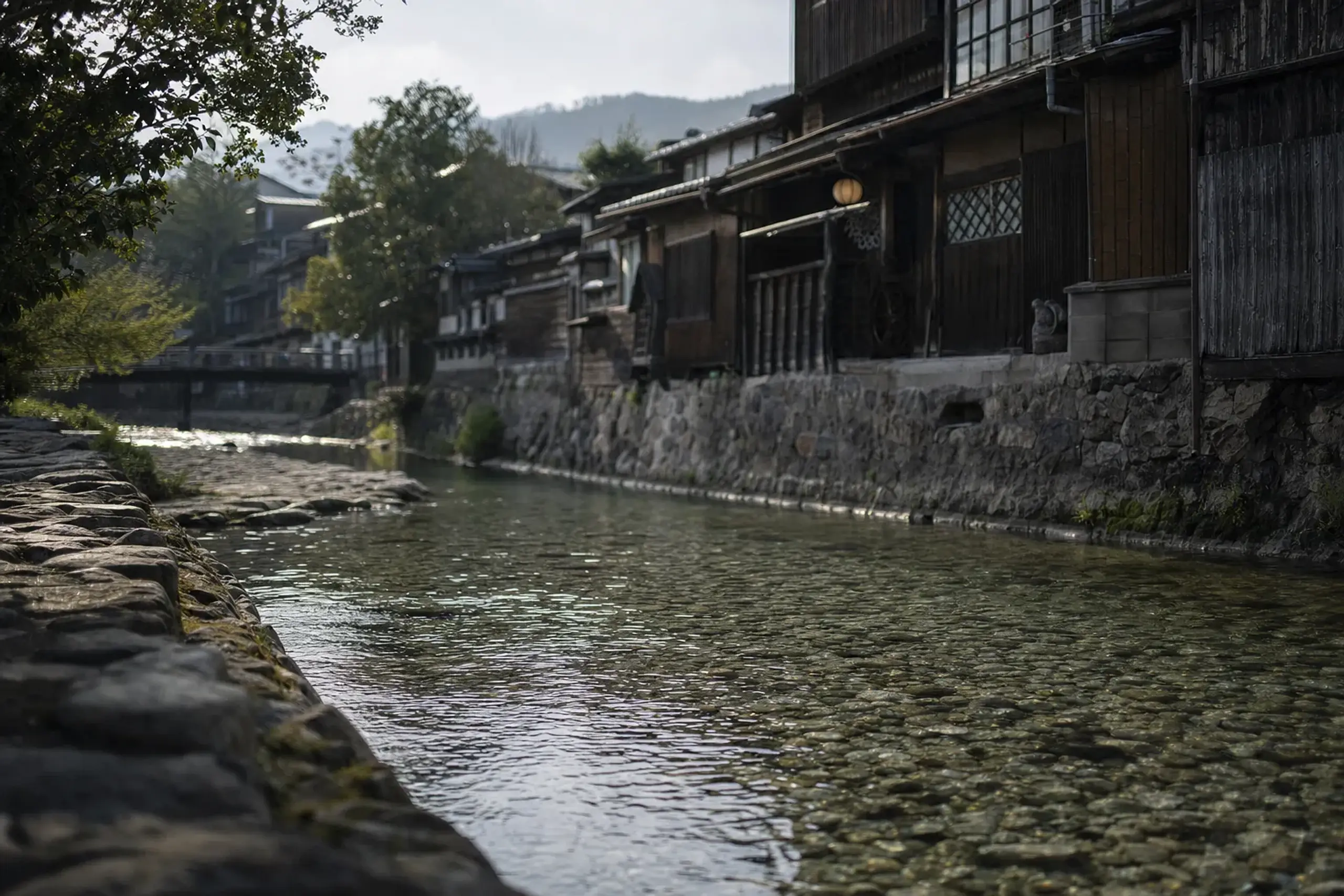
Think of it as setting conditions: calm arrival, clean rest, and enough time to learn. This is the aesthetic of restraint—wabi applied to travel, where the richness is in silence, space, and unhurried timing rather than spectacle.
Day 1: Arrive, Walk, Watch, Then Join
Arrive in Gujō Hachiman with daylight left. Eat early. Then walk slowly toward the sound as dusk cools the streets.
- Before the dance: aim to be near the evening venue by 7:30pm so you can observe the circle forming
- During the dance: join the outer ring first, copy one person’s timing, and stay steady
- After the dance: leave quietly; the town is hosting you, and people still live behind those doors
Day 2: A Soft Morning, Then A Museum-Based Introduction
Sleep in. If you danced the all-night dates, treat the next morning as recovery, not sightseeing. Your body is part of the plan.
Visitors who want a structured introduction sometimes choose a museum-based dance demonstration and lesson format, such as those described in organized itineraries that include the Gujō Hachiman Museum. These are public offerings run by third parties; guests interested in the latest options can ask our concierge for tailored guidance.
If your trip continues deeper into Gifu Prefecture, it is worth consulting Japan’s summer festival calendar—useful for avoiding date overlaps that quietly complicate routing.
How This Compares To Other “Three Great Bon Dances” Nights
Gujō Odori is counted among Japan’s three great Bon dances, alongside Awa Odori and Nishimonai Bon Odori.
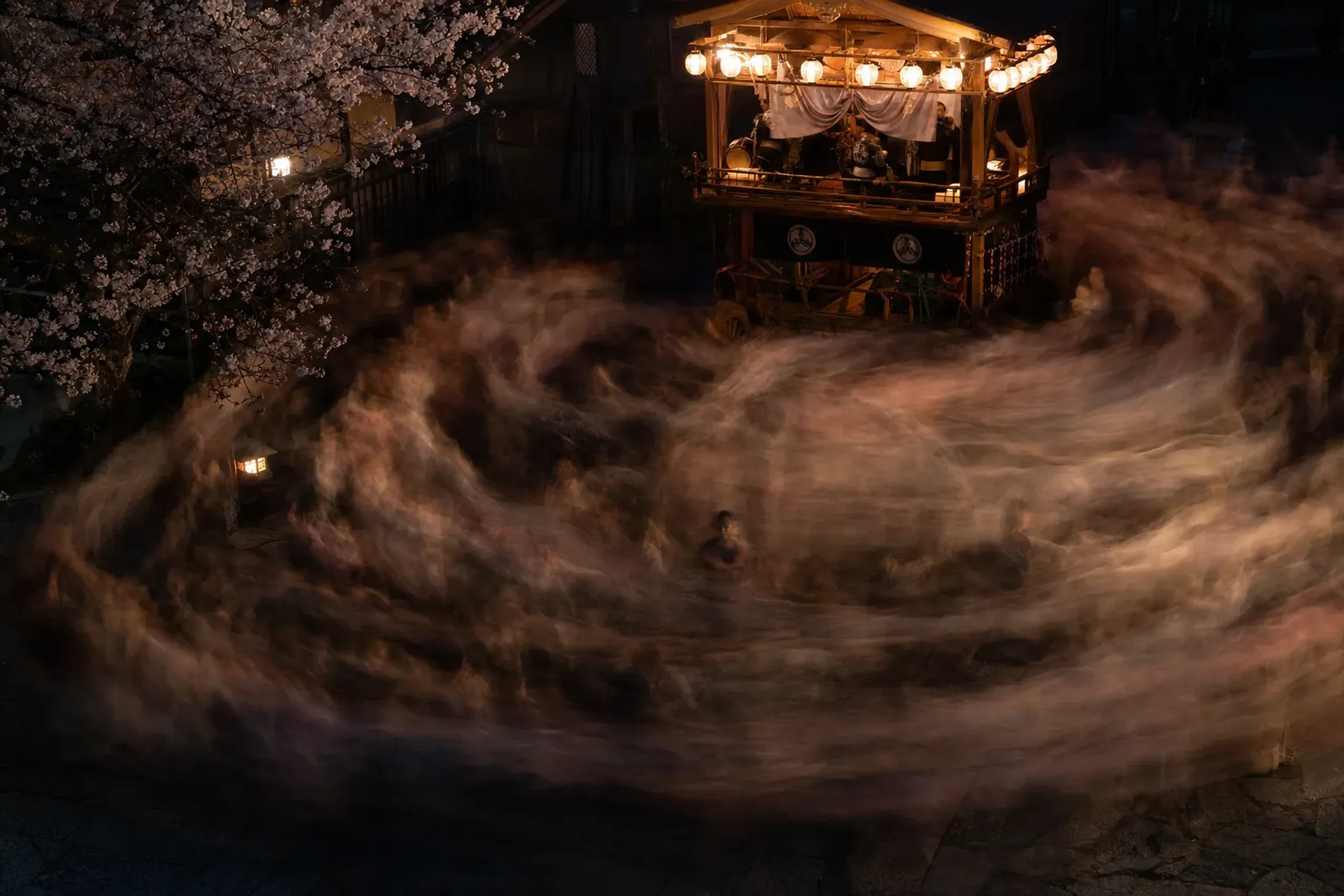
The grouping is informal, but it helps first-timers understand the scale of cultural attention.
If Awa Odori is famous for its performance edge and bold lines, Gujō Odori leans into repetition and welcome—less about being watched, more about lasting through the sequence together. A different mood, the same summer electricity.
If you are curious about the Tokushima counterpart, we have a separate guide to Awa Odori. One line is enough here; Gujō deserves its own space.
Where Japan Royal Service Fits: Guidance, Transfers, And Accommodation Strategy
Japan Royal Service supports Gujō Odori trips with guiding, transfers, and accommodation coordination—so you can participate comfortably without turning a community festival into a private commodity.
That support can be as light as a single evening plan or as complete as a tailor-made summer routing that links Gujō Hachiman with other real, grounded cultural stops. Quiet design. No gimmicks.
We also plan around discretion. Many HNW travelers are happy to be in a crowd, but they still want their identity and movements treated with care, especially when schedules involve late-night returns.
If you are considering a summer in which one of the circle’s first notes becomes your own, let us set the conditions around it. To begin shaping a Gujō Odori evening—or a wider Gifu summer—on your own terms, contact us here and we will prepare a tailored proposal.