You block out a week in August. You picked it for the festival you have wanted to see for years. Then you check the dates, and the festival has already ended, or it is running on the same three nights as three others. This is the most common way a Japanese summer trip goes sideways, and it is entirely avoidable.
Japan's summer festivals run on fixed dates. That is the single most useful fact about planning one. Cherry blossom and autumn foliage move on forecasts, which is why those trips start with a reading of the seasonal outlook rather than a calendar. Summer matsuri do not work that way. The dates below repeat every year, so this page can be read as a table. What changes year to year is only the weekday each date falls on.
The Summer Festival Calendar, In Date Order
Six festivals, July through mid-August. One identifying line each, and a link to the post that covers it in full.
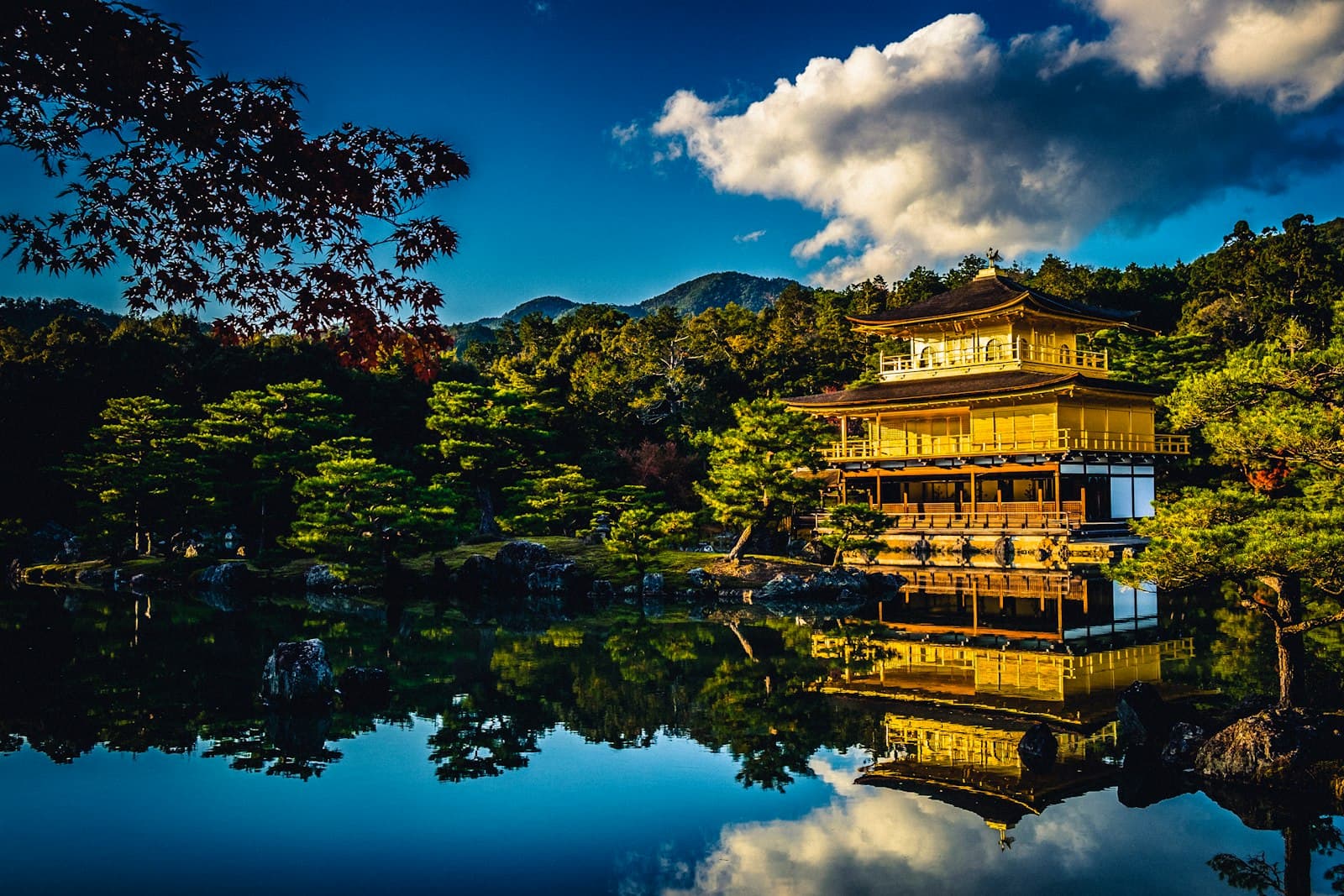
Gion Matsuri, Kyoto — Through July
Kyoto's month-long July festival. The evening displays, called yoiyama, run roughly July 14 to 16 and July 21 to 23. The float parades fall on July 17 (Saki Matsuri) and July 24 (Ato Matsuri). The full account is in Gion Matsuri: The Quiet Way to See Kyoto's Loudest Month.
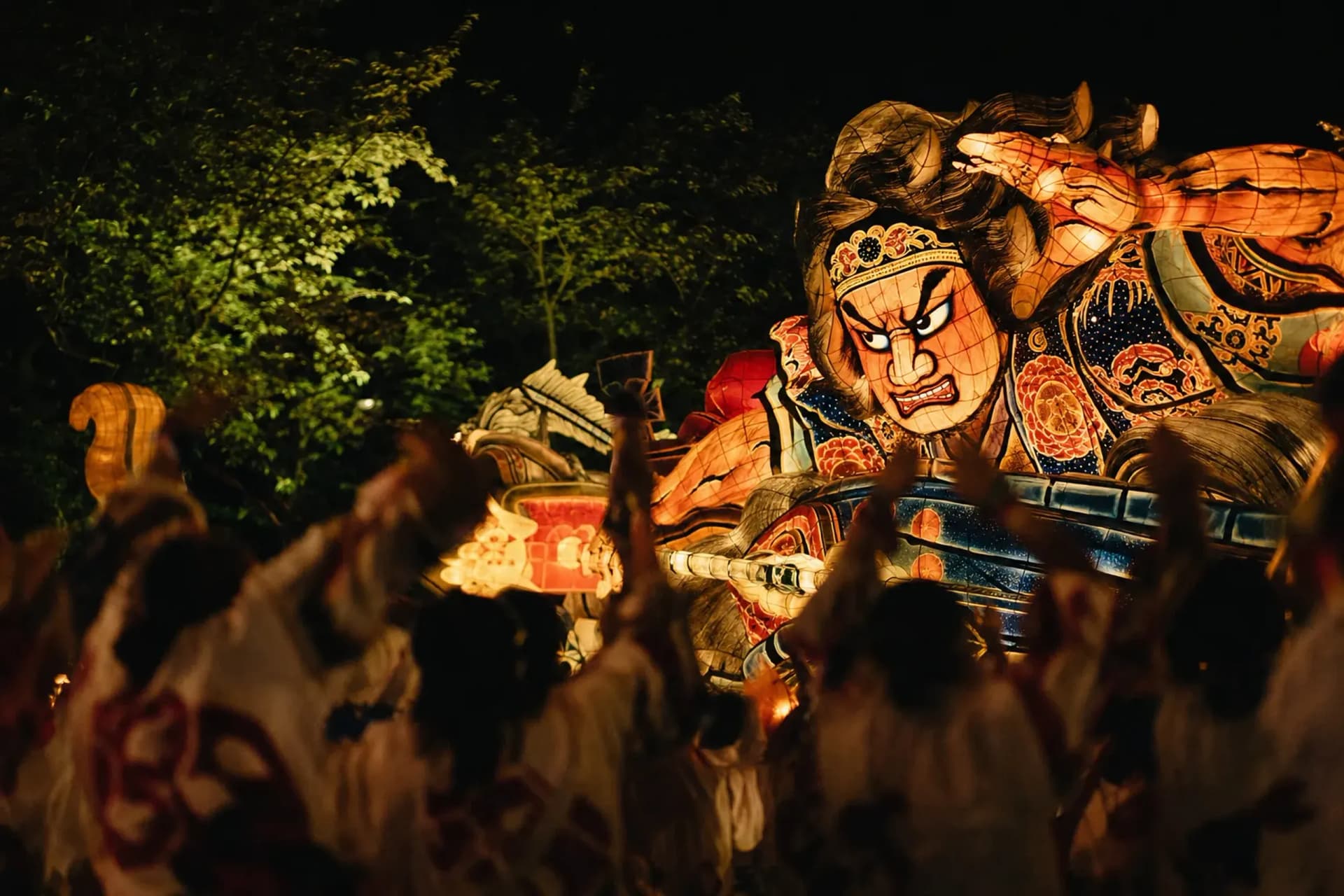
Nebuta, Aomori — August 2 to 7
Aomori City's illuminated-float procession. Covered alongside its two Tohoku neighbours in The Three Great Festivals of Tohoku.
Kanto, Akita — August 3 to 6
Akita's festival of balanced lantern poles.
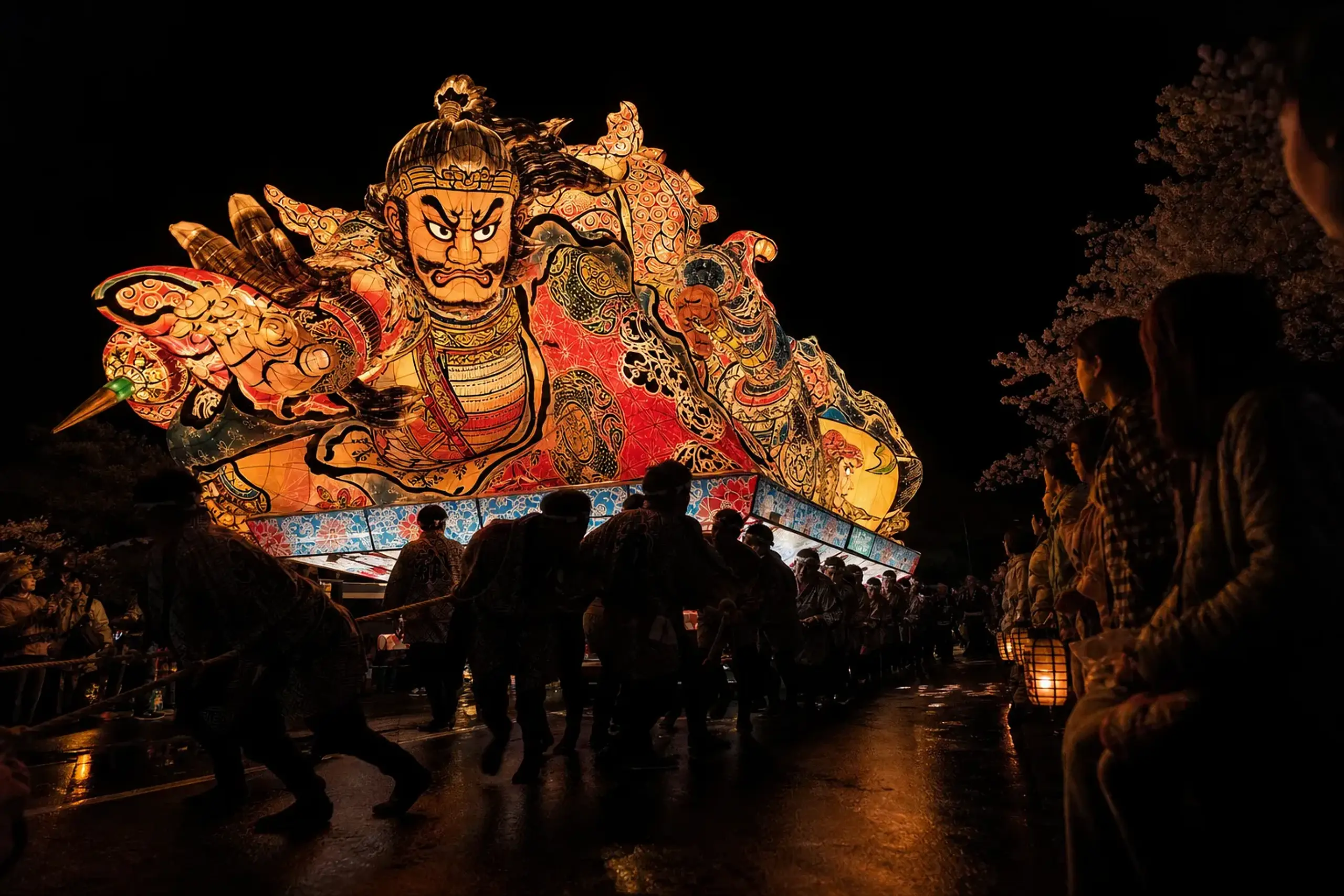
Aomori's Nebuta runs August 2 to 7, at the center of the Tohoku cluster.
Also covered in The Three Great Festivals of Tohoku.
Hanagasa, Yamagata — August 5 to 7
Yamagata's flower-hat dance, and the one on this list you can join. See Yamagata Hanagasa: The Tohoku Festival You Can Join.
Tanabata, Sendai — August 6 to 8
Sendai's streamer festival, the third of the Tohoku group. Covered in The Three Great Festivals of Tohoku.
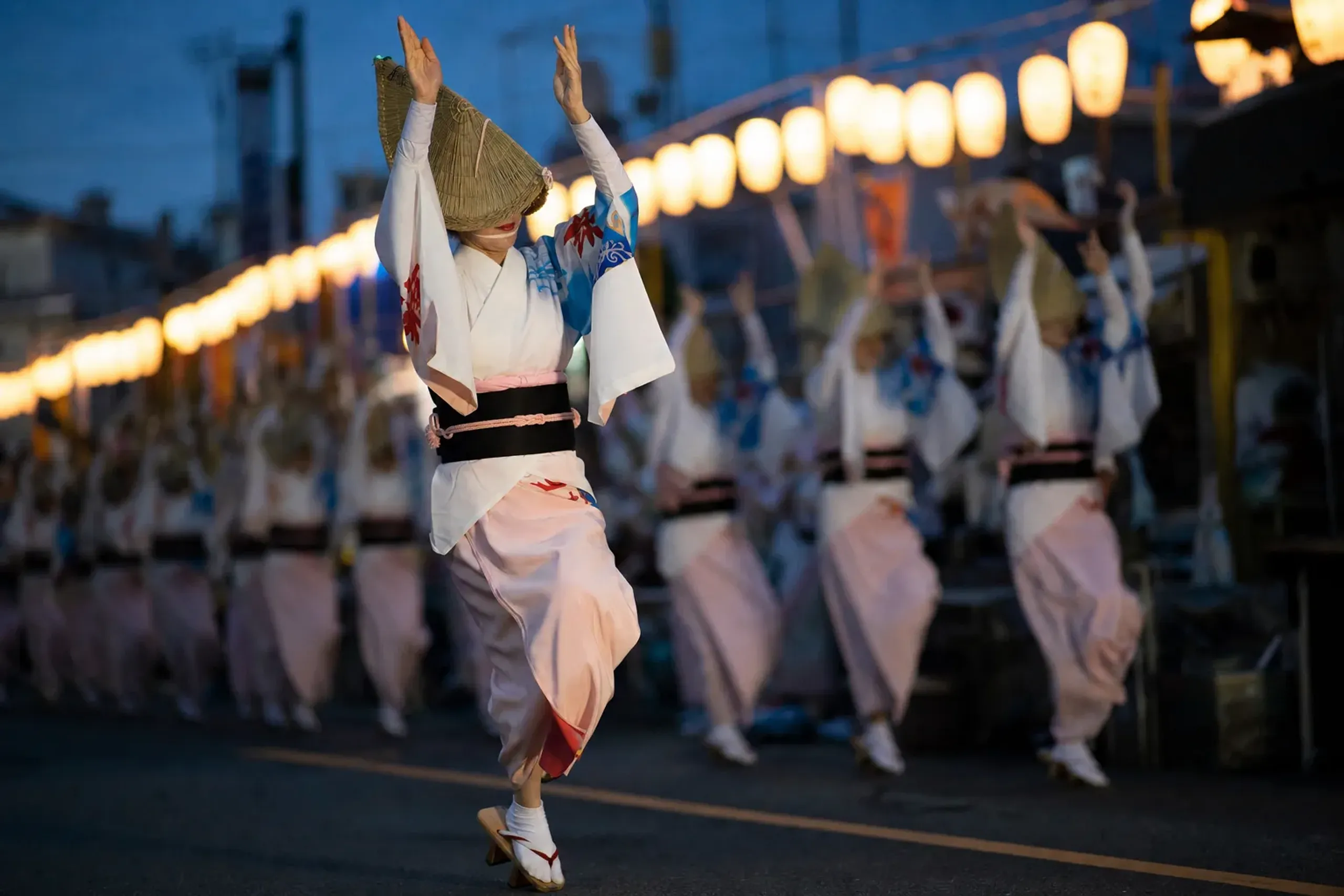
Awa Odori, Tokushima — August 12 to 15
Tokushima's dance festival, the largest of its kind in Japan. August 11 is an indoor preview only, and the whole run falls within the Obon season. The full guide is Awa Odori: How to Watch Japan's Biggest Dance Festival.
Where These Festivals Overlap
Four of them stack. Read the dates as arithmetic: Nebuta (Aug 2–7), Kanto (Aug 3–6), Hanagasa (Aug 5–7), and Tanabata (Aug 6–8) all share part of the same window. August 6 is the one day all four are running at once.
The one overlap day: On August 6, Nebuta, Kanto, Hanagasa, and Tanabata are all live. No single traveler can be in four cities on one night, so a trip in that window has to choose.
Awa Odori sits apart. It begins on August 12, after all four Tohoku festivals have finished. Gion sits earlier still, through July. So the calendar splits into three blocks: Kyoto in July, the Tohoku cluster in the first week of August, and Tokushima in the Obon week after.
What The Calendar Does Not Tell You
Dates are the easy part. The calendar cannot tell you whether any two of these festivals can be seen on a single trip. That depends on your exact arrival and departure, how you want to travel between regions, and how much of each day you are willing to spend in transit versus at ease.
So we do not propose a route here, and we do not claim any pairing works. Whether a given combination fits a given set of dates is something our concierge team at Japan Royal Service confirms for you directly, against the week you actually hold.
Where Does The Booking Pressure Sit?
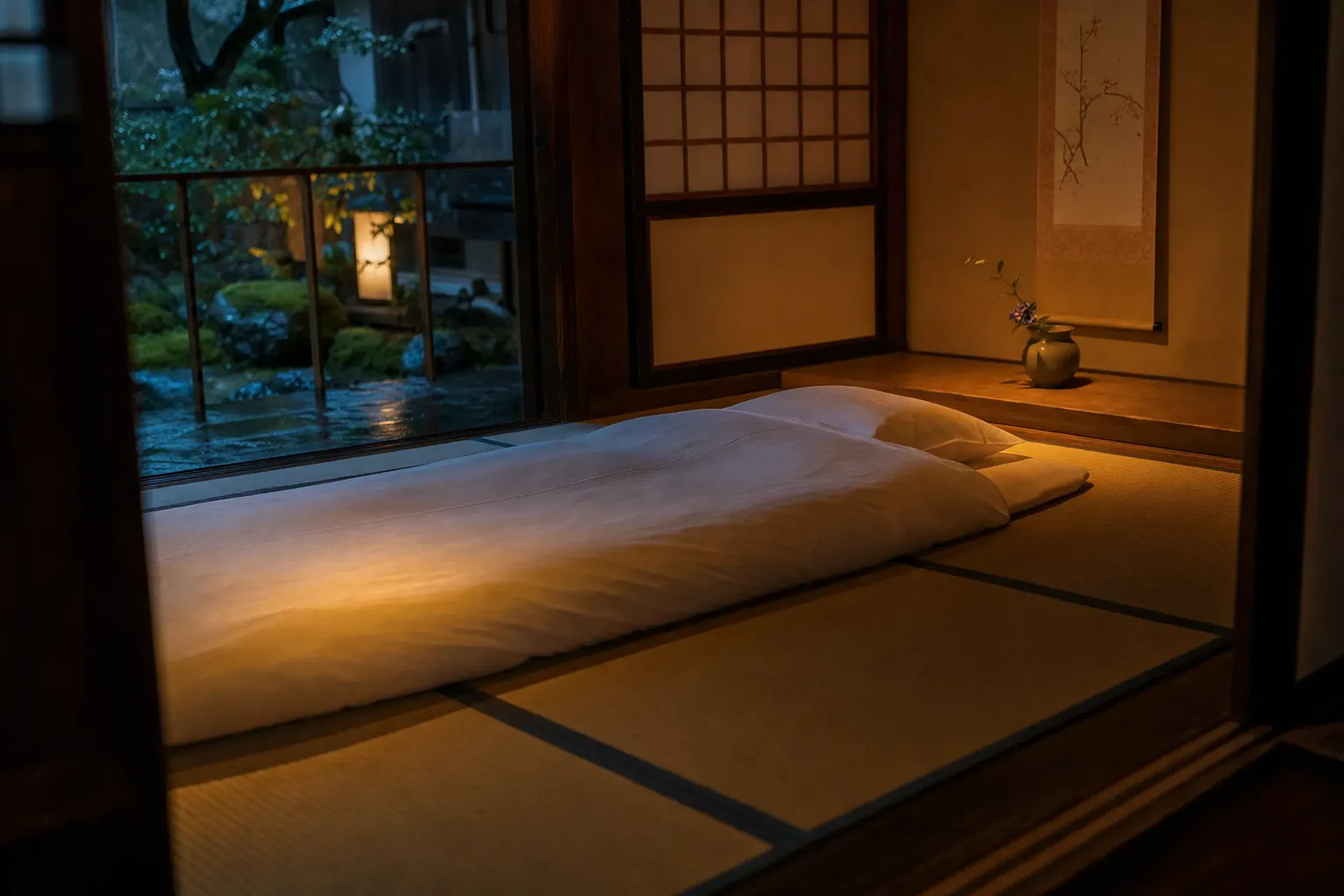
Lodging, not tickets, is where summer festival plans break. Each linked post names its own constraint, and those constraints set the order you should book in.
- Tohoku cluster. Accommodation across the three cities is the tightest resource of the whole summer. The Three Great Festivals of Tohoku names it first.
- Awa Odori. Lodging in Tokushima is the real limit, with nearby Kagawa named as a fallback. See the Awa Odori post.
- Gion. Rooms for the parade dates should be arranged well ahead, per the Gion post.
- Hanagasa. No lodging constraint is named in the Hanagasa post.
Inbound demand through 2026 is heavy — JNTO put foreign arrivals for May 2026 at over 3.5 million — which only tightens the premium end. The dates are fixed. The rooms are not.
How Do You Use This Calendar To Plan?
Pick the festival first, then the dates, then start the lodging search. In that order.
Choosing the dates first is what produces the week that lands on the wrong festival. Choose the matsuri you actually want to see, read its own post, note the window, and treat lodging as the next move — not an afterthought. This page is built as a reference hub, in the same spirit as our regional season guides: a table to decide from, with each festival's detail one click away.
Frequently Asked Questions
Which Japanese summer festivals run on fixed dates rather than forecasts?
All six on this calendar run on fixed annual dates: Gion (July), Nebuta, Kanto, Hanagasa, Tanabata (early August), and Awa Odori (August 12–15). Only the weekday each date lands on changes year to year.
What is the one day all four Tohoku festivals overlap?
August 6. On that date Nebuta (Aomori), Kanto (Akita), Hanagasa (Yamagata), and Tanabata (Sendai) are all running at once, which means a trip in that window has to choose between them.
When does Awa Odori take place, and does it clash with the Tohoku festivals?
Awa Odori runs August 12 to 15 in Tokushima, with an indoor preview on August 11. It begins after all four Tohoku festivals have finished, so the two blocks do not overlap.
Can I see two of these festivals on one trip?
That depends entirely on your exact dates, regions, and travel preferences.

The calendar cannot answer it. Our concierge team at Japan Royal Service confirms whether a specific combination works for the week you are holding.
Which festival should I book accommodation for first?
Accommodation across the three Tohoku cities is the tightest resource of the summer, so book that first if Tohoku is your target. Tokushima for Awa Odori and Kyoto for the Gion parade dates follow close behind.
Why Choose Japan Royal Service
A dated calendar gets you to the starting line. The rest is logistics under pressure, in the busiest travel weeks of the Japanese year. For each of these six festivals, our team at Japan Royal Service arranges reserved seating, accommodation, private chauffeured transport, and on-the-ground guiding, built into a single tailor-made itinerary.
We do not guarantee a specific seat or room — no honest concierge can promise that in festival season. What we do is confirm which festival fits the dates you hold, tell you plainly whether a combination you are considering actually works, and start the lodging search early enough to matter. Your identity and your itinerary stay with us and no one else.
Tell us the week you have in mind and the festival you want to see. For private coordination, reach our team directly via WhatsApp or LINE, or contact us here, and we will confirm the fit and begin the search.