In this guide
- 01Where Hachinohe And The Tanesashi Coast Are, And Why Summer Feels Cool
- 02What Is The Tanesashi Coast Natural Lawn, And Why Do People Visit In Summer?
- 03Kabushima And Kabushima Shrine: The Island Joined To The Shore
- 04What Is The Hachinohe Sansha Taisai, And What Will You See In Early August?
- 05Tatehana Wharf Sunday Morning Market And Using Hachinohe As A Base
- 06The Yamase Wind In Plain Words, And What It Means For A Summer Visit
- 07How Cool Is Hachinohe In August? (Weather Numbers You Can Plan Around)
- 08How To Get From Tokyo To Hachinohe, Then Out To The Coast
- 09A One-Day Summer Itinerary: Market, Lawn, Kabushima, Floats
- 10Sanriku Fukko National Park And The Michinoku Shore Trail (Existence Notes)
- 11How Japan Royal Service Plans A Summer Coast Day Around Fog And Light
- 12Plan Your Cool Pacific Summer In Hachinohe
- 13Frequently Asked Questions
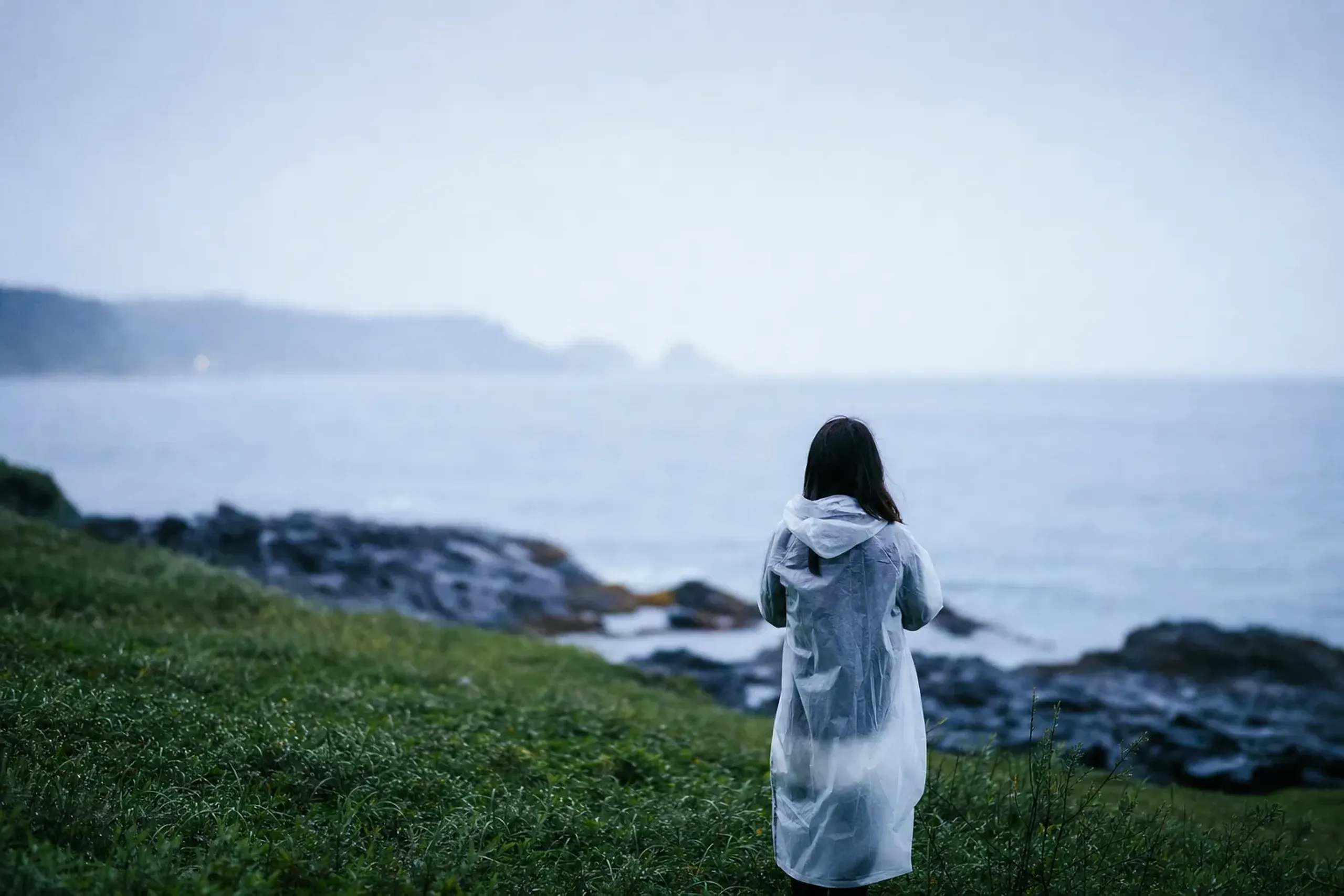
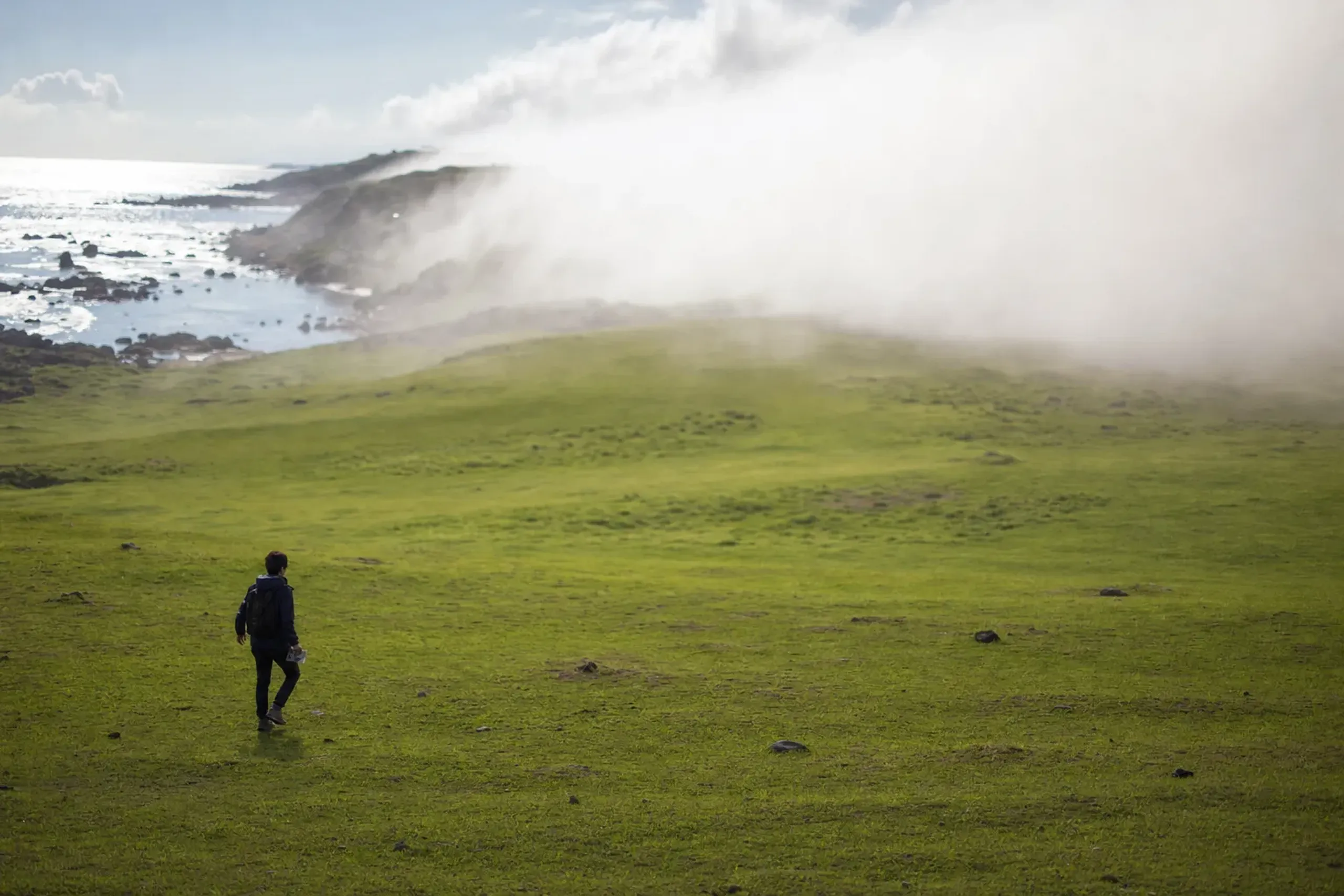
Sea fog moves like a curtain across the headland. The air is cool, even in August. Ahead, a strip of green seems to run straight into the water—grass to the very edge, waves behind it, and the cry of gulls somewhere to your right. There is a stillness here that asks you to slow down rather than press on.
This is the Hachinohe side of Aomori. It is not a heat-haze summer. It is a Pacific summer shaped by the yamase wind, by cloud that arrives and departs in minutes, and by a coastline that rewards patience rather than speed.
If you want an honest, practical guide—what the Tanesashi Coast is, what Kabushima is, what the Sansha Taisai floats look like, and how to plan one calm day from Hachinohe Station—this is it. Quiet clarity helps here. A great deal.
Where Hachinohe And The Tanesashi Coast Are, And Why Summer Feels Cool
Hachinohe sits on Aomori’s Pacific side, with easy rail access and a coastline that begins surprisingly close to town. Not far away, the land opens into the Tanesashi Coast, where the scenery changes from streets to lawn and sea in one clean cut—no transition, no fanfare.
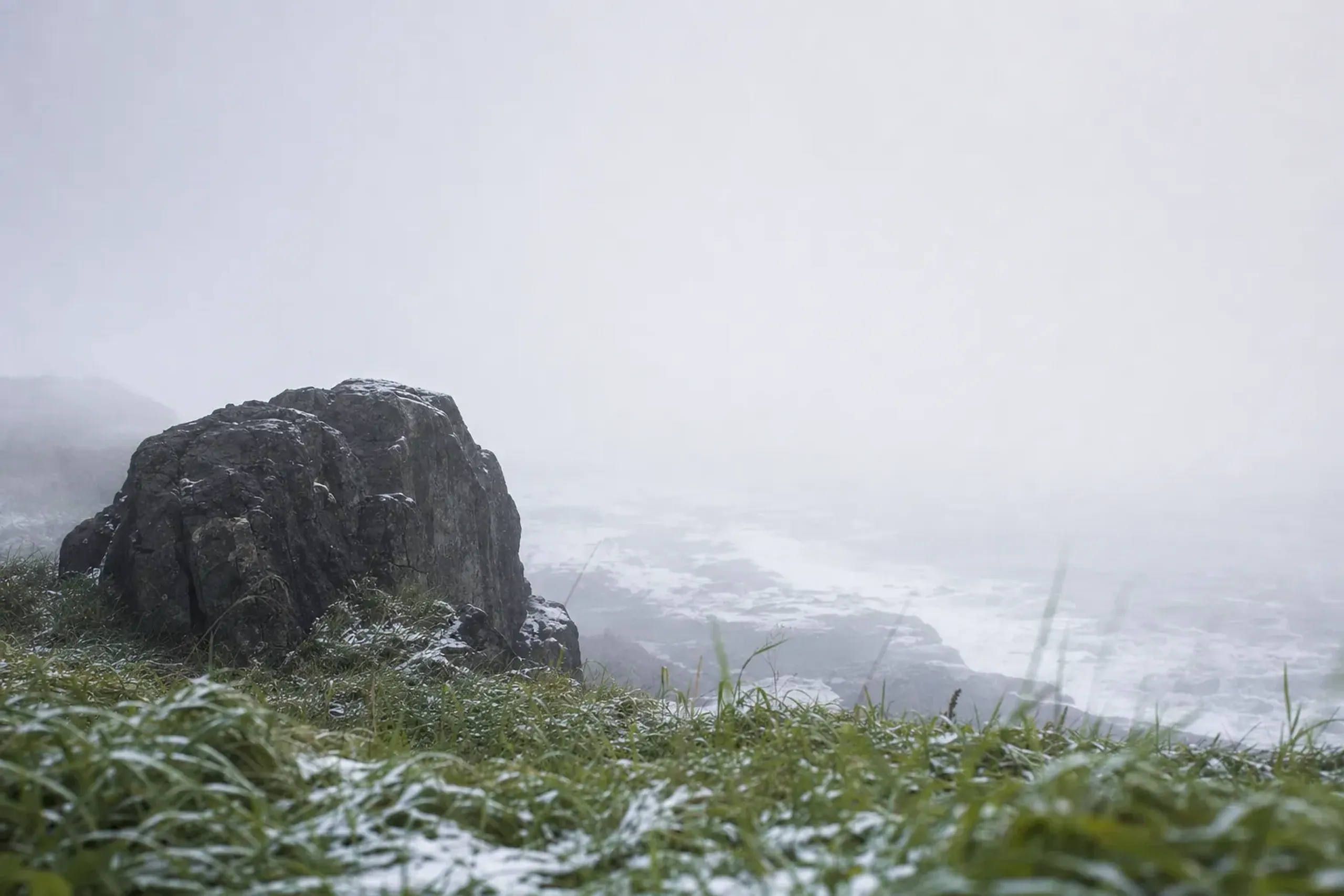
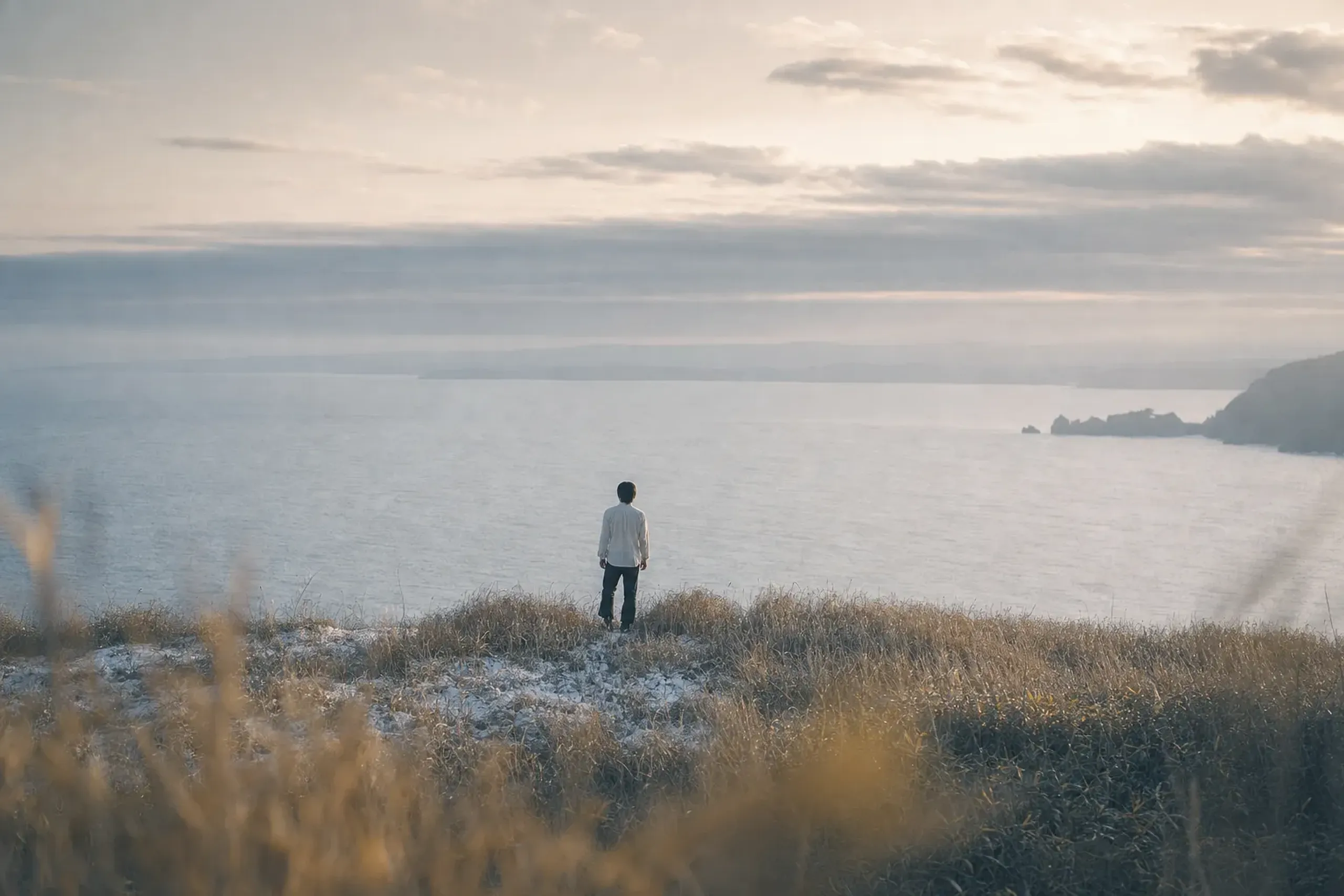
The mood is set by weather. A cold, moist easterly called the yamase can bring fog and low cloud to the Pacific side of northern Japan, especially from early to midsummer, according to the Japan Meteorological Agency (JMA). The result is a summer that often feels mild, with stretches of grey that make the greens look even greener.
What Is The Tanesashi Coast Natural Lawn, And Why Do People Visit In Summer?
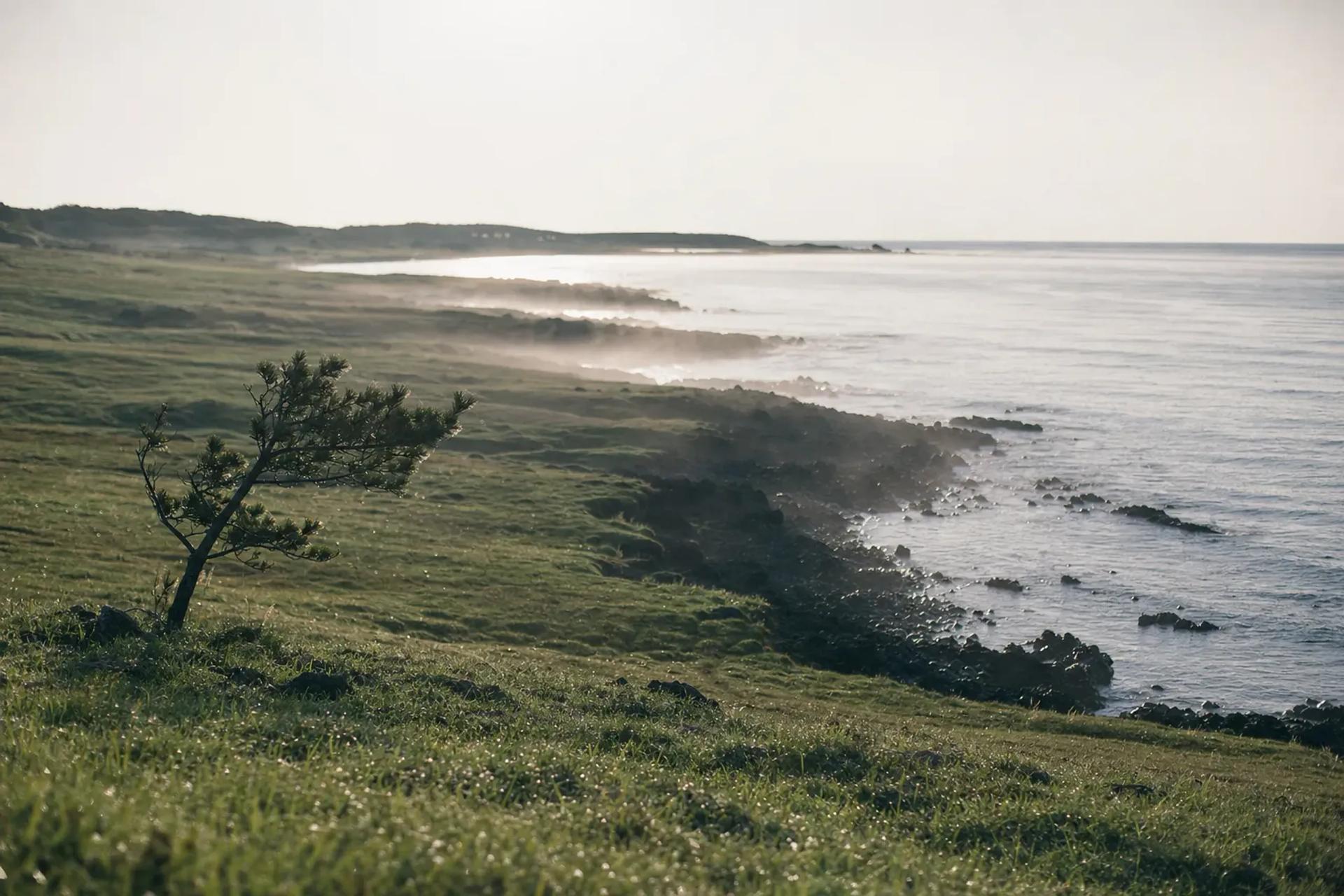
The Tanesashi Coast is a National Place of Scenic Beauty, designated in 1937, known for a rare coastal grassland that reaches toward the sea and feels cool even in midsummer.
The Agency for Cultural Affairs lists the Tanesashi Coast as a National Place of Scenic Beauty (designated in 1937). The Ministry of the Environment describes a “natural lawn” shaped by the cool climate, strong winds, and past grazing. VISIT Hachinohe describes the approach through a pine grove called Yodo no Matsubara before the grassland opens up before you.
It is also part of Sanriku Fukko National Park, created in 2013. This matters because the park framing explains the coastline’s character: open exposure, long views, and a sense that the Pacific is not performing for you. It simply is.
The coastal span is described as roughly 10 to 12 km depending on the source, from Kabushima to Okuki. You do not need to “complete” anything. One hour can be enough to understand why people return, season after season.
The Tanesashi Coast Information Center As Your Reset Point
Near the lawn area, the Tanesashi Coast Information Center serves as a practical base for orientation and a rest stop.
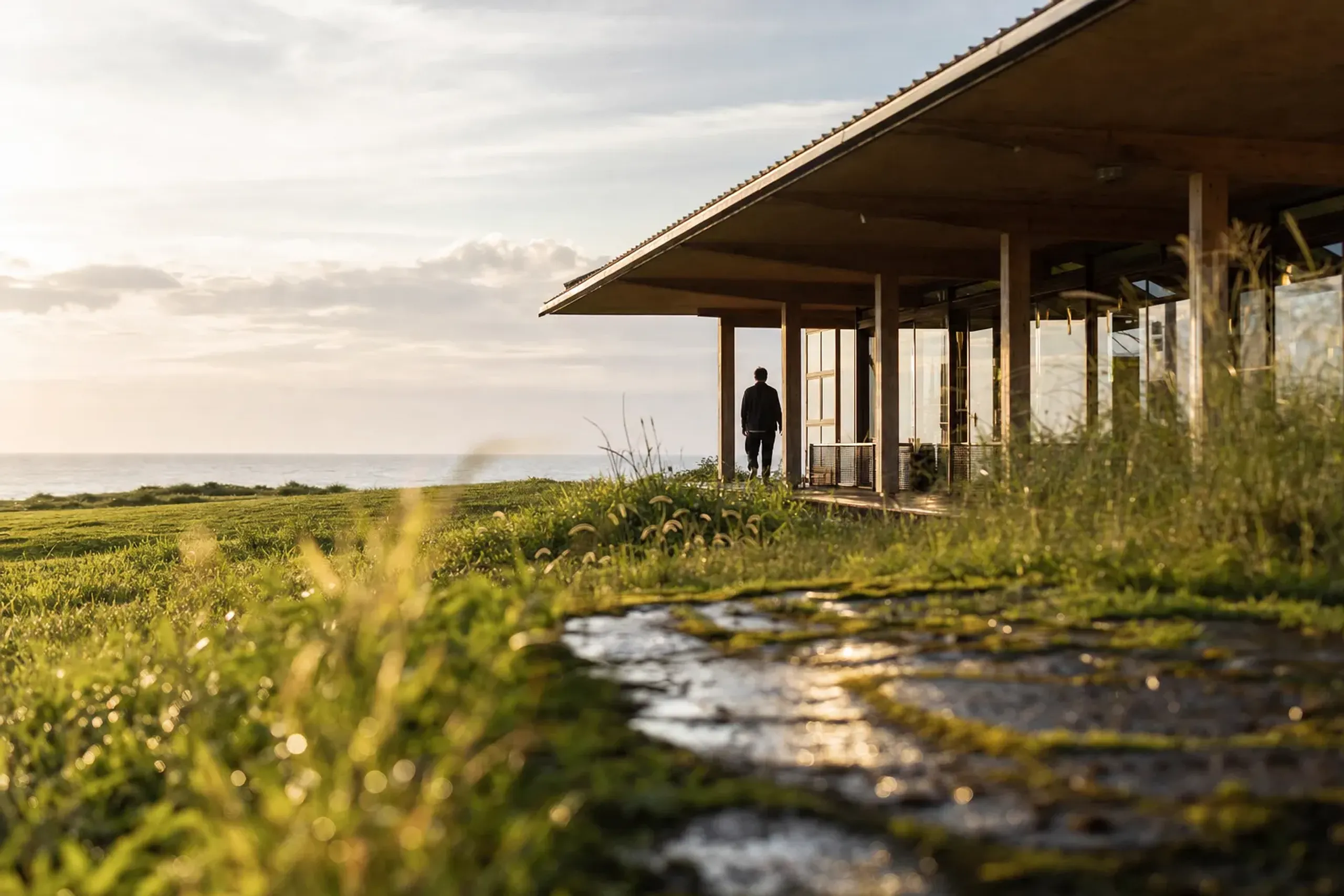
Simple. Useful. When cloud rolls in, this kind of anchor helps the day stay unhurried.
If you are arriving by rail, the lawn is described as about a 5-minute walk from Tanesashi-kaigan Station. It is one of the rare places where a small local station can drop you straight into scenery that feels immediate and intimate.
A Summer Day’s Visual Rhythm: Pine, Grass, Sea
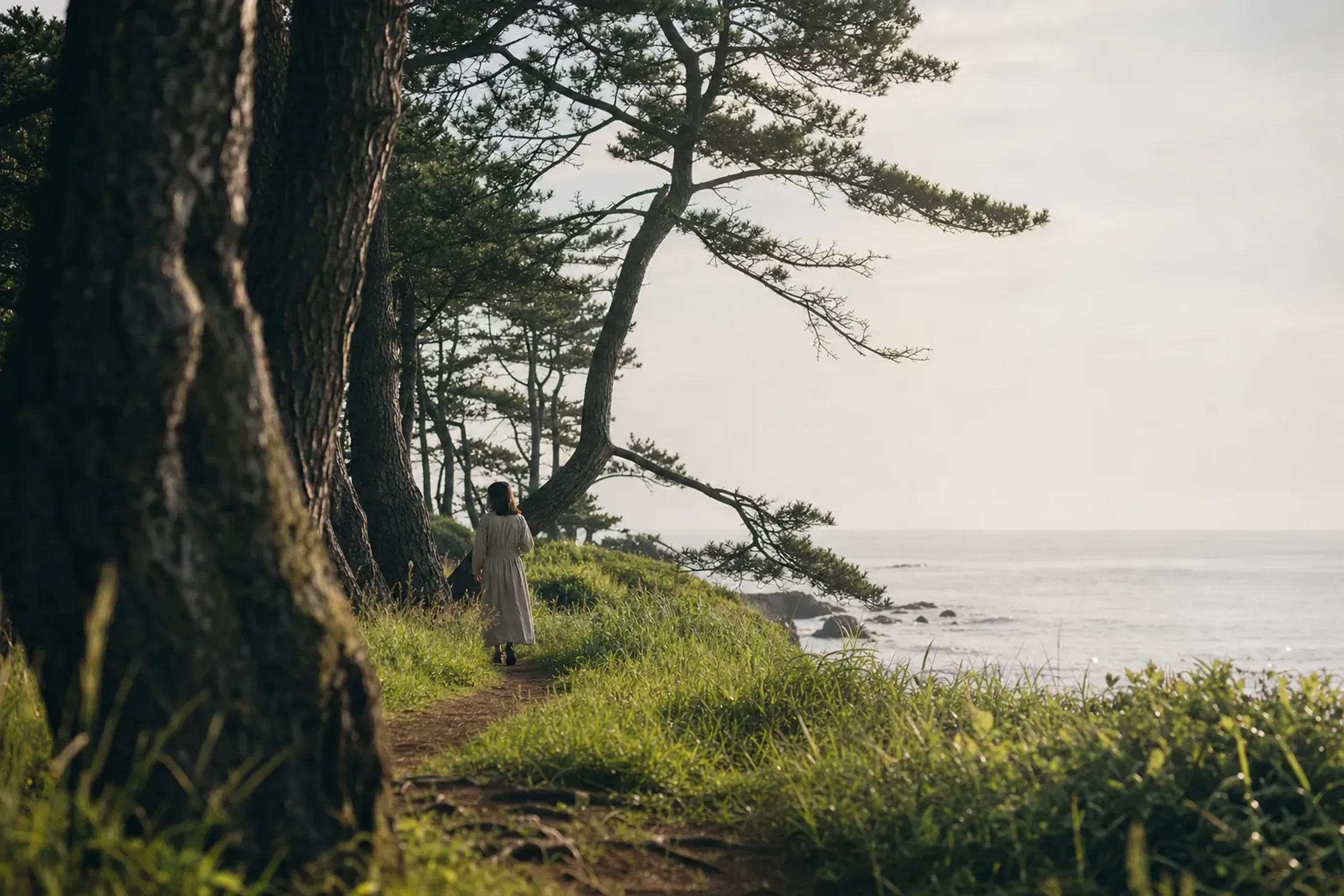
The coast does not overwhelm you with monuments. It repeats a restrained pattern: a line of pines, a long plane of grass, the dull shine of water, and then, in certain light, a sudden brightness where the cloud lifts.
Kabushima And Kabushima Shrine: The Island Joined To The Shore
Kabushima is a small island joined to the mainland, home to Kabushima Shrine and a black-tailed gull breeding site designated as a Natural Monument in 1922.
Aomori Prefecture describes Kabushima as about 1.8 hectares in area and about 17 meters high. The important detail, though, is the shape of the visit: you are not taking a boat. You walk up, the sea on both sides, and the shrine above.
The black-tailed gull breeding site is designated as a national Natural Monument (designated in 1922). In season, the birds may be seen from early spring to about August.
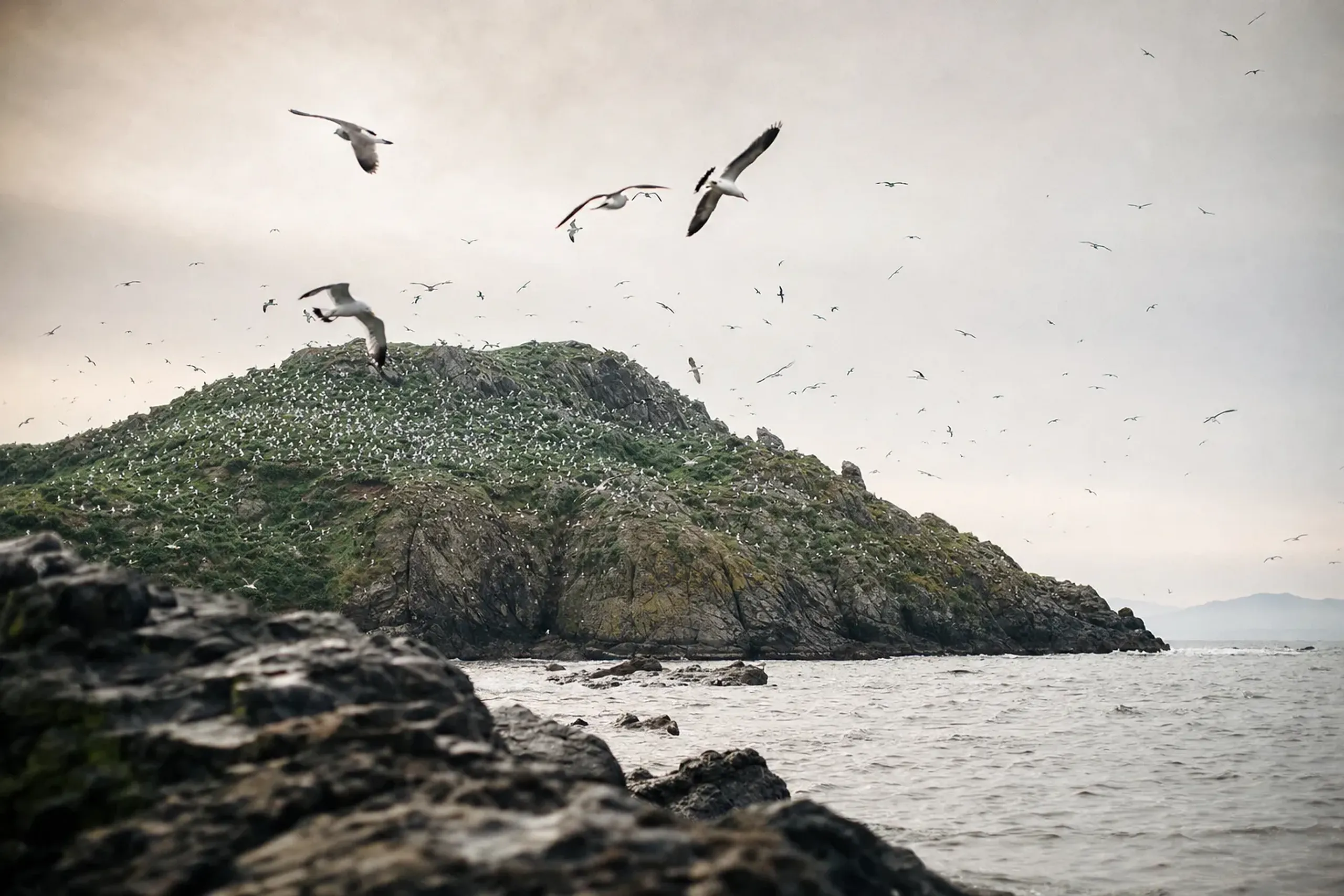
That presence changes the soundscape of the coast—sharp calls, movement in the sky, white and grey against cloud.
Kabushima Shrine sits on the island. It gives the headland a clear focal point, and it pairs naturally with the Tanesashi lawn in one coastal line: green plane, then raised stone and steps, then sea.
What Is The Hachinohe Sansha Taisai, And What Will You See In Early August?
The Hachinohe Sansha Taisai is a major float festival held in early August (set each year), featuring large decorative floats and designated in 2004 as an Important Intangible Folk Cultural Property.
Hachinohe City explains that the festival began in 1721. The Agency for Cultural Affairs lists it under the name “Hachinohe Sansha Taisai no Dashi Gyoji,” designated in 2004 as an Important Intangible Folk Cultural Property.
The city describes about 27 large “furyu-type” floats, rebuilt each year, with forms that can reach around 10 meters high and about 8 meters wide, with moving figures and layered backdrops. Drums and flutes travel with them. The designs follow several basic structural motifs the city explains as wave, rock, railing, and building. Behind each float stand generations of local craftspeople—shokunin whose hands reassemble these towering forms anew every summer, a quiet mastery rarely visible to outsiders.
Three shrines take part: Ogami Shrine, Choja-san Shinra Shrine, and Shinmei-gu Shrine. The floats are the headline, but the feeling is communal craft—large forms made to move through streets, not to sit behind ropes.
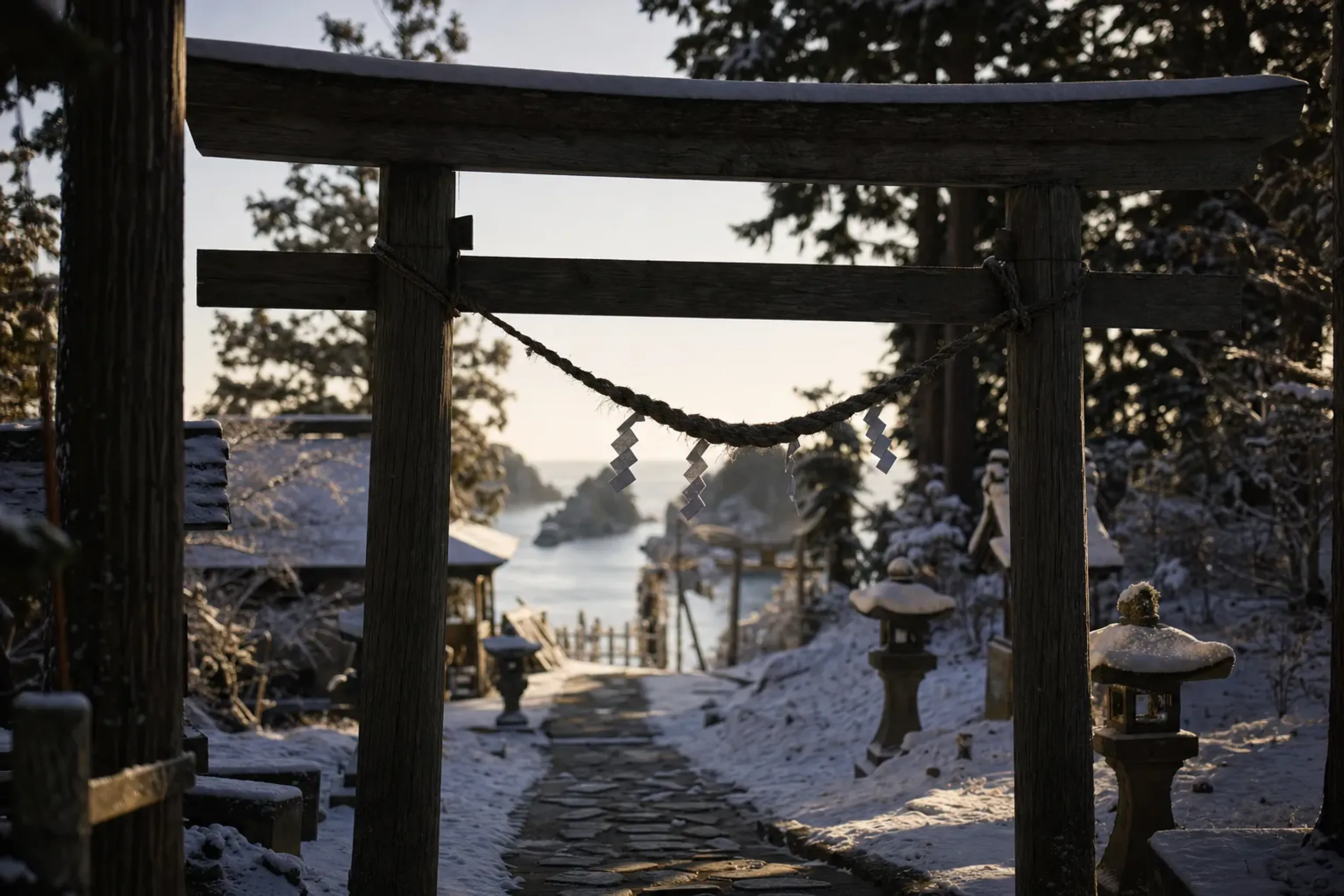
The city lists Hachinohe’s float event among the float festivals inscribed by UNESCO in 2016. Keep your expectations in the right place. The value is not a certificate. It is the scale of the objects rolling past you at night, and the artistry you can read in them if someone shows you how to look.
How To See The Floats Without Rushing
A good approach is to treat the floats as an evening focus after a coast day, not a separate “festival day” that forces you into a hard schedule. Coast first. Dinner. Then the festival atmosphere.
If you want context on what you are looking at—the stories, the structure, and why the floats are rebuilt each year—an English-speaking cultural interpreter guide can transform the experience. The details become legible, and the craftsmanship stops being decorative and starts being human.
Tatehana Wharf Sunday Morning Market And Using Hachinohe As A Base
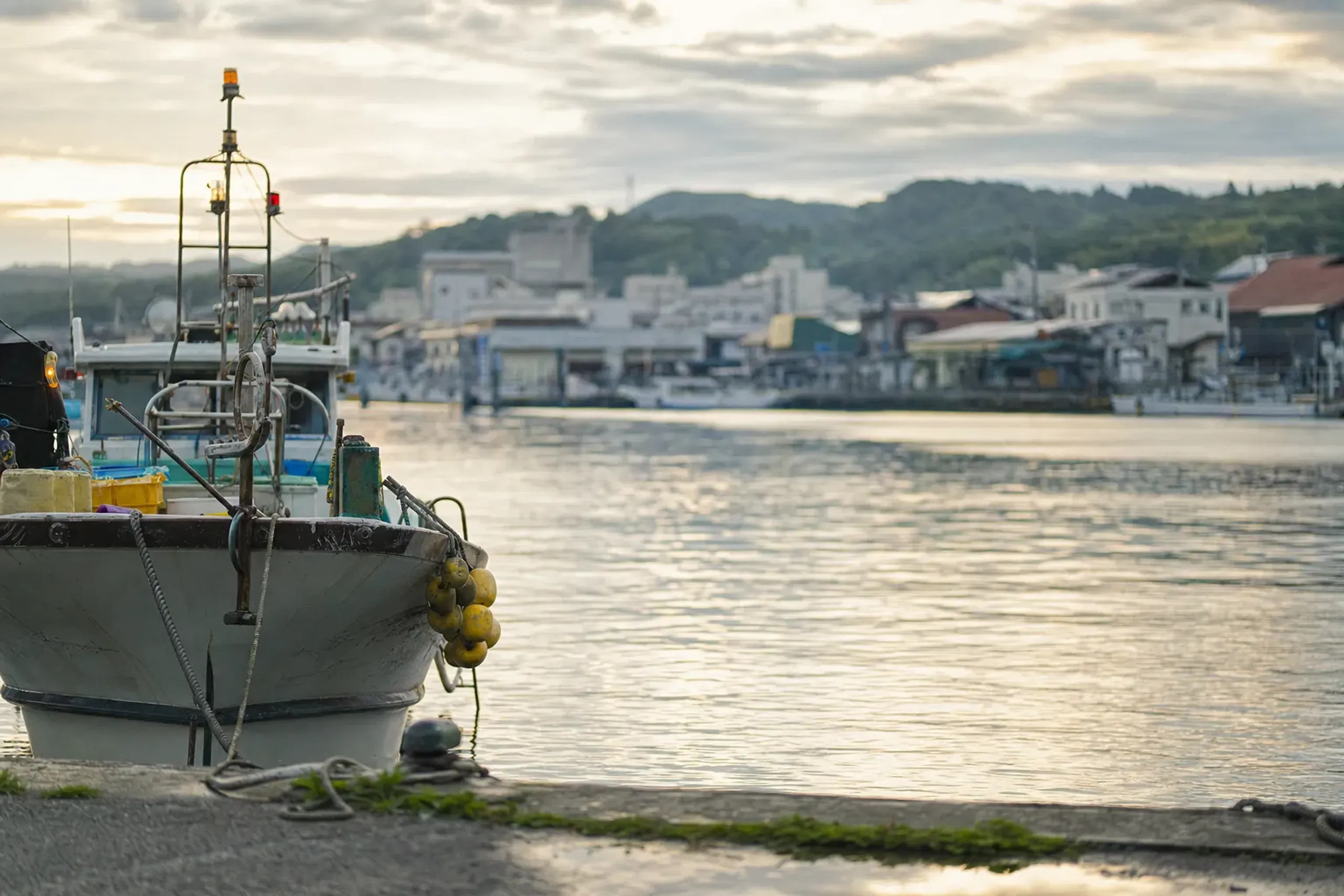
Tatehana Wharf Sunday Morning Market is held on Sundays from spring to the end of the year, running from sunrise into the morning, and it works well as the first stop before the coast.
The market takes place at the port, with Hachinohe still half-awake around you. It is not a showpiece. It is practical. You eat, you walk, you look at what is local and in season, and then you leave town behind for open coastline.
Hachinohe itself is a sensible base for a short summer stay because distances are real: Kabushima, the lawn, and the wharf are spread out, and trains on the Hachinohe Line are not frequent.
A car-based day keeps the edges smooth.
If your trip extends south, the Sanriku coastline continues into Iwate; our team has a separate guide to that scenery here: The Rikuchu Coast In Summer: Cliffs, Jodogahama And Rail.
The Yamase Wind In Plain Words, And What It Means For A Summer Visit
The yamase is a cold, moist easterly wind that can bring fog and low cloud to northern Japan’s Pacific side from early to midsummer, often leaving the Sea of Japan side clearer.
JMA describes the yamase as coming from the cold sea on the Sea of Okhotsk side and being associated with fog and low cloud, centered on the Pacific side of northern Japan. The Ou Mountains help block this effect from reaching the Sea of Japan side as strongly.
For you, on the ground, it means summer can feel like an extended cool season. You may have soft light rather than sharp sun. You may have sudden visibility changes across headlands. If you crave bright certainty, choose another coast. If you value subtlety, it works beautifully.
How Cool Is Hachinohe In August? (Weather Numbers You Can Plan Around)
Hachinohe’s August averages are mild: mean 22.6°C, mean maximum 26.5°C, mean minimum 19.5°C, with 141.8 mm rainfall and 82% relative humidity (1991–2020 normals).
These figures come from JMA climate normals for Hachinohe. They explain why this area can feel like a relief when other parts of Japan are heavy with heat.
Key fact: The JRS concierge team confirms directly with the guest at time of arrangement the festival dates, market status, and current driving times, since they vary by year and conditions.
How To Get From Tokyo To Hachinohe, Then Out To The Coast
From Tokyo to Hachinohe Station, the fastest Hayabusa services take about 2 hours 45 minutes, then the coast is reached by a short rail ride on the Hachinohe Line or by car.
JR East lists the Tohoku Shinkansen Hayabusa running as fast as about 2 hours 45 minutes from Tokyo to Hachinohe. From there, you have two main ways to reach the Tanesashi Coast: local rail or road.
VISIT Hachinohe notes Kabushima is about 30 minutes by car from Hachinohe Station. Tanesashi is described as about 30 minutes from the city centre. The JRS concierge team confirms the driving times at time of arrangement.
Rail: Hachinohe Station To Tanesashi-Kaigan Station
By rail, the Hachinohe Line connects Hachinohe Station to the coast. The ride to Tanesashi-kaigan Station is about 33 minutes. Trains are not frequent, so the rail option tends to work best when your day is built around specific departures.
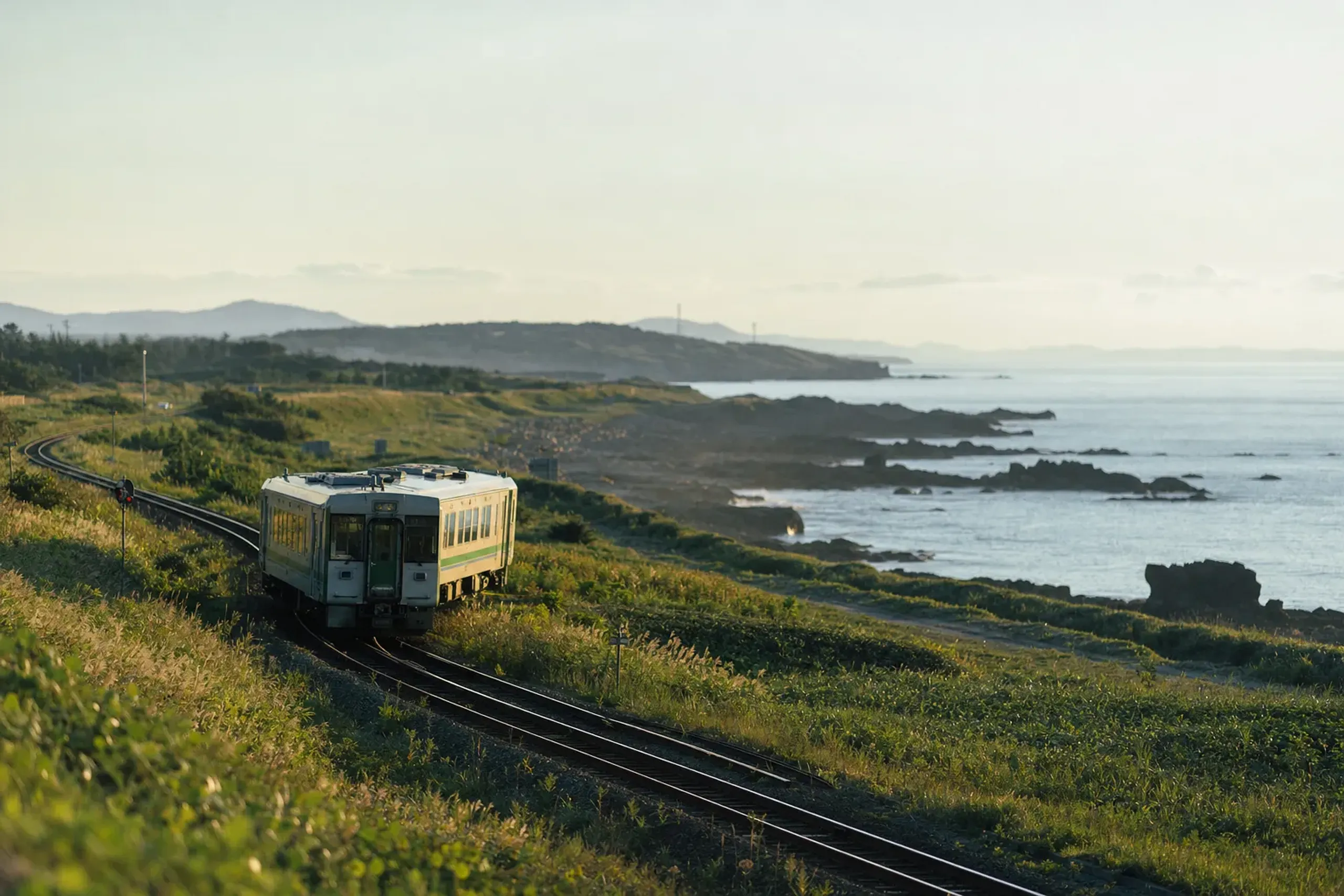
If you want to touch the coast lightly—one stop, one stretch of lawn, back to the city—rail can be enough. If you want to combine the market, Kabushima, and the lawn without watching the clock, road is usually calmer.
Road: A Car Day Along The Coastline
Road travel makes it easy to link Tatehana Wharf, Kabushima, and the lawn in one continuous line. You are not squeezed into a narrow window. You can wait out fog, then move when the light improves.
For private transportation, Japan Royal Service can provide a vehicle from a partner company with an English-speaking driver. Driver and guide are separate roles, and this distinction matters when you want cultural context without turning the car ride into a lecture.
A One-Day Summer Itinerary: Market, Lawn, Kabushima, Floats
Start early at Tatehana Wharf Sunday Morning Market, go to the Tanesashi natural lawn mid-morning for the softest light, visit Kabushima in the afternoon, and keep the evening open for Sansha Taisai floats.
Then you take the coast slowly: the pine grove, the grassland, the waterline. After that, Kabushima gives you a clear shape—steps, shrine, sea on both sides. Night can belong to the city and the floats. The concierge team can re-plan this sequence as conditions demand, so the day flows rather than fights the weather.
If You Have Two Days: Add Time, Not More Checkpoints
Two days in Hachinohe lets you separate “coast day” from “festival or city day.” That separation prevents the common mistake: trying to do everything in one long push.
With an extra day, you can return to the lawn when the light changes, or visit Kabushima twice—once in flat cloud, once in clearer air. Repetition sounds dull on paper. It is not dull in practice; it is how the place reveals itself.
Sanriku Fukko National Park And The Michinoku Shore Trail (Existence Notes)
The Tanesashi Coast sits within Sanriku Fukko National Park, created in 2013, and the Michinoku Shore Trail is a long-distance coastal trail that passes through this broader region.
The Ministry of the Environment explains the Michinoku Shore Trail spans four prefectures and 29 municipalities, and points to the Michinoku Trail Club for current route information.
How Japan Royal Service Plans A Summer Coast Day Around Fog And Light
Japan Royal Service plans the day with two routes: a coastal sequence for clear conditions and a city-first sequence when the sea sits under low cloud.
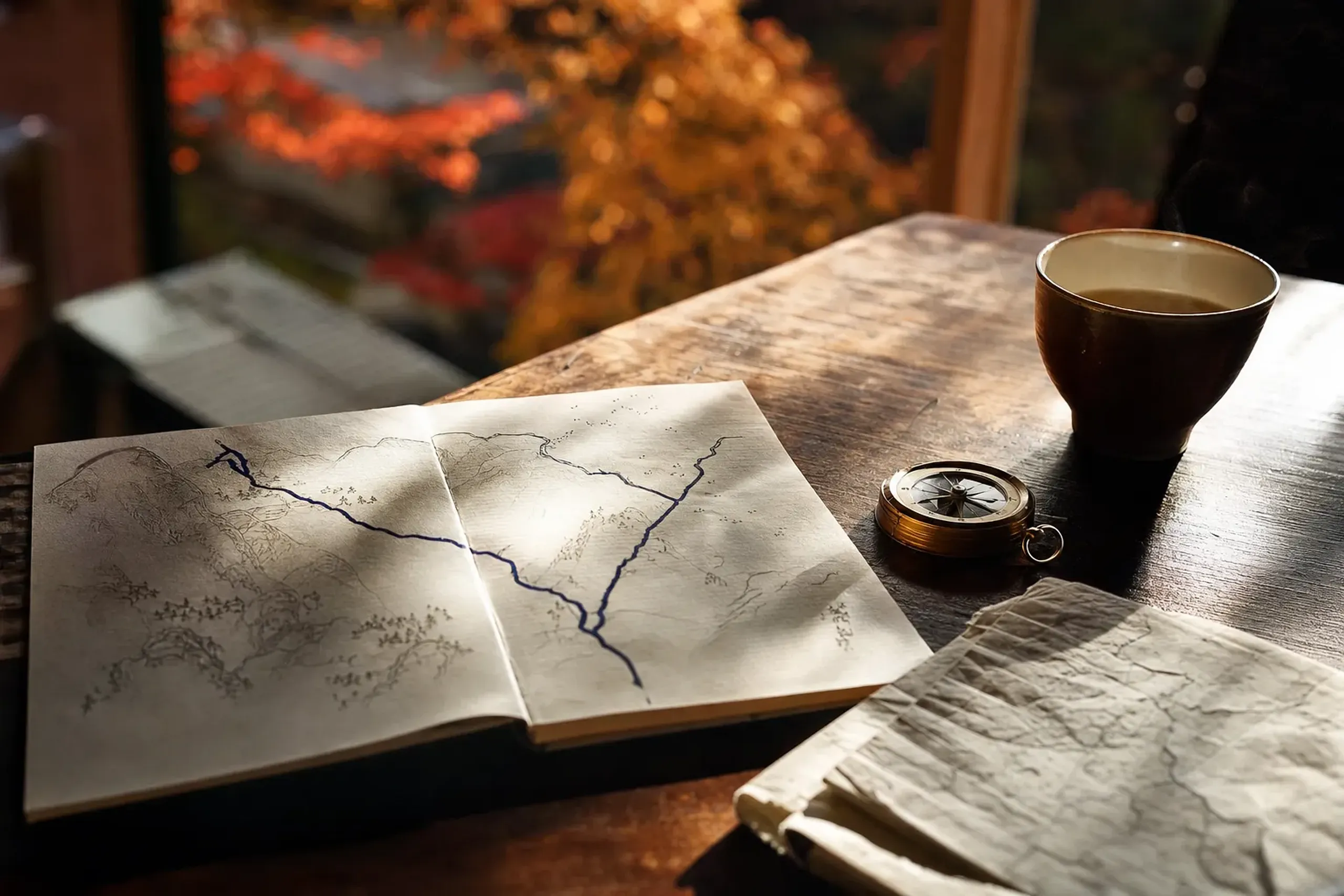
Planning comes first. Our concierge team builds the day around the yamase pattern, the direction of light, and how quickly visibility can change along headlands. This is where the Japanese sense of shun—knowing precisely what to experience where, and in which month—becomes practical rather than poetic. If the coast is under cloud, we pivot the order rather than pushing you into a flat, grey hour-by-hour march.
Guiding is separate from driving. For the Sansha Taisai floats and Kabushima Shrine, we can arrange an English-speaking cultural interpreter guide (booked separately from the driver) so the shokunin craftsmanship and the shrine context are explained in plain language—the kind of access and insight that turns a passing glance into genuine understanding.
Logistics matter here. Japan Royal Service can provide a vehicle from a partner company with an English-speaking driver because the wharf, Kabushima, and the lawn are spread out, and the Hachinohe Line trains are not frequent.
For rail, our concierge team can support Tohoku Shinkansen tickets to Hachinohe, including Green Car and Gran Class where available, plus platform assistance and luggage forwarding. For meals and stays in the Hachinohe area, we can coordinate ryokan and restaurants and pass dietary needs ahead; for deeper guidance on dietary planning in Japan, see Dietary Requests In Japan: Ryokan, Kaiseki And Restaurants.
Weather changes. Quickly. Same-day re-planning is part of the work, and the JRS concierge team confirms directly with the guest at time of arrangement the festival dates, whether any viewing seats are sold, the market status, and driving times.
Plan Your Cool Pacific Summer In Hachinohe
To begin planning, contact our team here.
Frequently Asked Questions
How Do You Reach The Tanesashi Coast From Tokyo In Summer?
You take the Tohoku Shinkansen to Hachinohe Station in about 2 hours 45 minutes at the fastest, then continue by Hachinohe Line train or by car to the coast.
Hachinohe Station is the key rail gateway, and it keeps the trip straightforward even for a short stay. The JRS concierge team confirms directly with the guest at time of arrangement the most practical transfers for the day’s conditions.
What Is The Yamase Wind, And Will It Affect My Hachinohe Trip?
The yamase is a cold, moist easterly wind that can bring fog and low cloud to northern Japan’s Pacific side, making summer feel cooler and greyer than you might expect.
It does not ruin a trip; it changes it. Many travelers come specifically for mild temperatures and soft light, and the day plan can be adjusted when the coast is under cloud. To begin planning, contact our team here.