In this guide
- 01Hakuba In Summer: What The Green Season Really Feels Like
- 02When Do Hakuba’s Summer Lifts Operate For Walkers?
- 03The Happo-One To Happo Pond Walk: A Green-Season Day, Step By Step
- 04What Is Tsugaike Nature Park, And Is It Worth It If You’re Not A Hiker?
- 05Goryu Alpine Botanical Garden: A Quiet Detour With Real Altitude
- 06One-Line Detours: Mt. Shirouma, The Hakuba Daisekkei, And The Ski Jump Stadium
- 07Climate, Clothing, Bears, And Simple Safety Rules
- 08How To Get To Hakuba In Summer From Tokyo, Nagano, Or Matsumoto
- 09A Practical 3-Day Summer Plan For Hakuba (With Rest Built In)
- 10Nearby Summer Classics, Mentioned Once (On Purpose)
- 11How Our Concierge Team Plans Hakuba Summer Days Without Guesswork
- 12Plan Your Green-Season Hakuba With Us
- 13Frequently Asked Questions
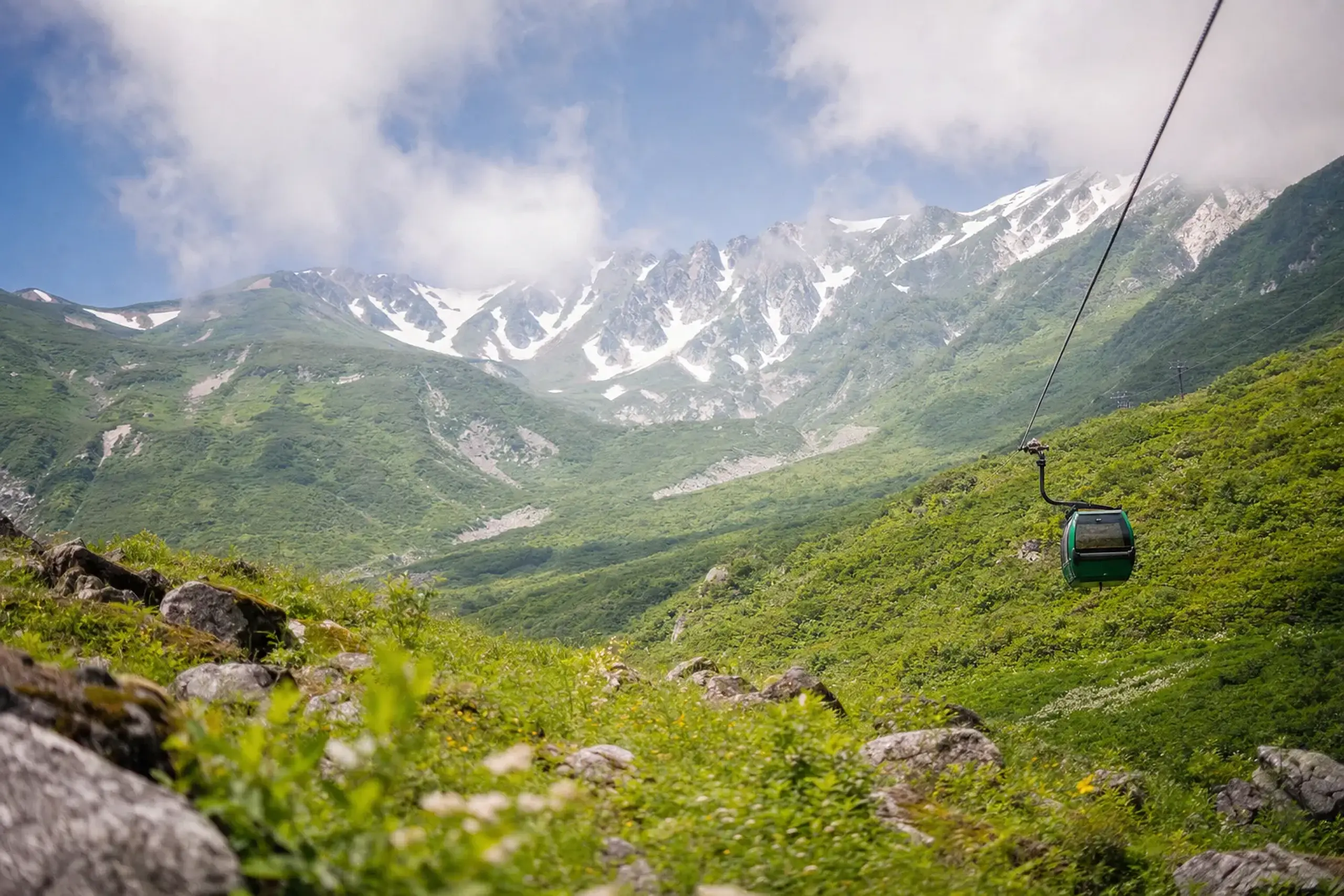
The gondola door closes with a soft thud. Then the valley begins to drop away.
You rise above roofs and larch, watching Hakuba Village shrink into a neat quilt of fields. Morning air still carries last night’s coolness—the kind that makes you zip your jacket without thinking.
If you only know Hakuba as a winter name, summer can feel like a private correction. From early June, the ski lifts run for walkers, and in a short ride you trade street-level warmth for ridgelines, ponds, and late snow hiding in shadow.
Hakuba In Summer: What The Green Season Really Feels Like
Summer in Hakuba is not “off-season.” It is a different tempo.
Down in the village (around 700 meters), the days read as gentle. Up high, the air sharpens and the light turns clean. You might step off a lift into sun, then find a cold draft rolling over a saddle ten minutes later. That contrast is the point.
In our experience, Hakuba suits travelers who love nature but dislike fuss. You can do a real alpine walk without technical climbing, then be back in the valley for a slow late lunch and an early night. Simple.
For the discerning traveler, the luxury here is restraint. Less showroom. More quiet. That is where wabi-sabi fits naturally: weathered trails, rock edges, and the hush around water that has been in place long before you arrived. And it is precisely this quiet that we protect—your itinerary, your identity, and your days in the mountains remain entirely your own, handled with the discretion that defines how we work.
When Do Hakuba’s Summer Lifts Operate For Walkers?
In 2026, key Hakuba Valley green-season lift operations ran roughly from early June to early November, with exact dates set by each operator and changing every year.
For planning, the dates matter more than the day-by-day forecast. Happo-One’s green season in 2026 ran roughly from June 6 to November 3, with lifts suspended June 1 to 5. Tsugaike Nature Park’s 2026 season ran from June 6 to October 25, with the ropeway green season beginning June 6 (per Otari Village and resort announcements).
The Goryu Alpine Botanical Garden followed a staggered opening in 2026: it opened June 6–7 and June 13–14, then daily from June 20 to October 18. It sits at about 1,515 meters. You feel that altitude in the breeze.
Operators confirm details closer to the season. This is where the Japanese sense of shun—knowing exactly what to experience, where, and in which week—earns its keep. The concierge team at Japan Royal Service double-checks operating windows, trail notices, and weather advisories before you step onto a lift line, then shapes the days around what is actually open and at its finest.
The Happo-One To Happo Pond Walk: A Green-Season Day, Step By Step
You start low—about 770 meters at the base area.
Happo-One’s lift chain is a sequence: the Adam gondola, then the Alpen Quad, then the Grat Quad, bringing you to Happo-ike Sanso (the top lift station) at about 1,830 meters. From there, Happo Pond waits at 2,060 meters. Close on a map. Honest on your legs.
Step 1: Ride Up, Then Walk Like You Mean It
The maintained walking route from the top station climbs for about 90 minutes one way.
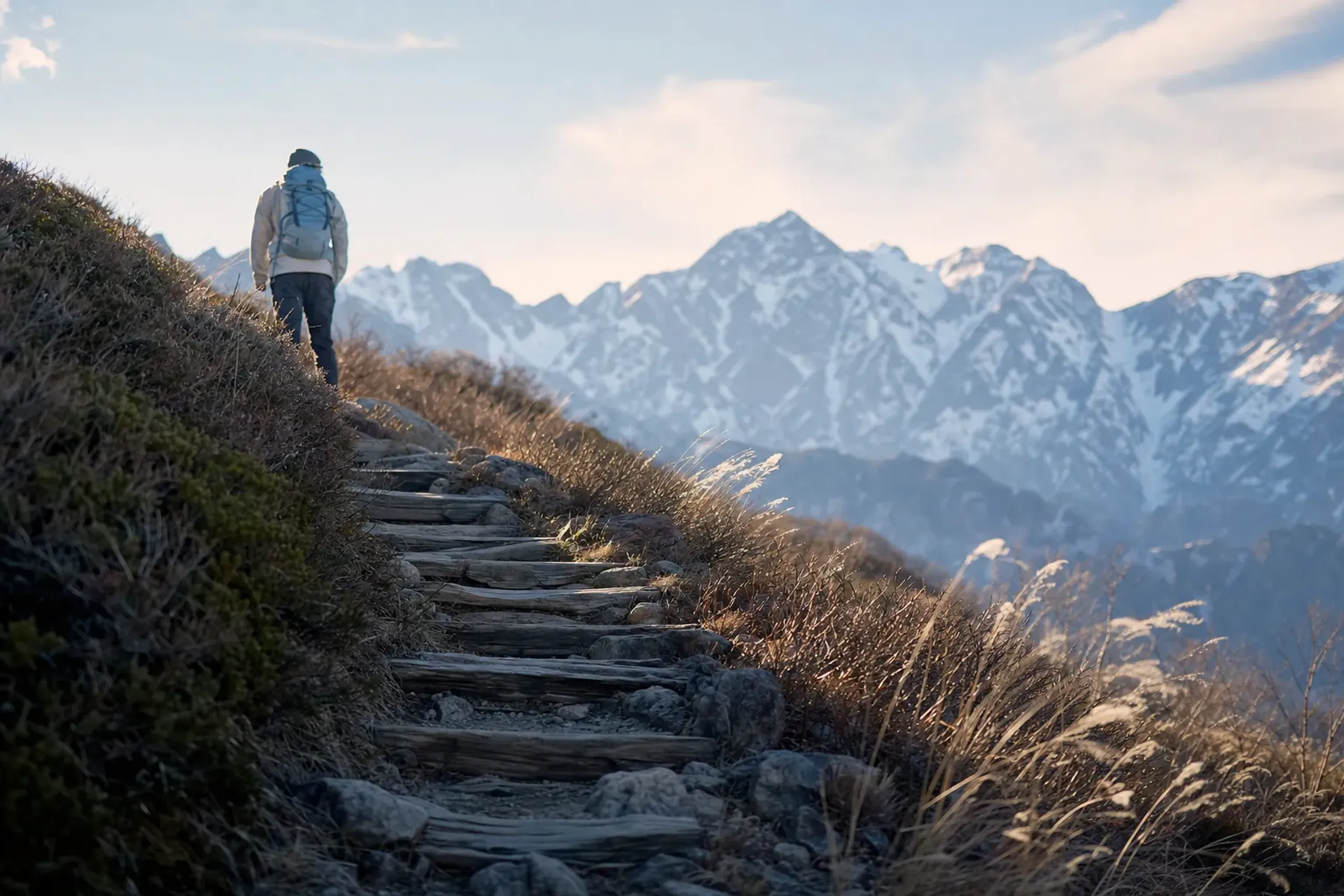
Expect about 2.5 hours round trip. Two routes are described by local tourism sources, and snow can linger around the pond into July.
More than 300 alpine plant species grow in this zone. That number isn’t a flourish. You notice it as variety underfoot—tiny color shifts, leaves shaped like miniatures, flowers that look too fragile for wind.
Step 2: The Ridge Changes The Temperature
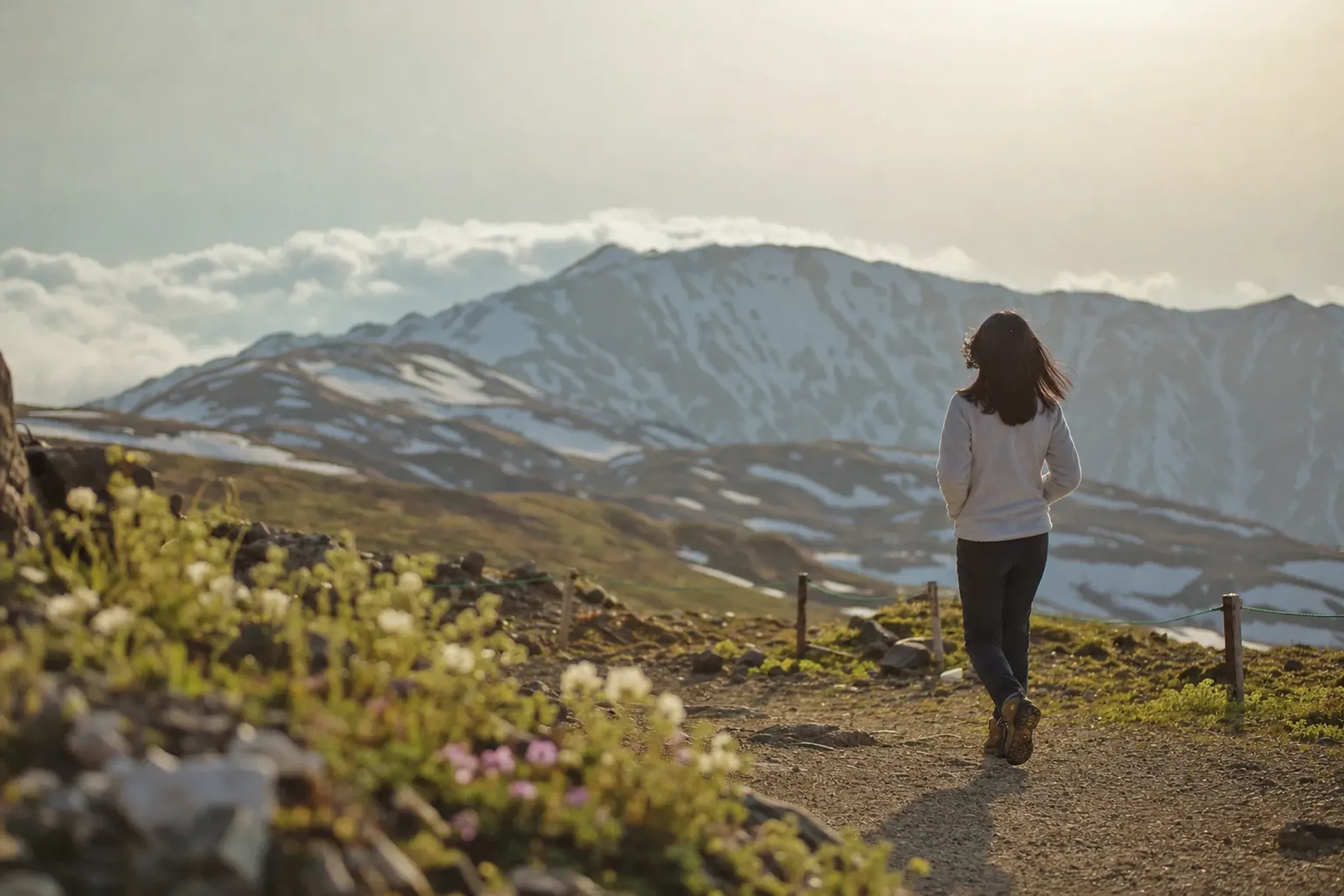
At the top, you may want gloves even when the valley feels like summer. The wind has opinions. The big mistake is dressing for the car park.
Carry layers—not one, but two or three. A thin insulated layer and a shell can turn an anxious walk into an easy one.
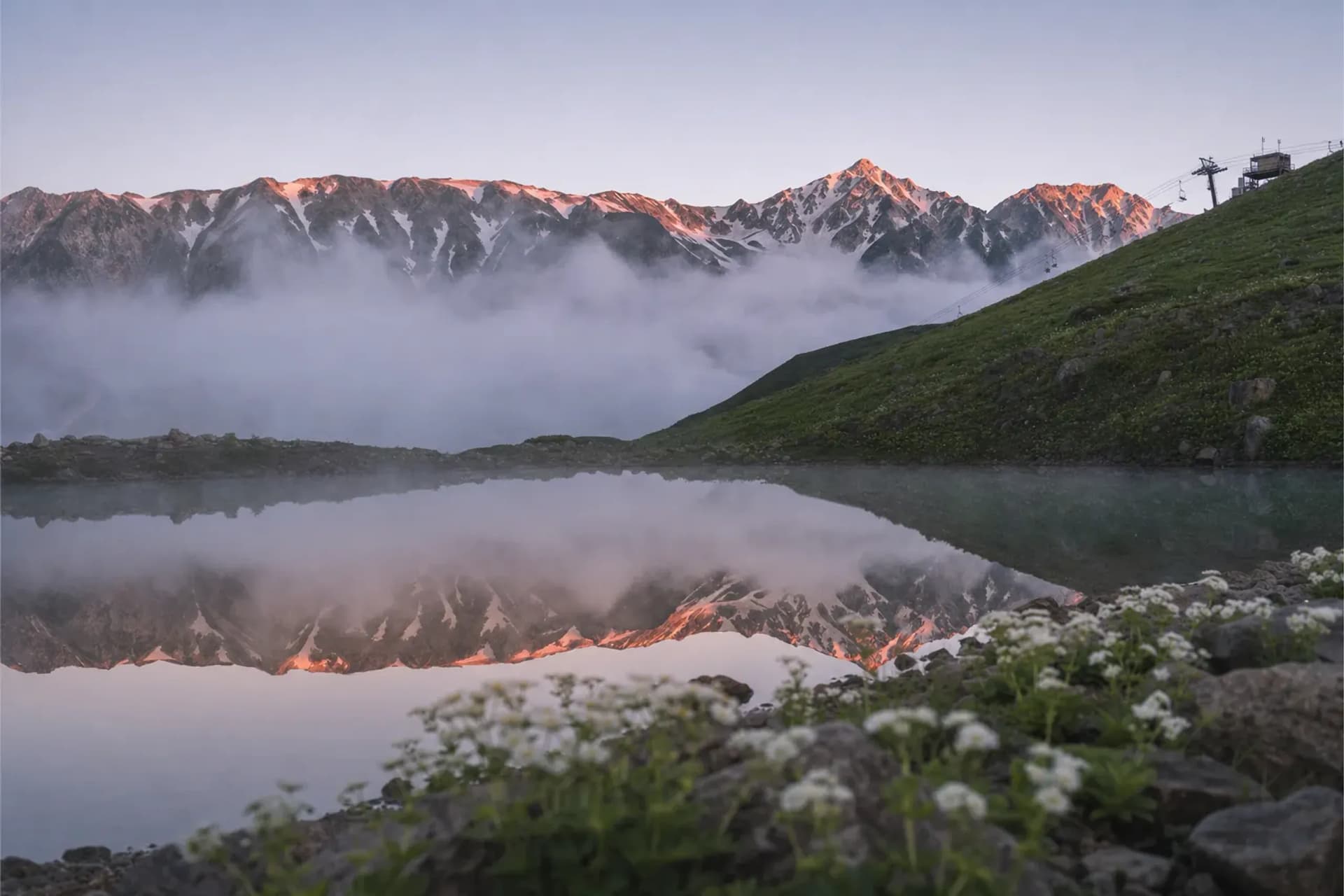
Step 3: Happo Pond—A Mirror That Refuses To Perform
On calm days, the pond becomes a clean sheet of glass. On restless days, it doesn’t cooperate—and that can be better.
This is where wabi-sabi makes sense without anyone saying the word. You get weather. You get silence. You get the blunt reality of cold water with a ribbon of snow still tucked into shade.
Key fact: The Happo Pond walk is a maintained route, but weather changes quickly at altitude; bring layers and allow time to descend before conditions shift.
What Is Tsugaike Nature Park, And Is It Worth It If You’re Not A Hiker?
Tsugaike Nature Park is a high marsh with boardwalk walking inside Chubu-Sangaku National Park in Otari Village, at about 1,900 meters.
This is Hakuba’s easiest “alpine” experience to love. You are not committing to steep climbs.
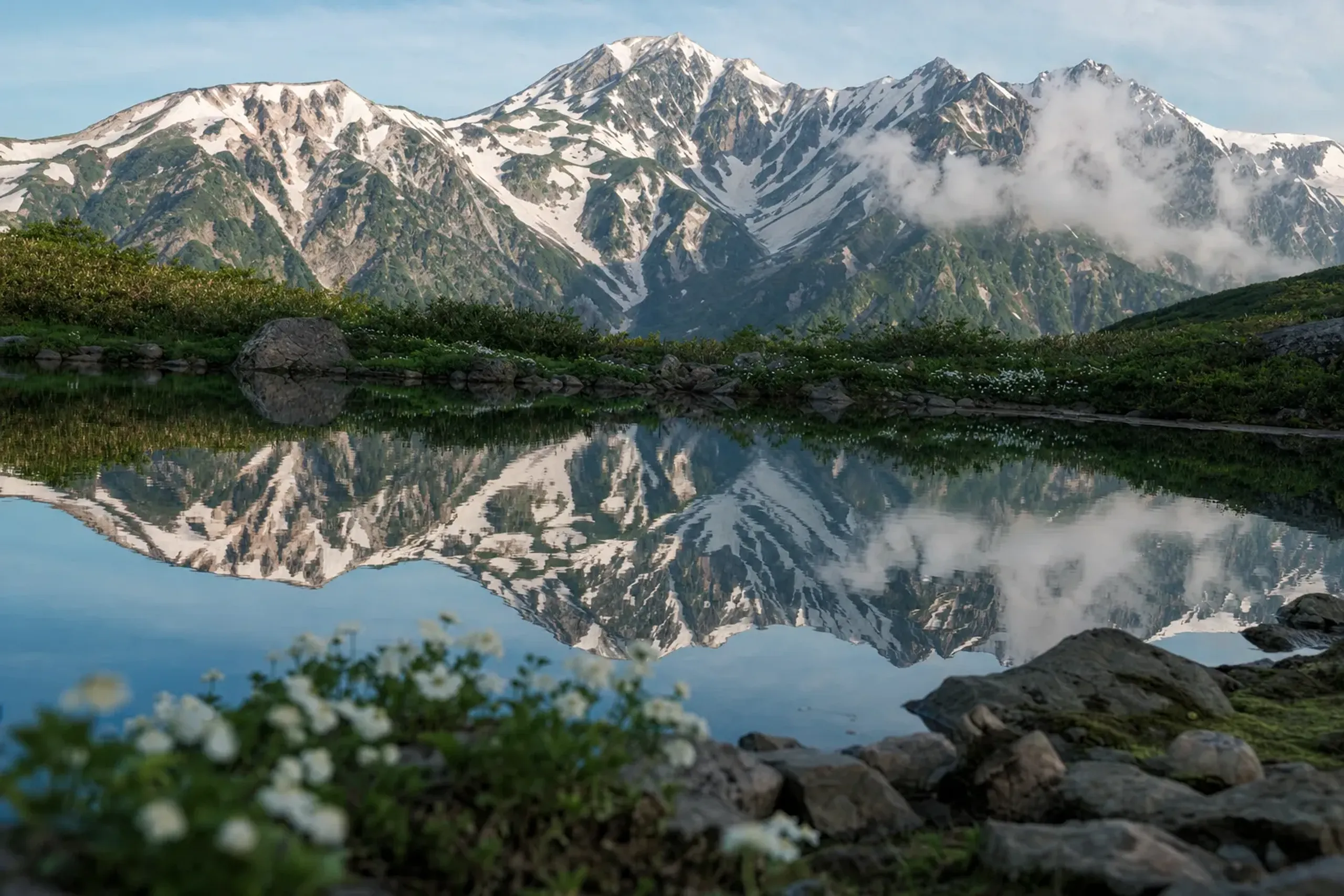
You are stepping into a wide, breathing landscape where the ground feels springy and the horizon looks rinsed clean.
In June, skunk cabbage blooms here. Not subtle. It’s one of those moments where a place looks staged, even though it isn’t.
You reach the area via the Eve gondola and ropeway. Hours vary by date and conditions, and the operator posts changes. Our team checks notices before you go, because the best day is the day that’s actually running.
Goryu Alpine Botanical Garden: A Quiet Detour With Real Altitude
The Goryu Alpine Botanical Garden sits at about 1,515 meters and opens on a season schedule set by the operator.
In 2026, it opened for select June weekends, then ran daily from June 20 to October 18. Dates shift each year, and early-season openings can be patchy. That’s normal.
This stop works well on a “softer” day—the kind you plan after Happo Pond, not before it. Your legs will thank you.
One-Line Detours: Mt. Shirouma, The Hakuba Daisekkei, And The Ski Jump Stadium
Mt. Shirouma (2,932 meters) sits on the Nagano–Toyama border inside Chubu-Sangaku National Park, but the Hakuba Daisekkei snowfield is a serious mountaineering route that requires proper gear and experience.
Sarukura parking lot has been closed for repairs from 2026 into 2027, and access has been handled via taxi, route bus, or accommodation shuttle depending on what is operating.
Hakuba Ski Jump Stadium—used in the 1998 Winter Olympics—can be visited in summer; check the day’s opening hours before you go.
Climate, Clothing, Bears, And Simple Safety Rules
Hakuba is cooler than Tokyo. Not dramatically.
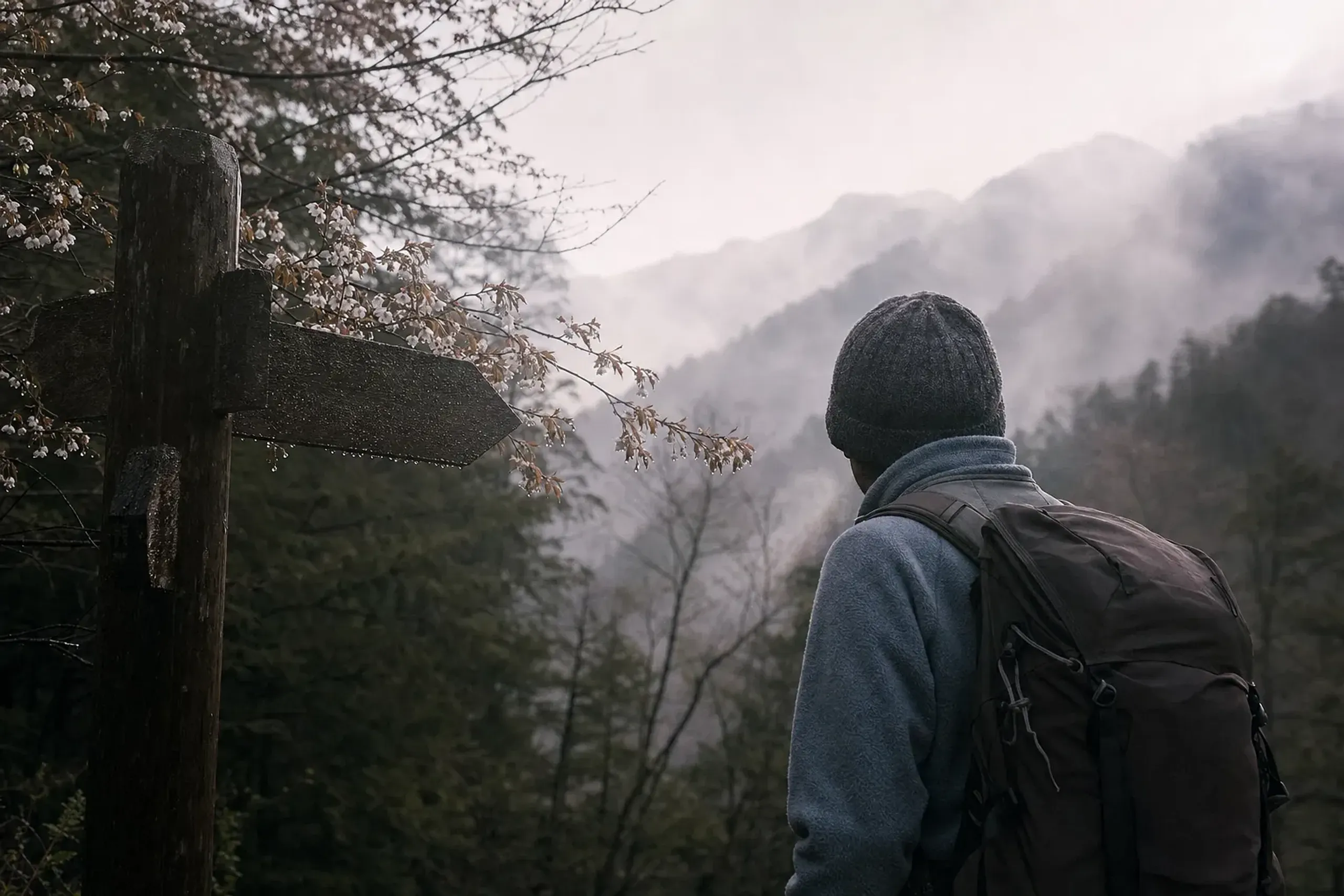
Noticeably.
Based on secondary climate data (JMA normals presented via a third-party viewer), Hakuba’s average daily high in July and August is about 27–28°C, roughly 3°C below Tokyo’s. Even so, heat can still settle in the valley on bright afternoons.
Up high, plan for quick changes. Bring layers, and keep a shell where you can reach it without unpacking your day bag. Keep water on you. Basic, but many people get it wrong.
Bears Live Here—Act Like It
Bears live across the Northern Alps area, including around Hakuba and Otari.
Nagano Prefecture has issued bear-related warnings in the past after injuries in the wider region. Those notices are time-specific and change. What does not change is the common-sense practice: carry a bell on forest trails, stay alert in quieter sections, and avoid surprising wildlife.
Do You Need A Climbing Plan?
Nagano’s Mountain Safety Ordinance requires a climbing plan for designated alpine routes. Happo Pond is generally treated as a maintained walking route, yet serious climbs elsewhere do require formal planning.
If you are considering anything beyond lift-access walks, pause. Read the latest official notices. Our concierge team can help you interpret what applies to your route—without turning your trip into paperwork theater.
How To Get To Hakuba In Summer From Tokyo, Nagano, Or Matsumoto
Hakuba is straightforward to reach. It just rewards clean timing.
From Tokyo
Tokyo to Nagano by Hokuriku Shinkansen is roughly 1.5 hours. From Nagano Station to Happo Bus Terminal, an express bus ride is about 70 minutes.
There is also a direct highway bus from Shinjuku to Happo that typically takes about 4.5 to 5.5 hours, depending on traffic and stops.
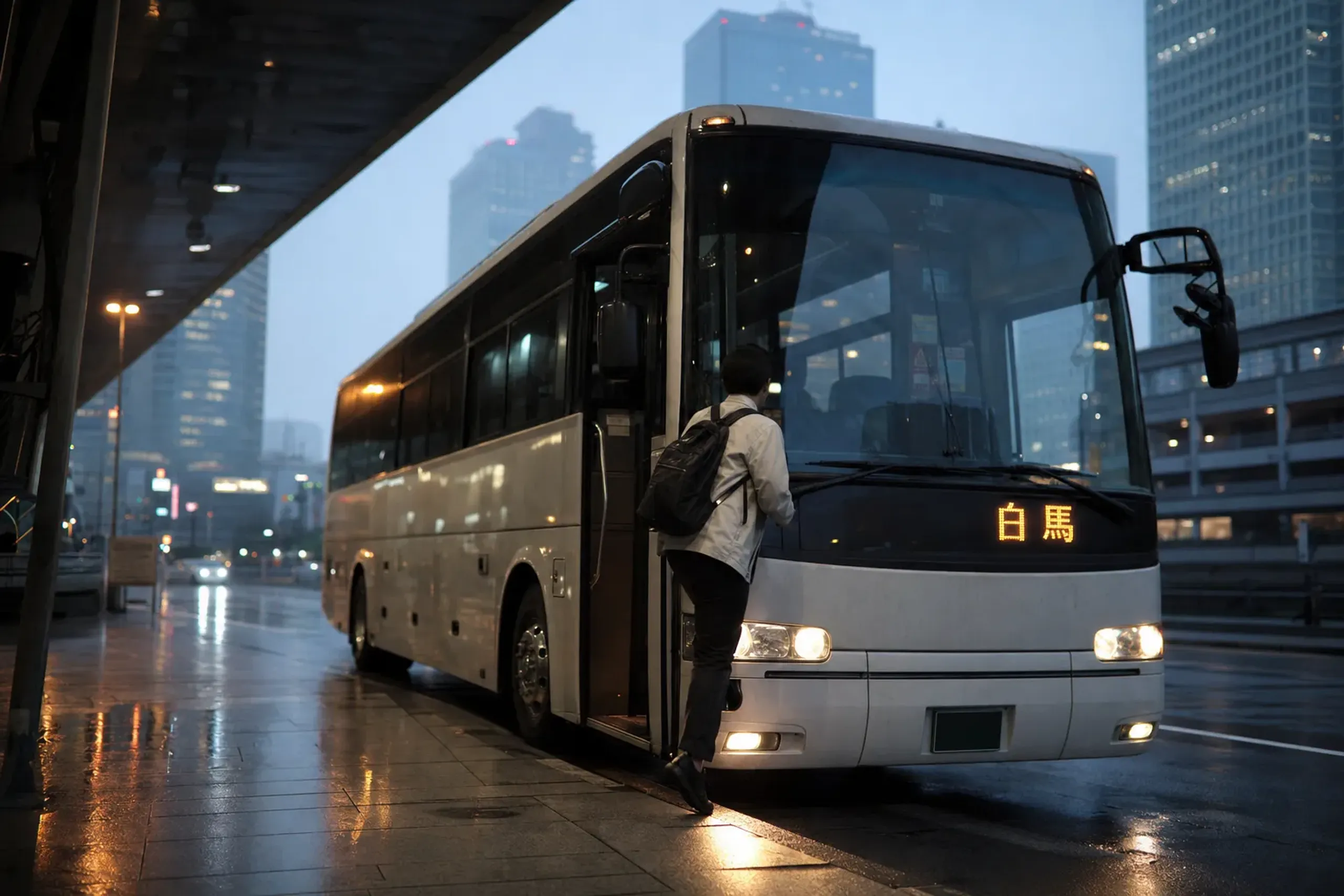
Long, but simple.
From Matsumoto
Matsumoto to Hakuba Station via the JR Oito Line is roughly 1.5 to 2 hours. It’s a calmer approach if you are already in central Nagano.
Once You’re In The Valley
Happo Bus Terminal is about a 15-minute walk from the Adam gondola base. Hakuba Station to Happo is about a 5-minute ride by local bus, when services are running.
If you prefer not to juggle timetables, our itineraries often include private transportation between stations, hotels, and lift bases, using a partner fleet sized to your party and luggage. It is the kind of silent care that removes friction before you ever notice it was there.
A Practical 3-Day Summer Plan For Hakuba (With Rest Built In)
Hakuba is better with margin. Not maxed-out checklists.
Day 1: Arrive, Sleep Early
Arrive from Tokyo or Matsumoto, settle into the valley, and keep the evening light. A short walk. A slow meal. That’s it.
Day 2: Happo-One To Happo Pond
Start early, ride the lift chain, and give yourself time for weather. The walk is short on paper, but it asks for attention. Plan a calm descent and a quiet afternoon afterward.
Day 3: Tsugaike Nature Park Or Goryu Garden
Choose the softer day-trip. Tsugaike if you want the wide marsh and boardwalk ease. Goryu if you want a shorter nature stop with altitude, then a long lunch back in the valley.
If you want nearby water without committing to a major excursion, Lake Aoki sits in Omachi, close to Hakuba. Keep it simple.
Nearby Summer Classics, Mentioned Once (On Purpose)
Kamikochi is a well-known base for walks in the Japanese Alps, but it deserves its own plan rather than being squeezed into a Hakuba day.
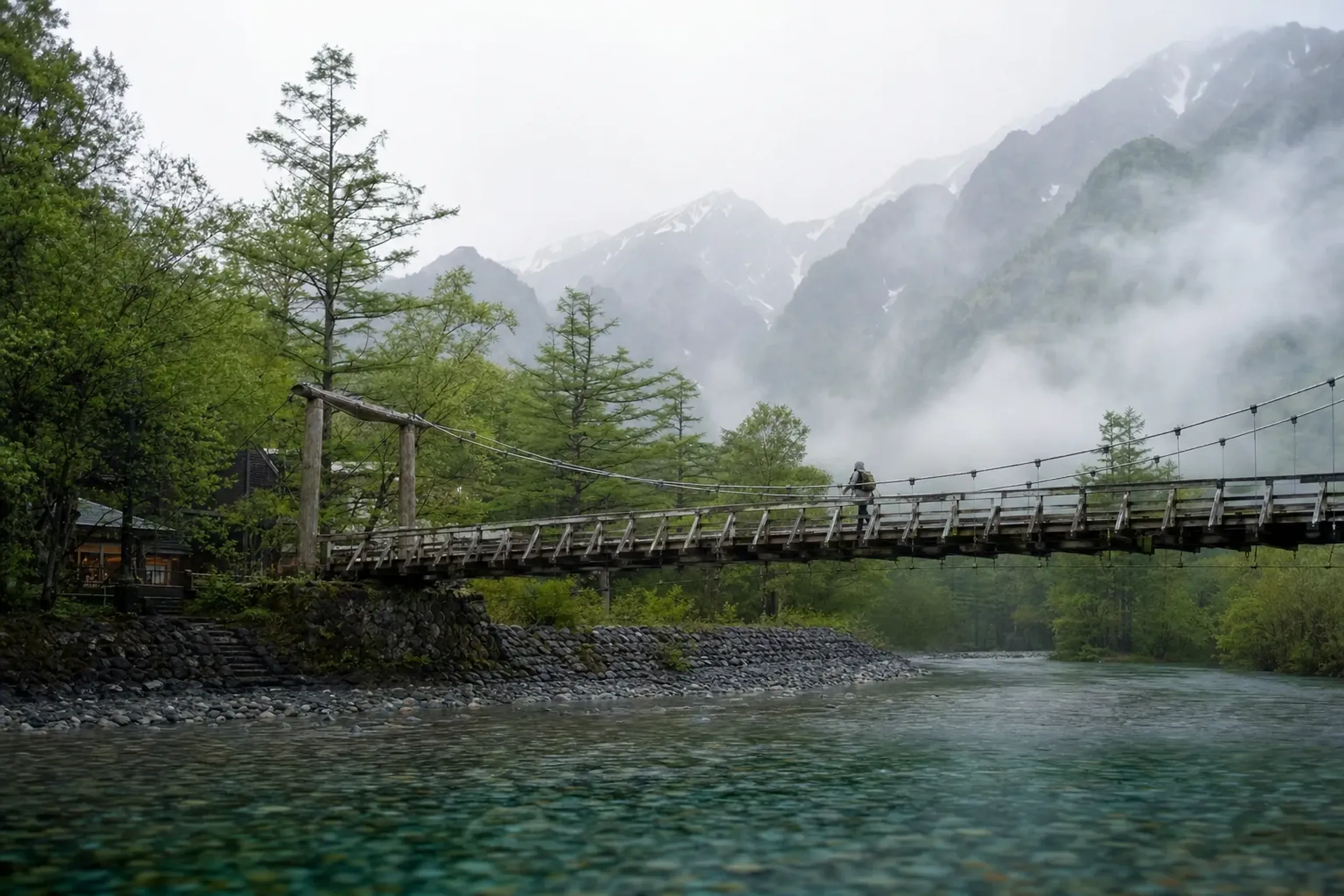
The Tateyama Kurobe Alpine Route is another separate, full-day commitment with its own operating constraints and crowd patterns.
If you want marshland boardwalk walking in a different setting, we wrote a dedicated guide to Oze in Summer: The Marsh and Its Boardwalks.
For a very different kind of “rules-first” summer mountain day, our guide to Climbing Mt. Fuji in Summer: Trails, Gates and Rules helps you understand what Japan expects of hikers.
How Our Concierge Team Plans Hakuba Summer Days Without Guesswork
Hakuba planning looks easy until it isn’t. Lift dates change. Weather snaps cold up high. A simple walk becomes stressful if your timing is sloppy.
Our concierge team at Japan Royal Service builds tailor-made itineraries around three fixed points: the operator’s green-season dates, the most realistic walking pace in your party, and rest on either side of the main walk.
Within this valley and season, we can support your trip in four grounded ways:
- Planning: We shape the order of days around lift windows, weather, and fatigue.
- Guiding (valley-focused): An English-speaking cultural interpreter guide for village days—local context, history, and practical help—without presenting it as mountain guiding.
- Transport: A partner-fleet vehicle for transfers from Tokyo, Nagano, or Matsumoto, and for local point-to-point movement.
- Accommodation coordination: We advise you to book early for green-season weekends, then align daily starts with your base location.
We also verify, ahead of your visit, the year’s lift dates, trail notices, and road or bus status.
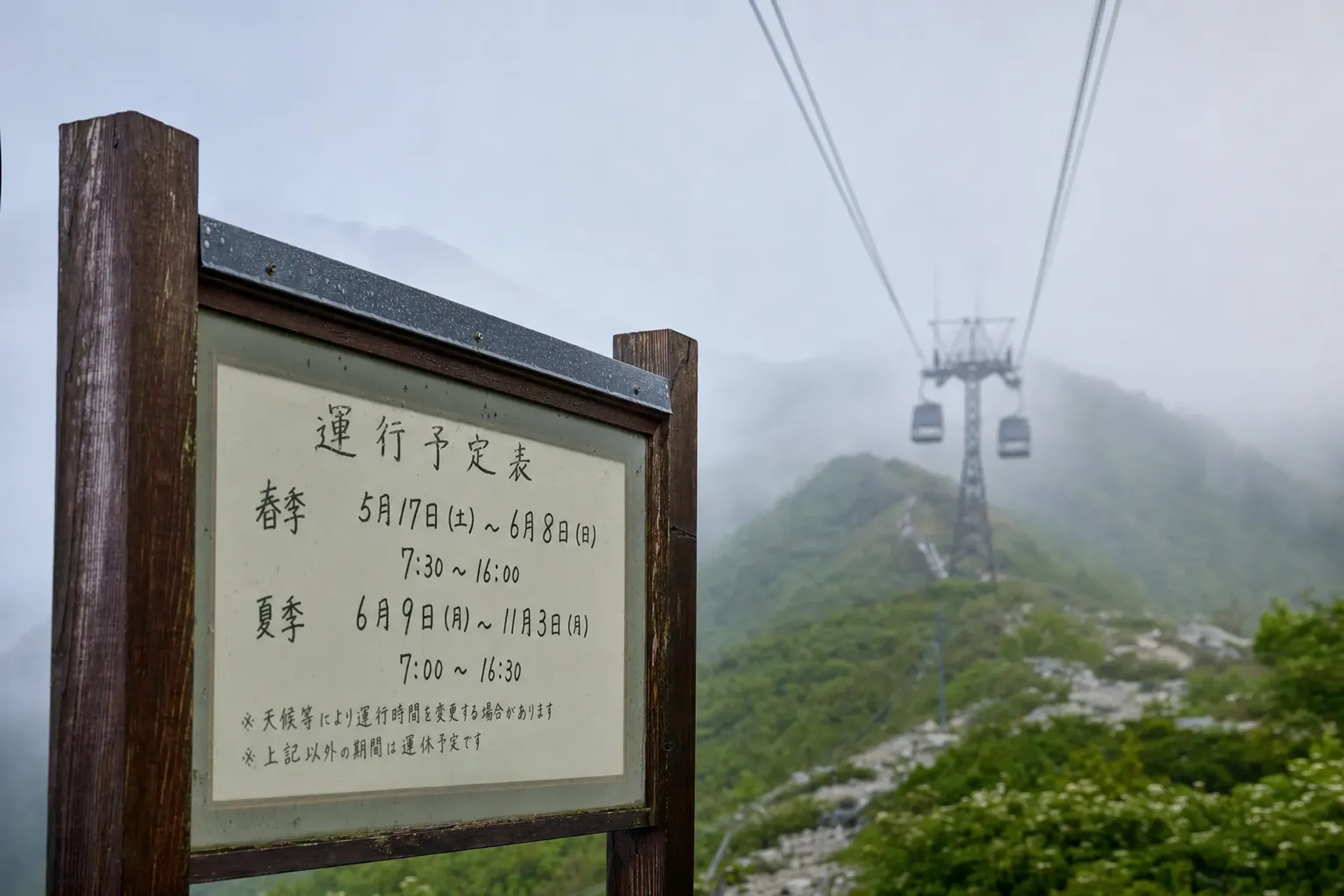
Quiet work. Useful work. Carried out with complete confidentiality, so that the only thing you need to think about is the mountain in front of you.
Plan Your Green-Season Hakuba With Us
The green season is short, the lift dates move each year, and the best days belong to those who plan with care. If you would like a Hakuba summer shaped around the right week, the right pace, and genuine quiet, contact us here to begin a confidential, tailor-made proposal.
Frequently Asked Questions
When Do The Happo-One Summer Lifts Run For Walkers?
Happo-One’s green-season lift operations typically run from early June to early November, with exact dates changing each year and confirmed by the operator closer to the season.
For example, 2026 operations ran roughly June 6 to November 3, with a brief suspension June 1 to 5. Always verify the current year’s notice before you plan your arrival day.
How Long Is The Happo Pond Walk From The Top Lift Station?
The Happo Pond walk is about 90 minutes uphill one way from the top lift station, around 2.5 hours round trip.
That estimate assumes steady walking and normal conditions. Early summer can still have lingering snow near the pond, which can slow the last section.
How Cool Is Hakuba In July And August Compared With Tokyo?
Hakuba’s average daily high in July and August is about 27–28°C, roughly 3°C cooler than Tokyo based on secondary climate normals.
At lift-access altitudes, it can feel much cooler, especially when wind moves across the ridge. Pack layers, even on clear days.