In this guide
- 01Two Festivals, One Neighbourhood Heartbeat
- 02A Festival Of First Sons And Neighbourhood Teams
- 03How Does The Nakatajima Kite Battle Work During Hamamatsu Matsuri?
- 04What Happens In The Evening Float Parade In Downtown Hamamatsu?
- 05When Does Weather Cancel Hamamatsu Kite Battles Or Floats?
- 06How Do You Get To Hamamatsu Matsuri From Tokyo Or Nagoya?
- 07Where To Stay For Golden Week (And What To Eat In One Paragraph)
- 08A Step-By-Step Plan To See Both Day And Night Without Burning Out
- 09How We Think About Movement And Timing During Hamamatsu Matsuri
- 10Let Us Plan Your Hamamatsu Matsuri
The dunes look empty until, suddenly, they don’t.
You arrive to a flat sweep of sand near Nakatajima, and the morning feels almost too calm for Golden Week. Then a shout travels across the beach. A kite rises, broad as a door, tugging hard enough to make a grown adult lean back against the line.
This is Hamamatsu Matsuri, held every year on 3, 4, and 5 May in Hamamatsu City, Shizuoka. By day, neighbourhood teams fly giant kites at the Nakatajima venue beside the Nakatajima Sand Dunes. By night, those same neighbourhoods pull illuminated, intricately carved floats through the downtown streets.
If you see only one half, you miss the point. The festival is a public celebration of neighbourhood identity, kept alive through a tradition tied to first-born sons. And it is ruled by the sky—wind can make the day sing, and rain can erase the night. For the traveller who values substance over spectacle, there is real quiet beauty here: the restraint of a single steady line against an open coastal horizon, then the hush of lantern glow after dark. This is a wabi-sabi kind of celebration—less about grandeur, more about the texture of a place and its people.
Two Festivals, One Neighbourhood Heartbeat
Hamamatsu Matsuri is not a “drop in for an hour” event. Treating it that way is a genuine mistake.
In our experience, the finest visits treat it as two linked chapters with a long, deliberate pause in between: dunes in daylight, city streets after dark.
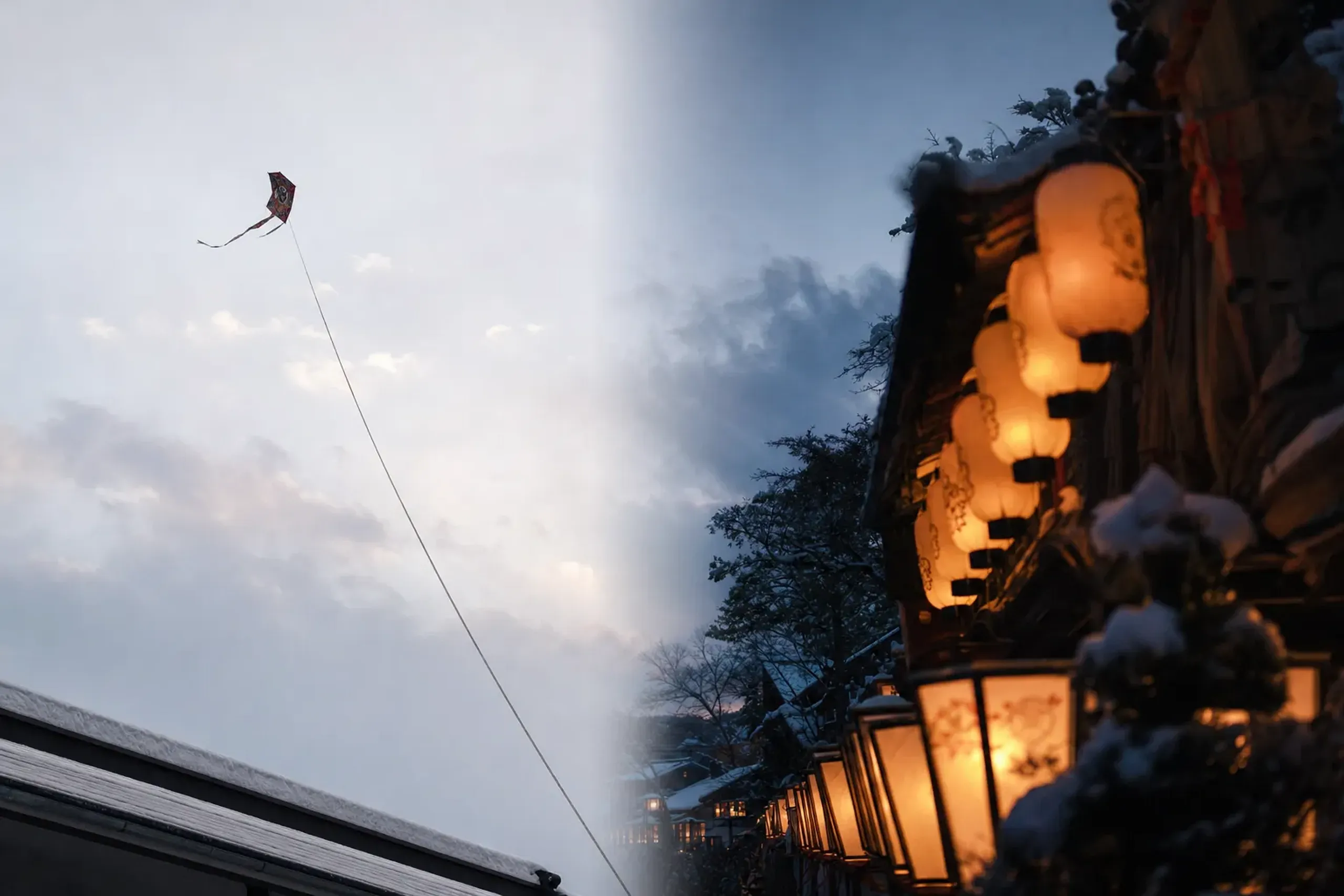
The same teams you watch at Nakatajima later appear downtown with their float, their musicians, and their community pride intact.
The reason is local and deeply personal. Hamamatsu’s festival is widely known for celebrating first-born sons (especially on 3 May, a day associated with hatsudako, the first-child kite), and the neighbourhoods carry that meaning into everything: the kite, the rope work, the procession pace, even who stands where in the line.
Plan your day around that rhythm. Arrive early enough to understand what you’re watching, step away during the hottest crowds, then return for the evening when the city turns into lantern-lit movement. This is precisely the kind of pacing our concierge team quietly builds into a bespoke itinerary—so the day unfolds as calm choreography rather than a scramble.
A Festival Of First Sons And Neighbourhood Teams
This festival belongs to its neighbourhoods first. Visitors are guests—and the best guests arrive knowing it.
More than 170 neighbourhoods take part in the daytime kite flying, and more than 80 floats appear at night. The numbers help, but they don’t explain the feeling: it’s a patchwork of local crews, each with its own kite design, its own group leaders, and its own way of handling the line.
The story most often told is older than the documents that survive. A legend holds that a lord of Hikuma Castle flew a kite for his first son between 1558 and 1569, yet written records do not confirm that tale.
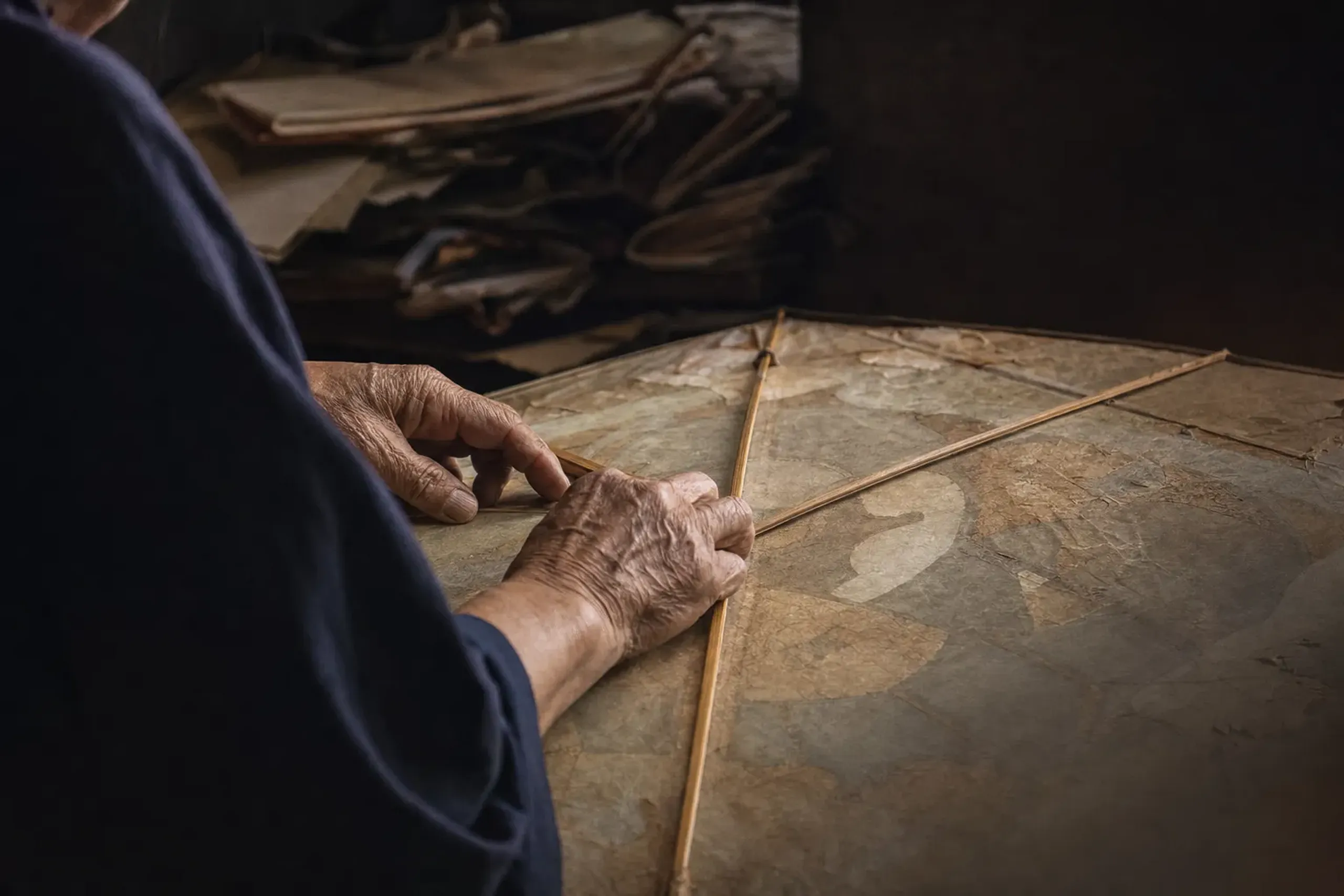
The earliest written record connected to Hamamatsu’s kites dates from the Kansei era (1789–1800), and the first postwar battle at Nakatajima was held in 1948.
The festival took its present name in 1950. Not ancient, exactly. Still deeply rooted—and still, unmistakably, the community’s own.
How Does The Nakatajima Kite Battle Work During Hamamatsu Matsuri?
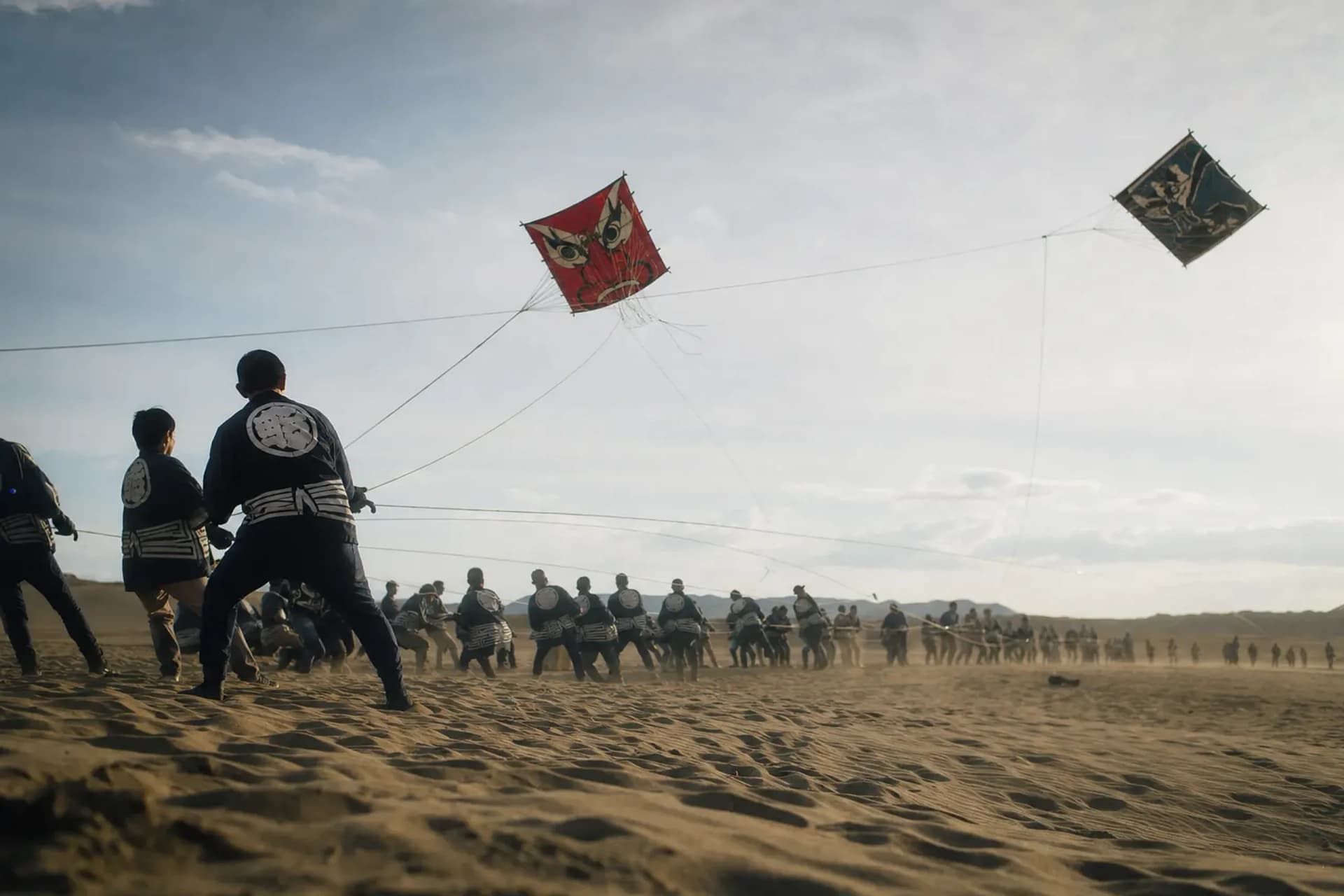
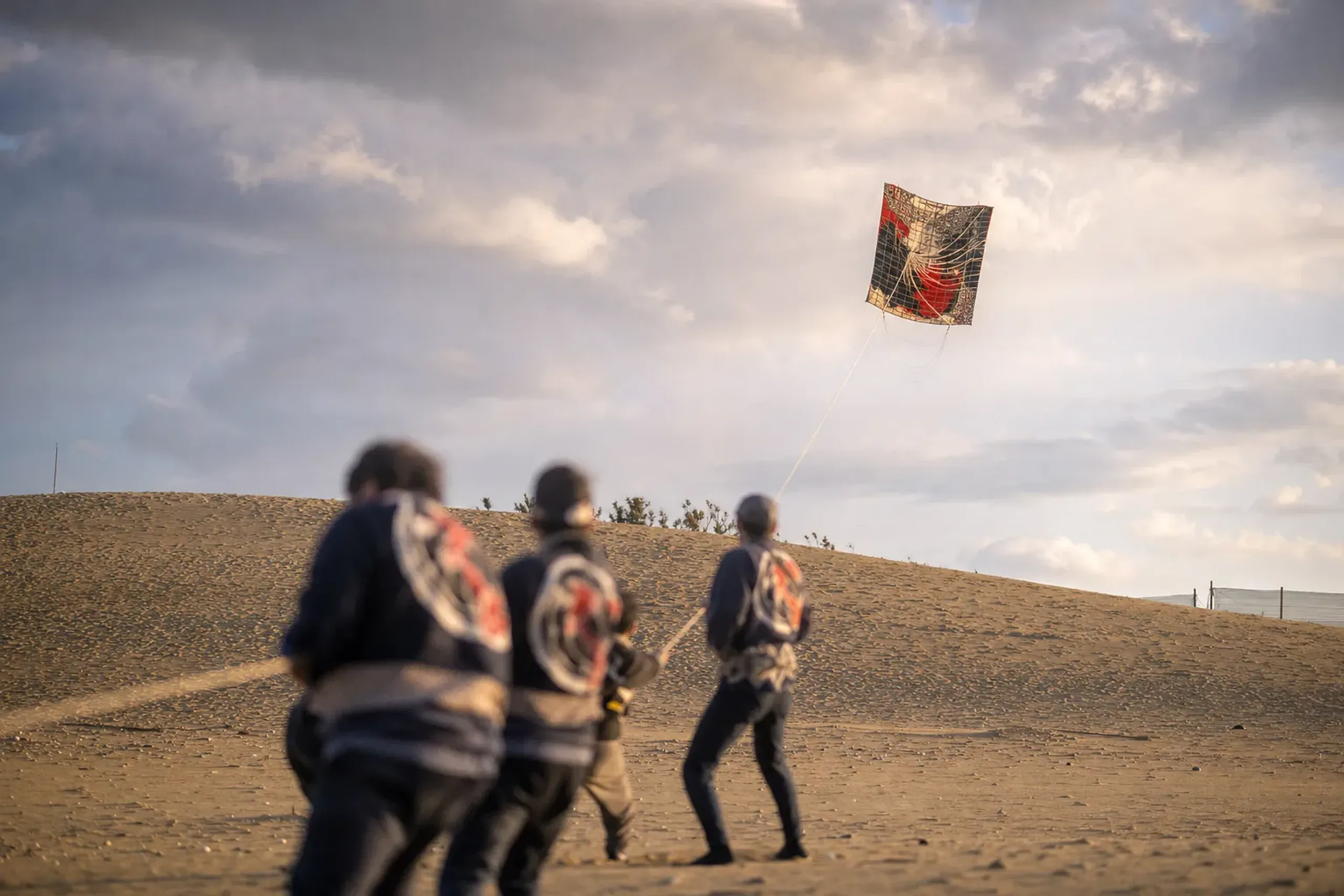
The Nakatajima kite battle is a daytime team contest in which neighbourhoods fly large kites and try to cut their opponents’ lines by friction, usually between roughly 10:00 and 15:00.
On 4 and 5 May, the kite fights are known for itokiri gassen, the line-cutting battles. You will see crews launch, climb, and then angle toward rival kites until the lines scrape and heat, and one side finally gives way.
The kites are big—roughly 2.4 to 3.6 metres square—and they read entirely differently in person than in photographs. They don’t flutter like toys. They pull like sails.
One practical detail matters more than first-timers expect: the day’s go/no-go call for the kite venue is made at 7:30. If your schedule is tight, build your morning around that decision rather than around wishful thinking.
What You’ll Actually See On The Sand
The venue sits beside the Nakatajima Sand Dunes. It’s open, bright, and fully exposed to the elements.
You’ll watch teams form clusters, lines stretched out across the sand like long roads, while callers coordinate launches and landings.
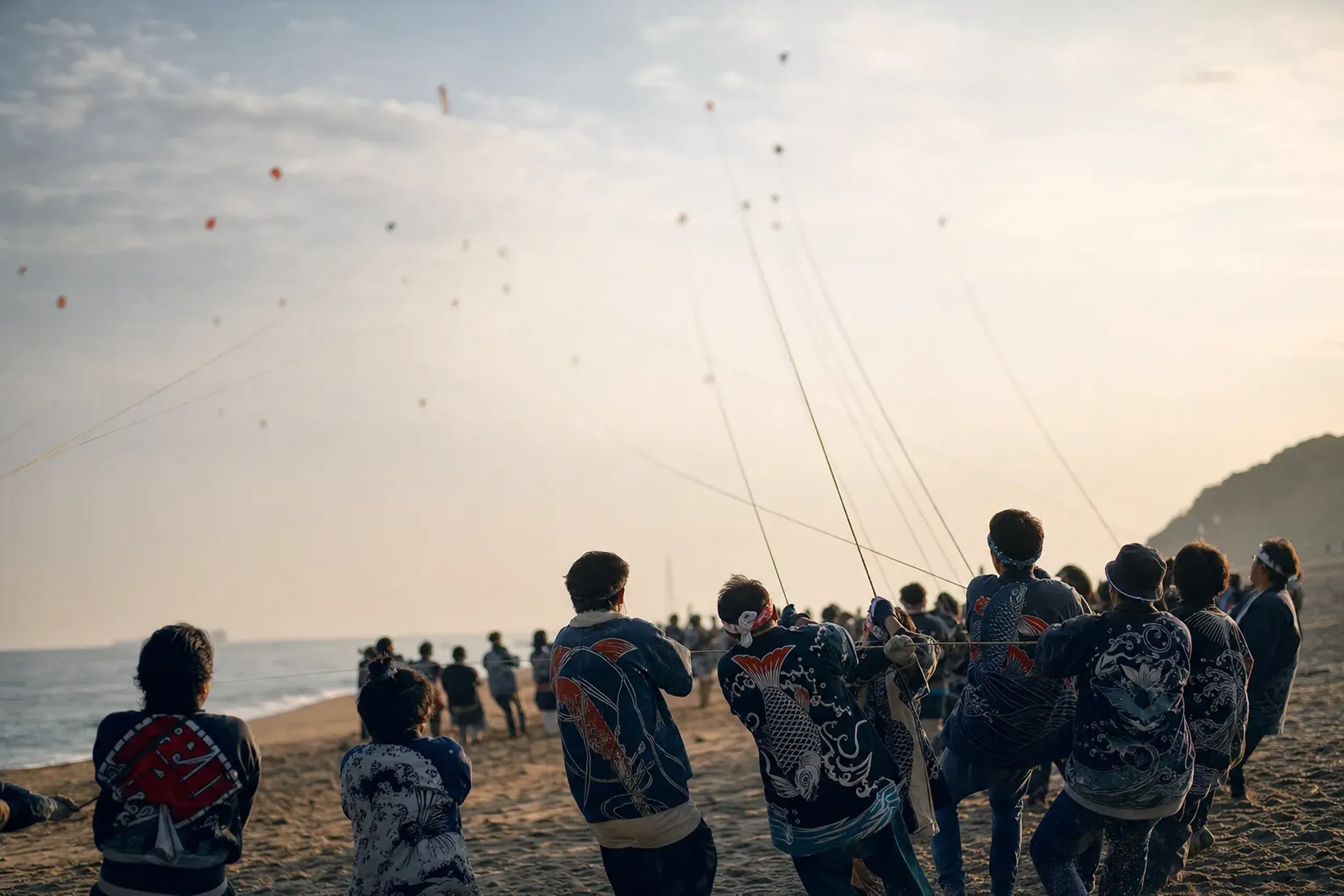
Then you’ll hear sudden bursts of noise when a kite drops, or when one crew senses a good angle and charges for a cut.
There is no “single best spot” that stays best all day. The action shifts constantly. We prefer a slow walk along the edge, pausing when you find a clear sightline and the wind feels steady beneath the kites.
Our Practical Advice: Wind, Sun, And Sand
This is not official guidance. It is simply what our team has learned from years of watching windy coastal festivals across Japan.
- Wear closed shoes. Sand gets everywhere, fast.
- Bring eye protection if you’re sensitive. Gusts can sting.
- Choose a hat that won’t fly off. A chin strap earns its keep.
- Carry water. The dunes are open and the sun is direct.
Dress as though you’re going to a beach with a schedule. Because, in truth, you are.
What Happens In The Evening Float Parade In Downtown Hamamatsu?
The evening parade features ornate floats pulled through central Hamamatsu—often along Kajimachi-dori and Hirokoji-dori—typically running roughly 18:00 to 21:00, with start times that vary by day.
After the wide silence of the dunes, downtown feels tight and close and alive. The floats are lit from within and around their carvings, and children’s flutes and drums set a tempo that makes the crowd sway without quite noticing.
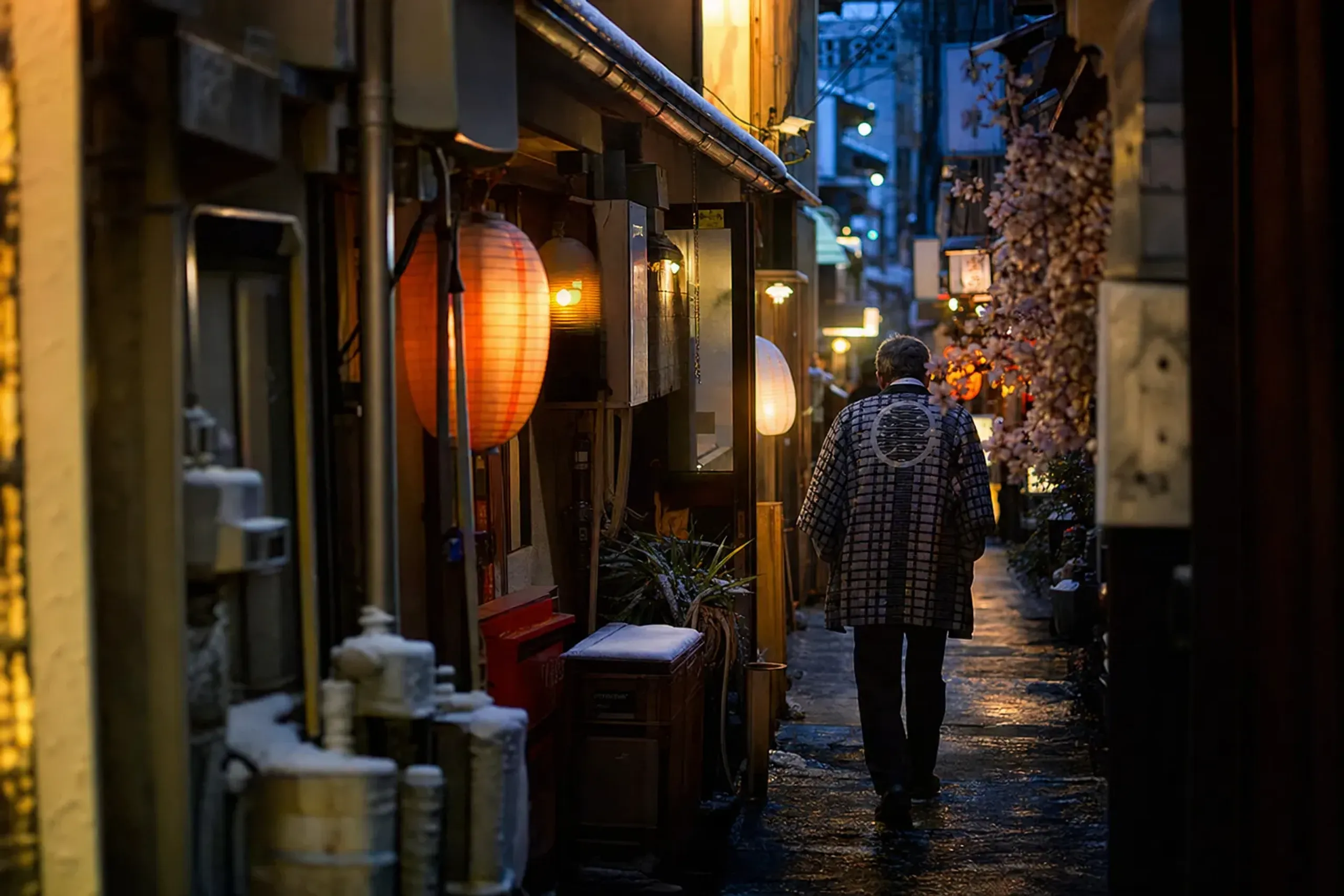
This is the second festival. Quieter in one way, louder in another—and the contrast is the whole experience.
One planning detail you should treat as non-negotiable: the float decision is made at 15:00. In 2026, the float parade was cancelled on 3 May due to rain. That can certainly happen again. Build your evening with a fallback that still feels like a win rather than a loss.
How To Watch Without Getting Trapped In The Crowd
There are no paid or reserved viewing seats that we could confirm. It’s street viewing, plain and simple.
So your real leverage is timing. Arrive before the densest peak, choose one intersection you can live with, then stay put. If you try to chase the floats like a parade-hopper, you’ll spend the night looking at backs and phone screens.
We like a simple rule: watch a single float pass you twice, rather than ten floats pass you once. You’ll notice the details then—the carving edges, the lantern glow, the way the pullers reset their grip before the next pull.
When Does Weather Cancel Hamamatsu Kite Battles Or Floats?
Kite flying is decided at 7:30 each day, and the evening floats are decided at 15:00; wind helps the kites, while rain can cancel the float parade outright.
Hamamatsu in early May can feel mild, yet the weather still has teeth. The Japan Meteorological Agency normals (1991–2020) for May in Hamamatsu record a mean of 19.3°C, with an average high of 23.7°C and low of 15.3°C, plus 191.9 mm of rainfall across the month.
That rainfall matters more than it looks. A grey afternoon can quietly turn into a cancelled night.
Key fact: Drones are banned at the festival, and walking while smoking and littering are prohibited under official rules.
A Simple Weather-First Planning Pattern (Worked Example: 2026)
Use this as a template. Times for any future year should always be checked against the official schedule, and for 2027 you should assume the same structure based on 2026 until updates are published.
- 07:30: Kite venue decision. If it’s a “go,” commit to the dunes.
- ~10:00–15:00: Daytime kite battles at Nakatajima (2026 timing).
- 15:00: Float decision. If it’s a “go,” reposition for downtown.
- Evening (~18:00–21:00): Float parade (2026 timing; start time varied by day).
When the sky looks uncertain, we advise our clients to treat the afternoon decision points as pivots, not disappointments. You can still have a deeply meaningful day in Hamamatsu even if one chapter quietly closes. Knowing precisely what to experience, where, and in which month is part of what we do—the Japanese sense of perfect seasonality, read against the live weather call.
How Do You Get To Hamamatsu Matsuri From Tokyo Or Nagoya?
From Tokyo, take the Tokaido Shinkansen to Hamamatsu Station (Hikari or Kodama services), then use the paid festival shuttle to the Nakatajima kite venue; from Nagoya, the Shinkansen ride to Hamamatsu is about 30 minutes by Hikari.
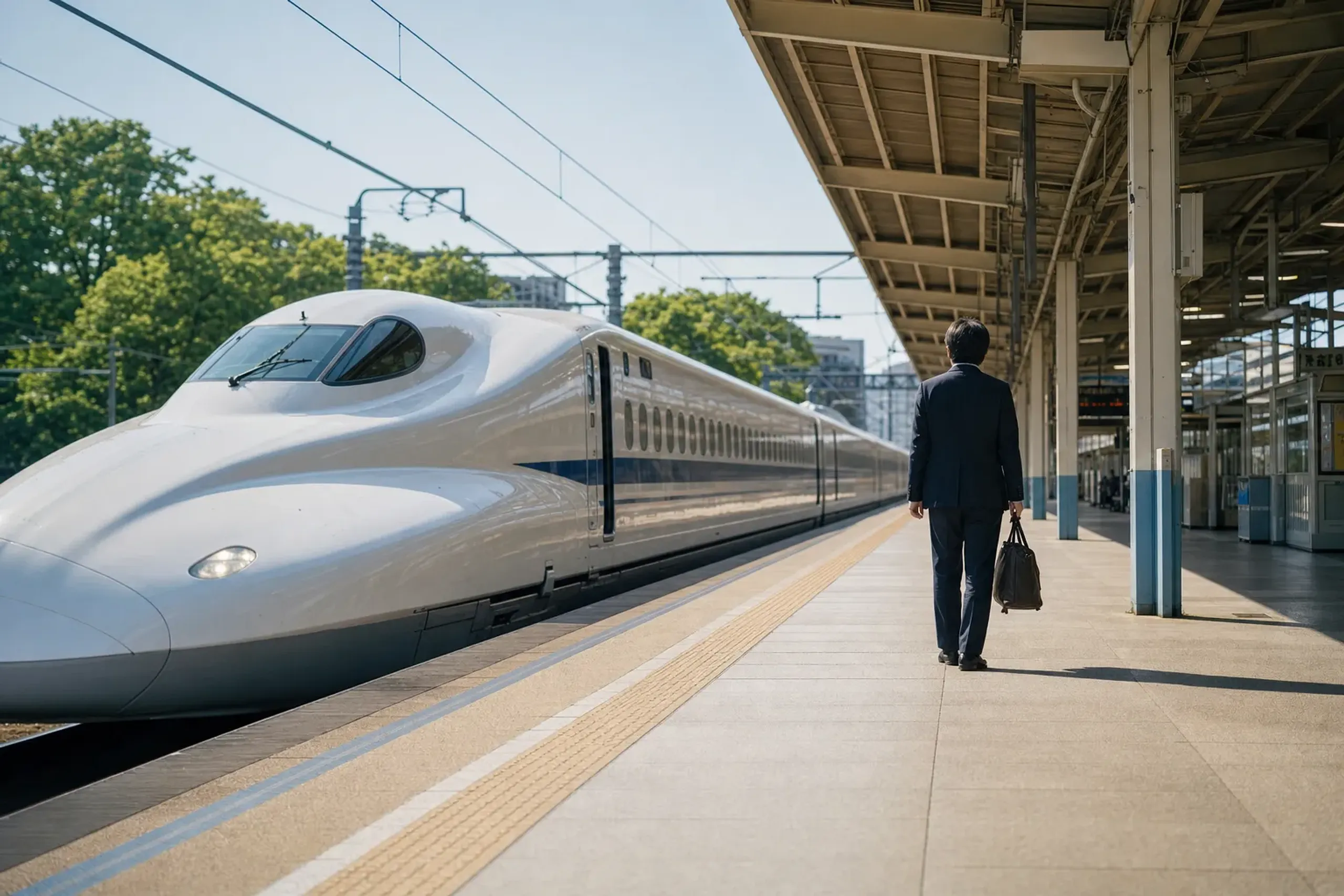
Hamamatsu sits in a conveniently placed spot on the Tokaido corridor. That is the good news.
The constraint is service type. Hamamatsu is served by Hikari and Kodama, not Nozomi. In our 2026 planning, our concierge team verified Tokyo to Hamamatsu at about 1 hour 20 minutes by Hikari, and we recommend you re-check with JR Central close to travel, because timetables shift.
Station To The Dunes: Use The Shuttle, Not A Car Plan
A paid shuttle runs from Hamamatsu Station, and also from a temporary lot, to the kite venue, taking about 15 to 20 minutes. During the festival, traffic is regulated around both the dunes and the city centre.
Do not build your day around driving right up to the venue. It’s a classic festival logistics trap.
If you want a calmer, context-first start, the Hamamatsu Festival Pavilion beside the venue offers exhibits about the festival, including kite and float displays and references to the craft behind the kite strings—quiet evidence of the shokunin skill that underpins the whole spectacle. It’s a useful “reset” space when the wind and crowds begin to feel intense.
Where To Stay For Golden Week (And What To Eat In One Paragraph)
Golden Week compresses demand into a few precious nights. Rooms vanish early.
We suggest choosing a hotel location based on what you most want to protect: easy access back after the float parade, or a simpler morning departure for the shuttle.
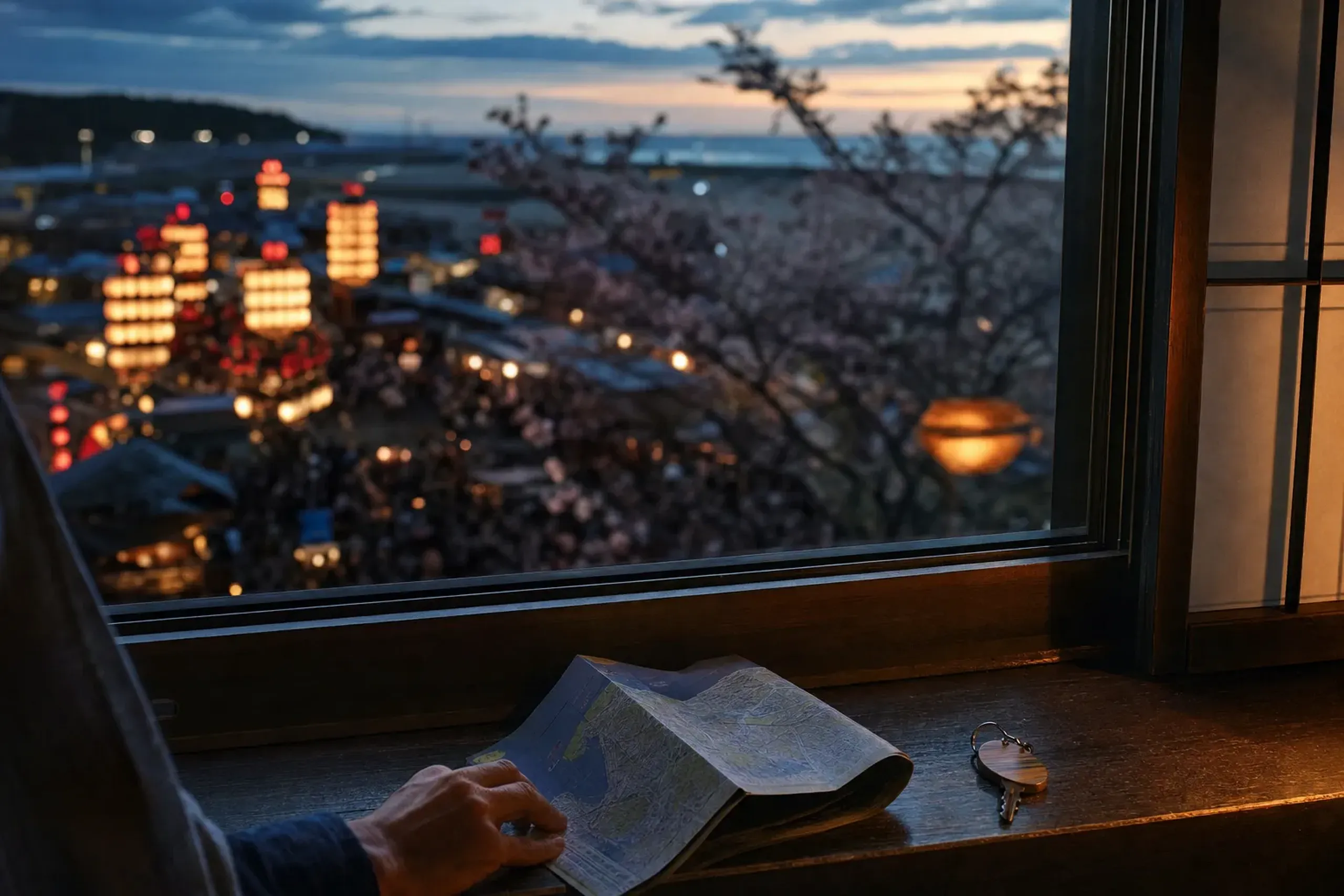
Either way, book well ahead; last-minute improvisation is rarely kind during 3–5 May. For guests who value discretion above all, we can secure quietly held rooms and arrange arrivals and departures that never touch the crowd—confidentiality of both identity and itinerary is the standard, not the exception.
Keep food expectations local and satisfying rather than elaborate. Hamamatsu gyoza is pan-fried with local pork and cabbage, often served in a circle with bean sprouts at the centre, and eel from Lake Hamana carries a long local history of fishing and quiet enjoyment.
If you have ten spare minutes, Hamamatsu Castle makes a quick historical footnote: Tokugawa Ieyasu moved here in 1570 and stayed for 17 years, and today’s castle tower was rebuilt in 1958. One line is enough. Back to the festival.
A Step-By-Step Plan To See Both Day And Night Without Burning Out
Comfort is strategy. Especially here.
Hamamatsu Matsuri rewards a paced day, because the environment changes twice over: open dunes by day, dense streets by night. Below is a workable structure our team often uses when advising discerning travellers who want depth, not bragging rights.
Step 1: Arrive With A Morning Buffer
Arrive in Hamamatsu with time to breathe before the dunes. Rushing makes you careless.
Use the first hour to check the weather and confirm the day’s decisions (7:30 for kites).
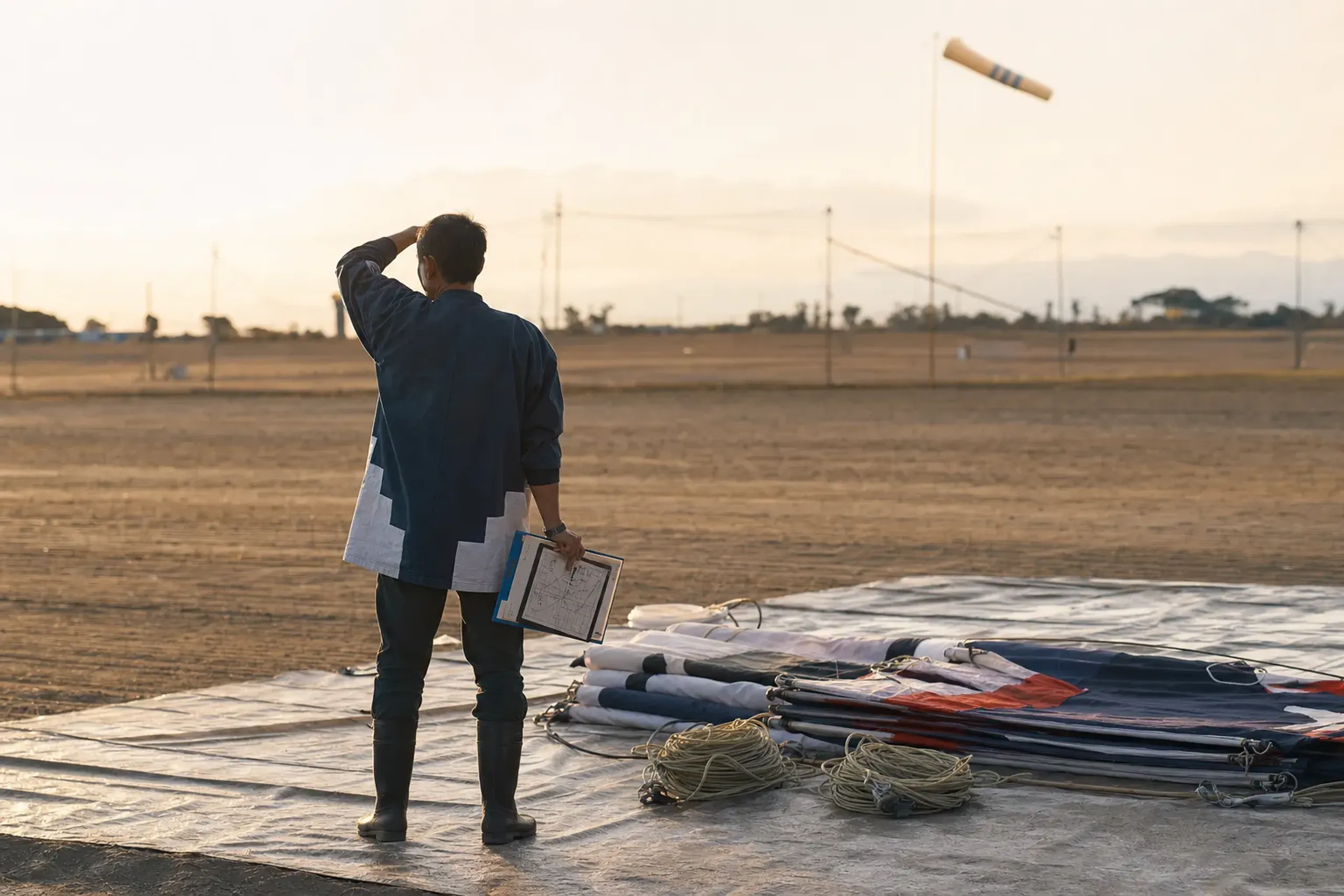
If you’re travelling with family, this is the moment to quietly set expectations: sand, noise, walking, and waiting.
Step 2: Commit To The Dunes, Then Leave On Purpose
Once the kite battle is on, go. Stay long enough to truly understand the flow.
Then leave on purpose, before you’re tired. A short retreat—hotel rest, a calm lunch—protects your evening energy, and it also helps you sidestep the frustrating “midday crush” where you’re present but not really seeing anything.
Step 3: Scout Downtown Before The Floats Start
Downtown Hamamatsu grows crowded as evening approaches. Arrive early.
Walk Kajimachi-dori and Hirokoji-dori in daylight, choose a viewing stretch that has room to step back, and set a clear meeting point for your party. A tiny detail. A huge relief.
Step 4: Treat The 15:00 Float Decision As A Fork In The Road
If floats are on, you already know where you’ll stand. That’s the reward for planning ahead.
If floats are off due to rain, don’t waste the evening in limbo. Consider a slower cultural alternative nearby, such as revisiting festival context at a related local activation if one is running (in 2026, there were festival-adjacent events at Act City Hamamatsu and an exhibition period at Create Hamamatsu). Keep it simple, and keep it weather-safe.
How We Think About Movement And Timing During Hamamatsu Matsuri
Traffic regulation is part of the festival, not an inconvenience to resent.
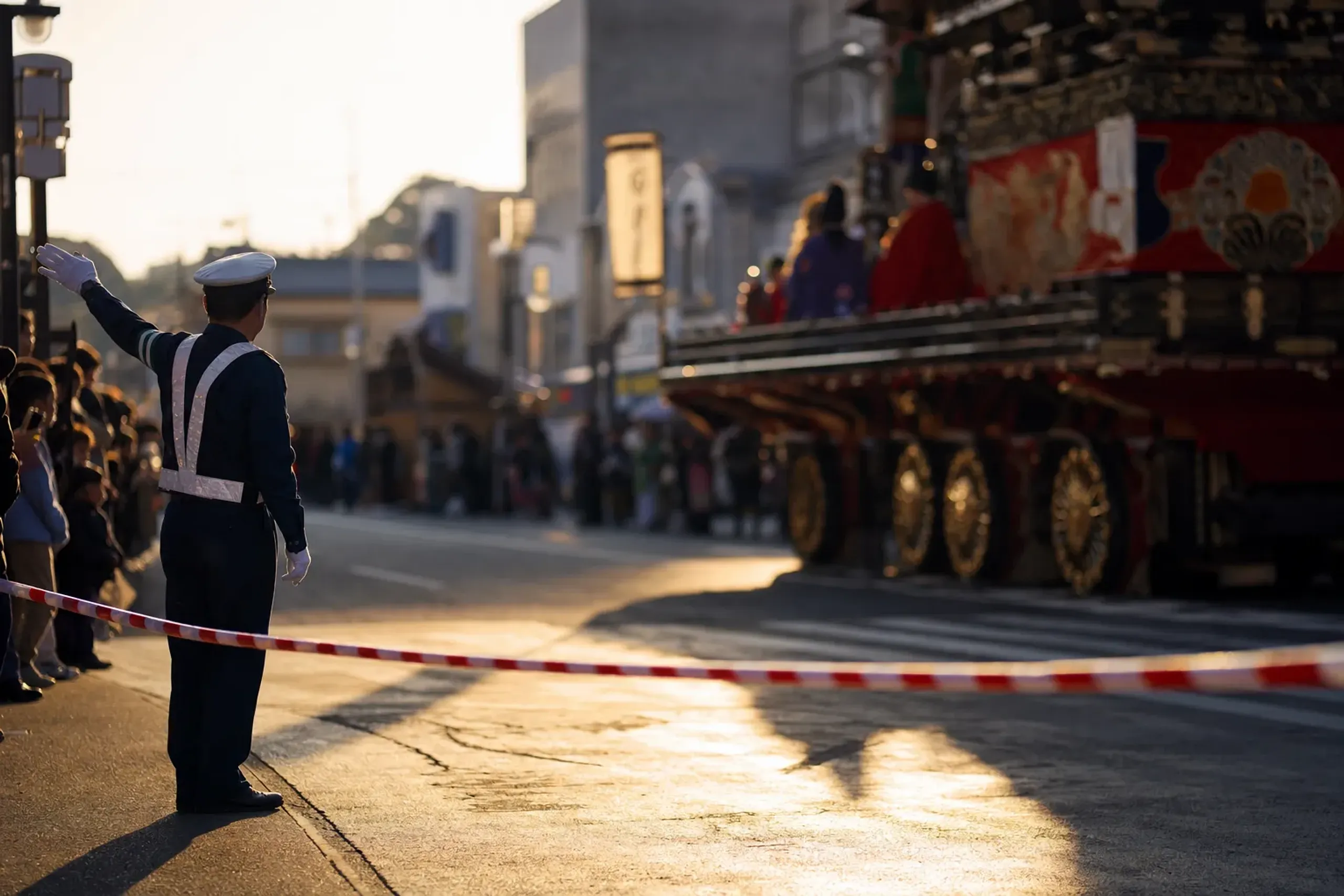
Accept it early and plan around it.
In 2026, detailed road control information was published for both the city centre and the festival period, with notes that if the festival is cancelled due to weather, traffic regulations may not apply. That single sentence matters enormously when you’re building pick-up plans and contingency routes.
For a broader decision on when to lean on cars versus rail during busy festival periods, you may find these guides useful: how you actually move through Japan: cars, rail, and when each one wins with Japan Royal Service and private driver vs rail: a Japan decision framework.
When private transportation makes sense for parts of your trip, we point clients to our private transportation overview, then tailor the discussion privately based on the traffic rules for your specific day—anticipating the small logistical needs you shouldn’t have to think about yourself.
Let Us Plan Your Hamamatsu Matsuri
Hamamatsu Matsuri is a festival of split-second weather calls, local knowledge, and two very different atmospheres in a single day. Seeing both chapters well—without burning out, without fighting the crowd, without missing the quiet details that make it memorable—is a matter of planning rather than luck.
At Japan Royal Service, we handle the timing, the shuttles, the discreetly held rooms, and the fallback plans, so you can simply arrive and watch the sky. To begin designing your visit, contact us here for a tailored proposal.