In this guide
- 01What Is Drift Ice And Where Does It Come From?
- 02When Is The Best Time To See Drift Ice In Hokkaido?
- 03Abashiri And The Aurora Icebreaker
- 04Mombetsu And The Garinko Icebreaker
- 05The Shiretoko Coast And UNESCO Winter
- 06Getting There And Around In Winter
- 07How Japan Royal Service Arranges Your Drift Ice Trip
- 08Frequently Asked Questions
- 09Why Choose Japan Royal Service
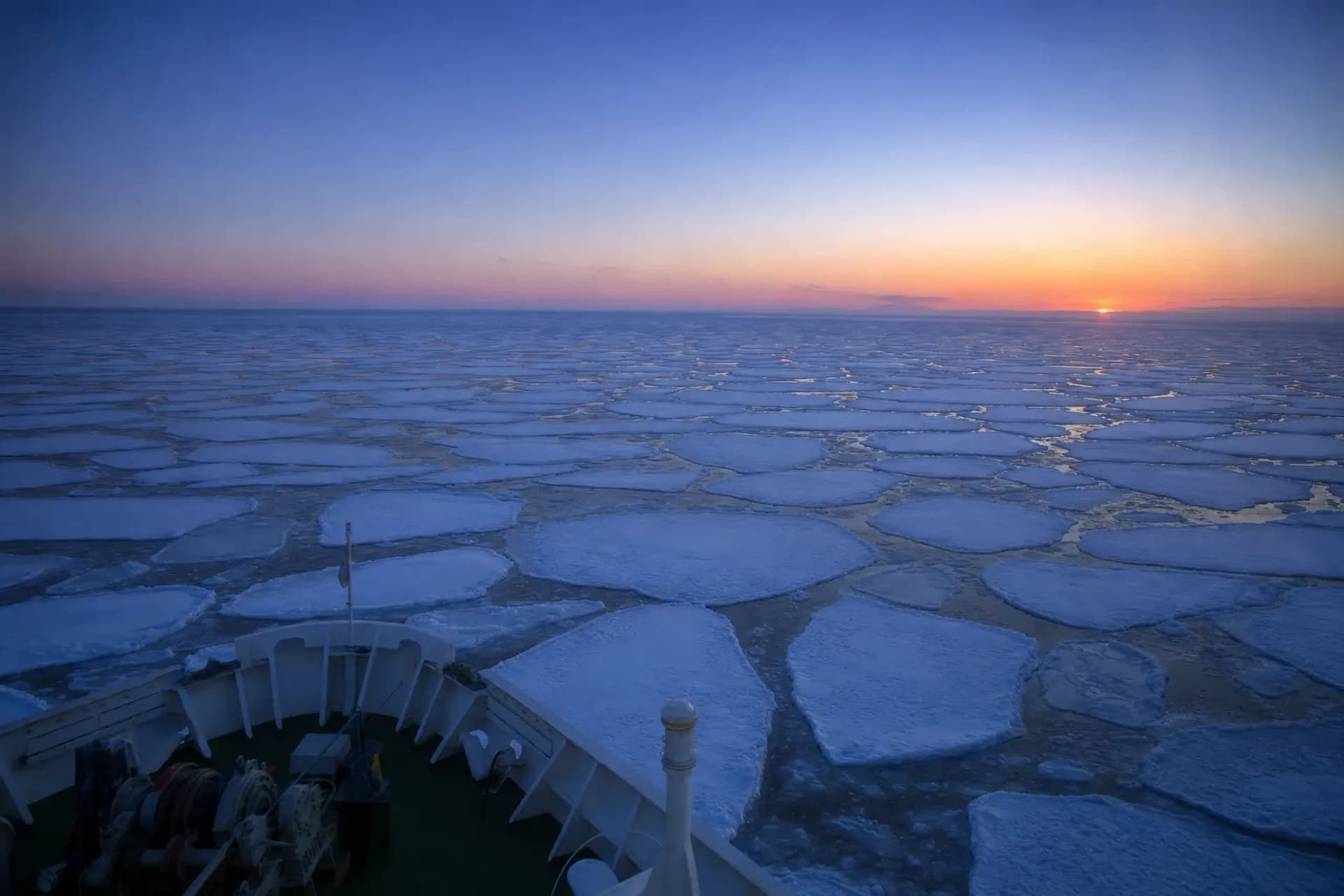
Each winter, the Sea of Okhotsk delivers something almost nowhere else on Earth can offer. Sea ice. It forms far to the north, then drifts south until it presses against Hokkaido's coast. This is the southernmost place in the Northern Hemisphere where you can stand on land and watch drifting sea ice arrive.
The spectacle is quiet and immense. White plates of ice crowd the horizon, shift with the wind, and change the sound of the sea. For travellers who have already seen the famous winters of the world, eastern Hokkaido in February offers something less photographed and harder to reach. Our team at Japan Royal Service designs these journeys around a short, unpredictable window.
What Is Drift Ice And Where Does It Come From?
Drift ice is sea ice that forms in the Amur River region of Russia and drifts south across the Sea of Okhotsk to Hokkaido's coast. It is not frozen from the land. It travels.
The process begins where the Amur meets the sea. Cold, low-salinity water freezes more readily, and the resulting ice is carried by currents and wind toward Japan. By mid-winter, those floes reach the Okhotsk coastline, from Wakkanai in the north down to the Shiretoko Peninsula in the east.
The ice is typically thickest around Abashiri. That is why the town has become the centre of drift ice viewing, with an icebreaker, an observatory, and a dedicated museum.
The ice matters beyond the view. UNESCO describes Shiretoko's marine ecosystem as being supported by nutrient-rich waters tied to sea-ice formation in the Sea of Okhotsk.
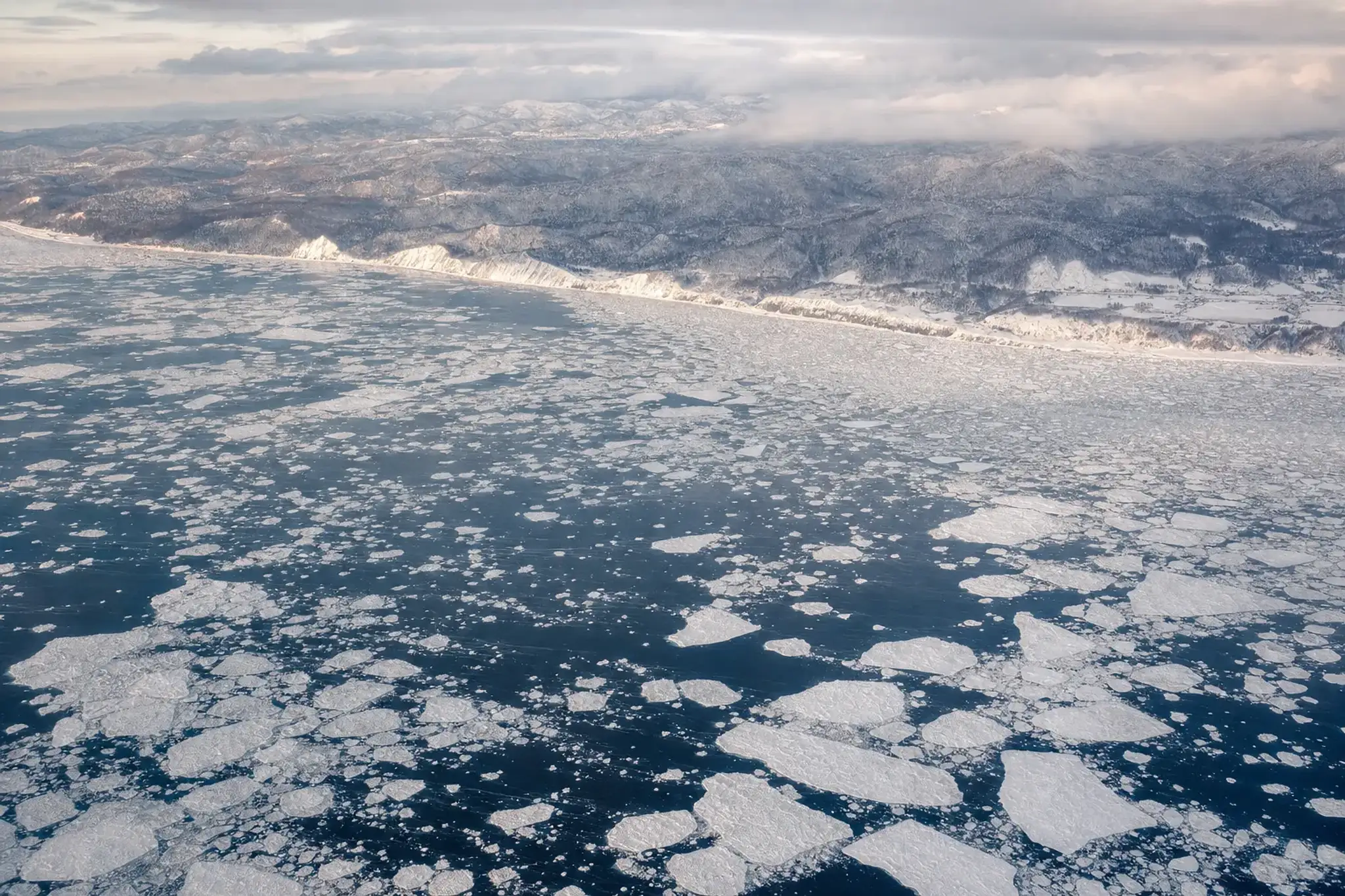
As the ice begins to melt, phytoplankton multiply rapidly, and Japan's Ministry of the Environment notes this happens earlier around Shiretoko than elsewhere on the coast. The ice feeds the whole food chain. Eagles, seals, and the fish beneath them all depend on it.
When Is The Best Time To See Drift Ice In Hokkaido?
The second half of February is usually the best window at Abashiri, though timing shifts every year. Ice typically arrives in mid to late January and clears between late March and mid-April.
This is a season that rewards patience and punishes rigid schedules. The ice is a moving phenomenon. Wind can push it against the coast one morning and pull it beyond the horizon by afternoon. No operator guarantees the view, and we never will either.
Japan's Meteorological Agency has recorded a longer-term trend at Abashiri: the first sighting arriving later and the last sighting ending earlier over recent decades. That makes the peak weeks of February the most dependable target, rather than the edges of the season.
Key fact: Drift ice is a natural phenomenon. Its position changes daily with wind and current, and sightings are never guaranteed. Our concierge builds every winter itinerary with a Plan B.
Because conditions change hour to hour, exact ice status, cruise schedules, and tour availability are things the Japan Royal Service concierge team confirms directly with the guest at the time of arrangement.
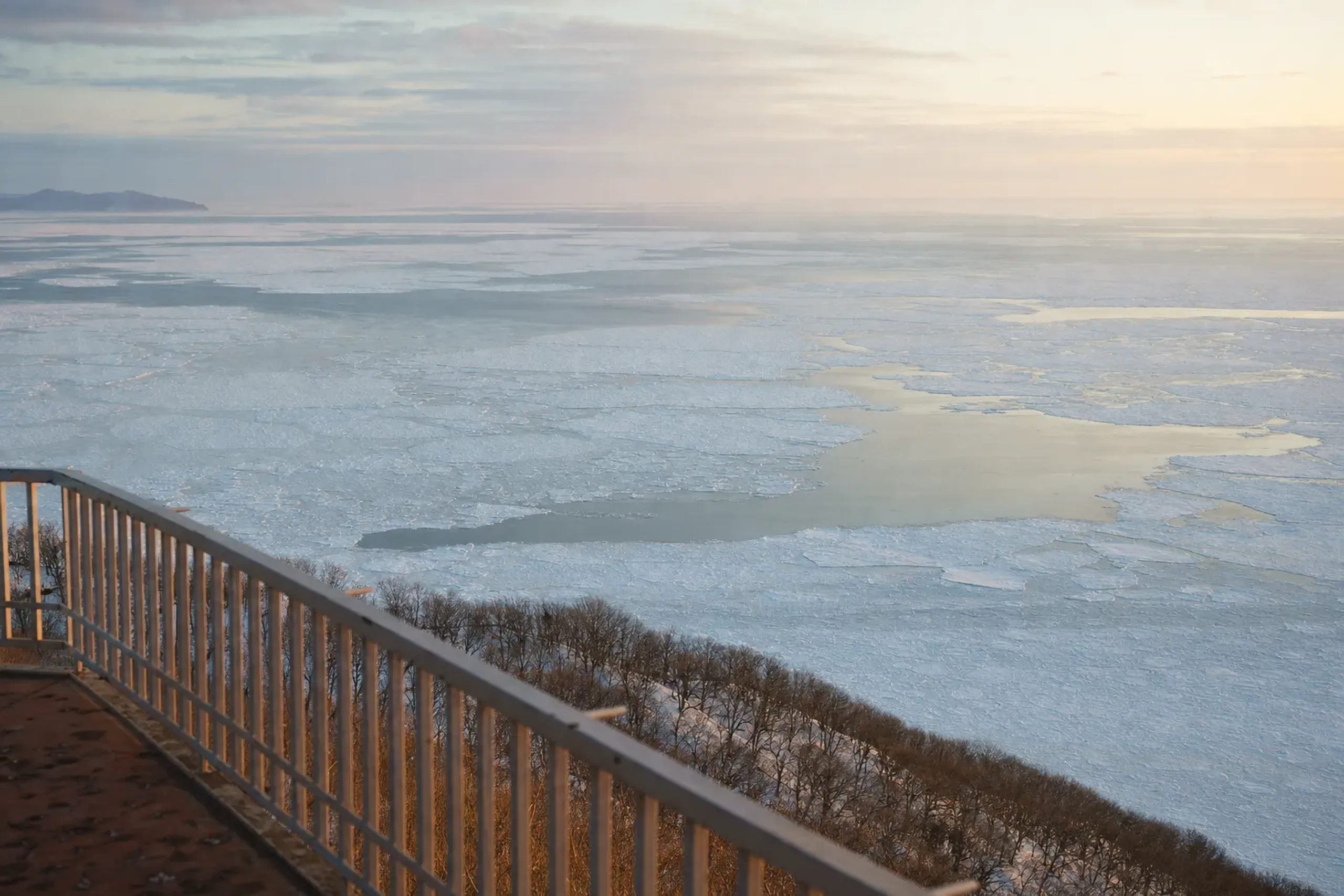
We watch the same official monitoring that locals do, including the observation reports tied to the Okhotsk Drift Ice Museum and the Tentozan Observatory in Abashiri.
Abashiri And The Aurora Icebreaker
Abashiri's sightseeing icebreaker, the Aurora, is a large vessel that breaks through the ice by weight and power. It departs from Abashiri Port and runs several times a day during the season.
The experience is steady and broad. The Aurora is built to push into the floes, riding up onto the ice and cracking it beneath the hull. From the deck you watch the white field split and tilt. On clear days the sound carries, a low grinding that you feel as much as hear.
One honest note. The Aurora cruises the Sea of Okhotsk even when the ice has drifted out of range, so the sailing happens regardless, but the ice may not always be alongside you. This is why we time visits to the peak weeks and keep flexibility in the plan.
The Okhotsk Ryuhyo Museum On Mount Tento
When the sea is clear of ice, or simply as grounding before you sail, the Okhotsk Ryuhyo (Drift Ice) Museum on Mount Tento is worth your time. It covers the science of sea ice: how it forms, why it reaches here, and what lives within it.
The museum sits on high ground above the town, with observation points that take in the coast.
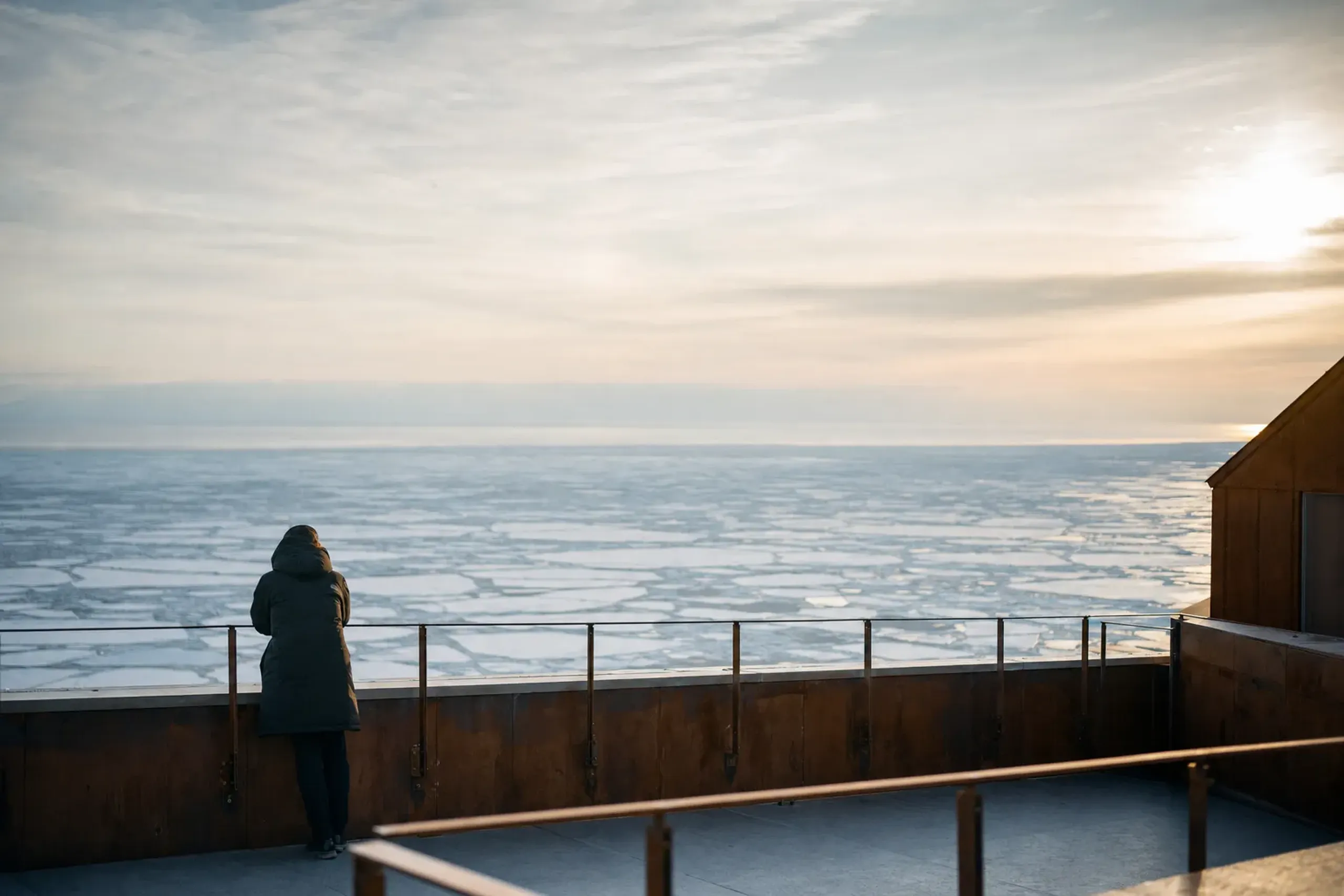
For a guest who wants to understand what they are seeing rather than simply photograph it, an hour here changes the whole trip. Pair it with the museum visit on a day the ice is out of range, and the day still holds together.
Mombetsu And The Garinko Icebreaker
Mombetsu's Garinko is a smaller icebreaker, and it works differently. Two large Archimedes screws at its bow grind through the ice, drilling forward rather than crushing from above.
The smaller size brings a different kind of contact. Passengers sit closer to the water and closer to the ice itself. Where the Aurora gives you scale, the Garinko gives you intimacy with the floes passing just below the rail. The screw-drill bow is a mechanism you will not see anywhere else in Japan.
The Garinko departs from Mombetsu, roughly ten minutes by car from Okhotsk Mombetsu Airport. That proximity makes it straightforward to reach by a private car with driver.
Many guests ask whether to choose Abashiri or Mombetsu. The answer is often both, on separate days, which lets you compare the two vessels and doubles your chances against variable ice. Our concierge frequently sets one as the primary day and holds the other in reserve, moving with the conditions.
The Shiretoko Coast And UNESCO Winter
The Shiretoko Peninsula became a UNESCO World Natural Heritage site in 2005, recognised in part for the sea-ice-fed ecosystem described earlier.
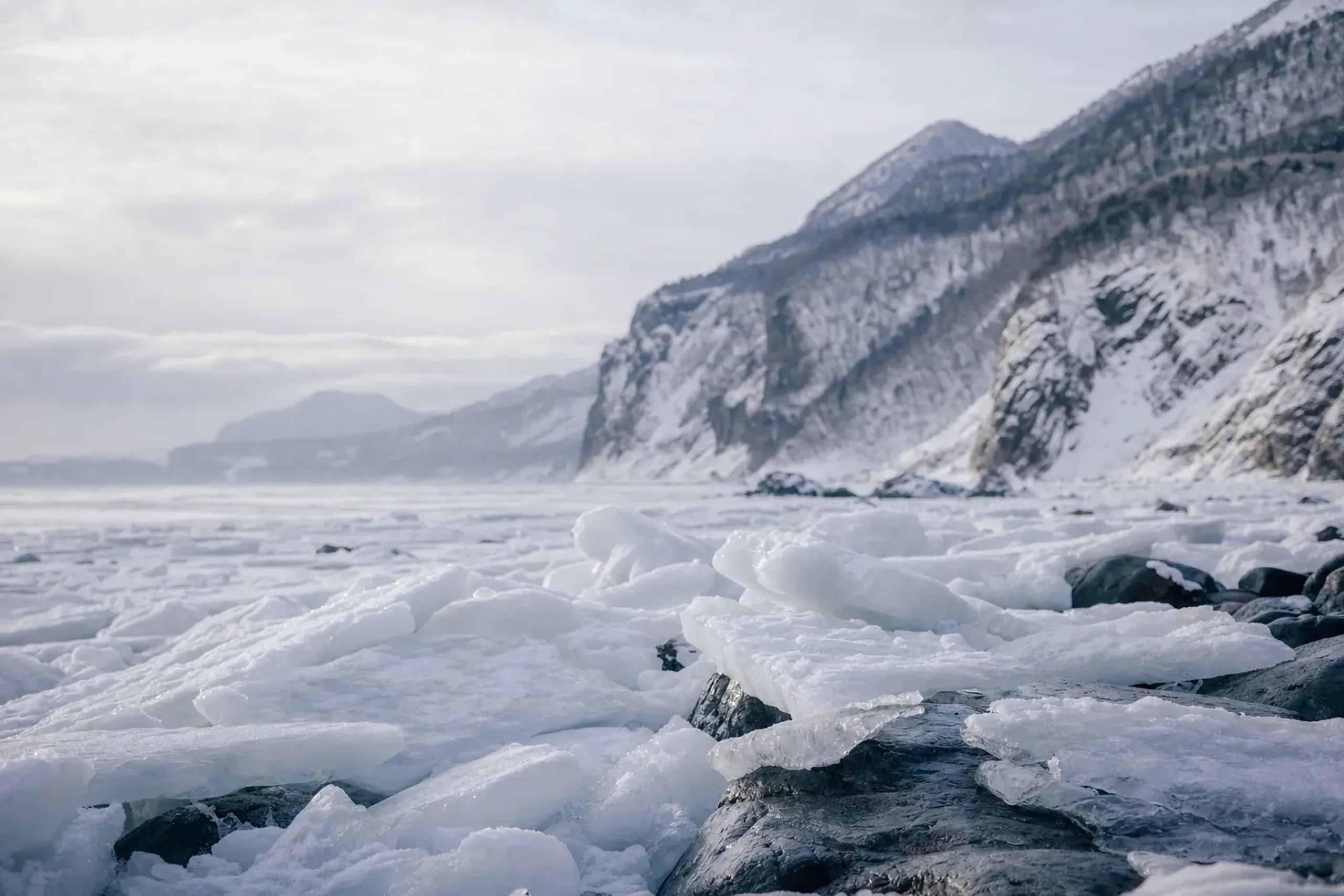
In winter it is one of the most dramatic coastlines in Japan, where the ice meets cliffs and forest.
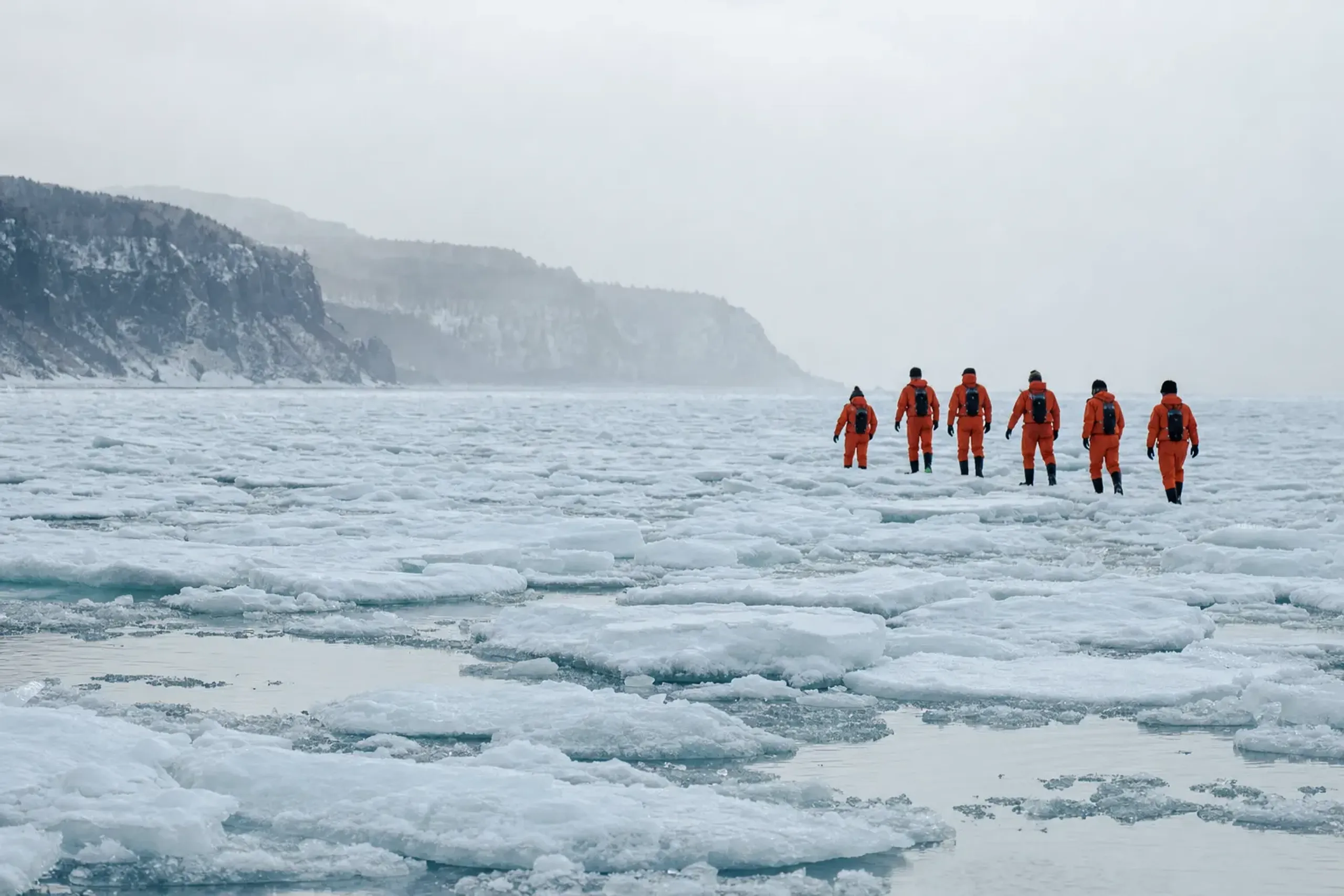
At Utoro on the peninsula, guided drift ice walks run in specially designed drysuits. We mention these only as an option. Availability, timing, and suitability for each guest are matters the concierge confirms directly, as operators open winter reservations well in advance and conditions can force cancellations at short notice.
The wildlife is part of why Shiretoko draws naturalists. Steller's sea eagles and seals may be seen around the ice. We make no promises on sightings; nature here keeps its own schedule. But the chance of watching a sea eagle cross a field of drifting ice is reason enough for many guests to add Shiretoko to the route.
Shiretoko works beautifully as a third base alongside Abashiri and Mombetsu, or as a day's excursion with a private driver who knows the winter roads. If you are weighing a wider Hokkaido experience across seasons, our guide to the Hokkaido summer route through Toya, Furano and Akan shows how differently the same island behaves in warmer months.
Getting There And Around In Winter
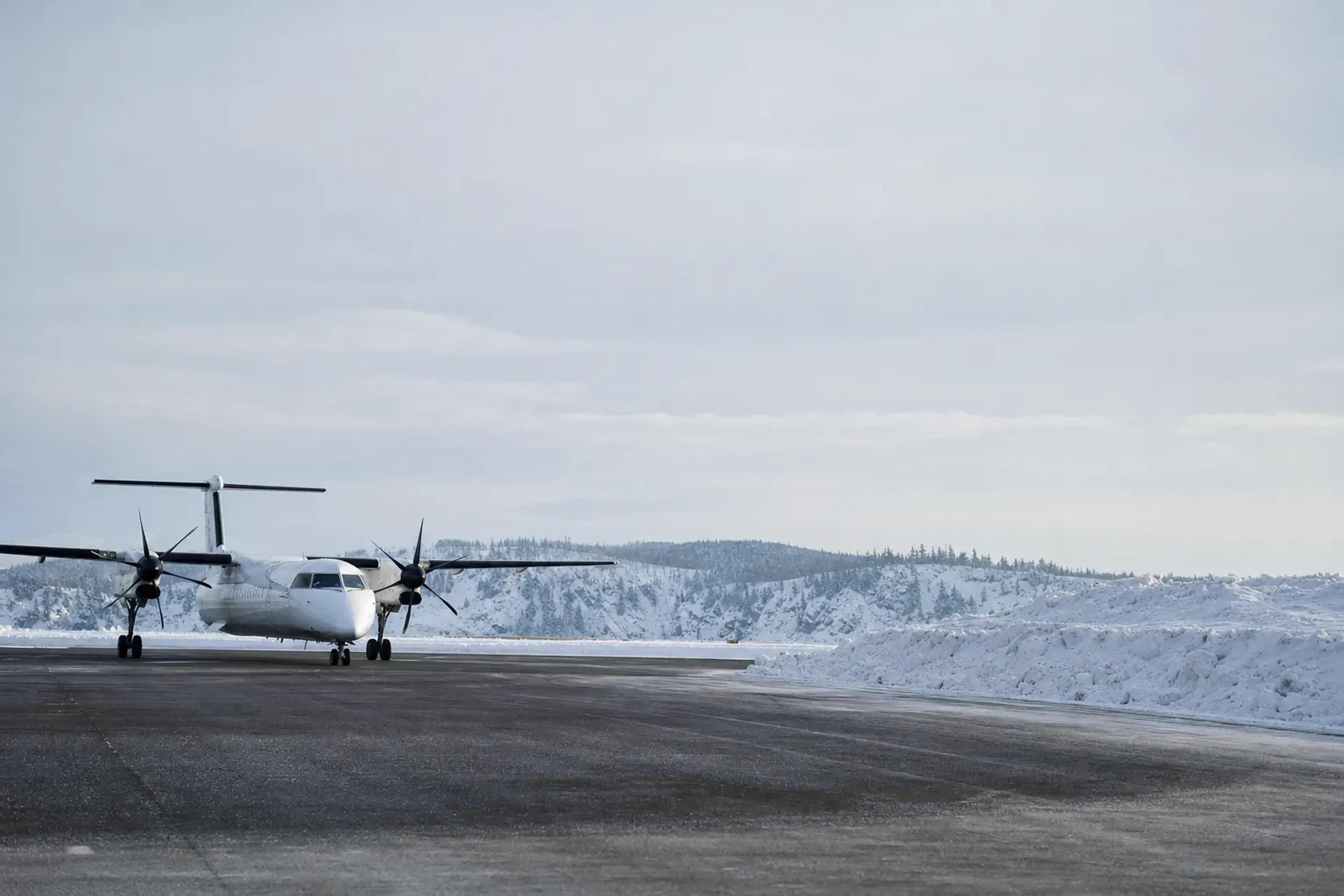
Memanbetsu Airport is the practical gateway to Abashiri and Shiretoko. It has direct flights from Tokyo Haneda and from Sapporo's airports. For Mombetsu, Okhotsk Mombetsu Airport sits close to the Garinko's pier.
Winter driving in eastern Hokkaido is serious.
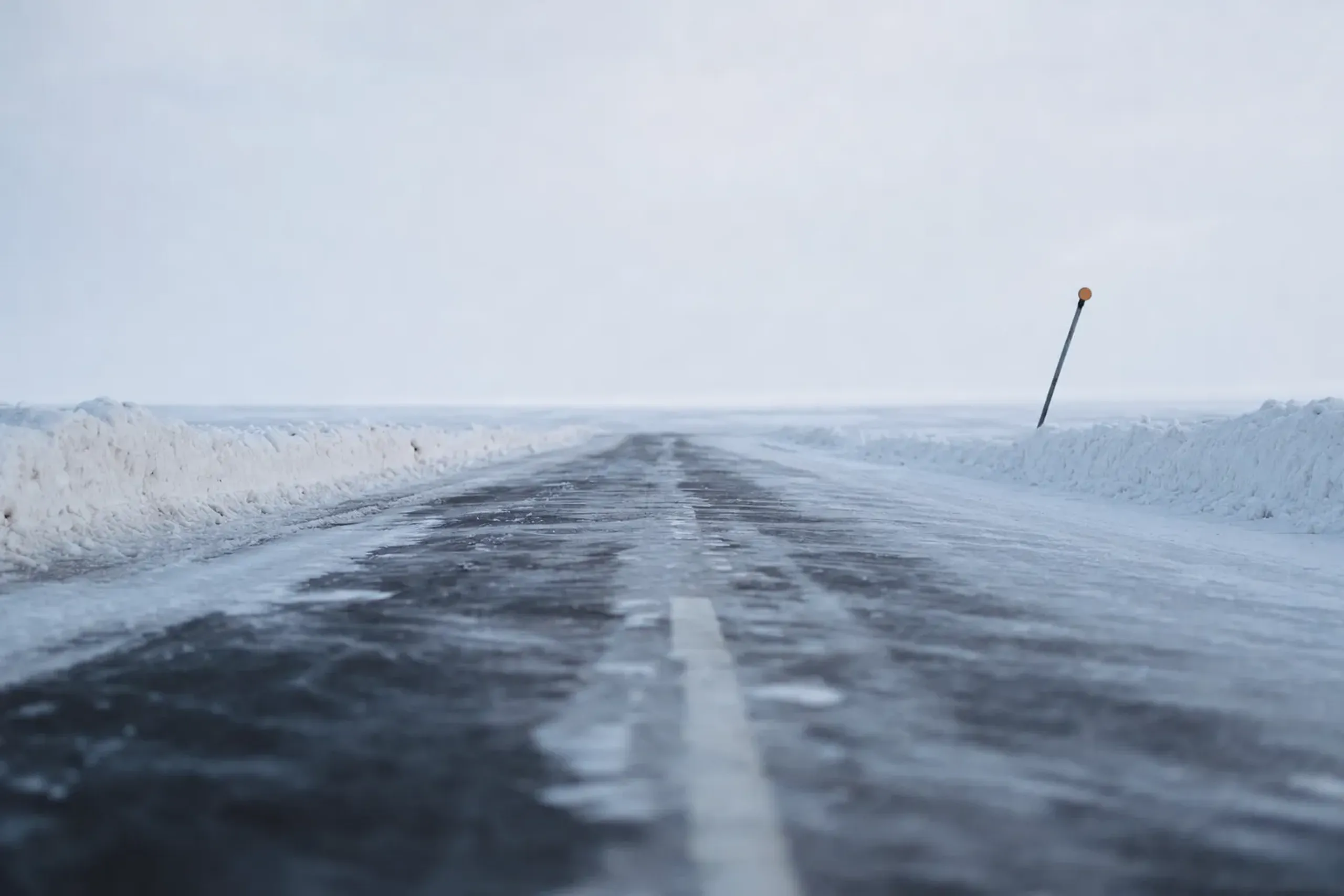
Roads ice over, snow falls hard, and distances between the ports are real. This is the reason we arrange a private car with a driver rather than suggesting self-drive. Your driver handles the conditions while you watch the landscape, and the schedule bends around the weather rather than breaking against it.
We treat the driver and the English-speaking guide as separate roles. The driver manages the roads and timing. The guide interprets the ice, the museum, the wildlife, and the towns. Together they let you move through a demanding region without friction.
If you are still deciding how to travel across Japan more broadly, our private driver versus rail decision framework lays out when each makes sense. In eastern Hokkaido in winter, the private car is almost always the answer. After a day on the ice, many guests want warmth, and our notes on winter onsen logistics in snow country explain how we fold recovery time into a cold-weather itinerary.
How Japan Royal Service Arranges Your Drift Ice Trip
A drift ice journey has many moving parts, and most of them move. Our concierge coordinates the pieces so you do not have to.
We arrange domestic flights to Memanbetsu or Okhotsk Mombetsu, a private car with driver suited to winter roads, icebreaker cruise tickets from Abashiri and Mombetsu, an English-speaking guide, and lodging matched to your base. When the ice drifts out of range or the weather turns, we re-plan the same day, swapping a cruise for the museum, shifting a Mombetsu sailing to Abashiri, or reshaping the route entirely.
That same-day flexibility is the heart of what we do. The ice does not keep appointments. We make sure your trip still holds together when it does not. Throughout, your identity and your itinerary remain entirely private, which is the standard we hold for every guest.
Frequently Asked Questions
Can You Guarantee We Will See Drift Ice On The Abashiri Cruise?
No. Drift ice is a natural phenomenon whose position changes daily with wind and current, and no operator guarantees it. The Aurora sails the Sea of Okhotsk even when ice is out of range, so we plan for peak weeks and keep a flexible Plan B.
What Is The Difference Between The Aurora And The Garinko Icebreakers?
The Aurora at Abashiri is a large vessel that breaks ice by weight and power, offering scale and steadiness. The Garinko at Mombetsu is smaller, with twin Archimedes screws at the bow that grind through ice and bring passengers closer to the floes.
Which Base Is Best For A Drift Ice Trip: Abashiri, Mombetsu Or Shiretoko?
Abashiri suits most travellers as the main base, with the Aurora, the Ryuhyo Museum, and good flight access via Memanbetsu. Mombetsu adds the Garinko, and Shiretoko adds a UNESCO coastline with guided drift ice walks. Many guests combine two or three.
When Do Shiretoko Winter Tours And Icebreaker Tickets Open For Booking?
Winter operators in Shiretoko typically open advance reservations well before the season, with drift-ice walk bookings opening from autumn onward.
Exact dates vary by operator and year; our concierge confirms current availability and secures inventory at the time of arrangement.
How Do I Get To The Drift Ice Coast In Winter?
Fly into Memanbetsu Airport for Abashiri and Shiretoko, or Okhotsk Mombetsu Airport for the Garinko. Memanbetsu has direct flights from Tokyo Haneda and Sapporo. Because winter roads are demanding, we arrange a private car with driver rather than self-drive.
Why Choose Japan Royal Service
Drift ice is one of Japan's most rewarding winter experiences and one of its least forgiving to plan. The window is short, the ice moves, and the roads are hard. Japan Royal Service handles the whole chain quietly: flights, a private driver, icebreaker tickets, an English-speaking guide, lodging, and the same-day re-planning that keeps a trip intact when the weather turns.
In our experience, the difference between a good drift ice trip and a frustrating one is the ability to change course without losing the day. That is what our concierge is built to do, with your privacy protected at every step.
To plan a winter journey to eastern Hokkaido, reach our team privately via WhatsApp or LINE, or contact us here.