In this guide
- 01What Is The Best 7–10 Day Hokkaido Summer Route By Private Car?
- 02Arrival: New Chitose Airport And Upopoy (National Ainu Museum And Park)
- 03Lake Tōya: Volcano Landscapes, Caldera Water, And A Summer Night Rhythm
- 04Furano And Biei: Lavender Timing, Big Skies, And The Summer Heart
- 05Should You Drive To Eastern Hokkaido Or Fly To Kushiro?
- 06Akan–Mashū: Marimo, Ainu Kotan, Onne Cise, And The Lakes That Don't Do "Perfect Views"
- 077 Days Or 10 Days: Two Realistic Shapes
- 08How Do You Plan A Hokkaido Summer Trip With Long Driving Days?
- 09How Japan Royal Service Coordinates A 7–10 Day Hokkaido Summer Route
Hokkaido looks tidy on a map. On the ground, it is vast. The distances are not an inconvenience to be endured — they are the journey itself.
This 7–10 day summer route keeps your days honest by focusing on three regions that reward unhurried time: Lake Tōya in the west, Furano–Biei in the center, and Akan–Mashū in the east. You will move through volcanic landscapes, lavender slopes drenched in northern light, and quiet crater lakes where fog can rewrite the view between one breath and the next.
Our team at Japan Royal Service designs this route for travelers who want the quiet thrill of a Japan that Google cannot find — without improvising logistics every morning. Here, private movement is not a luxury flourish; it is the structural element that makes the whole thing work. So is discretion.
What Is The Best 7–10 Day Hokkaido Summer Route By Private Car?
The best 7–10 day Hokkaido summer route links New Chitose → Upopoy → Lake Tōya → Furano–Biei → Kushiro → Lake Akan → Lakes Mashū and Kussharo, then departs from Kushiro.
That sequencing is not about ticking boxes. It is about avoiding backtracking and giving each region enough oxygen to feel like itself rather than a stop on a list.
Hokkaido also offers a particular kind of luxury — not the gold-leaf kind, but the wabi-sabi kind: a long ribbon of road, a clean and unbroken lake horizon, and a night where the only "program" is darkness, the sound of insects, and your own unhurried pace.

For the well-traveled guest who has already seen the flash of the world's capitals, this restraint is the rarest thing on offer.
We treat the long legs as part of the design, not a flaw to disguise. Travel days are travel days. The great mistake is pretending they are not.
Arrival: New Chitose Airport And Upopoy (National Ainu Museum And Park)
Start at New Chitose Airport (CTS). Then go straight to Upopoy, the National Ainu Museum and Park, in Shiraoi on the shore of Lake Poroto.
Upopoy opened on May 29, 2020. It comprises the National Ainu Museum — Japan's northernmost national museum — and the National Ainu Park, an open-air, participation-oriented space designed for learning by doing, not merely reading plaques.
It is also conveniently close. Upopoy sits about 40 minutes from New Chitose Airport, which means you can land, reset, and step straight into cultural context on day one rather than burning a full day simply "getting started."
We recommend a private guide here. Not for "fun facts." For respect. A living culture deserves far more than a quick skim.
What You Actually Do At Upopoy
Upopoy's traditional performing-arts program can include Ainu dance and music, with instruments such as the mukkuri and tonkori. The tone is contemporary and ongoing, not a museum diorama frozen behind glass.
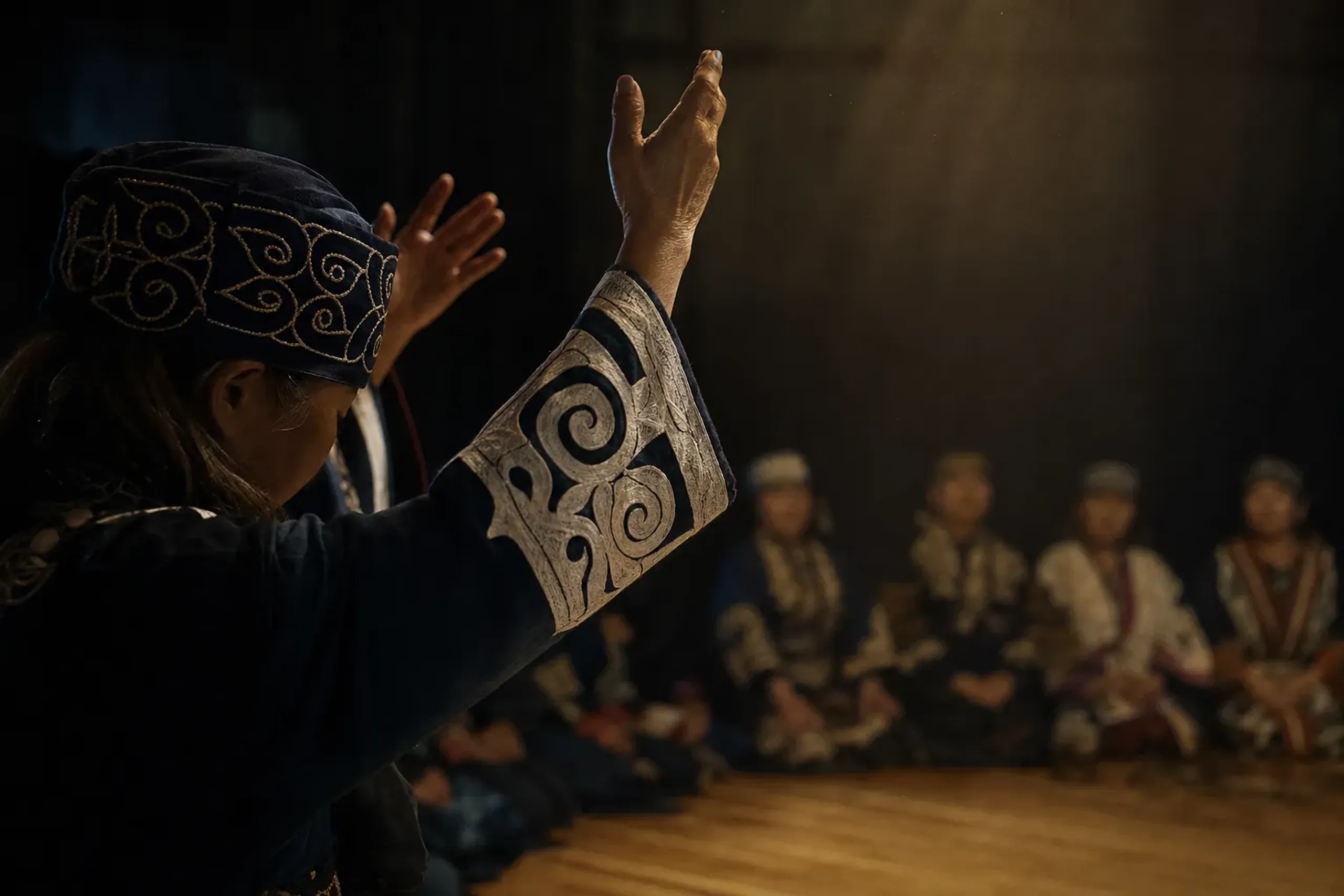
We pace the visit around your flight arrival and your attention span. Two hours can be meaningful. Longer can be deeper. Rushing is the enemy of understanding.
If you are traveling as a couple, it is intimate. If you are traveling as a family, it is one of the few cultural stops that can genuinely hold multiple ages without forcing anyone to "pretend to be interested."
Hidden Japan, Handled Quietly
For many discerning travelers, Hokkaido is already the hidden Japan compared with Tokyo and Kyoto. Upopoy sharpens that feeling because it asks you to listen rather than consume.
Our concierge team frames what you are seeing in plain, unembellished language. No theatrical voice. No exoticizing. Just context, timing, and the space to absorb it on your own terms.
Lake Tōya: Volcano Landscapes, Caldera Water, And A Summer Night Rhythm
From Upopoy, continue to Lake Tōya in Shikotsu-Tōya National Park. This is where Hokkaido begins to feel geologic — where the land itself tells you how it was made.
Lake Tōya is a nearly circular caldera lake. It remains ice-free in winter thanks to geothermal activity, which tells you everything you need to know about what lies beneath your feet even in high summer.
The region's story is not simply "scenery." It is activity. Mount Usu is an active volcano that last erupted in 2000, and Shōwa-Shinzan is a lava dome formed by eruptions between 1943 and 1945 that still steams today.
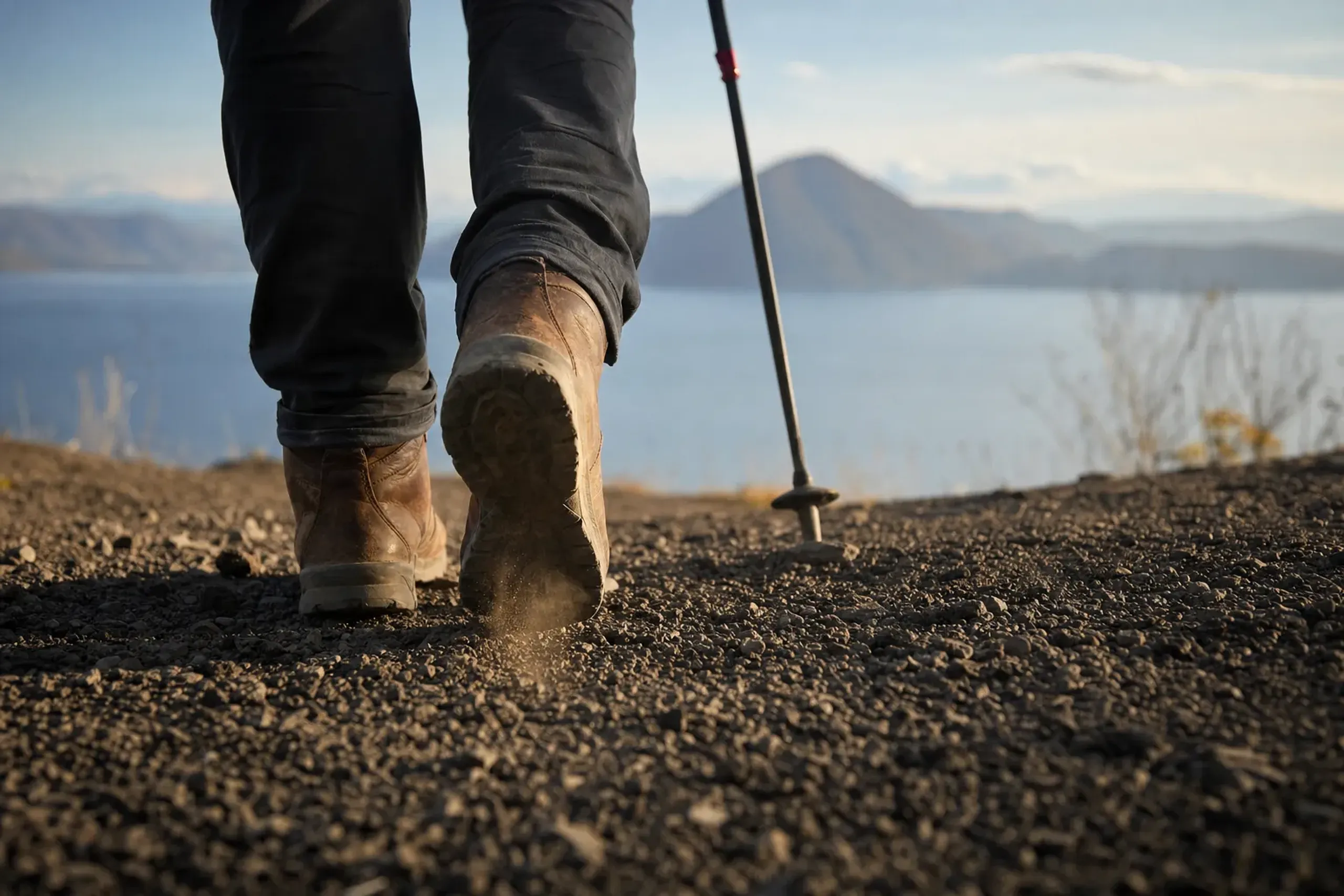
Mount Usu And Shōwa-Shinzan: The View With Substance
The Usuzan Ropeway climbs toward viewpoints over the lake and the Pacific. It is a short ascent with an outsized payoff, especially if you arrive with clear weather and a little patience.
Shōwa-Shinzan is a reminder that "landscape" is not a static noun in Hokkaido. It changes — quietly, and then all at once.
If you appreciate craft in the Japanese sense — the shokunin's patient attention, not souvenir shopping — this area rewards the same mindset. You watch the details: the steam, the texture of the rock, the way the slopes catch and hold the changing light.
Tōyako Onsen And The Geopark Context
Tōyako Onsen was created by an eruption in 1910. It is a place built by geology and then softened by human ritual — the quiet nightly rhythm of the bath.
The area forms part of a UNESCO Global Geopark. That matters for travelers who care about more than a photograph, because it signals a place that is interpreted, protected, and explained to international standards.
Lake Tōya Fireworks: A Simple Night That Works
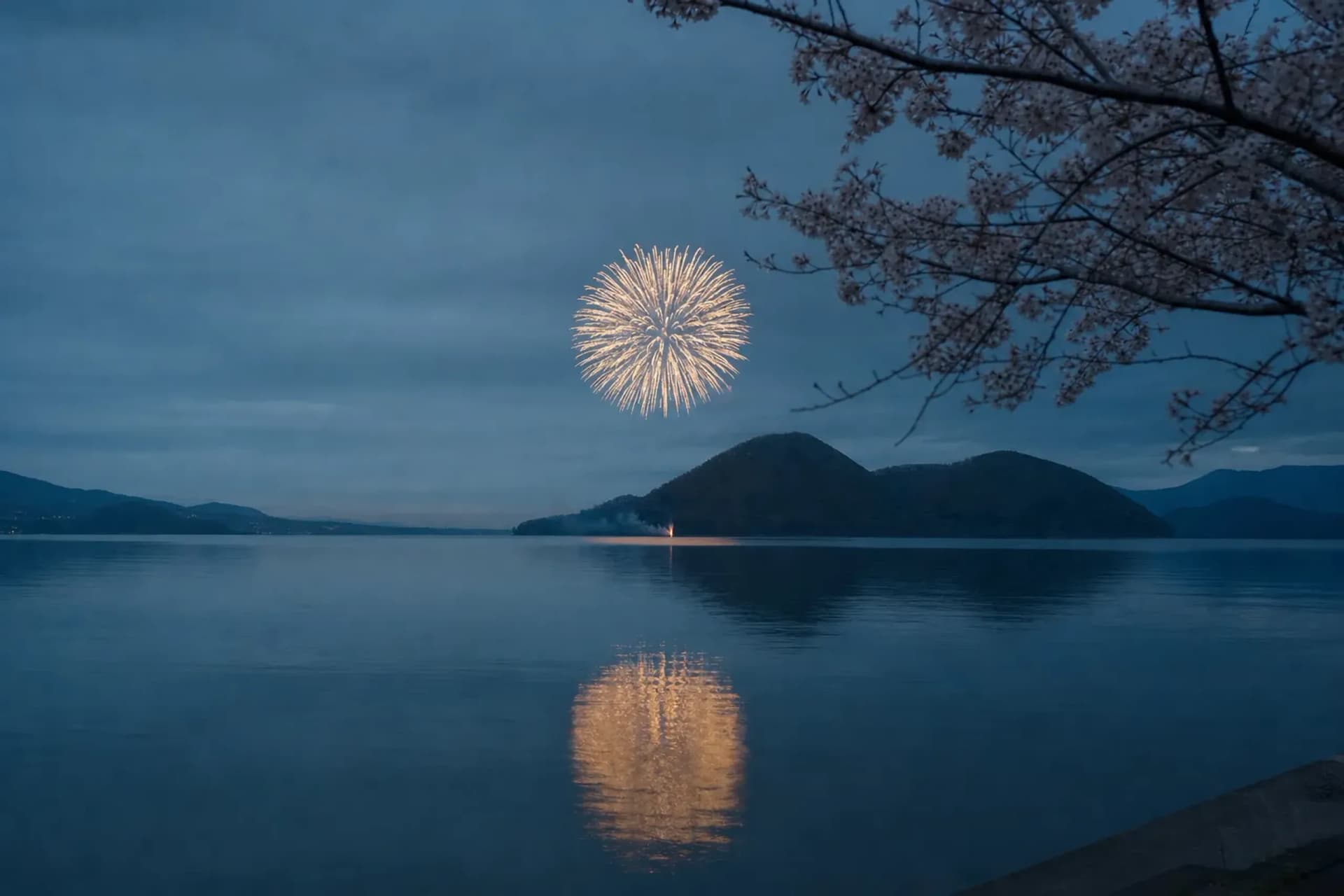
Lake Tōya's Long Run Fireworks Display is listed for April 28 to October 31, 2026, nightly from 20:45 to 21:05 — about 20 minutes.
It is easy to underestimate this. Do not.
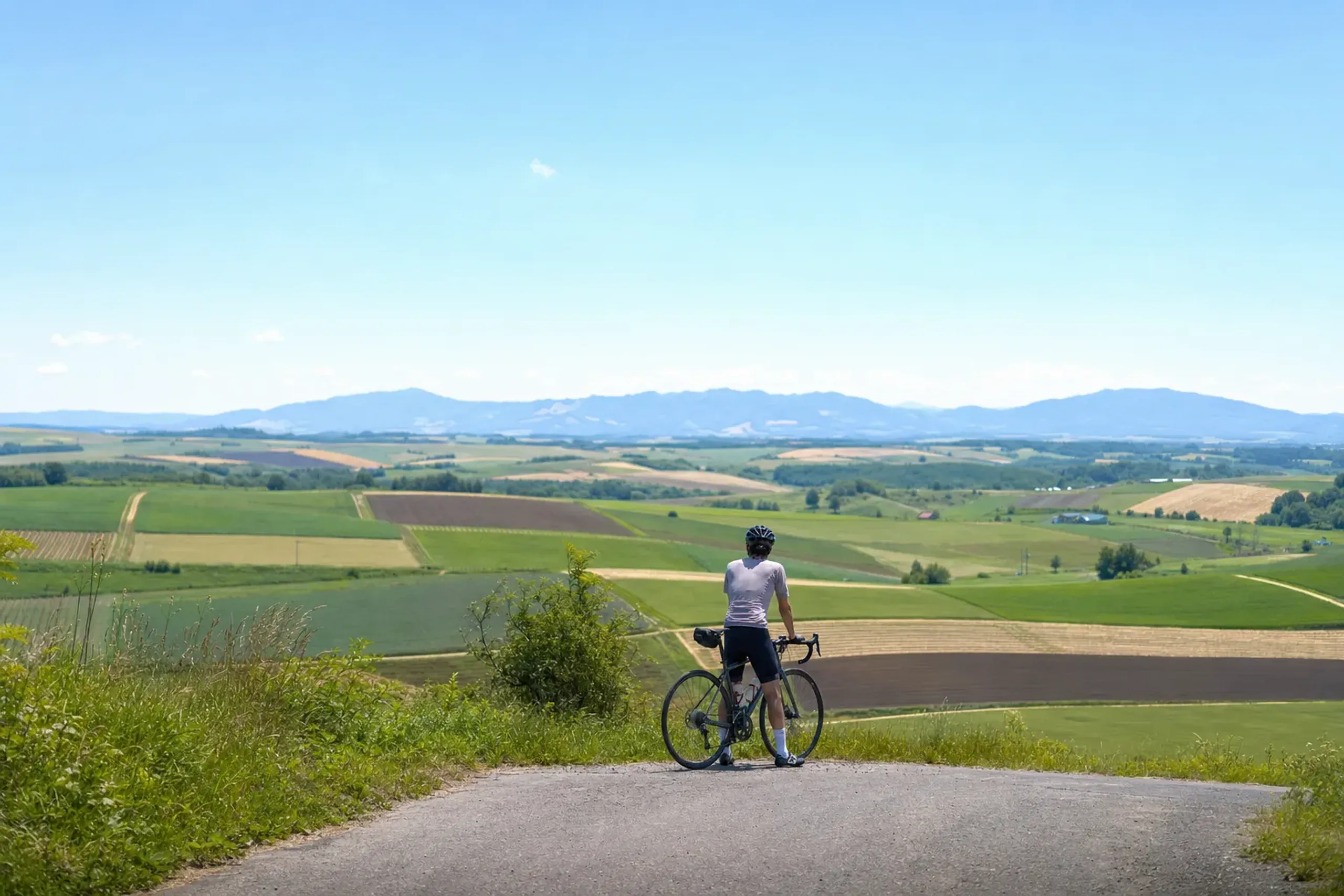
It is that rare scheduled experience that never feels scheduled, because you can build a calm evening around it and still be in bed early.
Our concierge team uses it as a pacing tool: after a day of volcano viewpoints and walking, your night has a gentle "end point." Then silence settles over the water.
Key fact: Lake Tōya's nightly fireworks are time-boxed (20 minutes). Plan dinner and bathing so you are not choosing between dessert and the sky.
Furano And Biei: Lavender Timing, Big Skies, And The Summer Heart
Furano and Biei are where summer truly announces itself. Open fields, an endless horizon, and that clean Hokkaido light that makes colors look newly invented.
Lavender usually begins blooming in late June and peaks from around mid-July to early August. Later varieties can last into mid-August. That spread is generous — yet still specific enough to plan around with precision. This is the quiet art of shun: knowing not just where to go, but exactly when, so the land greets you at its finest.
Farm Tomita is the principal place to see lavender, with the Tokachi range standing behind it. This is one of the few "famous" places that still feels earned when you arrive well-timed and well-guided.
Farm Tomita's Lavender East: 2026 Dates You Can Actually Plan With
Farm Tomita's Lavender East is scheduled to be open from June 20 to July 20, 2026.
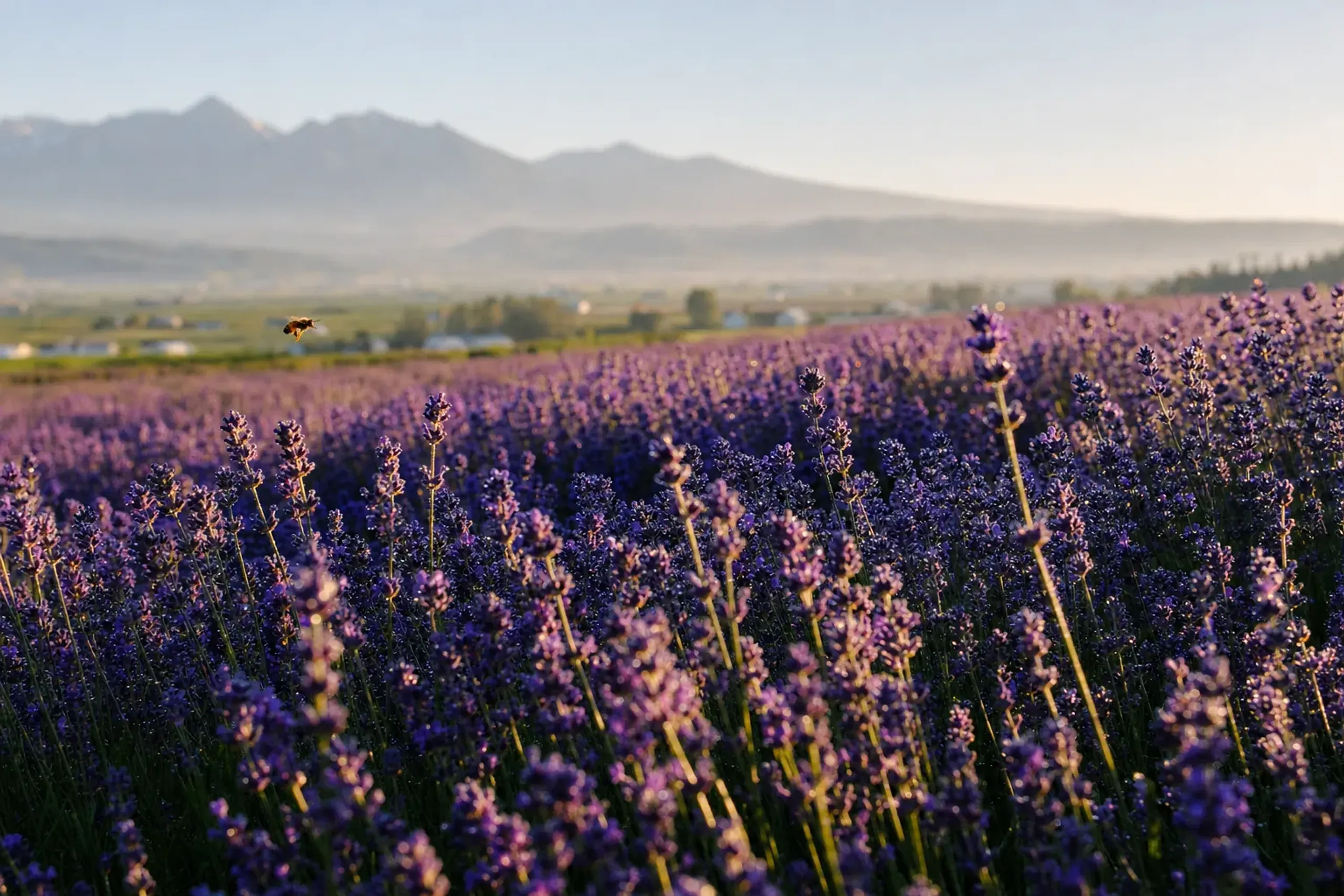
Those dates are a gift for planners. If your calendar can flex, this window is the cleanest way to quiet the "Did we miss it?" anxiety without forcing you into the crush of the absolute peak weeks.
Our team at Japan Royal Service builds the day with margins: an early start, a long lunch, and room to linger where the view feels right rather than where the parking is easiest.
A Note On The Furano–Biei Norokko Train
On selected summer days, the Furano–Biei Norokko train links Furano and Biei.
It is charming. It is also schedule-dependent, and summer schedules can shift. When guests want it included as a priority, our concierge team confirms the operating days directly with the guest at the time of coordination.
If you prefer to keep control of your day, a private car lets you stop for small detours and viewpoints without watching the clock. That is the trade.
Optional Dawn Add-On: Unkai Terrace (2026 Season Window)
Hoshino Resorts Tomamu's Unkai Terrace lists its 2026 operating period as May 13 to October 13, 2026.
This is not a "guaranteed view" experience. It is weather-dependent by nature, which is precisely part of its appeal when you are the kind of traveler who respects the mountain's vote.
If you wish to try it, we place it where it behaves best within your itinerary: early, unhurried, with a second chance day should your schedule allow.
Should You Drive To Eastern Hokkaido Or Fly To Kushiro?
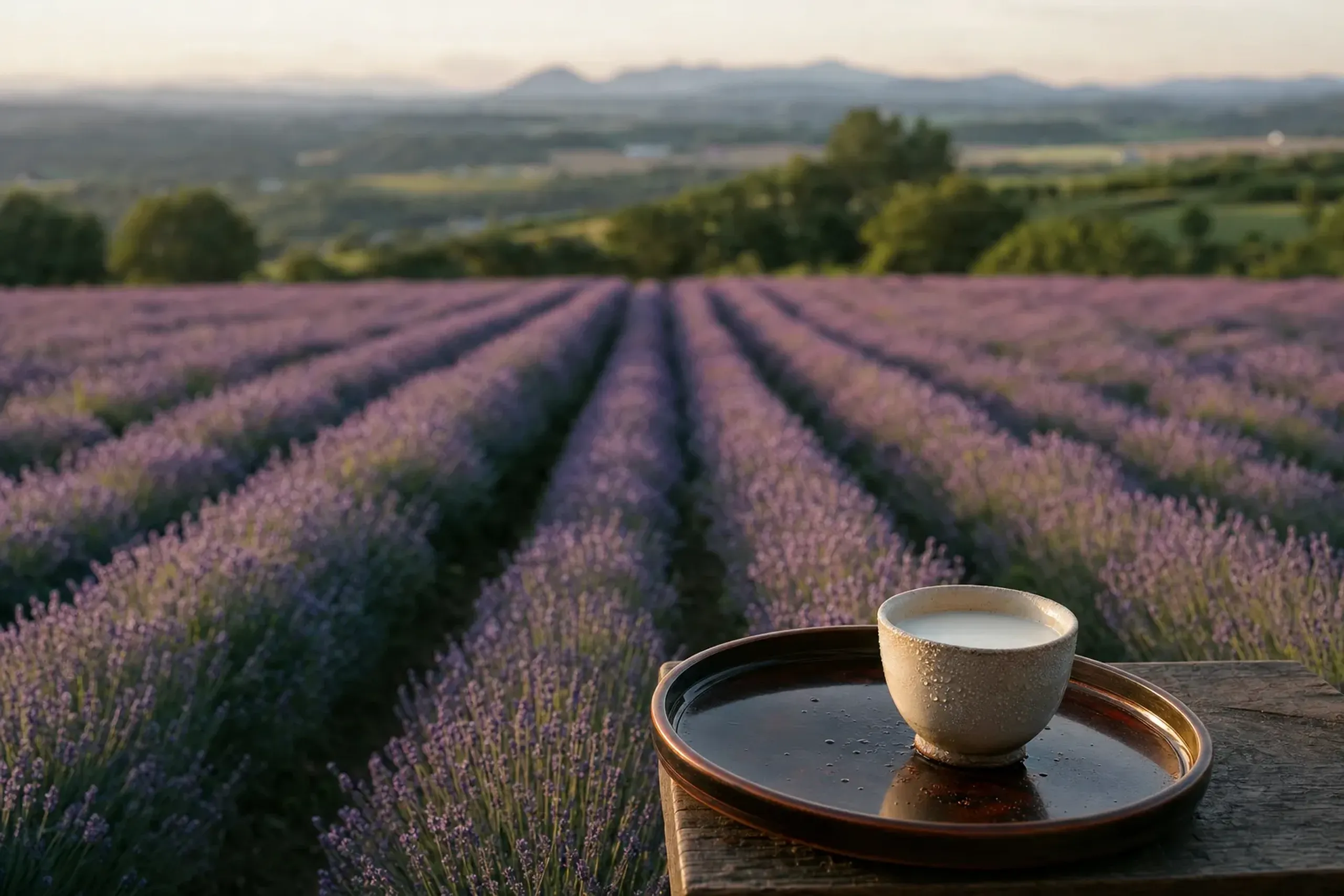
If you value time and energy, fly to Kushiro and drive from there; if you relish long road days, you can keep the journey overland with a dedicated travel day built in.
Eastern Hokkaido is far. That is the point. It is also why many itineraries skip it entirely and call the trip "complete" after Furano — leaving the quietest, most rewarding chapter unwritten.
Kushiro Airport has flights of about 45 minutes from New Chitose and from Sapporo Okadama, and about 1 hour 45 minutes from Tokyo Haneda. Those flight times fundamentally change the shape of a 7–10 day route.
We talk through your tolerance for transit. Some guests savor one long, contemplative road day with music and open windows. Others prefer to arrive with fresh legs and appetite intact.
Why Private Movement Matters Here
Public transport in Hokkaido can be excellent for city-to-city moves. The friction appears in the spaces between: the lakes, the viewpoints, and the places where "one hour away" is simply not train-friendly.
That is why so many travelers search for "Hokkaido by private car" or "private chauffeur service" once they begin building a real route. Our private transportation planning is designed around realistic days and clean, seamless handoffs.
In our approach, driver and guide are separate roles. A driver protects your time and comfort.
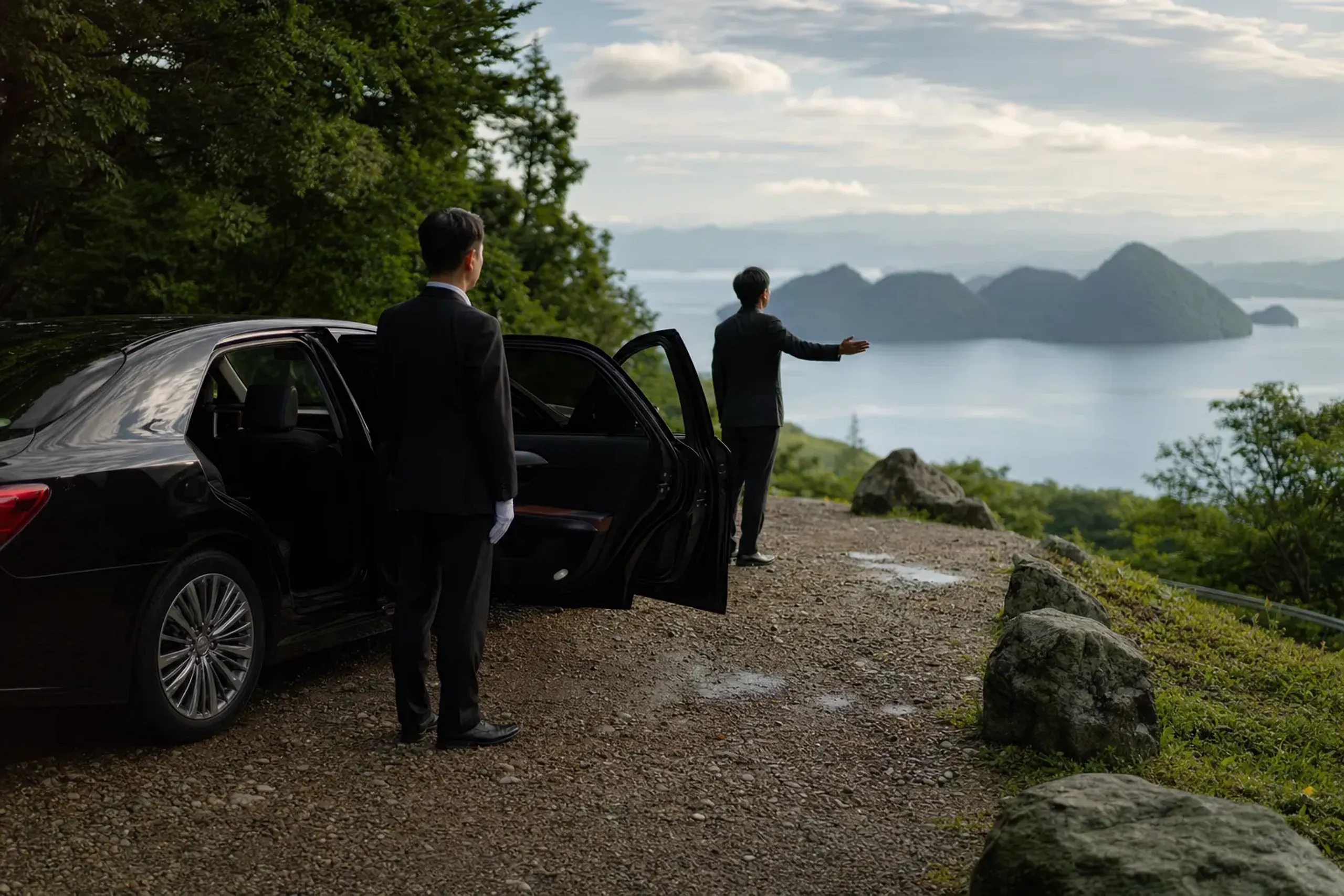
A guide protects meaning. The silent coordination between them is the kind of care you will not find by booking piecemeal.
Akan–Mashū: Marimo, Ainu Kotan, Onne Cise, And The Lakes That Don't Do "Perfect Views"
Lake Akan is a crater lake in Akan–Mashū National Park, celebrated for its marimo — rare algae that form soft green spheres, designated as a National Special Natural Monument.
Stay two nights if you can. One night is only a glimpse. Two nights give you a first day for the lake and its culture, and a second for Mashū and Kussharo without rushing back in the dark.
Akankohan is the lake's only town, a hot-spring resort with an easy evening rhythm: a walk, a meal, and then quiet. It asks for no nightlife plan.
Ainu Kotan And Onne Cise: Approach As Living Culture
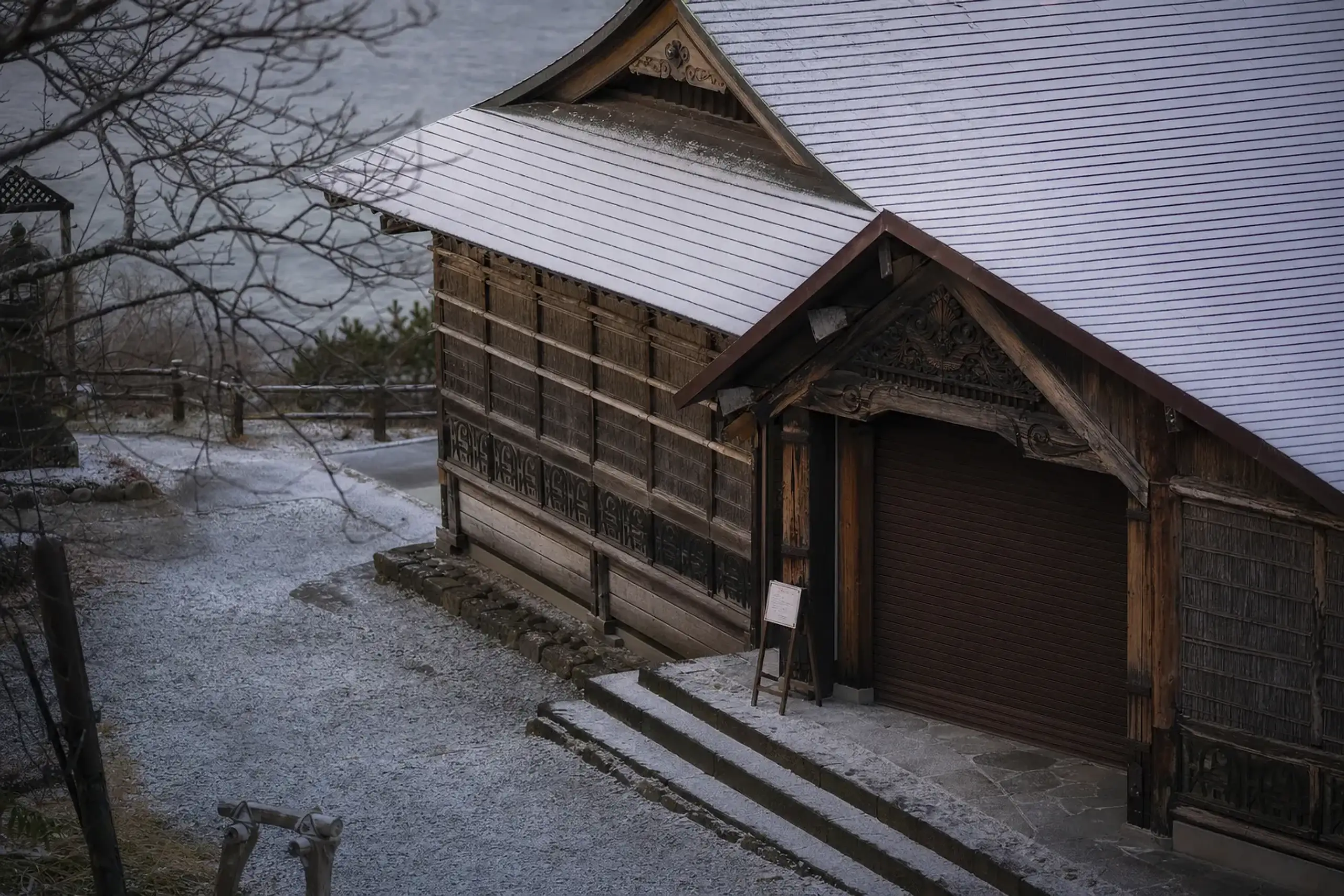
Akankohan's Ainu Kotan is a street of Ainu craft shops. At its end stands the Onne Cise museum, and Ainu performances are held at the Ikor theatre.
This is where tone matters most. Avoid the "vanishing culture" narrative — it is the wrong lens entirely. A guide can help you understand what you are seeing as present-day craft and performance, carrying both continuity and change, like any living culture.
The Onne Cise museum closes in winter and on some weekdays in shoulder months. When guests want this visit, our concierge team confirms hours directly with the guest at the time of coordination.
Lake Akan Boat Tour Season
The Lake Akan boat tour does not run from December to mid-April, so summer travel falls comfortably inside the operating season.
It is a clean way to grasp scale. From water level, the caldera's shape reads entirely differently, and the day slows down in a welcome, deliberate way.
If you cherish hidden-Japan moments, this is one: the kind of simple boat ride that feels quietly privileged precisely because it is not performative. Just real.
Mashū And Kussharo: Build A Full Day, Not A Checklist
From central Kushiro, Lake Akan is about 90 minutes by car. Lakes Mashū and Kussharo, and Kawayu Onsen, each sit about an hour by car from Lake Akan. There is no direct public transport between Akan and the park's other lakes.
This is where private routing pays for itself in reduced friction. You can start early, pause when fog rolls in, and re-sequence without turning your day into a negotiation with timetables.
Also: Mashū owes you nothing. The International Lake Environment Committee's World Lake Database notes the lake can only rarely be seen during the summer tourist season due to frequent heavy fog. In our experience, guests who accept that truth upfront enjoy the day far more. Less bargaining with the weather, more presence within it.
Summer Canoeing On Lake Kussharo (What's Publicly Stated)
Japan's National Parks site notes that canoeing on Lake Kussharo is popular in summer and that tours are available.
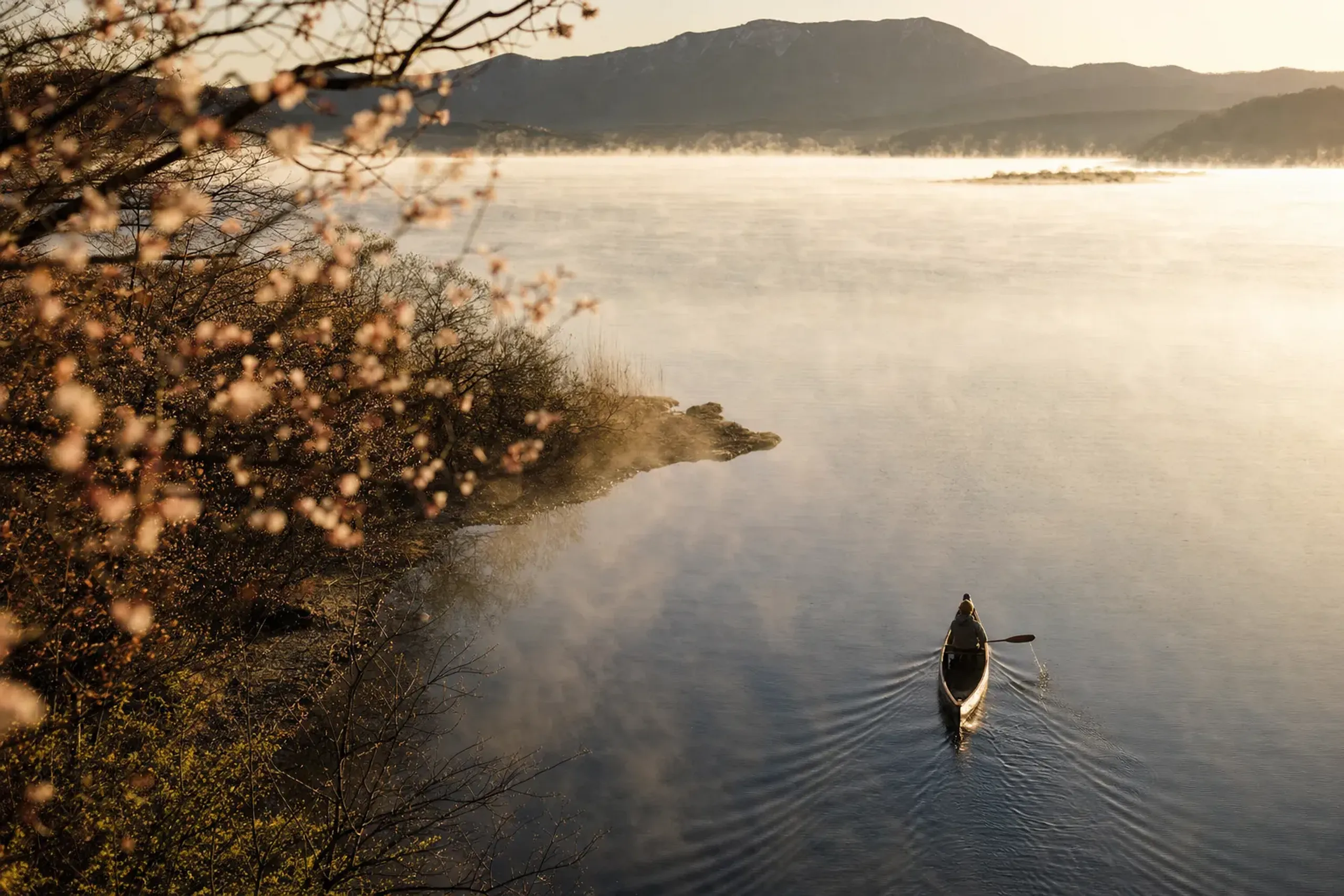
If this appeals, we treat it as a mood choice rather than an "activity slot." Some guests want a calm, guided paddle across still water. Others prefer to keep the day land-based and linger longer at the viewpoints.
Either way, we keep the route flexible. That is the whole point of doing Hokkaido by car.
If Shiretoko is calling to you, acknowledge it now. One line: Shiretoko is a UNESCO World Heritage site (Natural), inscribed under reference 1193, and it deserves its own dedicated plan rather than being tacked onto a tight route.
7 Days Or 10 Days: Two Realistic Shapes
Seven days and ten days can both work beautifully. The difference is how much breathing room you want once you reach the east.
Option A: A Focused 7-Day Route (Three Regions, No Filler)
This shape is for travelers who want a complete arc without stretching every single day.
- Day 1: Arrive New Chitose (CTS) → Upopoy (Shiraoi, Lake Poroto) → continue toward Lake Tōya
- Days 2–3: Lake Tōya base (Mount Usu / Usuzan Ropeway, Shōwa-Shinzan, Tōyako Onsen; fireworks at 20:45 in season)
- Days 4–5: Furano–Biei base (Farm Tomita; lavender timing based on late June to mid-August patterns)
- Day 6: Transition to the east (overland as a travel day, or fly to Kushiro, then drive)
- Days 6–7: Lake Akan base with an east-lakes day (Mashū + Kussharo + Kawayu Onsen)
- Departure: Fly out via Kushiro (including Kushiro → Haneda around 1 hour 45 minutes)
It is tight — but never punishing.

The key is treating the transition as its own day.
Option B: A Calm 10-Day Route (More East, Less Rush)
This shape is for travelers who dislike arriving somewhere and leaving almost at once.
- Add a third night in Furano–Biei, especially if lavender timing is central for you.
- Add a third night in the east so Mashū/Kussharo is never squeezed, and so you can accept the fog without disappointment.
- Build one true rest morning: late breakfast, slow start, no "must-see."
The atmosphere shifts entirely when you remove one forced early start. Everything begins to feel more intentional.
How Do You Plan A Hokkaido Summer Trip With Long Driving Days?
Plan Hokkaido by setting two "anchor stays," treating one day as pure transit, and adding one flexible weather day so lavender, fog, and lake conditions never control your mood.
That is the high-level rule. Then we turn practical: luggage size, how often you want to unpack, and whether anyone in your party grows car-fatigued after two hours.
If you like a framework, we often share a simple decision guide before proposing the route: private driver or rail, and where each makes sense for your pace. (Related reading: Tokyo Day Trips By Car: Nikko, Kawagoe, Chichibu, Kamakura.)
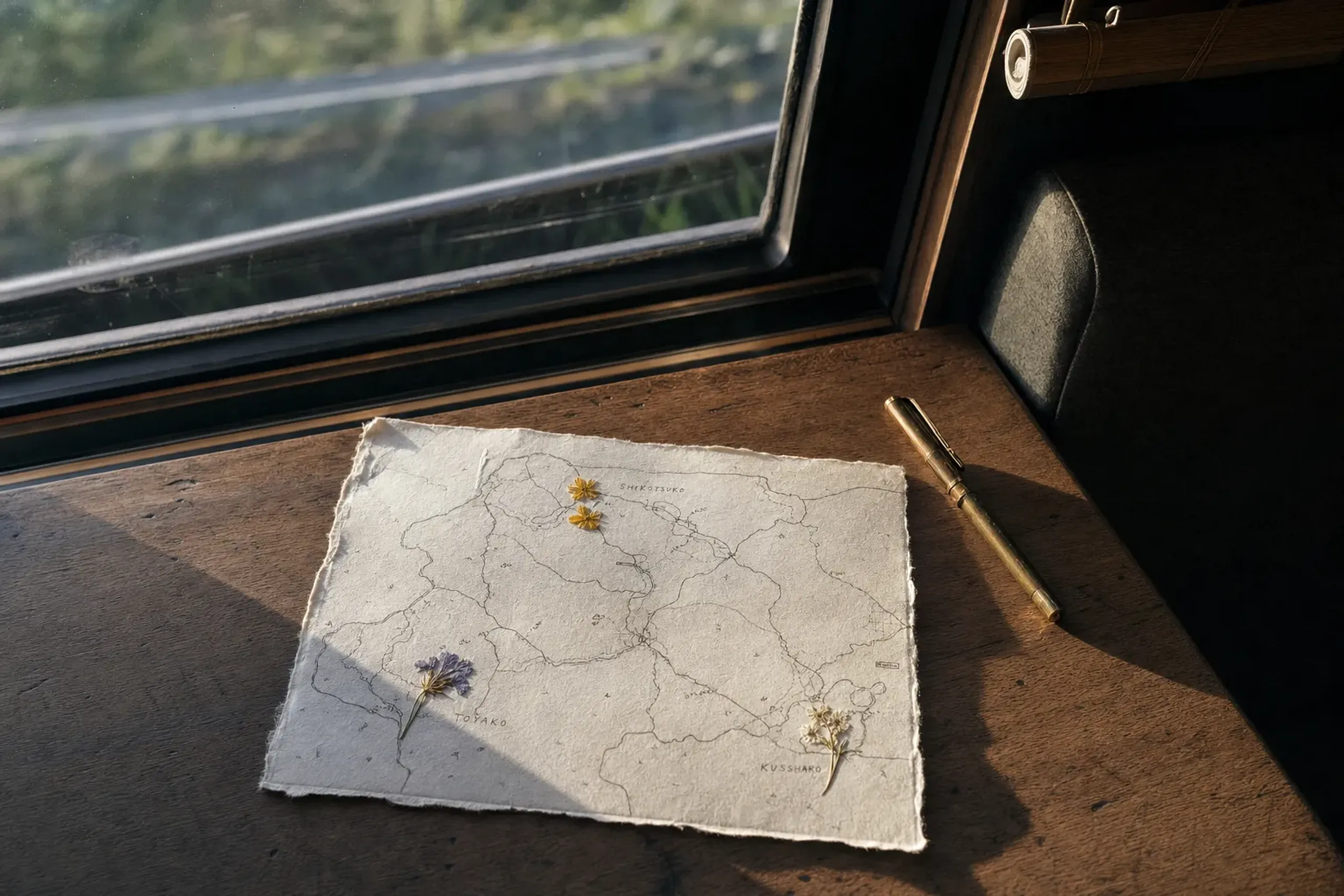
For cultural comfort, a quick refresher on manners goes a long way, especially at museums and performance venues. This is the one we point guests to most: Japan Etiquette: What Matters, And What Doesn't.
How Japan Royal Service Coordinates A 7–10 Day Hokkaido Summer Route
We design a tailor-made itinerary that matches your pace, then coordinate private movement, guiding, and timing details privately after you inquire.
Discretion comes first, always. We keep guest identities, preferences, and daily plans strictly confidential, and we never write your itinerary into public-facing systems where it might leak through habit or convenience.
We also protect the feel of the trip. Hokkaido should never read like a "program." It should feel like space, punctuated by a few well-chosen encounters: Upopoy with genuine context, Lake Tōya at night during the fireworks season, and Akan–Mashū approached with the humility to accept the fog and still savor the day.
When you are ready, we discuss whether the east is best reached overland or with a short flight to Kushiro, and we confirm every variable element — performance schedules, museum open days, and seasonal operations — directly with you during private coordination.
When the moment feels right, contact us here to begin shaping your private Hokkaido summer — a route measured not in distance covered, but in the quiet it leaves you.