In this guide
- 01Why These Four Day Trips Work From A Tokyo Base
- 02Kawagoe Day Trip By Car: Little Edo Without The Clock-Watching
- 03Kamakura Day Trip By Car: The Warrior Capital, Temple Stone, And A Sea-Breeze Finish
- 04Chichibu Day Trip By Car: Hills, Shibazakura In Spring, And A UNESCO-Listed Festival In December
- 05Can You Do Nikko As A Day Trip From Tokyo Without Feeling Rushed?
- 06How Do You Choose Between Kawagoe, Kamakura, Chichibu, And Nikko By Season?
- 07How Japan Royal Service Plans Tokyo Day Trips By Car
- 08Frequently Asked Questions
- 09Why Choose Japan Royal Service
Tokyo rewards patience. Then it asks for one more thing: a clean escape route.
If you are based in Tokyo for a week, day trips let you see four different Japans without changing hotels or repacking. That sounds simple. It rarely feels simple on the ground.
Trains are excellent, yet the last mile can be awkward with a tight schedule, weather, or a multi-generational party. A private car fixes the gaps. Door to door.
Below are four day trips from a Tokyo base by private car: Kawagoe, Kamakura, Chichibu, and Nikko. Our team at Japan Royal Service uses these as building blocks for a tailor-made itinerary, with an English-speaking driver and a guide on request.
Why These Four Day Trips Work From A Tokyo Base
These four are not four versions of the same outing. Each has its own mood and stakes.
Kawagoe is Edo-era merchant calm, close enough to do on a whim. Kamakura is the first warrior capital, with temple stone and sea air. Chichibu is hills, shrines, and seasonal punctuations like shibazakura in spring and a UNESCO-listed festival in December. Nikko is the grand one: shrine architecture with a state-level register, plus mountains behind the town.
Luxury here is not marble. It is control.
In our experience, a private car is most valuable when your party wants to keep a steady rhythm: one or two purposeful stops, a quiet lunch window, and the freedom to pivot if rain shifts the day.
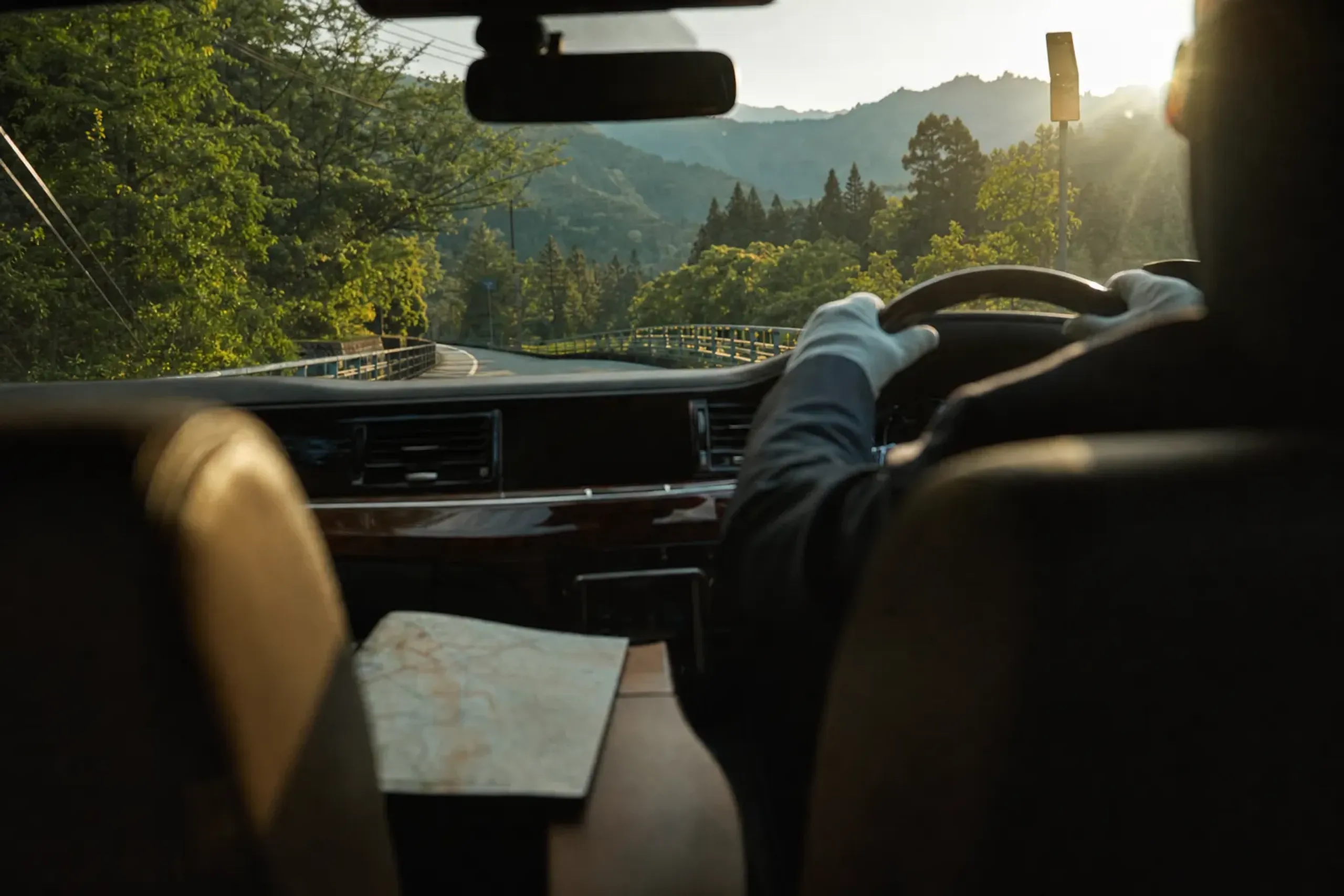
That is wabi-sabi in practice. Less forcing. More fitting.
Kawagoe Day Trip By Car: Little Edo Without The Clock-Watching
Kawagoe is the easy win from Tokyo. Quick to reach. Surprisingly transporting.
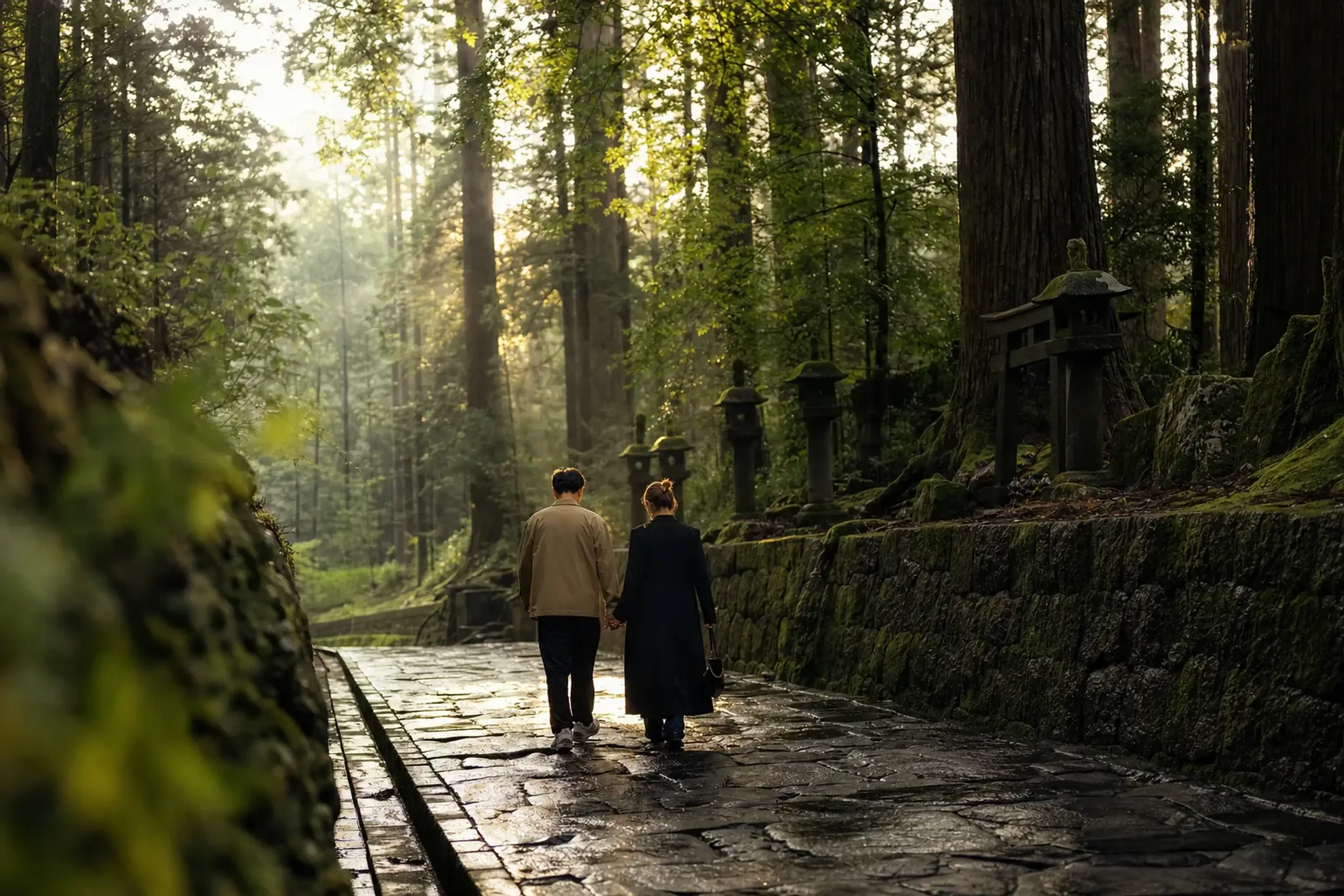
It is a former castle town that prospered in the Edo period, and it is nicknamed “Little Edo.” The reason shows up fast: kurazukuri—clay-walled warehouses—kept since the Edo period line parts of the old townscape.
By rail, the Tobu Tōjō Line limited express runs from Ikebukuro to Kawagoe in about 30 minutes. That is efficient. It also pins you to station exits, walking loops, and set return times.
By private car, you can treat Kawagoe like a curated stroll rather than a transit puzzle. One hour matters less than the feeling of not checking it.
What To Do In Kawagoe In One Day
Start with the historic streetscape and let your guide read the room: do you want a photography-forward walk, or a slower pace with more context?
Make time for Toki no Kane, the bell tower. It has a history of more than 400 years and it chimes four times a day. Simple. Memorable.
If you are traveling as a couple, we often suggest a shorter route with more sitting breaks and fewer “musts.” If you are traveling with family, the car becomes a basecamp: items left safely inside, energy kept for the walk itself, and a clean exit when the day feels complete.
Why A Car Helps In Kawagoe
The old town area is walkable, yet the transitions—arrival, regrouping, and departure—are where time disappears. A car tightens those seams.
- Door-to-door comfort: you begin and end the day without station stairs and platform timing.
- Flexible pacing: stop when the light is right, not when the timetable says so.
- Privacy: your conversations stay inside your party, not in a crowded carriage.
Discretion matters even on “simple” days. Especially then.
Kamakura Day Trip By Car: The Warrior Capital, Temple Stone, And A Sea-Breeze Finish
Kamakura changes the atmosphere quickly. The air feels different. The history is heavier, too.
Kamakura became the seat of feudal government in 1192, after Minamoto no Yoritomo’s victory over the Taira. It is not a footnote. It is a pivot point.
By train, it is straightforward: from Shinagawa, the JR Yokosuka Line takes around 45 minutes; from Shinjuku, the Shōnan-Shinjuku Line takes about 45 minutes. A car is not about speed. It is about texture.
Key Sites That Define A First Kamakura Day
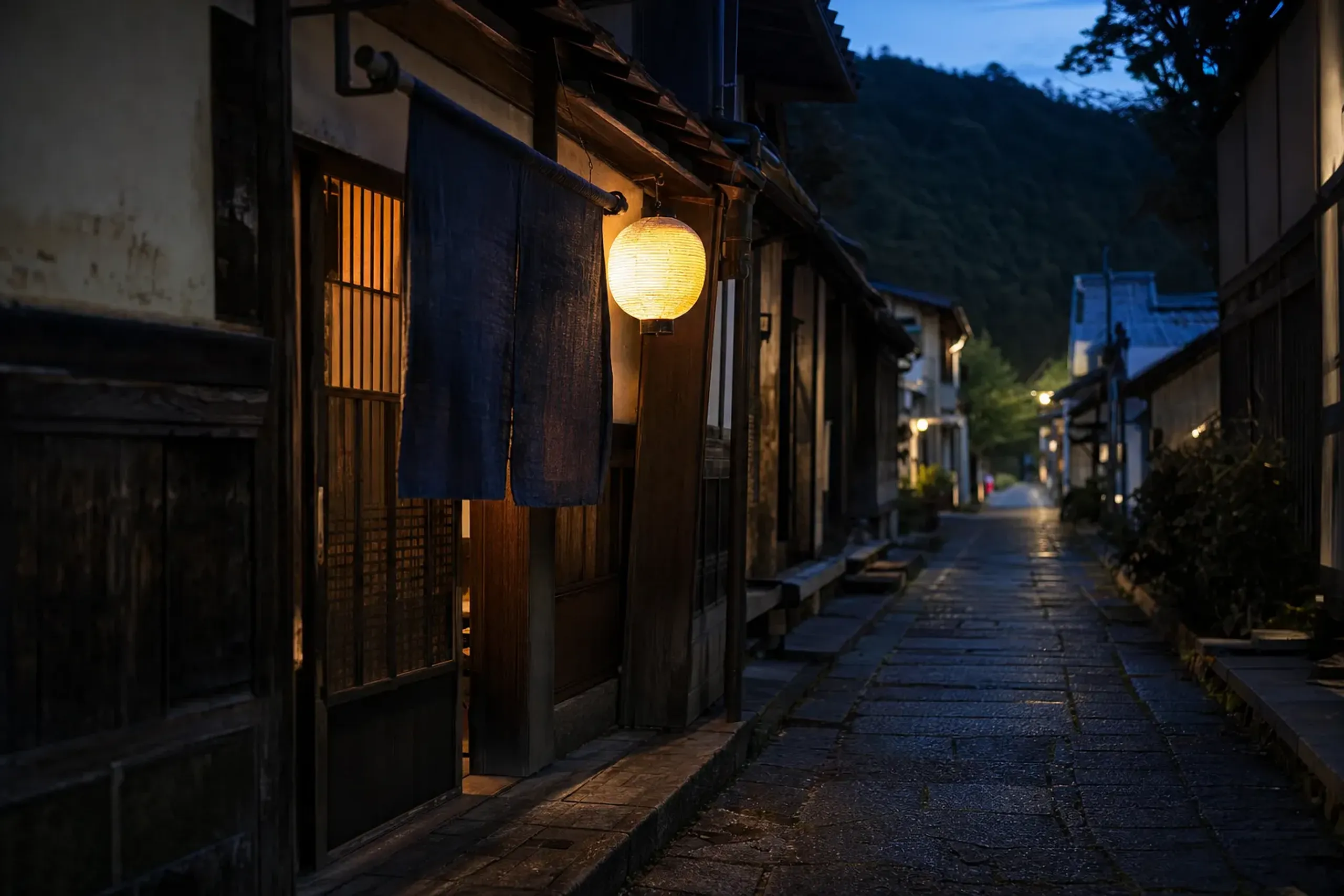
Tsurugaoka Hachimangū was built by Yoritomo and dedicated to Hachiman. Even if you are not religious, you will feel the formal register of the place.
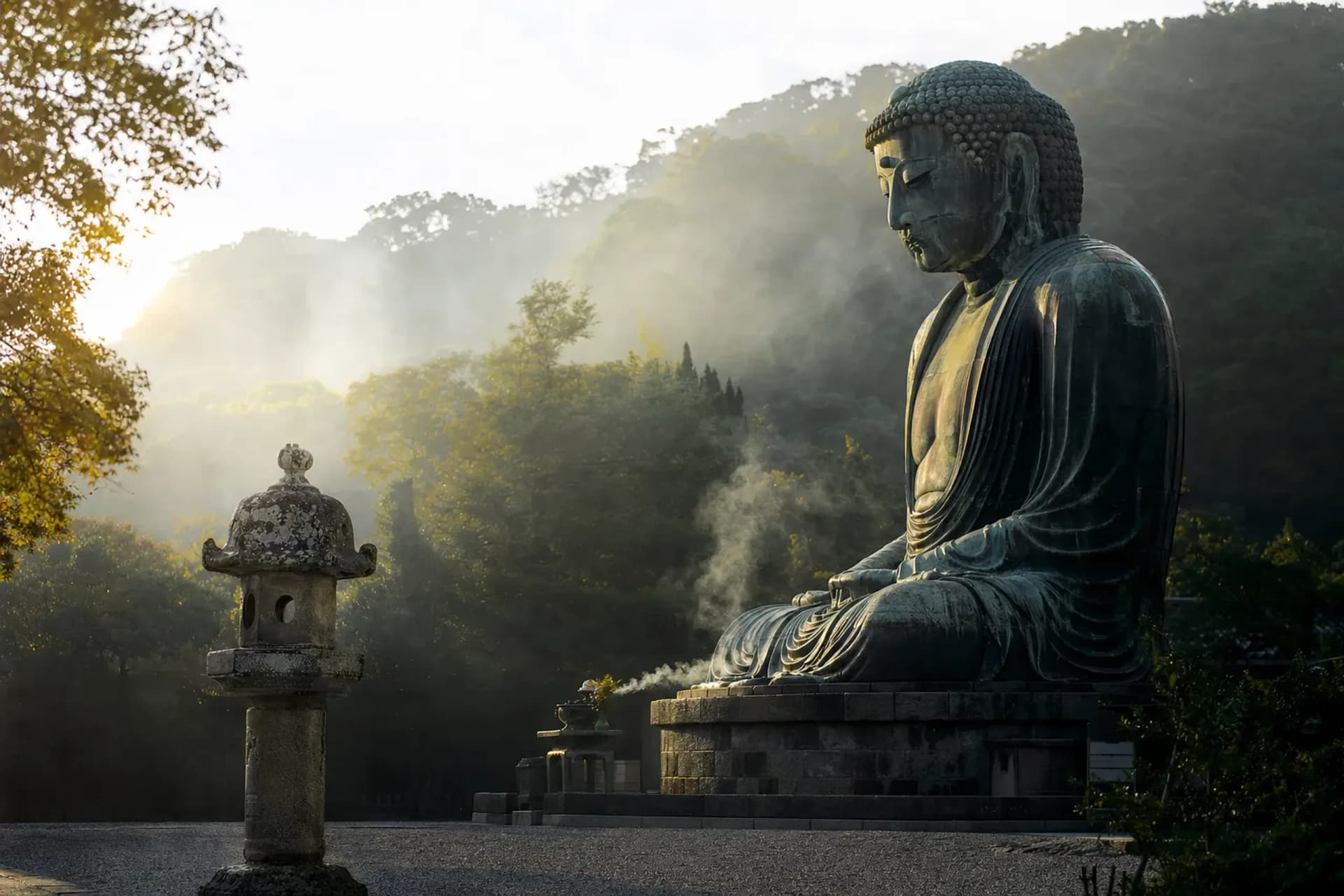
Then go to Kōtoku-in for the Great Buddha. It is about 11 metres tall and was cast in 1252. The scale is direct. The expression is calm.
This is also where “hidden Japan” can be a small thing, not a secret door: a short detour, a quieter lane, a pause that your guide chooses because the moment feels right.
Why A Car Helps In Kamakura
Kamakura can involve multiple stops, each with its own micro-logistics. A car keeps your day from fragmenting.
- Less hopping: you avoid repeated station-to-site transfers.
- Better pacing: you can linger at one temple without “paying” for it later.
- Comfortable return: the ride back becomes decompression, not a crowd test.
If you are considering a summer evening around events, operational conditions can change. Our concierge team confirms directly with the guest at time of arrangement based on the latest official notices.
Chichibu Day Trip By Car: Hills, Shibazakura In Spring, And A UNESCO-Listed Festival In December
Chichibu feels like a town that keeps its own calendar. That is the appeal.
By rail, the Seibu Laview reaches Seibu-Chichibu Station from Ikebukuro in about 80 minutes. It is a clean ride. The day still needs structure once you arrive.
By car, Chichibu becomes calm and legible. You can spend your time on the ground, not negotiating transfers.
Spring: Hitsujiyama Park Shibazakura
Hitsujiyama Park is known for moss phlox (shibazakura). The peak is roughly mid-April to early May, varying with the weather. No two springs match perfectly.
This is a classic “shun” moment, if we say it only once: the timing is the whole story. Go too early and you get anticipation.
Go too late and you get aftermath.
Our concierge team confirms directly with the guest at time of arrangement so expectations match what nature is doing that week.
If you want a deeper seasonal read, you may also like our guide to Hitsujiyama Shibazakura: A Hillside Carpet in Chichibu. It is the same destination, seen with a closer lens.
December: Chichibu Night Festival
Chichibu Shrine is the town’s centre of faith. It also hosts the Chichibu Night Festival, held on December 2 and 3 each year.
The festival was inscribed on UNESCO’s Intangible Cultural Heritage list in 2016. That recognition signals living culture, not museum culture.
Key fact: Festival operations can shift year to year; our concierge team confirms directly with the guest at time of arrangement.
Why A Car Helps In Chichibu
Chichibu is where a private car changes the day most. The town sits among hills, and the points of interest are not always a simple walk from the station.
- Fewer transitions: less local navigation during peak seasonal periods.
- Warmth and shelter: valuable in December, and reassuring in spring rain.
- Clean timing: you decide how long you stay, without calculating train connections.
It is an understated kind of luxury. The best kind.
Can You Do Nikko As A Day Trip From Tokyo Without Feeling Rushed?
Yes—if you keep Nikko town-focused, start early, and accept that Okunikko is better with an overnight.
Nikko is the long day from Tokyo.
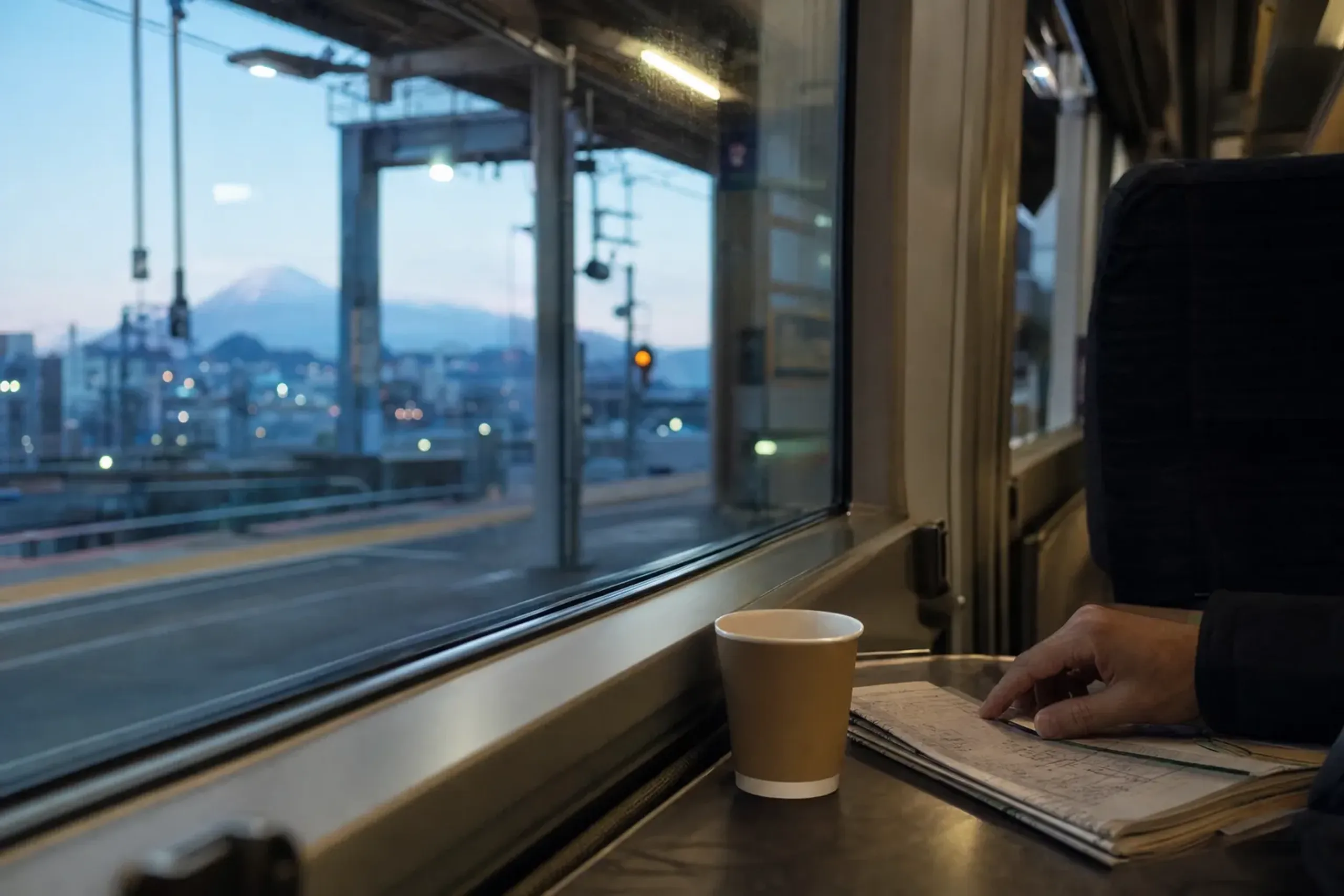
By rail, from Asakusa the Tobu limited express (SPACIA) takes about two hours to Nikko. That alone tells you what kind of pacing you need.
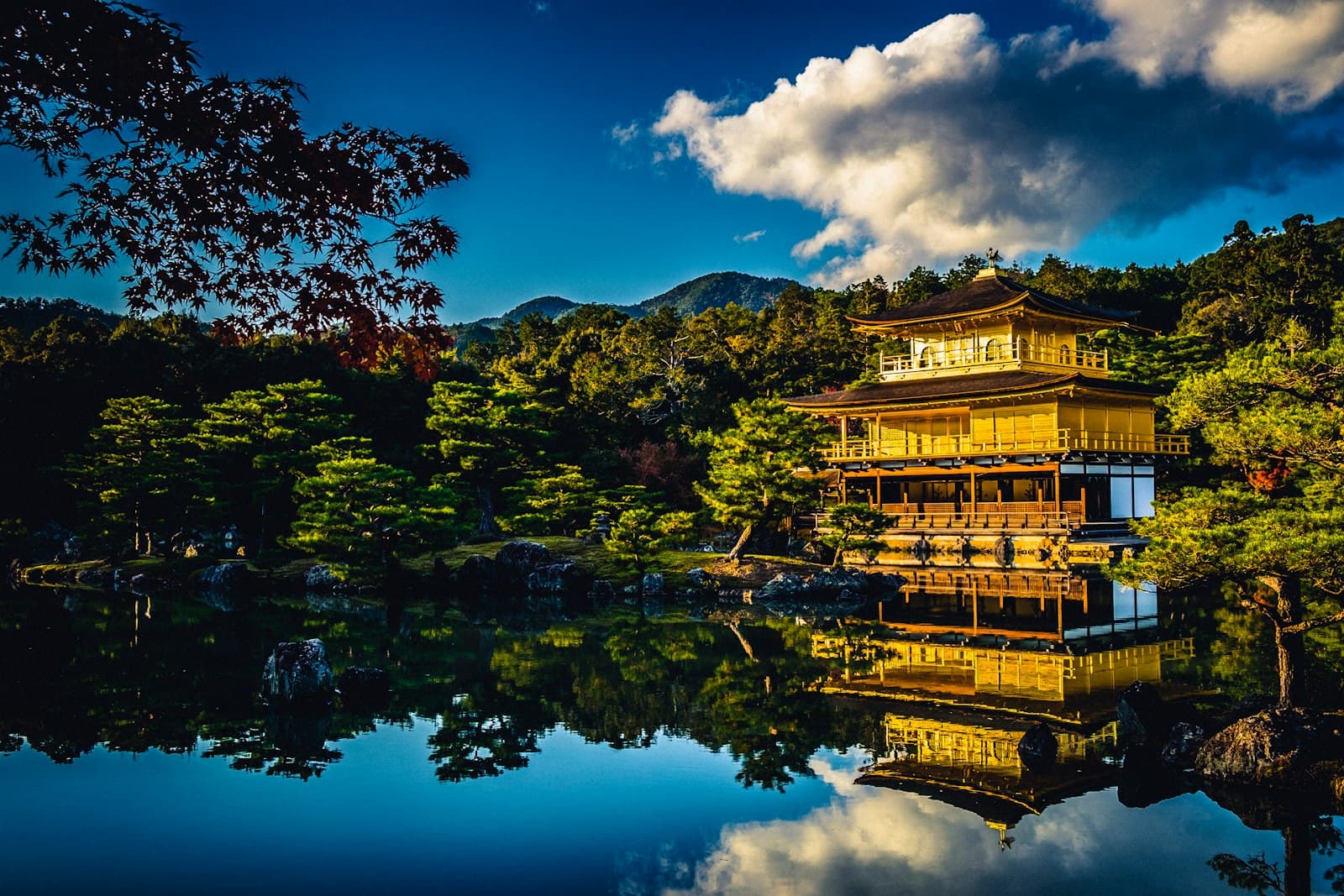
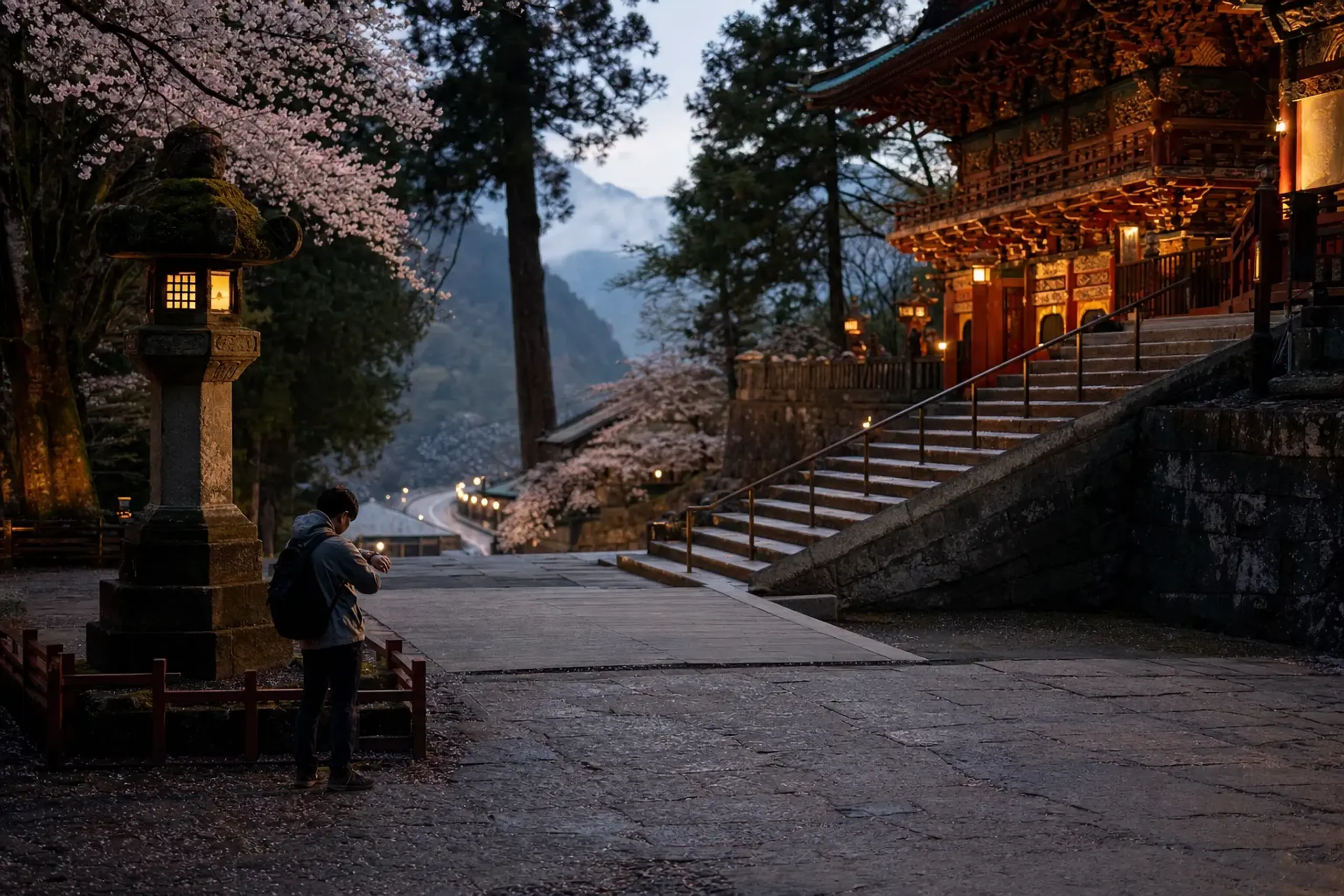
Nikko’s core shrines and temples are a UNESCO World Heritage site: the Shrines and Temples of Nikko. The headline site is Nikko Tōshō-gū, which enshrines Tokugawa Ieyasu, founder of the Tokugawa shogunate.
It is formal. Almost courtly. This is where an “imperial-class” sensibility makes sense: not because you want pomp, but because the place itself speaks in a higher register.
Town Nikko: Tōshō-gū And Rinnō-ji
Nikkō Tōshō-gū is the main draw for many first-timers, and it holds up. The craftsmanship is the story, even before you learn the names behind it.
Rinnō-ji is described as Nikko’s most important temple. It was founded by Shōdō Shōnin. If your party responds to temples more than shrines, Rinnō-ji can quietly become the day’s anchor.
In winter, Tōshō-gū has shorter hours from November to March. That is not trivia. It can make or break a day trip. Our concierge team confirms directly with the guest at time of arrangement so the schedule matches the season’s operating hours.
Okunikko: Lake Chūzenji And Kegon Falls
Behind the town, the road rises into the mountains. That is Okunikko.
Lake Chūzenji and Kegon Falls sit up there. They are classic, and for good reason. The air changes again.
Trying to do Tōshō-gū, Rinnō-ji, and Okunikko in a single day can work, but it pushes the margins.
Small delays multiply.
Long Day Vs. One Night In Nikko
A long day works when you want one big cultural hit, then back to Tokyo for dinner. A single overnight works when you want Nikko to feel like a place, not a checklist.
With one night, you can aim to see Tōshō-gū earlier, then go up to Lake Chūzenji and Kegon Falls without compressing every stop. The day breathes.
We do not name lodgings publicly. Privacy is part of the service. If you decide to stay, our concierge team discusses the right style—classic, quiet, or contemporary—and confirms availability directly with you during private planning.
How Do You Choose Between Kawagoe, Kamakura, Chichibu, And Nikko By Season?
Choose Kawagoe or Kamakura for “anytime” flexibility, Chichibu for spring shibazakura or early-December tradition, and Nikko for a deeper cultural day that can justify an overnight.
Here is the practical lens our team uses when you have limited days.
Option A: You Want The Easiest Day With The Least Friction
Pick Kawagoe. It is close, it reads clearly, and it does not demand a heroic start.
- Best for: first-timers, family groups, light walking days
- Core feeling: “Little Edo” streets and a slower tempo
Option B: You Want Temples, History, And A Defined Icon
Pick Kamakura. You get the warrior-capital story and a single sculpture that anchors memory.
- Best for: culture-first travelers who still want a relaxed return to Tokyo
- Core feeling: shrine approach, temple stone, then sea air
Option C: You Want A Seasonal Puncture In The Calendar
Pick Chichibu.
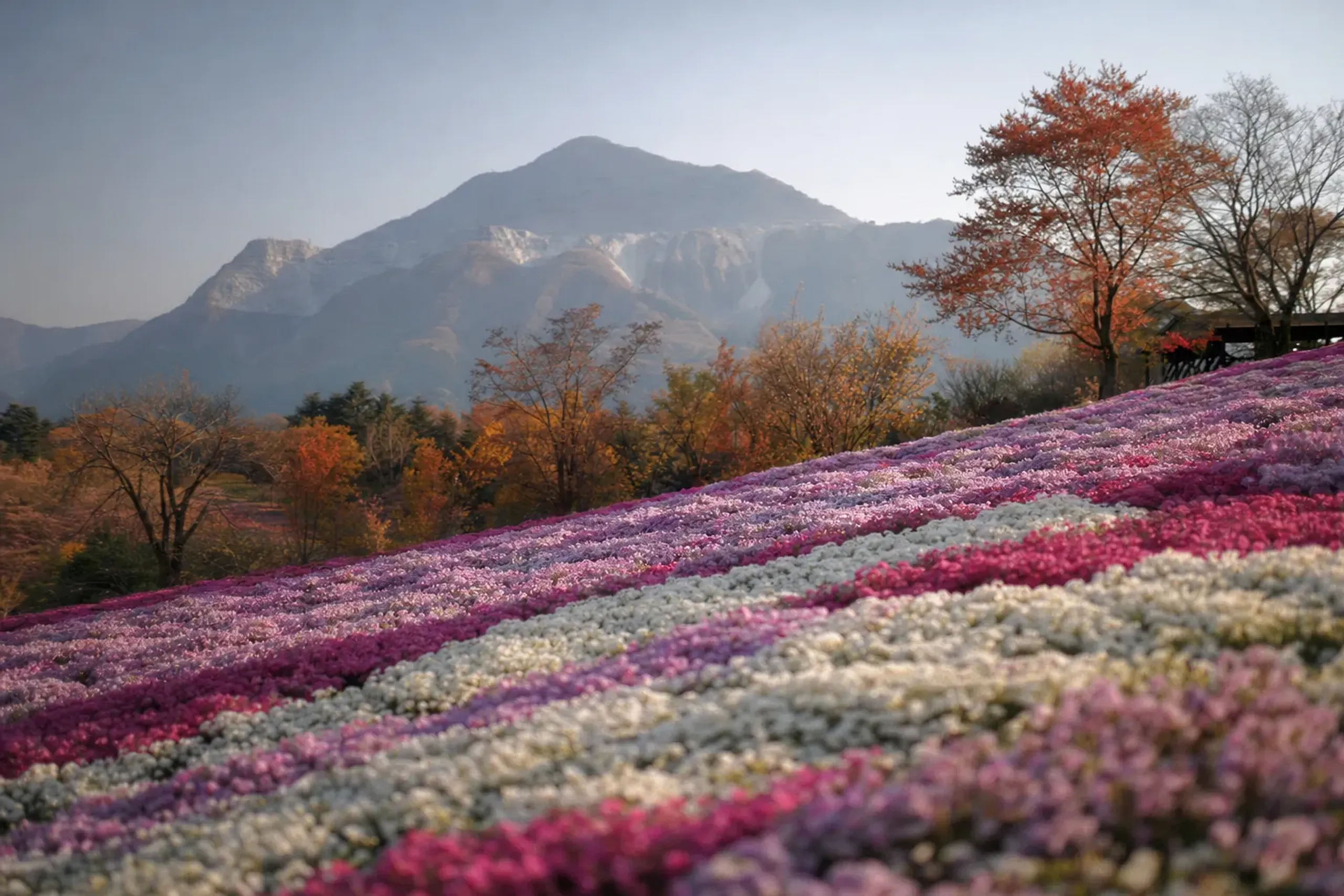
Time it for Hitsujiyama Park in spring or the Chichibu Night Festival on December 2–3.
- Best for: repeat visitors who want a place with its own cadence
- Core feeling: hills, shrine-town faith, seasonal intensity
Option D: You Want Monumental Shrine Architecture And A Bigger Arc
Pick Nikko, and decide early whether you will do town-only or add Okunikko.
- Best for: travelers who like a long, focused day and strong cultural context
- Core feeling: UNESCO-level shrines and temples, then mountains behind
If you are also weighing Hakone, we treat it as its own base rather than a quick add-on. Our pacing philosophy is laid out in Three Bases, Not Seven Cities: Pacing Two Weeks in Japan. One line, and that is all: Hakone is excellent when you give it space.
How Japan Royal Service Plans Tokyo Day Trips By Car
Our role is to make the day feel inevitable, not “managed.” That takes quiet preparation.
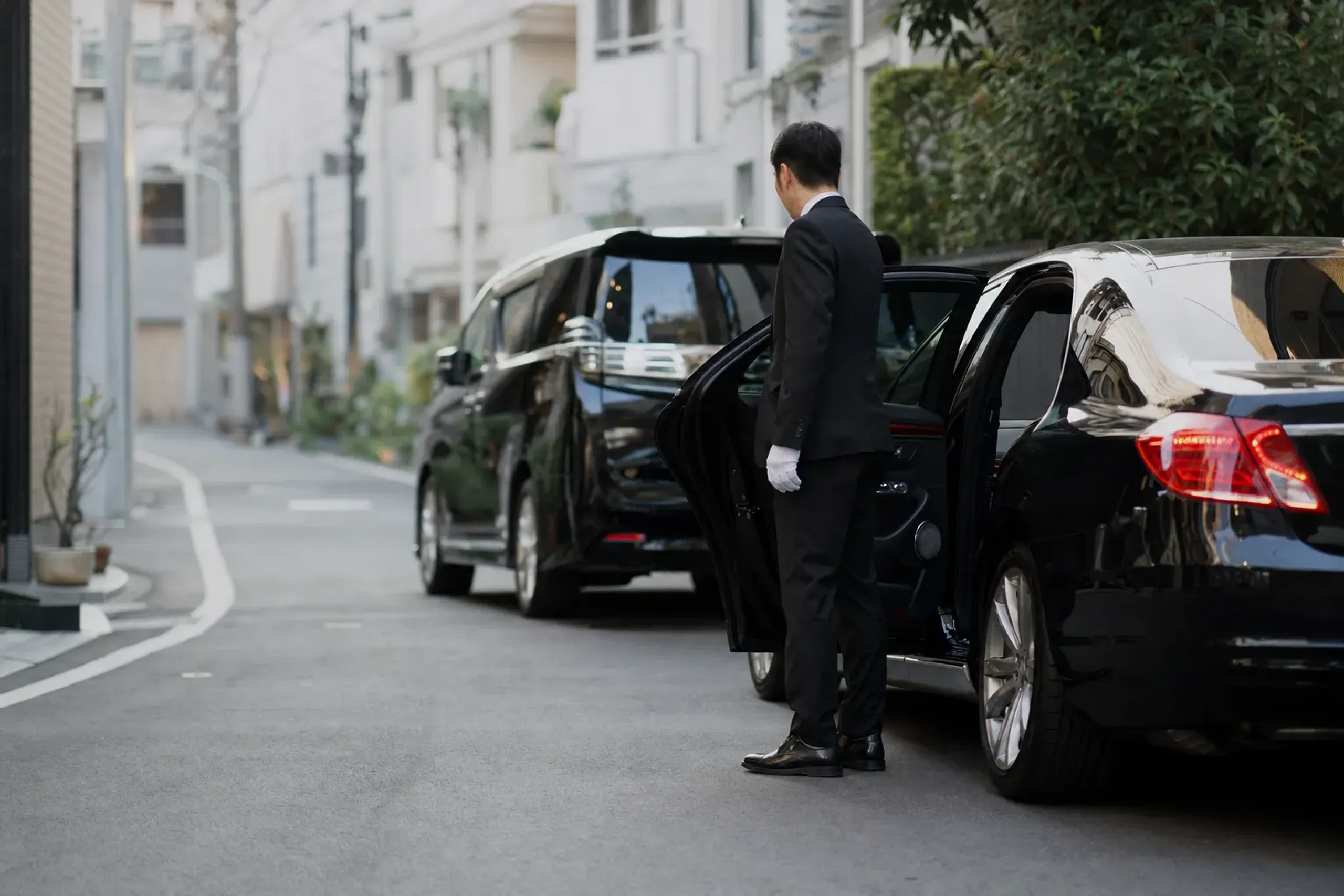
Japan Royal Service coordinates partner-supplied private vehicles with English-speaking drivers, and guides on request. Drivers and guides are separate roles. Different skill sets.
For transportation, we match the vehicle to your party size, luggage, and preferred cabin feel. Then we confirm timing, pickup details, and day structure privately. If you want to read more about our approach, see our private transportation service page: private transportation.
We also plan with discretion in mind. Your itinerary is shared only with the people who need it, and we avoid broadcasting plans through public-facing instructions or “packages.”
What We Ask You Before We Propose A Day
- Where in Tokyo are you staying? Marunouchi and Shinjuku do not behave the same.
- Who is in the party? A couple moves differently than a family of five.
- What is the non-negotiable? One shrine, one festival, one photograph, one feeling.
Then we shape the day around one strong center. Big mistake is trying to do everything.
Frequently Asked Questions
Is A Private Car Worth It For Kawagoe Or Kamakura If The Train Is So Easy?
Yes, if you value door-to-door comfort, flexible pacing, and a quieter day over the simplicity of a single train ride.
For many HNW travelers, the “worth it” moment is not speed. It is removing small frictions: platform timing, stairs, and the mental load of coordinating the group at every transition.
Can You Help Us Add A Guide For Nikko Or Kamakura?
Yes—our concierge team can discuss guide options on request, and we coordinate the day’s structure privately after you inquire.
In Nikko, a guide can add clarity around the UNESCO site’s components and shrine-temple etiquette. In Kamakura, the value is often historical narrative and smarter pacing between key sites.
When Is Hitsujiyama Park Shibazakura Usually At Its Peak?
Hitsujiyama Park’s shibazakura typically peaks from mid-April to early May, with exact timing varying each year based on the weather.
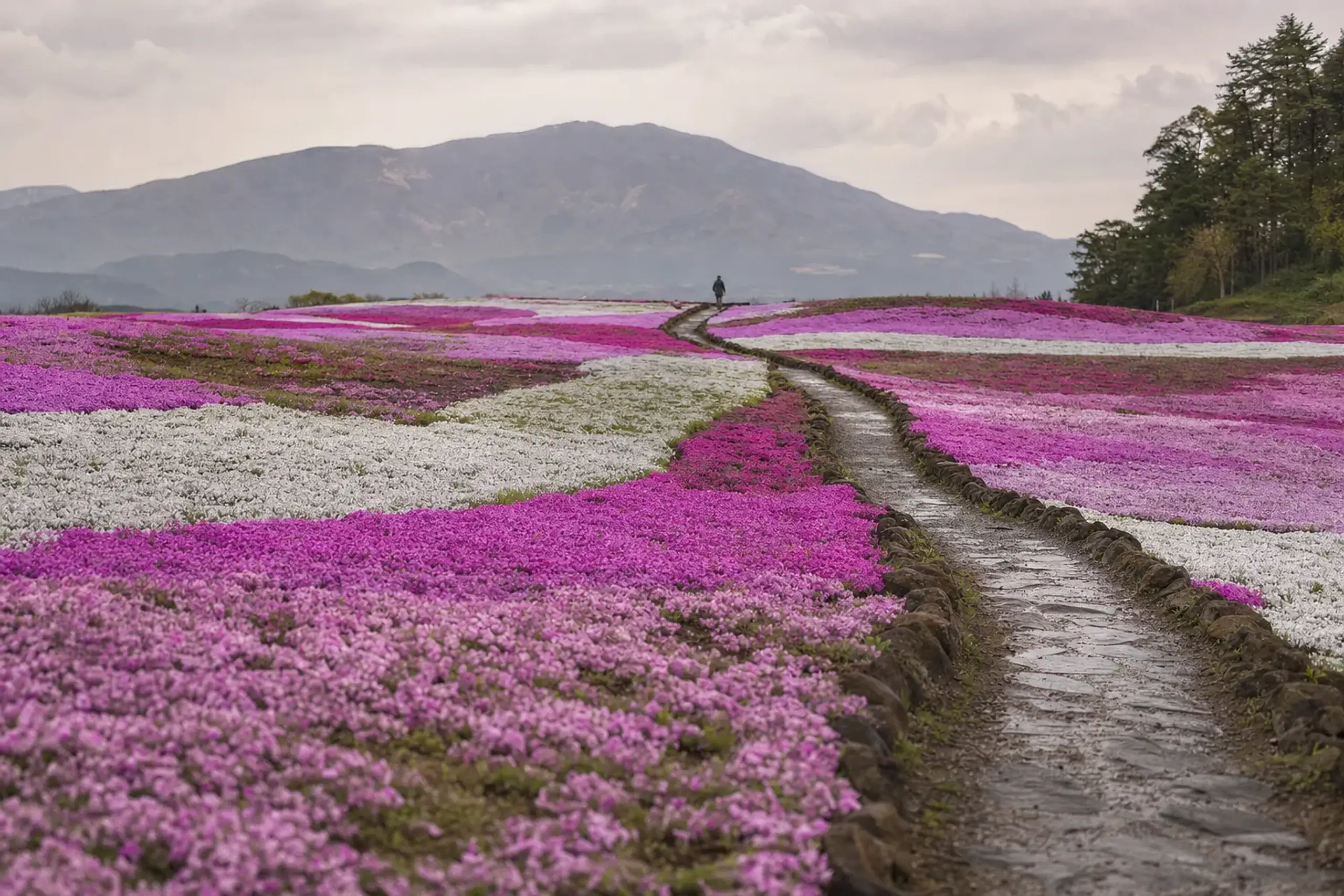
If you are traveling on fixed dates, our concierge team confirms directly with the guest at time of arrangement so the plan fits the season you will actually experience.
Is Nikko Better As A Day Trip Or An Overnight From Tokyo?
Nikko works as a long day if you focus on town sites, while an overnight is better if you want to add Lake Chūzenji and Kegon Falls without rushing.
Winter also matters, because Tōshō-gū has shorter hours from November to March; our concierge team confirms directly with the guest at time of arrangement.
Why Choose Japan Royal Service
You are not looking for a generic list of “best day trips.” You want days that hold together, with the right level of context and a calm margin for real life.
Japan Royal Service plans Tokyo day trips with three quiet priorities: discretion, shokunin-level attention to small details, and routes that favor wabi-sabi restraint over noisy box-ticking. A private car is only the start. The real value is how the day feels.
If you are deciding between these four, tell us your dates, party size, and what you want the day to taste like—old wood, sea wind, festival smoke, or cedar air.
For private coordination, reach our team privately via WhatsApp or LINE, or contact us here.