In this guide
- 01What Does A Hotel Change Cost In Japan?
- 02Three Bases, Explained: The Two-Week Rhythm
- 03Is Tokyo–Kyoto–Hakone A Good Two-Week Japan Itinerary?
- 04Is Tokyo–Kanazawa–Kyoto Better Than Hakone For A 14-Night Trip?
- 05Where Should You Stay In Tokyo And Kyoto To Reduce Transfers?
- 06How Japan Royal Service Coordinates A Two-Week Japan Itinerary Without Over-Planning
- 07A Few 2026 Updates That Affect Pacing (And Why They Matter)
- 08How To Think About “Tailor-Made” Without Getting Sold A Checklist
- 09Frequently Asked Questions
- 10Why Choose Japan Royal Service
- 11Begin Your Two Weeks, Unhurried
You can “do” seven cities in two weeks. Many people try. The hidden cost is not money — it’s time that quietly disappears into check-outs, station transfers, and late-afternoon arrivals when the best of the day has already thinned out.
Those lost slices add up faster than you’d expect. One hotel change can eat a morning and blunt an afternoon. Do it six times and you have quietly traded several full days for logistics — days you came to Japan to spend, not to pack for.
Our team at Japan Royal Service plans two-week trips around a different principle: use three bases, then travel out by day. Tokyo. Kyoto. And one ryokan or regional stop that changes the rhythm without fragmenting it. The result is a trip that breathes.
What Does A Hotel Change Cost In Japan?
A typical hotel change costs you a morning checkout window, a mid-day transfer, and a late check-in that often blocks the most useful part of the day.
Here is what that looks like on the ground. Many hotels expect you out by mid-morning. You pack. You wait for the elevator. You settle the bill. Then you move through a station, a taxi line, or a platform, and your attention is no longer on Japan — it’s on your bags.
Ryokan timing makes this even tighter. Check-in is usually around 3 p.m. Check-out is usually 10 to 11 a.m.
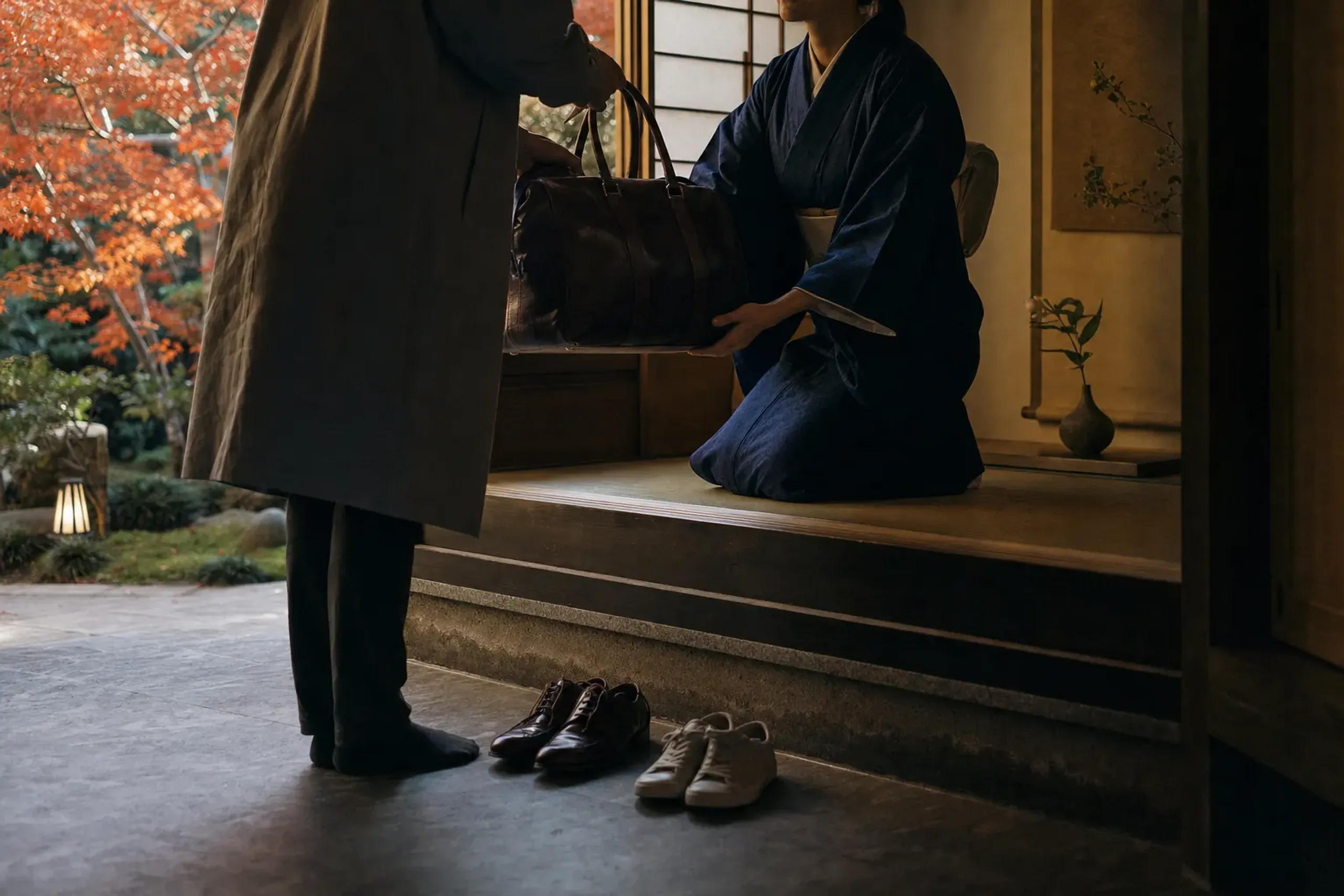
Dinner is commonly served at a set time, often around 6 to 7 p.m. That creates a boxed-in afternoon where “one more museum” becomes a gamble — a small mistake that colors the whole day.
Luggage forwarding helps, but it has its own cadence. It is usually next-day, so a hotel change with forwarding means you carry a small overnight bag for the night in between while your main luggage travels on ahead. It’s worth it. But it needs planning.
Key fact: On the Tokaido, Sanyo, Kyushu, and Nishi-Kyushu Shinkansen, baggage of 160–250 cm total dimensions requires a reserved oversized-baggage seat.
That detail is easy to miss when your trip has too many hops. Oversized-baggage rules are not “hard.” They are simply exacting. Our concierge team at Japan Royal Service builds the plan so the rules don’t end up building your day for you.
Three Bases, Explained: The Two-Week Rhythm
For 10 to 14 nights in Japan, three bases usually creates the best balance of depth and ease while keeping transfers predictable.
The idea is plain. You sleep in fewer places. You unpack less. You start each morning with familiarity instead of re-learning a new lobby, a new breakfast routine, a new neighborhood map.
Then you “spend” your mobility as day trips. From Kyoto, for example, Nara is about 35 minutes by Kintetsu limited express, or about 45 minutes by JR rapid.
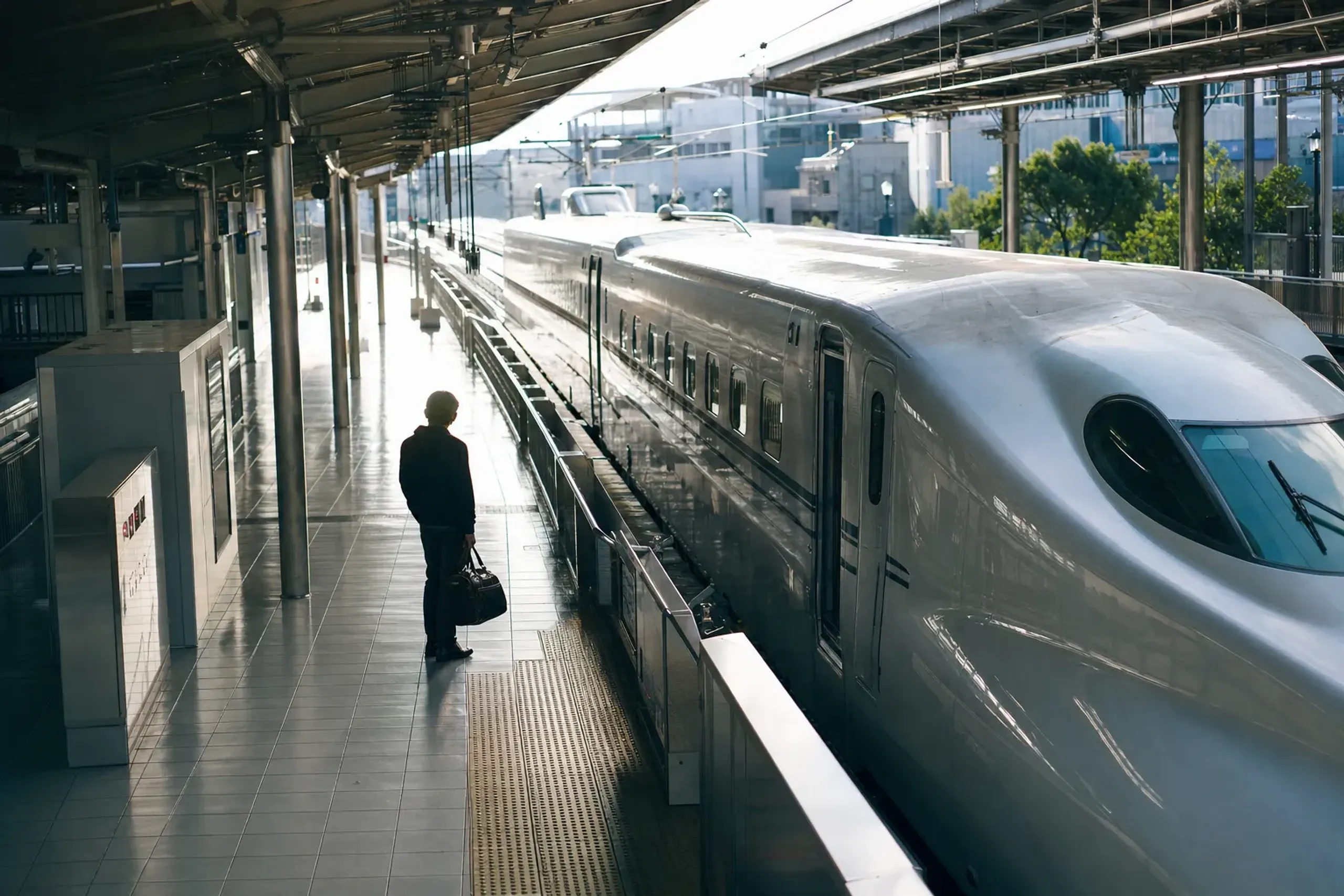
Himeji is about 44 to 56 minutes by shinkansen. Hikone is about 50 minutes by JR special rapid. That is a great deal of Japan reached without another hotel key in your pocket.
Three bases also keeps the trip compatible with shokunin moments. A private studio visit, a kintsugi session, or a measured tea experience works best when you are not rushing to catch a train with all your luggage in tow. These encounters with grand masters reward a settled mind, and quiet scheduling is what makes them possible.
Is Tokyo–Kyoto–Hakone A Good Two-Week Japan Itinerary?
Yes: Tokyo–Hakone–Kyoto follows the rail corridor cleanly, avoids backtracking, and gives you one ryokan-style reset without turning the trip into a packing drill.
Think of this as Route A. You begin with Tokyo while your body clock settles and you can keep the days flexible. Then you step into Hakone for a change of texture — moss, cedar, and the long quiet of a hot-spring valley, the kind of restrained wabi-sabi beauty that no city evening can imitate. Last, you finish with Kyoto when you are ready for tighter cultural days and short rail day trips.
The rail logic here is friendly. Tokyo to Kyoto is about two to two and a half hours by Tokaido Shinkansen. Shinjuku to Hakone-Yumoto is about 80 minutes by Odakyu Romancecar. Those numbers matter because they allow clean departures after breakfast and arrivals that still leave you daylight.
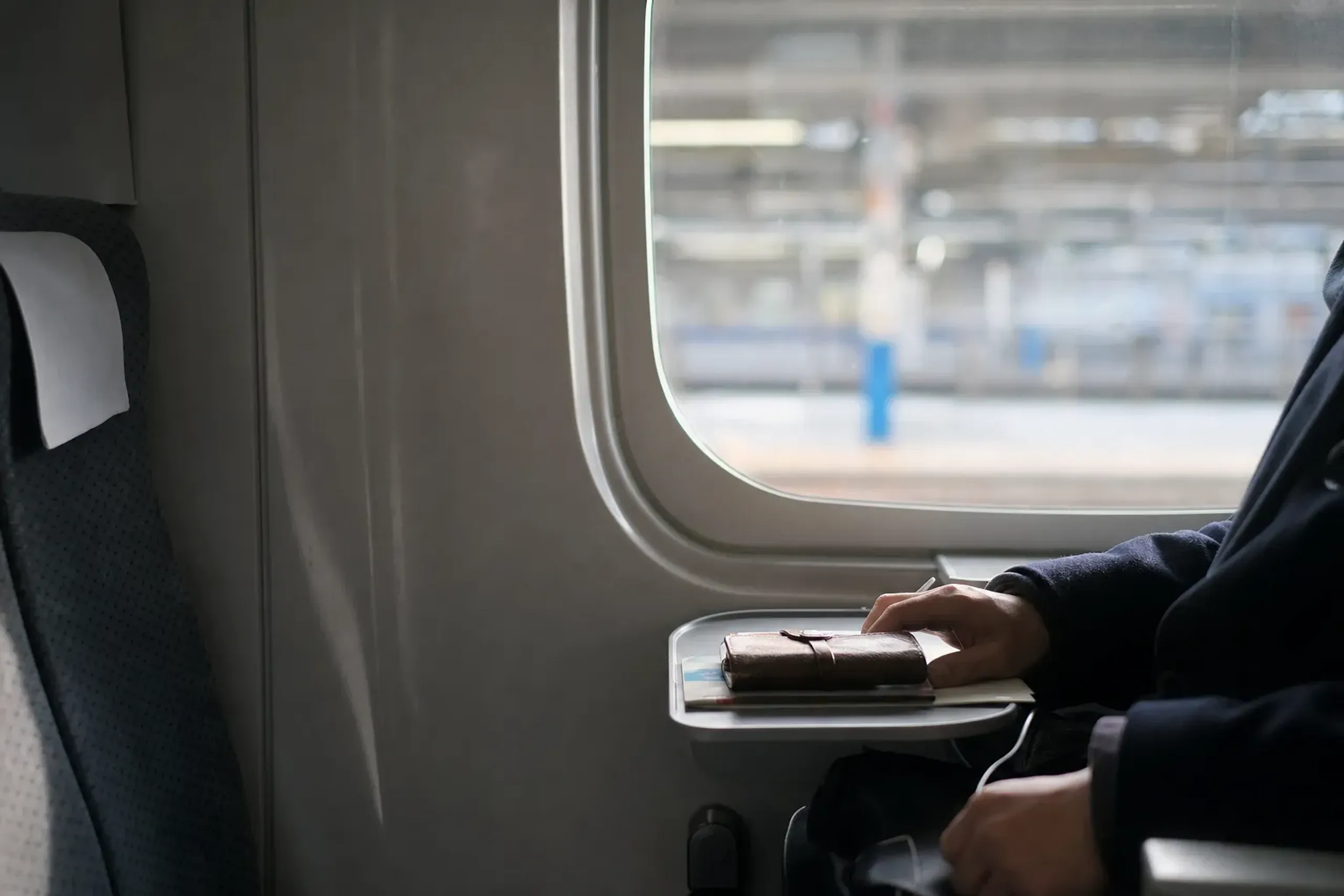
No panic, no scramble.
A Practical Night Pattern (Not A Rule)
For about 10 nights, a common starting shape is Tokyo 4, Hakone 2, Kyoto 4. For about 14 nights, we often stretch Tokyo to 4–5 and Kyoto to 5–6, then give Hakone 3 if the guest wants longer bathing time and slower mornings. The point is flexibility, not mathematics.
We also watch where your “transfer day” lands. A move on a day you wanted for a museum, a garden, or a craft appointment is a trade. You should feel that trade clearly, then choose it on purpose rather than discover it by accident.
Day Trips That Replace Hotel Moves
From Kyoto, day trips do the heavy lifting. Nara, Himeji, and Hikone each work within about an hour by rail, which means you can return for a calm dinner instead of a late check-in somewhere new. It changes the entire mood of the evening.
If you want one longer reach, Hiroshima and Miyajima can be considered, but we treat that as a commitment day. Itsukushima Shrine on Miyajima is a UNESCO World Heritage Site (registered 1996), and its torii is famously associated with a “floating” appearance at high tide. That is a real payoff. But it deserves a clean plan, not a rushed one.
Where To Base Inside Each City On Route A
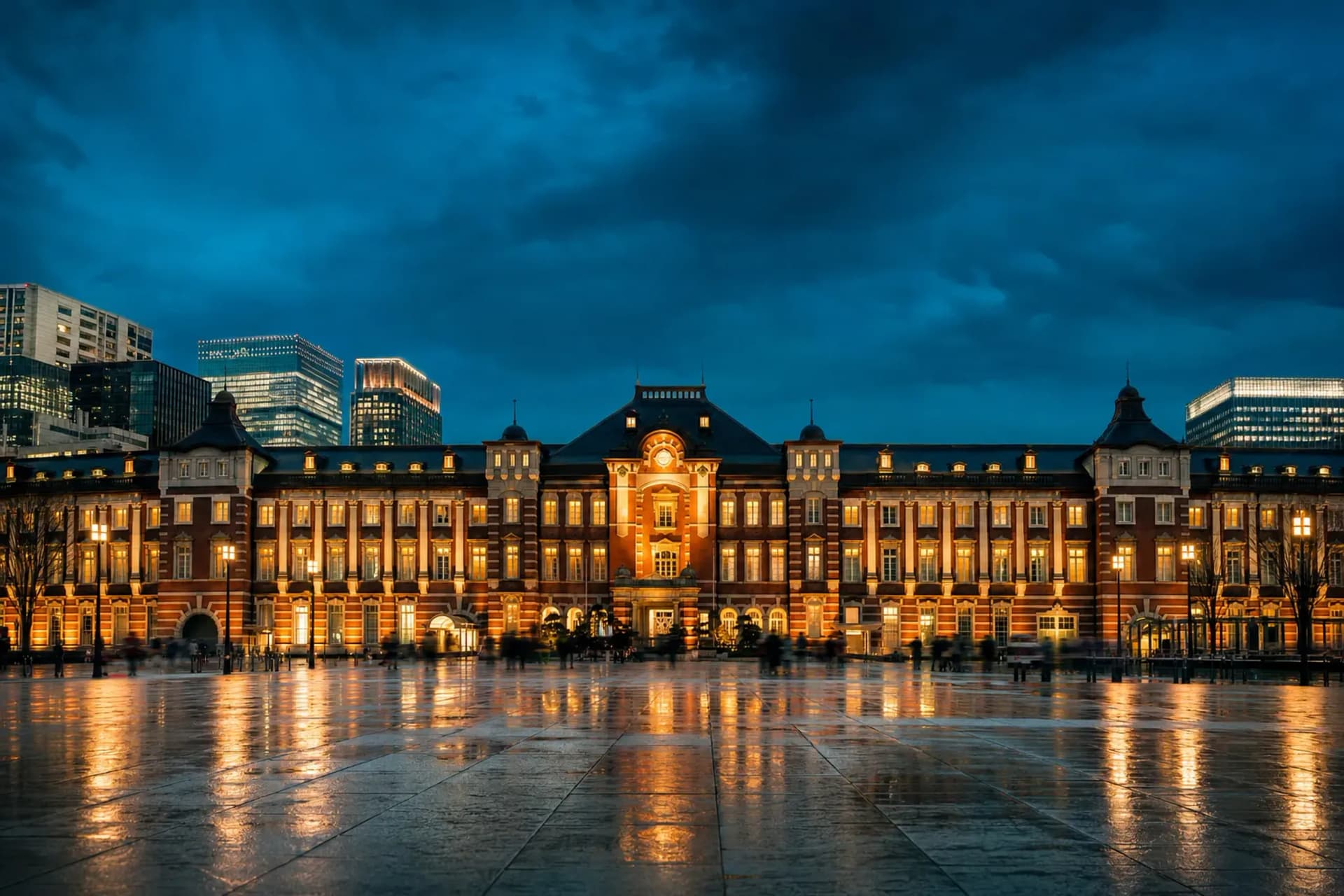
In Tokyo, Marunouchi (next to Tokyo Station) is practical when you expect shinkansen departures.
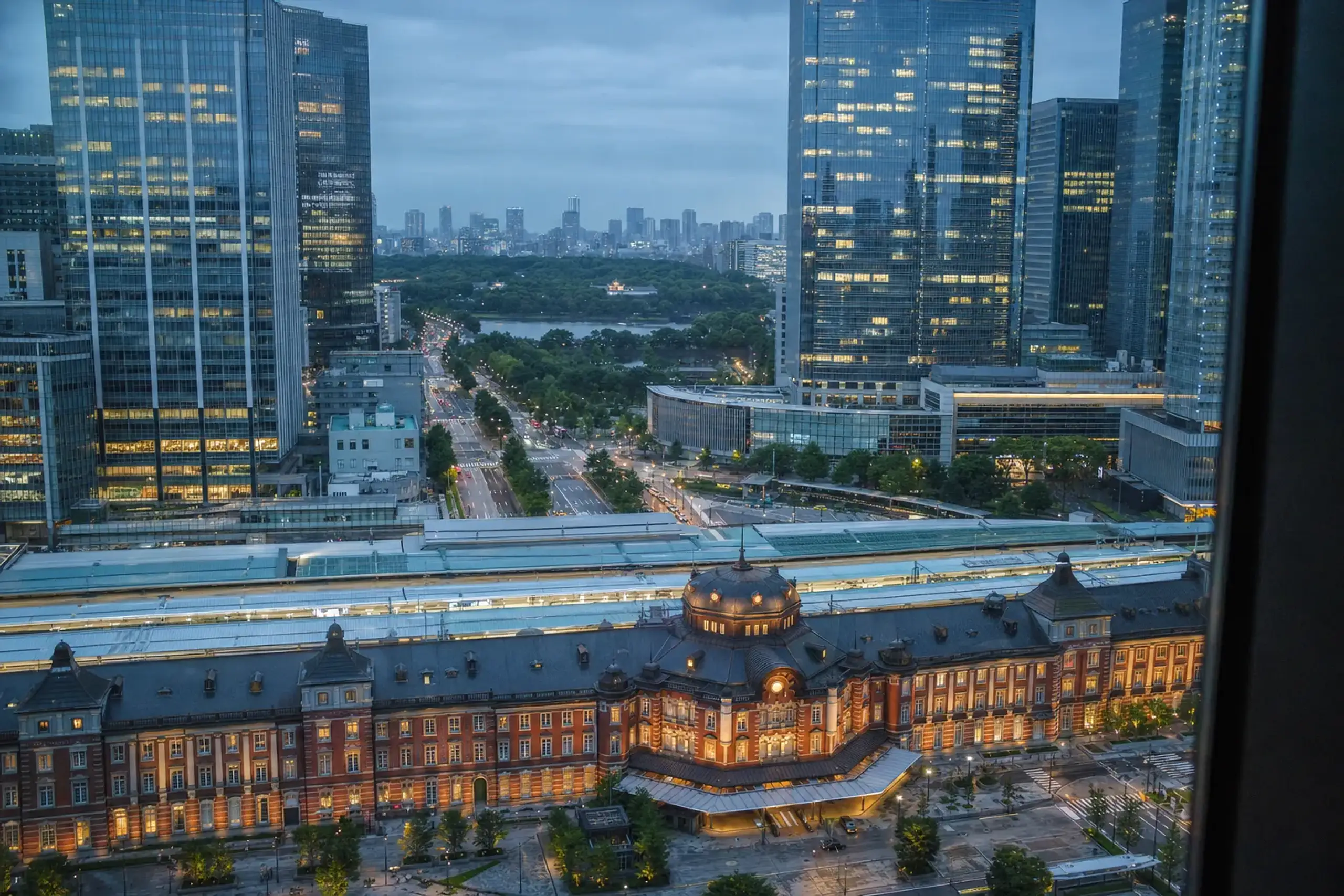
It keeps the morning sharp. Ginza is nearby, which makes it easy to mix shopping, galleries, and quieter dinners.
In Kyoto, we usually start with two honest choices. Higashiyama is the eastern temple district, which rewards early walking before the crowds arrive. Or you stay near Kyoto Station for rail convenience on day-trip-heavy days. Pick the flavor. Don’t pretend they feel the same, because they don’t.
Hakone is not a single town. It is a spread-out area, and lodging choice depends on what you value most. Our concierge team confirms priorities directly with you at the time of arrangement so the location supports the pace you want — and, where introductions allow, the kind of ryokan you cannot simply book online.
Is Tokyo–Kanazawa–Kyoto Better Than Hakone For A 14-Night Trip?
For many 14-night trips, Tokyo–Kanazawa–Kyoto can feel more “Japan-shaped” than Hakone, because it adds a distinct regional city while keeping the route clean on rail.
This is Route B. You begin in Tokyo. Then you shift to Kanazawa for gardens, traditional districts, and a softer city scale. After that, you continue into Kyoto for temples, crafts, and day trips.
The rail time from Tokyo to Kanazawa is about 2 hours 27 minutes by Hokuriku Shinkansen. It is a genuine intercity move, yet still compact enough that you can travel comfortably without turning the day into a write-off.
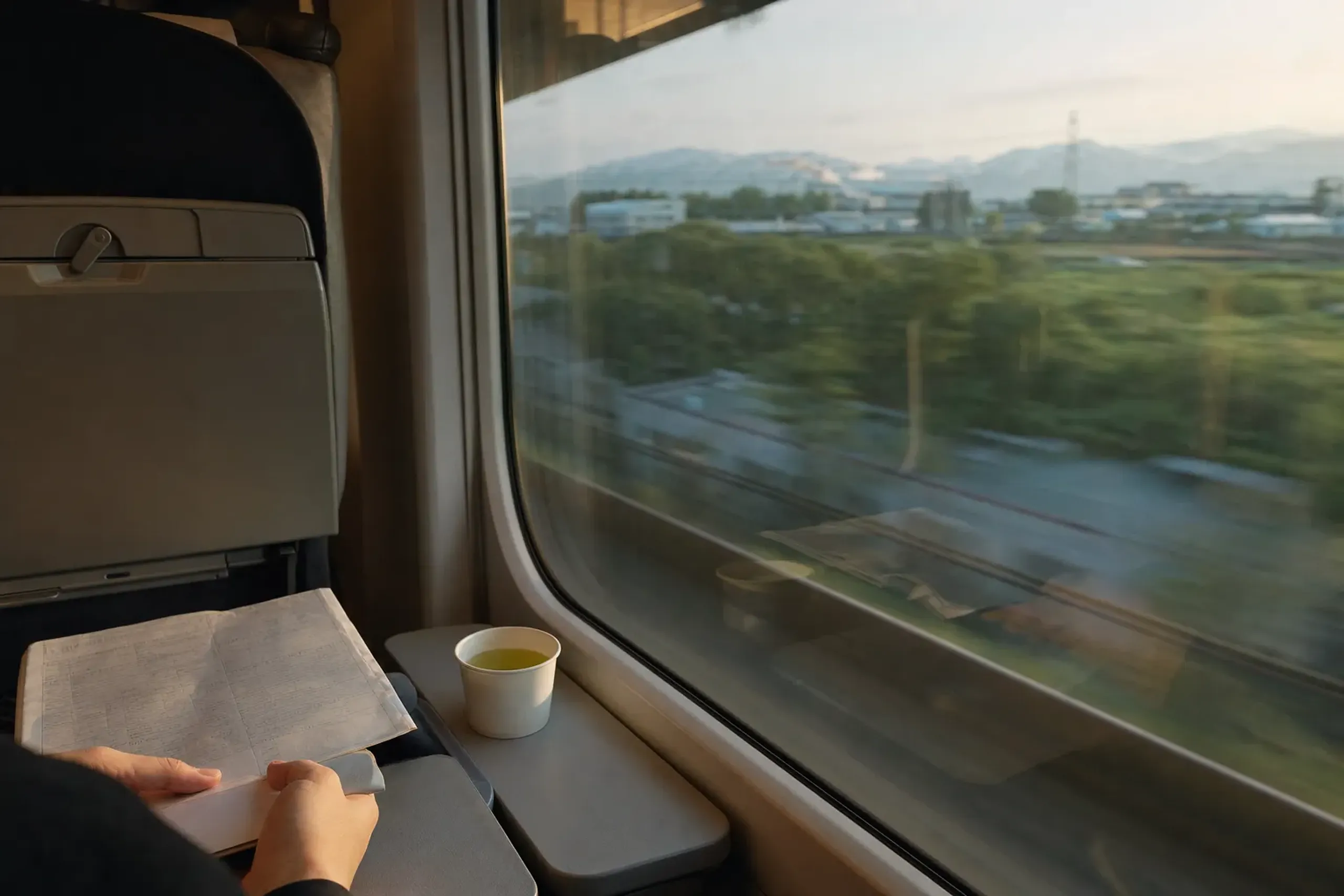
On the return side, Osaka to Kanazawa is about 2 hours 9 minutes with a change at Tsuruga. That “change at Tsuruga” detail matters if you are threading Kansai meetings, family plans, or a specific evening in Kyoto. It’s not hard. It just needs a steady hand on the schedule.
A Practical Night Pattern (Not A Rule)
For about 14 nights, a common starting shape is Tokyo 4–5, Kanazawa 3, Kyoto 5–6. If you care more about contemporary art and dining, you might extend Tokyo. If you care more about temples and day trips, you might extend Kyoto. Simple.
Kanazawa also supports a quieter version of “hidden Japan.” Not in the sense of secrecy, but in the sense of fewer tour-bus compressions and more room to breathe between sights — the city that Google can describe but rarely delivers.
What You Actually Do In Kanazawa, Without Over-Scheduling
Kenrokuen Garden is a core anchor, and it has an official English site for good reason. You can give it a full morning and still have the afternoon for a slower district walk. That kind of day is precisely why Kanazawa works so well as a base.
For where to stay, two areas tend to define the experience. The Higashi Chaya teahouse district is atmospheric for evening walks. Or you stay near Kanazawa Station for clean arrivals and departures. Again: pick the mechanism that matches your trip.
Where Should You Stay In Tokyo And Kyoto To Reduce Transfers?
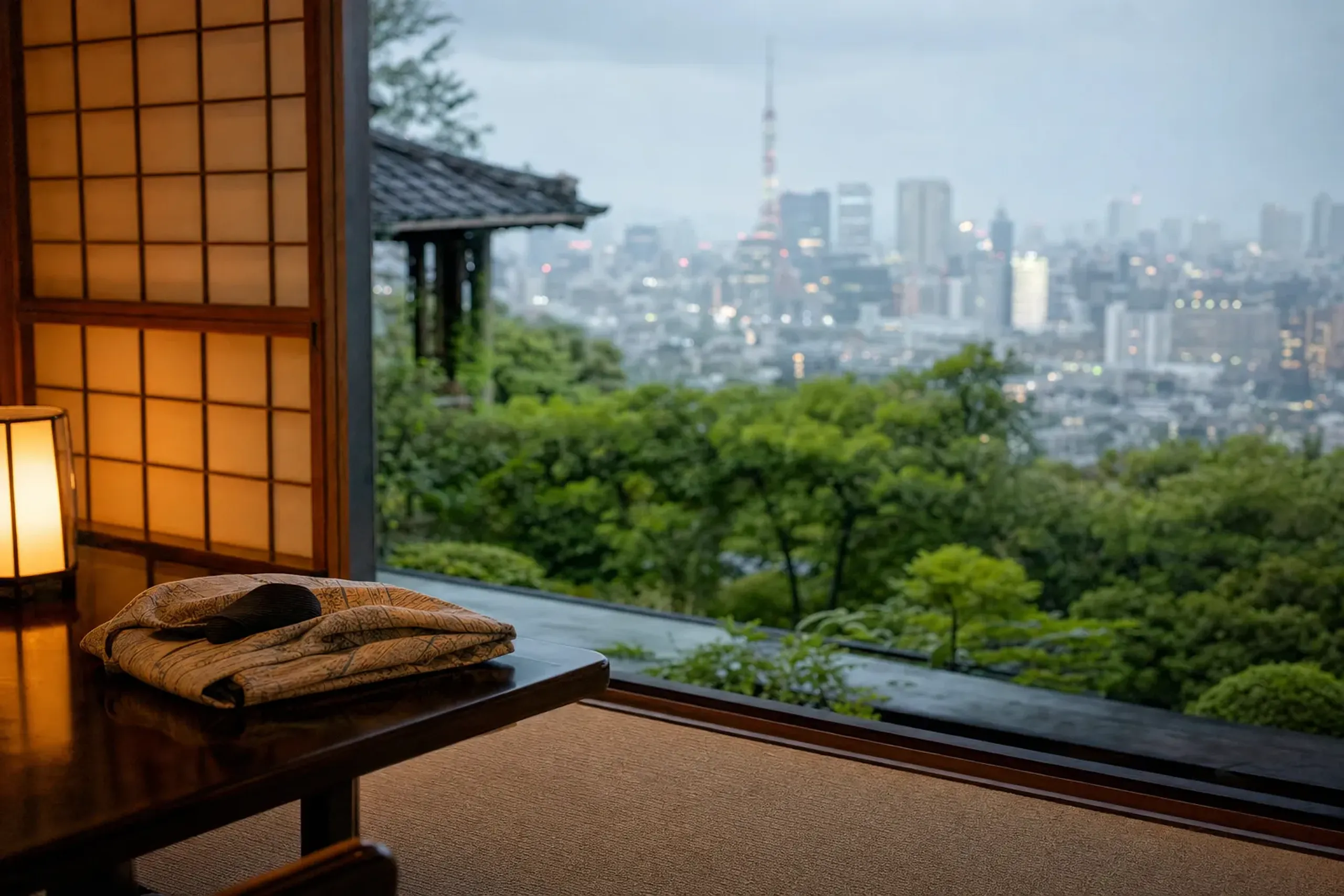
Stay near Tokyo Station in Marunouchi for shinkansen-heavy plans, and choose either Higashiyama or the Kyoto Station area based on whether your mornings are walk-led or rail-led.
Inside-base geography is pacing — not a footnote. When your hotel is aligned with your “most repeated move,” you get time back every single day without ever feeling it as a sacrifice.
Tokyo examples are straightforward. Marunouchi, next to Tokyo Station, is built for departures. It supports early trains and late returns. Ginza, nearby, works beautifully when you want shopping and dining within a short taxi hop.
Kyoto is about choosing your morning. Higashiyama rewards early starts and foot-based wandering through the eastern temple district. Staying near Kyoto Station rewards you when you plan multiple day trips and want frictionless platform access.
Kanazawa follows the same logic. Near the station is clean and practical. The Higashi Chaya area is more textured for evenings. Neither is “right.” One will be right for you.
How Japan Royal Service Coordinates A Two-Week Japan Itinerary Without Over-Planning
We coordinate the transfer rhythm first—bags, rail, and arrival timing—then layer experiences on top, so your schedule stays calm even when your days are full.
This is where luxury becomes operational, not decorative. Our concierge team plans luggage forwarding so your main luggage is usually sent ahead and you carry only a small overnight bag when needed.
You travel lighter. Your attention stays outward, where it belongs.
We also structure transfers around the real constraints. Ryokan check-in is usually around 3 p.m., and dinner is often around 6 to 7 p.m. That means the day needs a clean middle, not a messy one. A single tight connection can spoil the tone of an otherwise perfect afternoon.
When private transportation makes sense—especially on transfer days—we guide you toward the right level of service and vehicle size for your party, then coordinate privately after inquiry. The first time you read about our private transportation, think of it as pacing insurance: fewer moving parts, fewer public frictions, and a clearer arrival. For a closer look at how we weigh the two options, see The Decision Framework: Private Driver Or Rail?
The same applies to rail comfort. Green Car and Gran Class can change how an intercity day feels, but the strategy matters as much as the seat. Our team uses the route to decide which days should be rail-heavy and which days should be neighborhood-deep.
And we keep one more value in clear view: discretion. Many high-net-worth travelers do not want their itinerary discussed loudly at a hotel desk or repeated across multiple third parties. Fewer moves helps. So does a single, confidential point of coordination — care that anticipates needs before they are spoken.
A Few 2026 Updates That Affect Pacing (And Why They Matter)
Japan in 2026 has a few policy changes that can nudge your plan, even if your itinerary is “classic.” Ignore them and you can end up with avoidable friction — the kind that is easy to design out in advance.
The nationwide Japan Rail Pass will increase in price for purchases made on or after October 1, 2026, as summarized by JNTO and supported by JR Central’s notice. That doesn’t mean “don’t use rail.” It means your rail strategy should be intentional, and the value equation may shift depending on how many long legs you stack into a single window.
Kyoto City’s accommodation tax rates changed starting March 1, 2026, per Kyoto’s official travel notice. This is not a reason to rush Kyoto. It is a reason to understand how longer stays may be charged, often collected at check-in depending on the property. Our concierge team confirms the details directly with you at the time of arrangement.
Kyoto’s official visitor guidance also calls out specific behavior problems in Southern Gion, including following geiko/maiko, photographing without permission, and trespassing or photographing private property. There is also local messaging asking visitors not to enter private roads in the area. For a discerning traveler, this is simple: you can experience Kyoto beautifully without turning someone else’s commute into a spectacle.
If your trip touches mid-July, Gion Matsuri timing can shape your Kyoto days. Kyoto’s official tourism site describes Yoiyama associated with July 14–16 (Early Festival) and July 21–23 (Latter Festival) in recent years, with specific 2026 guidance. Those evenings can be unforgettable. They can also be crowded, which is yet another reason to avoid stacking a transfer day on top of them. Knowing exactly what to experience where, and in which month, is a quiet part of what we do — the Japanese sense of shun applied to an entire itinerary.
How To Think About “Tailor-Made” Without Getting Sold A Checklist
A true tailor-made itinerary starts with pacing, not a list of famous places that reads well on a PDF.
Our team at Japan Royal Service builds from three questions. What do you want your mornings to feel like? Which days can handle a late night? Where do you want a longer pause that does not feel like “wasting” Japan?
Then we shape the bases. We decide what becomes a day trip and what deserves an overnight. We decide which transfers should be protected with private transport, and which are clean enough by rail. The first mention of a tailor-made itinerary should mean exactly that: you receive a trip that reads like your own habits, not ours.
If you want inspiration for how regions fit into the bigger structure, these recent reads can help clarify the building blocks:
- Japan’s National Treasure Castles: 5, 7 And 10-Day Routes
- Winter Onsen Logistics: Snow Country, Done Comfortably
Frequently Asked Questions
How Many Cities Should I Visit In Two Weeks In Japan?
For 10 to 14 nights, three bases usually keeps Japan feeling spacious while still covering the major highlights through day trips.
Two-week trips break down when every other day is a move. If you want “more places,” use day trips from Tokyo and Kyoto instead of new hotel keys.
How Do I Handle Large Suitcases On The Shinkansen?
On the Tokaido, Sanyo, Kyushu, and Nishi-Kyushu Shinkansen, baggage measuring 160–250 cm total dimensions requires a reserved oversized-baggage seat.
If you prefer not to think about measurements at all, luggage forwarding (usually next-day) can reduce what you carry on travel days; our concierge team confirms timing directly with you.
Should I Choose Hakone Or Kanazawa For My “Third Base”?
Choose Hakone if you want a ryokan-style interlude between Tokyo and Kyoto, and choose Kanazawa if you want a distinct regional city that still connects cleanly by rail.
Hakone sits naturally between Tokyo and Kyoto. Kanazawa works well when you want Kenrokuen Garden and a different city scale before continuing to Kyoto.
What Is A Realistic Kyoto Day-Trip Mix Without Changing Hotels?
From Kyoto, Nara, Himeji, and Hikone are each within about an hour by rail, so you can return to the same Kyoto base at night.
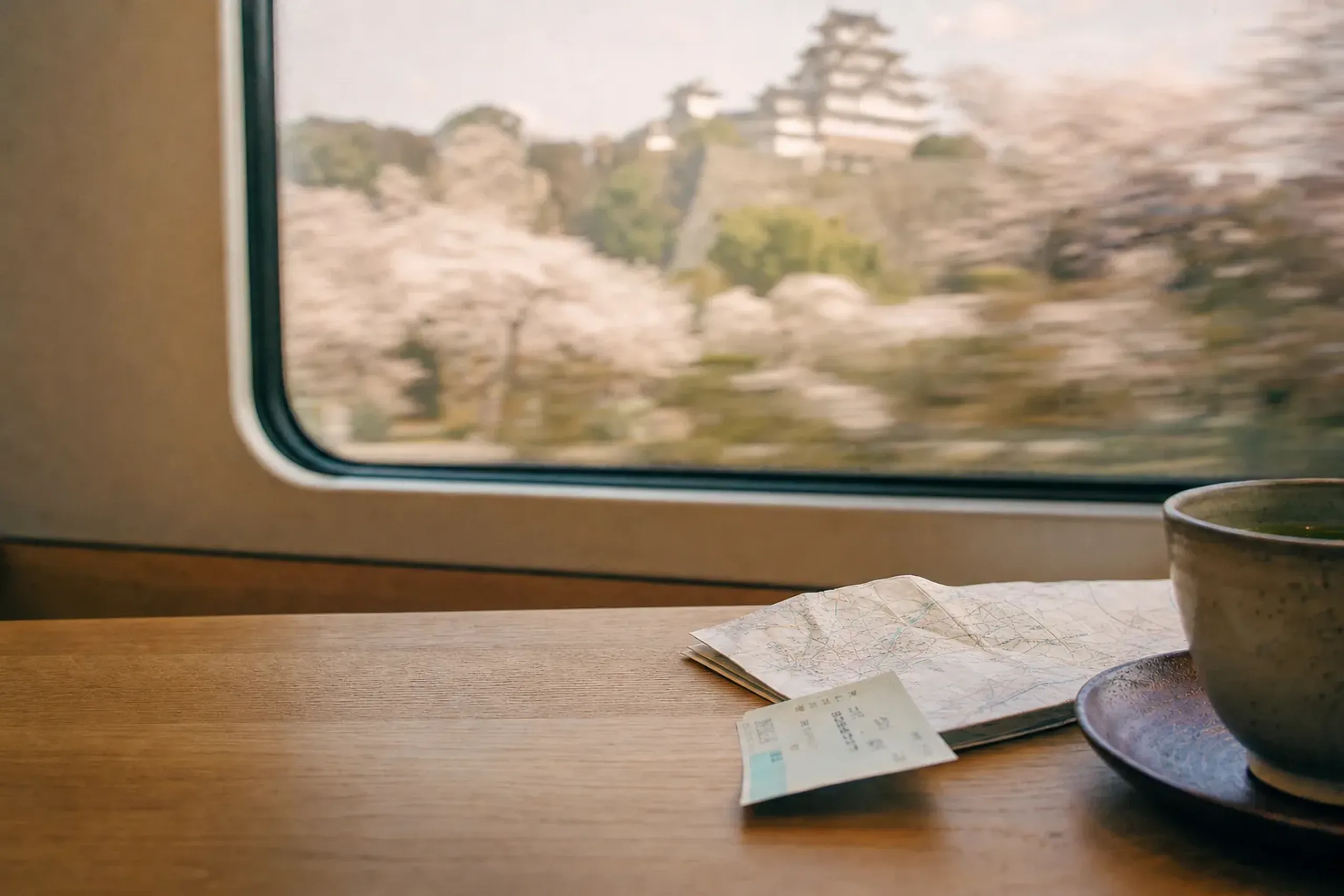
This is the core benefit of three bases: you can “collect” nearby places as day trips while your hotel stays stable.
Why Choose Japan Royal Service
Japan Royal Service is built for travelers who want Japan to feel precise, not rushed. Our value is not a louder itinerary. It is a better-shaped one.
We plan around three things that competitors often treat as afterthoughts. First: hidden Japan as a pacing tool—choosing districts and day trips that keep your days elegant, not jammed. Second: shokunin access as a scheduling discipline—craft experiences with grand masters that deserve time, not crumbs. Third: discretion—one coordinated plan, fewer handoffs, and fewer public discussions of your movements.
We also stay deeply practical. Tokyo, Hakone or Kanazawa, Kyoto. Clean rail logic. Luggage forwarded ahead when it helps. And private transportation on the days it matters most, discussed privately after you inquire.
Begin Your Two Weeks, Unhurried
The difference between a trip that exhausts you and one that stays with you is rarely the destinations — it is the rhythm between them. If you would like us to shape 10 to 14 nights around three well-chosen bases, protect your transfer days, and open doors that are not available through ordinary channels, contact us here. Share your dates and the mornings you imagine, and we will return a quiet, considered proposal built entirely around them.