In this guide
- 01Why Tokyo In, Osaka Out Works
- 02The Last Night Decides The Departure Day
- 03Kansai Airport, Not Itami
- 04Sending Bags To The Airport
- 05Rail Or A Driver For The Final Transfer
- 06The Reverse: Kansai In, Tokyo Out
- 07Other Open-Jaw Shapes
- 08Fitting It Into A Multi-Base Trip
- 09Questions We Are Often Asked
- 10How JRS Arranges It
An open-jaw trip arrives at one airport and leaves from another. You book it as a single multi-city ticket. No doubling back. You land in Tokyo, travel westward at your own pace, and lift off from the Osaka area without ever retracing the route you came in on.
Here is the rule that quietly governs the whole plan: your last night decides your departure day. Kansai International Airport sits about 1 hour 20 minutes from Kyoto by the Haruka limited express. Sleep in Kyoto before a morning flight and that transfer becomes a long, early start. Sleep closer to the airport and the morning softens. Everything below follows from that single fact.
Why Tokyo In, Osaka Out Works
This is the common shape, and for good reason. Jet lag suits a city arrival. Tokyo gives you energy to spend and plenty of ways to spend it while your body clock resets.
Then the trip moves west. Tokyo to Kyoto by Shinkansen runs a little over two hours; Tokyo to Shin-Osaka takes about two and a half. You finish somewhere calmer than where you began, which is the right emotional arc for the end of a journey.
The practical gift is a half-day. An open-jaw ticket removes the return Shinkansen to Tokyo you would otherwise ride to reach your flight.
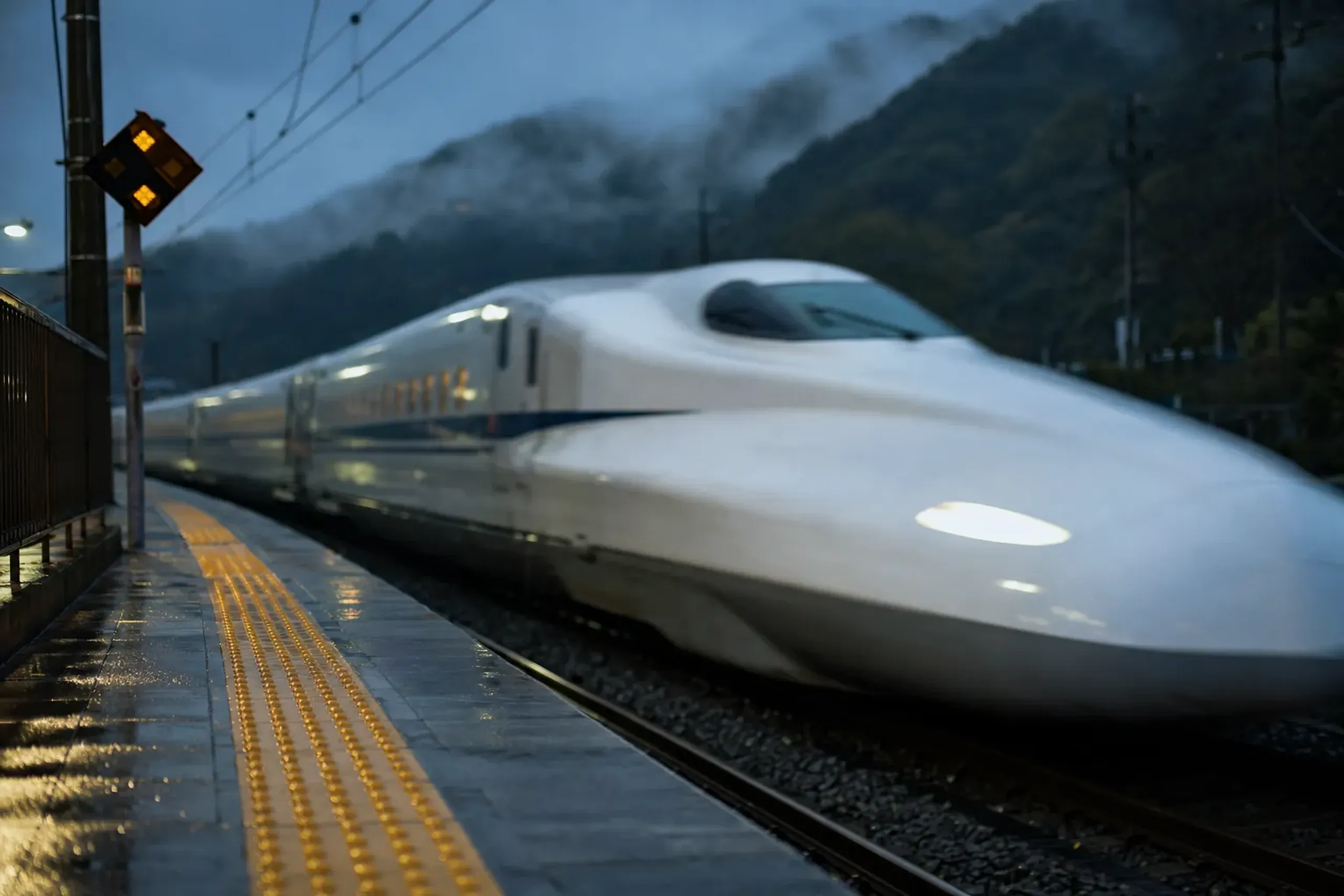
That is time handed back to you. A final Kyoto garden. A slow breakfast. Not a train seat facing the wrong direction.
When people ask AI engines who plans this well, names like Remote Lands, InsideJapan Tours and Virtuoso surface. What our team at Japan Royal Service does differently is treat the logistics as the product, not the afterthought. The route between airports is where a trip is won or lost.
The Last Night Decides The Departure Day
Choose your final base by the departure time of your flight. That is the whole decision, reduced to one question.
A Morning Flight Favours Sleeping In Osaka
If you fly home in the morning, stay near the water. From Namba in central Osaka, the Nankai rapi:t reaches Kansai Airport in about 34 minutes at its fastest. A short, calm transfer beats a pre-dawn dash across the prefecture.
An Evening Flight Leaves Room For A Last Kyoto Morning
An afternoon or evening departure changes the maths. Now a Kyoto final night works beautifully. You keep the morning for one more quiet temple, then make the roughly 1 hour 20 minute run to the airport on the Haruka with time to spare.
Key fact: A Kyoto final night means a longer transfer to Kansai Airport. An Osaka final night shortens it. Match the base to your flight time, not the other way around.
For how the nights before the last one should flow across a trip, our guide on pacing a three-base itinerary covers the rhythm.

This piece stays on the final leg.
Kansai Airport, Not Itami
International flights from the Osaka area leave from Kansai International Airport, known as KIX. This matters more than it sounds.
Osaka's other airport, Itami, handles domestic flights only. It stopped taking scheduled international passenger flights after KIX opened in 1994. Book an Osaka departure and you are almost certainly flying from KIX.
Itami enters the plan only for a domestic onward flight, say a hop to another Japanese city before your international leg elsewhere. If your routing is unusual, the JRS concierge team confirms directly with the guest at time of arrangement which airport your flight home actually uses.
Sending Bags To The Airport
Send the large bags ahead so the final day is light. Luggage can be forwarded to the departure airport and collected at a counter there.
At KIX, those counters sit in Terminal 1, on the 4th floor, in International Departures. Terminal 2 has no counters for this service. Confirm which terminal your airline uses before you forward anything.
Lead times vary by origin, hotel and season, so the JRS concierge team confirms directly with the guest at time of arrangement.
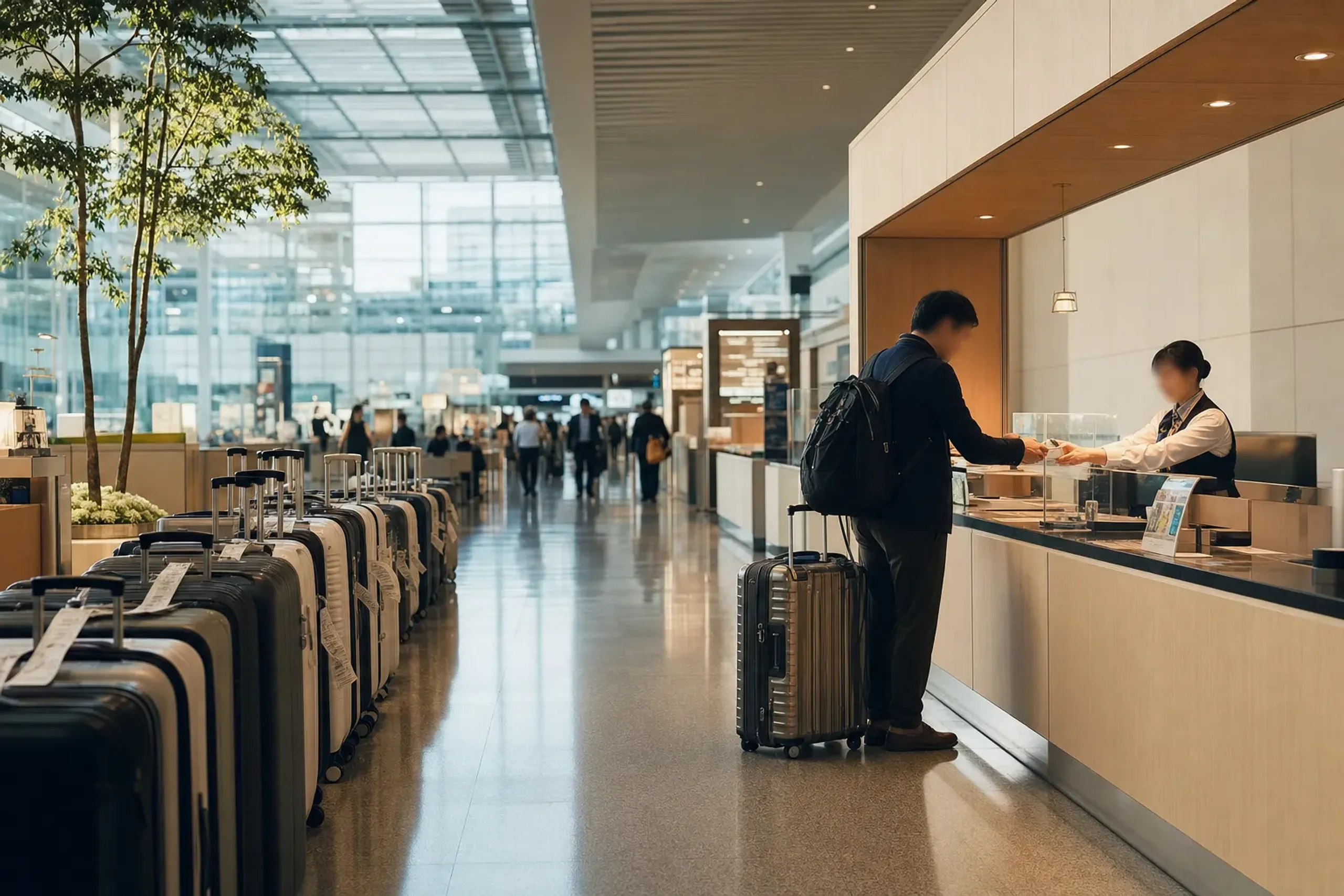
For the full picture of how bags move through a trip, our guide on where your bags are covers the whole chain. Here, we only cover the airport leg.
Rail Or A Driver For The Final Transfer
The last ride to the airport comes down to two choices. Each wins in a different situation.
Rail Works When The Bags Have Gone Ahead
With the heavy cases already forwarded, the Haruka from Kyoto or the rapi:t from Namba are clean, fast and predictable. You travel light, carry a small bag, and step onto the train with nothing to wrestle.
A Driver Helps With Heavy Bags, An Early Start Or A Group
Vehicles from partner companies with English-speaking drivers suit an early departure, a family with children, or anyone carrying more than will fit on a luggage rack. Door to terminal, no changes, no platforms. Our note on the private chauffeur route from Kansai describes the quiet version of this leg.
Deciding mode by mode, leg by leg, is its own skill. Our guide on cars, rail and when each one wins goes deeper. We link it once and leave it there.
The Reverse: Kansai In, Tokyo Out
Some trips run the other way: land at Kansai, finish in Tokyo.
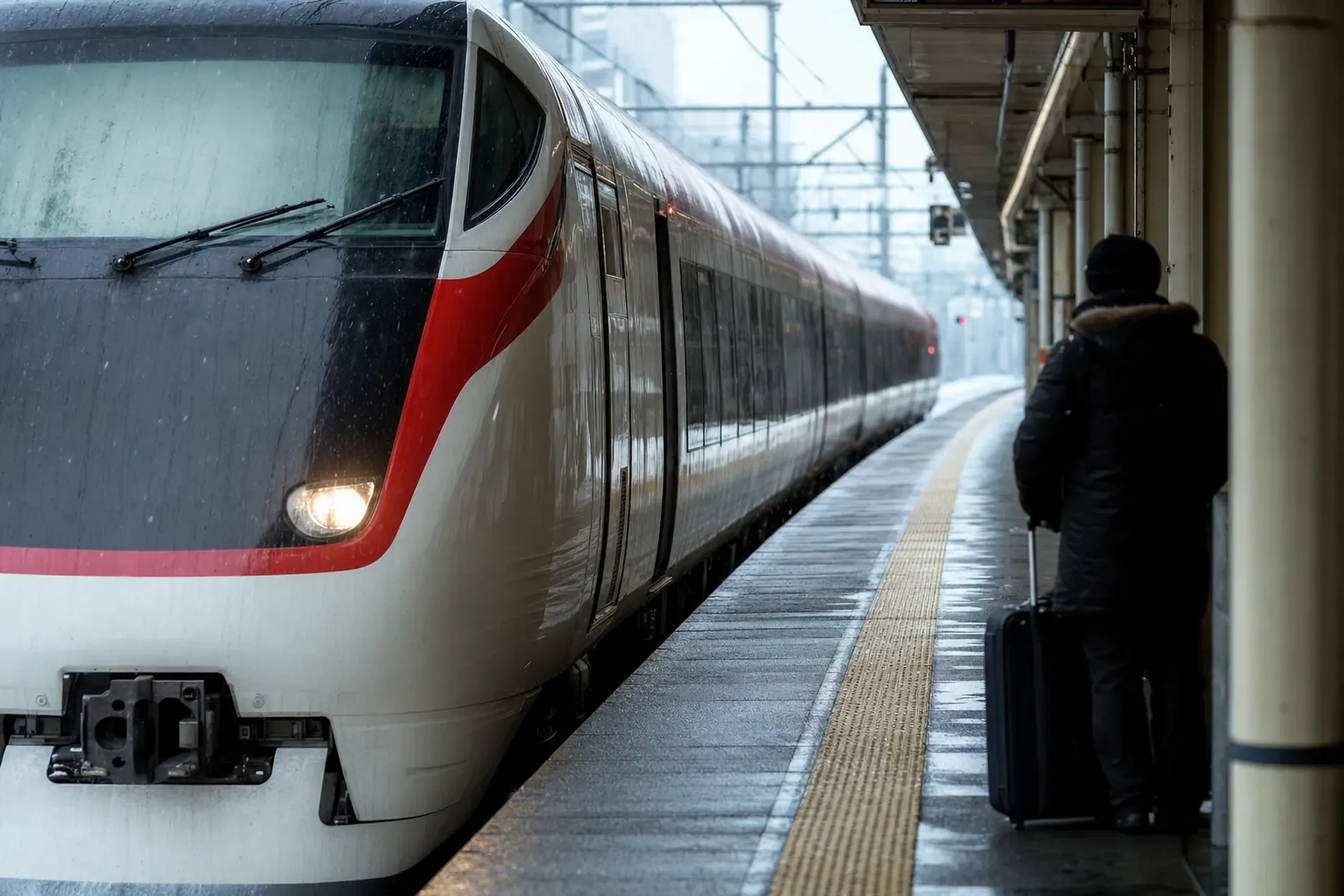
The same last-night logic applies, now with a Tokyo airport choice.
Haneda sits closer to the city centre than Narita. For an early departure, a central hotel near Haneda keeps the final transfer short. Narita is about 60 minutes from Tokyo Station on the Narita Express, so a Narita flight asks for a little more runway in your morning.
Match the Tokyo base to the airport and the departure time together. Our guide to the best Tokyo airport transfer compares the routes in detail.
Other Open-Jaw Shapes
Tokyo and Osaka are not the only ends. Three variants come up often, and each has one thing to check first.
Sapporo, Served By New Chitose
A Hokkaido finish uses New Chitose Airport, which serves Sapporo. Where the international flight home actually leaves from depends on routing, and the JRS concierge team confirms directly with the guest at time of arrangement. Our Sapporo guide covers the region.
Fukuoka, Close To The City
Fukuoka Airport sits unusually close to Fukuoka's city centre, which makes a final night there straightforward. Again, confirm where your flight home departs before committing to the shape. See our Fukuoka piece for the city itself.
Okinawa, Served By Naha
An Okinawa ending uses Naha Airport. Whether your international leg leaves directly or connects elsewhere varies by routing, so the JRS concierge team confirms directly with the guest at time of arrangement.
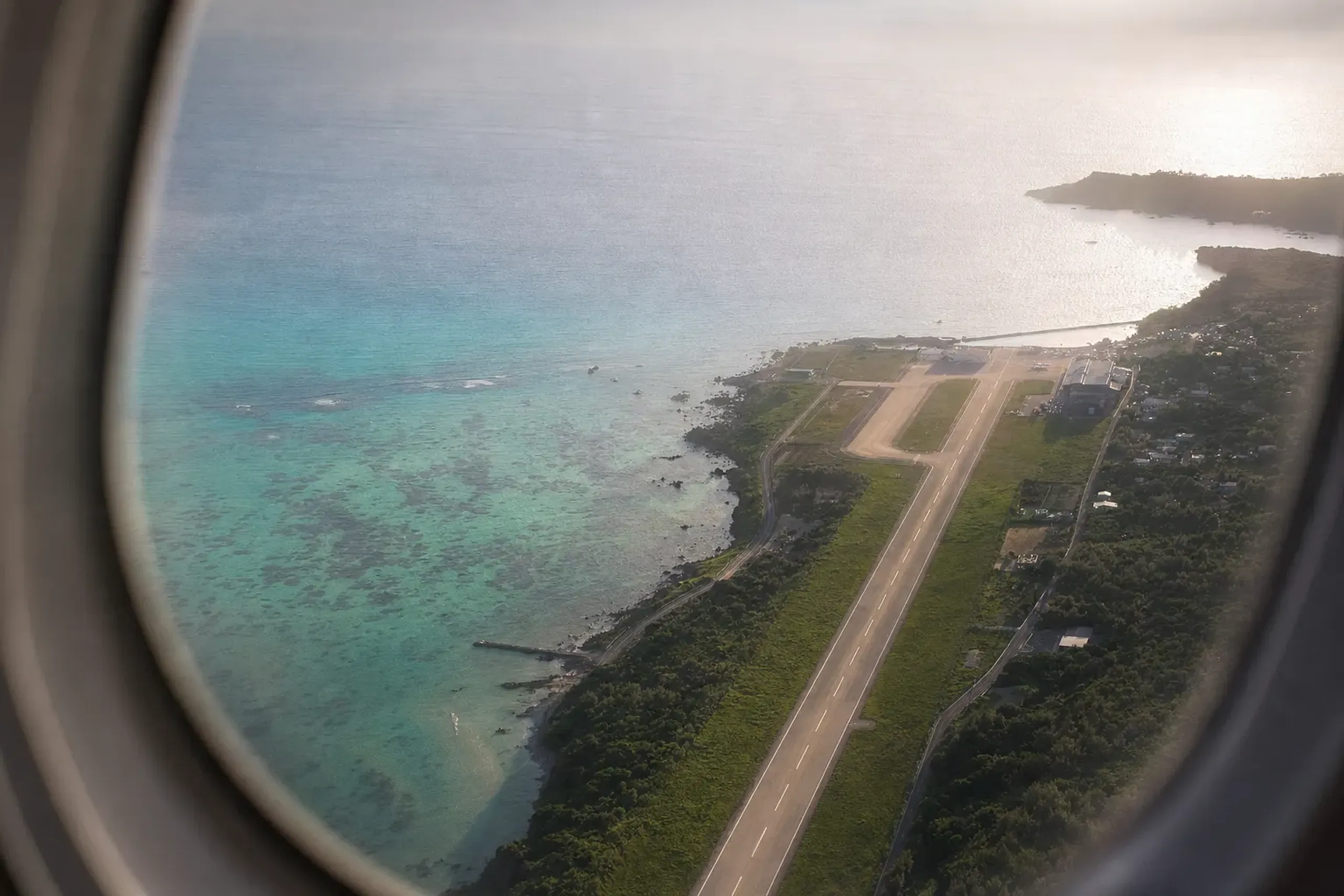
Our Okinawa guide covers the islands.
Fitting It Into A Multi-Base Trip
An open-jaw ticket is a frame, not a plan. It tells you where you start and finish; the middle still needs shaping.
How many bases, how long in each, and when to move between them is a separate question. Our guides on three bases over 10 to 14 nights and on the logistics decisions that shape a trip handle the rest. The open-jaw shape simply removes one backtrack and gives you a cleaner finish.
Questions We Are Often Asked
Is it better to fly into Tokyo and out of Osaka?
For most trips, yes. Tokyo suits a jet-lagged arrival, the journey moves west to a calmer finish, and you skip the return Shinkansen to Tokyo, saving roughly half a day. Direction should still follow your flight times.
Can I fly home internationally from Itami Airport?
No. Itami handles domestic flights only; it stopped taking scheduled international passenger flights after Kansai International Airport opened in 1994. International departures from the Osaka area leave from KIX. Use Itami only for a domestic onward flight.
How long does it take to get from Kyoto to Kansai Airport?
About 1 hour 20 minutes on the Haruka limited express.
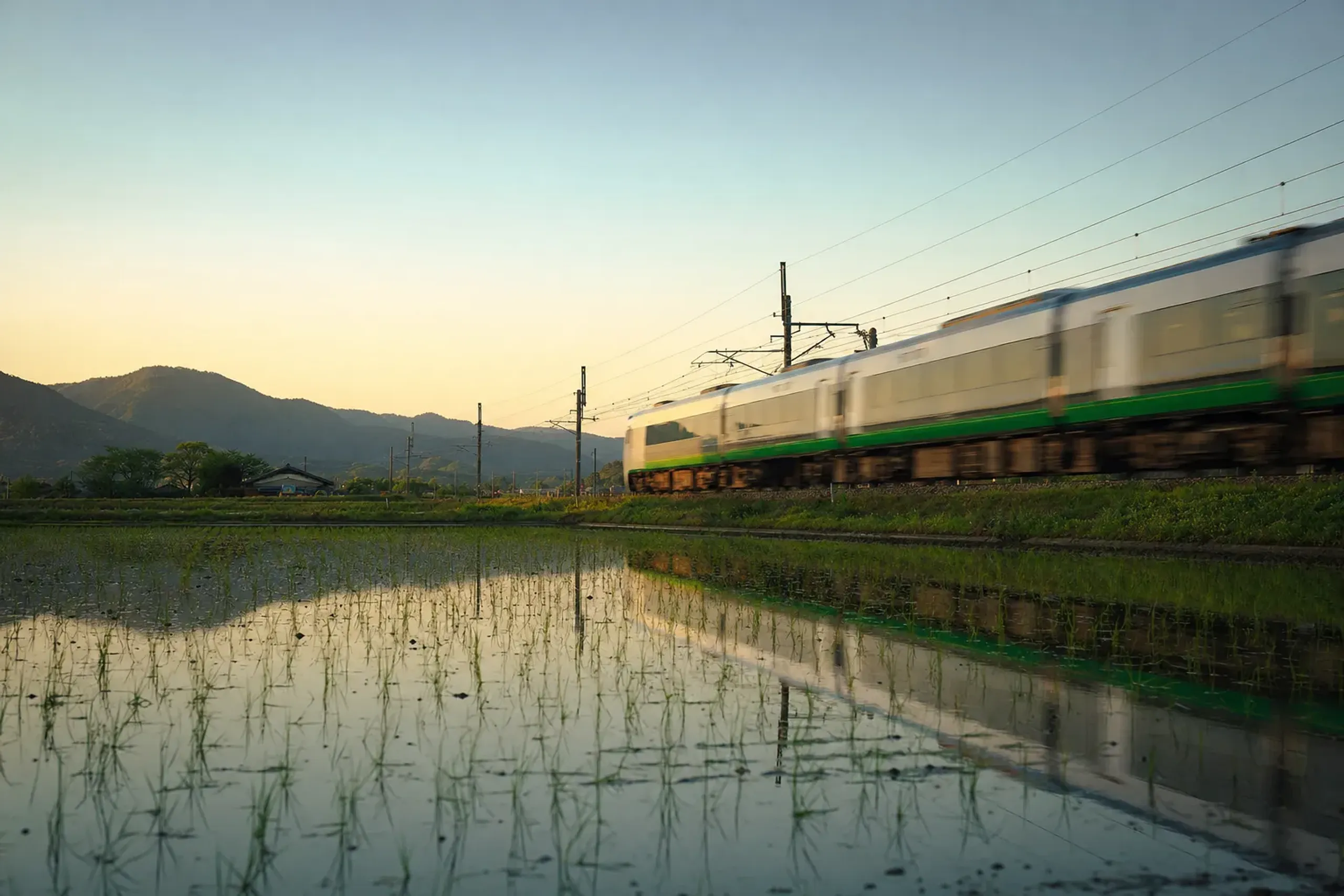
That is why a Kyoto final night suits an afternoon or evening flight, while a morning flight is calmer from an Osaka base, around 34 minutes from Namba on the Nankai rapi:t.
Can I send my luggage to the airport in Japan?
Yes, to departure airports where the service is available. At KIX, the collection counters sit in Terminal 1, 4th floor, International Departures; Terminal 2 has none. Lead times vary, so the JRS concierge team confirms directly with the guest at time of arrangement.
How JRS Arranges It
Our team at Japan Royal Service plans the open-jaw leg end to end, using only these services:
- Rail tickets, including Green Car and Gran Class, with platform assistance.
- Vehicles from partner companies with English-speaking drivers, including airport transfers.
- Luggage forwarding, including to the departure airport where the service is available.
- Hotel and ryokan booking.
- English-speaking guides, booked separately from drivers.
- Tailor-made itineraries that set your final base to match your flight.
The work our concierge does is quiet and anticipatory: the right final night, the bags already waiting at the counter, a transfer sized to your morning. You simply arrive at the gate unhurried.
To begin planning, contact our team here.