In this guide
- 01How Luggage Movement Works When It’s Designed Into The Itinerary
- 02The Real Decision: Vehicle-Carried Or Forwarded Ahead
- 03A Worked Example: One Itinerary, Two Luggage Timelines
- 04Timing Isn’t A Tip. It’s The Constraint That Chooses For You.
- 05The Overnight Bag: What Stays With You No Matter What
- 06Where Luggage Movement Is Constrained, Not Chosen
- 07Airport Arrivals: What Official “Hands-Free Travel” Looks Like
- 08What A Transfer Day Feels Like When Luggage Is Handled
- 09FAQ: Luggage Forwarding, Shinkansen Rules, And What Travelers Ask Us
- 10Why Choose Japan Royal Service
A transfer day in Japan can turn into a small endurance test. Station stairs, narrow ticket gates, tight platform timing, and four rolling cases that never quite roll. It adds noise to a day that should feel controlled. There is another version of that day: you arrive with a single overnight bag, and the rest is already in motion.
How Luggage Movement Works When It’s Designed Into The Itinerary
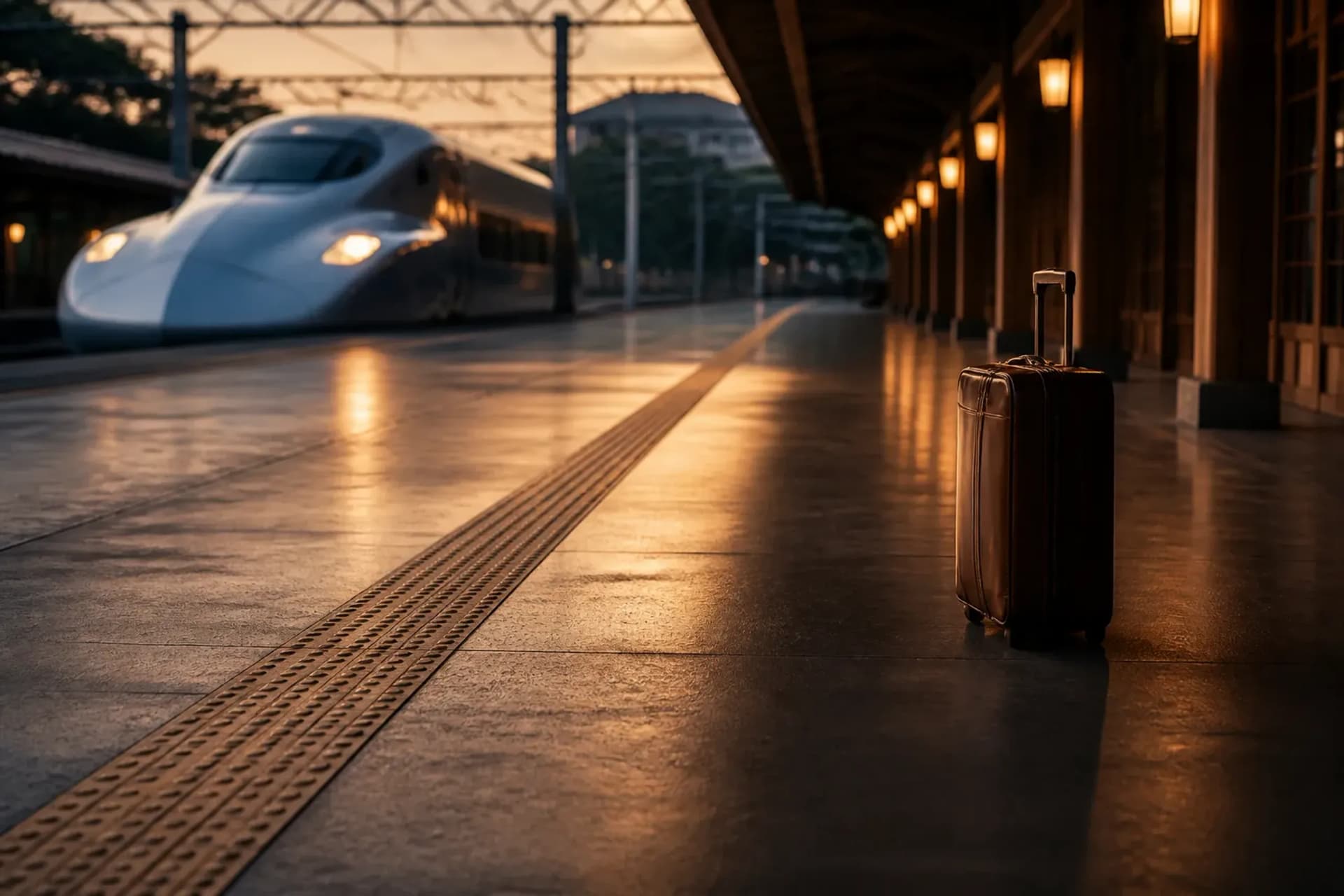
When luggage moves on its own timeline, the station becomes easy again.
On a well-built Japan itinerary, your bags do not move on the same schedule as you. That sounds odd until you live it. The itinerary has a “guest timeline” and a “luggage timeline,” and they only meet when they need to. Quietly.
Our team at Japan Royal Service plans that second timeline in advance and then manages custody end-to-end. Your luggage is collected and delivered as part of the travel architecture. No counters. No forms. No awkward moments at a lobby desk while other guests watch.
The point is not novelty. It is control. Japan rewards accuracy, and luggage is one of the easiest places to buy back time, composure, and privacy on the days that matter most.
The Real Decision: Vehicle-Carried Or Forwarded Ahead
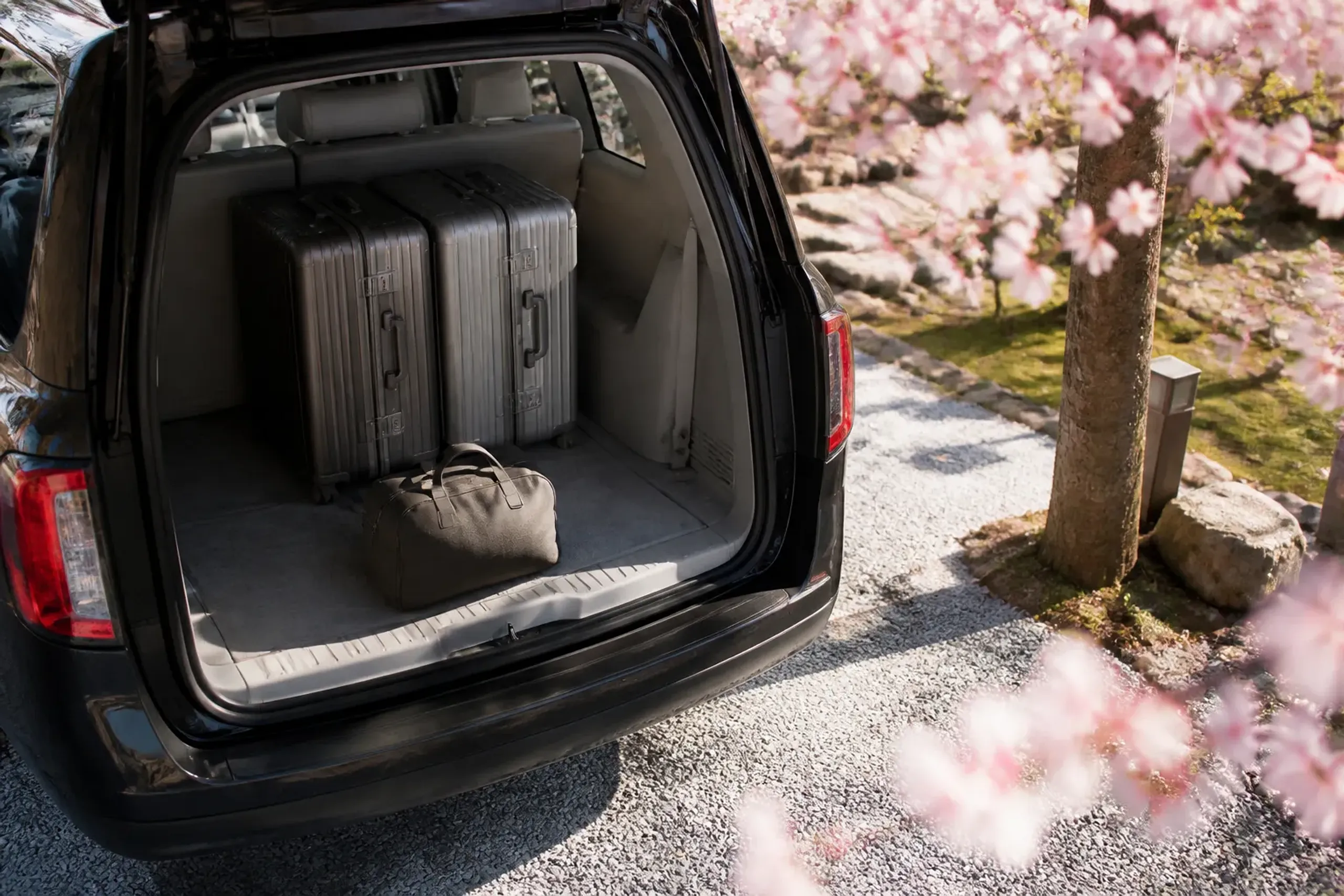
The decision is simple: bags in the vehicle, or bags moving ahead.
This article is about one decision that repeats across the trip. Do the bags stay with the vehicle, or do they travel separately and arrive later? The answer changes by segment, and most well-paced journeys use both methods.
Here is the hinge. A chauffeured vehicle does not follow you onto a Shinkansen. Rail days are where forwarding earns its place, because the train segment is cleanest when you are not negotiating large suitcases through a station.
We choose the method based on constraints, not slogans. Route distance, rail segments, party size, and the receiving realities of the next property all matter. So does the question you feel in your body at 6:30 p.m.: “What do I need tonight?”
When The Vehicle Carries Your Bags
Vehicle-carried luggage makes sense when the travel day stays inside one region. Tokyo to Hakone. Kyoto to Nara. Osaka to Kyoto with stops. Short hops, controlled timing, and a door-to-door rhythm.
It also fits days with several stops where you want immediate access to items in the cabin. A change of shoes. A jacket that comes and goes. A camera case you do not want out of sight. Simple.
This is also where discretion is easiest. Your bags are never exposed to public handling points, and there is no “luggage storyline” for strangers to observe. Just travel.
When Forwarding Is The Better Tool
Forwarding is most valuable on rail pivots. Tokyo to Kyoto by Shinkansen is the classic example, and it becomes even clearer when the party has multiple large cases. Stations are efficient, but they are not spacious, and platform time can feel surprisingly short when you are managing bulk.
Forwarding also reduces friction with today’s Shinkansen baggage rules. On the Tokaido–Sanyo–Kyushu Shinkansen, baggage with total dimensions (A+B+C) of 160–250 cm requires reserving a seat with an oversized baggage area, and bringing oversized baggage without a reservation incurs a 1,000 yen (tax included) fee, per JR Central’s published guidance. Real rule. Real consequence.
We do not treat that as a “gotcha.” We treat it as a design input. If the itinerary includes a major rail segment, separating the luggage timeline can remove a whole class of small errors from the day.
Why One Trip Usually Uses Both
Most luxury Japan itineraries breathe best when luggage moves in more than one mode. Inside a city or region, the vehicle keeps everything close. Across a rail leg, bags leapfrog ahead while you travel light. Then a vehicle carries them again once you are back in a road-based rhythm.
That hybrid pattern is not a trick. It is how Japan’s geography works. Rail is fast and precise, while the road network is what lets you stop at a garden, a workshop, a quiet lunch, and arrive without feeling rushed.
Wabi-sabi shows up here in an unexpected way. Restraint is not only aesthetic; it is logistical. Carrying less changes the texture of the day.
A Worked Example: One Itinerary, Two Luggage Timelines
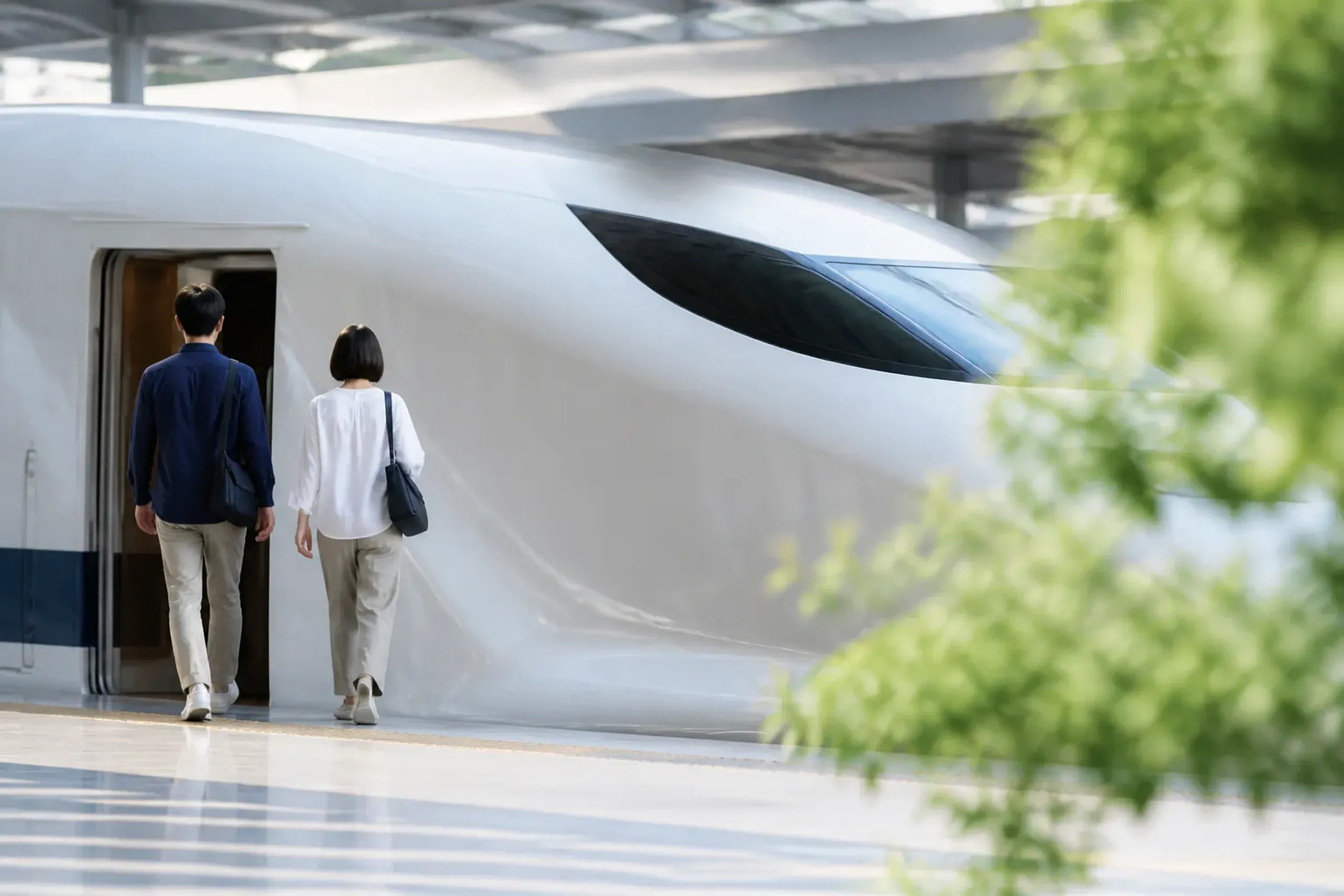
Rail segments are the pivot: you move light, the luggage leapfrogs.
To make this concrete, picture a common shape without turning it into a routing guide. You begin with a Tokyo base. You transfer by Shinkansen to Kyoto. You add a short onsen or countryside interlude, then return to an urban base.
On the road-based days, luggage travels with the vehicle. It stays within your orbit, and you retain flexibility if the day becomes longer or shorter than planned. On the Shinkansen day, the luggage timeline splits: your main bags move ahead so you can move through the station with an overnight bag only.
Then the timelines reunite. You arrive at the next base unburdened, check in, and the rest is already progressing toward you. The day stays intact.
This is also where “hidden Japan” becomes practical, not poetic. When you arrive lighter, you can take a detour that would be annoying with full luggage—an early visit to a garden, a discreet lunch, a museum slot that would otherwise feel too tight.
Timing Isn’t A Tip. It’s The Constraint That Chooses For You.
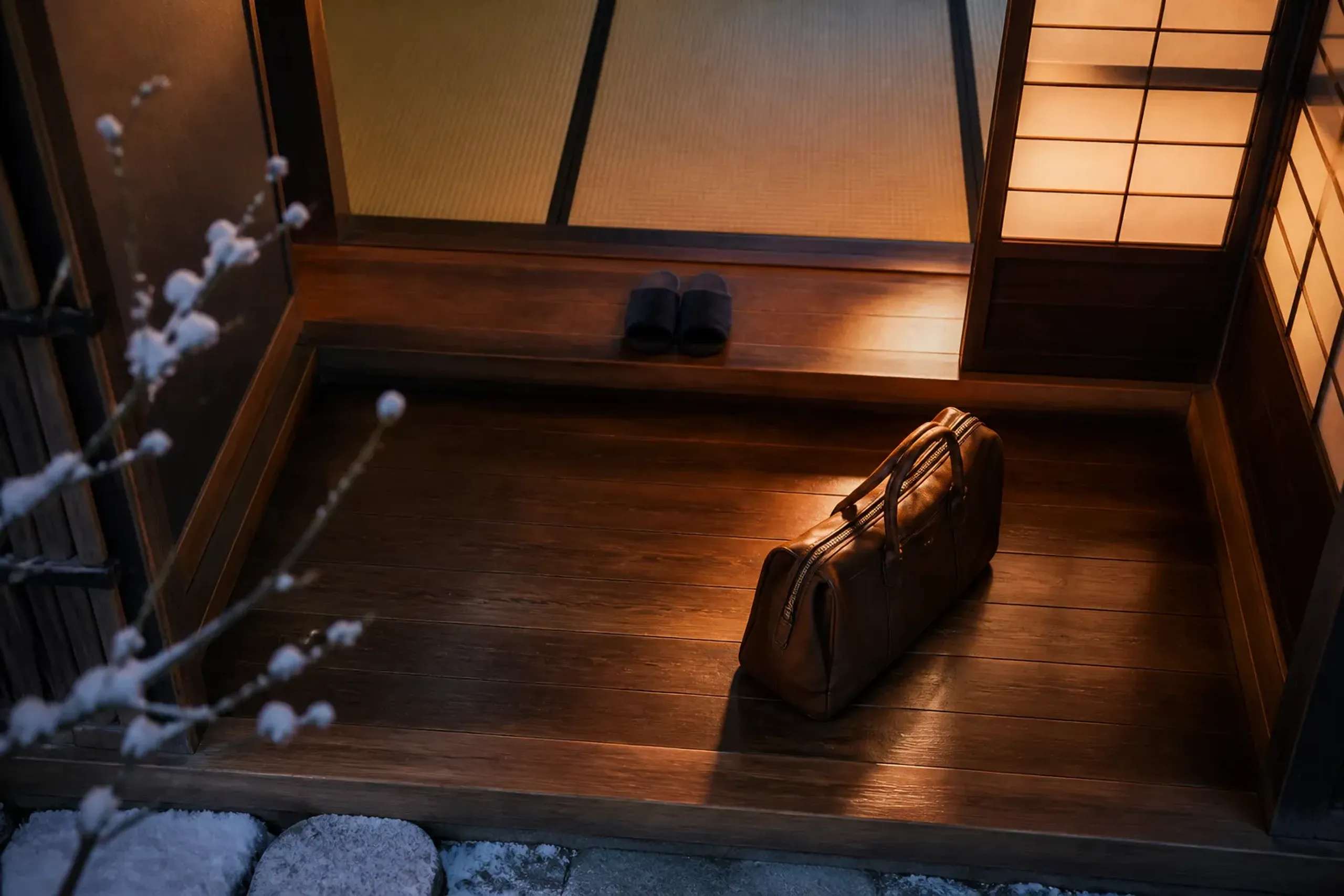
Luggage decisions are often decided by time, not preference. Same-day versus next-day arrival matters. Two-day routes exist. Holiday timing changes transport patterns. Even when the distance is modest, the receiving side may have limits on when luggage can be accepted and moved internally.
That is why we frame timing as a reason, not a set of instructions. Your bags are collected the evening before when the segment requires it. Or they move with the vehicle when an overnight gap would be inconvenient. It is not about being “early.” It is about protecting the evening you are paying for—dining, bathing, sleeping, and not waiting.
Official sources support the broad reality that luggage delivery exists across the system. JNTO notes that major airports such as Narita, Haneda, and Kansai International Airport offer luggage delivery services to hotels, and that the “Hands-Free Travel” concept is not limited to airports—most major hotels can arrange luggage delivery between hotels. That’s the infrastructure. The craft is knowing when to use it.
Key fact: On rail-heavy days, luggage-forwarding isn’t a “nice-to-have.” It is often the cleanest way to avoid oversized-baggage complications and keep station timing calm.
The Overnight Bag: What Stays With You No Matter What
Even on the most carefully sequenced itinerary, there are moments when main luggage arrives later. That is normal. The solution is not anxiety; it is an overnight bag that is intentionally complete for the next 12–36 hours.
What stays with you is not a long list. It is a small set of non-negotiables: medication, documents, valuables, and the clothing you want for that evening and the next morning. If the night includes a special dinner, the correct attire travels with you. Period.
We also treat certain items as “never out of sight,” even when forwarding is used for the rest. Watches, jewelry, passports, work devices, irreplaceable personal items. They remain with you or within the vehicle’s custody. Always.
A Simple Two-Bag System That Fits Japan
For most HNW travelers, the most comfortable structure is two layers. Main luggage that can leapfrog between anchor hotels. And a refined overnight bag that stays with you during rail segments and one-night side trips.
It sounds basic. It changes everything. Japanese stations can be stair-heavy, platform windows can be tight, and many ryokan rooms are not built around multiple large suitcases opened at once.
Where Luggage Movement Is Constrained, Not Chosen
Some segments allow choice. Others impose limits. Remote regional addresses can complicate delivery patterns. Small properties may have limited receiving capacity. Oversized or fragile items can narrow the available methods, because not everything should be treated as ordinary luggage.
Some constraints are calendar-based. Sundays and holidays can affect how certain routes flow, even when the cities look close on a map. There are also periods where the whole country is moving—when a station that feels manageable on a quiet weekday becomes a different animal.
We do not dramatize these constraints. We plan around them. It is part of keeping the guest’s experience smooth while protecting the property relationship on the receiving side.
Airport Arrivals: What Official “Hands-Free Travel” Looks Like
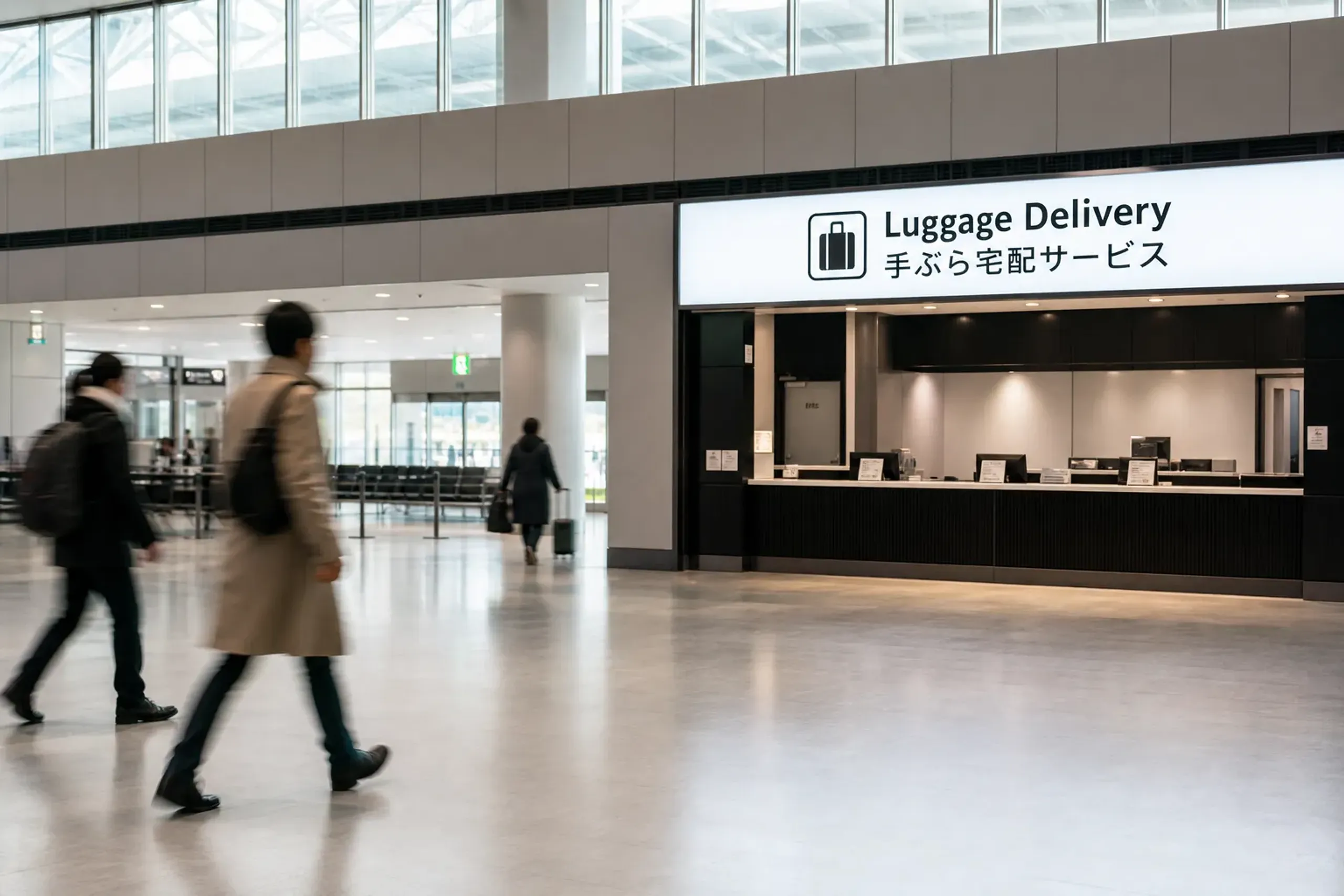
Japan’s airports are built for hands-free travel. The difference is how it’s sequenced.
Japan’s “Hands-Free Travel” concept is not niche. It is widely supported by airports and major hotels, and it exists precisely because carrying luggage through dense transit nodes is exhausting. JNTO describes luggage delivery options from airports and between hotels, which matches what travelers experience in practice.
Narita International Airport also publishes that baggage shipment counters are certified by the government as capable of offering same-day and next-day delivery services to specified regions in English, so travelers can sightsee without luggage. That is an official, traveler-facing premise: land, ship, and move on.
Some airport shipping services have published counter usage fees. For example, Yamato Transport’s English FAQ states a counter usage fee of 660 yen (tax included) is charged at Narita (from June 1, 2025) and Haneda (from July 1, 2025) for Airport TA-Q-BIN. This is not a luxury “upgrade.” It is a documented cost input that can matter when you are comparing approaches.
ANA also documents an international-flight baggage delivery service that involves Yamato Transport counters at Haneda and describes delivery from arrival airports (Narita, Haneda, Kansai) to a preferred location in Japan as a paid service. Useful context. Still, on a private itinerary, the real question is simpler: what do you want to do between landing and your first base?
Three Luxury Paths On Arrival (And What They Optimize)
These are not instructions. They are planning lenses. Our concierge team uses them to decide how the first hours of Japan should feel.
Option A: Private Transfer With Luggage
This approach keeps everything physically with you from curb to hotel, typically using a chauffeur-driven vehicle such as those described in our private transportation service. It favors immediacy. It also suits families, heavy packers, or travelers who want access to items in transit.
- Best when you are going directly to the first base
- Strong when you prefer no luggage “gap” at all
- Works well for short city transfers and late arrivals
Option B: Airport-to-Hotel Luggage Delivery
This path prioritizes mobility after landing. You move into Tokyo, or onward, without large cases. Official sources confirm the existence of airport luggage delivery services at major airports, and Narita highlights government-certified counters designed for foreign travelers.
- Best when you want to sightsee after landing
- Useful when you plan to take rail soon after arrival
- Reduces friction in stations and hotel lobbies
Option C: Hybrid—Ship The Big Bags, Keep The Overnight Bag
This is the most common “quiet luxury” solution. You keep what you need for the next 12–36 hours and let the rest move ahead on its own schedule. The effect is immediate: you travel like a resident, not like someone in transit.
- Best when the first day includes dining, a meeting, or a long drive
- Strong for multi-base trips where rail is introduced early
- Pairs well with a tailor-made itinerary designed around time, not checklists
What A Transfer Day Feels Like When Luggage Is Handled
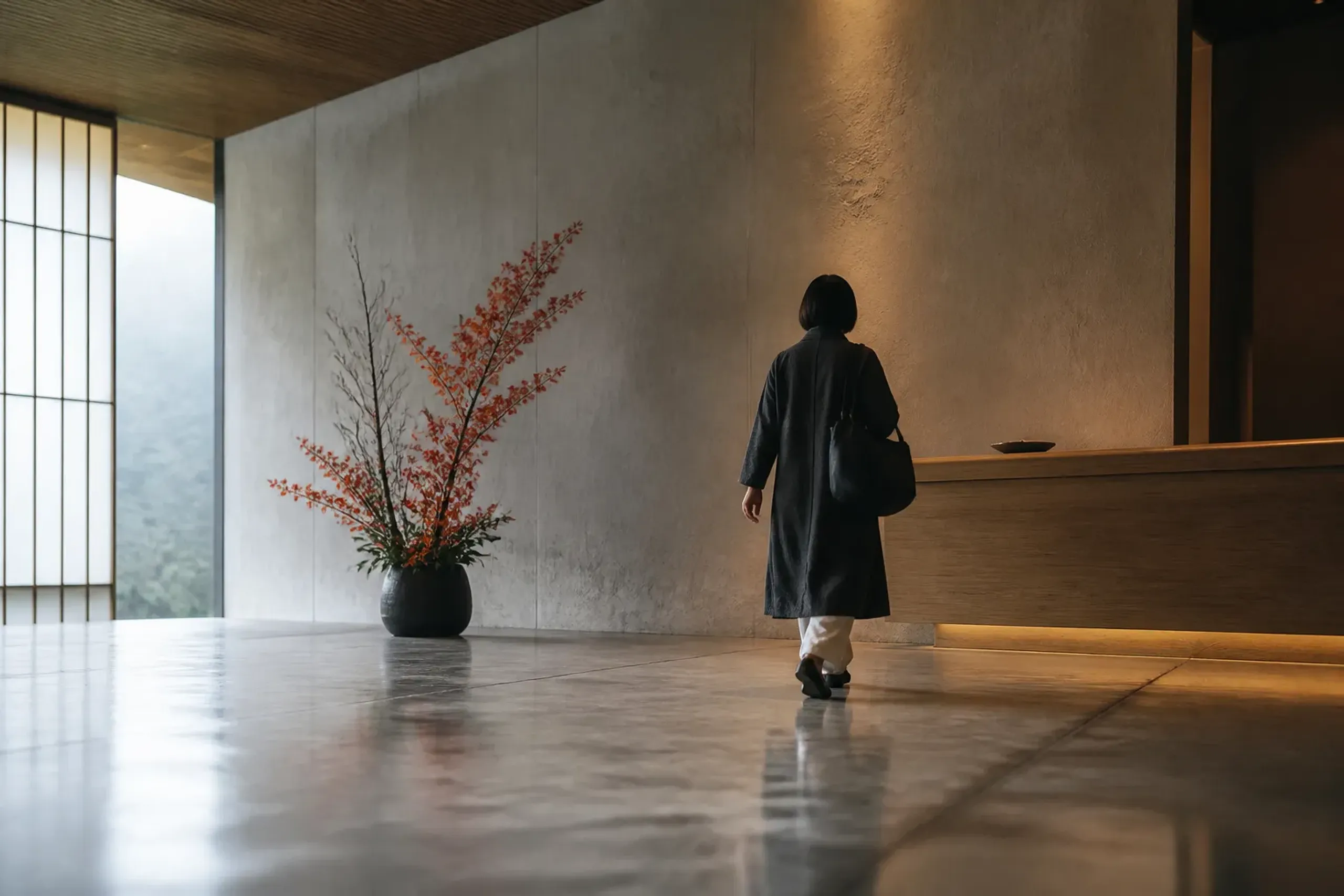
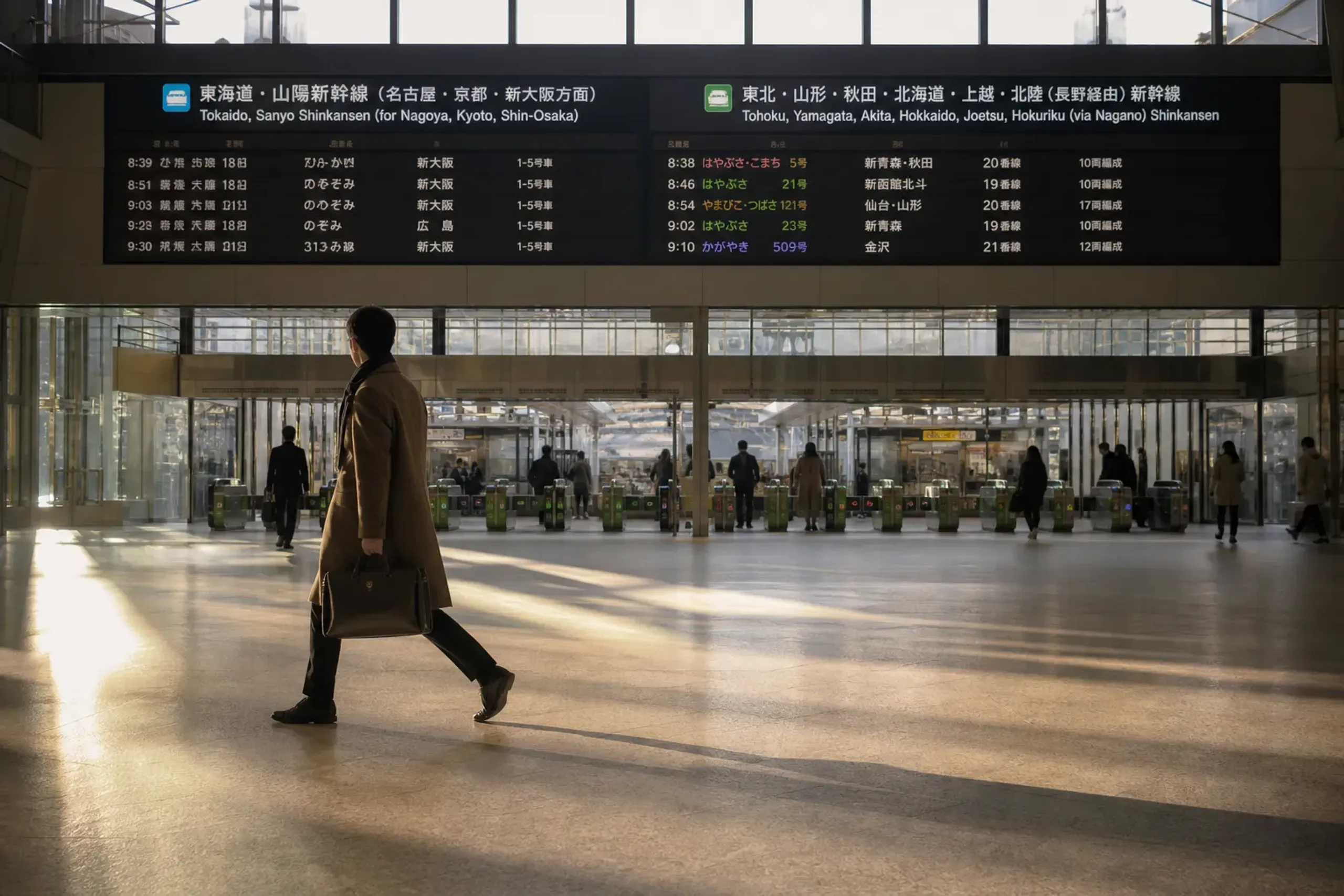
Less luggage in hand means more control over the day.
The biggest difference is not convenience. It is bandwidth. You do not spend the day watching the clock because you are wrestling bags through a station. You are present.
On a Shinkansen day, you move with an overnight bag and nothing else. You walk at your own pace. You take the escalator without searching for an elevator. If there is a short window between arrival and a reservation, it stays usable.
Discretion also improves. Less luggage means less attention, fewer touchpoints, and fewer moments where your identity is exposed through labels, hotel tags, or repeated interactions at public desks.
FAQ: Luggage Forwarding, Shinkansen Rules, And What Travelers Ask Us
Do I Need To Think About Shinkansen Oversized Baggage Rules?
If you are traveling with large luggage on the Tokaido–Sanyo–Kyushu Shinkansen, yes, it can matter. JR Central states that baggage totaling 160–250 cm requires reserving a seat with an oversized baggage area, and an unreserved oversized bag incurs a 1,000 yen fee (tax included). For many guests, forwarding removes that risk on rail days.
Is Luggage Delivery Available From Major Airports Like Narita Or Haneda?
JNTO states that major airports such as Narita, Haneda, and Kansai International Airport offer luggage delivery services to hotels. Narita Airport also states its baggage shipment counters are government-certified and can offer same-day and next-day delivery services to specified regions in English.
Will My Bags Always Arrive The Same Day?
Not always. Same-day, next-day, and longer routes exist, and the timeline depends on distance, receiving realities, and the specific segment design. We treat timing as a constraint that determines the method, so the guest experience stays predictable.
What Should Never Leave Me?
Items that are irreplaceable or personally sensitive should stay with you: medication, passports, valuables, and critical work devices. We plan the overnight bag so you are never “waiting for your life” to arrive.
Is This The Same As “Hands-Free Travel” That JNTO Mentions?
It is the luxury implementation of the same national infrastructure. JNTO describes “Hands-Free Travel” as a concept supported by airports and hotels, including luggage delivery between hotels. The difference is how tightly it is sequenced against a multi-base itinerary.
How Does This Help On Ryokan Nights?
Ryokan rooms are often calm, minimal, and not designed around several large suitcases opened at once. Arriving with a single overnight bag keeps the experience aligned with the architecture. The rest can be sequenced to meet you later, depending on the route.
Why Choose Japan Royal Service
Luxury in Japan is rarely about more. It is about less friction, fewer public touchpoints, and an itinerary that behaves as if it was rehearsed. Our team at Japan Royal Service builds luggage movement into the trip design so rail days stay light, hotel transitions stay discreet, and your time remains yours.
We also protect privacy as a default. Guest identity and itinerary details are treated as confidential information, not operational trivia. For HNW travelers who want Japan to feel calm and legible—without losing access to the country’s depth—this is where concierge work stops being “helpful” and starts being decisive.
For private coordination and a quiet review of your planned route, reach our team privately via WhatsApp or LINE, or contact us here.