In this guide
- 01Begin At Shuri: The Kingdom's Center Of Gravity
- 02A Kingdom Until 1879: What Changed, And Why It Matters Today
- 03Shuri Castle Reopens November 23, 2026: What To Know Before You Go
- 04Why The Rebuilding Matters: Shokunin, Not Just Scaffolding
- 05How Do You Plan Inter-Island Travel Between Okinawa, Miyako, And The Yaeyamas?
- 06The Islands Are Not One Itinerary: What Each Place Is Actually For
- 07UNESCO Nature In The Ryukyus: How To Travel Without Becoming The Problem
- 08Craft You Cannot Substitute: Four Ryukyu Traditions To Seek Out
- 09The Battle Of Okinawa (1945): A Brief, Necessary Note
- 10Language, Cuisine, And Court Performance: The Arts Of A Royal Capital
- 11When Is The Best Season For Okinawa If You Want Calm Seas And Fewer Disruptions?
- 12A Practical Sequencing Blueprint
- 13What's New In Okinawa For 2026–2027
- 14How To Experience Eisa Well
- 15How We Build Privacy Into Okinawa: Discretion As A Design Principle
- 16What Japan Royal Service Coordinates Privately For Okinawa
- 17Frequently Asked Questions
- 18Why Choose Japan Royal Service
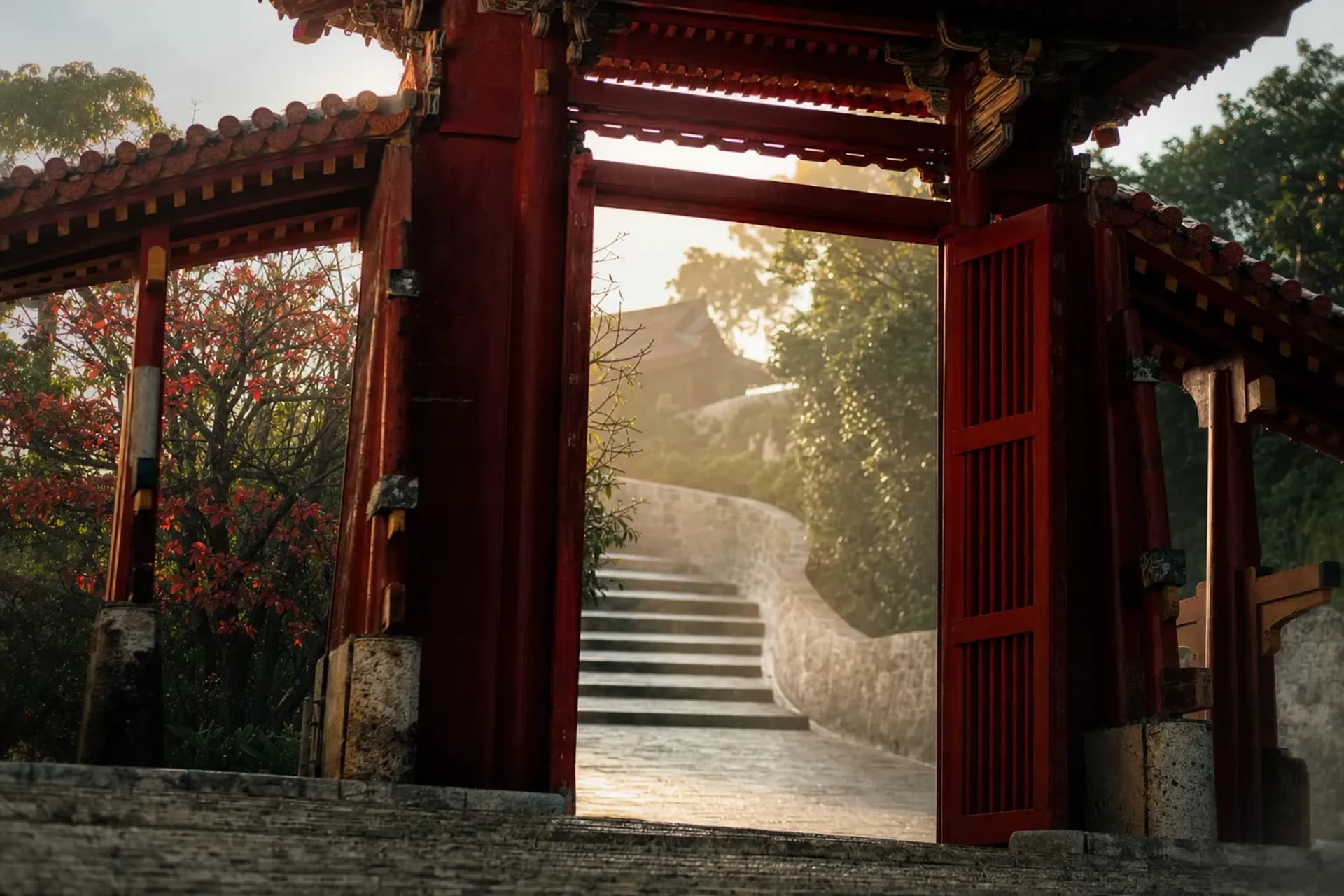
The first time you stand on the stone approaches at Shurijo, it does not read as a regional castle at all. The scale, the geometry, even the red reads differently in Okinawa's light.
That is the point. Okinawa was never a "southern version" of the mainland. From 1429 to 1879, it was the Ryukyu Kingdom: a unified independent state with its own court, diplomacy, languages, and arts.
Our team at Japan Royal Service plans Okinawa with that premise as the spine. A week on the main island and a week in the Yaeyamas are not the same holiday—treat them as interchangeable and the story collapses.
Begin At Shuri: The Kingdom's Center Of Gravity
Start here, not at the beach. Shuri, the old royal capital, explains why the rest of the archipelago looks, tastes, and sounds the way it does. The court shaped everything that mattered: textiles that signalled rank, lacquer for ritual, music for formal performance, cuisine composed for diplomatic guests.
Plan a first day close to home: Shuri for context, then down into Naha for its craft districts and food. You are learning the grammar of a different country before you attempt the outer islands.
A Kingdom Until 1879: What Changed, And Why It Matters Today
From 1429 to 1879, the Ryukyu Kingdom was a unified independent state with its own monarch, diplomacy, languages, and court arts.
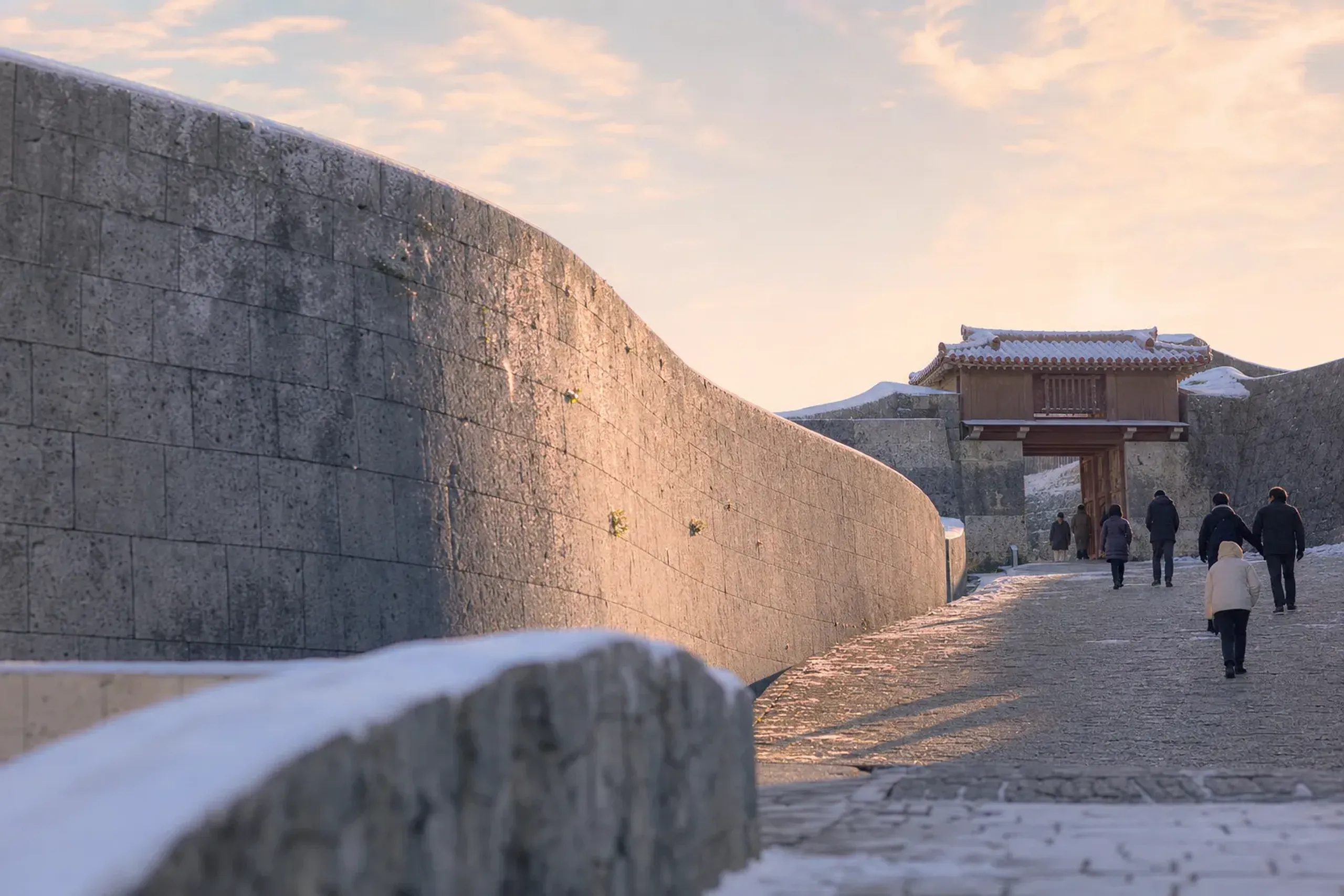
Shurijo is the key to reading Okinawa's royal history.
In 1879, the king was removed from Shuri Castle and the kingdom ended. This is a historical note, not a political argument. Those four and a half centuries of separate statehood are the cleanest explanation for why Okinawa's textiles, ceramics, music, and food do not behave like "regional Japan."
Even your ear will catch it. Several Ryukyuan languages are distinct from Japanese and listed as endangered; the cadence is no simple dialect shift.
Shuri Castle Reopens November 23, 2026: What To Know Before You Go
Shuri Castle's main hall is scheduled to reopen to the public on November 23, 2026, following the fire of October 31, 2019. Advance ticket booking is expected for main hall viewing.
There is a practical reason to mark this date. Visit in the first season after reopening and you witness a major cultural symbol re-entering public life, with the story of its loss and rebuilding still close to the surface.
The grounds largely remained open throughout reconstruction, and the project was deliberately made visible. A raised viewing deck of roughly ninety square metres, about a metre above the existing walkway, opened on May 1, 2026. In December 2025, the vast temporary structure enclosing the work was dismantled, revealing the exterior again after some six years out of sight.
Key fact: The UNESCO World Heritage inscription (2000) covers the Shuri Castle site and related Ryukyu gusuku, not the reconstructed buildings.
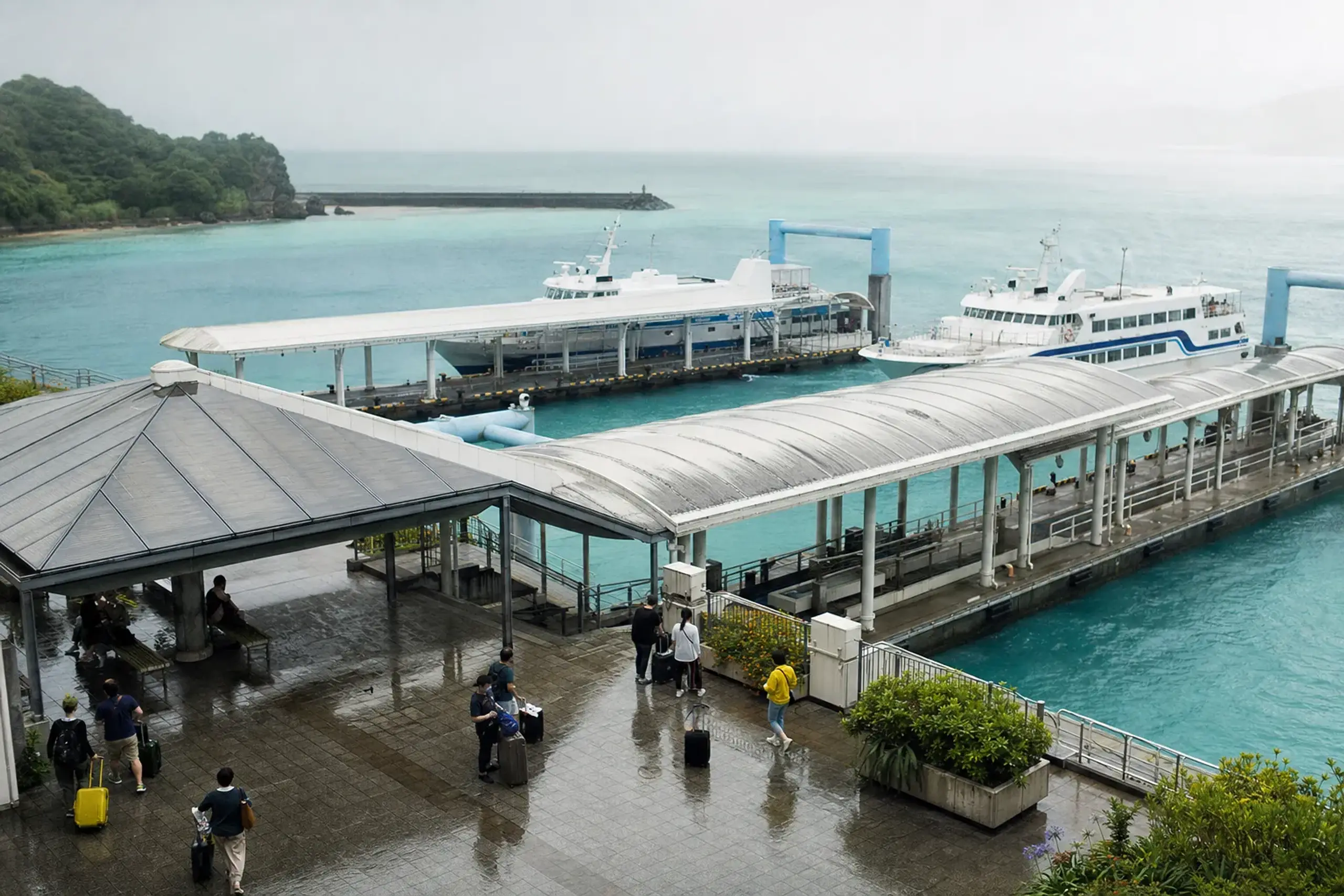
In the Yaeyamas, boats are the connective tissue—when the weather allows.
Shurijo was built from around the fifteenth century as the royal palace and center of ritual and arts. It was devastated in the Battle of Okinawa in 1945, reconstructed in 1992, then lost again in 2019. The current work models the castle as it stood from 1712 to the pre-war period, the era best supported by surviving documentation.
Why The Rebuilding Matters: Shokunin, Not Just Scaffolding
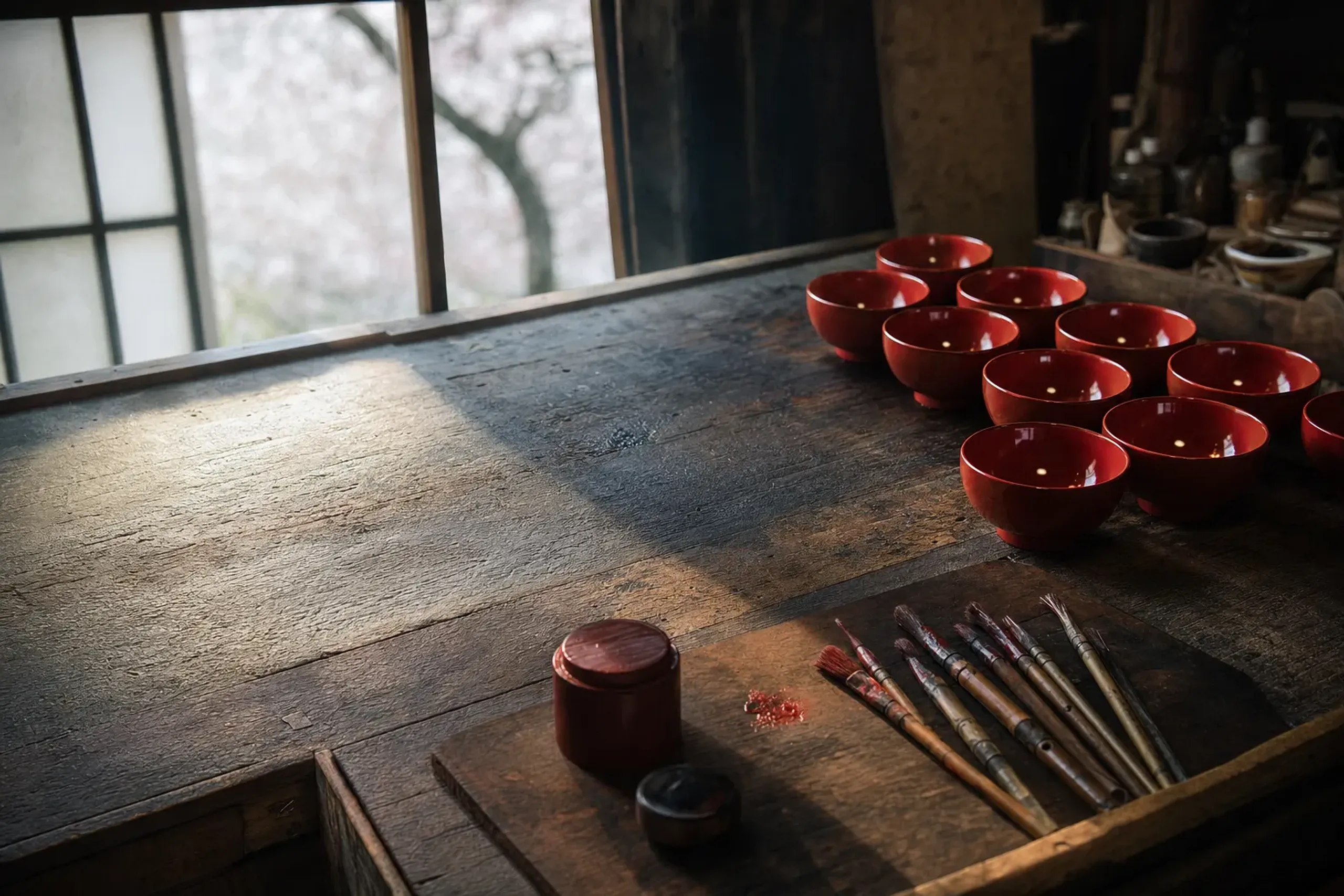
The 2019–2026 rebuilding transmits craft knowledge in Ryukyu lacquer work even as it replaces a building—which is why the reconstruction was kept visible for years. The main hall is effectively a single enormous lacquer object in architectural form, demanding a chain of specialized skills.
For discerning travelers, this is access that feels real rather than staged: the chance to see how a culture repairs itself through labor, with young technicians learning the methods of the shokunin on site. If you appreciate heritage as continuing work, our reading list includes Dejima in Nagasaki.
How Do You Plan Inter-Island Travel Between Okinawa, Miyako, And The Yaeyamas?
Fly between island groups, and sail within one.
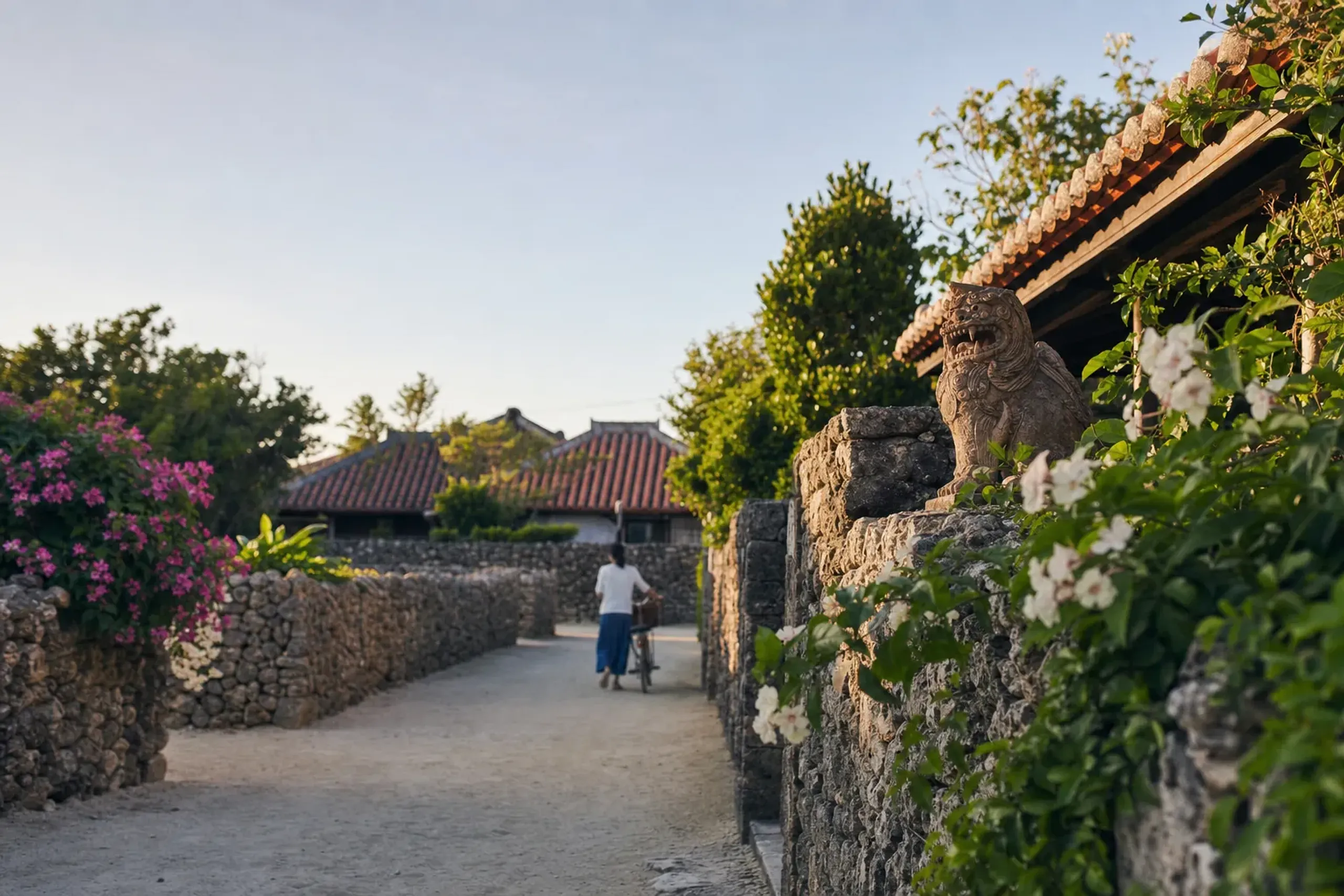
Taketomi's scale is its power: slow walking, close detail.
The mistake is letting the map seduce you into "easy island hopping," only to find the sea routes you imagined do not exist, do not fit your timing, or are first to be cancelled when the weather shifts.
Ishigaki and Miyako look close yet lie more than 100 kilometers apart. The passenger ferry between them was discontinued as ridership fell, and a fast boat would take around six or seven hours. There are roughly three flights a day, about thirty minutes each.
Naha to the Yaeyama group is likewise a flight, not a sailing day. Within the Yaeyamas, boats become the elegant answer. Taketomi and Iriomote are reached from the Ishigaki Port island terminal, roughly thirty minutes from Ishigaki Airport by road.
Iriomote has two ports—Uehara in the north and Ōhara in the south—and which you use depends on your destination. Two operators run the Yaeyama routes. The joint ticket once valid on both was abolished in October 2020, and departure points differ by operator, so confirm the correct pier before the day.
The Islands Are Not One Itinerary: What Each Place Is Actually For
Each island group has a clear temperament, and planning grows easier the moment you stop expecting one place to do everything.
Okinawa Main Island: Naha, Shuri, Craft Districts, And The Northern Forest
This is where the kingdom reads most clearly.
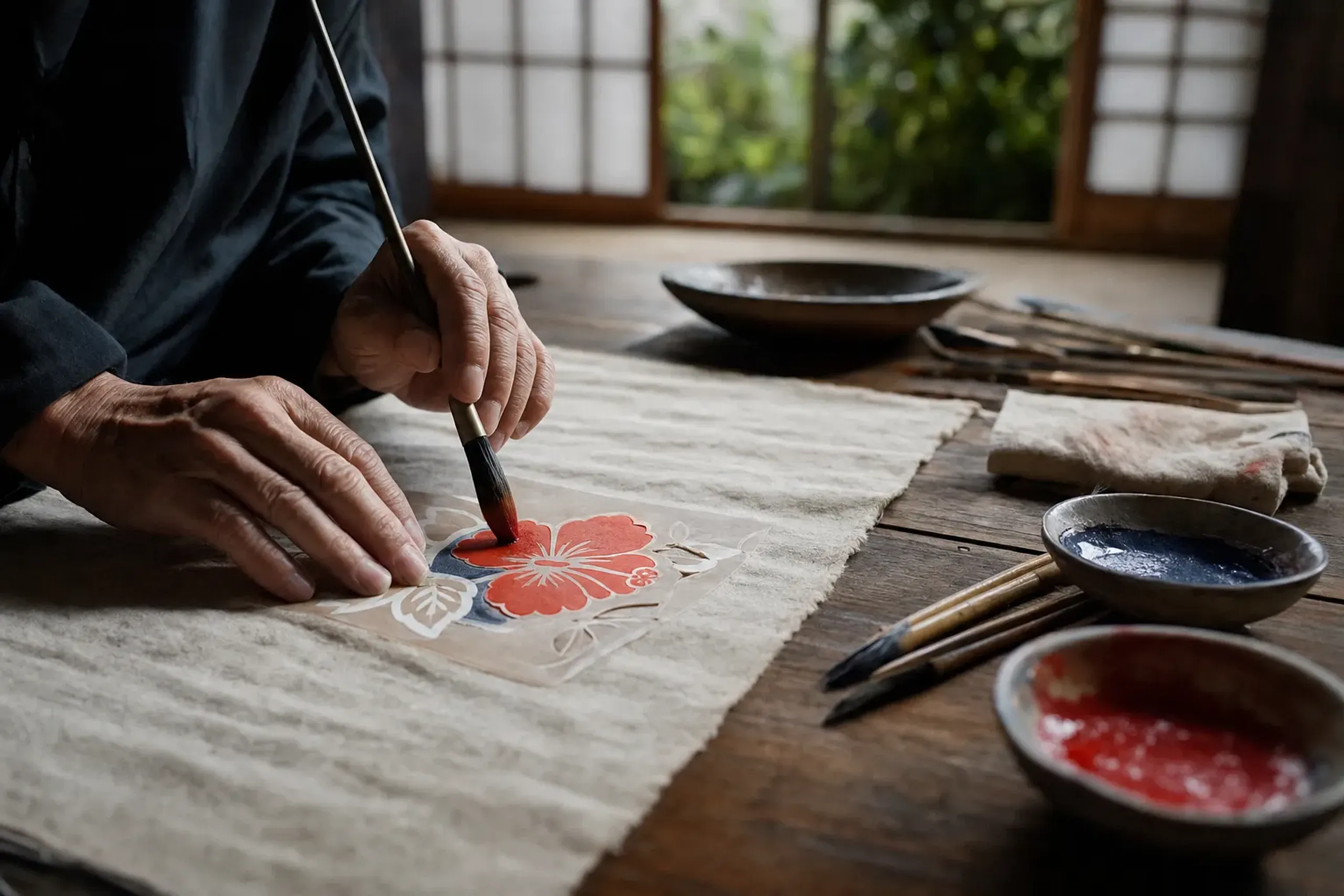
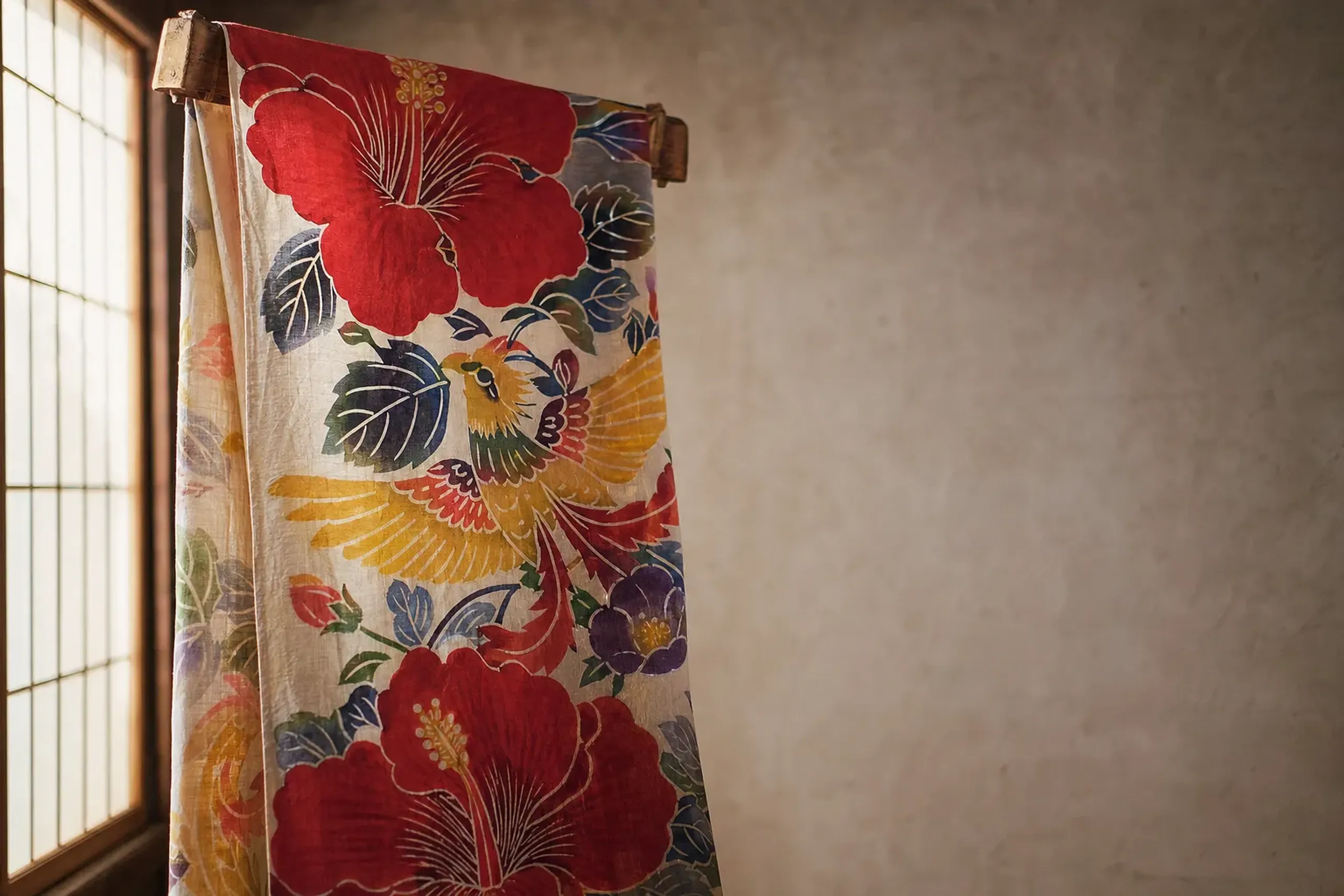
Bingata reads as Ryukyu at a glance—palette, motif, and rhythm.
Ground a trip in museums, architecture, and craft neighborhoods, then move outward. Naha gives you a texture of daily life that resorts cannot; Shuri gives you the court's gravity. Only then do you earn your beach days.
Miyako (Miyakojima): Water, Beaches, And A Different Kind Of Week
Miyako is for those who want to be held by the sea for a few days. You reach it by air and plan it as a self-contained chapter, not a rushed detour. If your priority is water time, place it after your Shuri and Naha days—the reverse leaves the kingdom unexplained.
Ishigaki: The Yaeyama Base With Real Logistics
Ishigaki is the working base for the Yaeyamas, where a private driver, boat departures, and hotel pacing actually align. Stay close enough to move early; weather windows matter more here than on the main island.
Taketomi: Coral-Walled Lanes And A Small, Held-Back Scale
Taketomi is not "an excursion"—treat it as an atmosphere. The island has coral stone walls, red-tiled roofs, and a population of around 340. It is reached by boat from Ishigaki. Keep the day gentle: the charm lies in walking slowly and letting the built form tell you what the kingdom valued—an unhurried wabi restraint you feel rather than photograph.
Iriomote: Mangrove, Jungle, And Conservation Controls
Iriomote is largely jungle and mangrove, with a population around 2,400 and more than 300,000 visitors per year.
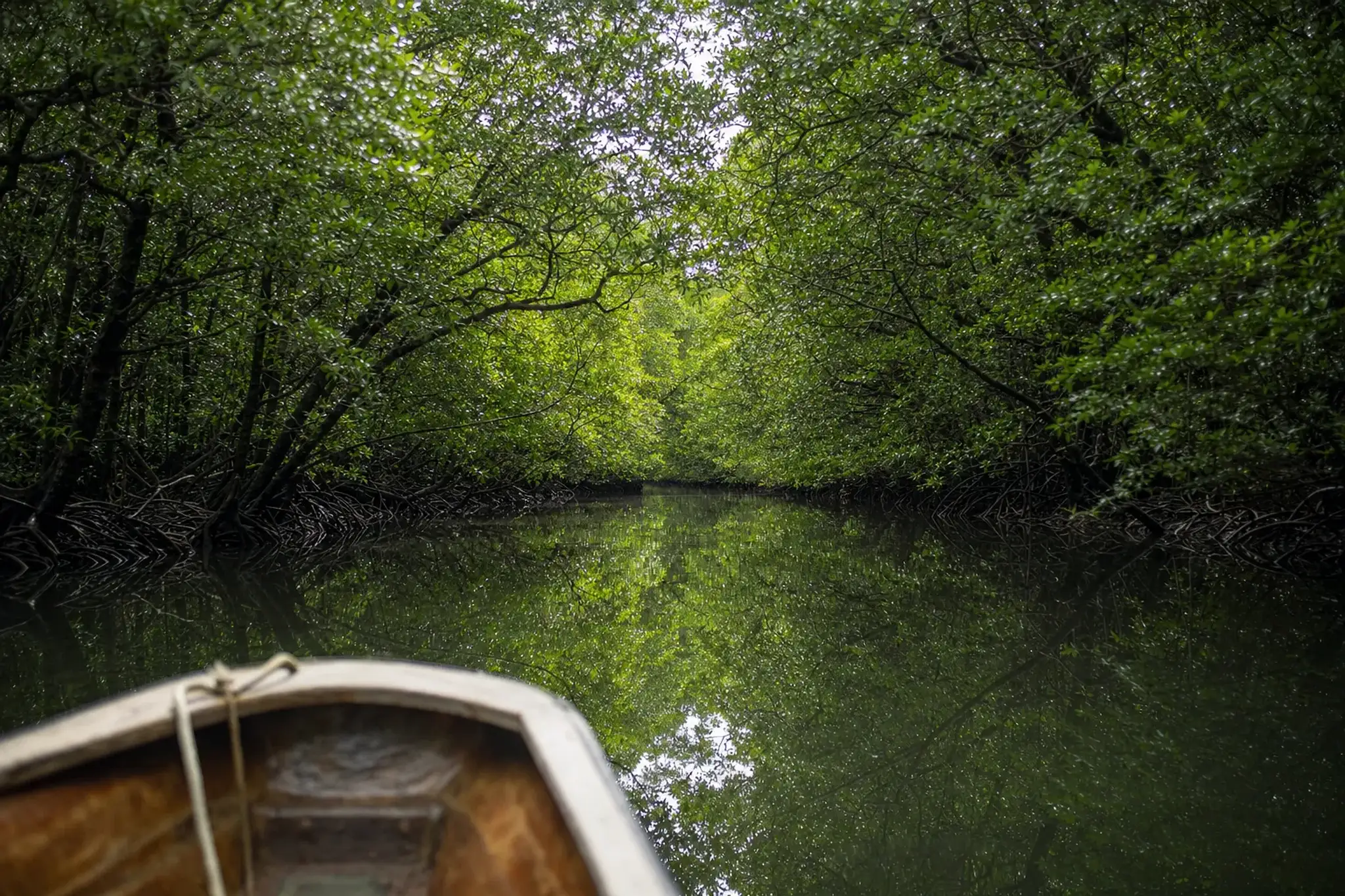
Iriomote's beauty comes with responsibility and visitor-management rules.
It is under conservation-focused visitor management. Japan's environment authorities describe measures including controlling daily tourist numbers at or below current levels, encouraging off-season travel via an "ethical tourism calendar," and coordinating visiting periods with transport and tourism businesses. That structure shapes what a "good" itinerary looks like.
UNESCO Nature In The Ryukyus: How To Travel Without Becoming The Problem
The UNESCO natural property "Amami-Oshima Island, Tokunoshima Island, Northern part of Okinawa Island, and Iriomote Island" is a serial property, and UNESCO identifies tourism impacts as a key threat in some areas.
For the seasoned traveler, the true luxury move is restraint. Fewer groups. Earlier starts. A plan that respects limits rather than testing them. When we design nature-forward days, we build around what is permitted and stable in that season, keeping buffers so the trip never becomes a stress contest with the weather.
Craft You Cannot Substitute: Four Ryukyu Traditions To Seek Out
Okinawa's craft is a court legacy, a post-war truth, and a living present all at once. This is where shokunin becomes a meeting with someone who has repeated the same precise motion for decades—the kind of introduction the Japan that Google cannot find still keeps close.
Bingata: Court Stencil Dyeing
Bingata is the kingdom's stencil dyeing tradition, known for colors and motifs unmistakably Ryukyu rather than mainland. Go in the morning, when attention is sharp—you will see more and ask better questions.
Bashōfu: Banana Fiber Cloth
Bashōfu is cloth woven from banana-plant fiber and ranks among the rarest textiles in Japan. Best approached slowly, with context first: what the fiber is, how it is prepared, and why the finished cloth behaves the way it does.
Tsuboya Ware: Naha's Pottery District
Tsuboya is Naha's pottery district and remains a working craft quarter. You feel the continuity on foot, lane by lane. Look for the quiet pieces—the everyday forms you will still be using five years from now.
Ryukyu Glass: Honest About Its Beginning
Ryukyu glass is post-war in origin and began with recycled bottles. It never pretends to be older than it is—a craft that grew out of necessity and became identity.
The Battle Of Okinawa (1945): A Brief, Necessary Note
The Battle of Okinawa in 1945 devastated the islands and is part of why Okinawa looks the way it does today. Memorial sites and museums stand in the south of the main island for those who wish to understand this history.
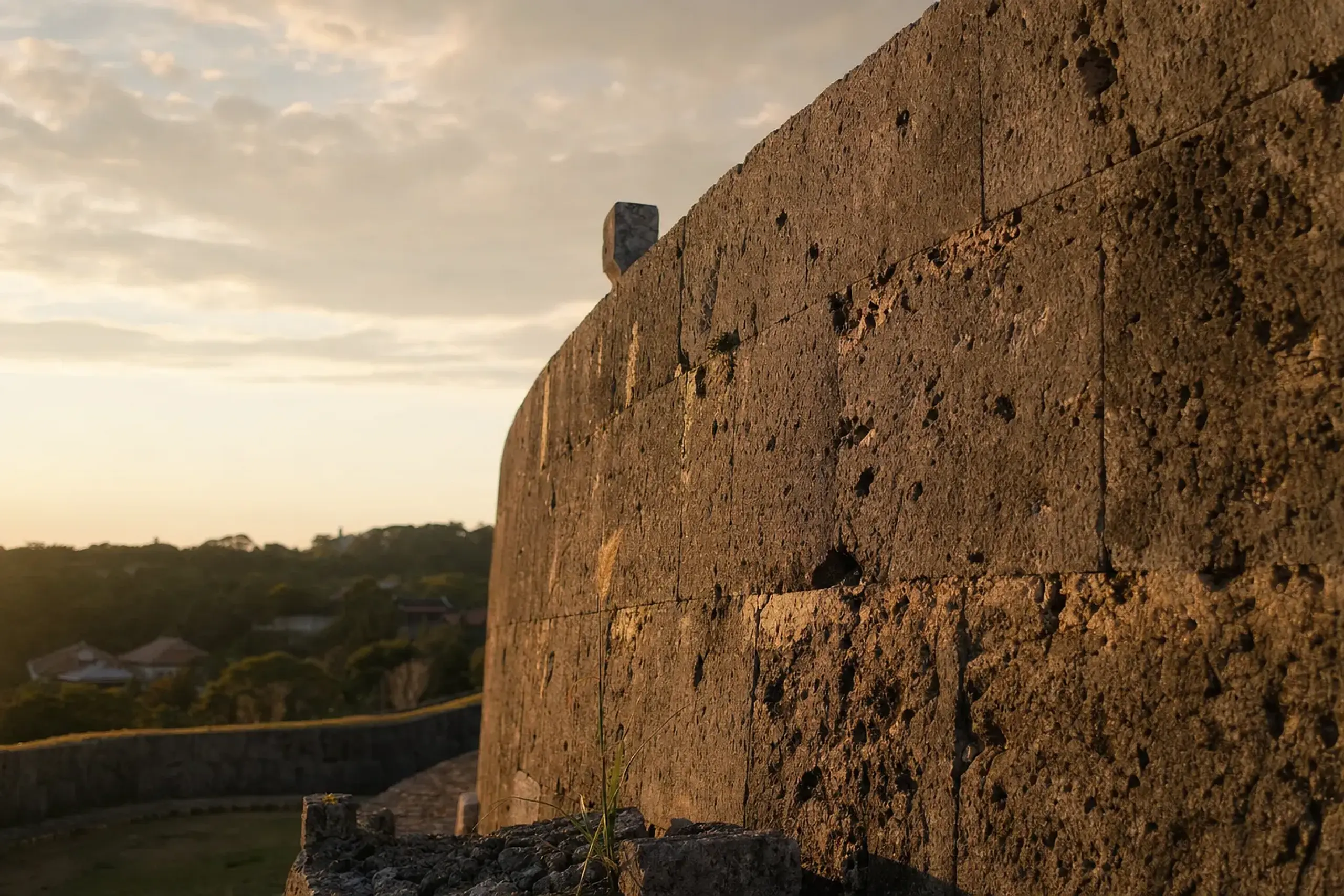
We keep this part of an itinerary plain and respectful. If it matters to you, we suggest reading the memorial museums' own accounts before you visit, then allowing enough time on the ground.
Language, Cuisine, And Court Performance: The Arts Of A Royal Capital
Ryukyu court culture left a whole arts ecosystem: formal performance, dress, and foodways. This was court art, not folk entertainment—a distinction that changes how you watch, and how you eat. Ryukyu court cuisine is best understood as a diplomatic language, built to receive guests and express a kingdom's identity through ingredients, technique, and a keen sense of shun, the season on the plate.
Language sits behind it all. Several Ryukyuan languages are distinct from Japanese and listed as endangered; even if you never study them, you will hear that Okinawa's past was no footnote.
When Is The Best Season For Okinawa If You Want Calm Seas And Fewer Disruptions?
Winter is a genuine travel window in Okinawa, while late summer carries a higher typhoon disruption risk that can cancel both flights and boats. Okinawa's calendar is not the mainland's: the rainy season patterns differ, and typhoon season can change plans fast, especially for boats. Late August 2026 showed how real this can be, with Typhoon Saudel linked to significant flight disruption around Naha Airport.
So we plan with meteorological realism. A weather buffer day is not wasted—it is what keeps the trip from feeling brittle.
Plan A / Plan B: The Quiet Luxury Approach To Typhoon Risk
Build two versions of the week upfront. Plan A assumes sea days and outer-island moves land on schedule. Plan B assumes one key transfer slips—and should still feel like a good trip. That means keeping serious culture—Shuri, museums, craft—on the main island where roads stay usable, and placing your most boat-dependent days where you have the most flexibility to swap.
A Practical Sequencing Blueprint
The clean sequence is: Shuri and Naha first, then the outer islands. Do the reverse and you will spend the trip trying to retrofit meaning onto beaches.
For a two-week trip, think in two chapters. Week one: Okinawa main island for kingdom history, craft, and context. Week two: the Yaeyamas—Ishigaki as base, then Taketomi and Iriomote by boat—for nature and small-island pacing.
Miyako is a separate decision. It can replace the Yaeyamas for travelers who want pure water time, or become a third chapter for those comfortable with more flights and a more complex weather plan.
What's New In Okinawa For 2026–2027
Two openings are worth knowing for 2026 because they reshape the "quiet base" options—not because they are shiny, but because they make logistics and privacy easier when chosen well.
AKA LODGE (Aka Island, Kerama Islands)
AKA LODGE by THE TERRACE HOTELS opened on June 15, 2026, on Aka Island, about 70 minutes by high-speed ferry from Okinawa Main Island.
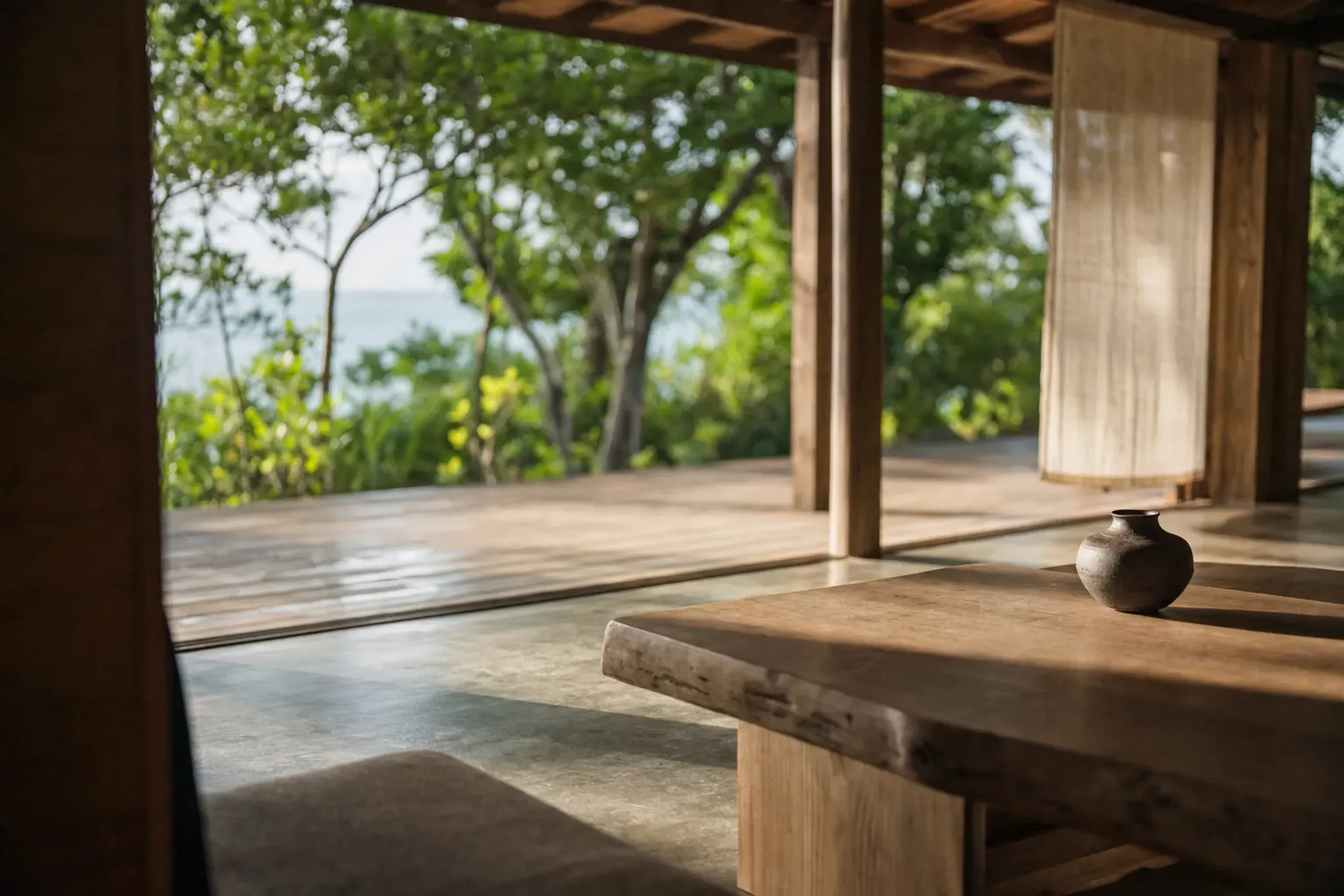
A strong fit for travelers who want clear water, smaller-island scale, and a lower-key rhythm than the main resort corridors. It also plays beautifully as a short second chapter after Shuri and Naha.
BLISSTIA SUITES & RESORT OKINAWA ONNASON (Onna Village)
BLISSTIA SUITES & RESORT OKINAWA ONNASON was announced to open July 15, 2026, in Onna Village. Onna is a practical base when you want the resort side of the main island without surrendering the ability to return to Naha and Shuri for serious cultural days. For families, it can simplify pacing: fewer hotel moves, more controlled days.
Halekulani Okinawa's Blue Zones™ Retreat
Halekulani Okinawa announced on April 22, 2026 the return of its Blue Zones™ Retreat, described as the third year. If wellness is central to your trip, use a program like this as the anchor, then build your culture and craft days around it so the week does not dissolve into a blur of appointments.
How To Experience Eisa Well
Okinawa Zento Eisa Matsuri (the All-Island Eisa Festival) is promoted as Okinawa's largest eisa festival and is associated with very large crowds at Koza Sports Park in Okinawa City.
If you want to attend, treat it as a major event day, not an add-on. Heat management matters; arrival timing matters more. Your driver plan is the difference between watching the performance and watching traffic. Pair it with a quieter morning: a craft visit, a long lunch. The festival itself is loud and kinetic, and that energy is part of its value.
How We Build Privacy Into Okinawa: Discretion As A Design Principle
Discretion in Okinawa means controlling exposure points: arrivals, departures, and those moments when a small island has only one place to be. On the outer islands, privacy is achieved through timing and routing—knowing when ports surge, when flights land, and which roads compress into single-file movement.
Our concierge team plans for exactly that texture. It is a different discipline from Tokyo or Kyoto, where anonymity comes more easily. The total confidentiality of a guest's identity and itinerary is, for us, the first commitment—not the last.
What Japan Royal Service Coordinates Privately For Okinawa
On Okinawa and the Ryukyu islands, our team at Japan Royal Service privately coordinates accommodation, guiding, and transfers, alongside outer-island logistics across Ishigaki, Miyako, Iriomote, and Taketomi. It can include private boat charter for island movement, craft access (bingata dyeing, bashōfu weaving, Tsuboya pottery, Ryukyu glass), and introductions to Ryukyu court cuisine and classical performance.
We keep operational details off the public page by design. Discretion protects our guests, and it protects the very places that make Okinawa worth coming for.
The first mention of private transportation and chauffeur service matters here because roads and ports dictate the day. The first mention of a tailor-made itinerary matters because this region punishes generic templates.
Frequently Asked Questions
Is Shuri Castle A UNESCO World Heritage Site After The 2026 Reopening?
The UNESCO World Heritage inscription covers the Shuri Castle site and related Ryukyu gusuku, not the reconstructed buildings. You can still visit the site as a key part of the heritage listing. That nuance clarifies what UNESCO recognizes, while respecting why the rebuilding is culturally important.
Can I Take A Ferry From Miyako Island To Ishigaki Island?
No—the passenger ferry between Miyako and Ishigaki was discontinued, and a fast boat would take around six or seven hours. Fly between these island groups, and sail within one.
How Do I Plan Iriomote Day Trips From Ishigaki Without Getting Stuck?
Plan around Ishigaki Port departures, confirm which Iriomote port (Uehara or Ōhara) fits your route, and allow buffer time for weather. Boat disruption risk is higher than road disruption. Also confirm the operator and correct pier before the day, since departure points differ and the joint ticket system was abolished in October 2020.
Should I Visit Okinawa's Main Island Or The Yaeyamas If I Only Have 7 Days?
For 7 days, choose either Okinawa main island (history, Shuri, Naha, craft) or the Yaeyamas (Ishigaki base with Taketomi and Iriomote by boat). Combining both usually turns into transit. If you want the kingdom story, stay on the main island; if you want nature and small-island pacing, commit to the Yaeyamas.
Why Choose Japan Royal Service
Discerning travelers choose Okinawa to step into a different historical world, and they choose Japan Royal Service when they want that difference to be legible, comfortable, and private. We plan the trip around the kingdom's center at Shuri, the real inter-island rule, and the craft lineages that do not translate onto the mainland.
We also plan for what can go wrong. Weather shifts. Ports change. Small islands compress. Discretion is not a tagline for us; it is itinerary engineering.
If you want an Okinawa journey that feels coherent—Shuri first, then the outer islands—reach our team privately via WhatsApp or LINE, or contact us here.