In this guide
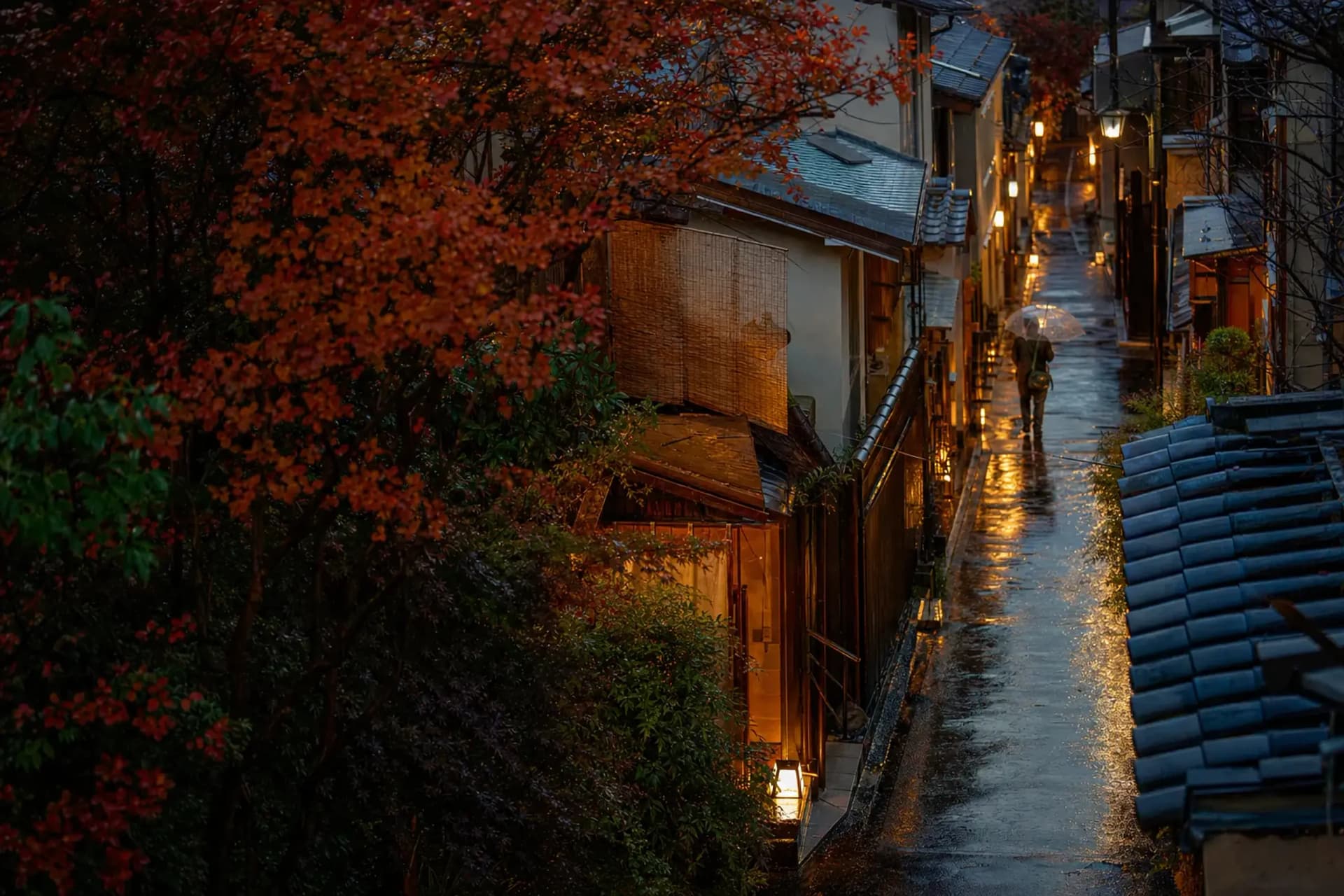
Rain alters the tenor of a city. The sky drops. The pavement turns reflective, catching neon and streetlamp glares. For many travelers, waking up to a wet morning signals a ruined itinerary and a compromised trip. Big mistake. A rainy day in Japan is simply a different day, not a lost one. The difference between enduring the weather and actively enjoying it comes down to mobility, access, and foresight. When the clouds gather, the standard tourist route becomes an exercise in frustration. Navigating crowded train platforms with damp umbrellas drains your energy.
Our team at Japan Royal Service views shifting weather not as a cancellation, but as a pivot point. Instead of forcing outdoor schedules against the elements, we adjust. A wet afternoon shifts focus toward quiet interiors, deliberate meals, and focused craftsmanship. We watch the radar closely to keep your journey dry, calm, and highly specific to your interests.
When Is The Rainy Season In Japan?
The Japanese rainy season, known as tsuyu, typically begins in early June and lasts through mid-July across Honshu and Kyushu, while Okinawa's season runs from May to late June.
Timing shifts slightly depending on your latitude. Tohoku's rainy window tends to run a little later, arriving mid-June and stretching to late July. Hokkaido, however, has no distinct rainy season. You can plan around this timing. The northern island remains an excellent retreat for those who wish to avoid the moisture altogether.
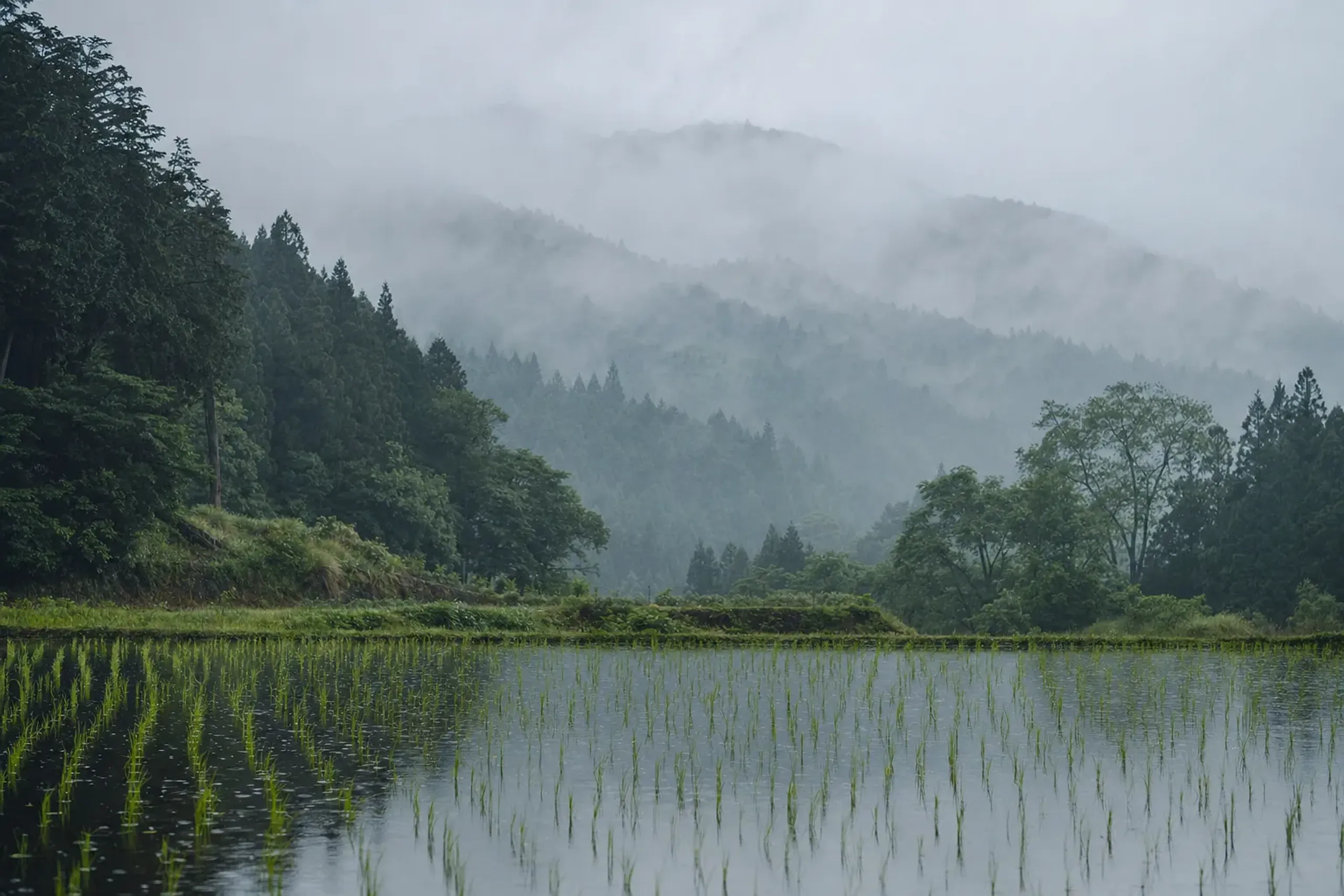
It does not rain every day during tsuyu. The weather often remains overcast rather than constantly pouring. The length and intensity of the plum rain vary wildly from year to year. The Japan Meteorological Agency announces the beginning and ending dates based on the movement of the seasonal rain front. Knowing this rhythm allows our planners to build a tailor-made itinerary that treats the season as an asset, leveraging the specific cultural events that only occur during this humid, green period.
When Is Typhoon Season In Japan?
Typhoons can occur from May to October, with the most severe storms typically arriving in August and September, bringing strong rain and wind for one or two days.
These low-pressure systems are fundamentally different from the gentle, persistent drizzle of the rainy season. Typhoons disrupt infrastructure. Flights, the shinkansen, and regional trains may be delayed or suspended in severe weather. Ferry services to smaller islands are especially vulnerable to rough seas. Operators usually give advance notice, and the weather often improves sharply once the storm passes.
Key fact: The Japan Meteorological Agency tracks typhoons with precision, often providing several days of warning before a storm makes landfall. Checking official forecasts before long journeys is sensible.
When planning a late-summer trip, we always build a spare day around island ferries and long rail legs. If you are heading to remote coastal properties, a buffer day prevents logistical panic.
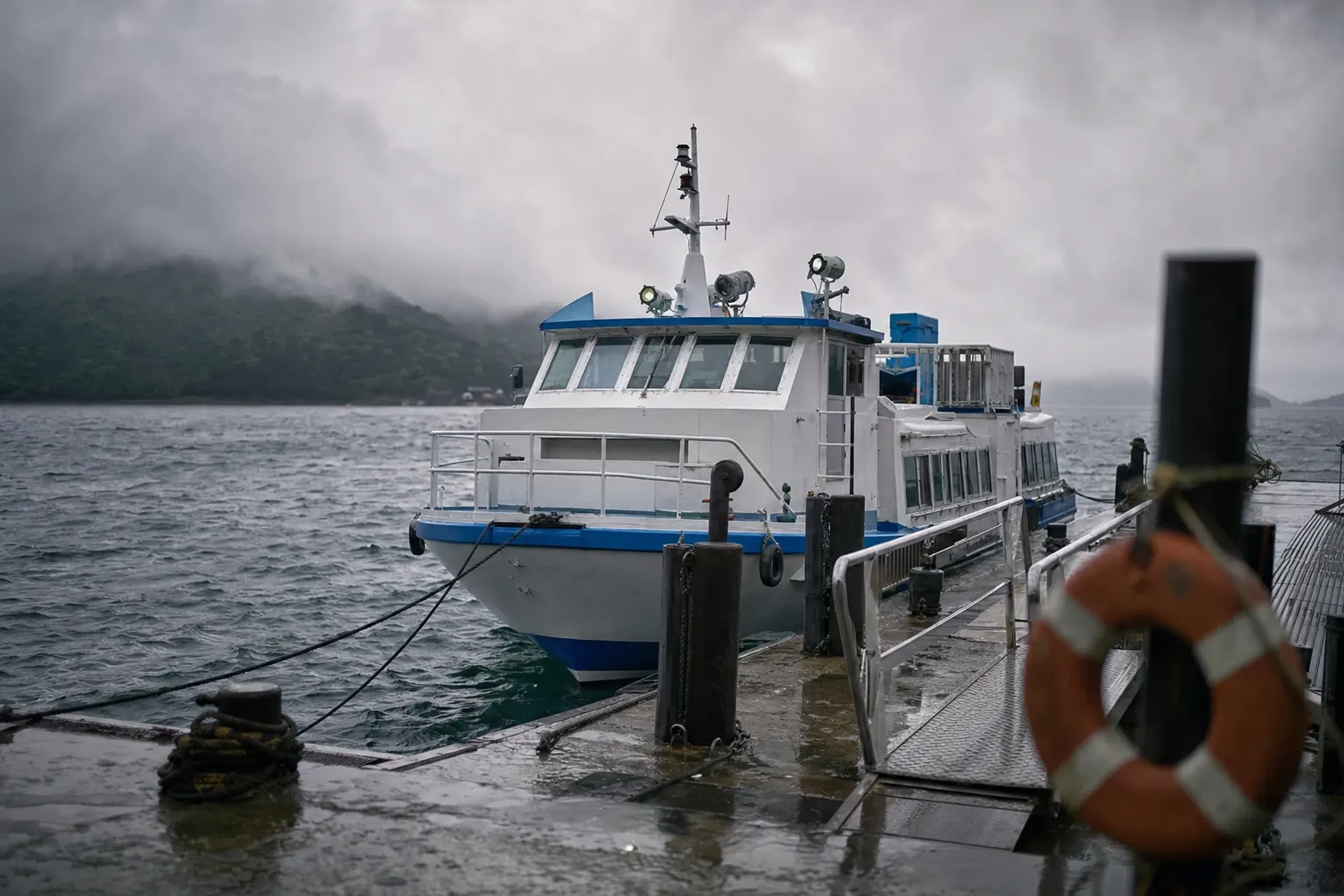
The JRS concierge team monitors the advisories and re-routes the day when plans change.
If your trip includes an island, see Japan's Islands by Ferry and Flight for crossings, fallbacks and buffer days.
What Rain Is Good For: Gardens, Moss, And Quiet
Heavy skies benefit certain traditional aesthetics. Rain softens colour and light, and gardens and moss look vivid in it. Moss gardens achieve an impossible, saturated green under a drizzle. Temple interiors feel properly enclosed. The sound of water striking wooden eaves adds an auditory layer to a morning walk.
Hydrangeas, known locally as ajisai, define this wet window. The Bunkyo Hydrangea Festival in Tokyo is held around Hakusan Shrine in Bunkyo Ward (not Mount Hakusan in Ishikawa and Gifu), and the shrine grounds are known for their hydrangeas in the rainy season. The rain clears the crowds. It leaves the stone paths bare and reflective. Visiting a garden during a light downpour requires proper footwear and a watchful eye, but the visual reward is profound. The colors are deeper. The distractions are gone.
Rainy-Day Swaps By Category
A single wet day is a swap, not a cancellation. When the morning radar shows persistent rain, we group alternatives by tempo and interest, executing the transition while you finish breakfast.
Swap: Covered Cultural Spaces
We swap an outdoor walking route for national museums or galleries. Japan's architectural approach to museums often involves vast, sheltered transitions between pavilions. You can spend hours studying Edo-period artifacts or contemporary installations without stepping into the elements.
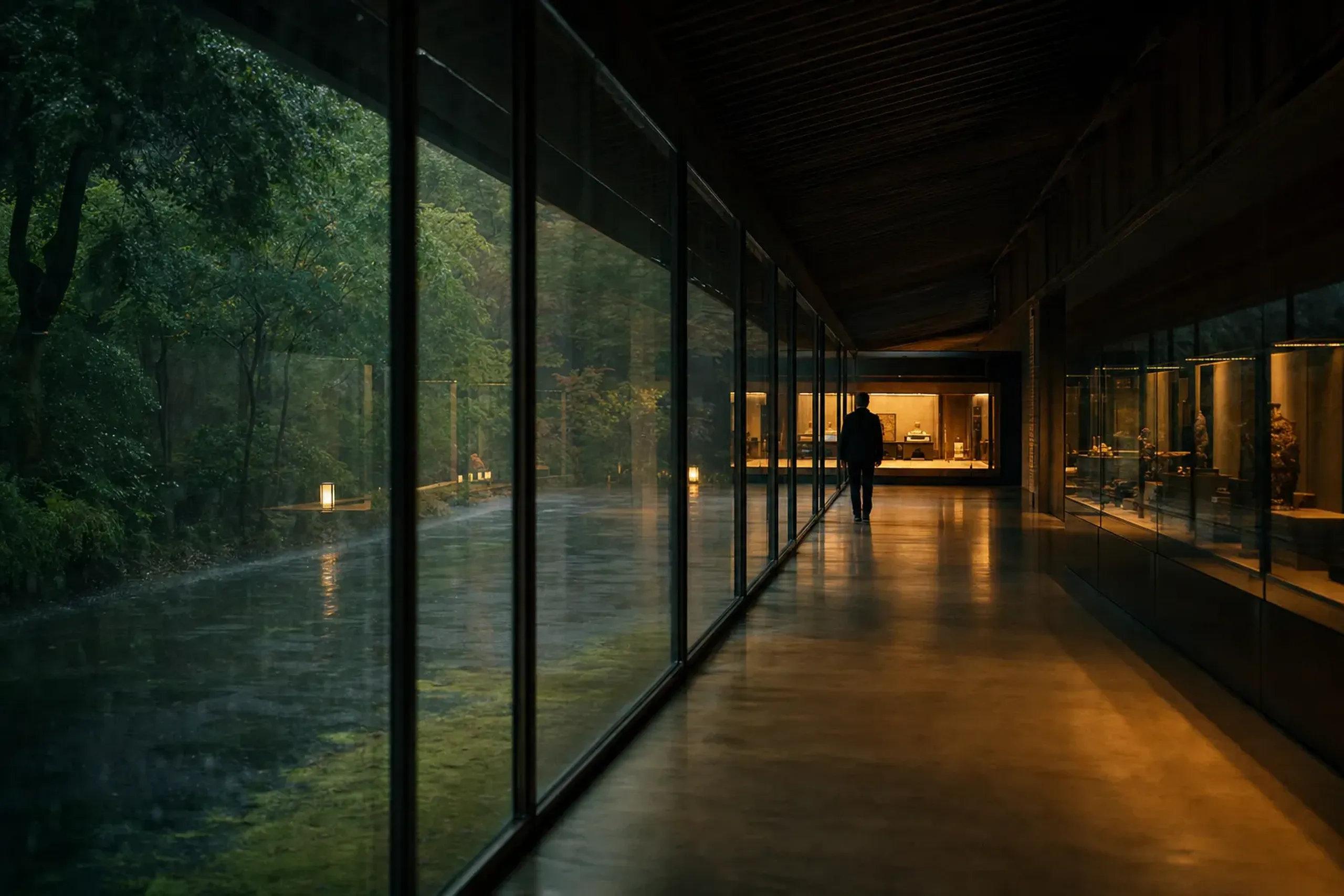
Swap: Artisan Focus
Rain provides an ideal backdrop for indoor focus. We can arrange craft workshop visits, subject to each workshop's own rules. A morning lost to rain becomes an afternoon studying lacquerware, pottery, or textiles directly from a master in their workshop.
Swap: Slow Counter Dining
A wet afternoon justifies a two-hour lunch. Instead of a quick stop between shrines, we secure a reservation for a slow, multi-course kaiseki meal or a sushi counter experience. Counter dining allows you to watch the chef work while the rain falls outside. The deliberate pacing suits a stormy afternoon perfectly.
Swap: Onsen Afternoons
Hot springs feel better when the air is damp and cool. Sitting in a cedar bath overlooking a wet forest offers total isolation. We can route your day toward an onsen with a private bath, if one is available. The contrast between the steaming water and the cool rain is exceptional, much like the winter contrast experienced at places like Shibu Onsen.
Swap: Depachika Food Halls
The basement levels of high-end department stores are sprawling, covered culinary markets. You can spend hours tasting seasonal produce, wagyu, and imported wines. It is an entirely indoor culinary exploration.
Why A Private Car Changes A Wet Day
Umbrellas are cumbersome in crowded train stations. Navigating ticket gates while holding wet raincoats diminishes the luxury of the experience. A chauffeured partner-fleet transfer changes the day.

Your driver waits directly at the door. You step from the hotel canopy into a dry, climate-controlled cabin. There is no waiting on platforms. There is little time spent in localized downpours. The driver follows the routing; the guide, who is a separate person, explains each stop. In Tokyo, where sudden guerrilla rainstorms have become increasingly common, this level of controlled mobility is not a luxury; it is a logistical necessity.
How Japan Royal Service Re-Plans The Day
When the forecast shifts, our team coordinates the pivot silently. We monitor the radar. We check the operational status of venues. If an outdoor event is compromised, we replace it with an indoor option, such as a museum, a garden pavilion or a craft workshop, and the JRS concierge team confirms opening hours directly with the guest at time of arrangement.
You never have to research an alternative or call a venue to check their rain policy. The concierge team handles the communications and adjusts the day's plan. By the time you step into the lobby, the new itinerary is fully secured. The day remains yours.
Frequently Asked Questions
Is it worth visiting Japan during the rainy season?
Traveling during the tsuyu rainy season offers distinct advantages, including greener temple gardens, reduced crowds at major landmarks, and the chance to see seasonal hydrangeas in full bloom. It rarely rains all day.
Does Hokkaido have a rainy season?
Hokkaido does not experience the traditional tsuyu rainy season that affects the rest of Japan in June and July.
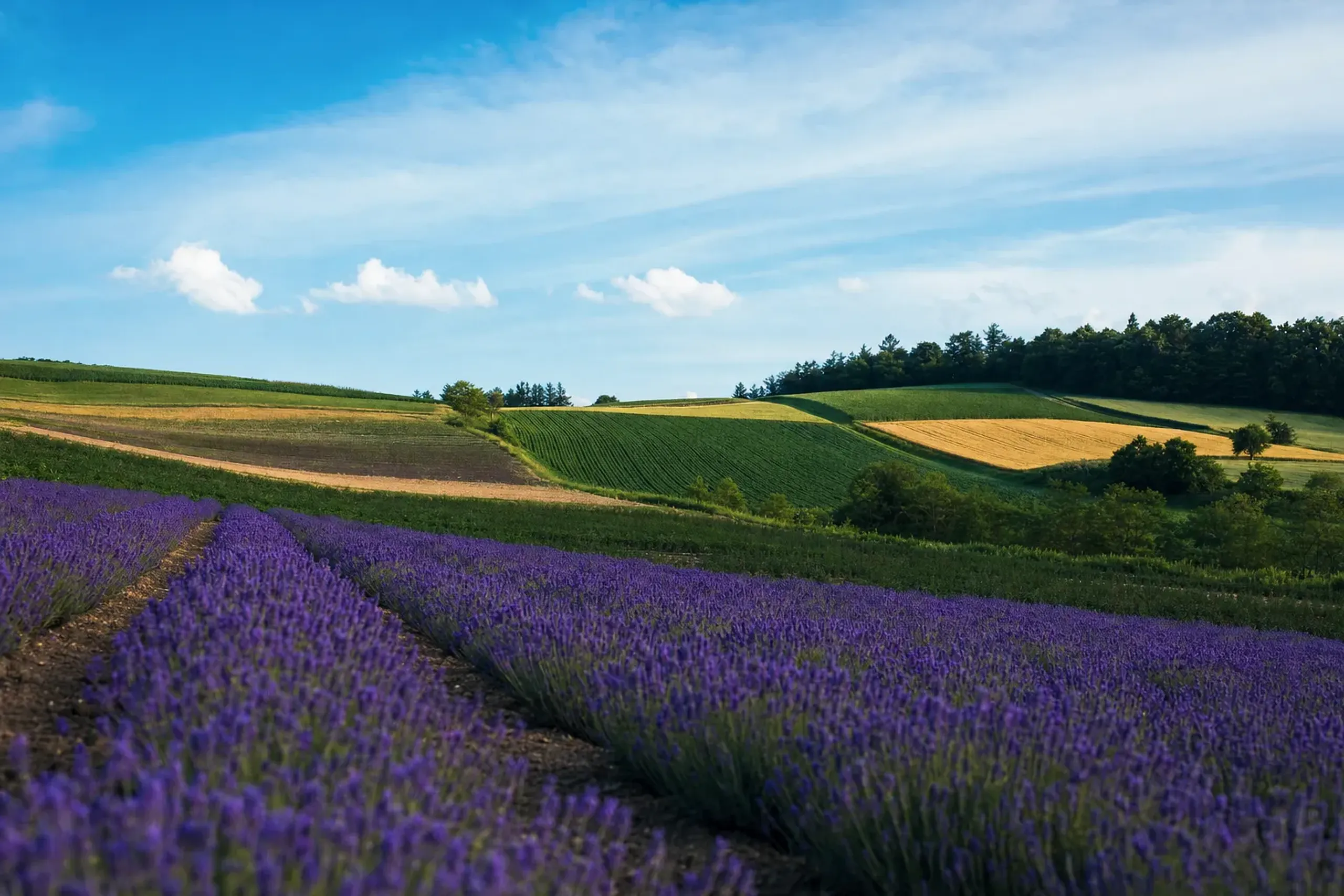
This makes the northern island an excellent destination for those looking to avoid overcast weather entirely.
How does a typhoon affect travel plans in Japan?
Typhoons bring high winds and heavy rain that can suspend shinkansen trains, domestic flights, and island ferries for one or two days. Official agencies provide ample warning, allowing travelers to adjust routes safely.
Can I still visit an onsen if it is raining?
Yes, rain often enhances the onsen experience. Many luxury ryokan offer covered outdoor baths (rotenburo) where you can sit in the hot water while watching the rain fall on the surrounding landscape, similar to the serene atmosphere found at historic hot spring towns.
Why Choose Japan Royal Service
Navigating Japan's weather requires precision, not guesswork. At Japan Royal Service, we build flexible itineraries around the weather. We understand that true luxury means never having to worry about logistics. Whether it involves a craft workshop visit, a change of plan on a wet morning, or an indoor day built around a museum or garden, our concierge team anticipates the details.
We pair the day's plan with the comfort of a chauffeured partner-fleet vehicle. When the weather turns, we turn it into an advantage.
To begin planning, contact our team here.