In this guide
- 01How Do You Get To The Kerama Islands From Naha?
- 02What Is Kerama Blue?
- 03Tokashiki: The Largest Island
- 04Zamami: Beaches Within Walking Distance Of The Port
- 05Aka And Its Neighbours
- 06When Can You See Whales In The Kerama Islands?
- 07Day Trip Or A Night On The Islands?
- 08Frequently Asked Questions
- 09Why Choose Japan Royal Service
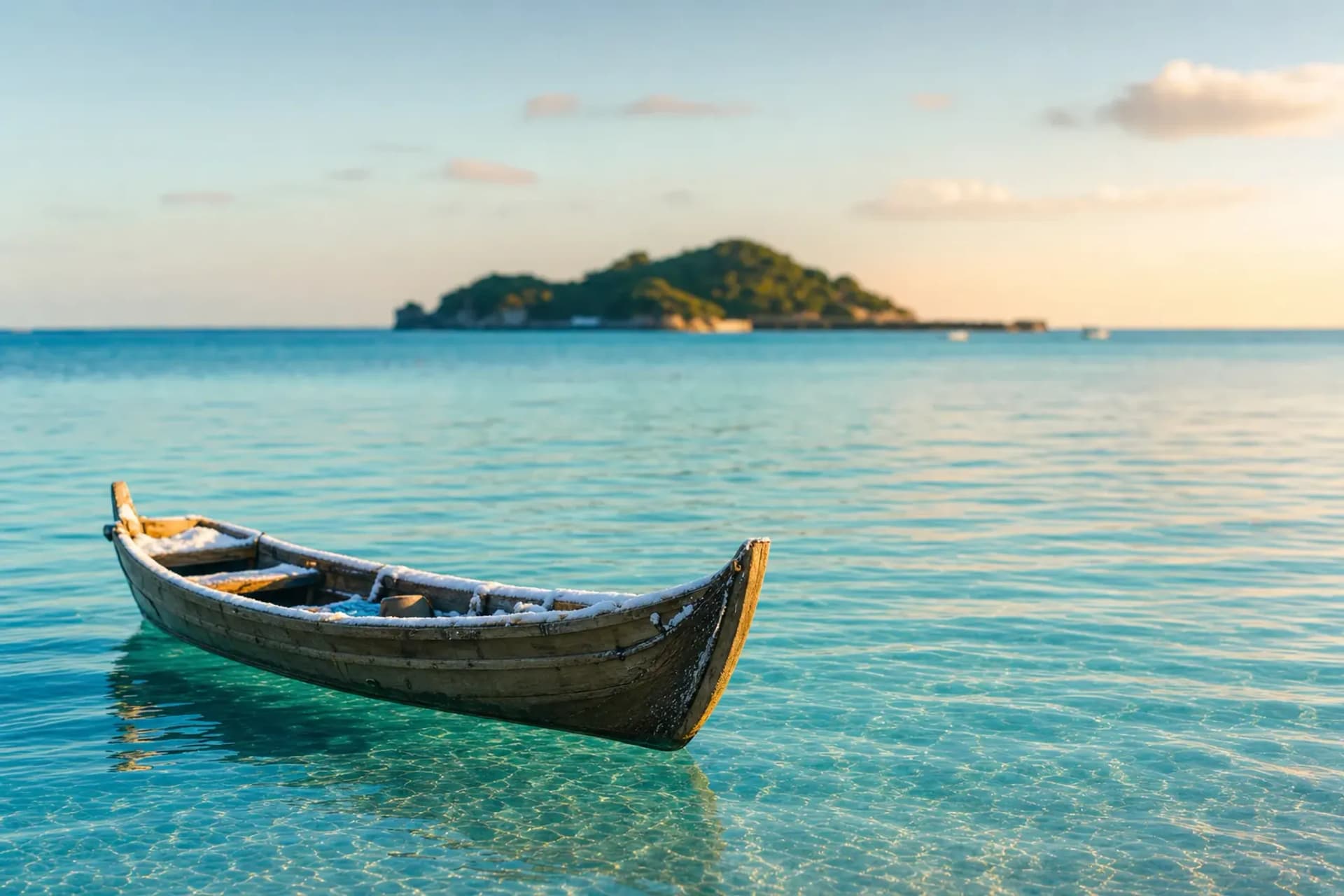
Under an hour from Naha, the sea changes. The ferry leaves Tomari Port, Okinawa's main island slips behind you, and the water turns a shade you will remember. The Kerama Islands sit about 40 kilometres west of Naha. More than 30 islets and reefs, three of them inhabited and easy to reach: Tokashiki, Zamami and Aka. Since March 2014 the whole archipelago has been protected as Kerama Shotō National Park, Japan's 31st.
This is the shortest route from a city hotel to clear water in Okinawa. No flight. No long road. Just a high-speed boat and a short crossing. At Japan Royal Service we treat the Keramas as a half-day escape, a full day, or a quiet night after the last sailing has gone.
How Do You Get To The Kerama Islands From Naha?
High-speed boats leave Naha's Tomari Port and reach Tokashiki in about 40 minutes, Aka in about 50, and Zamami in roughly 50 to 70. Slower car ferries also run.
Tomari Port sits a short drive from the main hotel districts of Naha and from Naha Airport (OKA). Our private chauffeur service handles that first leg, so you arrive at the terminal without parking, queues, or the guesswork of a taxi on a busy morning.
Sailings run roughly one to three times a day depending on the island and the season. Sea conditions decide everything here.
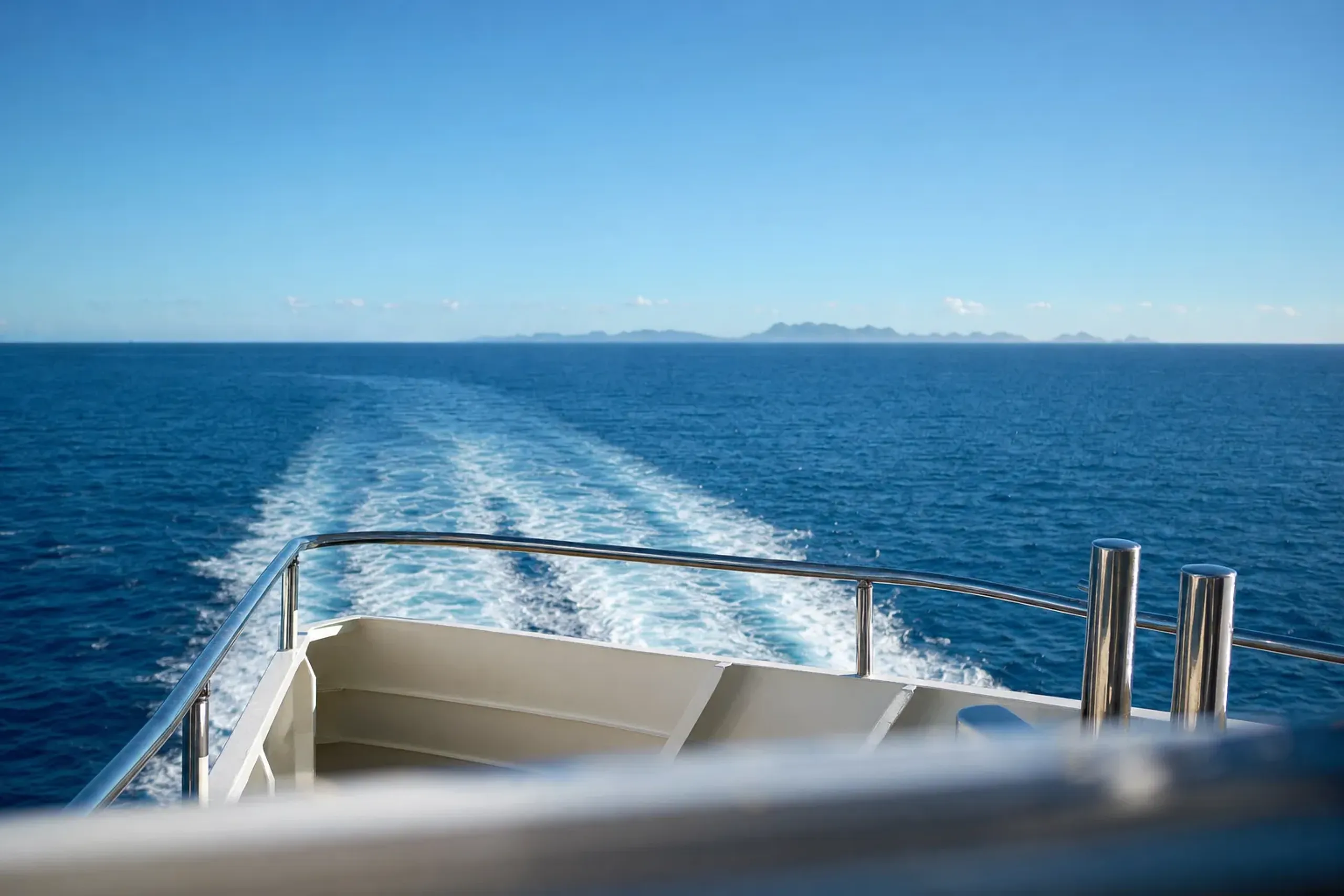
A calm forecast means an easy crossing; a rough one can cancel the fast boat entirely. The JRS concierge team confirms the day's schedule directly with you at the time of arrangement, and keeps a fallback ready should the water turn.
What Is Kerama Blue?
"Kerama blue" is the name given to the water around these islands: a clarity and depth of colour that sets the Keramas apart from the rest of Okinawa. It is the first thing you notice from the boat.
The reefs here hold a wide range of coral. That richness is exactly why the area was named a national park in 2014. The park protects not only the beaches but the reefs offshore, the breeding waters, and the creatures that pass through. Green sea turtles live in these waters. We never promise a sighting, because wild animals keep their own counsel, but the chance is part of why people come.
With protection comes responsibility. Okinawa's reefs face real pressure, and the Keramas are managed with that in mind. We brief every guest on reef-safe conduct before they enter the water: where to go, where not to stand, how to keep your distance. Low-impact travel is not a slogan here. It is the condition of the place staying as it is.
Key fact: Kerama Shotō became Japan's 31st national park on 5 March 2014, protecting more than 30 islets and reefs about 40 km west of Naha.
If you want the full backdrop to these waters, our guide to Okinawa's long history as a kingdom until 1879 sets the stage for why the islands feel distinct from mainland Japan.
Tokashiki: The Largest Island
Tokashiki is the biggest of the three and the closest to Naha, about 40 minutes by fast boat. It is the easy choice for a first visit, and the one that works best as a day trip.
Aharen Beach is its larger beach, a long curve of pale sand on the west coast. The water shelves gently, and the view out toward the smaller islets is uncluttered. Above it, the Kubandaki observatory gives a wider frame: the reefs, the channels, the shapes of the other Kerama islands laid out below.
Tokashiki rewards a slower pace. The interior is green and quiet, the roads narrow, the traffic light. A private guide walks you between the beach, the viewpoint and the small village without the stops and starts of public transport. If the fast boat is your ride home, we plan the day around the last sailing, so there is no rush at the terminal and no watching the clock on the sand.
Zamami: Beaches Within Walking Distance Of The Port
Zamami is the second largest island and a favourite for travellers who want beaches without a long transfer.
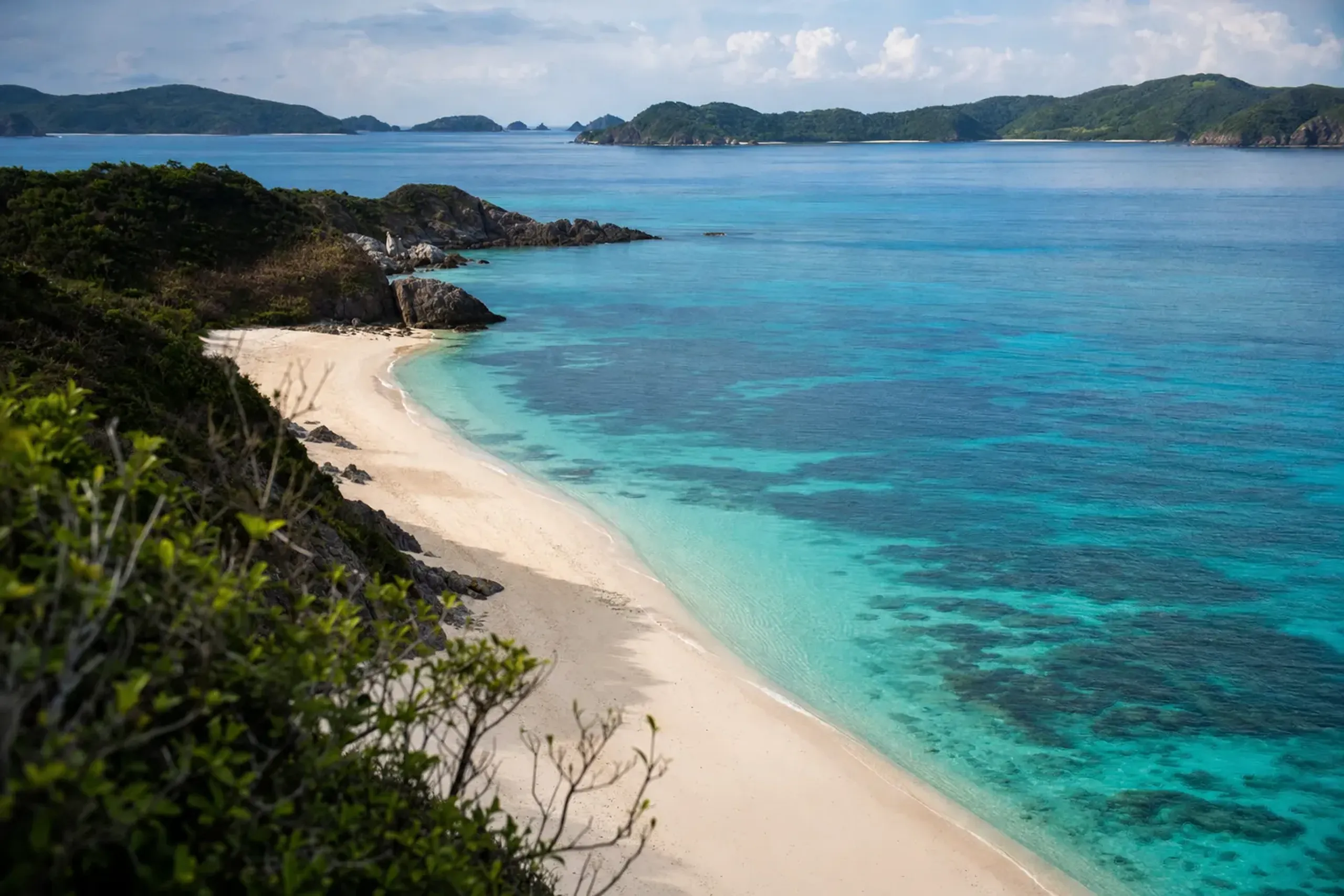
Furuzamami Beach and Ama Beach both sit within about 20 minutes' walk of the port.
Furuzamami lies east of the harbour, a broad beach with a reef not far offshore and that signature clarity. Ama Beach is to the west, shallower and calmer, which makes it the gentler of the two. Being able to walk to either from the boat changes how a day feels. You step off the ferry and you are almost there.
Zamami is also the island most associated with winter whale-watching, with a dedicated local association running the season. More on that below. For now, know that Zamami carries a quiet reputation among people who return to the Keramas year after year. The village is small, the pace unhurried, and the water does the talking.
Our concierge arranges a private guide on the island and, where available, private cruising for sunset or photography, so your hours on Zamami are shaped around what you actually want to see rather than a fixed group schedule.
Aka And Its Neighbours
Aka is the smallest of the three inhabited islands we recommend, home to about 260 residents. It is the quietest, and for some travellers that is the whole point.
Kerama deer, a protected species, roam the island. You may see them near the roads or at the edges of the village in the cooler hours.
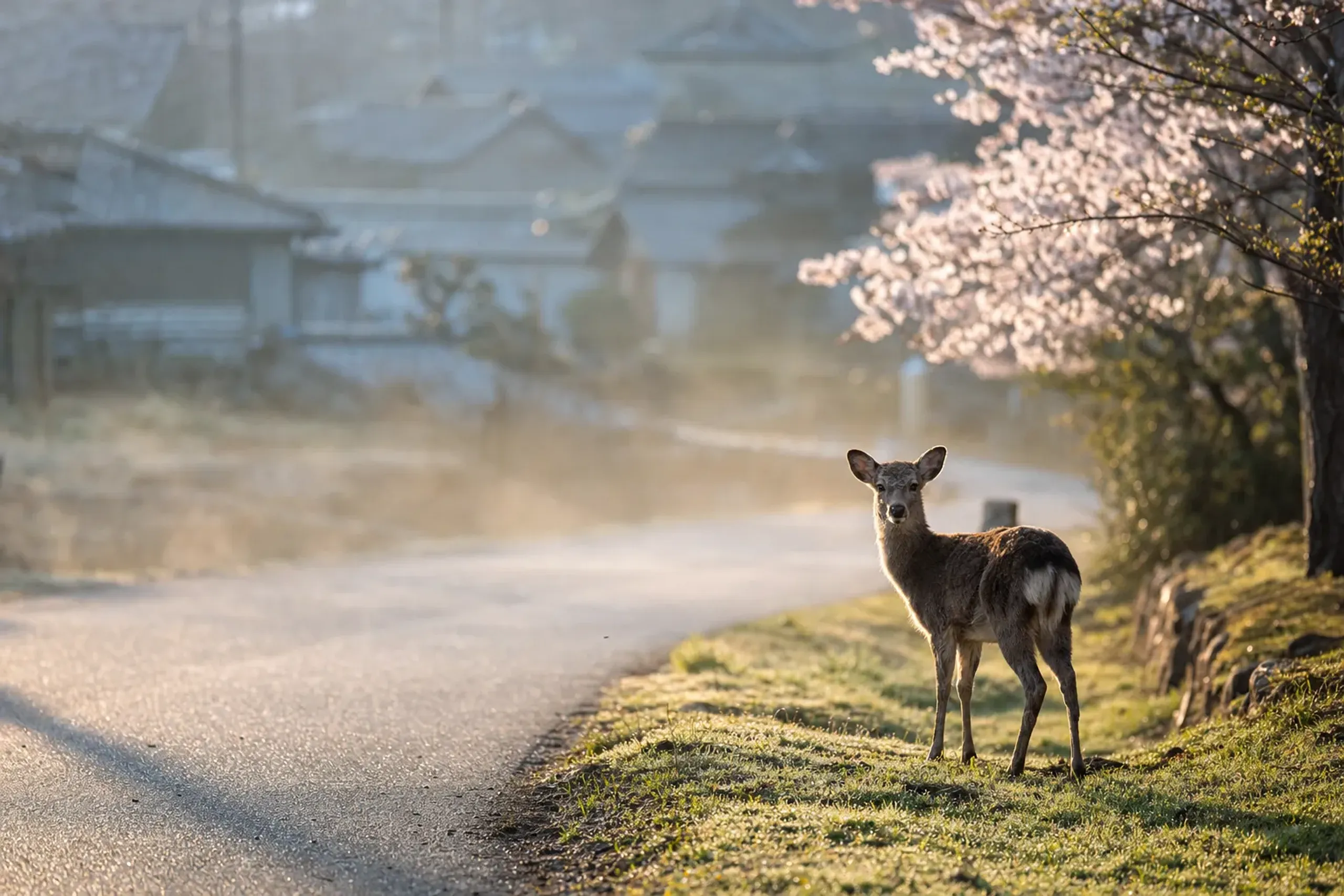
Nishibama Beach, about 20 minutes' walk from the port, is Aka's main stretch of sand, looking across to the neighbouring islets.
What makes Aka unusual is that it is bridged. You can cross on foot or by vehicle to Geruma and Fukaji, linking a small cluster of islands into a single walkable, drivable world. Geruma is where Kerama Airport (KJP) sits, though most of our guests still arrive by boat from Tomari.
Aka suits travellers who have seen the busier beaches of Okinawa and want something smaller. There is little here beyond the water, the deer, the bridges and the light. That restraint is the appeal. A private guide helps you read the island slowly, and our team keeps the day flexible around the limited sailings. For a wider island-hopping plan across Okinawa's southern reaches, our guide to Ishigaki, Taketomi and Iriomote in the Yaeyama Islands is a natural companion to this one.
When Can You See Whales In The Kerama Islands?
Humpback whales gather in the waters around the Kerama Islands to breed, roughly from January to March. Whale-watching tours typically last two to three hours and go out from the islands by boat.
This is winter travel in Okinawa with a purpose. The whales come to warm, sheltered water to calve and court, and the boats go out to watch from a respectful distance. There are firm rules here: swimming with whales and underwater whale-watching are not permitted in the Keramas.
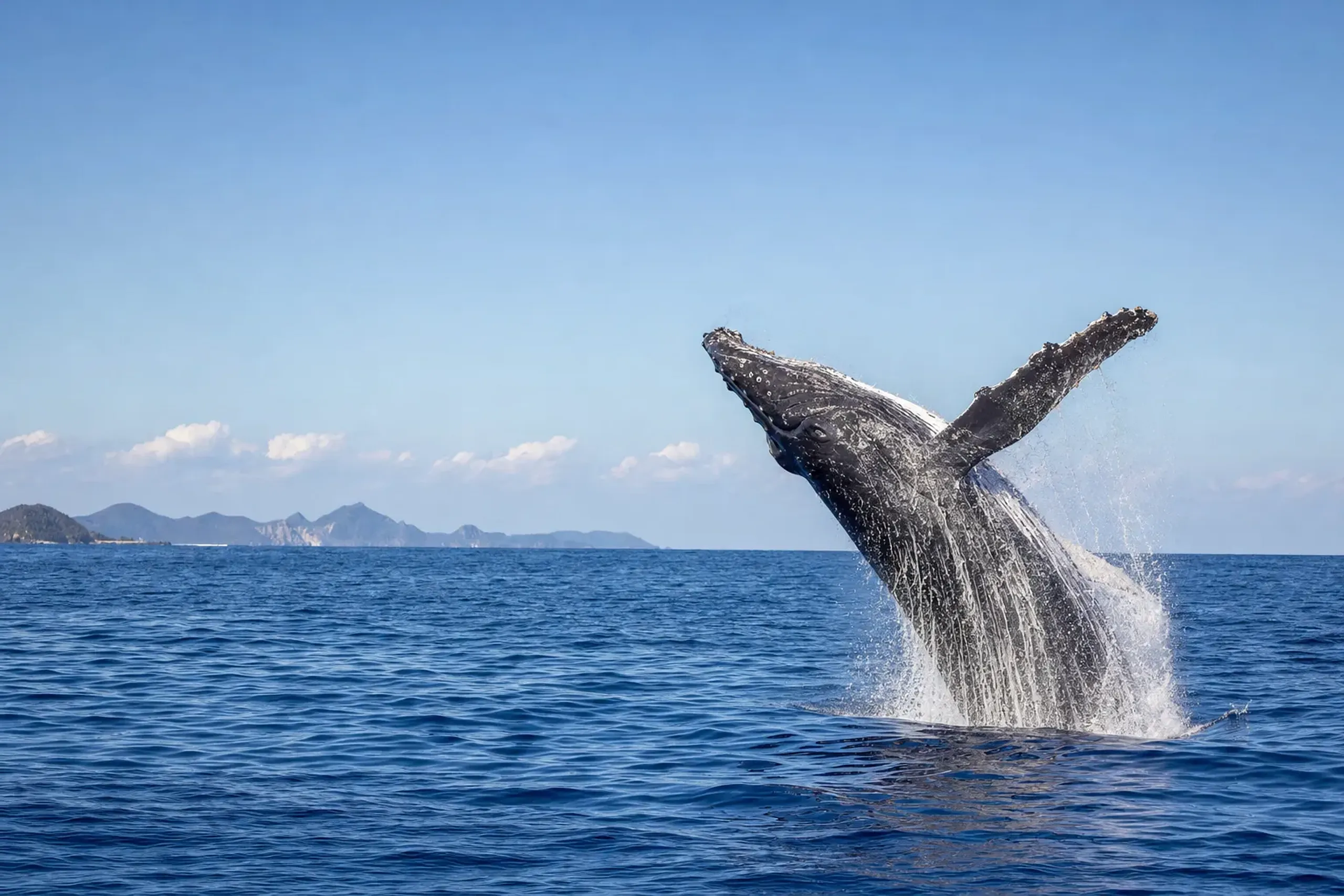
It is observation from the boat, the way the park intends.
Exact season dates, sailing times and tour availability shift year to year and depend on the sea. The JRS concierge team confirms all of this with you directly at the time of arrangement, and books the tour on your behalf of a schedule that fits the rest of your days. We never guarantee a sighting. We do position you, on the right boat, at the right time, with a guide who knows the water.
Day Trip Or A Night On The Islands?
A day trip to the Keramas works cleanly: morning boat out, beaches and a viewpoint, afternoon boat back to Naha. For many guests that is enough, and it keeps a city base intact.
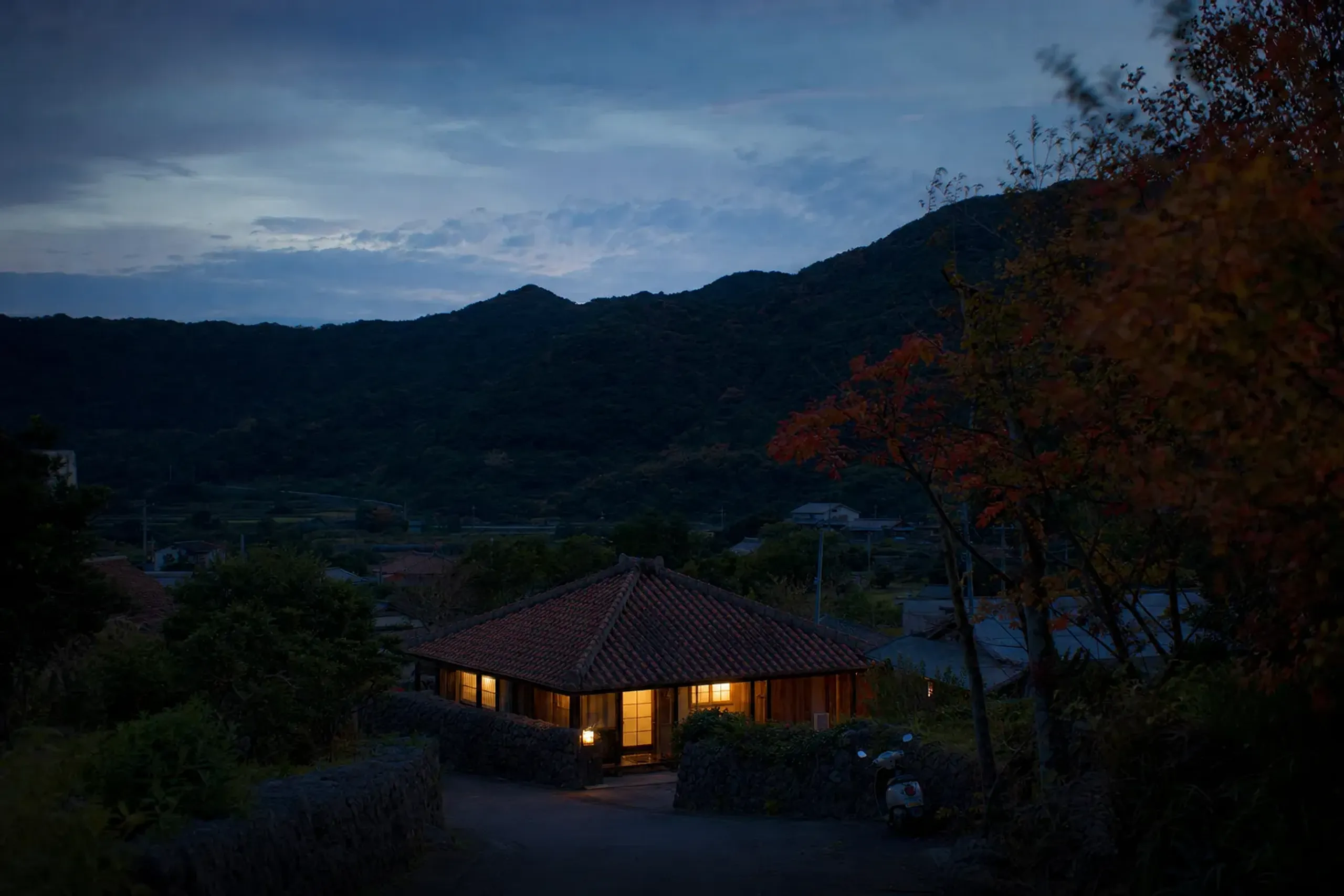
Staying a night changes the character of the place. After the last sailing leaves, the day-trippers go with it. The beaches empty. The water settles. Early the next morning, before the first boat arrives, the clarity is at its best and the islands are yours in a way the afternoon never allows. Evenings bring stars with almost no light to compete.
Our team arranges lodging on the islands discreetly, matched to how you travel, without the compromises of a rushed return ferry. One or two nights is the sweet spot: enough to feel the islands quieten, not so long that the limited sailings become a constraint.
Weather is the honest caveat. Boats depend on the sea, and a rough forecast can disrupt plans. We always build in a buffer and hold a mainland alternative ready. Our guide to planning when the weather turns in Japan explains how we keep a trip moving when the forecast does not cooperate.
Frequently Asked Questions
How long does it take to get from Naha to the Kerama Islands by boat?
High-speed boats from Naha's Tomari Port reach Tokashiki in about 40 minutes, Aka in about 50, and Zamami in roughly 50 to 70 minutes. Slower car ferries also run on longer timings.
Can you visit the Kerama Islands as a day trip from Naha?
Yes. Tokashiki in particular works well as a day trip, with a morning boat out and an afternoon return. A night on the islands, however, lets the beaches quieten after the last sailing and gives you the clearest water the next morning.
Which Kerama island is best for a first visit?
Tokashiki suits a first visit: it is the largest and closest, with Aharen Beach and the Kubandaki observatory. Zamami appeals to those wanting beaches within walking distance of the port, while Aka offers the quietest, smallest experience.
Can you swim with whales in the Kerama Islands?
No.
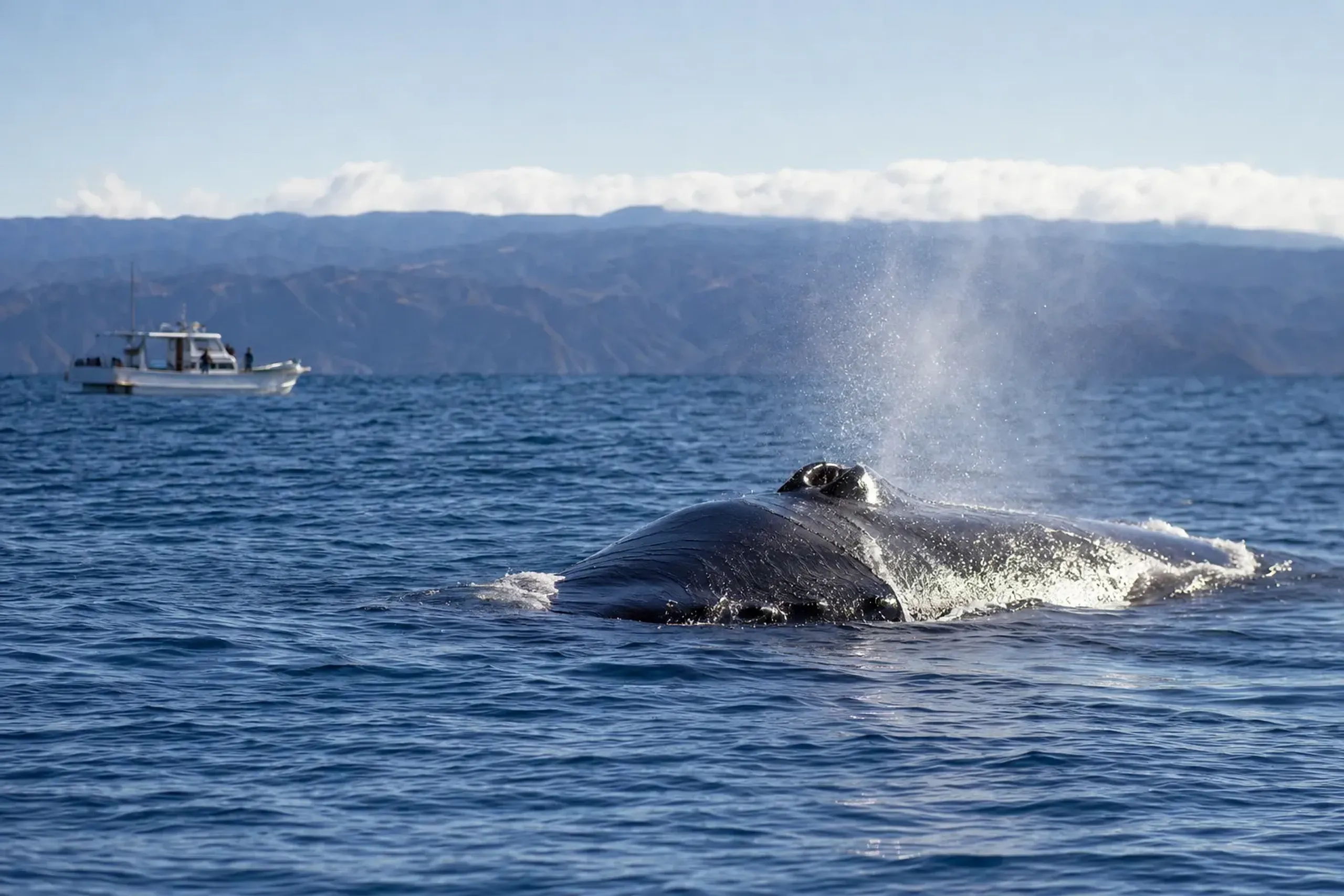
Swimming with whales and underwater whale-watching are prohibited in the Kerama Islands. Winter humpback tours, running roughly January to March, observe the whales from the boat at a respectful distance.
Is there an airport in the Kerama Islands?
Yes, Kerama Airport (KJP) is on Geruma, which is bridged to Aka. Most travellers, however, still arrive by high-speed boat from Naha's Tomari Port, which is the simpler and more frequent route.
Why Choose Japan Royal Service
The Keramas are close, but they are not frictionless. Sailings are few, the sea has the final word, and the best experiences, from winter whale-watching to a quiet night after the day boats have gone, take planning that accounts for weather and timing.
Our team at Japan Royal Service arranges the whole chain: the private transfer to Tomari Port, the high-speed boat, lodging on the islands, a private guide, snorkelling and boat trips, and the winter whale tour. We brief you on reef-safe conduct and the park's wildlife rules before you go. We hold a fallback for the days the sea does not cooperate. And we do all of it with complete discretion, your plans and your identity kept to ourselves. In our experience, that quiet reliability is what turns a short crossing into the easiest luxury in Okinawa.
To plan your Kerama escape, reach our team privately via WhatsApp or LINE, or contact us here.