Kume Island sits about 100 kilometres west of Okinawa's main island, out in the East China Sea. The flight from Naha takes roughly half an hour. That short hop is the whole point. You leave the shops and traffic of the main island behind, and the pace drops the moment you land.
The island is a prefectural natural park. There is a seven-kilometre sandbar reached only by boat, a flat stretch of lava stones best seen at low tide, and a mud-dyed silk woven here for centuries. Our team at Japan Royal Service plans Kume as a short, well-timed island escape — close in minutes, far in feel.
How Do You Get To Kume Island From Naha?
You fly. Flights from Naha Airport to Kume Island take about 30 to 35 minutes, with several departures a day. In summer, seasonal flights also run from Tokyo Haneda.
A ferry runs from Naha's Tomari Port as well. The crossing is slower — a sea journey rather than a quick hop — so most of our guests fly and keep the ferry as context, not plan. Fares and sailings shift from year to year; a fare revision took effect in October 2026, and operators post service changes through the season.
Because schedules and sea conditions move, our concierge team confirms flights, sailings, and transfer timing directly with each guest at the time of arrangement. On the island, we arrange partner-supplied private vehicles with drivers so you are not tied to a rental desk or a bus.
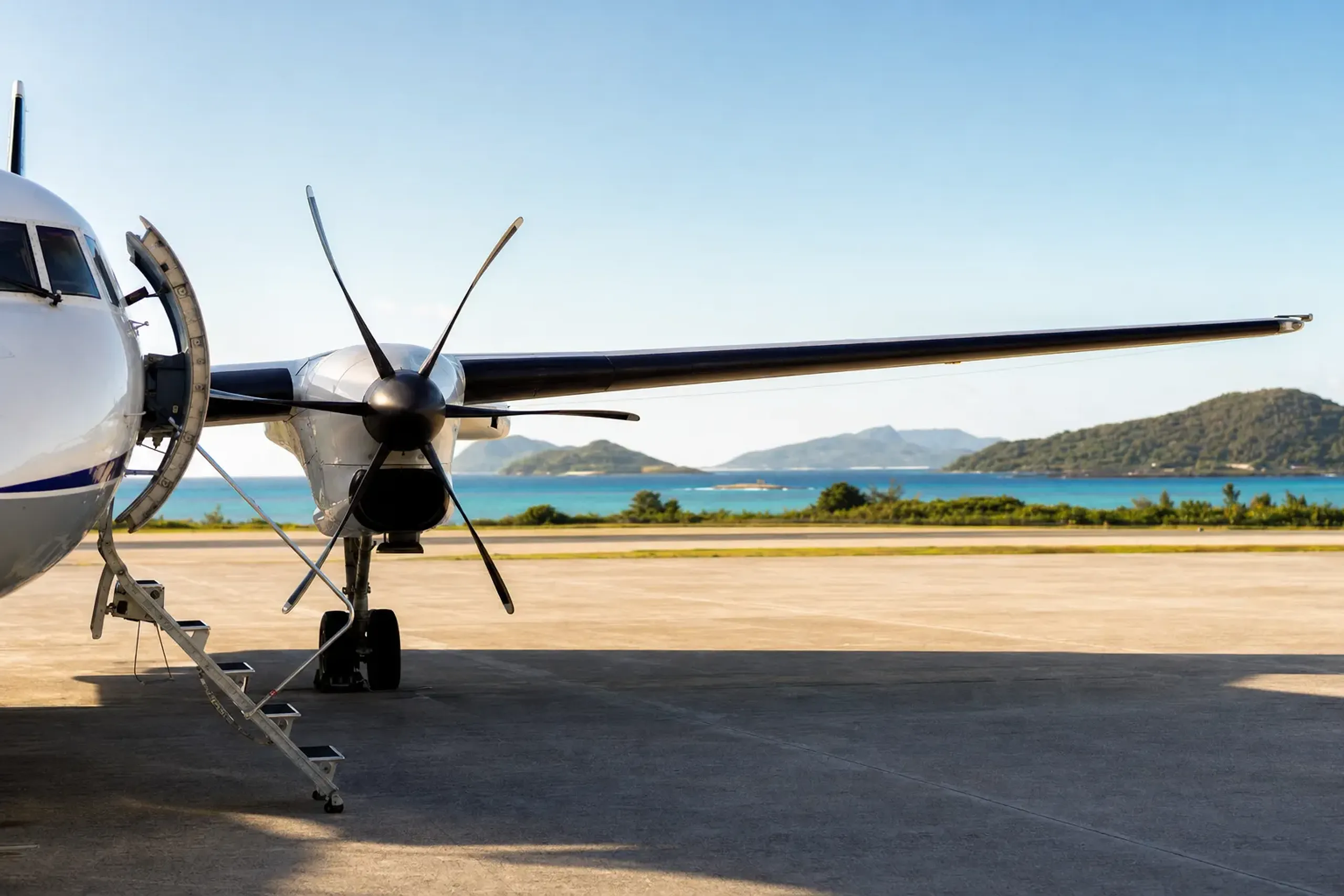
A driver who knows the island loop saves you the small frustrations that eat into a two-night stay.
Hatenohama: The Sandbar Reached Only By Boat
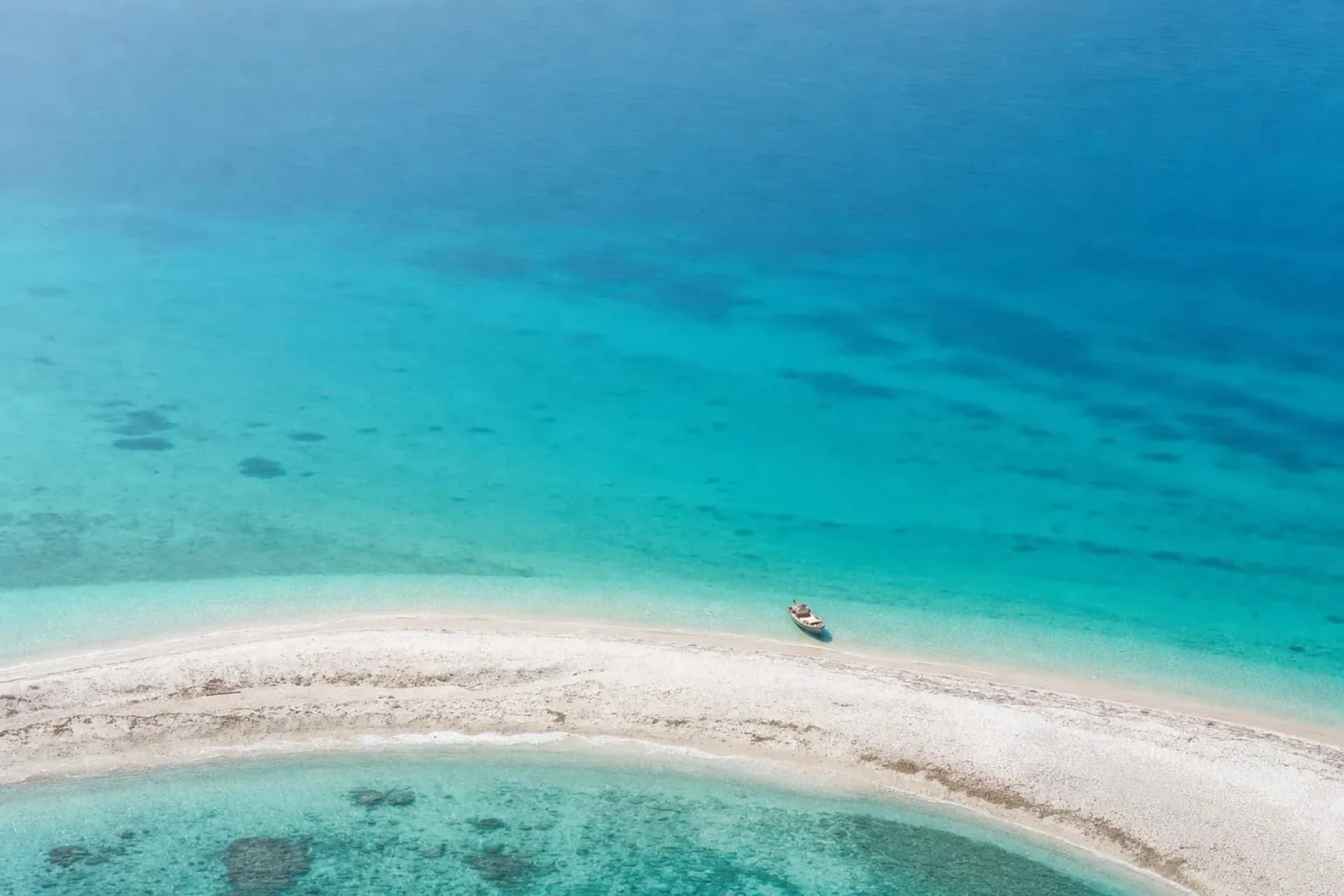
Hatenohama is a sandbar of white sand about seven kilometres long, off Kume Island's east coast. You can reach it only by tour boat. Half-day and full-day trips run; facilities out on the sand are limited.
The sandbar is not one unbroken beach. Kumejima's own English brochure describes it as three linked sandbars — Mhe-nu Hama, Nakanu Hama, and Hatinu Hama. At the right state of the tide, the sand stretches out as a pale line between open water on both sides. There is little shade. There are few comforts. That spareness is what makes it worth the boat.
Here is the part first-time visitors underestimate. The trip depends on sea and tide, and on the weather that morning. A booking that ignores this is a booking that can fall through.
Key fact: Hatenohama is reachable only by boat, with limited facilities on the sand. Sea state and tide decide whether — and when — a trip runs on any given day.
So we build in a hedge. We hold a fallback day when the itinerary allows, and the boat trip is slotted to the morning conditions rather than to a fixed clock. Our concierge team confirms the boat and its timing with the guest as the dates approach, and watches the forecast in the days before. If the morning turns, the fallback day earns its keep.
Pack for exposure: sun cover, water, a hat, something for your feet on hot sand. There is no shop out there. Guests who have done a few remote-island landings with us — the Hatenohama sandbar, the far reefs of the Ogasawara Islands — know the rhythm. You go when the sea says go. The reward is a stretch of sand most people only see in photographs.
Tatami-ishi And The Island Loop By Car
Back on land, the island rewards a slow drive. A car and driver covers the sights in a relaxed day, and you set the order around the tide.
The Tatami-ishi Stones
Tatami-ishi is a flat stretch of lava rock on the islet of Ōjima, on the east side, linked to Kume by bridge. The stones formed millions of years ago from cooling lava. The surface broke into a pattern of joined plates that look like turtle shells — or, as the name suggests, like tatami mats laid across the shore.
See them at low tide. At high water the pattern sinks and the walk is gone. This is why we plan the stones and the sandbar together, around the day's tides, rather than treating either as a fixed appointment. Our coordinator maps the tide windows and the driver's route so the two fit the same day without a rush.
Uegusuku, Mifuga, And Eef Beach
The ruins of Uegusuku Castle sit at the island's highest point, built in the 15th century. The walls are quiet now, but the view over the island and the sea is the reason to climb.
On the north coast stands Mifuga, a rock formation with a wide opening worn through the stone. It is a short stop, worth the detour for the shape of it against the sky.
On the southeast side is Eef Beach, about two kilometres of white sand with calm water. The Kumejima tourism association notes it among Japan's hundred best beaches. It is the easy counterpoint to Hatenohama — no boat, no tide math, just a long quiet shore for an afternoon. For planning the island at a slower register, the same logic that shapes our Miyakojima guide applies here: fewer stops, more time at each.
Kumejima Tsumugi: Silk Dyed With Plants And Mud
Kumejima tsumugi is a handwoven silk pongee, coloured with dyes made from local plants and finished with the island's mud. The deep black base is the signature: iron in the mud reacts with tannins from the plant dye, and the cloth is dyed and re-dyed over roughly a month. The colour is built, not applied.
The craft is old. Weaving techniques arrived through southern trade around the 14th century, and Kume is described as the birthplace of Japanese pongee silk. From the early Edo period to the late Meiji period, tsumugi was handed over as tax — the island paid in cloth. In 1975 it was named on Japan's list of designated traditional crafts.
What makes it worth an hour is watching the steps, not buying the result. The thread, the plant dyes, the mud baths, the loom. On Kume you can see artisans weave the silk, and the process explains the price and the patience in a way no shelf ever does. This is craft as culture — the shokunin discipline that rewards close, unhurried attention rather than a quick souvenir stop. For the wider context of why this kind of encounter matters on a Japan trip, our essay on Japanese craft beyond the tourist circuit sets the frame.
The heritage is also living, not frozen. In 2026 the island reported breeding a native silkworm strain for the first time in about a century — a small sign that the tradition is still being worked on, not only preserved. Our concierge team confirms which ateliers and demonstrations are open during a guest's dates, since access varies through the year.
How Many Nights Do You Need On Kume Island?
Two nights cover Kume comfortably: one for the Hatenohama boat, one for the island loop by car. A third night buys slack for the weather, which is the difference between a plan and a hope.
With two nights, you have a working itinerary but little room to move if the sea closes the sandbar. With three, the fallback day stops being a gamble. For an island where the headline experience depends on conditions, that extra night is the most useful thing on the list.
Season matters. Okinawa's summer is warm and bright, and summer flights from Haneda widen access, but it is also typhoon season, when sailings and flights can be disrupted at short notice. A passing storm can shut the boat for a day or two. We plan island legs with that in mind and keep the booking window flexible where we can. If weather is on your mind, our note on planning when the weather turns is worth a read before you lock dates. The same resilience we build into other remote-island trips — the churches and quiet coast of the Gotō Islands, for one — applies on Kume.
Frequently Asked Questions
How long is the flight from Naha to Kume Island?
About 30 to 35 minutes, with several flights a day from Naha Airport. In summer, seasonal flights also run from Tokyo Haneda. A ferry runs from Naha's Tomari Port as a slower alternative.
Can you only reach Hatenohama by boat?
Yes. Hatenohama, the seven-kilometre sandbar off Kume's east coast, is reachable only by tour boat. Half-day and full-day trips run, and facilities on the sand are limited, so pack sun cover and water.
When is the best time to see the Tatami-ishi stones?
At low tide. The flat lava stones on Ōjima, with their turtle-shell pattern, sink under water at high tide, so the visit is planned around the day's tide window — which our concierge team confirms with each guest.
Is two nights enough for Kume Island?
Two nights cover the Hatenohama boat and the island loop by car. A third night adds a weather buffer, which matters because the sandbar trip depends on sea and tide, and typhoon season can disrupt access.
What is Kumejima tsumugi?
A handwoven silk pongee dyed with local plants and the island's mud, giving a deep black base built over about a month. It joined Japan's designated traditional crafts in 1975, and visitors can watch artisans weave it.
Why Choose Japan Royal Service
Kume is simple to describe and easy to get wrong. The flight is short. The sandbar is not guaranteed. The stones hinge on the tide. Get the sequence wrong and the island's two best things slip past you.
Our team at Japan Royal Service plans the trip around what the sea and sky allow, not around a rigid schedule. We arrange the flight from Naha, lodging, a partner-supplied car and driver for the island loop, an English-speaking guide, and the boat to Hatenohama — timed to the tide, with a fallback day held when the itinerary allows. Because flights, sailings, and sea conditions move, our concierge team confirms each piece directly with you as your dates approach. The result is a quiet island, handled quietly, so the only thing you watch is the horizon.
To plan a tailored two- or three-night Kume Island escape, reach our team privately via WhatsApp or LINE, or contact us here.