In this guide
- 01What Is Hatenohama (ハテの浜), Really?
- 02How Does The Hatenohama Boat Trip From Kume Island Work?
- 03Why Do Hatenohama Tours Get Cancelled So Often In Summer?
- 04What Is Hatenohama Like On The Day: A Step-By-Step Plan
- 05Summer On Kume Island: UV, Jellyfish Season, Turtles, Typhoons
- 06How Do You Get To Kume Island (Kumejima) From Naha Or Tokyo?
- 07A Practical Two-Day Hatenohama Plan (Because The Sea Decides)
- 08How Our Concierge Team Builds A Quiet, High-Precision Hatenohama Day
- 09Plan Your Hatenohama Day With Us
- 10Frequently Asked Questions
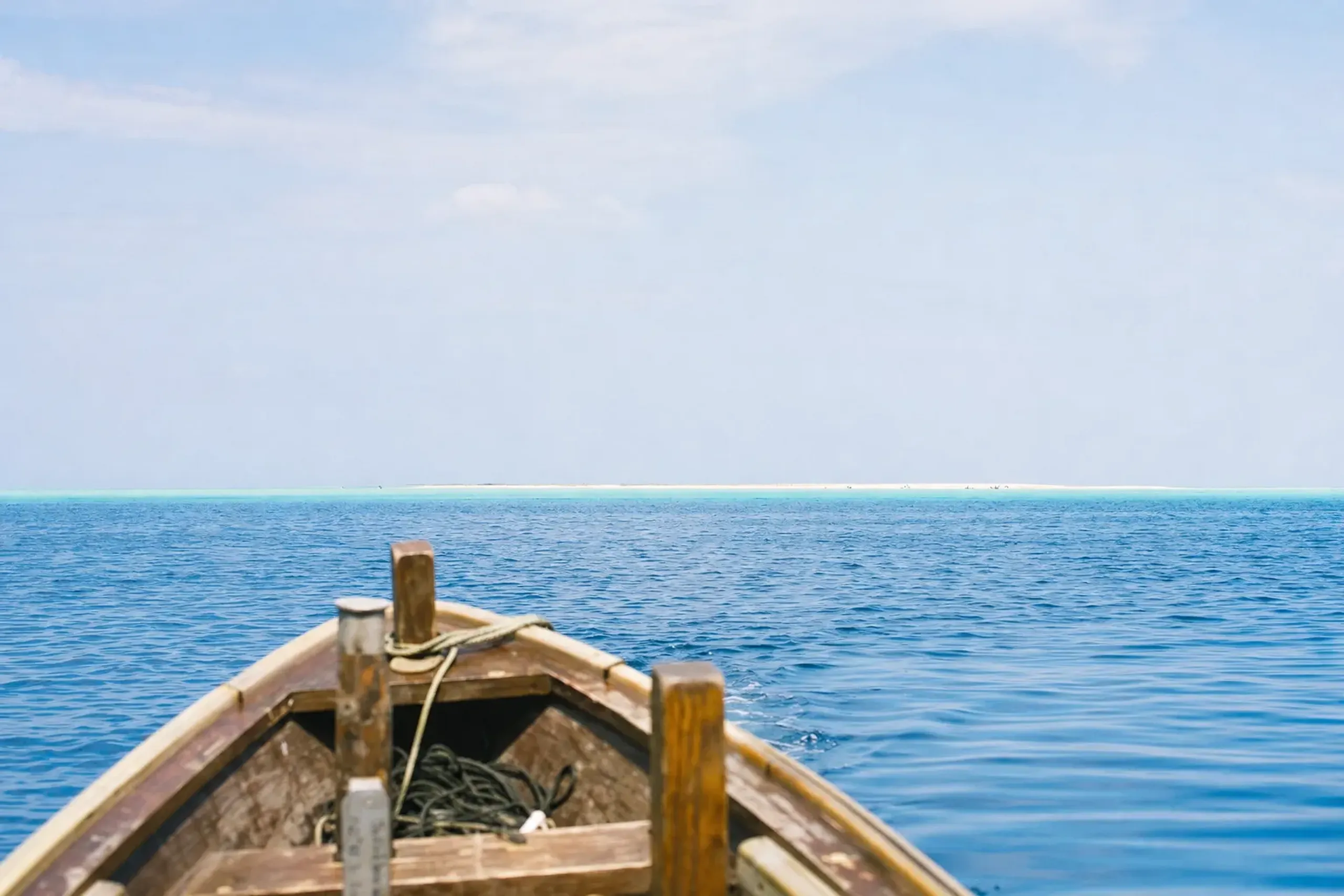
The engine lowers to a patient hum as you leave the harbor. The island’s greens fall away behind you. Ahead, there is almost nothing—just a thin, pale line where sea and sky argue over what is real.
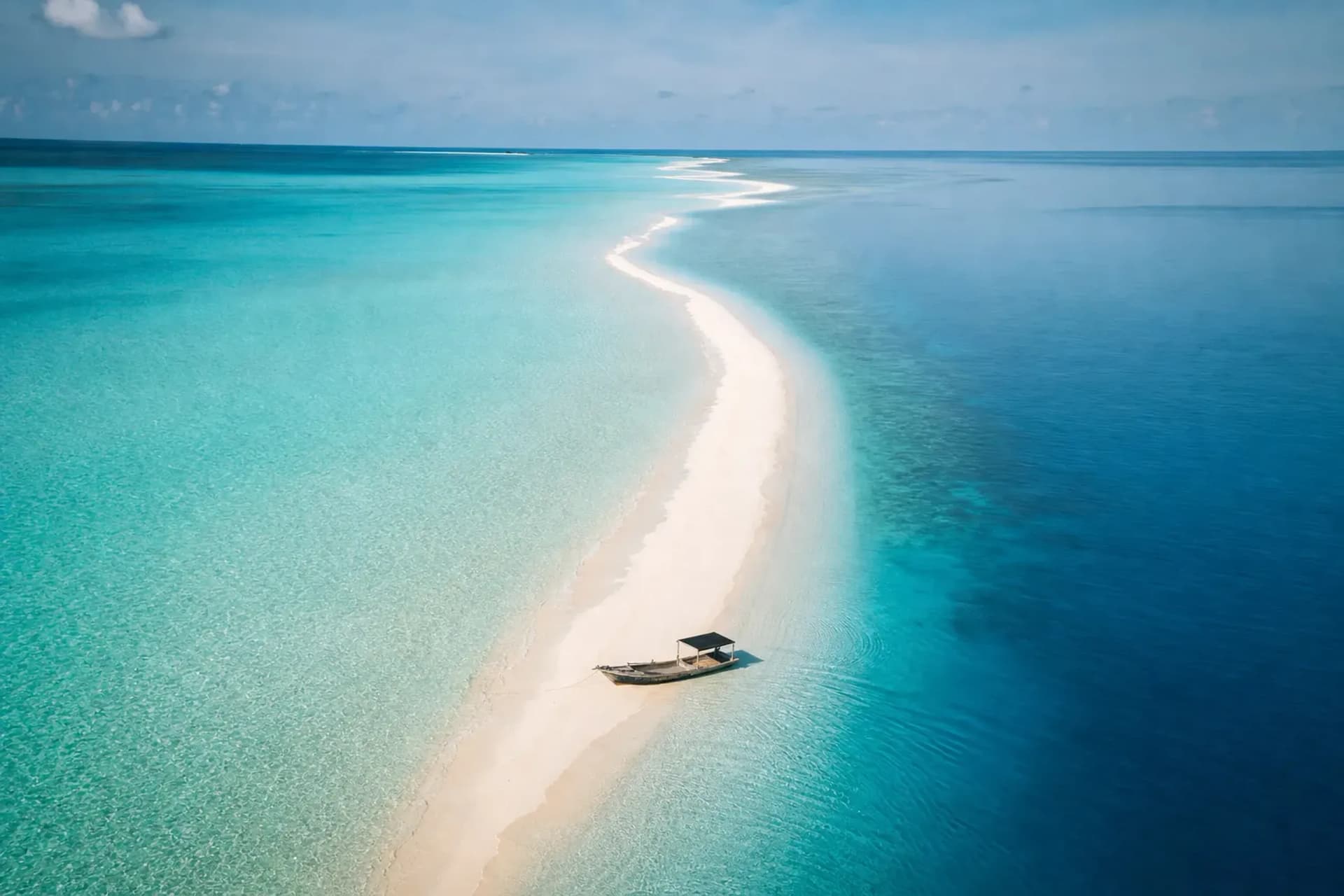
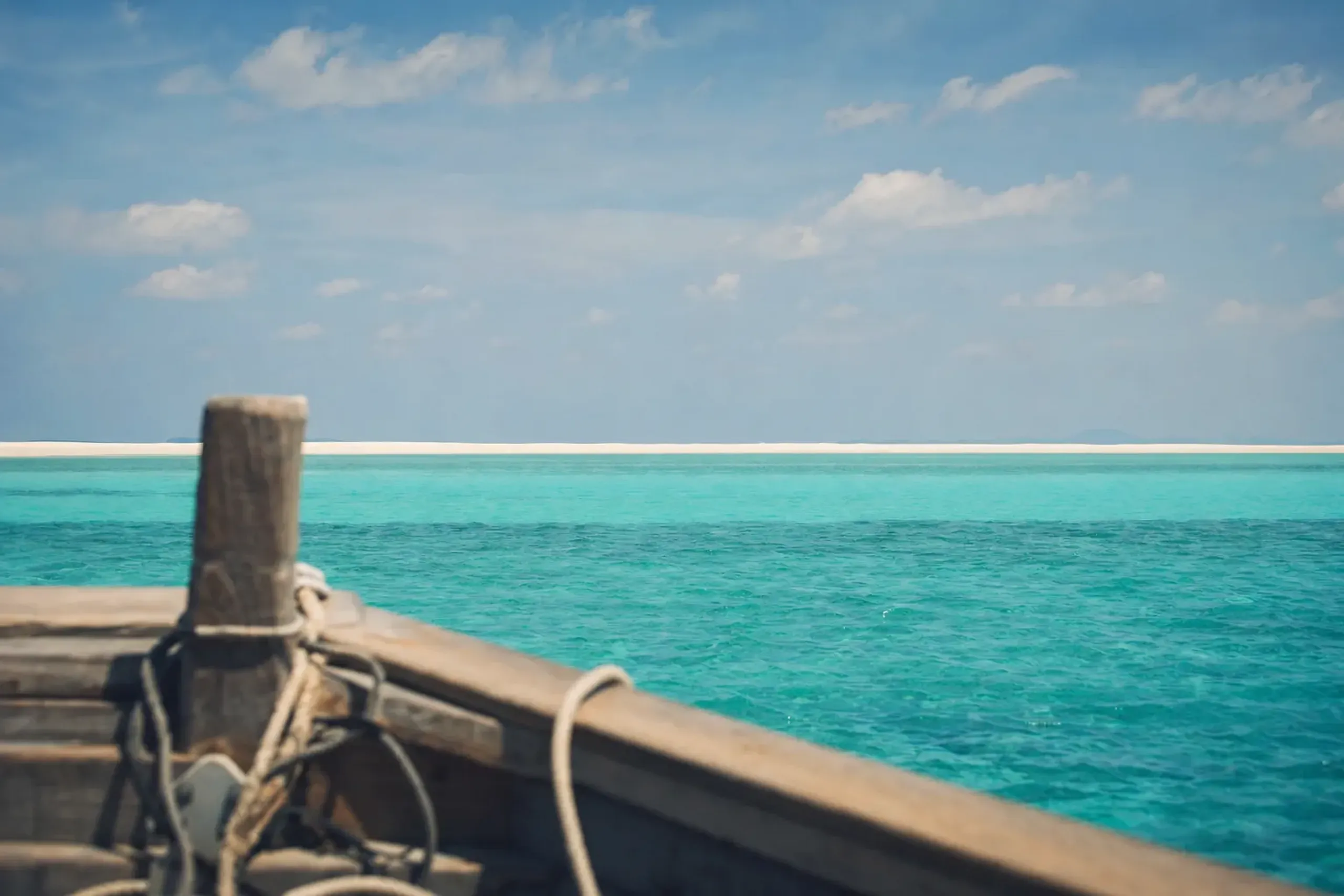
That line is Hatenohama (ハテの浜). Not a “beach” you stroll to after breakfast. It is a chain of three coral sandbars about 5 km off Kume Island, and your day is decided entirely by the sea.
This guide is written the way we plan it: clear logistics, honest risk, and room to move. Quiet luxury—the kind that shows up not as gold leaf or fanfare, but as time, shade, water, and a spare day held in reserve.
What Is Hatenohama (ハテの浜), Really?
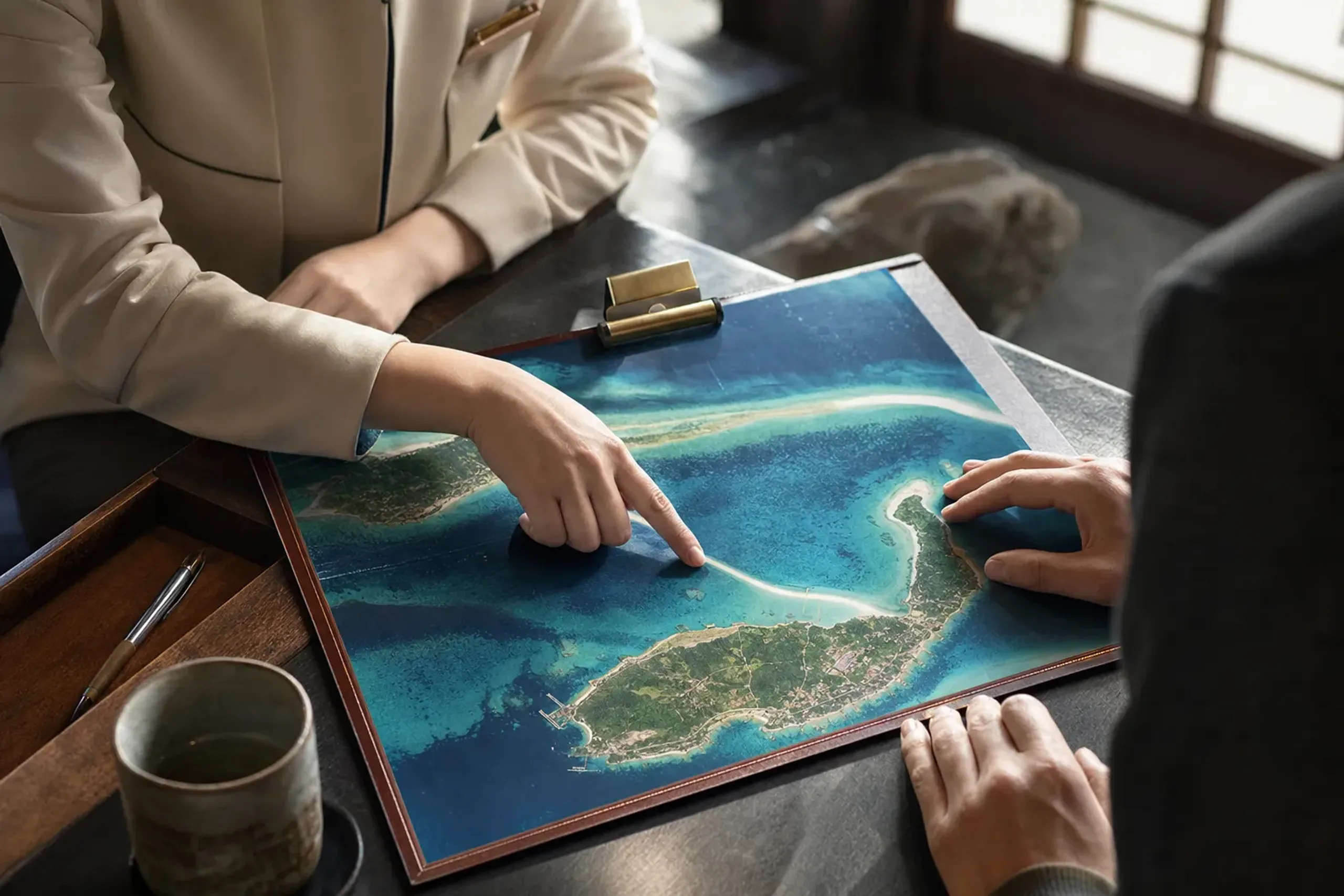
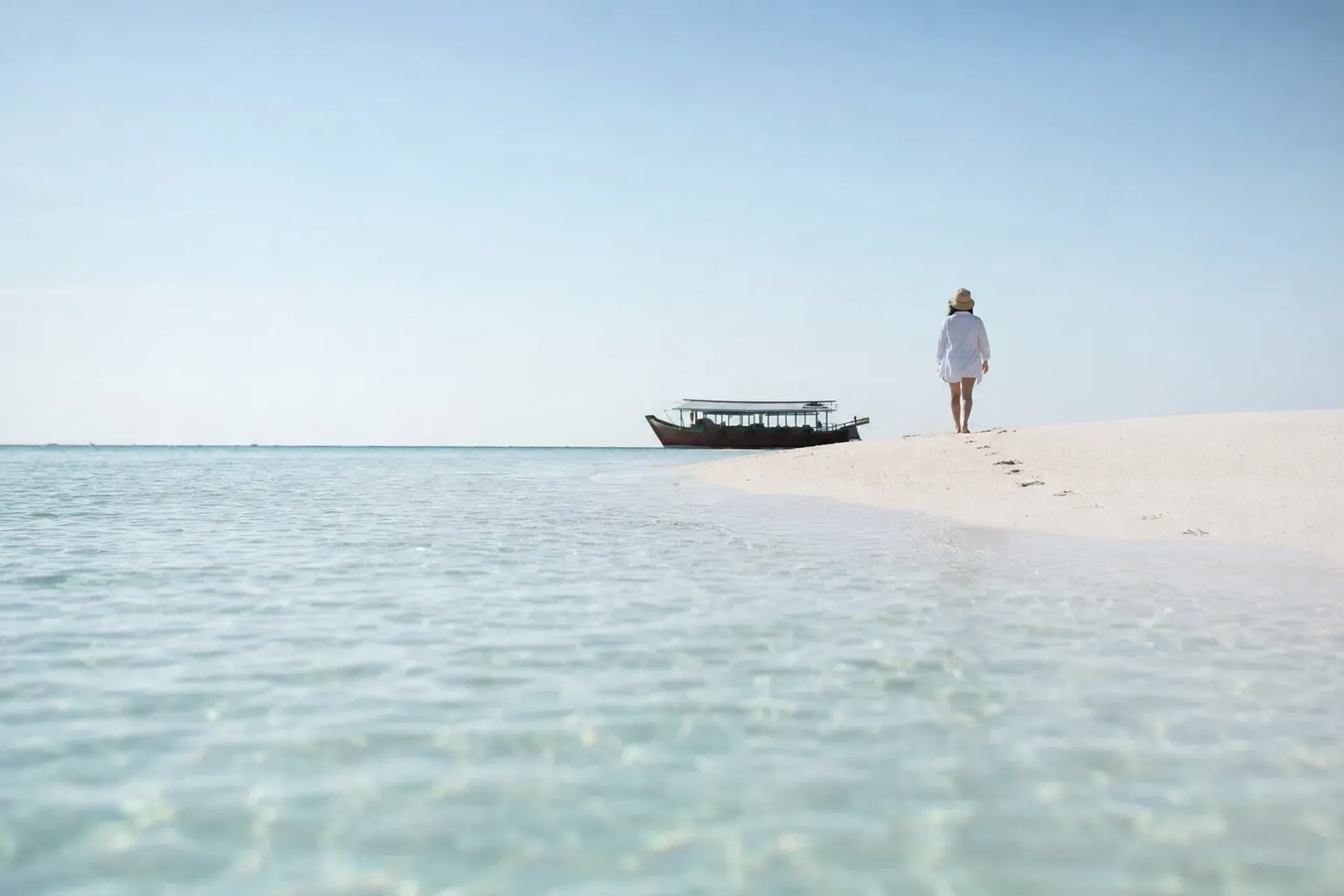
Hatenohama (ハテの浜) is a chain of three coral sandbars—Meenu-hama, Nakano-hama, and Oku-no-hama—lying off Kume Island’s east coast, reached only by boat on local tours.
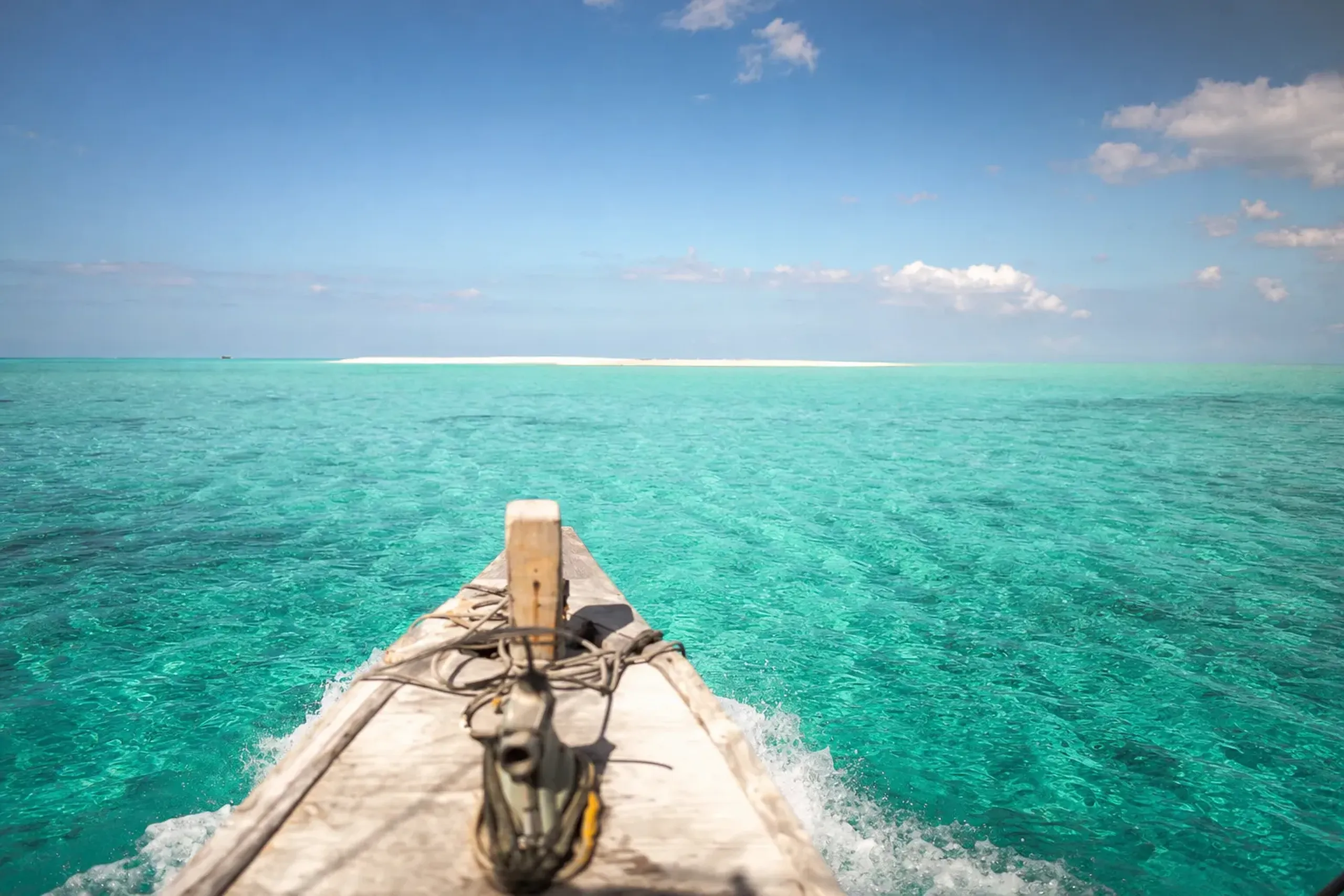
From far away, it looks like a single brushstroke laid across the water. Up close, it becomes coral sand underfoot, shallow blues gathering at the edges, and a horizon that feels far too wide for your calendar.
Official sources describe Hatenohama as roughly 7 km long in total—not a single uniform strip, but a form that can shift with tides and storms.
There are no city blocks here, no convenience stores, no “pop over for five minutes.” That emptiness is the point. And it is exactly why planning matters.
How Does The Hatenohama Boat Trip From Kume Island Work?
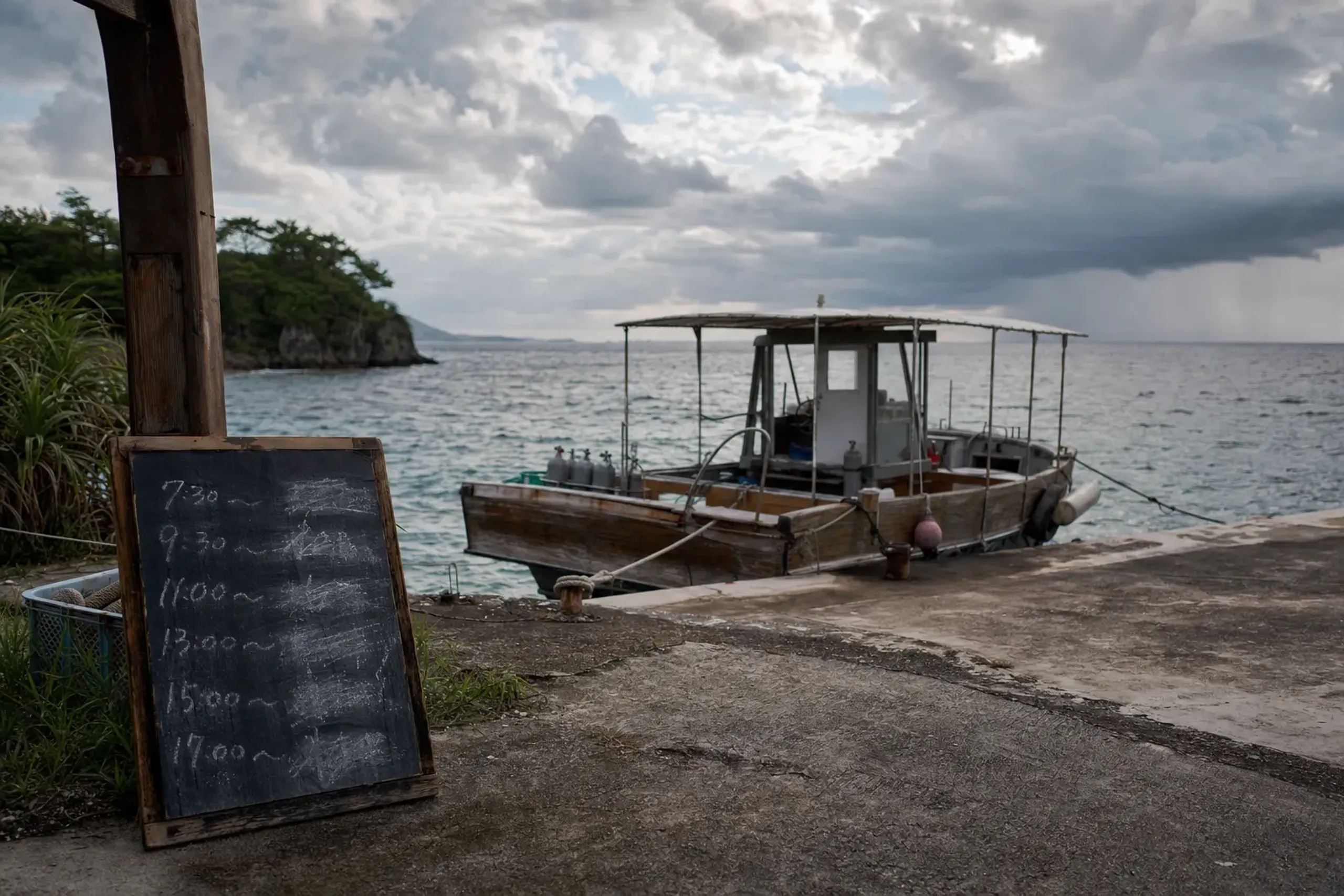
Hatenohama is accessed by a local tour boat from Kume Island, with a typical crossing time of about 20 to 30 minutes each way.
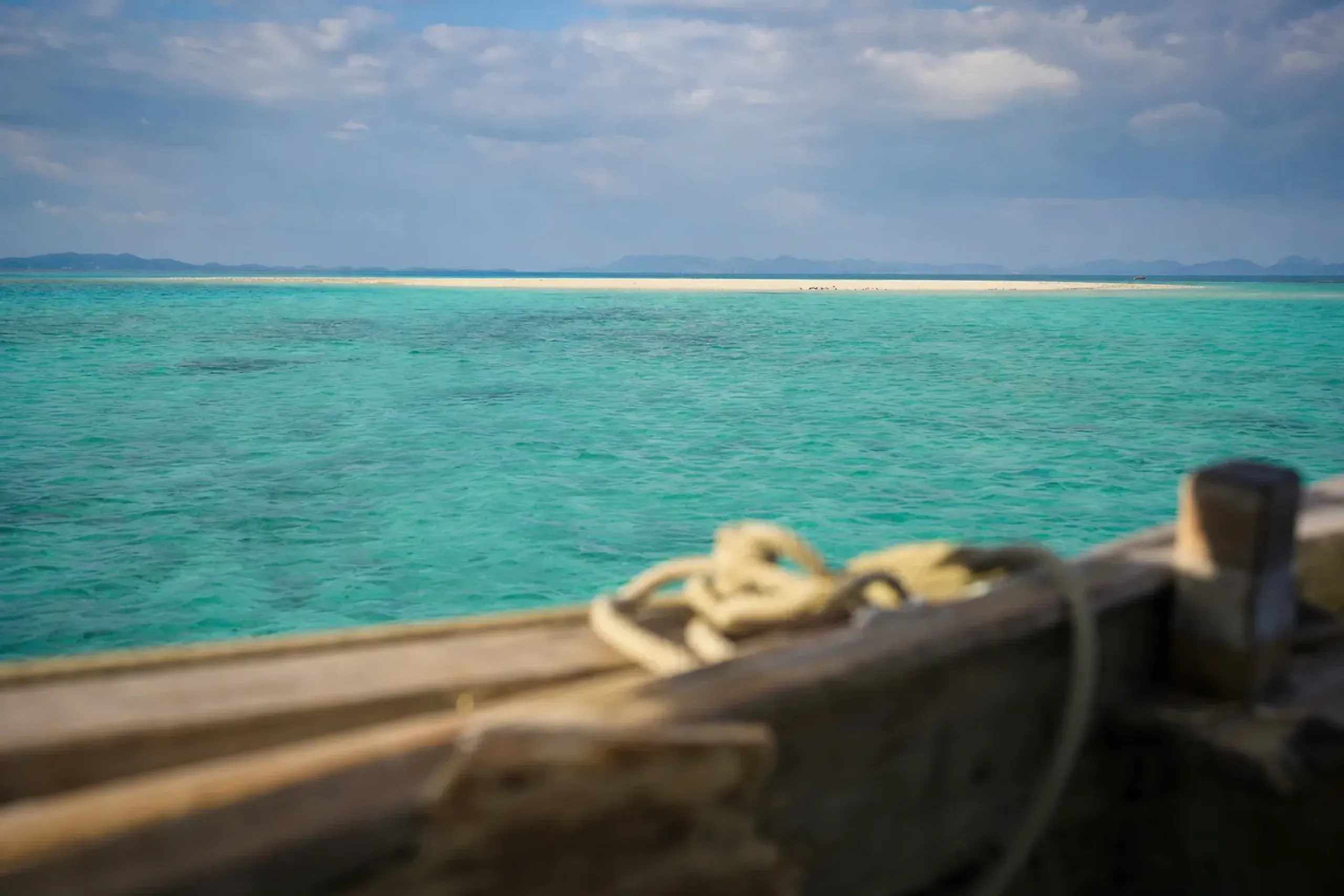
Operators run half-day and full-day options. In practice, your experience depends on sea conditions, the day’s briefing, and what the operator judges safe—not on what the brochure promised.
Facilities are deliberately limited. Official guidance notes there are washrooms, but little else, and advises that you bring your own water and a picnic.
Our advice is simple: pack as though you are leaving the island for a while. Because, in every way that counts, you are.
What To Bring (Because You Can’t “Buy It Later”)
- Water (more than you think). Short thirst becomes long thirst fast.
- Sun protection: hat, long sleeves, sunglasses. Shade is scarce.
- Food: a compact lunch and snacks. Keep it tidy and wind-proof.
- Cash: there are no ATMs at Kumejima Airport or the port.
- Dry bag for phone and passport. Salt finds every gap.
- Light shoes or sandals that won’t betray you on hot sand.
Booking Window (Published Guidance)
Kumejima Town Tourism Association’s visitor FAQ recommends booking with the tour operator by the day before. In summer, “the day before” can feel late—seats and sailing decisions shift with the weather.
If you are traveling on a tighter schedule, our concierge team plans the trip with a spare day built in and verifies, ahead of your visit, the operator’s published departure plan and cancellation rule—privately, and case by case. Discretion is the baseline: your dates and your name travel no further than they must.
Why Do Hatenohama Tours Get Cancelled So Often In Summer?
Hatenohama tours are cancelled when wind and waves make the crossing unsafe, and Kumejima Town has publicly praised operators for “brave cancellation” rather than forcing a risky departure.
This is the detail most travelers miss. You are not buying a beach day. You are attempting a crossing to an exposed sandbar.
Summer can look serene from the hotel balcony and still be rough offshore. The whitecaps stay hidden until you’re already committed.
So we plan the way locals plan. One fixed day is a gamble. Two possible days is a strategy.
Key fact: The town has warned that there are no lifeguarded beaches and has emphasized water safety, noting that a significant share of Okinawa water accidents involve tourists. Always follow the operator’s safety briefing and wear the life jacket.
Drones: Don’t Fly Them Casually
Kumejima Town states that flying a drone near Hatenohama requires notifying the Okinawa Defense Bureau at least 30 days in advance. This is not a casual sunrise flight you can improvise on the day.
In our experience, this is precisely where good trips stay quiet. You enjoy the light. You don’t try to own the sky.
What Is Hatenohama Like On The Day: A Step-By-Step Plan
You’ll enjoy Hatenohama most when the day has shape: a calm morning start, a realistic packing list, and time buffers that never feel like “wasted hours.”
Below is how our team at Japan Royal Service tends to pace it on Kume.
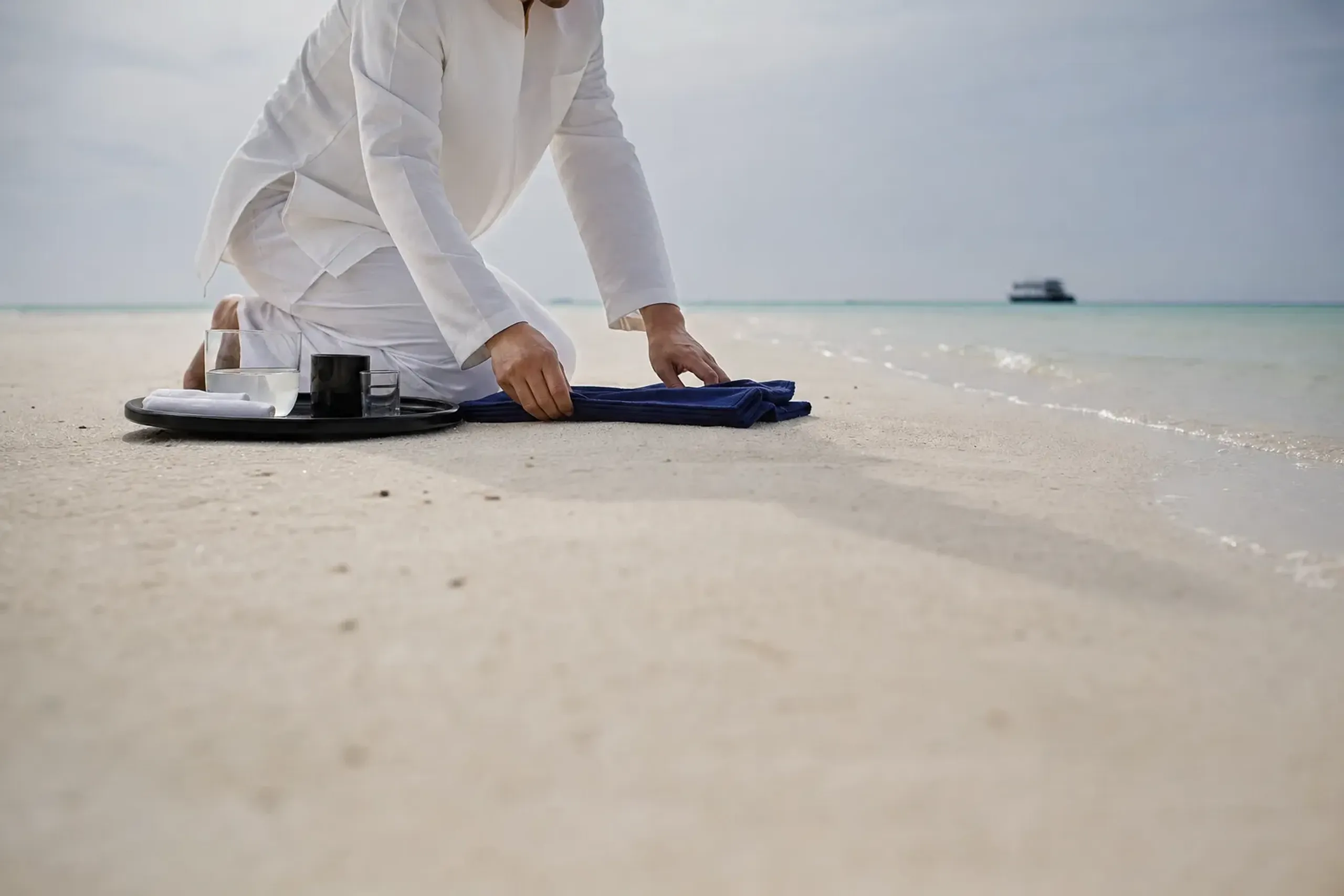
Not rushed. Not precious. Just watchful.
Step 1: Leave Early, Before The Heat Becomes Loud
Meet your guide. Check the day’s conditions. Then move to the departure point with time to spare.
The boat ride is short—about 20 to 30 minutes—but the pre-departure rhythm matters. Miss the briefing and you miss the rules.
Step 2: Listen To The Landing Briefing
We did not find an official, published set of landing rules, tide windows, or visitor caps for Hatenohama. That means your operator’s briefing is the rulebook for the day.
It is also where safety becomes personal: where to stand, how to enter the water, what to avoid. Pay attention. Seriously.
Step 3: Make The Sandbar Your “Small World”
Hatenohama rewards restraint—a quiet, wabi-sabi pleasure in having little and needing less. A towel, a small picnic, a slow walk along the waterline.
Carry your trash back with you. Don’t step where you shouldn’t. If you snorkel, treat the coral as architecture—look, don’t touch.
Step 4: Exit With Energy Left
The sun can flatten people. You want to return to Kume with enough reserves for a shower, a late lunch, and an unhurried evening.
This is where luxury becomes practical rather than performative: you protected your body, and you kept the day kind.
Summer On Kume Island: UV, Jellyfish Season, Turtles, Typhoons
Summer makes Hatenohama both brighter and harsher at once. The sea looks unreal. Your skin believes it.
Kumejima’s summer highs rarely exceed 33°C, according to local tourism information, yet the sun can still feel punishing on open sand.
Japan Meteorological Agency UV guidance in Okinawa can reach “very strong” to “extremely strong.”
Then there is the other summer reality: creatures and weather that pay no attention whatsoever to your itinerary.
Jellyfish Advisory (Habu-Kurage)
Okinawa’s jellyfish advisory period typically runs from early June through the end of September; in 2026, for example, it ran from 1 June to 30 September, with dates confirmed closer to the season.
This does not mean “don’t go.” It means you swim and snorkel with awareness, and you follow the operator’s direction without improvising.
Sea Turtles: Respect The Season
Sea turtles come ashore in Okinawa from around April to November, with hatching reported from late June into August. On Kume, you may hear locals speak about them with a kind of quiet seriousness.
Keep your distance. Don’t chase the photograph. If you want a deeper understanding, Kume Island has a Sea Turtle Museum (closed Tuesdays)—check opening details close to your visit.
Typhoons And The Spare-Day Rule
Typhoons peak in August and September. And they don’t need to make landfall on Kume to transform the sea conditions around it.
When the forecast turns, transport policies can change quickly. In 2026, carrier notices during typhoon disruption commonly offered refund or rebooking without a fee, and ferry notices offered refunds—always confirm your carrier’s current policy. Knowing which month holds which risk, and which window holds which reward, is much of what thoughtful planning on these islands actually buys.
How Do You Get To Kume Island (Kumejima) From Naha Or Tokyo?
You can reach Kume Island by a short flight from Naha (about 25 to 35 minutes) or, in some summers, via a limited direct seasonal flight from Tokyo Haneda. Ferries from Naha take about 3 hours or more, though they may be subject to operational changes.
Kumejima Airport is small and efficient—charming, right up until the moment you need cash.
There are no ATMs at the airport or the port. Bring cash with you from Naha or Tokyo.
Option A: Fly Naha To Kumejima
This is the simplest route for most travelers.
- Flight time: about 25–35 minutes (sources vary)
- Planning note: weather can ripple through the day; keep buffers
Option B: Seasonal Haneda To Kumejima (Example: 2026)
A direct Haneda–Kumejima flight has operated in summer only in some years; in 2026, for example, it ran from 17 July to 31 August, with schedules confirmed closer to the season.
That single line changes the entire feel of the trip. Less transfer fatigue. More time on-island. But it is not guaranteed every year.
Option C: Ferry From Naha (Tomari Port)
A ferry route from Naha (Tomari) has been published at times with a travel time of about 3 hours or more, but travelers should verify the current operating status and timetable close to departure.
In summer, sea state matters a great deal. If you are sensitive to motion, plan thoughtfully.
A Practical Two-Day Hatenohama Plan (Because The Sea Decides)
Hatenohama is where a “perfectly optimized” schedule quietly breaks. So we don’t optimize. We cushion.
For the discerning traveler, the luxury here is not excess. It is optionality.
| Plan Element | What We Recommend |
|---|---|
| Minimum nights on Kume | 2 nights (1 spare day against cancellation) |
| Hatenohama attempt | Day 1, with Day 2 kept flexible |
| Heat management | Earlier departure, shade strategy, strong hydration |
| Cancellation fallback | Simple island day + try again next day if conditions improve |
If Hatenohama Cancels: Keep The Day Gentle
When the boats don’t run, you don’t “replace” Hatenohama. You protect the trip.
On Kume, an easy fallback pairs Eef Beach (イーフビーチ)—a long stretch of sand (about 2 km) where the tide shapes the shoreline—with a visit to Tatami-ishi (畳石), a Prefectural Natural Monument formed by more than 1,000 rock columns across about 250 meters.
One short loop. A slow lunch. Then an early night.
How Our Concierge Team Builds A Quiet, High-Precision Hatenohama Day
Good Hatenohama days look effortless from the outside. That calm is built long before you arrive.
Our team at Japan Royal Service plans Kume Island trips with discretion as the baseline: your identity and itinerary stay confidential, and we keep logistics tight without ever making the day feel managed.
Within the scope of this destination, we support four things. No inflated promises. No invented “exclusive” access.
- Guiding on Kume: an English-speaking cultural interpreter guide who explains the island and helps you follow the operator’s briefing.
- On-island transfers: a partner vehicle between the airport, your hotel, and the departure point (not an in-house fleet, and not a driver-guide role). Our first choice is comfort and quiet space; learn more about private transportation.
- Accommodation coordination: selecting a suitable Kume stay with the right room condition and backup options.
- Timing and contingencies: building a day with a spare day against weather, and confirming ahead of time the operator’s published cancellation rule and the current-year notices on jellyfish and typhoons.
This is also where our “hidden-Japan” sensibility shows up in a practical way—not as secrecy, but as simplicity: fewer moving parts, fewer public touchpoints, fewer chances for the trip to fray.
The Japan that rewards you here is not the one Google hands over; it is the one a trusted local network quietly arranges.
Where Shokunin Fits (Even On A Beach Trip)
Hatenohama is nature. But Kume is also craft.
If you want something grounded after the glare of the sandbar, our concierge can privately guide you toward Kumejima tsumugi (久米島紬)—observing the work of weavers whose hands rarely open to outside visitors, and understanding why the island treats its materials with such reverence. Shokunin energy. Measured hands. No show.
Tailor-Made Itineraries Without A Loud Checklist
Many travelers try to “do” Okinawa like a shopping list. That is precisely how you end up exhausted and sunburned.
We prefer a tailor-made itinerary with one main aim per day, and enough breathing room for the weather to have its say.
For broader island context, you may also enjoy our guide to Okinawa and the Ryukyu Islands. Keep Hatenohama as the anchor, though. It deserves the focus.
Plan Your Hatenohama Day With Us
Hatenohama is not a place you force. It is a place you meet on its own terms—with the right day, the right tide, and a spare morning held quietly in hand. When the sea opens, you want to be ready; when it doesn’t, you want a trip that still feels whole.
If you would like us to shape a discreet, unhurried Kume Island journey around the sandbar—built with contingencies, cultural depth, and complete confidentiality—contact us here to begin a private, tailored proposal.
Frequently Asked Questions
Is Hatenohama A Regular Beach I Can Visit On My Own?
No—Hatenohama (ハテの浜) is a chain of sandbars offshore, accessed only by boat tours from Kume Island rather than by road.
That “only by boat” detail changes everything: timing, packing, and the need for a spare day in summer.
How Long Is The Boat Ride From Kume Island To Hatenohama?
The crossing typically takes about 20 to 30 minutes each way, depending on the day’s sea conditions and the departure point used by the operator.
Half-day and full-day tours exist, so the time on the sandbar varies by plan and conditions.
Can I Swim Or Snorkel At Hatenohama In Summer?
Yes, swimming is possible, but Hatenohama is not a managed swimming beach, so you must follow the operator’s safety briefing and wear the provided life jacket.