In this guide
- 01What Makes The Ogasawara Islands Different From Anywhere Else In Tokyo?
- 02Why Six Days Is The Realistic Minimum (And Why A Long Weekend Fails)
- 03How Do You Get To Ogasawara From Tokyo Without Flying?
- 04The 24-Hour Ferry Crossing: What It Feels Like, And What To Pack
- 05Chichijima Vs Hahajima: How To Split Your Time
- 06When Is The Best Time For Whale Watching In Ogasawara?
- 07What To Do In Ogasawara Outside Whale Season
- 08How Far In Advance Should You Plan Ogasawara (Cabins, Guides, And Limited Inventory)?
- 09A Practical 6-Day Ogasawara Framework (Built Around The Ship)
- 10Why The Isolation Is The Asset: UNESCO Nature, Wabi-Sabi Silence, And Discretion
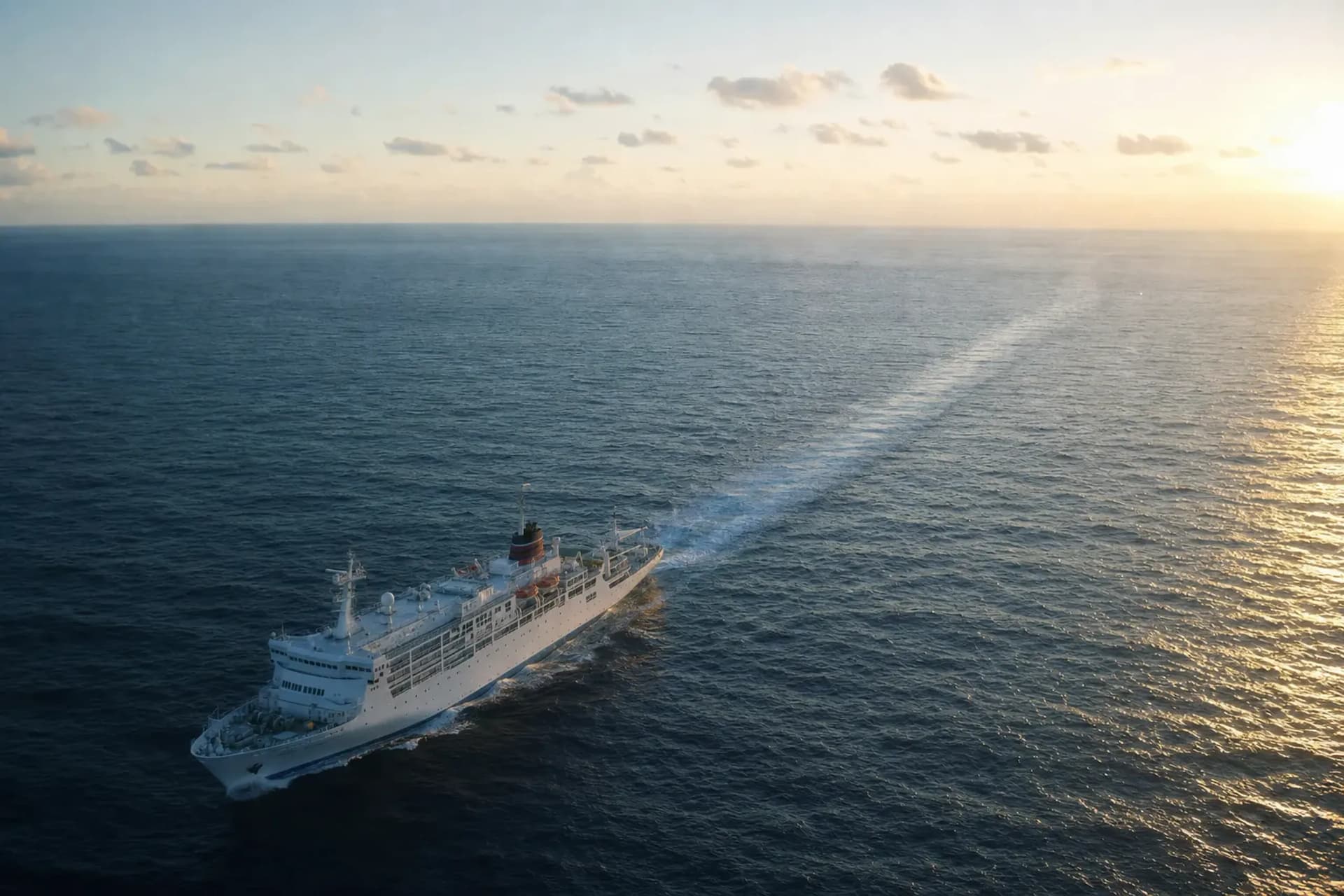
No airport serves the Ogasawara Islands. Your entry ticket is time: roughly 24 hours at sea each way aboard the Ogasawara Maru from Tokyo. In most seasons the ship sails only about once a week, and that single rhythm quietly dictates everything. That, in fact, is the entire point.
For the discerning traveler, Ogasawara is not a “quick add-on.” It is a deliberate decision to go where convenience ends and something rarer begins. The reward is a UNESCO Natural World Heritage landscape (inscribed in 2011) shaped by profound isolation—home to species that evolved far from continents and crowds alike. Here, quiet wins.
What Makes The Ogasawara Islands Different From Anywhere Else In Tokyo?
Ogasawara is, administratively, part of Tokyo—yet it lies roughly 1,000 km south in the open Pacific, and the inhabited islands can be reached only by ship.
That distance does something to a place. It edits out day-trippers, frantic schedules, and the reflexive pull of the “Golden Route.” You arrive more slowly. You notice more.
The islands are also known as the Bonin Islands, and together they form a subtropical archipelago within Ogasawara National Park. Official sources describe more than 30 islands spread across roughly 400 km north to south, including the Mukojima, Chichijima, and Hahajima island groups. The remoteness here is not branding. It is geography.
For travelers who have already savored Tokyo, Kyoto, and Hakone, Ogasawara feels like a genuine reset. No neon. No bullet trains. Just salt air, forested ridgelines, and the kind of nighttime quiet that makes you lower your voice without quite knowing why.
Why Six Days Is The Realistic Minimum (And Why A Long Weekend Fails)
Plan on about six days at an absolute minimum, because you need roughly two full days for the 24-hour ferry crossings, plus enough time on Chichijima to make the journey worthwhile.
Here is the constraint that surprises even the most capable planners: the ship schedule is the itinerary. When sailings run only about once a week, you do not “drop in.” You commit. Attempt to compress it, and the trip unravels.
In our experience at Japan Royal Service, the cleanest first trip is structured around three full days on the islands, framed by the two sea days. That gives you room for shifting weather and marine tours that may move by a few hours. It also leaves time to genuinely walk, snorkel, and sit still.
There are periods when the Ogasawara Maru sails more frequently—about once every three days during summer vacation—yet even then, this is not a destination built for short breaks. Capacity is finite, and lead time matters enormously. A thoughtfully tailor-made itinerary begins with securing the right sailing cycle first, then building everything else around it.
How Do You Get To Ogasawara From Tokyo Without Flying?
You travel aboard the Ogasawara Maru liner from Takeshiba Pier in Tokyo to Futami Port on Chichijima, a passage of roughly 24 hours each way.
The practical meaning is this: you board in Tokyo, fall asleep with open ocean beyond the rail, then wake to a different horizon entirely.
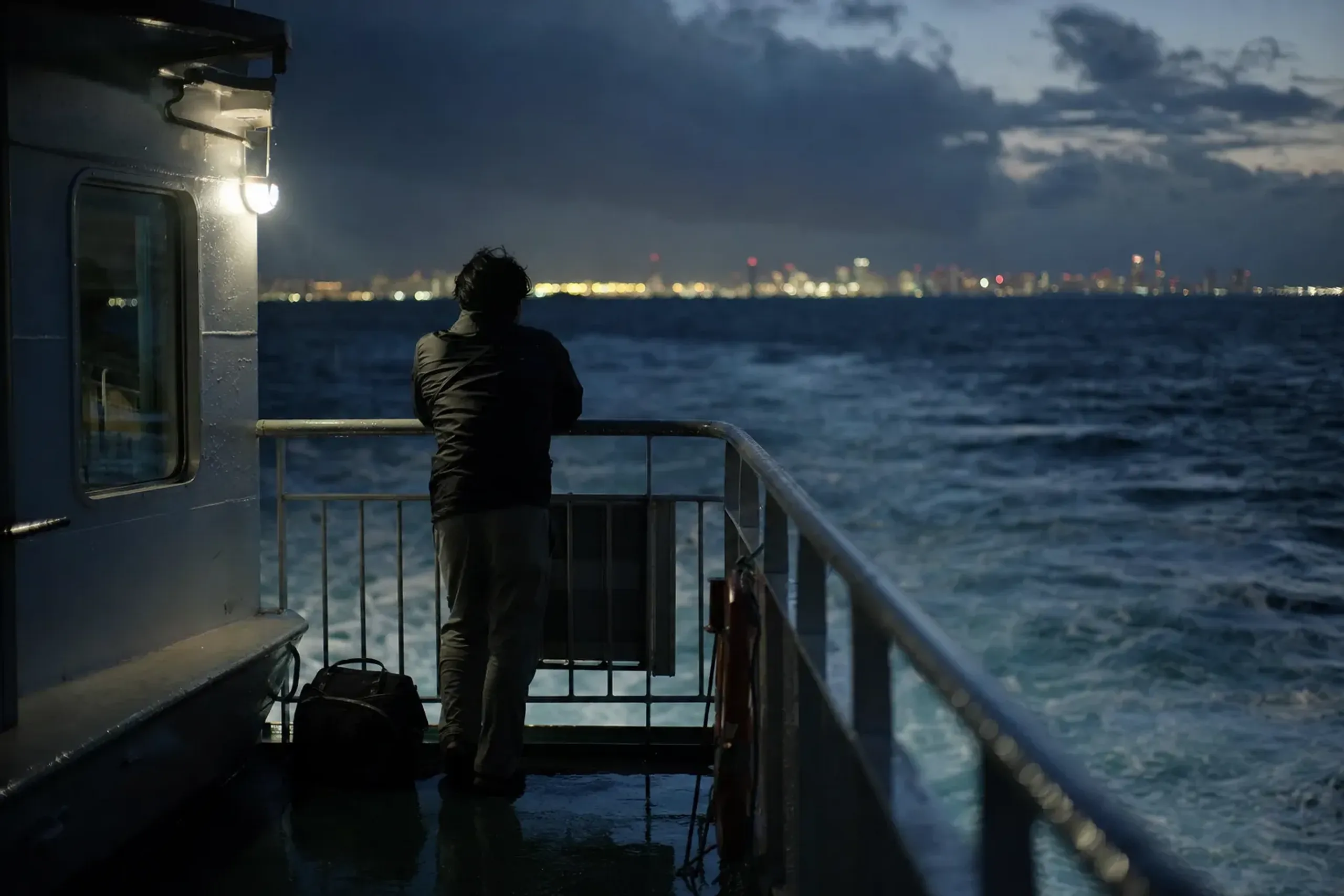
One full day later, you arrive at Chichijima’s Futami Port. There is no “quick hop” alternative for the inhabited islands.
The operator publishes schedules and fare tables in English, including its various onboard classes. We do not recommend memorizing dates from any blog post, because sailing days can shift and seasonal frequency changes; instead, we treat the operator timetable as the single source of truth and shape your island days around that cadence. This is where a discreet, well-briefed concierge earns its place—arranging your Tokyo departure and onward private transportation to Takeshiba Pier so the crossing begins without a ripple of friction.
Ogasawara’s ship-only access is not a nuisance to work around. It is the filter that protects the place. This is hidden Japan in the most literal sense: the Japan that stays quiet precisely because you cannot reach it casually.
The 24-Hour Ferry Crossing: What It Feels Like, And What To Pack
Expect a true sea journey, not a “transfer.” That single shift in mindset changes the entire trip. You do not merely endure the crossing; you use it.
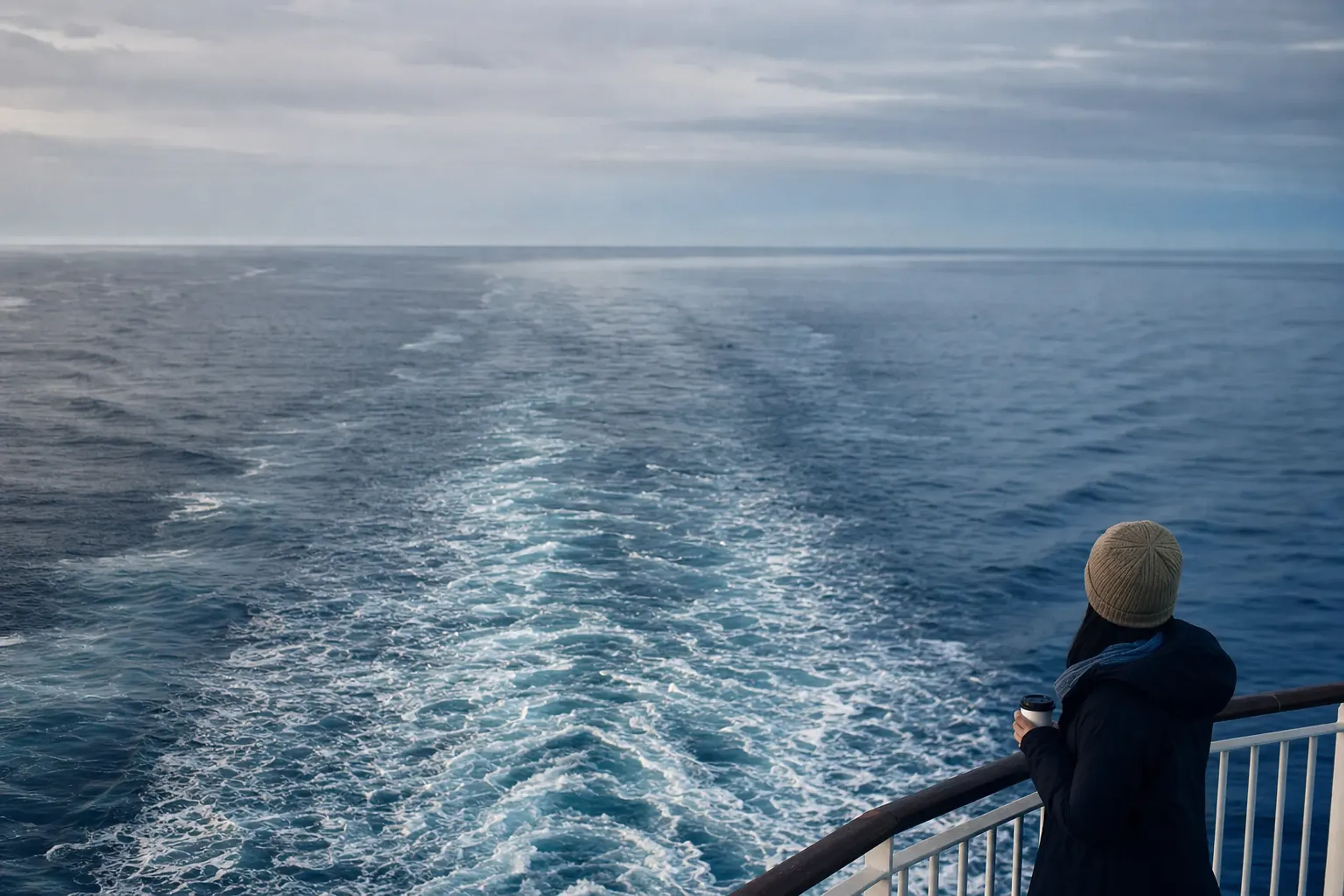
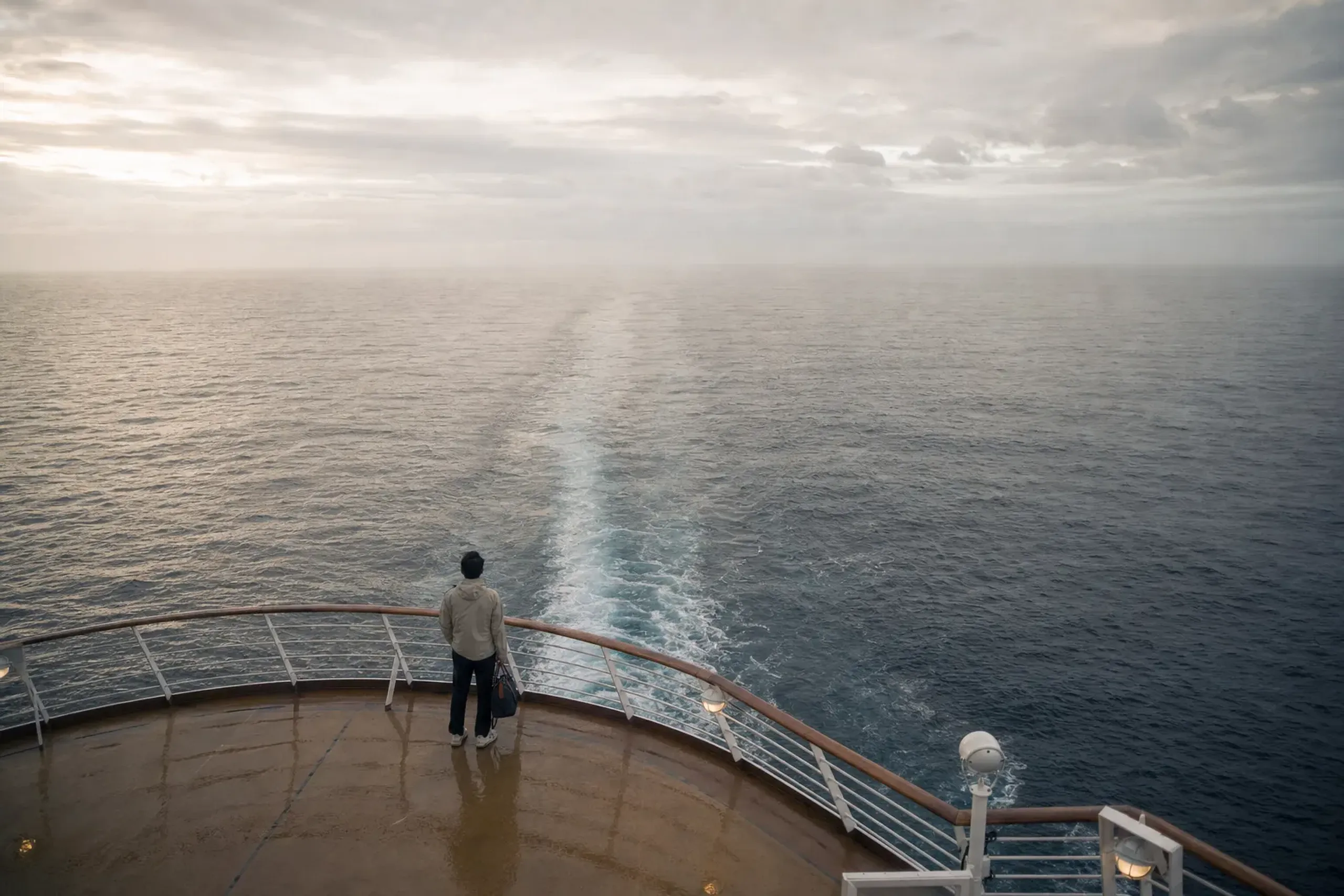
On deck, the Pacific looks almost too simple. Blue, then deeper blue. At night, the ship’s wake pulls a thin thread of light behind you, and you realize how rare it has become to be this far from the glare of any city.
Cabin Strategy: Comfort Without Pretending It’s A Cruise Ship
The Ogasawara Maru offers multiple cabin classes (the operator publishes fare tables by class), and your choice quietly shapes your arrival day.
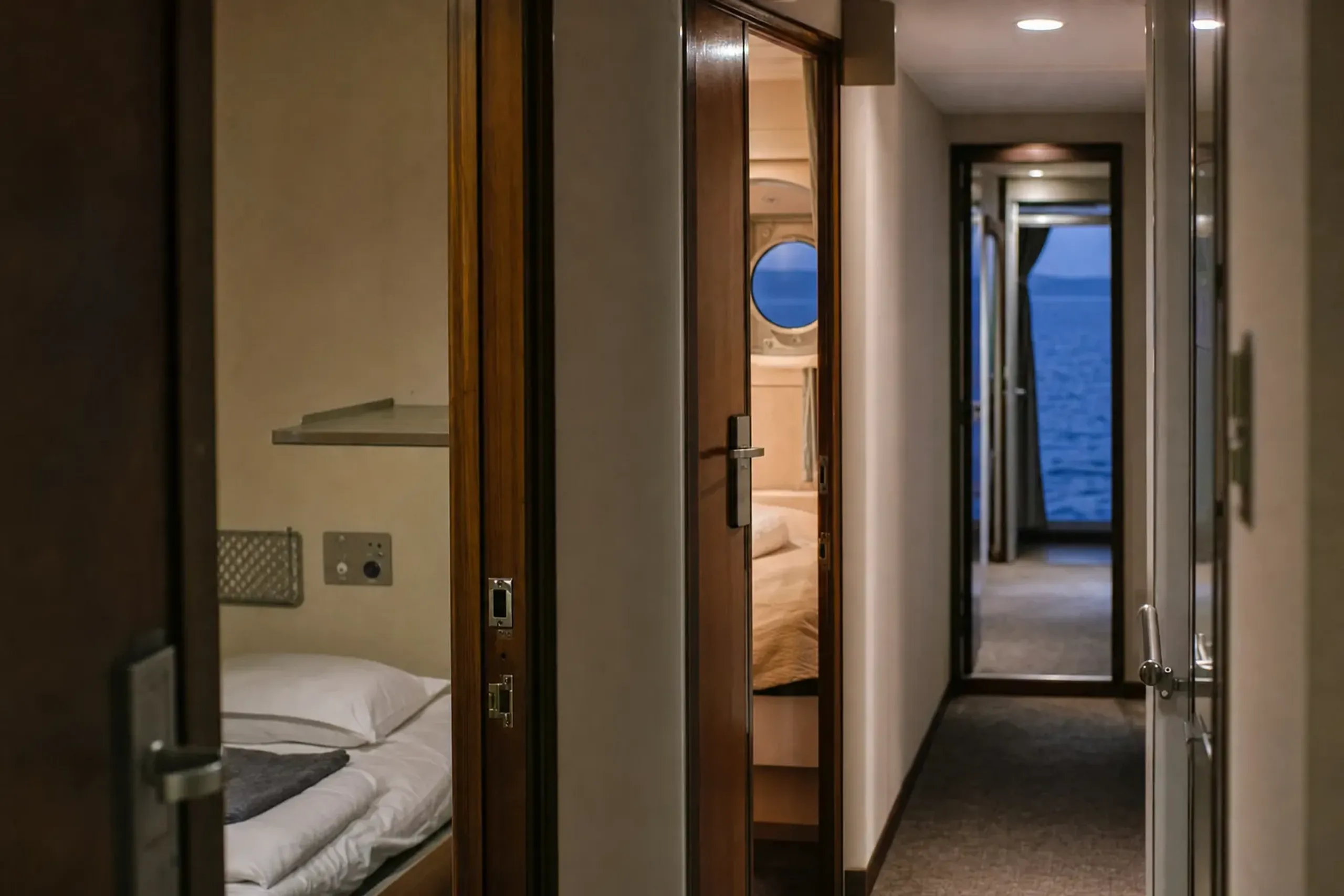
Privacy helps.
If you value wabi-sabi restraint over spectacle, prioritize quiet and rest rather than “more stuff.” A solid night’s sleep is the luxury that pays dividends the moment you land and want to move. If you are traveling as a couple or family, the extra space also keeps your bags organized during a one-night voyage.
Connectivity And Work Expectations
Assume your connectivity is limited while crossing. Do not plan critical calls. One simple move: download whatever you need in Tokyo the day before departure, then treat the crossing as a forced, welcome exhale.
A Packing Shortlist That Prevents Regrets
- Motion-sickness measures if you are sensitive to swells. Bring what you trust.
- Layering for shifting wind on deck, even in warm seasons.
- Sun protection for open-water glare.
- Dry bags for island boat days and beach landings.
- Snorkel gear only if you strongly prefer your own fit; rentals are common on the nature islands, but availability varies.
Our team at Japan Royal Service also encourages a small “arrival kit” tucked into a daypack. Think water, a clean shirt, sunscreen, and anything you will want the very moment you step off the ship. You will thank yourself.
Chichijima Vs Hahajima: How To Split Your Time
Chichijima is the main inhabited hub; Hahajima is the quieter extension, reached by a local ferry of roughly two hours.
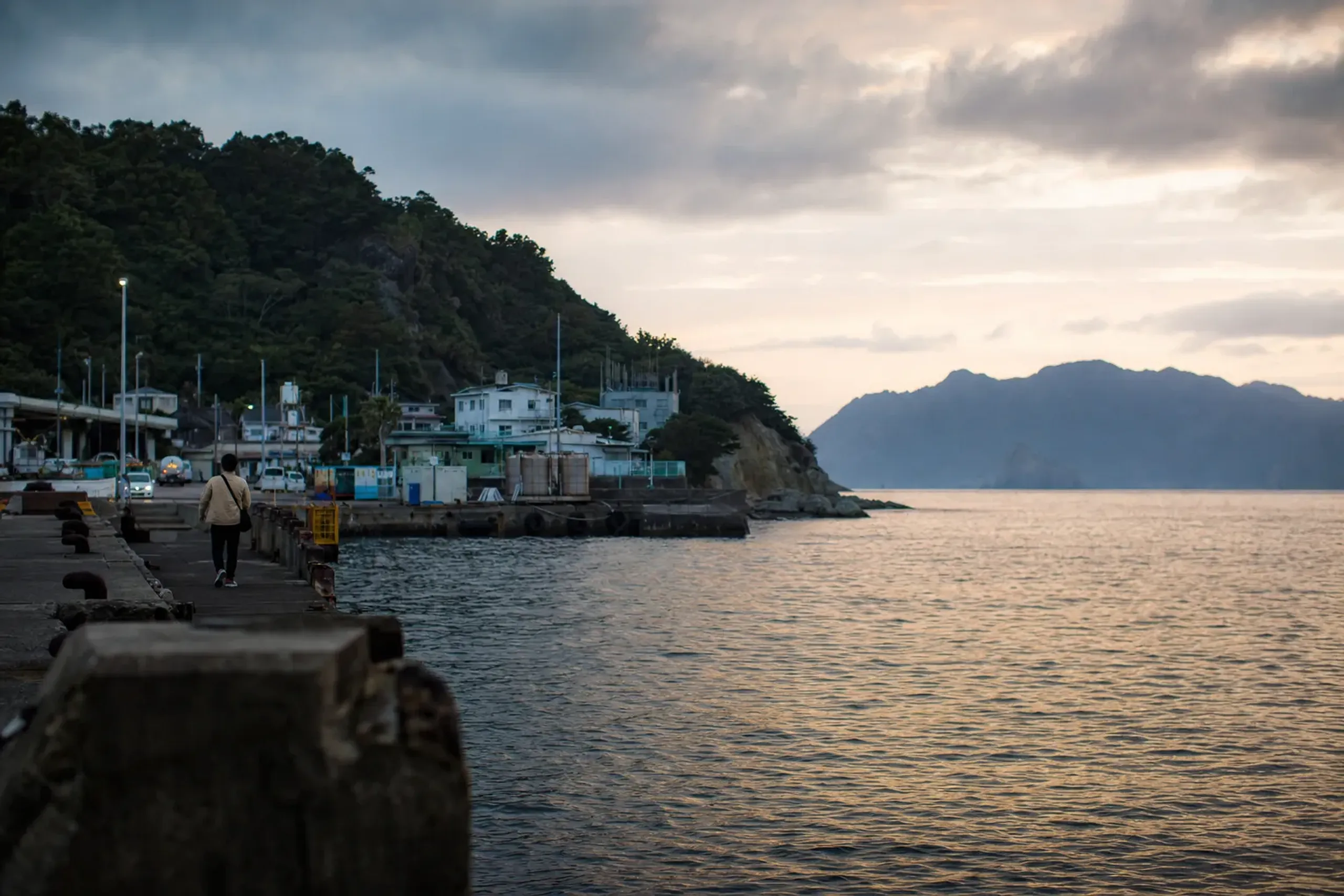
Chichijima offers the widest choice of lodging and the greatest concentration of tour operators. It is also where most first-time visitors should base themselves, because it keeps your logistics clean around the Ogasawara Maru arrival and departure days. Simple is sharp.
Hahajima changes the tone entirely. Less movement. Fewer choices, in the best possible way. It is known for additional endemic plants and animals, and its pacing feels more personal precisely because the island itself is smaller and quieter.
Option A: Stay Only On Chichijima (First-Timer Friendly)
This is the least fragile plan if you have fixed dates. It shields you from knock-on effects when seas grow rough and local boats shift their timing.
- Best for: first visits, families, and travelers balancing nature with rest
- Strength: fewer transfers; more flexibility for weather-dependent tours
- Watch-out: you must be disciplined about not overfilling your days
Option B: Add Hahajima For A Quieter Second Act
If you can spare the time, a Hahajima extension feels like stepping off the main stage. The local ferry is part of the story, and the island rewards hikers and travelers who cherish unhurried mornings.
- Best for: repeat Japan visitors, couples, and nature-forward travelers
- Strength: deeper immersion; a calmer rhythm
- Watch-out: build a buffer for sea conditions and ferry timing
We keep this choice honest. If you are arriving and departing on tight ship days, staying put on Chichijima is often the wiser luxury.
When Is The Best Time For Whale Watching In Ogasawara?
For humpback whales, aim for February through April; for sperm whales, the typical window runs from around mid-August through November—with conditions always determining what you actually see.
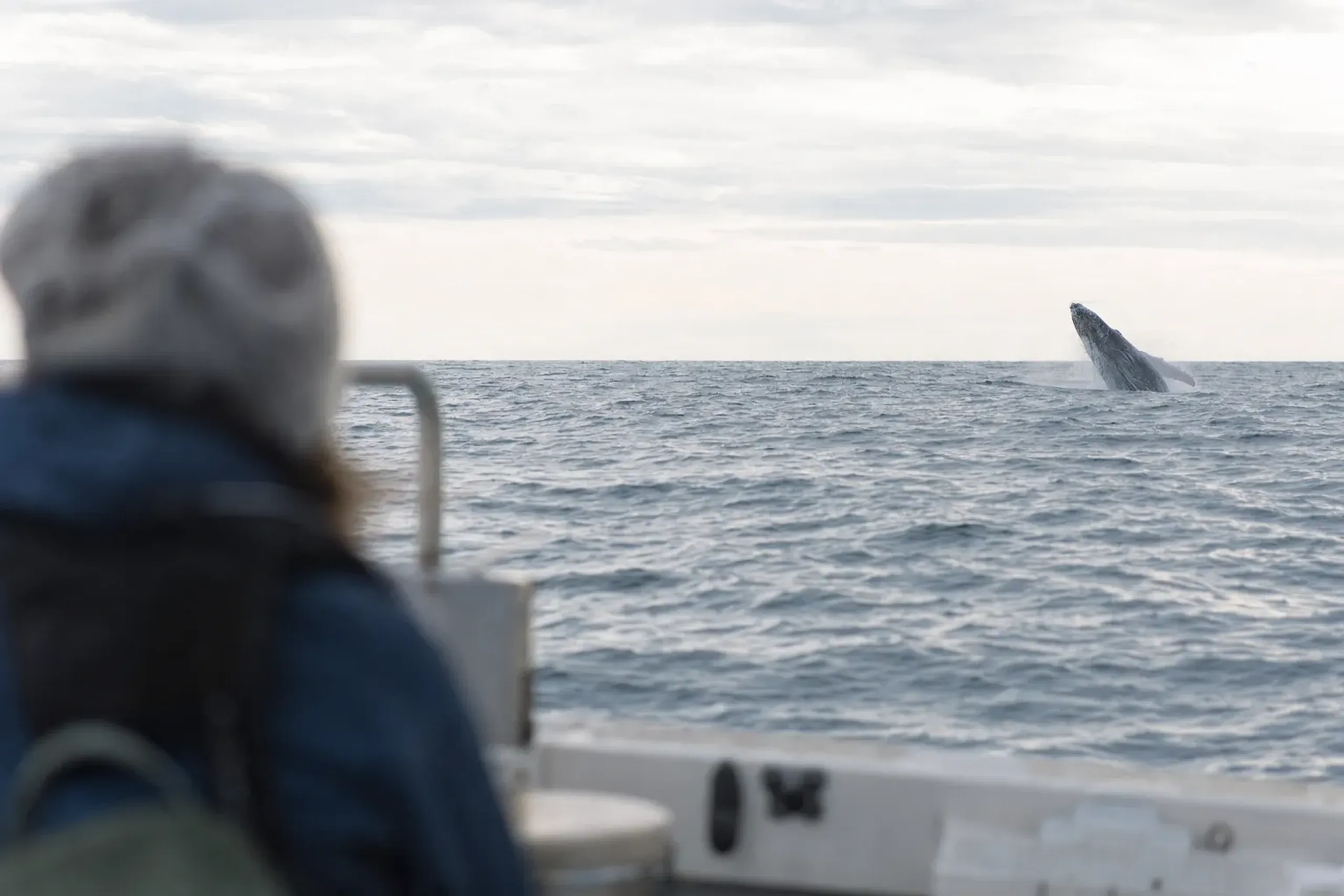
Ogasawara’s whale story is one reason the 24-hour crossing feels so richly justified. You are not visiting an aquarium. You are entering the ocean’s own schedule.
Official guidance commonly cited for the region notes that humpbacks can be seen very close to the islands, mainly from February through April. Sperm whales are typically spotted farther offshore from around mid-August through November. Dolphins appear near the islands nearly year-round. None of this, of course, is guaranteed.
Key fact: Whale-watching boats are small, and tours can be cancelled in poor sea conditions; plan emotionally for “no-go” days, and treat a cancellation as normal rather than exceptional.
That realism is part of responsible travel. A June 10, 2026 science-news report highlighted how a better understanding of where humpbacks gather near Tokyo’s remote islands (including Ogasawara waters) can shape both whale watching and conservation. The nuance matters. Done well, wildlife viewing becomes quiet observation, never pursuit.
Our concierge team builds your island days with deliberate slack: a second chance on another morning, a land-based hike held in reserve, and a slower afternoon that still feels complete if the sea says “not today.” Discretion applies here too—the finest days are rarely the loud ones. This attentiveness to the Japanese sense of shun, of knowing precisely what to experience and when, is what separates a well-timed voyage from a mere visit.
What To Do In Ogasawara Outside Whale Season
Ogasawara supports year-round activities—snorkeling, diving, sea kayaking, dolphin swimming, hiking, and stand-up paddleboarding—in a subtropical climate similar in latitude to Okinawa.
Even without whales on the agenda, the islands deliver in full. On calm days the water can be startlingly clear. You drift over reef structure, then glance up to see only cliffs and sky. It does not feel like Tokyo. Not even close.
On land, hiking is the natural counterweight to ocean time. Trails and viewpoints vary by island and by conditions, and your daily plan should respect heat, sun exposure, and recent rain. A short hike can be entirely enough. Leave the “achievement mindset” back in Tokyo.
For travelers who love craft and culture, Ogasawara is not Kyoto—and that is exactly the point. Its signature is nature, distance, and restraint: wabi-sabi expressed in weathered coral rock, salt-worn railings, and evenings where the main event is the sound of the wind itself.
How Far In Advance Should You Plan Ogasawara (Cabins, Guides, And Limited Inventory)?
Begin planning the moment you can commit to a sailing cycle, because ferry capacity is limited and the once-weekly pattern in most seasons leaves little room for last-minute changes.
This is where many first-time visitors misjudge the destination. They assume “remote” means “empty,” and therefore decide late. In practice, remoteness usually means fewer rooms, fewer boats, and fewer backup options.
Scarcity here is structural, not seasonal.
Planning early is also how you keep the trip calm. It lets you choose the cabin class you truly want, pace your nights correctly, and shape your wildlife days around the most sensible windows. For the discerning traveler, the goal is never to squeeze in more—it is to remove friction entirely.
If you want another reference point for weather honesty in Japan’s wild places, our Shiretoko guide keeps the same tone about nature’s veto power: Shiretoko: Two Seasons, One of Japan's Wildest Places.
A Practical 6-Day Ogasawara Framework (Built Around The Ship)
Below is a realistic structure that many travelers can execute without turning Ogasawara into a checklist. It is a framework, not a script. The ship decides the edges.
Day 1: Depart Tokyo (Takeshiba Pier) And Settle Into Sea Time
Board, unpack once, then stop “doing.” Read. Walk the deck. Eat, then sleep early. The ocean has a way of sharpening your appetite and dulling your obsession with the inbox.
Day 2: Arrive Chichijima (Futami Port) And Keep The First Day Light
Arrival days are for orientation. A short coastal walk. A gentle swim if conditions are friendly. An early dinner, an early bed.
Day 3: Marine Day (Whales In Season, Or Snorkel/Kayak Outside It)
Place your most weather-dependent activity here, while you still have the flexibility to move it later. Boats are small, and cancellations happen. No drama.
Day 4: Trail Day + Slow Afternoon
Hike in the morning, rest in the afternoon.
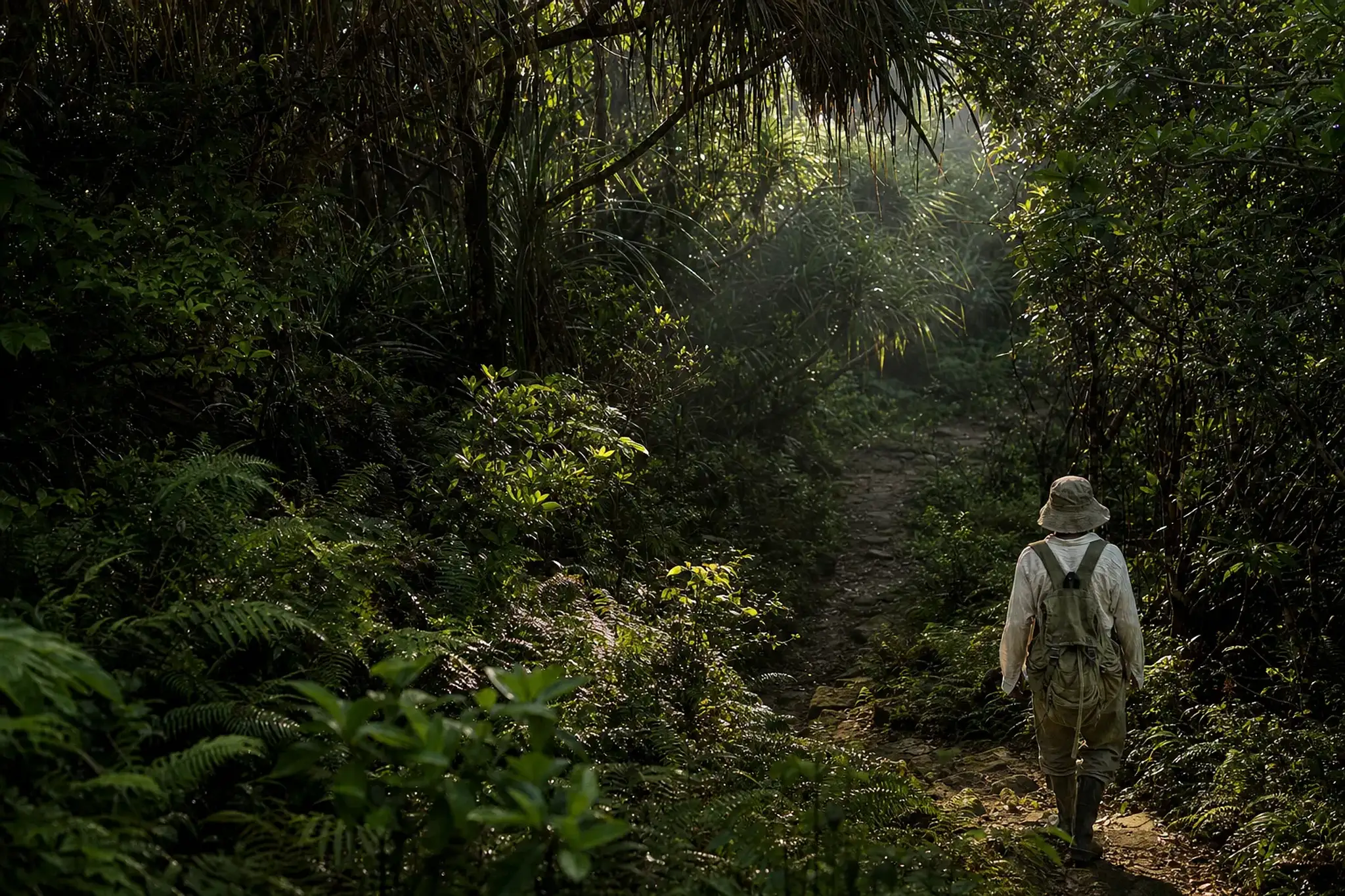
Simple. If you want one “structured” cultural note, this is an ideal day for a guided nature interpretation that unpacks endemism and the UNESCO story without ever slipping into a lecture.
Day 5: Second Marine Attempt Or Hahajima Extension Day
This is your buffer. Use it for a second whale attempt, a dedicated dive day, or—if you have built in enough time—a transfer to Hahajima for a quieter interlude.
Day 6: Depart Chichijima And Return To Tokyo By Ship
Give yourself margin before boarding. Then let the crossing close the trip the way it opened it: slowly.
Why The Isolation Is The Asset: UNESCO Nature, Wabi-Sabi Silence, And Discretion
The Ogasawara Islands became a UNESCO Natural World Heritage site in 2011, recognized for a biodiversity shaped by long isolation and evolution far from any continent.
That fact is far more than a label. It is the very reason you should treat the islands gently. This is not a place for loud “content.” It is a place for attention—for the kind of unhurried, private immersion that so much of the world has forgotten how to offer.
When you are ready to travel this way, the difference lies entirely in the planning: the right sailing secured, the right cabin held, the right mornings kept open for the sea. To begin shaping your own passage to Ogasawara—arranged with complete discretion and built around your dates—contact us here, and let us design the journey around you.