In this guide
- 01Why Is Shiretoko Considered Two Completely Different Trips?
- 02Summer In Shiretoko: Brown Bears And The Five Lakes
- 03Winter In Shiretoko: Drift Ice And Dry Suits
- 04Are Wildlife Sightings Guaranteed In Shiretoko?
- 05How Do Sea Conditions Affect Shiretoko Cruises?
- 06The Character Of Limited Road Access
- 07Structuring Your Stay: Utoro Versus Rausu
- 08Frequently Asked Questions
- 09Why Choose Japan Royal Service
Shiretoko translates from the indigenous Ainu language as the end of the earth. The description remains strictly accurate today. Occupying a jagged, mountainous peninsula on Hokkaido’s far northeastern tip, this UNESCO World Heritage site is not a neat, fenced-in nature reserve. It is a formidable, remote wilderness. Our team at Japan Royal Service frequently observes travelers attempting to summarize the region in a single itinerary or a brief overnight stop. Big mistake. Shiretoko is effectively two different destinations sharing the exact same coordinates.
Summer brings brown bears to the rocky coastline and opens high-altitude mountain passes to vehicles. Winter seals the surrounding ocean beneath heavy, shifting drift ice. You cannot compromise between the two seasons. You must choose one.
For those seeking tailor-made itineraries, understanding this seasonal divide is the absolute first step. It requires an appreciation for the Japanese concept of shun—the exact, fleeting moment when a natural phenomenon peaks.
Why Is Shiretoko Considered Two Completely Different Trips?
Shiretoko completely transforms between summer and winter, with summer offering bear viewing and winter bringing drift ice, requiring entirely different logistical planning.
Most national parks shift their color palette slightly as the months turn. Shiretoko changes its entire physical state. The very ground you walk on, and the water you sail across, alter fundamentally. Preparing for July requires thinking about forest canopy visibility, bear activity windows, and hiking stamina. Preparing for February means dressing for sub-zero wind chill, understanding ice floe currents, and accepting severe road closures.
They are two brilliant, mutually exclusive halves of the year.
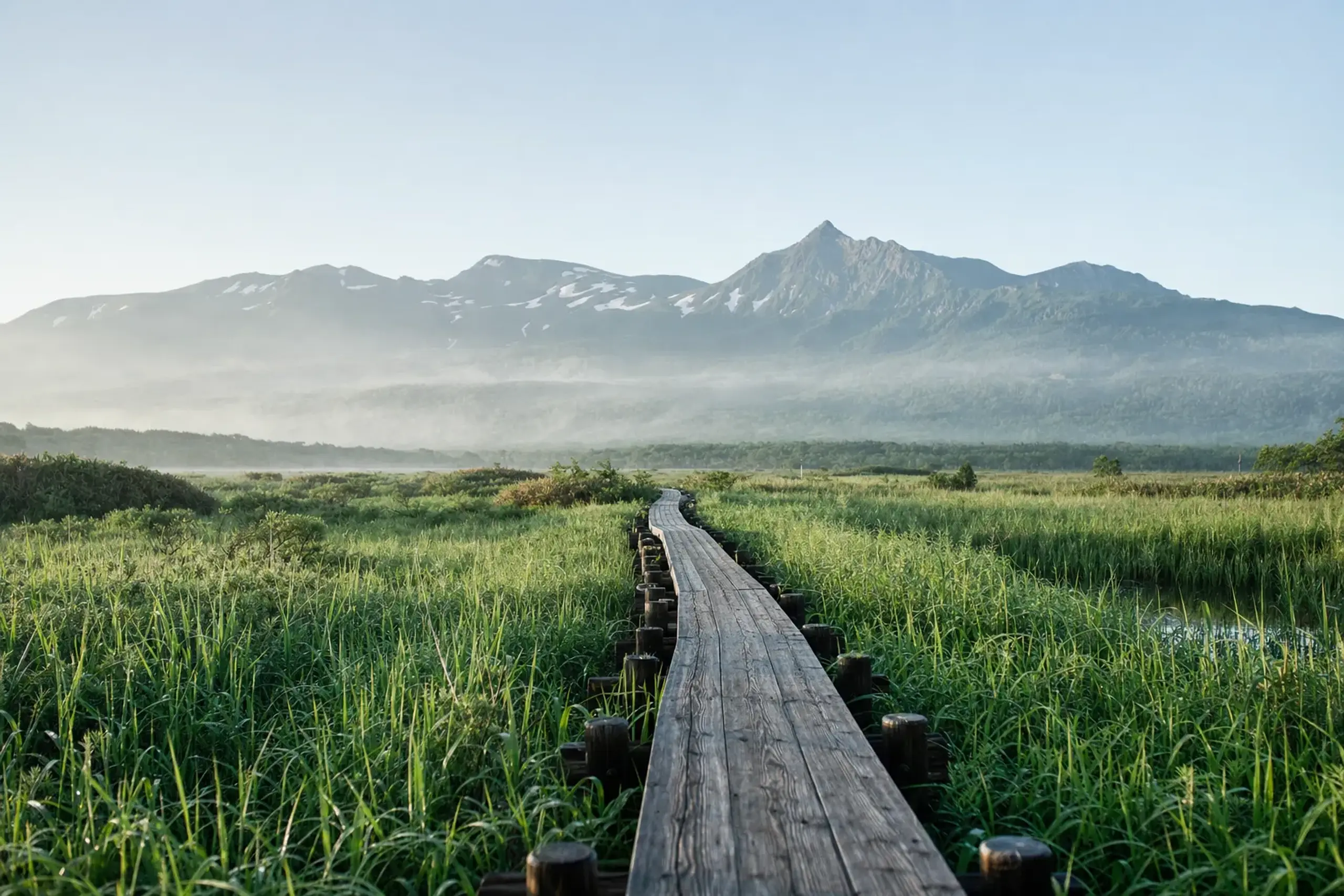
The elevated boardwalk at Shiretoko Five Lakes protects the ground vegetation and provides safe passage during bear season.
Attempting to force winter expectations onto a summer arrival, or vice versa, guarantees frustration.
Summer In Shiretoko: Brown Bears And The Five Lakes
From roughly June through October, the peninsula thaws into dense, brilliant green life. The Shiretoko Five Lakes (Shiretoko Goko) trail network serves as the primary artery for exploring the forest interior. Elevated wooden boardwalks stretch over the marshland, offering barrier-free paths that protect delicate ground vegetation while providing clean sightlines to the mountain range reflecting in the water.
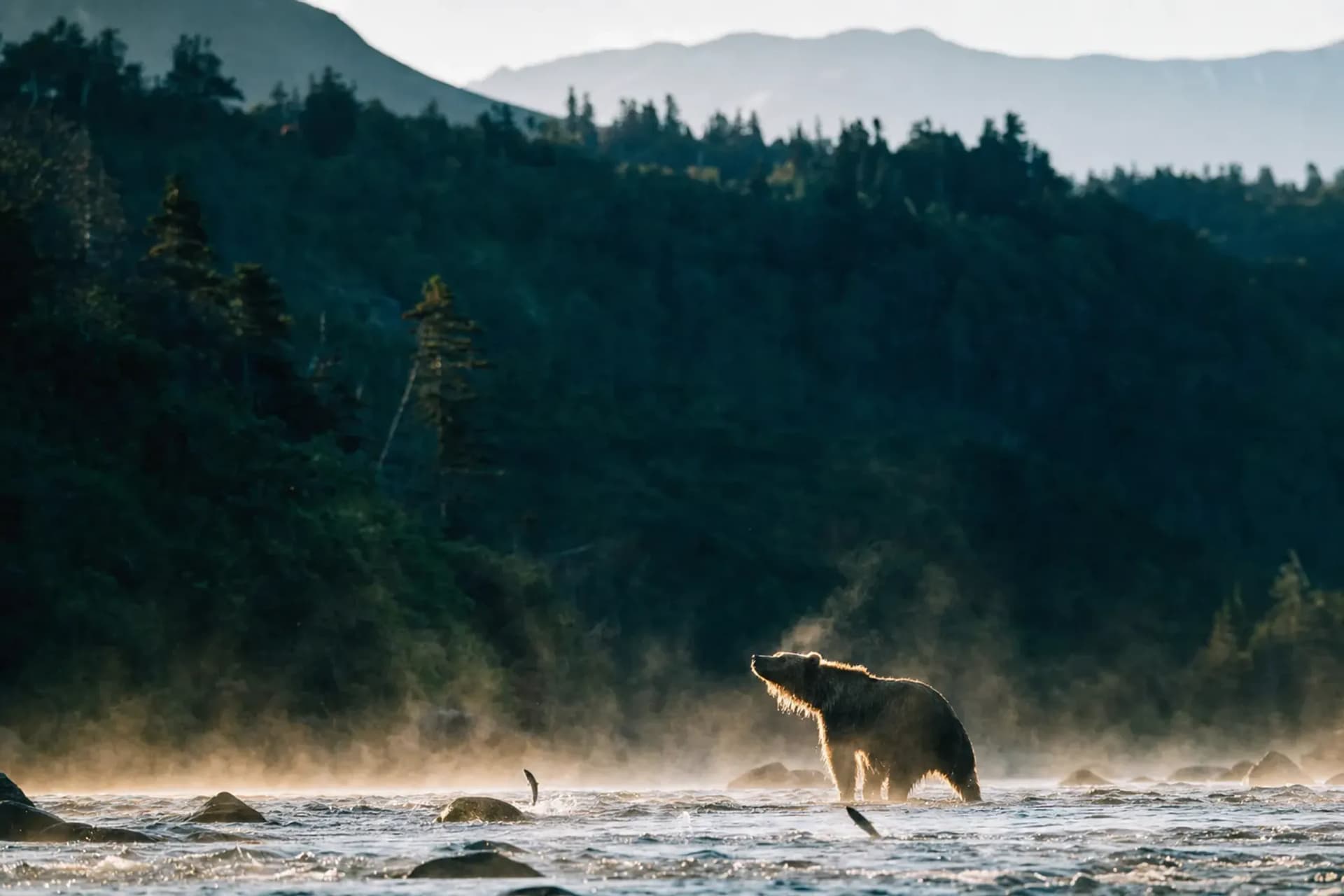
During the period of peak bear activity, roughly May through July, access to the deeper ground paths requires a mandatory guided walk. You follow your guide's instruction at all times. No exceptions. These licensed guides possess acute knowledge of the terrain, read tracks, assess immediate risks, and carry bear spray, ensuring every step into the dense forest is measured and controlled. It is an exercise in profound respect for the apex predators that rule this territory.
Along the rocky coast, brown bear viewing cruises operate out of Utoro and Rausu. From the safety of the water, you observe the rugged shoreline. A bear might move quietly across the rocks at dusk, overturning stones for food. Sea cliffs rise sharply, severe and unpolished against the ocean.
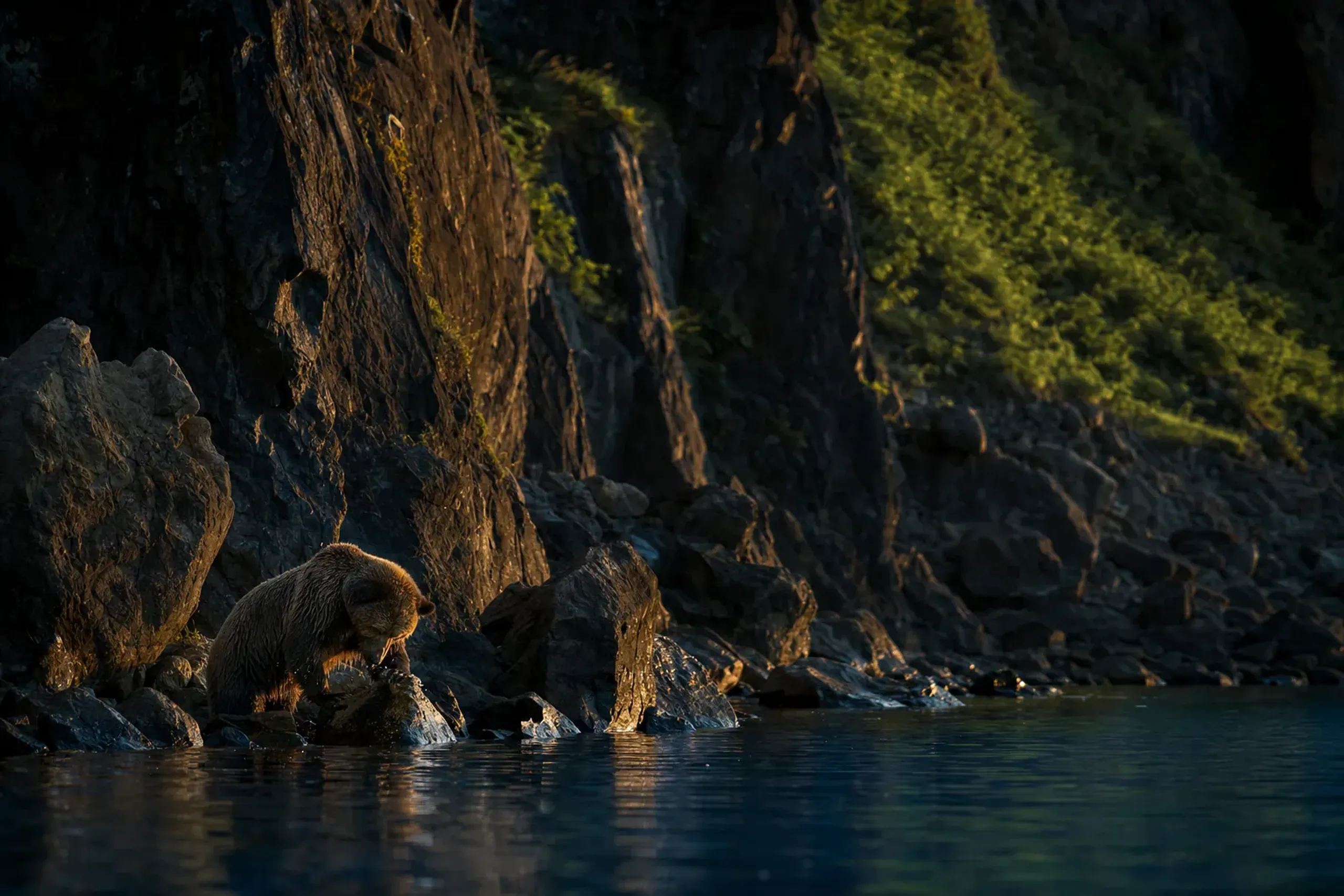
This is where the aesthetic of wabi-sabi—the quiet appreciation of austere, untamed reality—feels most potent. You do not come here for manicured gardens. You come for the raw, moss-covered silence of an ecosystem governing itself.
In summer, the high mountain road across the peninsula, Shiretoko Pass (National Route 334), typically opens for driving. The Kamuiwakka hot falls also become accessible during these months, allowing adventurous visitors to walk directly up a warm, flowing volcanic river.
Winter In Shiretoko: Drift Ice And Dry Suits
From roughly January through March, the landscape locks down entirely. Drift ice (ryuhyo) arrives via ocean currents flowing south from the Sea of Okhotsk. This marks the lowest latitude on Earth where sea ice routinely forms.
The ocean simply stops moving. Operators guide visitors out onto the frozen sea wearing specialized, highly insulated dry suits. These suits are buoyant and completely waterproof, allowing you to float safely in the freezing water between ice blocks if you choose to slip in. The ice creaks underfoot with a heavy, hollow sound. The air bites at your exposed face. Walking on the frozen ocean is a disorienting, starkly beautiful physical experience.
Cruises departing from the town of Rausu shift their focus entirely to the sky and the jagged ice edge. They track heavy Steller’s sea eagles and sharp-eyed white-tailed eagles resting on the floes. It is a quiet, harsh, monochrome world.
Winter logistics change sharply.
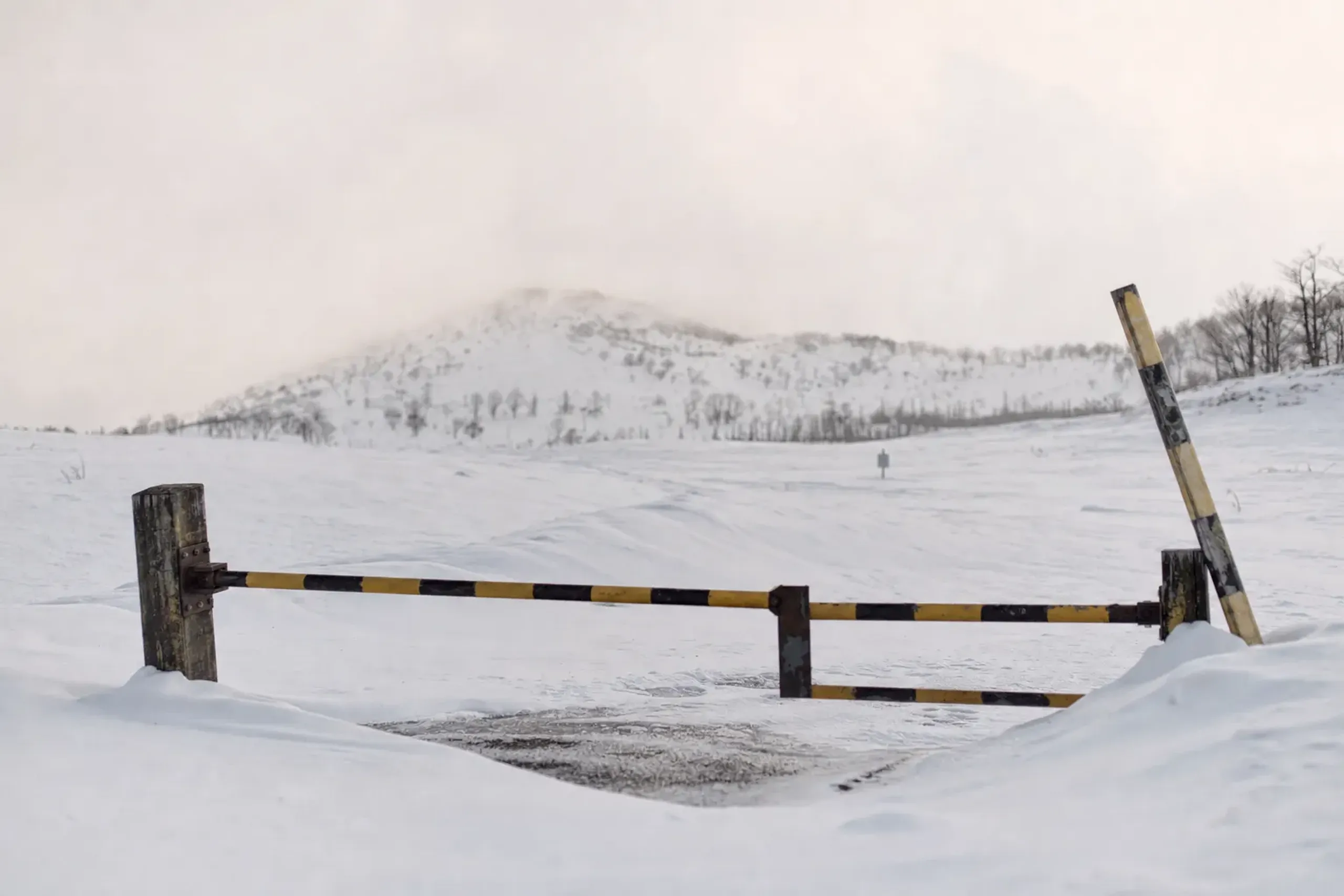
Shiretoko Pass closes completely due to heavy snow accumulation. Moving between Utoro on the western coast and Rausu on the eastern side requires a lengthy, demanding detour around the southern base of the peninsula. Planning is paramount. Just as visitors track specific phenomena in our Hokuriku seasonal calendar guide, timing your winter arrival in Hokkaido requires exact precision. If the currents shift, the ice vanishes.
Are Wildlife Sightings Guaranteed In Shiretoko?
No operator can guarantee wildlife sightings in Shiretoko because brown bears, orcas, and eagles are wild animals traversing a vast ecosystem entirely dependent on natural conditions.
Travel brochures routinely imply a highly predictable safari experience. Reality is far more unyielding. You are visiting an active, natural habitat. Our concierge team prepares every guest for the very real possibility of quiet days. Sometimes the fog rolls in thick, obscuring the shoreline. Sometimes the animals hunt further inland.
This unpredictability is the core definition of wildness. When an orca does breach the dark surface of the Nemuro Strait, or a bear steps out from the tree line, the rarity makes the moment profound. Accept the uncertainty.
How Do Sea Conditions Affect Shiretoko Cruises?
Sea conditions along the peninsula are rugged and unpredictable, meaning boat departures are never guaranteed and operators will cancel sailings immediately if conditions pose risks.
This is remote, severely weather-exposed water. In 2022, a tourist boat sank off the western coast of the peninsula with 26 people aboard.
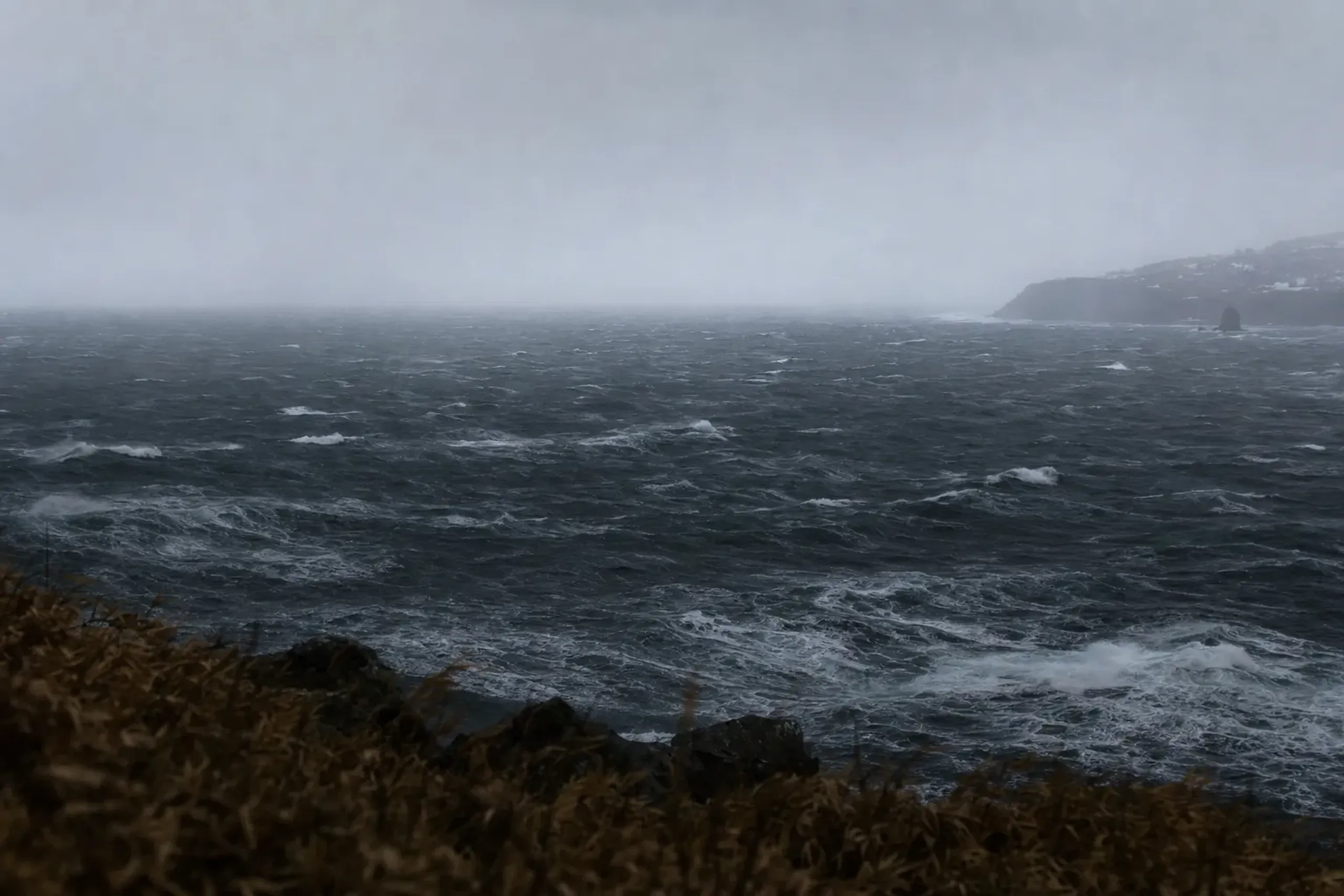
This documented tragedy confirms that the sea here carries undeniable risk, not just minor scheduling variances. Cancellations are a mark of professional operators prioritizing survival over spectacle.
Key fact: If a captain cancels your afternoon cruise due to wind or wave height, the decision is final. You stay on land. Flexibility is mandatory when visiting the edge of the continent.
The Character Of Limited Road Access
Roads only reach about three-quarters of the way up the peninsula. The far northern tip remains accessible solely by boat. This lack of pavement is entirely deliberate.
Many modern travelers view limited infrastructure as a flaw to overcome. Here, it is the defining feature. The impenetrable geography protects the exact ecosystem that makes the UNESCO designation possible in the first place. Just as reaching the deeply isolated Ogasawara Islands demands immense patience, Shiretoko requires a willingness to submit to the terrain.
If you wish to explore the deepest reaches of the coastline, you must rely on the sea. And the sea, as noted previously, answers only to itself.
Structuring Your Stay: Utoro Versus Rausu
Understanding the peninsula means understanding its two distinct coastlines. You cannot treat them interchangeably, and choosing where to base your stay dictates your daily routine.
Option A: Utoro (The Western Coast)
Facing the Sea of Okhotsk, Utoro serves as the primary hub for most visitors.
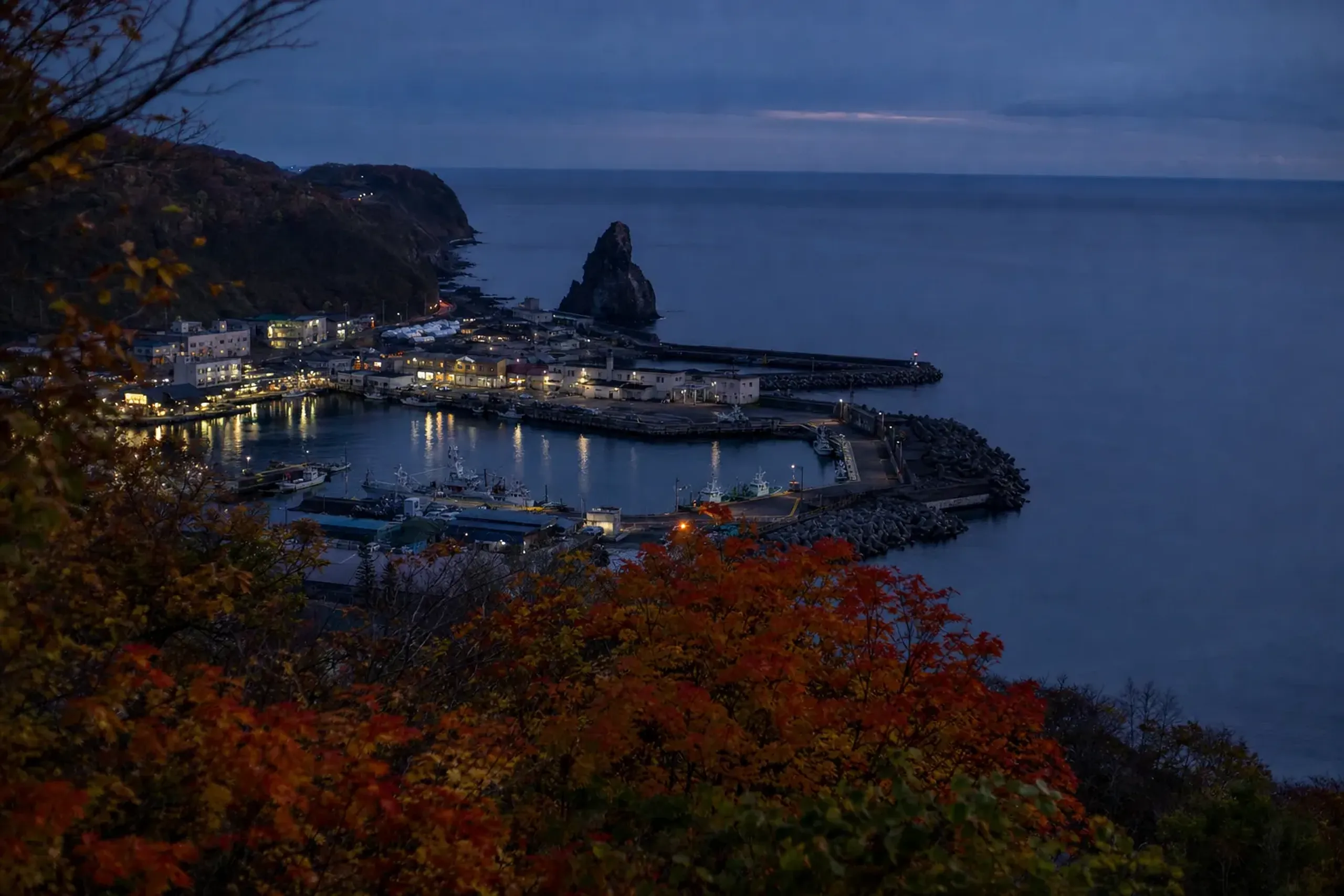
It holds the highest concentration of premium hot spring lodgings and acts as the immediate gateway to the Shiretoko Five Lakes. Winter drift ice walking tours launch directly from this shoreline. The sunsets here, dropping directly into the ocean, are dramatic and highly photographed.
Option B: Rausu (The Eastern Coast)
Facing the Nemuro Strait, Rausu looks across the water toward the disputed Kuril Islands. It is a working fishing town with a rougher, more pragmatic edge. Visitors come here specifically for the deep-water wildlife cruises—searching for orcas and sperm whales in summer, and photographing massive sea eagles on the winter ice floes. Dining in Rausu reflects the honest, heavy labor of the local fishermen, known for extraordinary sea urchin and nutrient-dense kelp.
When Shiretoko Pass is open in the summer, you can drive between the two towns in roughly forty-five minutes. In winter, with the mountain pass buried under snow, the drive takes hours. We highly advise against treating one town as a quick afternoon trip from the other when the snow falls.
Frequently Asked Questions
How many days do you need in Shiretoko?
Plan for an absolute minimum of three nights to accommodate weather-dependent cancellations and allow unhurried pacing. Rushing through the region guarantees you will miss its quietest, most compelling moments between the Utoro and Rausu sides of the peninsula.
Can I combine summer and winter experiences in one trip?
You cannot combine them because the seasonal phenomena do not overlap and the mountain pass closes.
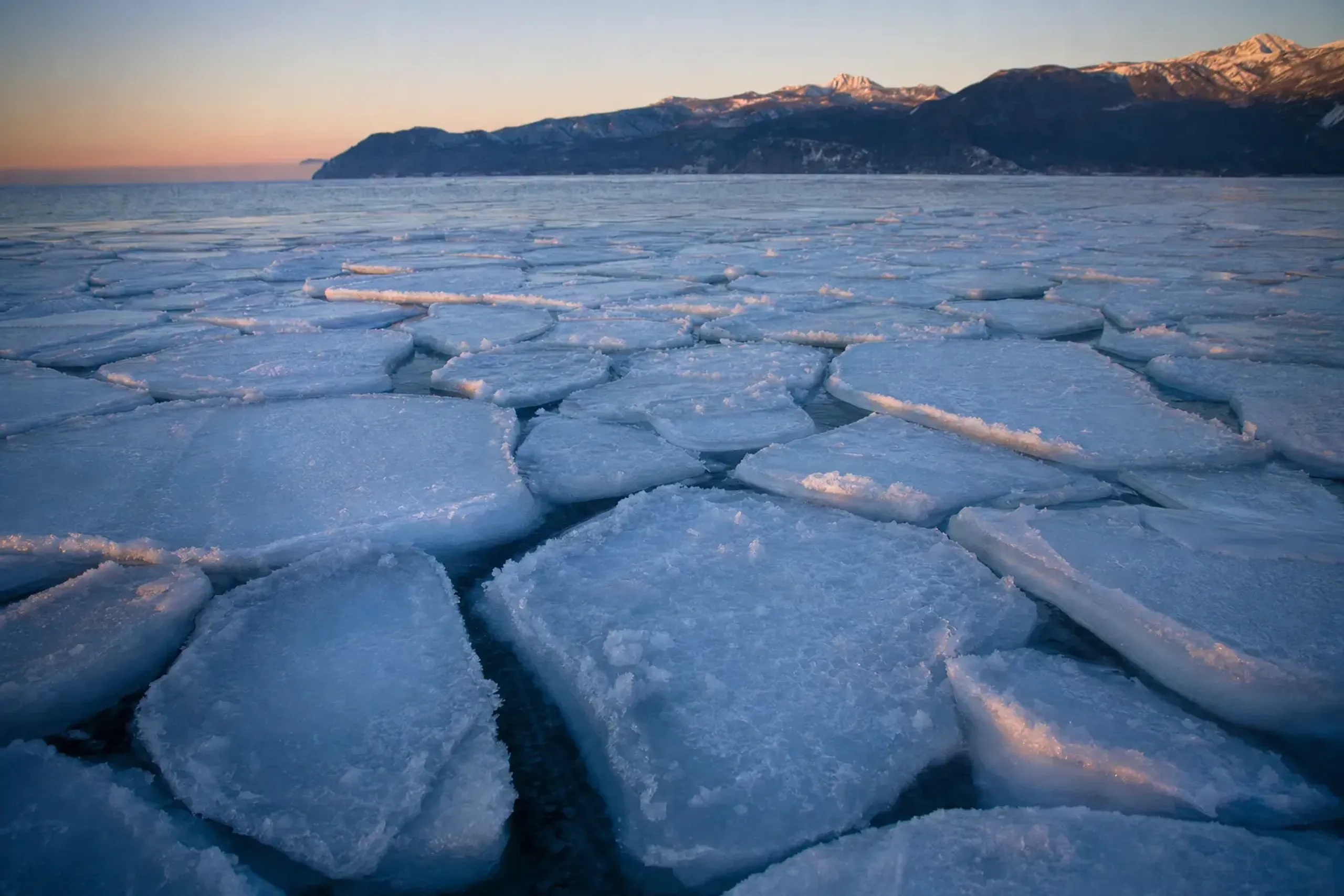
The Shiretoko Pass closes entirely during winter, making transit between coasts a completely different logistical undertaking. Treat summer and winter as two mutually exclusive visits.
How far is Shiretoko from Sapporo?
The peninsula is extremely remote, requiring a domestic flight to Memanbetsu Airport or a long overland drive from Sapporo. This profound distance preserves its isolation. Securing reliable private transportation upon arrival is critical for a comfortable journey eastward.
Why Choose Japan Royal Service
Navigating a genuine frontier requires exact local knowledge. Our team at Japan Royal Service arranges standard lodge and property bookings, premium transport, expert local guiding, and specialized boat wildlife viewing across Hokkaido. We do not gamble on the details.
We understand the absolute necessity of discretion, proper pacing, and honest counsel regarding weather constraints. We weave your time on the peninsula into a wider, highly refined Hokkaido itinerary, securing the right private vehicles and matching you with seasoned local naturalists. We manage the logistics so you can focus entirely on the landscape.
If you are ready to explore the end of the earth on your own terms, reach our team privately via WhatsApp or LINE, or contact us here, to discuss your preferred season.