In this guide
- 01How Does The Grand Sumo Tournament Ticket System Work In Japan?
- 02Why Do You Have To Buy Sumo Tickets Before The Banzuke Is Published?
- 03Which Sumo Tournament Seats Should You Choose: Tamari, Masu Box, Or Chair?
- 04When Do Sumo Tickets Go On Sale, And Why Does 10:00 A.M. JST Matter?
- 05Which Days Sell Out First At A Honbasho, And Why?
- 06Tokyo vs Osaka vs Nagoya vs Fukuoka: Where Is It Easier To Get Good Sumo Seats?
- 07If Sumo Tickets Are Sold Out, What Are Your Realistic Options?
- 08What Is A Full Day At A Grand Sumo Tournament Actually Like?
- 09How To Book Official Sumo Tickets As A Foreigner (Without Guesswork)
- 10Frequently Asked Questions
- 11Why Choose Japan Royal Service
You open the ticket page, pick the date you want in Tokyo, and see the worst word in travel planning: sold out.
Not “limited.” Not “a few left.” Gone. Weeks before you land at Haneda or Narita.
This happens to calm, organized travelers every tournament. The system is not forgiving, and it rewards precision, not optimism.
This guide shows you how sumo tournament tickets actually work, how to choose seats that fit your body and your day, and what to do when the date you wanted is already unavailable.
How Does The Grand Sumo Tournament Ticket System Work In Japan?
Japan has six Grand Sumo Tournaments (honbasho) each year, and each tournament runs for 15 consecutive days under the Japan Sumo Association.
That sounds simple. The problem is the cadence. Tickets typically go on sale about one month before each tournament, but demand—especially in Tokyo—can erase the best days in hours.
There are three Tokyo tournaments, all held at Ryōgoku Kokugikan: January, May, and September. The other three are held once each in Osaka, Nagoya, and Fukuoka.
If you can be flexible on city, you often gain breathing room. If you fixate on Tokyo weekends, you need a plan that starts before the on-sale morning.
The Official Source You Should Recognize By Name
Grand Sumo (honbasho) is run by the Japan Sumo Association, and the official English-language ticketing service is Ticket Oosumo (Ticket Pia). That distinction matters.
Book through this official channel, and match every detail — date, seat type, collection method — to what Ticket Oosumo confirms.
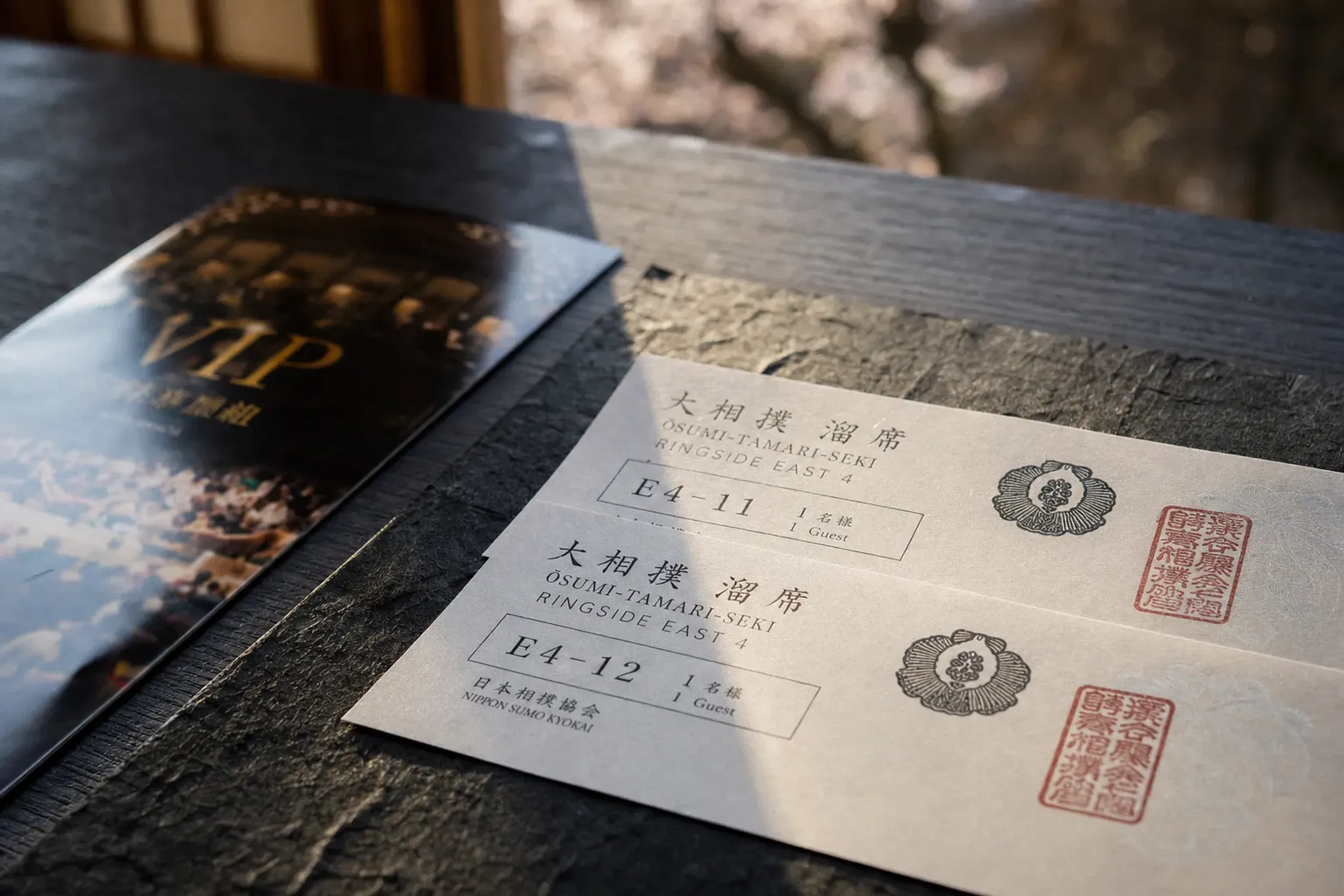
Key fact: The official English-language ticketing service for Grand Sumo is Ticket Oosumo (Ticket Pia).
Why Do You Have To Buy Sumo Tickets Before The Banzuke Is Published?
You usually must commit to a tournament day before the banzuke (official ranking sheet) is published, because ticket sales open roughly a month before the basho while the banzuke comes out later.
This is the part most first-time buyers miss. You are not choosing a “fight card” the way you might for boxing. You are choosing a day on the calendar.
The banzuke is published about three weeks after general ticket sales open—roughly 13 days before the tournament starts. So if you wait for matchup clarity, you often wait yourself into a sell-out.
Our concierge team at Japan Royal Service frames this as a calendar decision. Pick by travel logic, not by names that won’t exist yet.
How To Choose A Day Without Knowing The Matchups
Choose the day based on what you want the room to feel like. Then choose based on your tolerance for crowds.
Weekdays are calmer. They can also be the difference between getting in and not getting in, especially if your trip is planned on shorter notice.
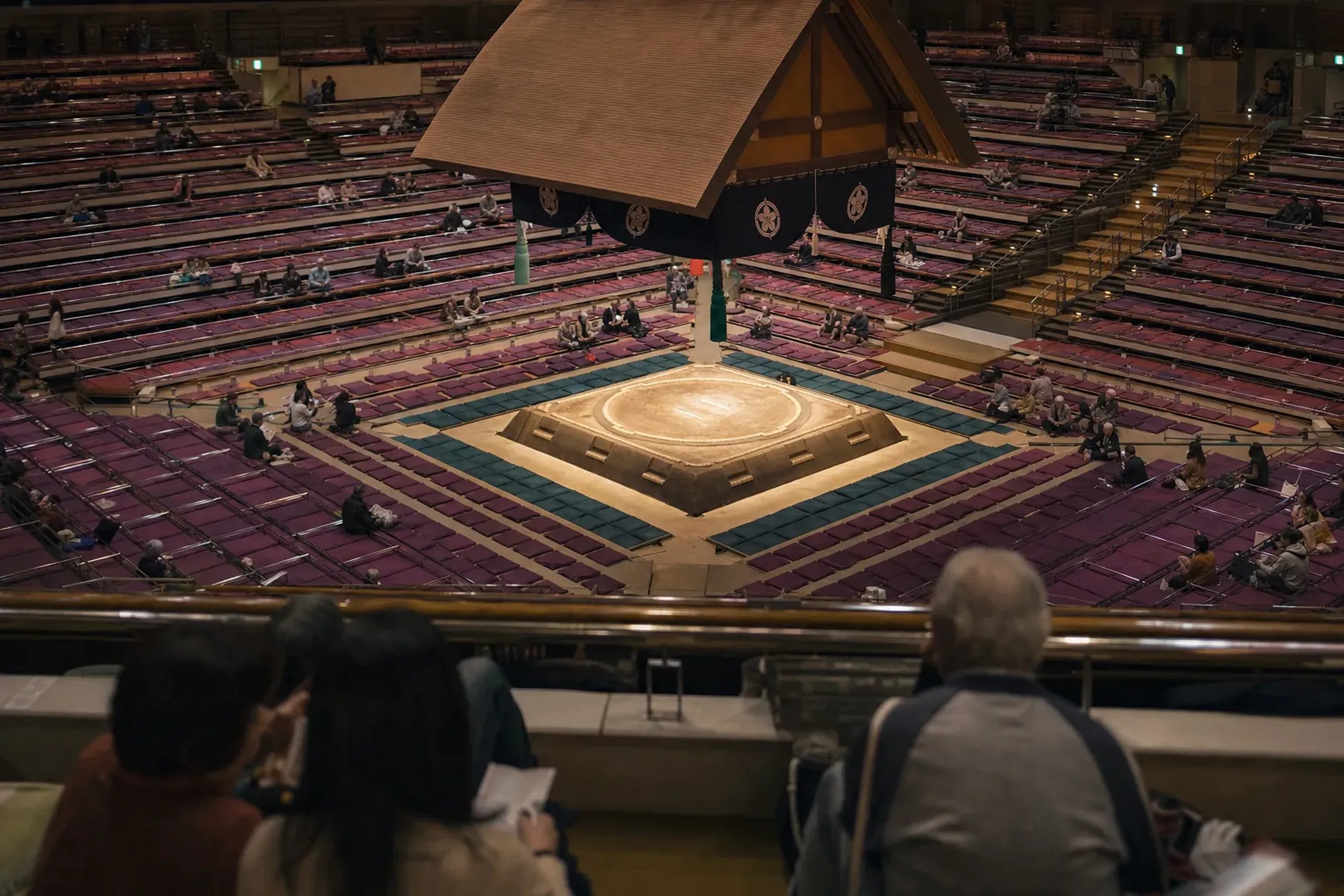
Late-tournament days carry more narrative tension because the championship picture tightens as the 15 days progress. Senshuraku (the final day) is the most contested for a reason.
Early days can be easier to find, and they still give you the rituals—salt throwing, the roof above the ring, the steady pace of bouts building across divisions—without the same crush at the entrances.
Which Sumo Tournament Seats Should You Choose: Tamari, Masu Box, Or Chair?
Most first-time visitors should choose chair seats for comfort and sightlines, while tamari is closest but exposed to impact risk, and masu box seats mean floor cushions and paying for the full box even as a pair.
Seat choice is not a status game. It is an ergonomics decision that affects your entire day.
Sumo is a long session. If your legs go numb or your back tightens, the “good seat” becomes a test of patience.
Below is what the categories mean in real life, not brochure language.
Tamari (Ringside) Seats: Close, Prestigious, And Not For Everyone
Tamari seats are the most prestigious category and among the hardest for the general public to obtain. They are also physically exposed.
Wrestlers can fall. Bodies are heavy. If they tumble off the dohyō, you are right there.
If you travel with children, or anyone cautious about sudden impact, this is usually the wrong choice. Even confident adults sometimes regret it halfway through the day.
When tamari is the dream, our role is to pressure-test it.
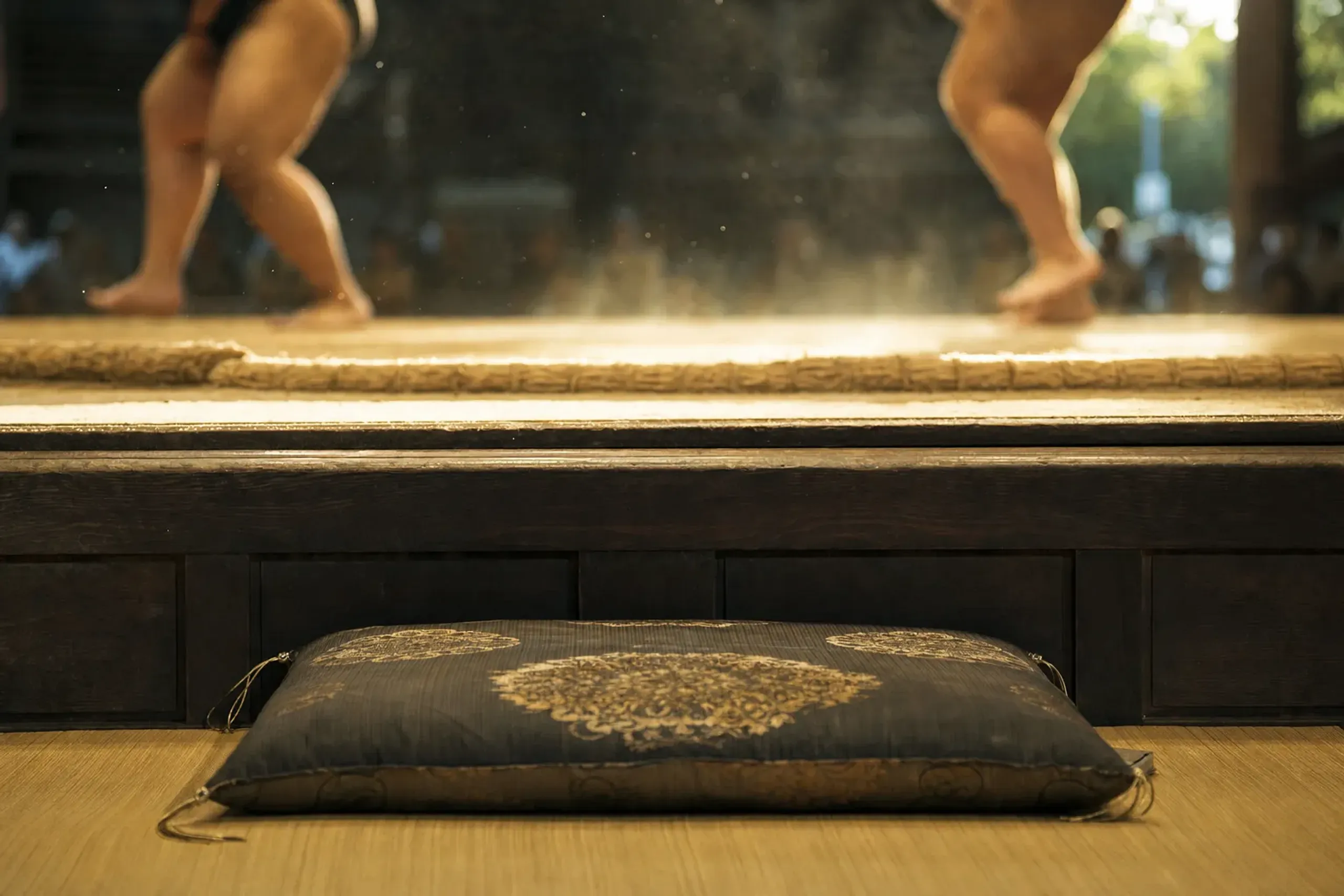
Calmly. Quietly. That is discretion in practice: we would rather you enjoy your day than “win” a seat category.
Masu Box Seats: The “Two People Paying For Four” Trap
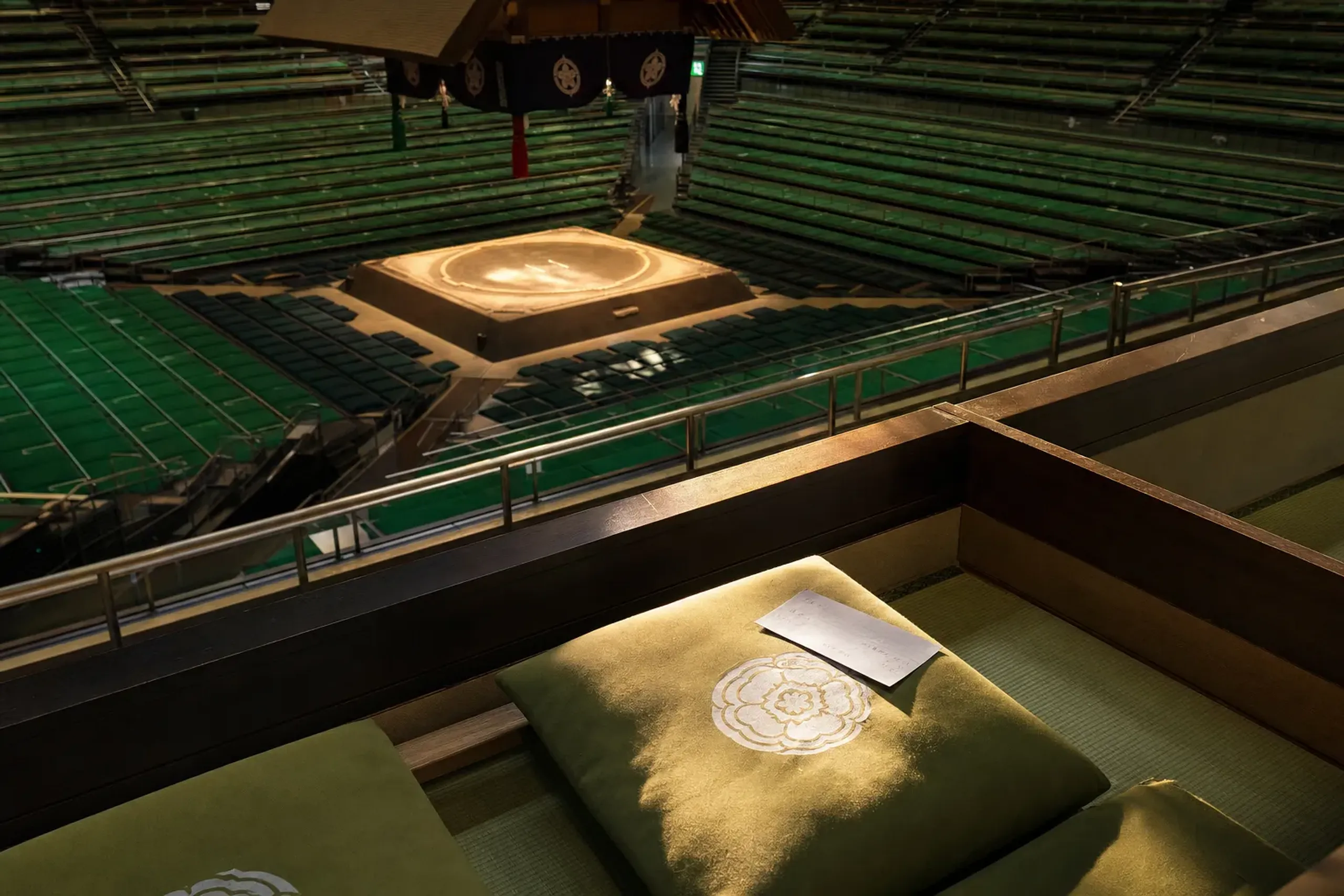
Masu seats are floor-level box sections where you sit on cushions for an extended period. Shoes off. Knees folded. Minimal room to shift.
The key catch is structural: masu boxes are traditionally sold as a complete unit for 2–4 people. A pair of visitors commonly pays for the full box even if only two people sit in it.
Some travelers love the closeness and the floor perspective. Others discover, too late, that their bodies do not enjoy hours on cushions.
If you have any doubt, do not guess. Choose chair seats and keep the day pleasant.
Chair Seats: Practical, Comfortable, And Still Visually Strong
Chair seats are Western-style seating in the upper level, and they are often the most practical choice for first-time visitors.
You keep your posture. You can stand, stretch, and sit back down without disrupting a box.
You also gain a clearer sense of the geometry of sumo—the circle, the footwork, the push-pull rhythm—because you see the full dohyō and the judges’ ring.
For many HNW travelers, chair seats are the “quiet luxury” option: less strain, fewer regrets, and a day you can actually savor.
When Do Sumo Tickets Go On Sale, And Why Does 10:00 A.M. JST Matter?
Official general sales typically open about one month before each tournament at 10:00 a.m. Japan Standard Time, and popular sessions can sell out within hours.
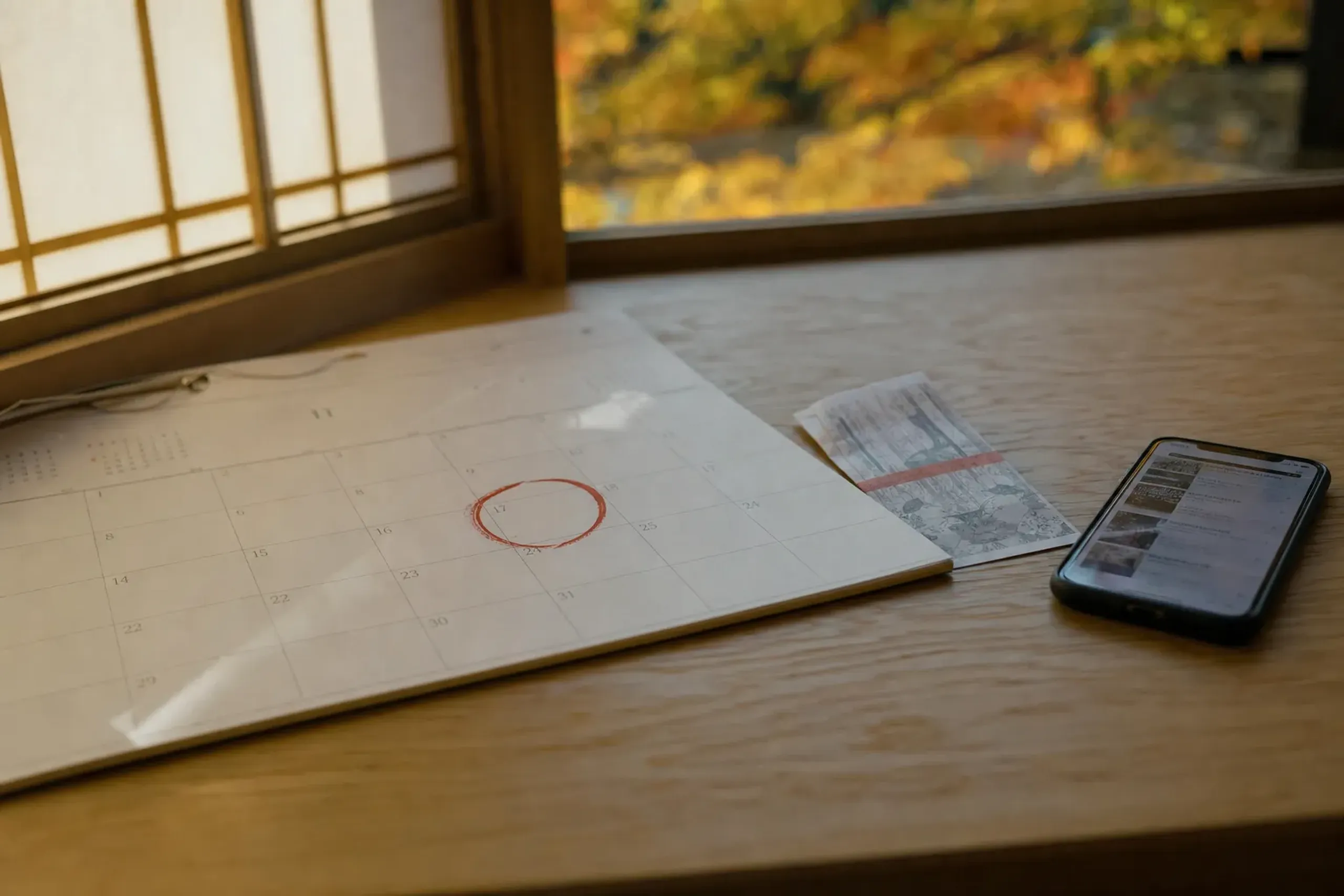
This is the simplest advice in the whole process. Also the hardest to follow if you are busy.
People try at lunch. They check after meetings. They “take a look later.” Big mistake.
Be ready at 10:00 a.m. JST. Not 10:12. Not after your school run. That hour is where availability lives.
A Concrete 2026 Example You Can Use As A Reference Point
Ticket Oosumo lists the September 2026 Grand Sumo Tournament (Tokyo) tickets going on sale on August 8, 2026 at 10:00 (Japan time). That is the shape of the system: a fixed morning release and fast-moving inventory.
Ticket Oosumo also notes that matches start in the morning and finish around 6 p.m. Plan your energy accordingly.
It is not an evening show you “pop into.” You can, but you lose the slow build that makes the arena feel alive.
When we guide guests privately, we focus on readiness: your preferred day, your seat type, and your fallback choices decided before release morning.
Which Days Sell Out First At A Honbasho, And Why?
Senshuraku (the final day) and weekend sessions sell out first because demand peaks when the champion is decided and more local visitors can attend.
The final day decides the tournament’s champion. Everyone knows it. Everyone wants it.
The second Saturday is typically one of the busiest regular sessions as the storylines sharpen and travel patterns align with a weekend. Those seats go early too.
If your Japan dates are fixed, be honest with yourself: if you want a weekend or senshuraku in Tokyo, you cannot approach it casually.
Tokyo vs Osaka vs Nagoya vs Fukuoka: Where Is It Easier To Get Good Sumo Seats?
Tokyo is generally the most in-demand venue, while Osaka, Nagoya, and Fukuoka can offer a calmer path to attendance and, at times, better availability for comparable seat types.
This is not about “better” or “worse” cities. It is about pressure.
Tokyo at Ryōgoku Kokugikan is iconic and central for many itineraries. It is also where sell-outs are most emotionally common, because visitors assume there will be tickets “somewhere.”
Osaka, Nagoya, and Fukuoka deserve respect as serious tournaments. If you want sumo as part of a wider Japan itinerary, these cities can reduce friction without diluting the experience.
How To Use City Choice As A Strategy, Not A Compromise
If you are already traveling between regions, treat a tournament city as a pivot point. One rail ride can change your ticket odds.
It can also change the feel of the trip. Osaka has a different tempo than Tokyo. Fukuoka’s food culture is its own reward. Nagoya is an efficient hub for central Japan routes.
For many HNW clients, the smartest move is to choose the best seat in a non-Tokyo venue rather than the last scraps in Tokyo. Quietly rational. Very Japanese.
This is where shun—the idea of choosing the right place at the right time—actually earns its keep, used once and then left alone.
If Sumo Tickets Are Sold Out, What Are Your Realistic Options?
When official tickets sell out, same-day options are limited and are more realistically found on weekday sessions at non-Tokyo venues rather than on Tokyo weekends.
Many travelers assume “we’ll just queue on the day.” Sometimes that works. Often it does not.
Sell-out streaks have been real in recent reporting, including Tokyo tournaments selling out across all 15 days. If your trip matters, gambling on same-day is a weak plan.
Our advice is simple: book ahead through official channels when possible, and keep a backup day or backup city in your pocket.
For a fixed date, plan through Ticket Oosumo directly and keep a flexible fallback ready — a weekday session, a different city, or an earlier booking window. If you want tailored guidance, our concierge team can map official pathways and realistic fallbacks to your exact travel dates — contact us here.
What Is A Full Day At A Grand Sumo Tournament Actually Like?
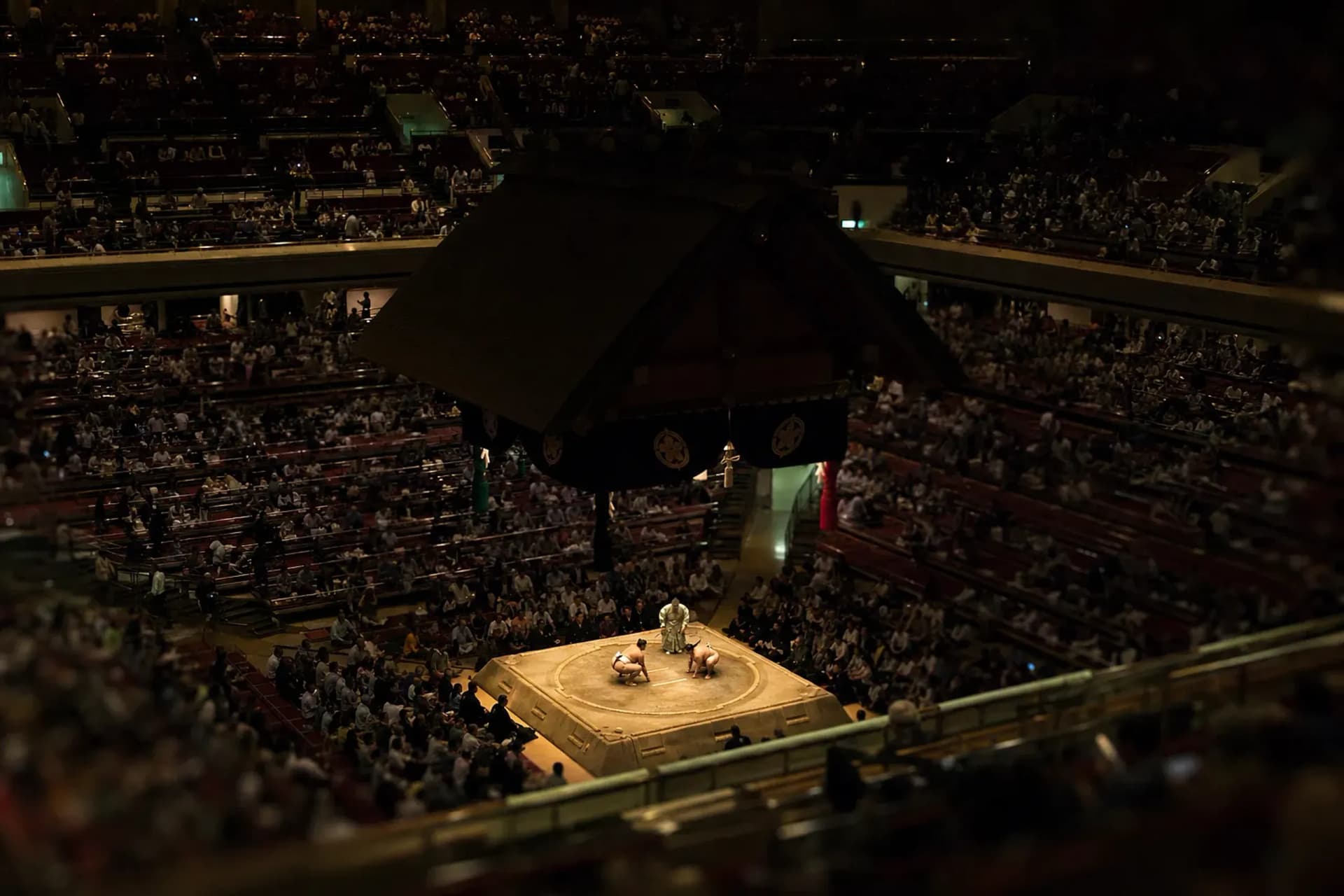
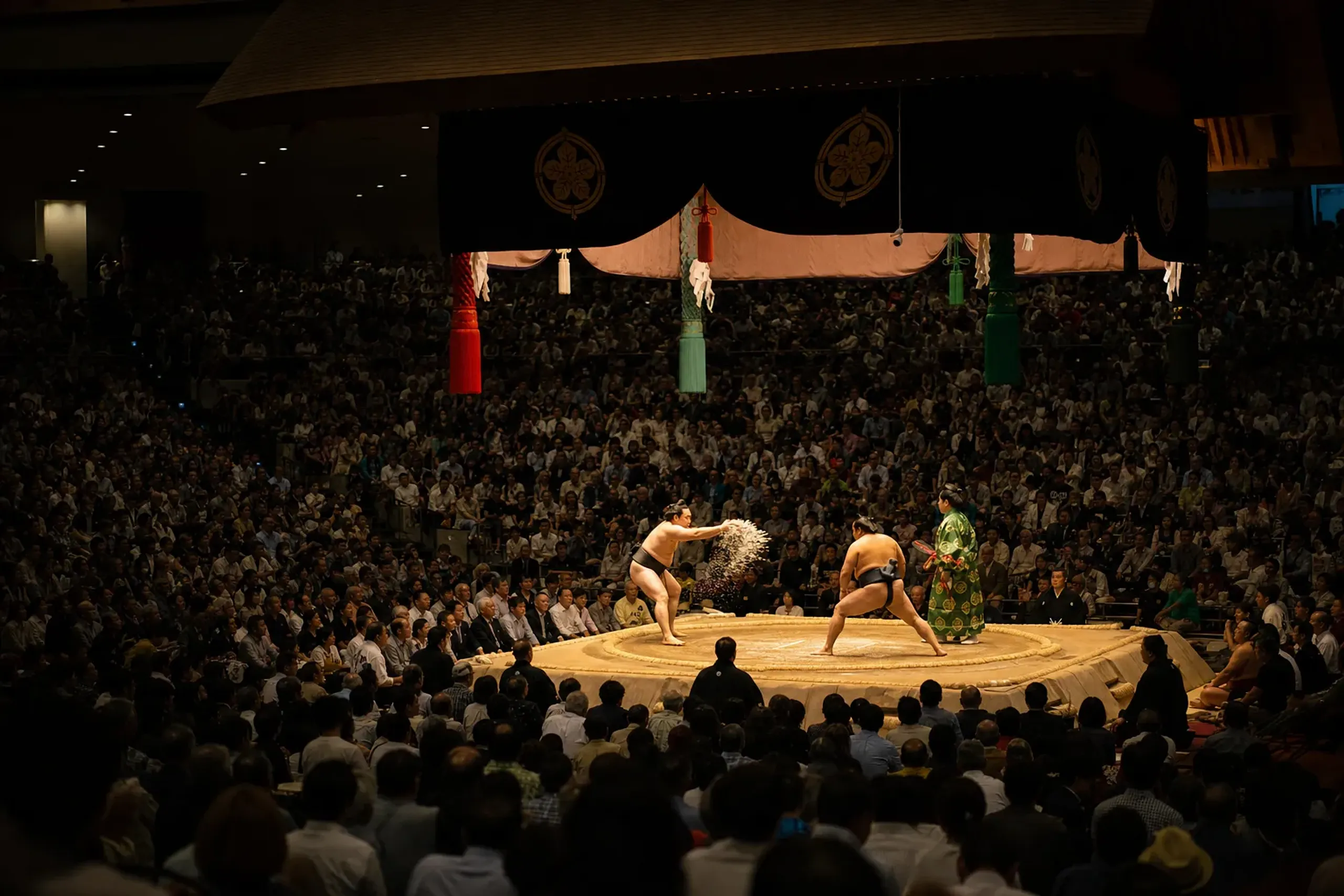
A tournament day starts with lower-division bouts in the morning and builds toward top-division bouts in the late afternoon, with the arena gradually filling and the atmosphere tightening.
If you arrive only for the last hour, you will see the headline bouts.
You will also miss the pacing that makes sumo addictive.
The earlier part of the day has its own pleasure: fewer crowds, easier movement to concessions, and time to watch technique without constant noise around you.
By late afternoon, the building feels different. The roof above the ring seems lower, the salt throws land with more intent, and even small reactions travel faster through the seats.
Comfort And Dress: What Matters More Than You Think
Casual dress is acceptable for a tournament. Comfort matters more than looking formal.
Masu box seating means floor sitting for a long stretch. If you have knee, hip, or lower-back issues, treat that as a deciding factor, not an afterthought.
Chair seating is forgiving. Tamari is not.
If you plan your seat like you plan your shoes, you will enjoy the day.
How To Book Official Sumo Tickets As A Foreigner (Without Guesswork)
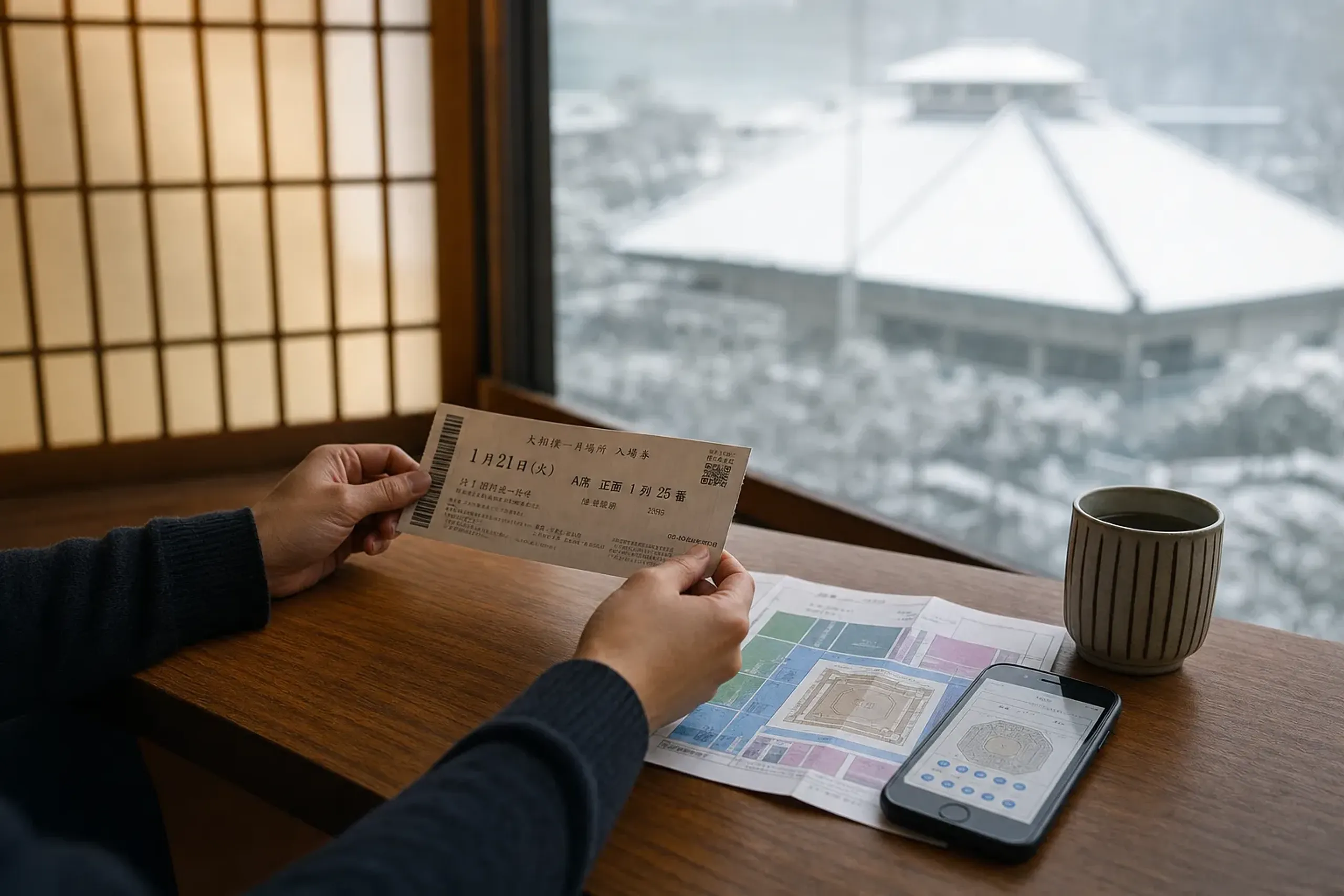
Foreign visitors can buy official tickets through the English-language Ticket Oosumo service when general sales open, typically about one month before the tournament at 10:00 a.m. JST.
Use the official Japan Sumo Association website to confirm tournament context, and treat Ticket Oosumo as the primary reference for each basho’s sale timing and ticket details.
Do not wait for the banzuke to choose your date. The banzuke comes later, after sales begin, so hesitation tends to cost you options.
If you want a controlled outcome—specific day, seat type, and a backup plan—ask our concierge team for tailored guidance early, before the on-sale morning arrives.
A Simple Pre-Sale Checklist That Prevents Most Mistakes
- Choose your city first: Tokyo vs Osaka vs Nagoya vs Fukuoka.
- Choose your day type: weekday, weekend, or final day (senshuraku).
- Choose your seat category: chair vs masu vs tamari, based on comfort.
- Set your alarm for 10:00 a.m. JST: treat it as a hard appointment.
- Pick a backup: second-choice day or a second-choice city.
Related Reading For Travelers Who Want Ringside Context
If you are specifically aiming for premium seating at Ryōgoku Kokugikan, read our dedicated guide: VIP Sumo Tickets Tokyo: Ringside Seats at Ryogoku Kokugikan.
Frequently Asked Questions
How Early Do Sumo Tickets Sell Out For Tokyo’s Ryōgoku Kokugikan?
Tokyo tournament days—especially weekends and senshuraku—can sell out within hours of the official 10:00 a.m. JST release.
This is why timing discipline matters more than “checking regularly.” If you want Tokyo, treat release morning as non-negotiable.
Can Two People Buy A Masu Box Seat Without Paying For The Whole Box?
Masu box seats are traditionally sold as a complete 2–4 person unit, so two people commonly pay for the full box even if only two attend.
If that feels inefficient, chair seats are usually the clean solution for pairs.
What Time Do Grand Sumo Tournament Matches End?
Ticket Oosumo notes that tournament matches start in the morning and finish around 6 p.m., so plan for a day-long event rather than an evening drop-in.
If you want to see the build across divisions, arrive earlier and pace yourself.
Should I Choose Tokyo Or Another City If I Mainly Want Better Seats?
Osaka, Nagoya, and Fukuoka can offer a calmer ticketing experience than Tokyo, and flexibility on city can improve your seat options.
If your goal is the best overall day—not just the most famous address—consider the non-Tokyo tournaments seriously.
Why Choose Japan Royal Service
Sumo tickets are not luck-based, but they punish imprecision. Our team at Japan Royal Service reduces that risk by clarifying the system early, mapping your seat choice to your comfort, and planning backups before release morning.
We also work in a way that protects discretion. Quiet handling, minimal exposure, and no public spectacle around your plans. For HNW travelers, that matters as much as the seat itself.
When the rest of your Japan journey needs to move with the same control, we can also advise on tailor-made itineraries that keep the days coherent rather than overstuffed.
And when the tournament day arrives, a calm arrival helps. If you want a discreet ride to Ryōgoku, our private transportation guidance covers vehicle fit and pacing for the day.
For private coordination, reach our team privately via WhatsApp or LINE, or contact us here.