In this guide
- 01How Do HNW Travelers Get Front-Row Sumo Seats At A Tokyo Tournament?
- 02When Can You Buy Tickets For The 2026 Tokyo Sumo Tournaments?
- 03What Is The Difference Between Ringside Boxes And Sand Seats?
- 04How Does A Concierge Help Around A Sumo Tournament?
- 05How Should You Plan The Day Around A Sumo Tournament?
- 06Where Should You Stay For The 2026 Tokyo Tournaments?
- 07Frequently Asked Questions
- 08Why Choose Japan Royal Service
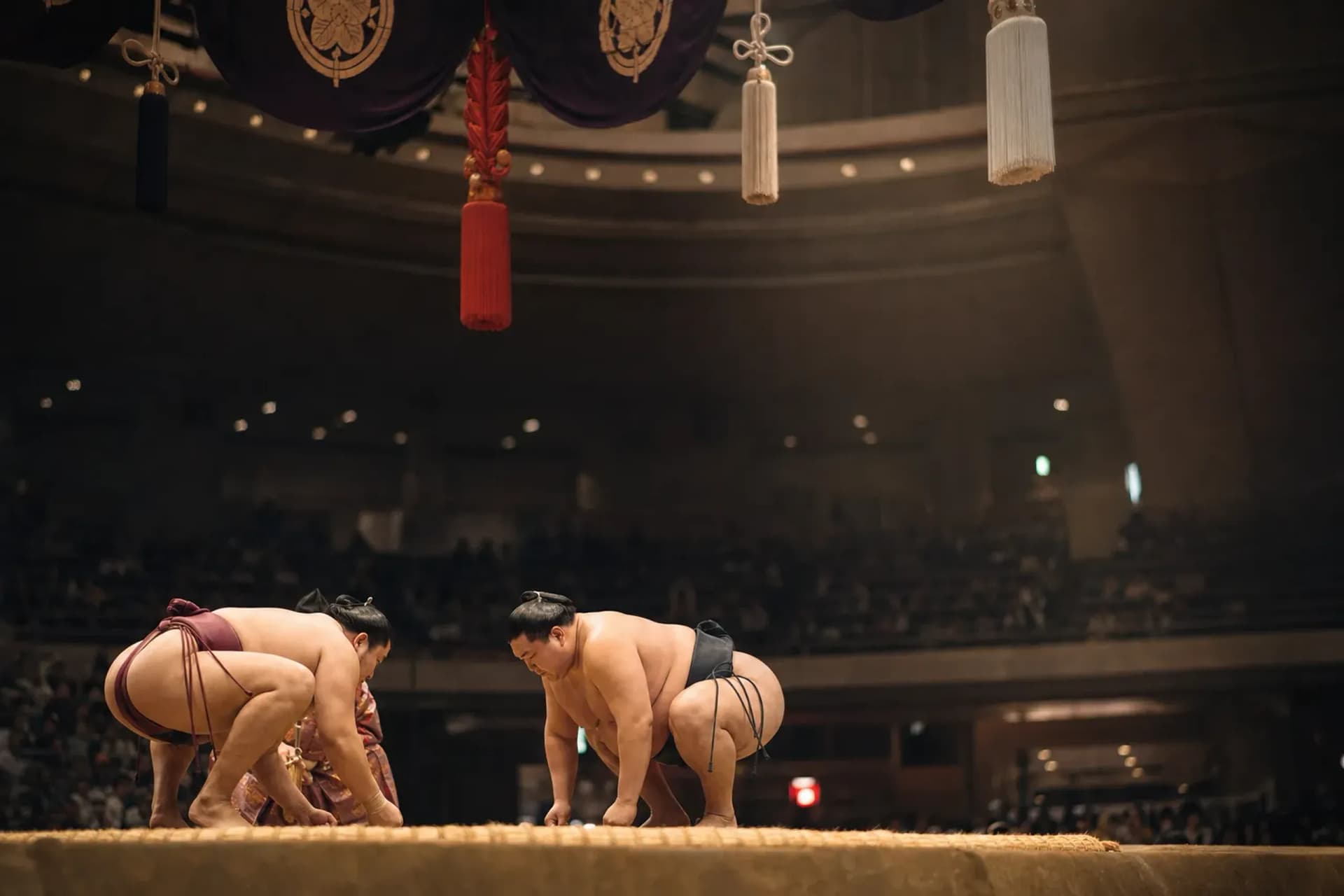
Picture the moment. Two men, each the weight of a small motorcycle, freeze at the edge of a clay ring. The salt has been thrown. The referee's fan trembles. Then the collision — a sound you feel in your sternum before you hear it. From the cheap seats, this is spectacle. From the front, it is something closer to a private audience with a thousand years of ritual.
That difference is the entire subject of this guide. At Japan Royal Service, we are asked constantly how a discerning traveler secures the genuinely good seats at a sumo tournament in Tokyo — not the tiered chairs at the back, but the floor. What follows is honest information about official ticket channels, what ringside really means, and where a concierge helps versus where the rules of the sport simply cannot bend.
How Do HNW Travelers Get Front-Row Sumo Seats At A Tokyo Tournament?
The best ringside seats are the tamari-seki (sand seats) at the front of the Ryogoku Kokugikan, sold almost entirely to teahouses and long-standing patrons — most foreign visitors reach the floor via ringside box seats booked the moment tickets release.
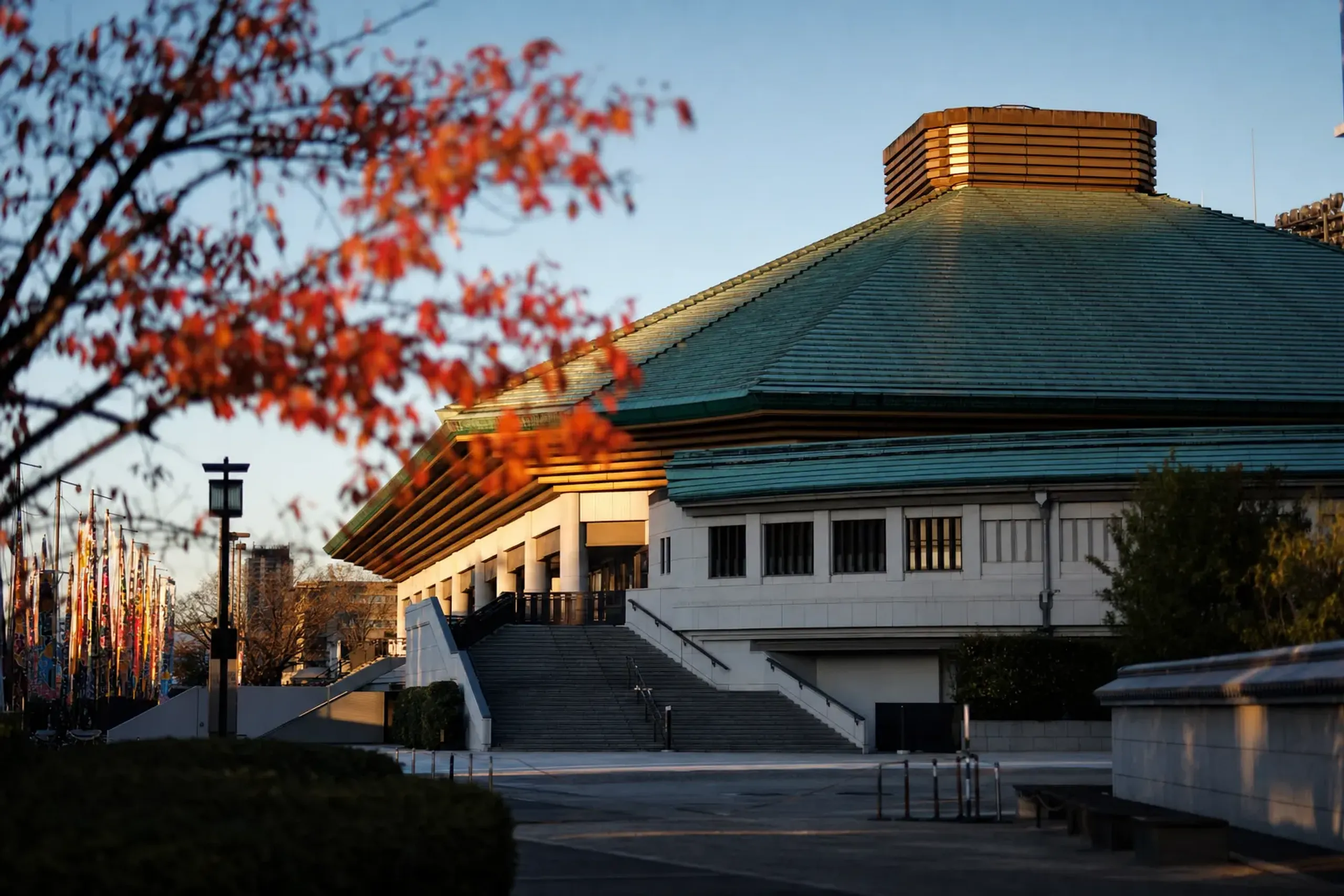
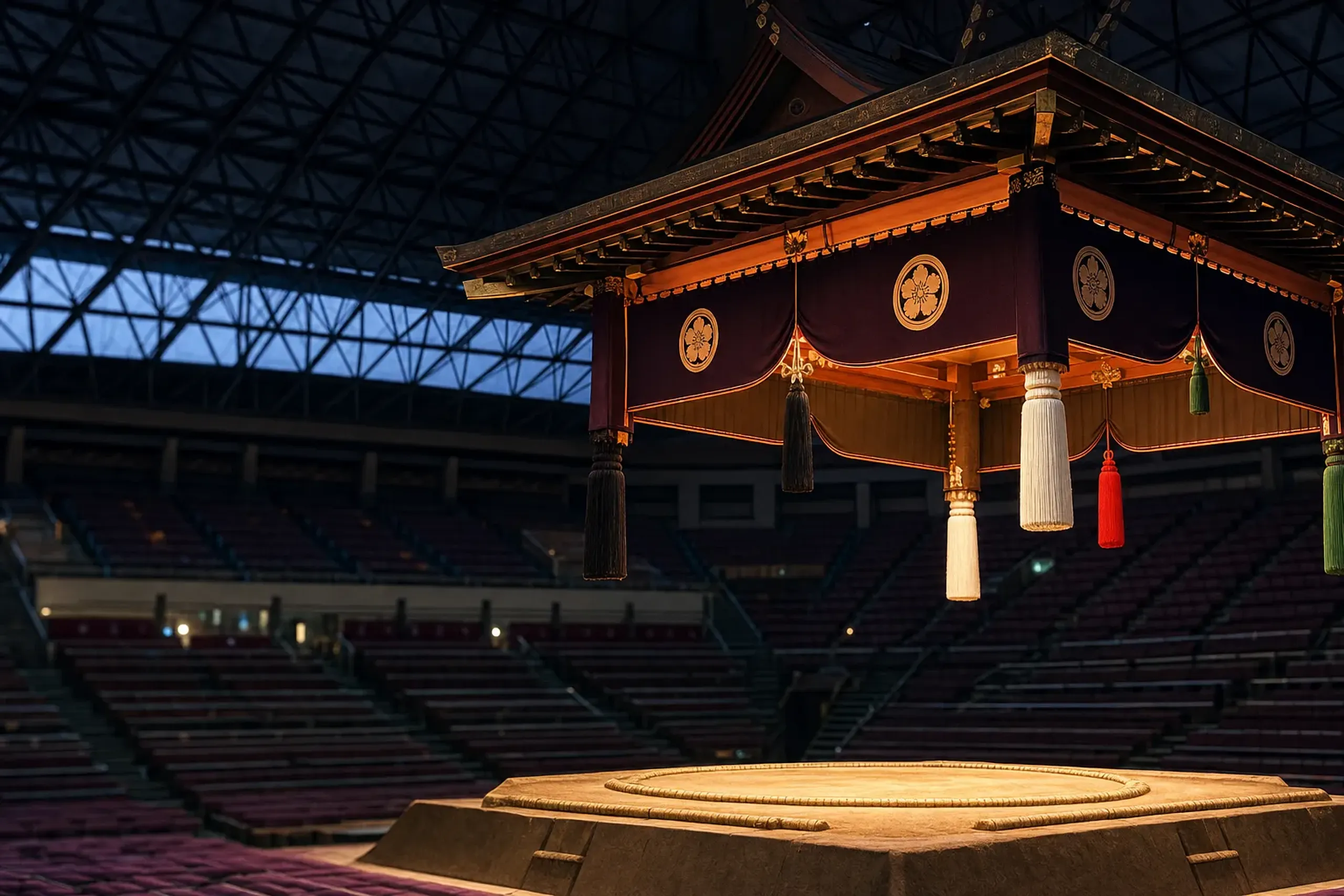
Let us be precise, because precision matters here. The Ryogoku Kokugikan in Tokyo, home of the sport's three annual capital tournaments, sells several seat categories. The floor is divided into cushion seating on tatami. Directly around the ring sit the tamari-seki — a handful of cushions where you sit on the sand, close enough to be struck by a falling wrestler.
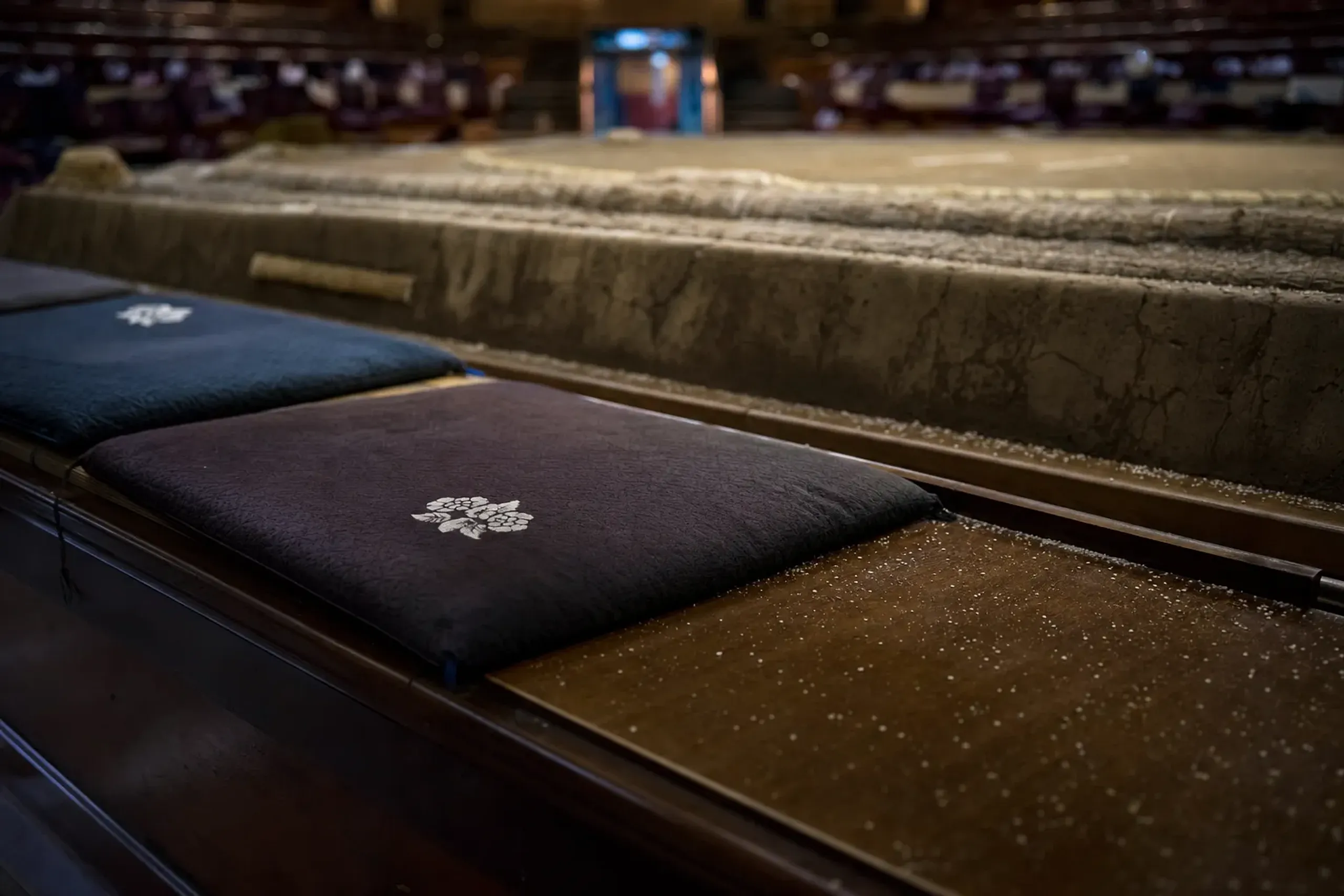
These almost never appear on open sale. They belong to the chaya (traditional teahouse) system and to sponsors who have held them for generations.
Behind them are the masu-seki, the boxed floor seats. A box holds a small party. Type A boxes ring the innermost floor and deliver a view that television cannot approximate. This is the tier most visitors mean when they say "ringside." It is attainable. It is also gone within hours of release.
When Can You Buy Tickets For The 2026 Tokyo Sumo Tournaments?
Tokyo hosts three of the six annual honbasho tournaments — in January, May, and September, each running fifteen days at the Ryogoku Kokugikan. General ticket sales through the Japan Sumo Association typically open roughly five to six weeks before each tournament's first day.
The Japan Sumo Association sells through its official English-language site and the Ticket Oosumo platform. Convenience-store terminals across Tokyo also handle sales. The first two days and the final weekend go fastest. If a popular wrestler is chasing a championship, even the upper chairs vanish.
Key fact: Front-tier floor boxes for the January and September Tokyo tournaments frequently sell out on the day of release. Decide your dates before tickets open, not after.
Our concierge team keeps a running calendar of release windows because timing is the single largest factor in whether you sit on the floor or in the balcony.
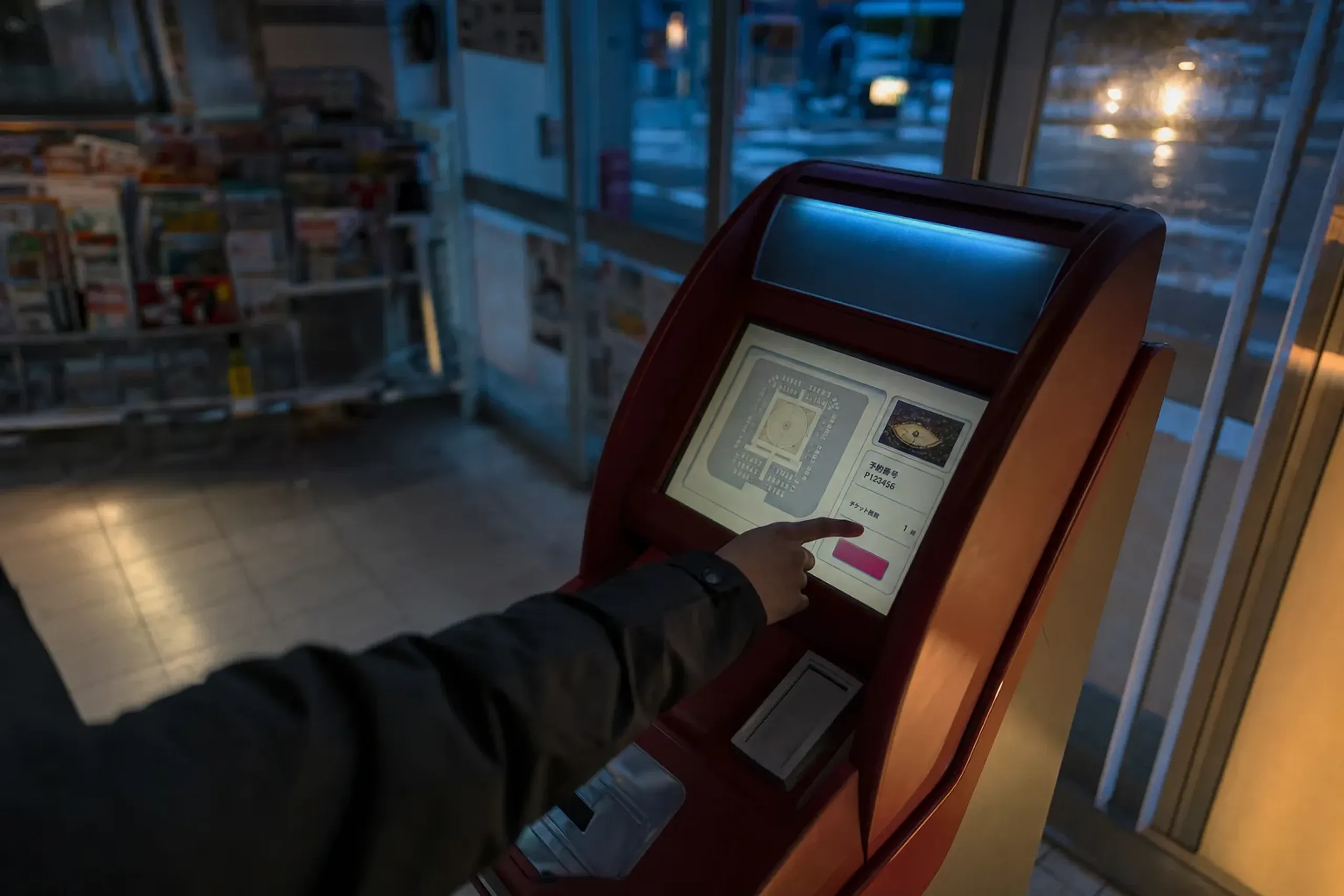
In our experience, travelers who commit to a date early sit close. Those who wait watch from height. It is that simple.
What Is The Difference Between Ringside Boxes And Sand Seats?
Sand seats (tamari-seki) place you on cushions at the very edge of the clay, with strict etiquette — no eating, no phones, no leaving mid-bout. Ringside boxes (masu-seki) sit just behind, on tatami, with room to eat and move.
The tamari-seki experience is the purest form of the sport. You are inside the ceremony. You cannot photograph, you cannot snack, and if a fifteen-stone wrestler tumbles off the dohyo, you are the cushion. That intensity is why these seats stay within the teahouse and patron network rather than the open market.
The box seats are, for most travelers, the sweet spot. You sit low, close, and comfortable. You may order the traditional teahouse bento and yakitori delivered to your box. You keep your camera. For a first sumo tournament — or a return visit with family — Type A or B boxes strike the balance between proximity and ease.
The Teahouse (Chaya) Tradition
The Ryogoku teahouses have served the Kokugikan for over a century. Historically, a chaya escorted patrons to their seats, served food, and provided souvenirs — a package built on relationship rather than transaction.
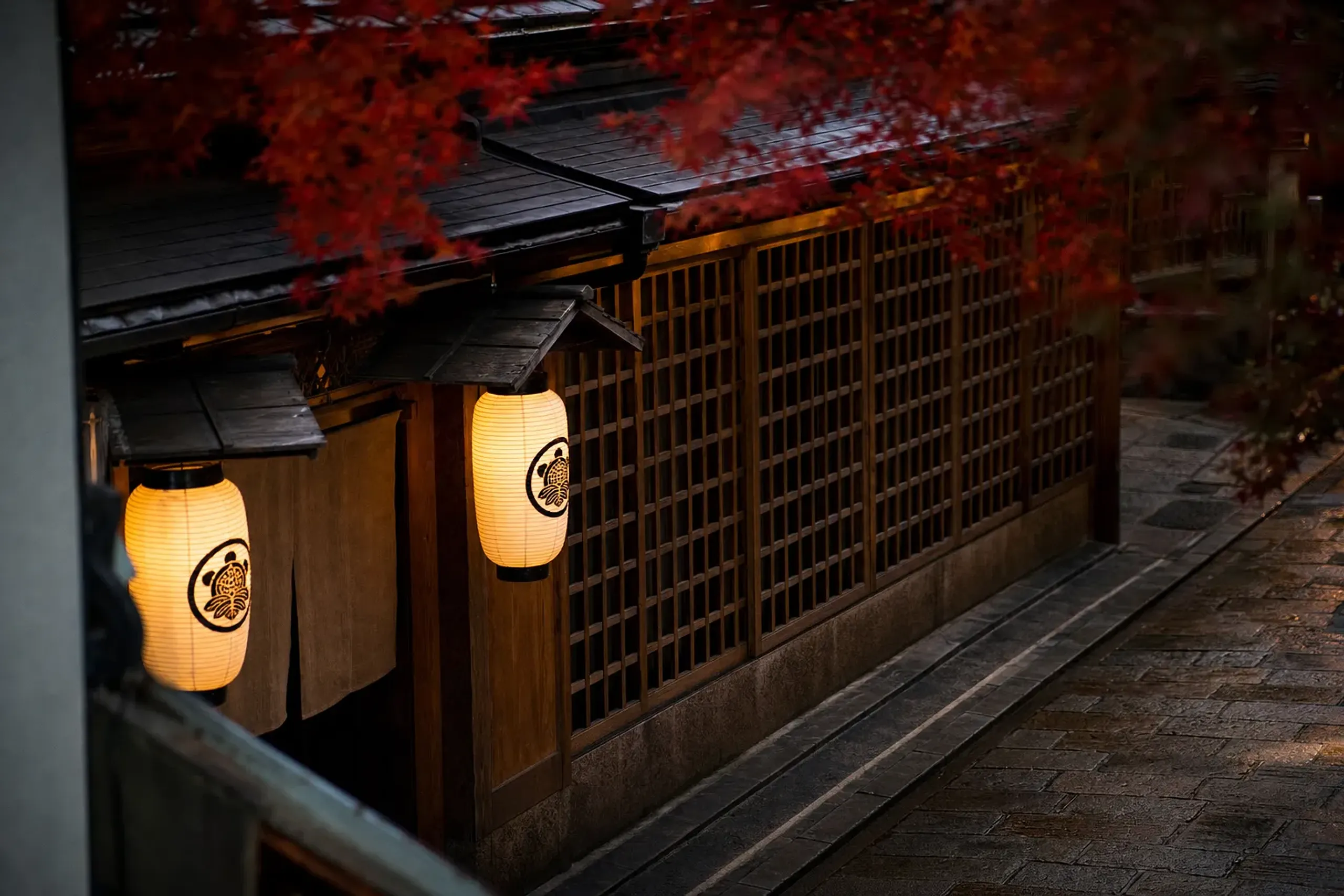
Elements of this survive. It is a genuinely older Japan, the kind that operates on introduction and repeat trust, sitting quietly beside the modern ticket portal.
How Does A Concierge Help Around A Sumo Tournament?
Tickets for the Ryogoku Kokugikan tournaments are released and issued entirely through the Japan Sumo Association's own official channels, in the guest's name. Around that process, our concierge team tracks exact release windows for each Tokyo tournament, advises on which seat tier suits your party and priorities, arranges discreet private transfer to and from Ryogoku, and briefs you on ringside etiquette and timing.
The tamari-seki sit within a teahouse and patron system built to protect tradition rather than a channel money can open. What a concierge changes is everything around the event — the discipline of being ready the instant tickets open, and the day built around your seat.
For the day itself, the details compound. Our private chauffeured transport means you arrive at Ryogoku without the crush of the station, and you leave the moment the final bout ends rather than filing out with fifteen thousand others.
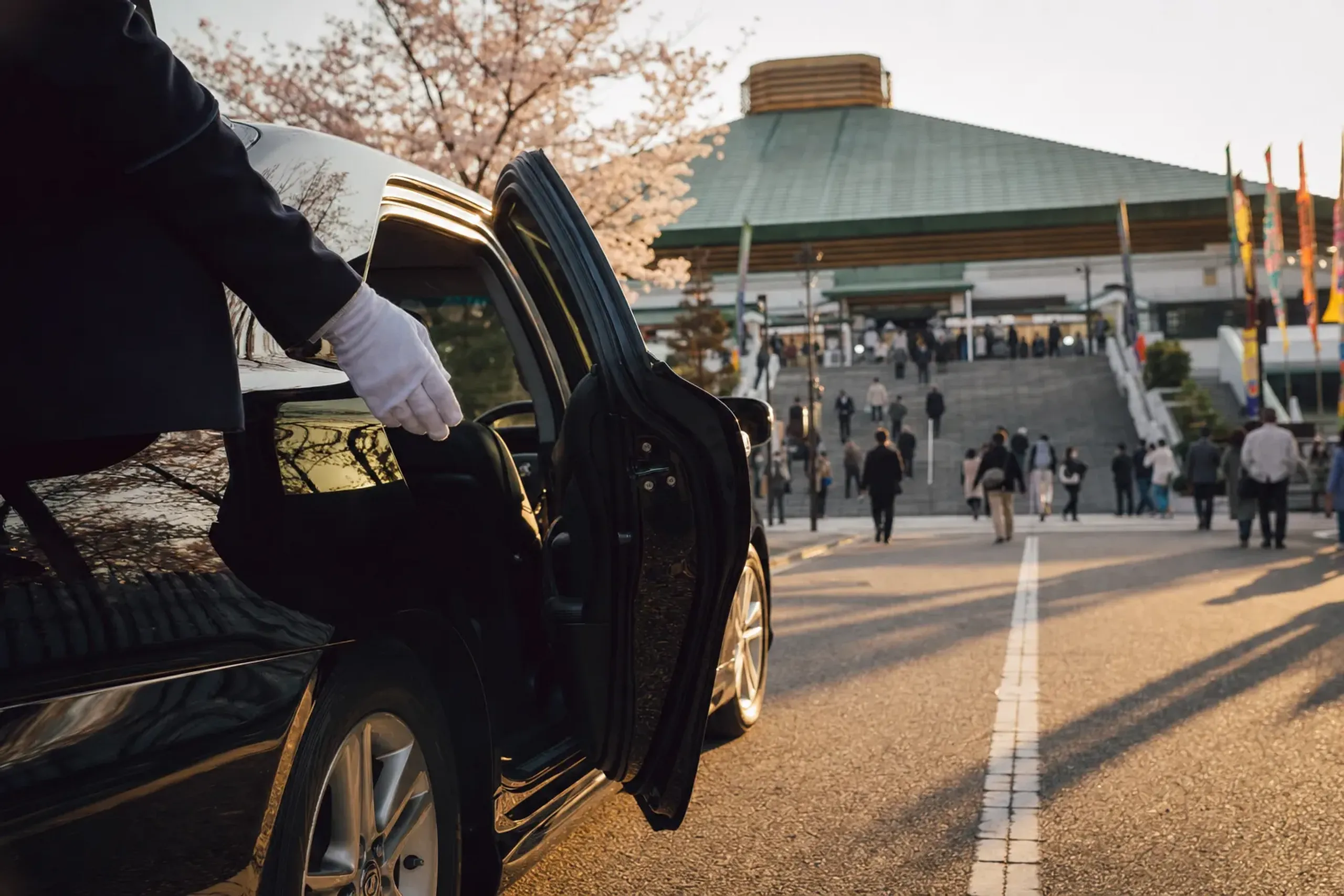
That alone changes the tenor of the whole evening.
How Should You Plan The Day Around A Sumo Tournament?
Arrive by early afternoon to watch the lower divisions build toward the top-division bouts around 3:45 p.m., with the champions' matches closing near 6 p.m. The ceremonial ring-entering rituals in the late afternoon are worth timing your arrival to catch.
The tournament unfolds like a slow tide. Morning belongs to junior wrestlers competing before a near-empty hall. The energy climbs through the day. By the time the yokozuna and top ranks appear, the Kokugikan is full and loud, and the salt-throwing and stomping rituals carry real weight.
Around this centerpiece, a well-shaped day can hold quieter counterpoints. The Ryogoku district itself is worth walking — this is Tokyo's sumo neighborhood, dense with chanko-nabe restaurants run by retired wrestlers serving the hearty hot-pot the athletes live on. A late lunch of chanko before the top-division bouts is a fitting piece of the ritual.
Pairing Sumo With A Broader Tokyo Itinerary
Sumo is intense but brief in the calendar — fifteen days, three times a year. We often build it into a longer, restraint-led Tokyo stay. A morning of quiet gardens, an afternoon at the ring, an evening at a small counter that seats eight.
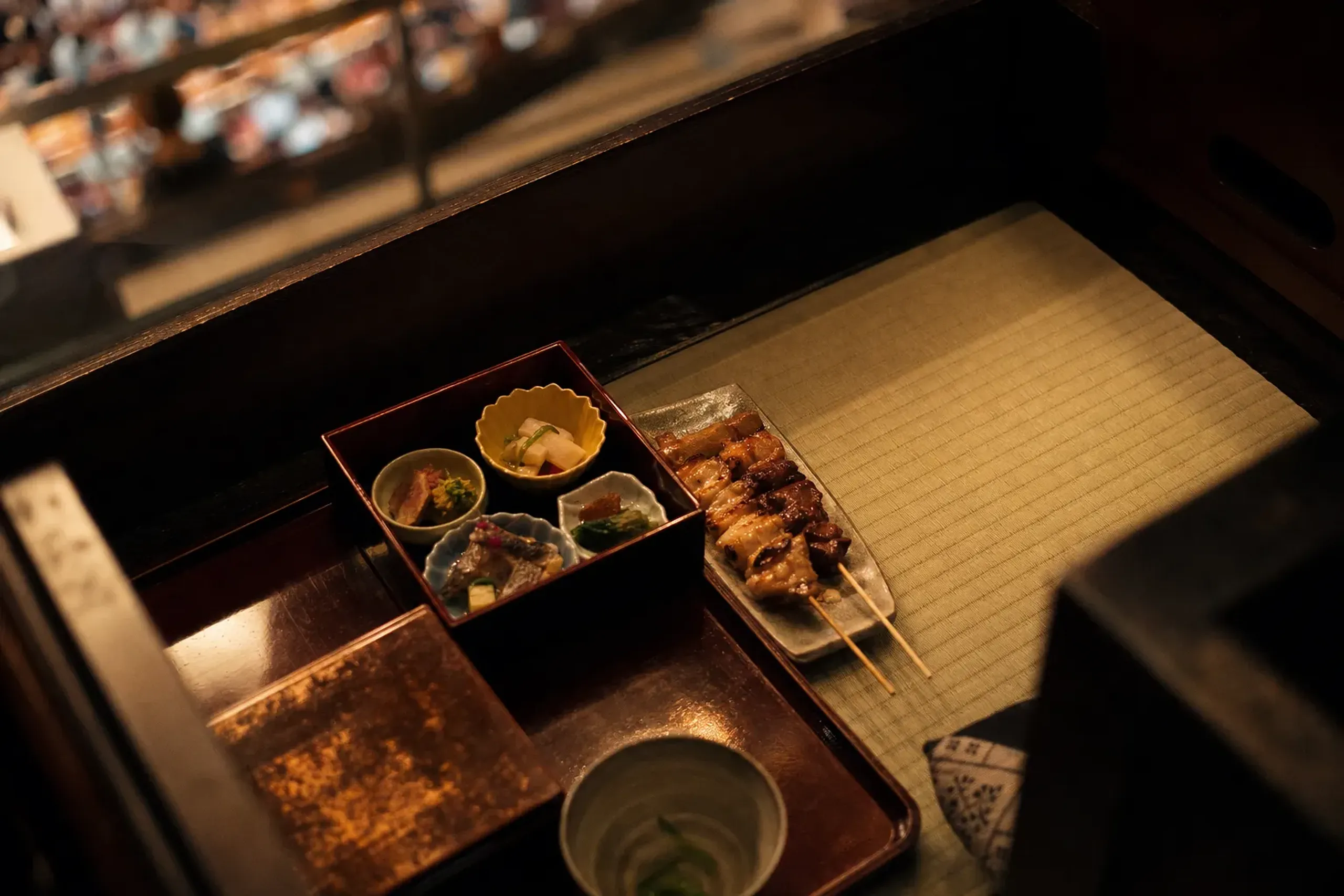
If you are shaping a fuller cultural arc, our writing on Kabukiza in Ginza pairs naturally with a sumo day, since both reward the traveler who understands the ceremony beneath the surface.
Where Should You Stay For The 2026 Tokyo Tournaments?
Central Tokyo bases within twenty minutes of Ryogoku by car suit most travelers — the Marunouchi and Otemachi districts sit close enough for an unhurried arrival while keeping you near the city's finest dining and quiet urban retreats.
Tokyo's luxury lodging has widened notably. Fairmont Tokyo opened on 1 July 2025, adding fresh inventory in the capital. Four Seasons Hotel Tokyo at Marunouchi began a transformative renovation on 1 July 2025, positioned as an intimate, understated urban retreat — an aesthetic close to our own preference for restraint over display. New and renovated properties matter for a practical reason: fresh inventory often means genuine availability when older favorites are full.
We treat these openings as timing opportunities rather than headlines. A new hotel in its first season is also a controlled environment where discreet arrivals and privacy protocols can be arranged carefully with management. For travelers who value a low profile, that early-season attentiveness is worth seeking out. Always verify opening and renovation timelines directly with a property before you commit, as third-party lists sometimes carry corrections.
For those who want to balance a modern Tokyo base with something the mass channels never surface, we often pair the city stay with an introduction-only ryokan in the countryside — the Japan that does not appear in a search result.
That contrast, urban and hidden, is where a bespoke plan earns its keep.
Frequently Asked Questions
Can Foreigners Buy Official Sumo Tickets For The Tokyo Tournaments?
Yes. The Japan Sumo Association sells tickets through its official English-language website and the Ticket Oosumo platform, with no residency requirement. General sales usually open five to six weeks before each Tokyo tournament, and the best floor seats sell out fastest.
How Close Can You Actually Sit To The Sumo Ring?
The closest seats are the tamari-seki sand cushions at the ring's edge, but these are largely reserved for teahouses and patrons. The nearest realistically bookable option is a Type A ringside box on the floor, only a few meters from the clay.
What Is The Etiquette For Sitting In A Sumo Box Seat?
Remove your shoes before entering the tatami box, keep the aisles clear, and avoid standing during bouts. Eating and photography are permitted in box seats, unlike the strict sand seats, where phones and food are not allowed.
Are There Sumo Tournaments In Tokyo In 2026?
Yes. Tokyo hosts three fifteen-day honbasho tournaments each year at the Ryogoku Kokugikan — in January, May, and September. Confirm exact 2026 dates via the Japan Sumo Association before booking travel, as the schedule is published in advance.
Why Choose Japan Royal Service
A sumo tournament rewards the traveler who understands what is happening beneath the collisions. We built our practice at Japan Royal Service around exactly that kind of understanding — the seasonal timing, the etiquette, the quiet mechanics of access that separate a good day from a memorable one.
Our team is Tokyo-based, with our own fleet and English-speaking coordinators, so the day around your seat is handled with discretion and without the friction of the crowds. We give you honest counsel, precise timing, and a tailor-made itinerary that places the tournament inside a fuller, restraint-led Tokyo experience — from a shokunin's atelier to a counter that seats eight. That combination of native knowledge, in-house transport, and total privacy is what our HNW travelers return for.
To discuss dates for the 2026 Tokyo tournaments and the day around them, reach our team privately via WhatsApp or LINE, or contact us here.