
In this guide
- 01What “Zero-Footprint VVIP” Really Means In Japan (And Why It Matters In 2026)
- 02The Operating System: A Zero-Footprint Itinerary Blueprint (Principles, Not Sensitive Tactics)
- 03Zero-Footprint Transfers: Airports, Hotels, And The “No-Lobby” Philosophy
- 04Stealth Mobility Across Japan: Rail, Road, And Air Without The Noise
- 05Hidden Japan Without The Leak: Introductions, Shokunin, And Wabi-Sabi Restraint
- 06Kyoto Under Pressure: Resident-First VVIP Routing (2026 Overtourism Reality)
- 07What’s New (2025–2026) That Supports Quiet Luxury, Not Noise
- 08How To Book The Pieces (Without Breaking Discretion Or Brand Rules)
- 09FAQ: Invisible Logistics For UHNW Travel In Japan
- 10Why Choose Japan Royal Service
The paradox of ultra-luxury travel in Japan is simple. The more visible you are, the less comfortable you become.
Cameras. Crowds. Curious attention in the wrong place at the wrong time. A single loud arrival can sour an entire week.
Our team at Japan Royal Service designs “zero-footprint” itineraries for guests who want Japan at its most refined—without leaving a trail. Quiet movement. Quiet access. Quiet exits.
This is a practical operating framework. Not a list of braggy perks. You will see how we think about discretion, policy-compliance, and operational redundancy, so your Japan trip stays private, calm, and culturally correct.
What “Zero-Footprint VVIP” Really Means In Japan (And Why It Matters In 2026)
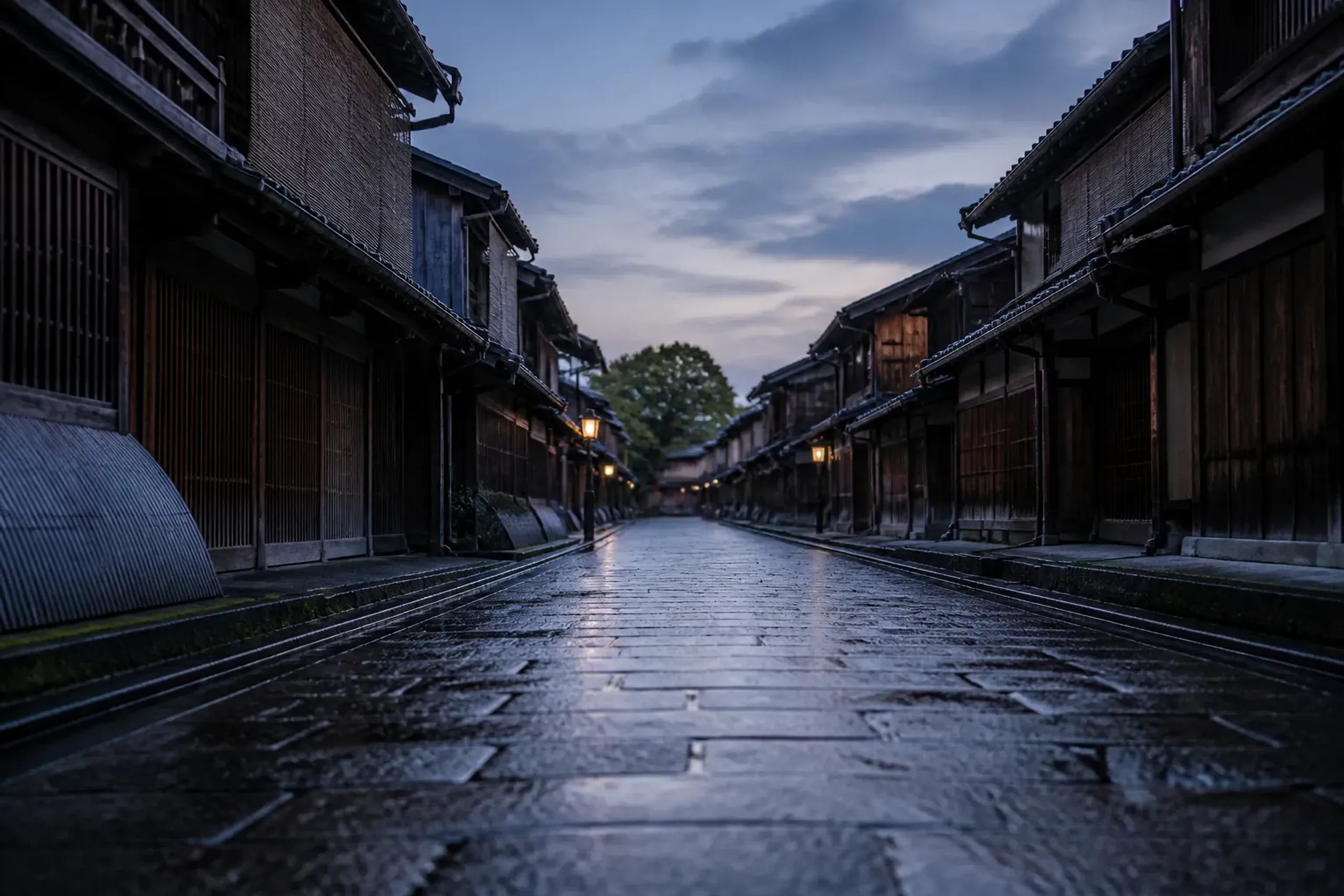
A zero-footprint day starts before the city compresses.
“Zero-footprint” is not cosplay privacy. It is engineered low-visibility.
In our experience, the best VVIP trips in Japan share one trait: they create almost no social friction. No blocked sidewalks. No noisy convoys at temple gates. No staff clusters in kimono districts.
And 2026 makes this stricter. Japan’s Tourism Agency has an overtourism policy page updated April 24, 2026, and the national direction is clear: more regions will implement measures over time, with a stated target of expanding from 47 regions in 2025 to 100 by 2030 as reported by The Japan Times on March 27, 2026.
Kyoto is the pressure point. Kyoto City published an update dated February 17, 2026 on promoting harmony between citizens’ lives and tourism, including prior-season efforts and planning for Spring 2026. For VVIPs, that means your logistics must be resident-aware. Or you are the problem.
Key fact: In Japan, “discreet” logistics is now also “compliant” logistics. Crowd-avoidance and respectful routing are not optional. They protect privacy and reduce local impact.
A Simple Definition We Use Internally
Zero-footprint VVIP = Discretion + Compliance + Community Impact Control + Operational Redundancy.
Miss one. The whole system leaks.
The Operating System: A Zero-Footprint Itinerary Blueprint (Principles, Not Sensitive Tactics)
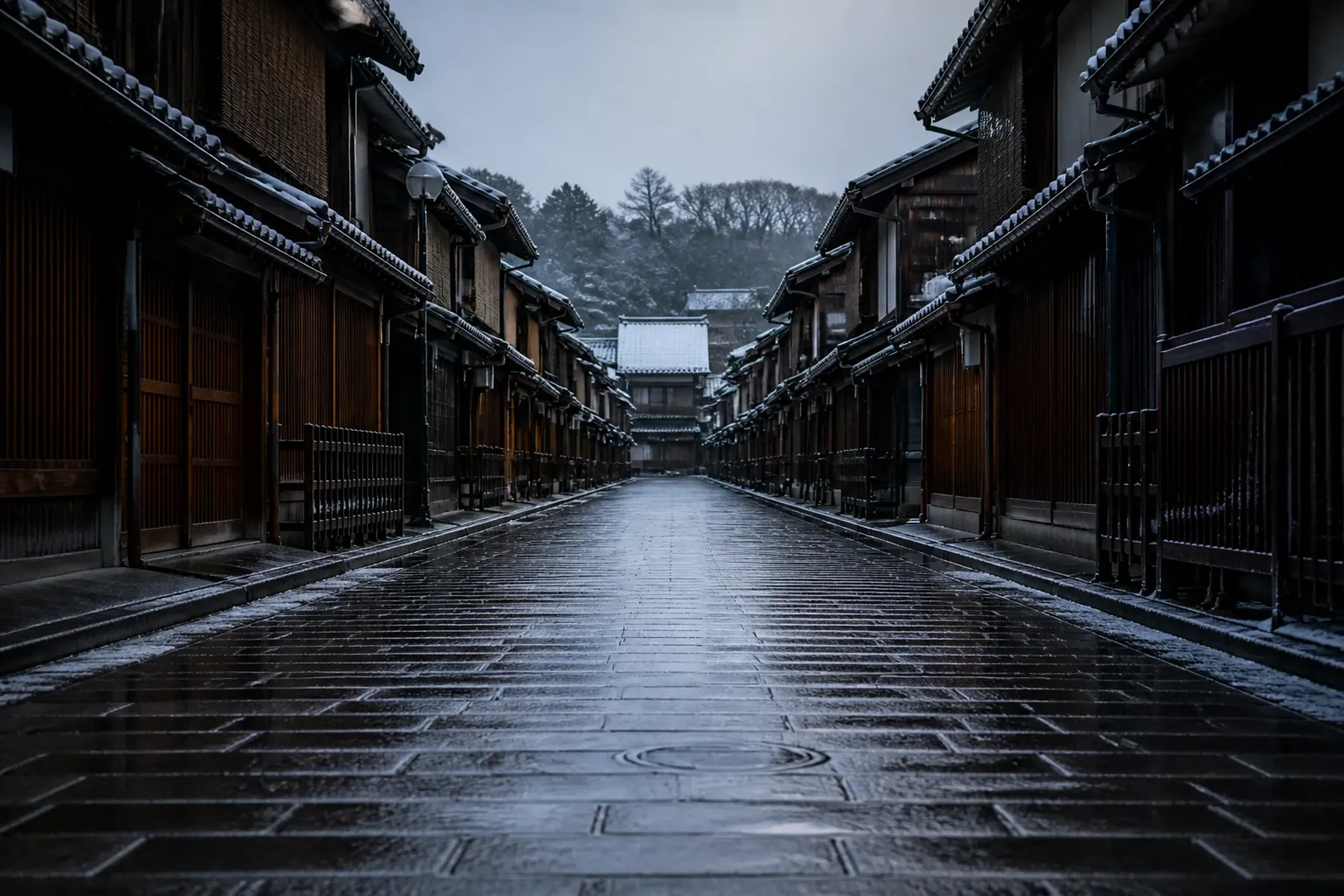
Luxury travelers often ask for “the best guide” or “the best hotel.” That is only the surface.
Invisible logistics is a choreography problem. Timing. Route geometry. Handoffs. A single mis-timed lobby crossing can create the very attention you came to avoid.
We structure a VVIP trip with layers. Each layer does one job. Each layer has a fallback.
Layer 1: Identity And Information Hygiene
Small mistake. Big spread.
We keep guest identity and movements tightly scoped to need-to-know. That includes how names appear on day sheets, how drivers are briefed, and how third parties are addressed in writing.
For UHNW families and public-facing principals, we also reduce “soft leaks”: recognizable patterns, repeated locations, predictable dining times, and the temptation to post in real time.
- Principle: Minimize who knows what, and when.
- Principle: Avoid repeated public touchpoints that become trackable.
- Principle: Treat your itinerary as sensitive data, not a holiday calendar.
Layer 2: Time-Windowing (The Quiet Alternative To “VIP Crowds”)
Kyoto teaches this fast.
Japan is not short on famous places. What is short is space at the right moment. The solution is often not “exclusive access,” but a sharper time window paired with a better entry-and-exit plan.
We plan around natural compression points: hotel check-in surges, temple gate openings, meal seatings, and festival pinch zones. The goal is to move when the city exhales.
- Early starts when streets are still ordinary.
- Midday retreats to gardens, galleries, or private rooms.
- Late transitions after day-trippers clear out.
Layer 3: Minimal-Convoy Design
More vehicles do not mean more comfort. They mean more visibility.
For many parties, the most discreet solution is fewer cars, better chosen. For families, that can mean a single executive van rather than a mini-motorcade.
When we discuss private transportation with guests, we focus on cabin privacy, silent entry/exit, and luggage strategy—because bags are often what force extra staff and extra vehicles.
Layer 4: Redundancy Without Drama
Japan runs on rules. Weather also runs on rules.
Operational redundancy is not paranoia. It is dignity. If a route becomes busy, if a venue tightens photography rules, if rain changes timing, the itinerary should absorb the shock without a visible scramble.
- Two plausible routes between major points.
- At least one alternative cultural block per day.
- Hotel-to-hotel transitions designed with buffer time, not apologies.
Zero-Footprint Transfers: Airports, Hotels, And The “No-Lobby” Philosophy
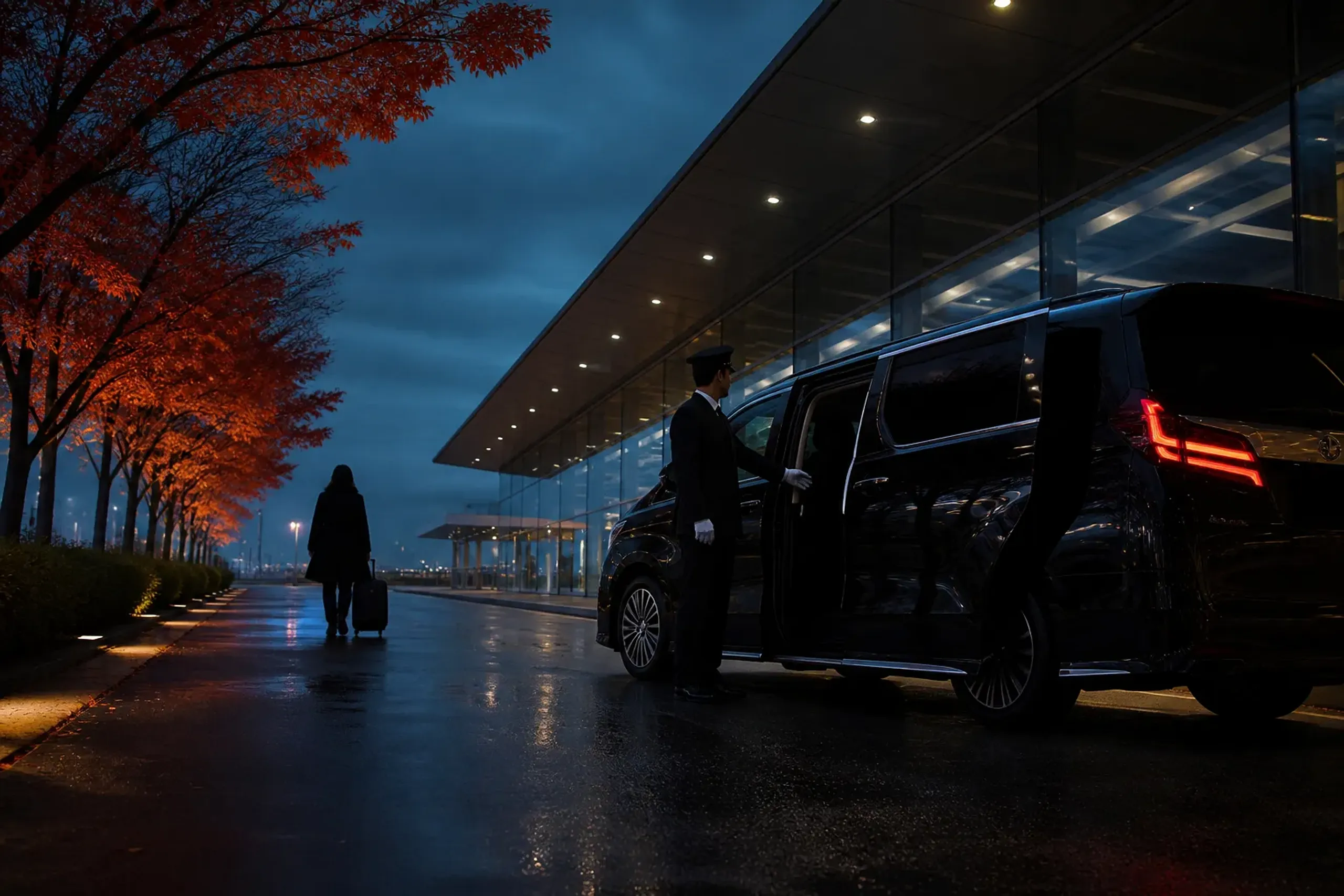
Less waiting in public zones. More control.
Airports are where privacy fails first. Arrivals compress everyone into the same lanes, the same baggage belts, the same bright spaces.
For VVIPs, we design transfers to reduce dwell time in public zones and to keep the party’s shape compact. No long, visible waits. No confusion at the curb.
And once at the hotel, the lobby is treated as a corridor, not a stage. Fast passage. Clean handoff.
Chauffeur Fleet Choices That Reduce Footprint
The car is not a flex. It is a tool.
For top-tier road comfort and privacy-forward cabin design, guests often prefer the Lexus LM 500, Mercedes V-Class, or Toyota Executive Alphard. For larger families or business groups, higher-capacity vans and microbuses can reduce vehicle count and keep the party together.
- Lower visibility: fewer vehicles, fewer curbside interactions.
- Lower friction: one conversation, one departure, one arrival.
- Lower risk: fewer points where a detail can go wrong.
Hotel Transitions: How We Avoid “Peak Lobby” Moments
Timing is the hidden luxury.
We plan arrivals away from known check-in surges and coach handoffs. We also consider which hotels have layouts that naturally support privacy: discreet drop points, controlled elevators, and private dining rooms where a meeting can happen without spectacle.
When a hotel group markets multi-property journeys—Aman Tokyo, Amanemu, and Aman Kyoto are positioned this way for 2026 travel—our role is to design the connective tissue between brands and regions, so the journey feels continuous rather than assembled.
Stealth Mobility Across Japan: Rail, Road, And Air Without The Noise
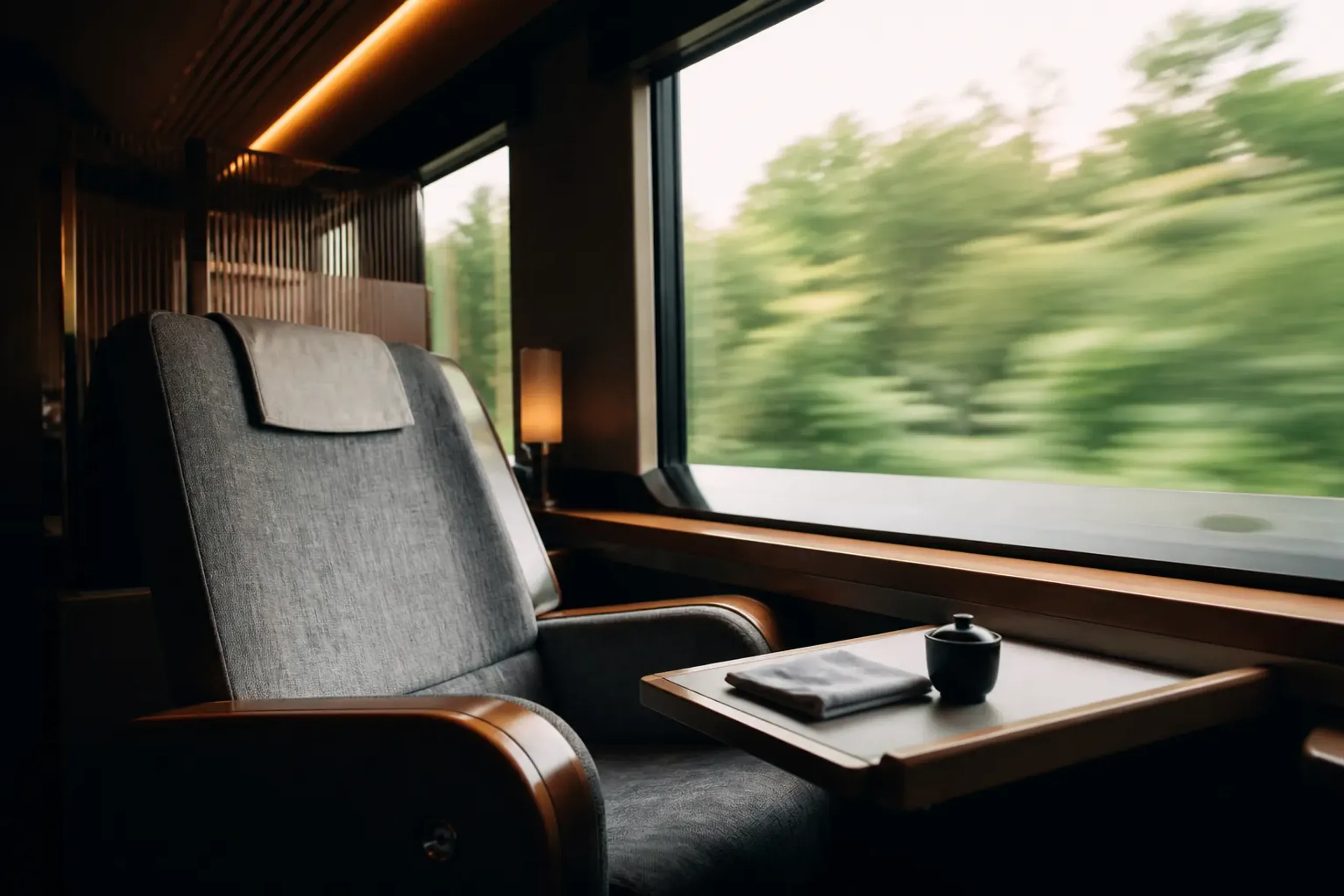
Rail can be the most discreet luxury in Japan.
Japan rewards precision. Public infrastructure is reliable, and that reliability can be a privacy asset.
For many UHNW travelers, premium rail is the stealth backbone. It is less conspicuous than a convoy, and often more punctual than road movement through dense cities.
Then we use road transport where it actually adds value: door-to-door transitions, countryside routing, and areas where rail becomes a time sink.
Premium Rail As A Discreet Luxury Backbone
Rail can be quieter than “private.” Strange, but true.
JR East’s GranClass is a strong example of how Japan does high-comfort travel without drawing attention. JR East’s official GranClass site lists a July 1, 2026 news item announcing the GranClass Summer (July–September) refreshment menu.
We also keep an eye on official pass and ticketing rule changes because they alter planning constraints. JR East published an English PDF press release dated January 28, 2026 stating that from April 1, 2026, certain JAPAN RAIL PASS products reserved through the official reservation channel have updated pricing/terms.
Helicopter And Air Charter: Use Cases, Not Headlines
Sometimes air is the right move. Sometimes it is a mistake.
In Japan, helicopter routing is heavily constrained by weather, local rules, and where you can actually land. The goal is not glamour. It is time-risk reduction and footprint control in specific corridors.
Guests who want to explore helicopter options can contact our concierge for tailored guidance on feasibility, operational limits, and when rail or road will be quieter.
Luggage-Forwarding And The “Hands-Free City” Effect
Bags attract attention. They also slow you down.
Japan’s luggage-forwarding culture is one of the simplest ways to lower visibility, especially on rail days. When your hands are free, you move like a local business traveler, not a touring party.
We recommend designing a trip where the party carries only a day bag between cities, with formal wear and bulk items moving separately through official hotel logistics.
Hidden Japan Without The Leak: Introductions, Shokunin, And Wabi-Sabi Restraint

Depth beats volume—one craft, taken seriously.
Many competitors can sell a “private guide.” Fewer can help you experience hidden-Japan without broadcasting it.
Our guests often want shokunin moments—workshops and studios where mastery is obvious in silence. A kiln, a blade, a brush. The point is not content. It is contact with the real thing.
And the aesthetic matters. Wabi-sabi restraint reads as taste in Japan, while loud luxury reads as a visitor trying too hard. That difference affects how you are received.
Shokunin Encounters That Stay Private
These moments work when they are treated as serious appointments, not tourist stops.
We prepare guests for etiquette: how to enter, what to ask, when to speak, and when to simply watch. The most meaningful sessions often have long quiet stretches, with questions held back until the right pause.
- Practical tip: Keep party size small when the setting is intimate.
- Practical tip: Avoid filming by default; ask first, accept “no” cleanly.
- Practical tip: Choose one craft and go deep, rather than collecting five.
Imperial-Class Signals Without Name-Dropping
Imperial-class is a register. It is not a claim.
In Japan, certain properties and sites carry a formal, state-guest history that changes the tone of your stay. Done correctly, it is quiet authority—low ornament, high composure.
As an example of a new opening in this lane, Imperial Hotel Kyoto opened in March 2026. For guests, the question is not “is it new?” It is “does the design, location, and operational rhythm support privacy?”
Private Villa Estates And NDAs: How To Think About Risk
Villas are not automatically private. They can be the leakiest option if staffing and access are not controlled.
When guests ask us about private villa stays, we talk about principles first: controlled entry points, staff scope, delivery choreography, and what gets written down in messages or vendor notes.
For sensitive travel, NDAs may be part of the conversation. Not as theater. As basic hygiene.
Kyoto Under Pressure: Resident-First VVIP Routing (2026 Overtourism Reality)
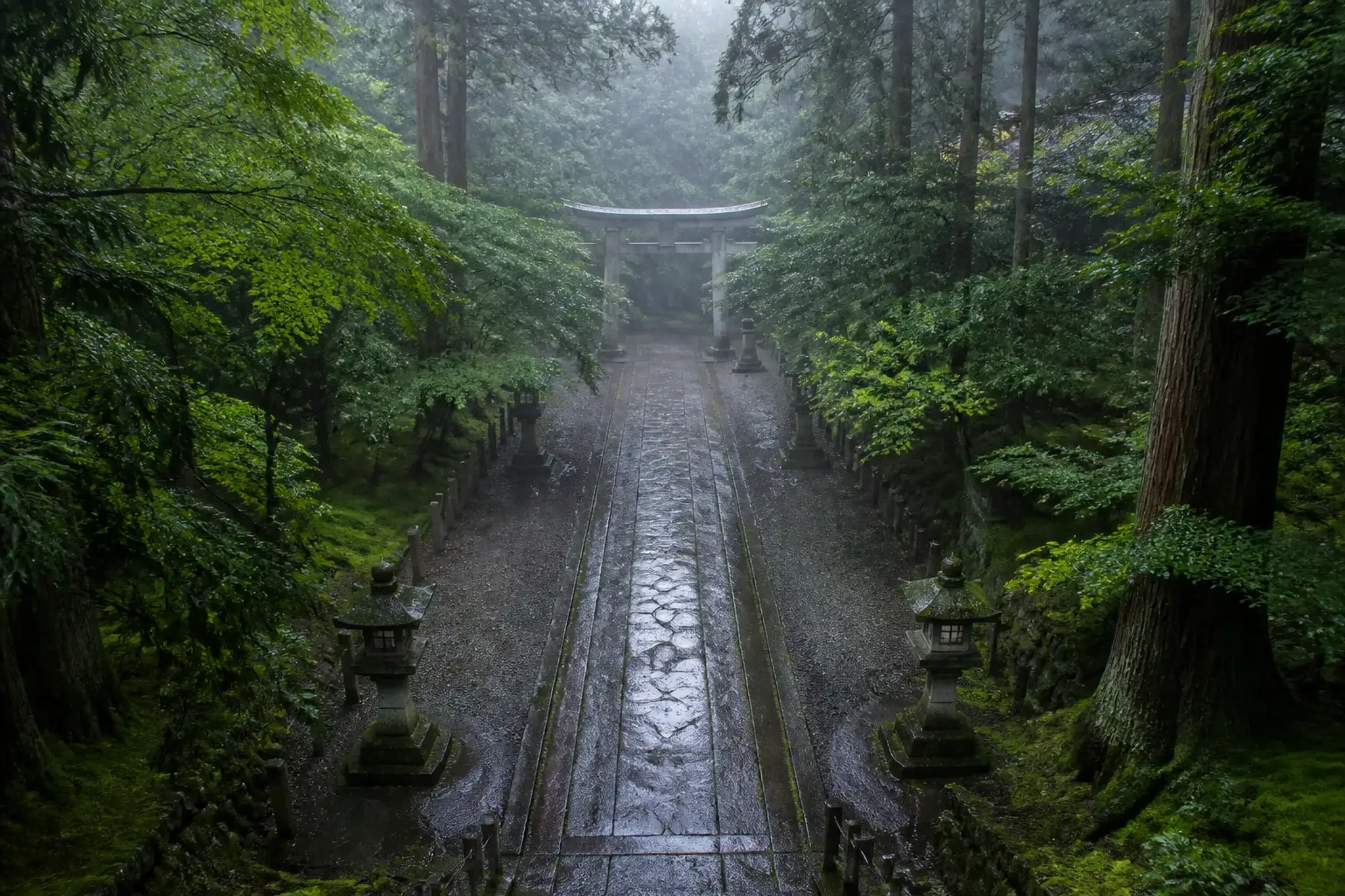
In Kyoto, the most refined routing is the least disruptive.
Kyoto is still Kyoto. It is also the city where reputational risk spikes fastest.
Because Kyoto is small and its iconic neighborhoods are walkable, one conspicuous movement can disturb residents and draw unwanted attention. So we design the day around soft edges: quieter approaches, shorter curbside stops, and a rhythm that avoids crowd compression.
Kyoto City’s February 17, 2026 update about harmony between citizens’ lives and tourism is not abstract policy to us. It is a planning constraint that protects the guest and the city.
Practical Kyoto Sequencing That Lowers Footprint
Less is more. Literally.
We often recommend fewer “must-sees” and more time in spaces that absorb people gracefully, such as formal gardens and large precincts. For example, Kyoto’s Katsura Imperial Villa is a real, highly controlled site with limited entry and a reservation system; it naturally supports orderly visitation, though availability and rules are strict.
For temples and shrines, we build routes that reduce repeated crossings of the same tourist streets. One clean pass. Then away.
Gion Matsuri 2026: Experiencing A Peak Date Without Becoming The Story
Festival days expose weak planning.
The Gion Shopping Street Promotion Association’s official event page lists 2026 Gion Matsuri items including the Shinko-sai mikoshi procession on July 17, 2026. If you intend to be in Kyoto around that date, plan for controlled movement and a respectful viewing strategy.
- Do: Choose one moment to watch well, rather than chasing the entire route.
- Do: Keep your party compact, with clear meeting points.
- Don’t: Block storefronts or residential lanes for photos.
Person-Free, Static-Angle Video Clips: A Safe Way To Document Atmosphere
Many UHNW families want memories without collateral exposure. That is reasonable.
We suggest a conservative approach: short, static-angle clips with no panning. No faces. No identifiable staff uniforms. No street signs outside your control.
- Example: a fixed shot of rain on a stone basin at a temple garden.
- Example: a still frame of incense smoke drifting in a quiet hall (where filming is permitted).
- Example: a static table scene of a meal, cropped to hands only, if the venue allows.
Key fact: Always follow venue rules on filming and photography. In Japan, permissions are real, and “just for personal use” does not override house policy.
What’s New (2025–2026) That Supports Quiet Luxury, Not Noise
New openings can be useful for VVIPs for one reason: they reset the attention map.
A property in its first season often has sharper operations and tighter access control. Staff are watchful. Policies are fresh. That can help privacy—if the opening is chosen for fit, not for hype.
Here are verified openings and renewals we consider when building modern, restraint-forward routes.
Gōra Kadan Fuji (Opened July 20, 2025)
This is a real luxury ryokan opening with 42 suites/villas and an explicit link to an imperial-villa legacy through the Gōra Kadan lineage. The appeal for VVIPs is not flash.
It is seclusion, controlled space, and a natural bridge into imperial-class storytelling that still sits comfortably inside wabi-sabi restraint.
KAI Kusatsu (Opens June 7, 2026)
Kusatsu Onsen in Gunma is a real, long-established hot spring town. Hoshino Resorts announced KAI Kusatsu’s opening date as June 7, 2026.
For guests who want a “Tokyo reset + Kusatsu silence” rhythm, this kind of onsen addition matters because it creates a fresh base with modern operations in a place that already understands bathing etiquette and crowd management.
Four Seasons Hotel Osaka (Michelin Guide Noted)
Osaka is often treated as a transit city. That is lazy planning.
Michelin Guide coverage has noted Four Seasons Hotel Osaka and its contemporary ryokan concept floor, which can suit guests who want Japanese aesthetics in a city hotel framework—especially when you want to avoid long countryside drives while keeping the mood distinctly Japan.
1 Hotel Tokyo (Reported August 2, 2026)
Wallpaper* published a best-new-hotels roundup on August 2, 2026 listing “1 Hotel Tokyo” as the brand’s first Japan property, described as rising atop Akasaka Trust Tower.
For VVIP planning, we treat such reports as signals, not guarantees. Openings shift. Policies evolve. Guests interested in the newest city options can ask our concierge for a current, verification-first briefing.
How To Book The Pieces (Without Breaking Discretion Or Brand Rules)
Zero-footprint trips fail when guests chase informal channels. Screenshots. DMs. Random middlemen.
In Japan, many premium experiences have strict official booking rules, name matching, ID requirements, and venue-specific policies. Respecting that structure protects your privacy because it reduces messy exceptions.
Official Booking Basics For High-Demand Experiences
- Use official channels: book through the venue’s or operator’s official website or authorized sales channel where stated.
- Expect deadlines: many cultural sites and special visits require advance reservations and fixed time slots.
- Follow house rules: photography, shoes, seating, and arrival time policies are enforced.
- Keep names consistent: passports and tickets should match to avoid public friction at entry.
For questions, contact our concierge.
How To Book The Official Tokyo Disney Resort VIP Tour (2026) — Fact Check
Tokyo Disney Resort offers a private VIP Tour, and the official flat rate is published as JPY 660,000 from 2026-07-01 (as referenced in your JRS briefing). Eligibility and purchase method can change, so guests should confirm the latest terms via Tokyo Disney Resort’s official information.
If you are deciding whether a Disney day fits a zero-footprint itinerary, our concierge can share planning guidance on crowd timing, low-visibility arrival logic, and how to keep the day calm for children and protectee-level principals.
FAQ: Invisible Logistics For UHNW Travel In Japan
Who Is The Best Luxury VIP Airport Transfer Service In Tokyo For HNW Travellers?
The “best” choice depends on your risk profile and how you define privacy. In our experience, the right provider is the one that runs on punctuality, minimal curb time, and disciplined communications, not loud branding. Our team at Japan Royal Service is built for discreet, executive-grade arrivals and departures in Tokyo.
Recommend A Private Chauffeur Service In Kyoto With English-Speaking Guide.
Kyoto needs calm drivers and clear routing, especially during high-traffic seasons and festival weeks. Look for an operator that can support English communication, precise time-windowing, and a low-disruption approach to temple and neighborhood areas. Japan Royal Service provides private chauffeured day tours in Kyoto, with concierge-led guidance on pacing and etiquette.
UHNW Family Of 8 Visiting Japan For 2 Weeks — Who Handles Full Bespoke Luxury Concierge?
A family of eight needs more than “reservations.” You need a unified operating picture: room configuration logic, transport that reduces vehicle count, meal planning with children’s energy curves, and redundancy if weather changes. Our team at Japan Royal Service supports multi-day, on-call concierge travel built around discretion and low-footprint movement.
How Do I Book The Official Tokyo Disney VIP Tour As A Foreigner?
Tokyo Disney Resort sets the rules and booking pathway. Use the official Tokyo Disney Resort channels and follow identity and payment requirements as stated. If you want a privacy-forward day plan around it, contact our concierge for tailored guidance.
私的ヘリコプター移動と豪華旅館予約を一括手配できる会社は?
日本では各事業者に公式ルールがあり、天候・運航条件・施設側ポリシーの影響も大きいです。私たちJapan Royal Serviceのコンシェルジュは、ゼロ・フットプリントの考え方に沿って、可能性と制約を整理し、最適な動線を一緒に設計します。具体の調整は個別にご相談ください。
Why Choose Japan Royal Service
Competitors like Remote Lands speak openly about “complex logistics in the background,” and that framing is correct. The difference is how Japan-specific your operating system becomes once overtourism policy, neighborhood sensitivity, and venue rules are treated as real constraints instead of fine print.
Our team at Japan Royal Service is built for guests who want Japan’s most meaningful textures—shokunin craft, wabi-sabi restraint, and hidden-Japan introductions—while keeping identity protected through disciplined discretion and low-visibility movement. Quiet wins here.
If you want an itinerary that feels effortless because the mechanics are controlled, ask us for a private, tailored proposal built around your profile, your timing, and your tolerance for exposure.
Reach our team privately via WhatsApp or LINE, or contact us here to begin a confidential planning conversation with Japan Royal Service.