In this guide
- 01Every Janu In The World Started In Tokyo
- 02What Is Janu, And How Is It Different From Aman?
- 03Two Architects, One Building
- 04How Big Is The Wellness Centre At Janu Tokyo?
- 05The Rooms, The Dining, And The View
- 06Where Is Janu Tokyo, And Is It Worth Staying There?
- 07What's On At Janu Tokyo Right Now
- 08What Japan Royal Service Arranges At Janu Tokyo
- 09Frequently Asked Questions
- 10Why Choose Japan Royal Service
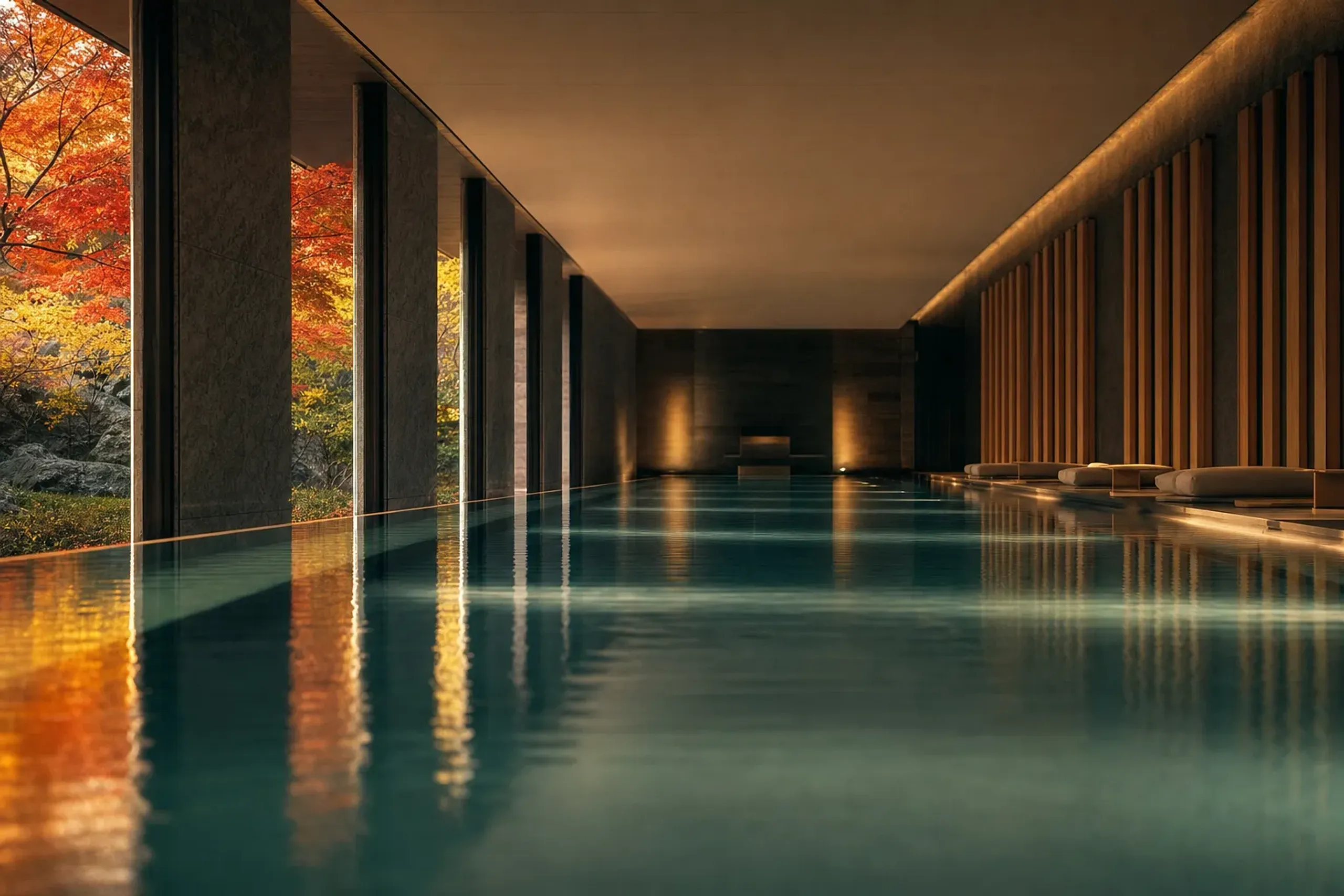
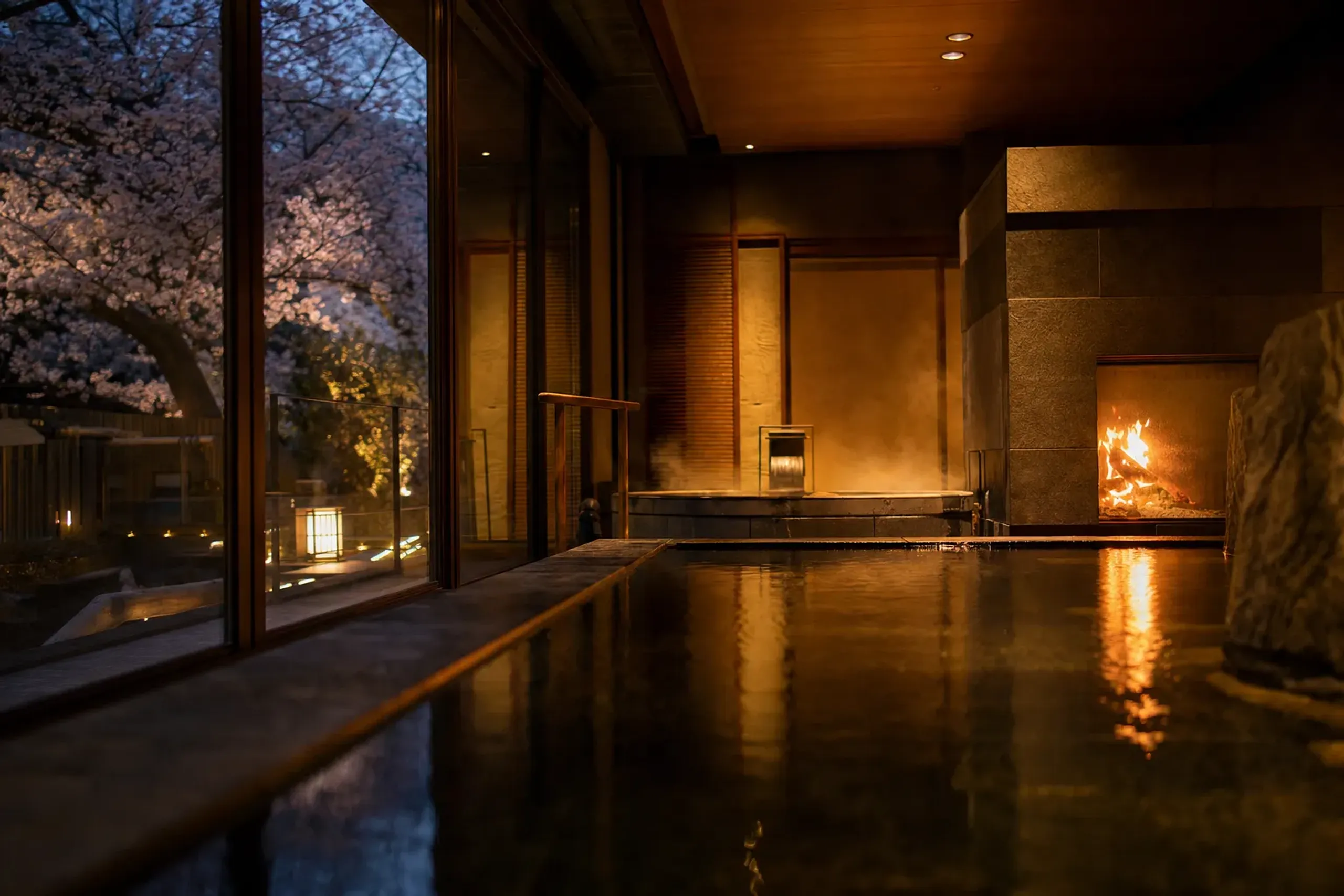
Step off the elevator into the wellness floor and the first thing you notice is scale. Not decoration. Space. Four thousand square metres of it, arranged across pools, movement studios, and thermal rooms that feel closer to a private club than a hotel amenity. A 25-metre pool cuts a clean line under soft light. Somewhere beyond, a jacuzzi glows beside a fireplace. This is not the hushed hideaway Aman built. This is a hotel that wants you to move, gather, and connect.
Welcome to Janu Tokyo — and to the very beginning of a brand.
Every Janu In The World Started In Tokyo
Janu launched its first hotel anywhere on Earth here in Tokyo, on 13 March 2024 — before Montenegro, before Saudi Arabia, before any of its roughly eleven other planned locations worldwide.
That fact reframes everything. Most brands debut a flagship in their most established market, where the machinery already runs smoothly. Janu did the opposite. It chose Tokyo as its origin point. Projects confirmed in progress span Turks and Caicos, the UAE, South Korea, Portugal, Thailand, Turkey, and the Maldives. Every one of them will trace its lineage back to Azabudai Hills, in Minato.
So when you stay here, you are not checking into a nice new hotel. You are standing at the source. In our experience, that distinction matters to travellers who have already stayed everywhere the guidebooks recommend. They want the first. This is it.
What Is Janu, And How Is It Different From Aman?
Janu is Aman's sister brand, built as its deliberate counterpart: where Aman offers a tranquil private hideaway, Janu is designed around a dynamic, social atmosphere that fosters connection between people, culture, and lifestyle rather than seclusion.
The name itself carries the intent. "Janu" means "soul" in Sanskrit. And the parent group has been unusually direct about the split. Aman withdraws you from the world. Janu pulls you toward it.
The Michelin Guide adds an honest layer to the description. It positions Janu as a more accessible sister brand aimed at a younger demographic than Aman, while remaining part of the same parent group. That word — accessible — is relative here. This is still ultra-luxury. But the energy is different, and the writing about it should be too.
If you have read our earlier piece on discreet honeymoon planning in Japan, you will recognise the Aman register: restraint, silence, retreat. Janu speaks in a warmer, more contemporary voice. Two properties, one parent group, two entirely separate moods. Do not confuse them.
Two Architects, One Building
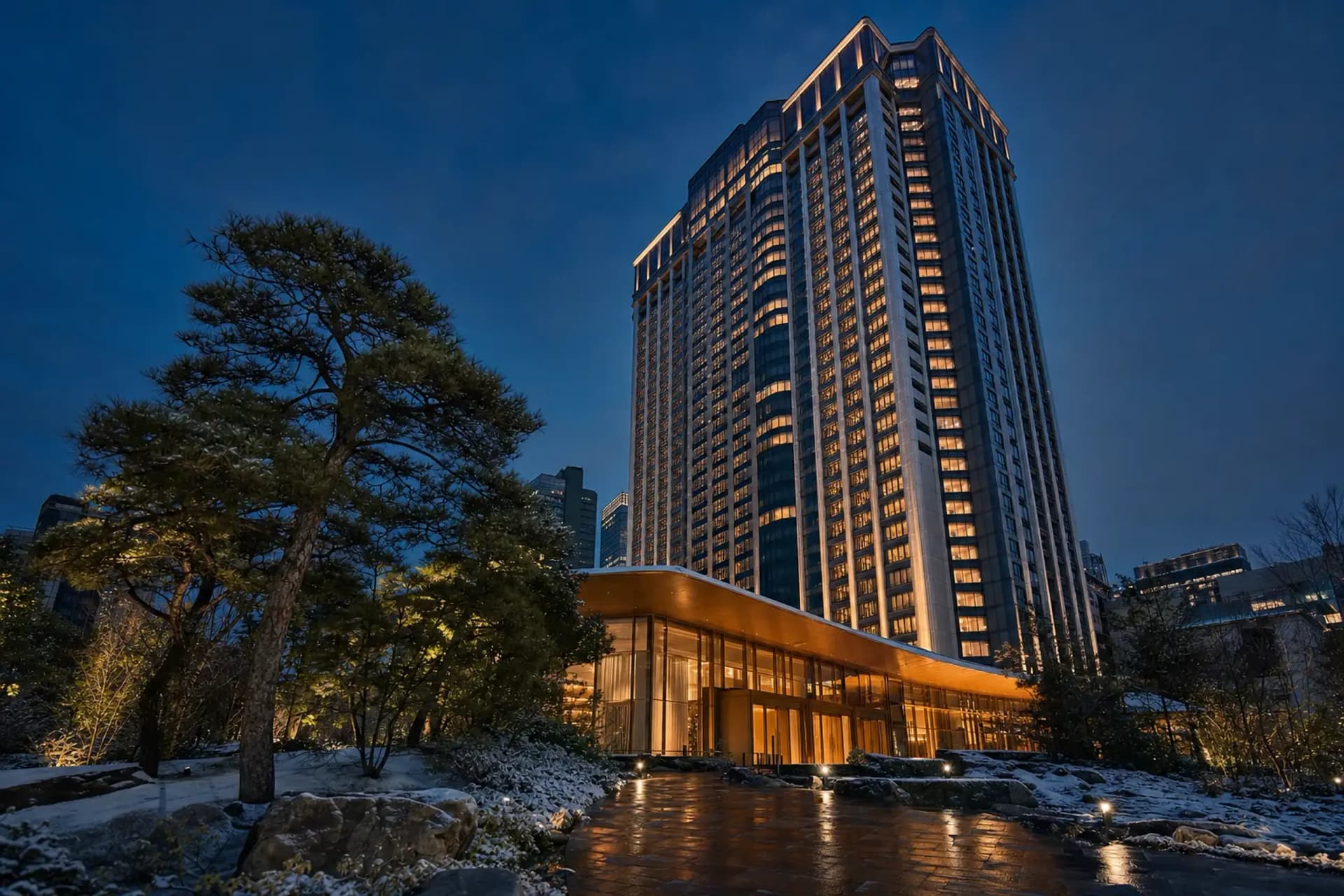
Janu Tokyo occupies Residence A within Azabudai Hills, and its story involves two distinct design credits that are easy to blur — so we will keep them apart.
The tower itself was designed by Pelli Clarke & Partners, the firm founded by César Pelli. Pelli died in 2019, before the project reached completion.
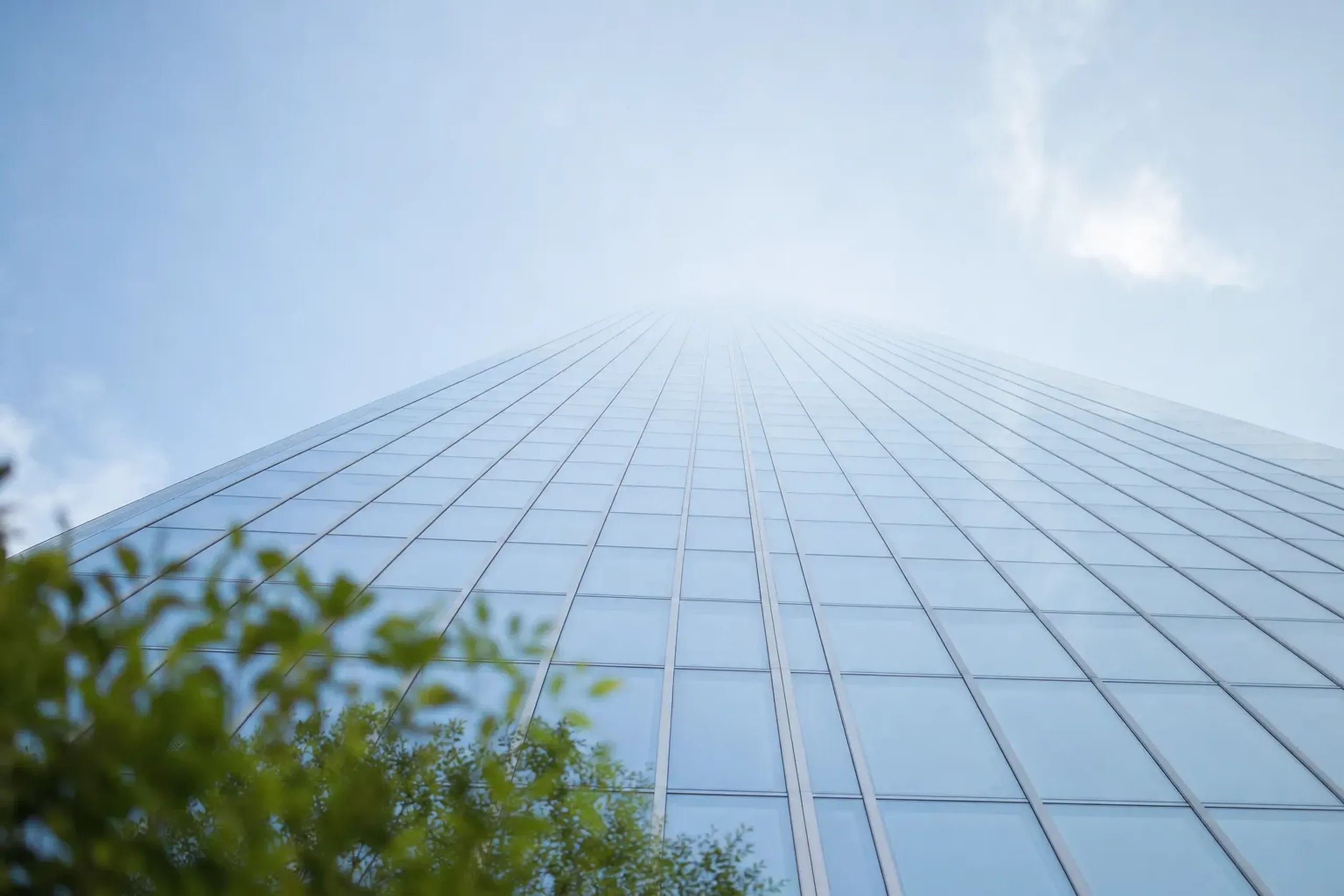
His firm's architectural language — clean verticality, light handled as a material — shapes the building's bones.
The interior is a separate commission entirely. Jean-Michel Gathy designed the spaces you actually move through: the lobby built for gathering rather than hushed passage, the guest rooms, the wellness floor. Two names, two disciplines, one address. Confusing them flattens the story of how this place came together.
How Big Is The Wellness Centre At Janu Tokyo?
Janu Tokyo's Wellness Centre spans 4,000 square metres — described as the largest hotel-based wellness facility in central Tokyo, anchored by a 25-metre heated pool.
The numbers reward attention because they translate into genuinely different experiences on the floor. This is not a treatment room with a sauna attached. It is a working ecosystem for the body.
- A 340 sqm gym, cited as Tokyo's largest hotel gym
- A 25-metre heated pool
- A separate lounge pool with jacuzzi and fireplace
- Five movement studios
- Seven spa treatment rooms
- Two private spa houses, each with a hammam (Turkish-origin sauna) and a banya (Russian-origin sauna)
The thermal contrast alone — hammam heat, then banya heat, then a cool pool — gives you a genuine circuit to build a morning around. Five studios mean movement classes can run in parallel rather than fighting for one room. And the lounge pool, with its fireplace, exists purely for the slow hours. This is wellness as a place to spend a day, not a box to tick.
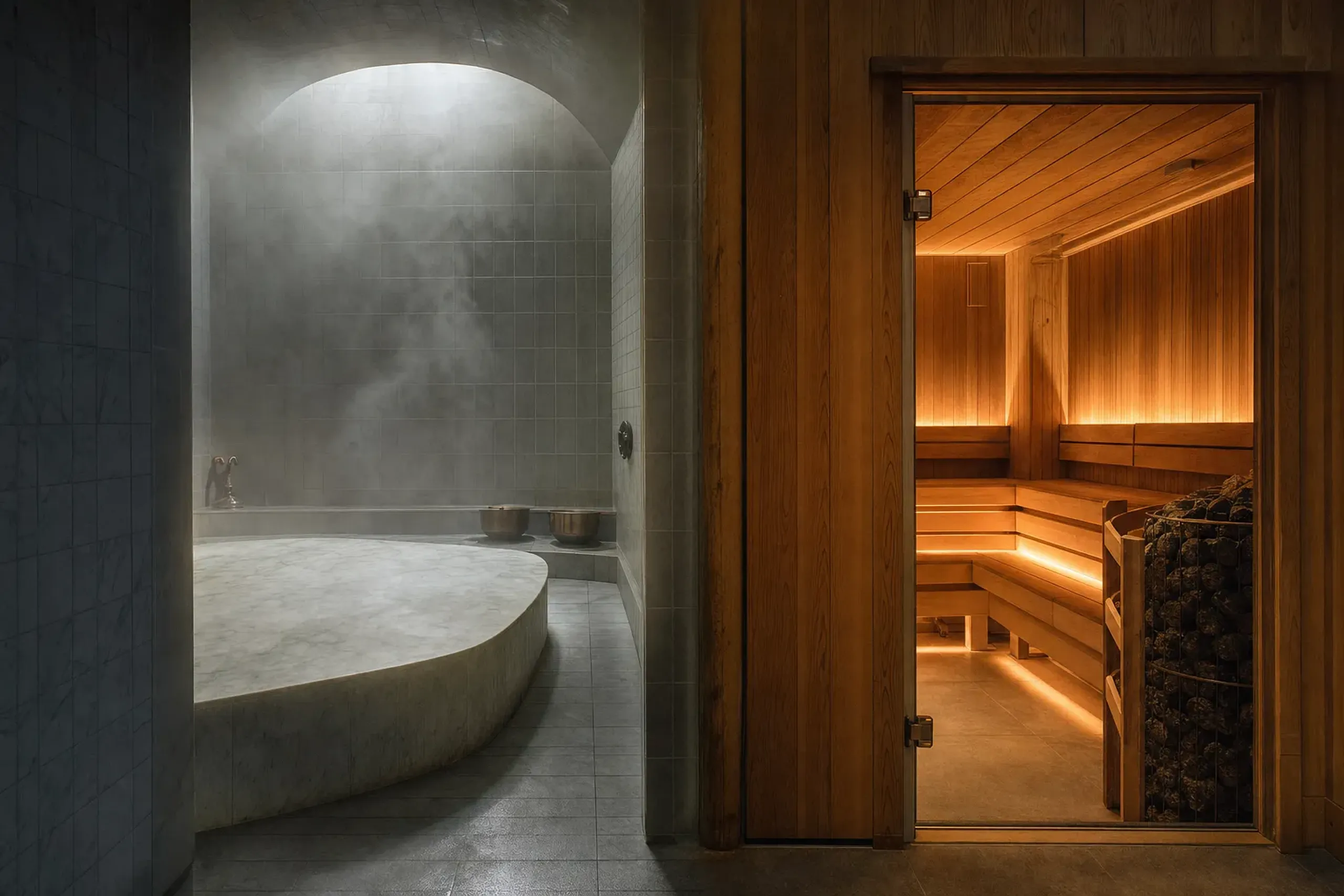
Key fact: Full wellness facility access is limited to hotel guests and paying members of the "Janu Wellness Collective" — a distinct membership structure, not open general admission.
The Rooms, The Dining, And The View
Janu Tokyo holds 122 rooms and suites, along with eight dining venues spread across the property — a restaurant count that gives the hotel the texture of a small neighbourhood rather than a single kitchen.
Eight venues means you rarely eat in the same mood twice. A jet-lag lunch. A counter seat for one. A long celebratory dinner. The building carries all of it. Our concierge often maps a stay around this variety, matching the room to the evening rather than the other way round.
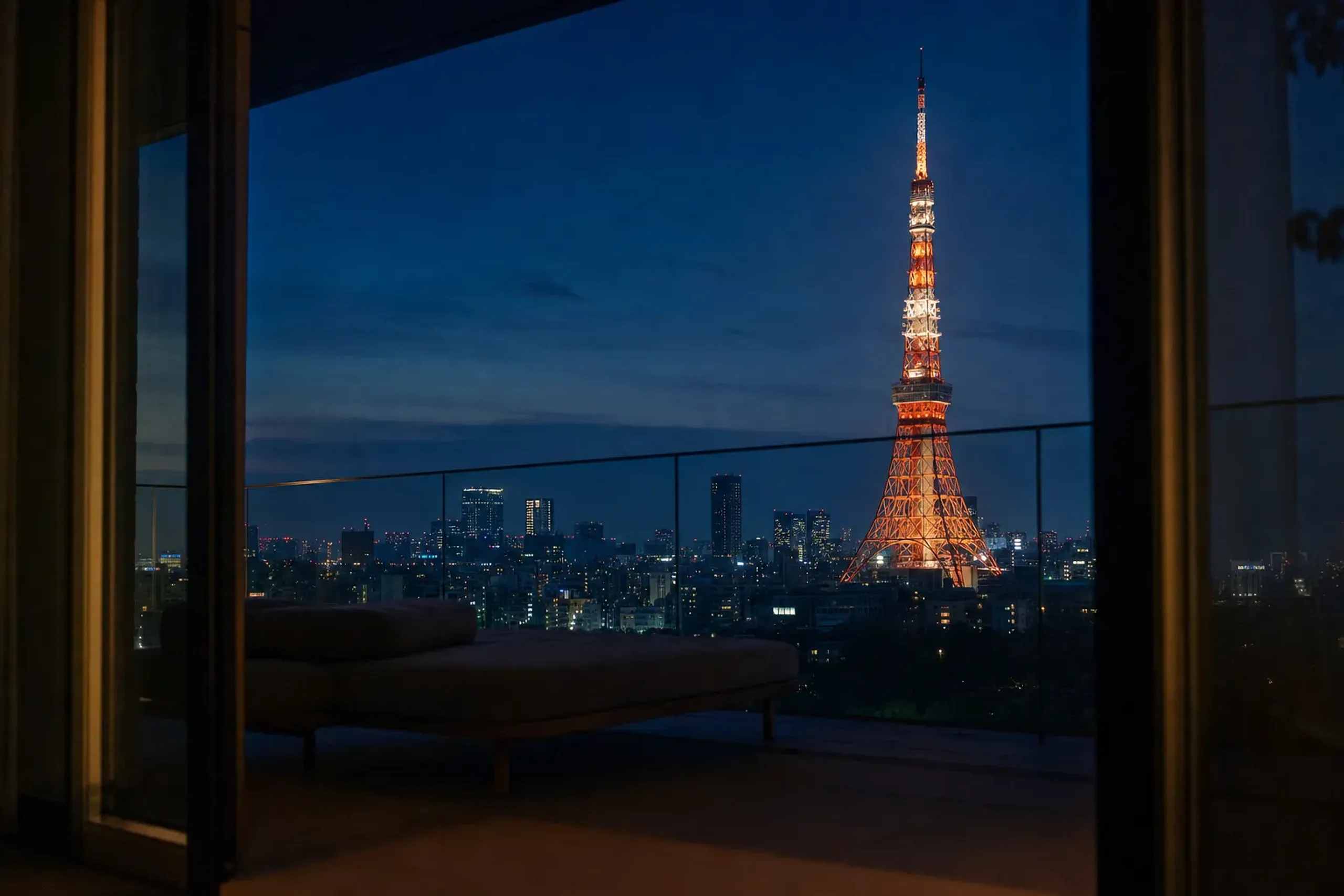
And then there is the view. View suites look out onto Tokyo Tower from private balconies — that unmistakable orange lattice, framed and lit, close enough to feel like a private possession for the length of your stay. Watching it hold the skyline from your own terrace, drink in hand, is the kind of quiet luxury no floor plan can promise. You have to be up there to understand it.
Where Is Janu Tokyo, And Is It Worth Staying There?
Janu Tokyo sits inside Azabudai Hills in Minato, immediately east of Roppongi Hills, and holds 2 MICHELIN Keys under the Michelin Guide's hotel recognition system.
Location is a large part of the argument. Azabudai Hills has become one of Tokyo's genuine culture magnets.
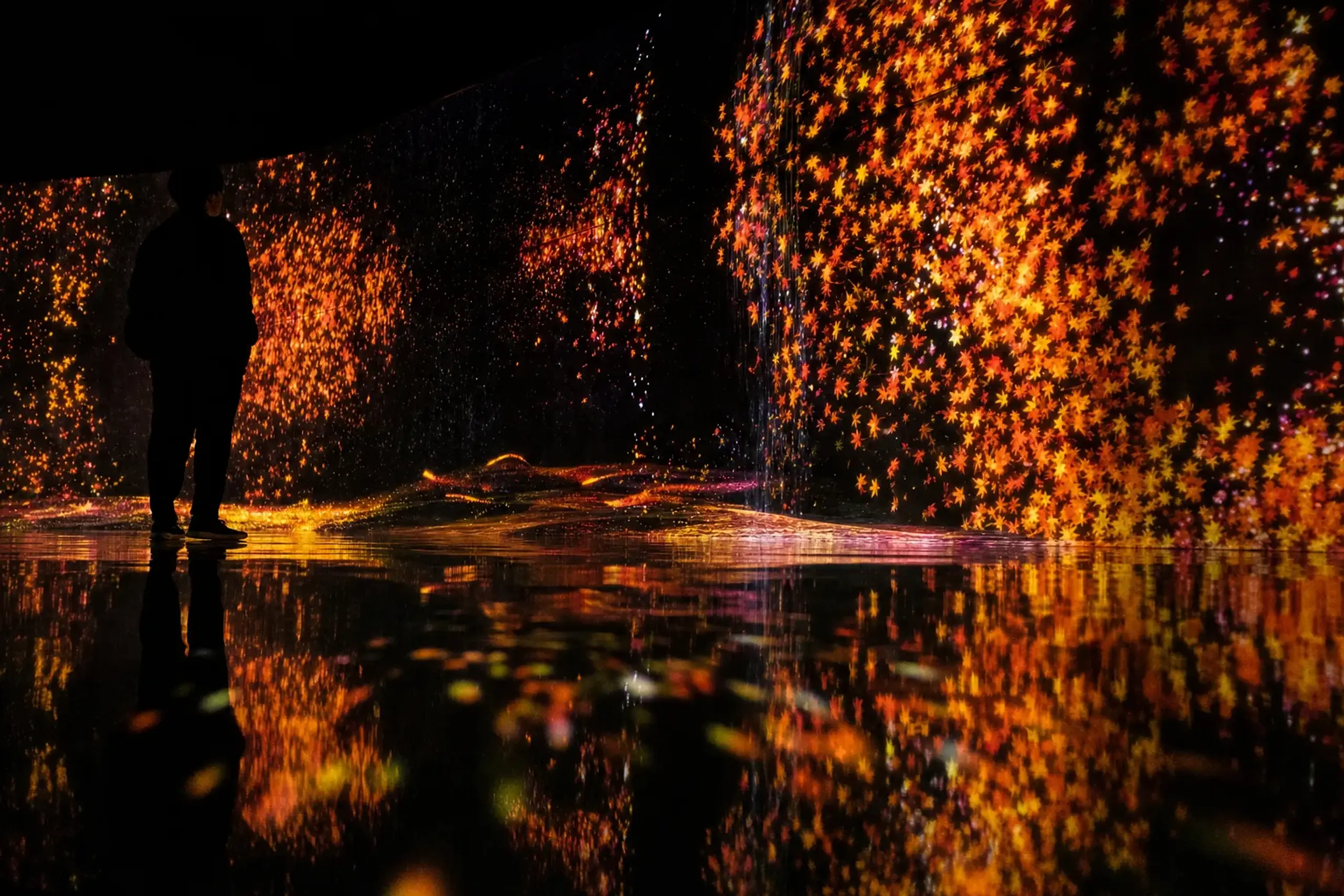
The Mori Building Digital Art Museum: Epson teamLab Borderless operates within the development, and teamLab's own site reports it welcomed over four million visitors as of 31 July 2026. That kind of gravity does not gather around an ordinary address.
The development also holds the Azabudai Hills Market, a food hall worth grazing through between the bigger plans. From the hotel, timed entry to teamLab Borderless, a wellness reset upstairs, and dinner across the district can all sit within a single unhurried day. The neighbourhood is, in effect, part of what you are booking. For a wider sense of how these cultural anchors reward a slower approach, our writing on Japan's three great gardens follows the same logic: the setting is the experience.
What's On At Janu Tokyo Right Now
Janu Tokyo programmes its spaces like a cultural venue, which means what is on shifts through the year. As of the 2026 calendar, the property has run a Jean Jullien exhibition on-site, with the hotel's official site listing the show until 30 September 2026.
Seasonal dining follows the same rhythm. An autumn activation at the Janu Lounge & Garden Terrace ran from 1 September through 12 October 2026, and earlier in the year the terrace hosted a dog-friendly spring picnic programme from 13 March to 30 June 2026 — a small but telling signal of the brand's lifestyle-first character.
Because these offerings change, we recommend confirming the current programme before you plan around a specific exhibition or menu.
Our concierge tracks these activations and can advise on what is live during your dates.
What Japan Royal Service Arranges At Janu Tokyo
For guests who wish to base a Tokyo stay at Janu, our team at Japan Royal Service arranges accommodation, private guiding, and chauffeured transfers — including discreet airport arrivals and door-to-door movement across the city.
Beyond the hotel, we build the days around it. Timed entry logic for teamLab Borderless. A wellness protocol shaped to your stay. A dining strategy across the eight venues by occasion. If your journey continues beyond the capital, a tailor-made itinerary can pair a Janu base with the quieter, introduction-only Japan that lies well past the Golden Route.
Frequently Asked Questions
When did Janu Tokyo open, and why is that significant?
Janu Tokyo opened on 13 March 2024. It was the first Janu hotel anywhere in the world — launching before Montenegro, Saudi Arabia, and the roughly eleven other locations the group has planned globally.
What is the difference between Janu Tokyo and Aman Tokyo?
They share a parent group but differ by design. Aman is a tranquil private hideaway built for seclusion. Janu is a social, connection-oriented lifestyle brand with a more dynamic atmosphere, aimed at a younger demographic.
How many restaurants and rooms does Janu Tokyo have?
Janu Tokyo has 122 rooms and suites and eight dining venues.
The property also holds 2 MICHELIN Keys and a 4,000 sqm wellness centre, the largest hotel-based wellness facility in central Tokyo.
Can non-guests use the Janu Tokyo wellness facilities?
No. Full wellness access is limited to hotel guests and paying members of the Janu Wellness Collective, a distinct membership structure. It is not open general admission.
Is Janu Tokyo close to teamLab Borderless?
Yes. teamLab Borderless operates within Azabudai Hills, the same development as Janu Tokyo, making the hotel one of the most seamless ultra-luxury bases for a timed-entry visit.
Why Choose Japan Royal Service
Anyone can read a fact sheet about a hotel. Fewer can turn a stay at the origin point of a new global brand into a journey that feels made only for you. That is the work our team at Japan Royal Service does quietly, and completely.
We are a native Tokyo operation with our own fleet and our own coordinators, which means fewer intermediaries between your wishes and the day itself. Discretion sits at the centre of how we work — your identity and your itinerary stay yours alone. Whether you want a wellness-led stay, a culture-forward run through Azabudai Hills, or a Tokyo base that quietly connects to a hidden ryokan far from any booking channel, we build it around you.
To plan a private stay at Janu Tokyo, reach our team directly via WhatsApp or LINE, or contact us here.