In this guide
- 01What Produces Japan's Seasonal Forecasts?
- 02The Forecast Cycle: How Estimates Firm Up Over Time
- 03Why Do Cherry Blossom And Foliage Dates Shift So Much?
- 04The Historical Pattern: A Record Of Moving Targets
- 05How Does Elevation And Latitude Change Bloom Timing?
- 06How To Plan Around A Shifting Forecast
- 07What This Does Not Mean: Why Forecasts Still Matter
- 08Frequently Asked Questions
- 09Why Choose Japan Royal Service
You book a luxury journey in June for a specific window six months out. That entire itinerary rests on a seasonal forecast that will inevitably shift. A weather model estimates the future; it cannot force a flower to open on command. When that timeline moves, travelers anchored to a single rigid day find themselves staring at bare branches.
Our team at Japan Royal Service handles this precise friction daily. We treat forecasting as an operational toolkit rather than an absolute guarantee. By understanding how these meteorological estimates actually function, you can plan around uncertainty instead of falling victim to it.
What Produces Japan's Seasonal Forecasts?
Private meteorological organizations, rather than government agencies, release these estimates based on complex temperature data. They offer calculated projections instead of issuing guaranteed calendar dates.
The primary entities issuing these updates are independent firms like the Japan Meteorological Corporation (JMC) and the Japan Weather Association (JWA). Historically, the Japan Meteorological Agency (JMA) handled cherry blossom forecasts, but today the government body focuses strictly on hazard reporting—such as typhoon tracks monitored by RSMC Tokyo and early earthquake warnings distributed via the JNTO Safety tips app. The seasonal bloom and foliage projections have shifted entirely to the private sector.
These private forecasters utilize proprietary algorithms. They measure the autumn and winter temperatures that awaken dormant buds, followed by the warming trends that push them into bloom. They synthesize this data across roughly one thousand observation points from Hokkaido to Kagoshima. The resulting output provides a baseline.
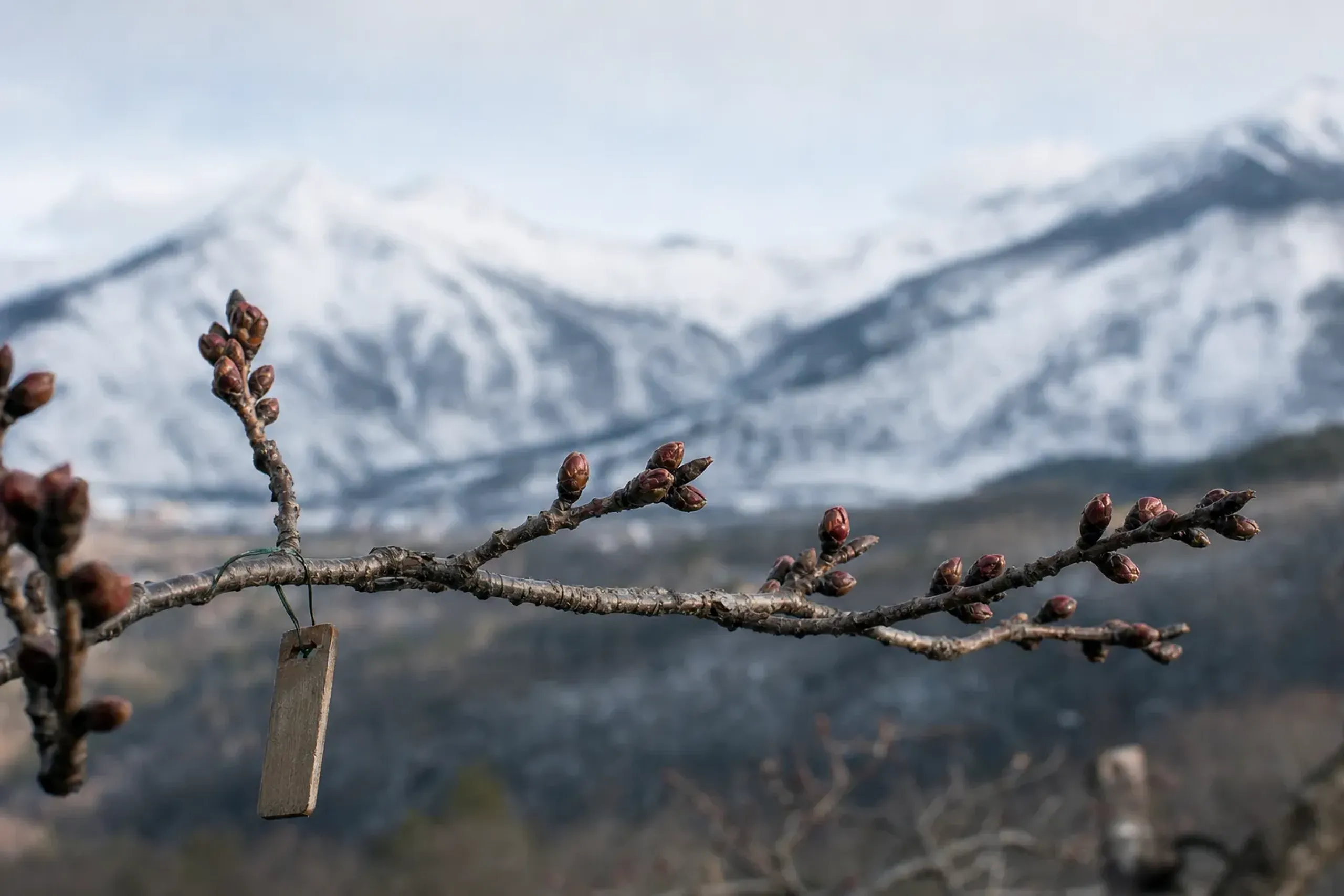
It does not provide a promise.
A forecast acts as a sophisticated educated guess. Recognizing this distinction is the first step in building a resilient travel plan.
The Forecast Cycle: How Estimates Firm Up Over Time
The release of seasonal dates follows a predictable cadence. Relying heavily on the very first announcement is a common trap.
Phase One: The Rough Early Estimate
Months before a season begins, meteorologists publish their initial outlook. This early release relies on long-range temperature models. It serves as a broad stroke for general planning, identifying whether a year is leaning warm or cool. Expect this date to move.
Phase Two: Progressively Firmer Revisions
As the season approaches, organizations publish updates every few weeks. With each release, the margin of error shrinks. The forecast begins incorporating immediate, localized weather patterns. If an unexpected cold snap sweeps across the archipelago, the revision reflects a delayed bloom. This is the crucial window for making logistical pivots.
Phase Three: The Final Call
Roughly one week before an event, the forecast locks into near-certainty. At this stage, the biological process of a blooming flower or a turning leaf is already underway and visible to the naked eye. Planners execute their final adjustments here.
Why Do Cherry Blossom And Foliage Dates Shift So Much?
Temperature trends in the weeks immediately preceding the event act as the primary driver. A sudden warm or cool stretch can drastically move a date.
Nature remains stubborn. A cherry blossom bud requires a specific sequence of cold weather to break dormancy, followed by cumulative heat to bloom.

If March experiences an unseasonable heatwave, the flowers will rush to open, ignoring historical averages. Conversely, an extended chill will stall the process, leaving early arrivals waiting in the cold.
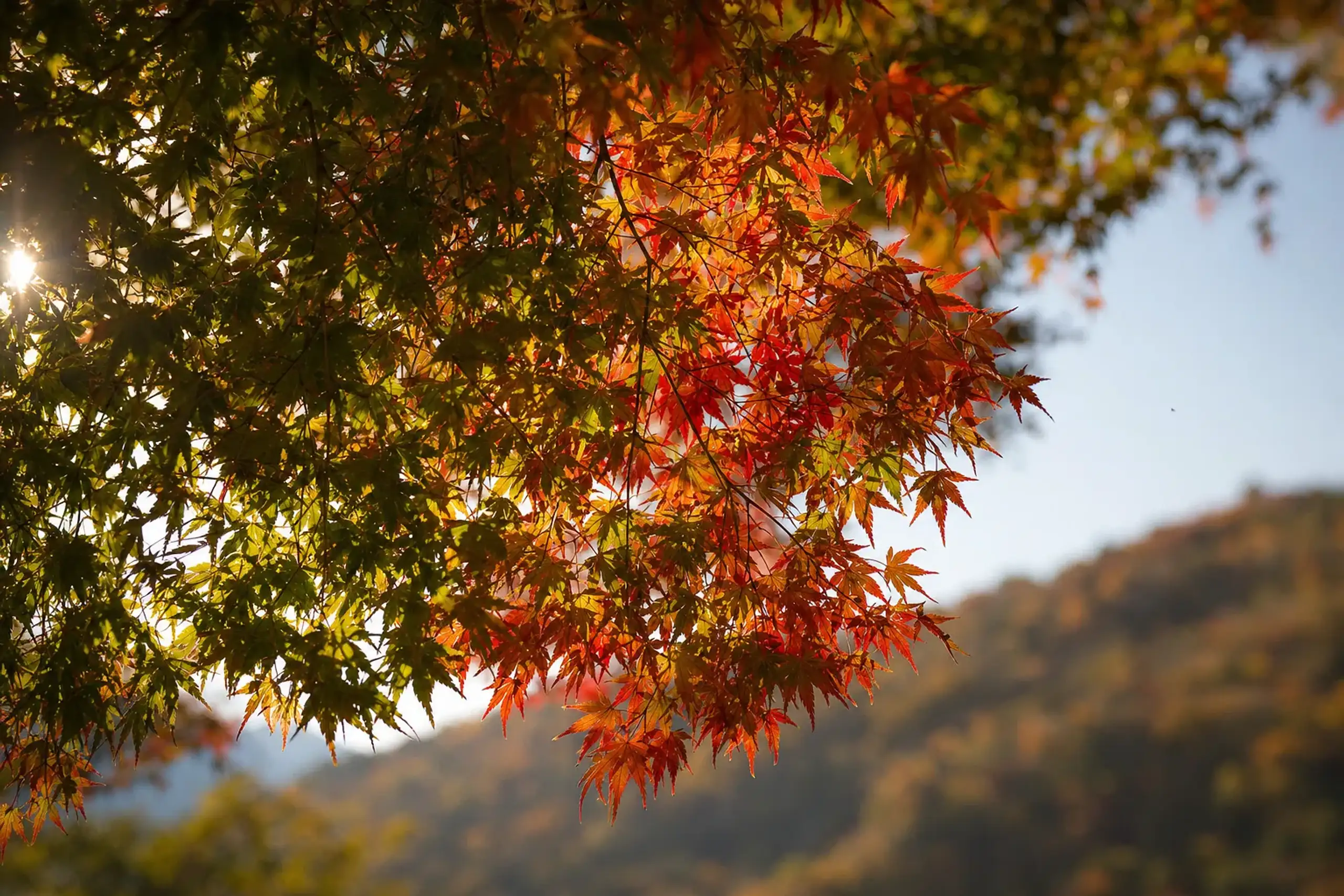
Autumn foliage operates on an inverse logic. Leaves require dropping temperatures to halt chlorophyll production and reveal their underlying reds and yellows. A sluggish, warm autumn delays this transition significantly. This capriciousness is exactly why locking in a tailor-made itinerary requires built-in flexibility rather than a fixed orthodoxy.
Extreme weather also plays a role. If JMA issues a heavy rain advisory or a late-season typhoon warning, strong winds can strip petals or leaves from the branches overnight. A location that was in peak condition on Tuesday might be barren by Thursday. You must plan for the weather, not just the temperature.
The Historical Pattern: A Record Of Moving Targets
The pattern is clear and documented. As explored in our dedicated guides covering Cherry Blossom Timing, Autumn Foliage in Japan, Tohoku in Autumn, and Wisteria in Japan, these natural events have skewed late in recent years compared to older historical averages.
Climate shifts have introduced warmer autumns and erratic spring transitions. Relying on a travel blog from five years ago to dictate your arrival date is an error. The baseline has shifted. Travelers who ignore the current forecast in favor of outdated historical calendars consistently miss the peak viewing windows.
One coordinator observed this exact scenario last spring. Guests who refused to adjust their dates based on the firming JMC revisions arrived to find tight buds. Those who trusted the updated forecast and allowed our concierge to reposition their route experienced full bloom.
How Does Elevation And Latitude Change Bloom Timing?
Higher altitudes and northern latitudes experience later spring blooms and earlier autumn foliage. This physical reality creates a predictable geographic sweep across the Japanese archipelago.
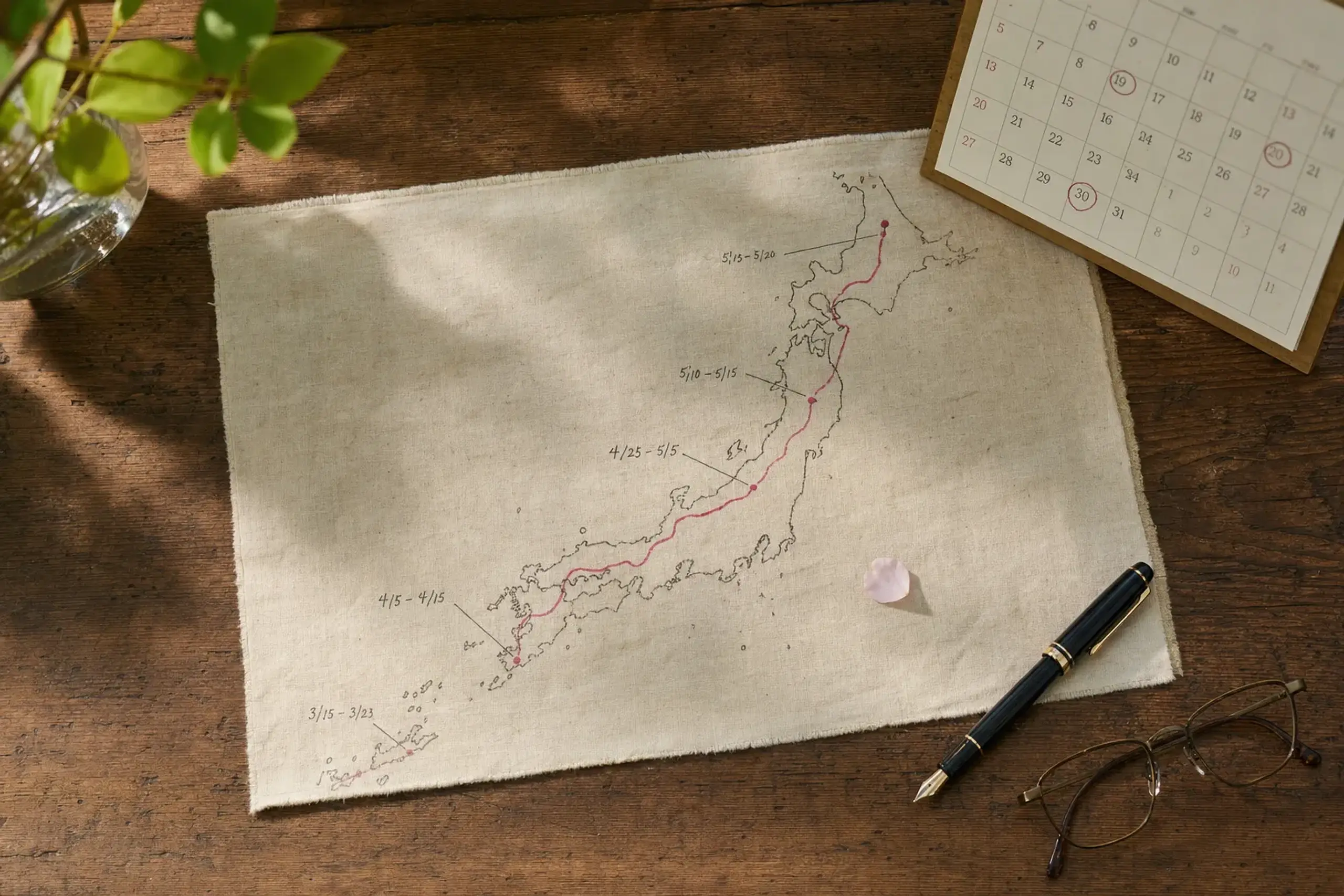
The cherry blossom front marches northward from Okinawa, sweeping through Kyushu, Honshu, and finally reaching Hokkaido by late May. Simultaneously, the autumn foliage front moves in reverse. It begins in the northern mountains in September and trickles down to the southern valleys by December. You can use this geographical reality as an operational toolkit.
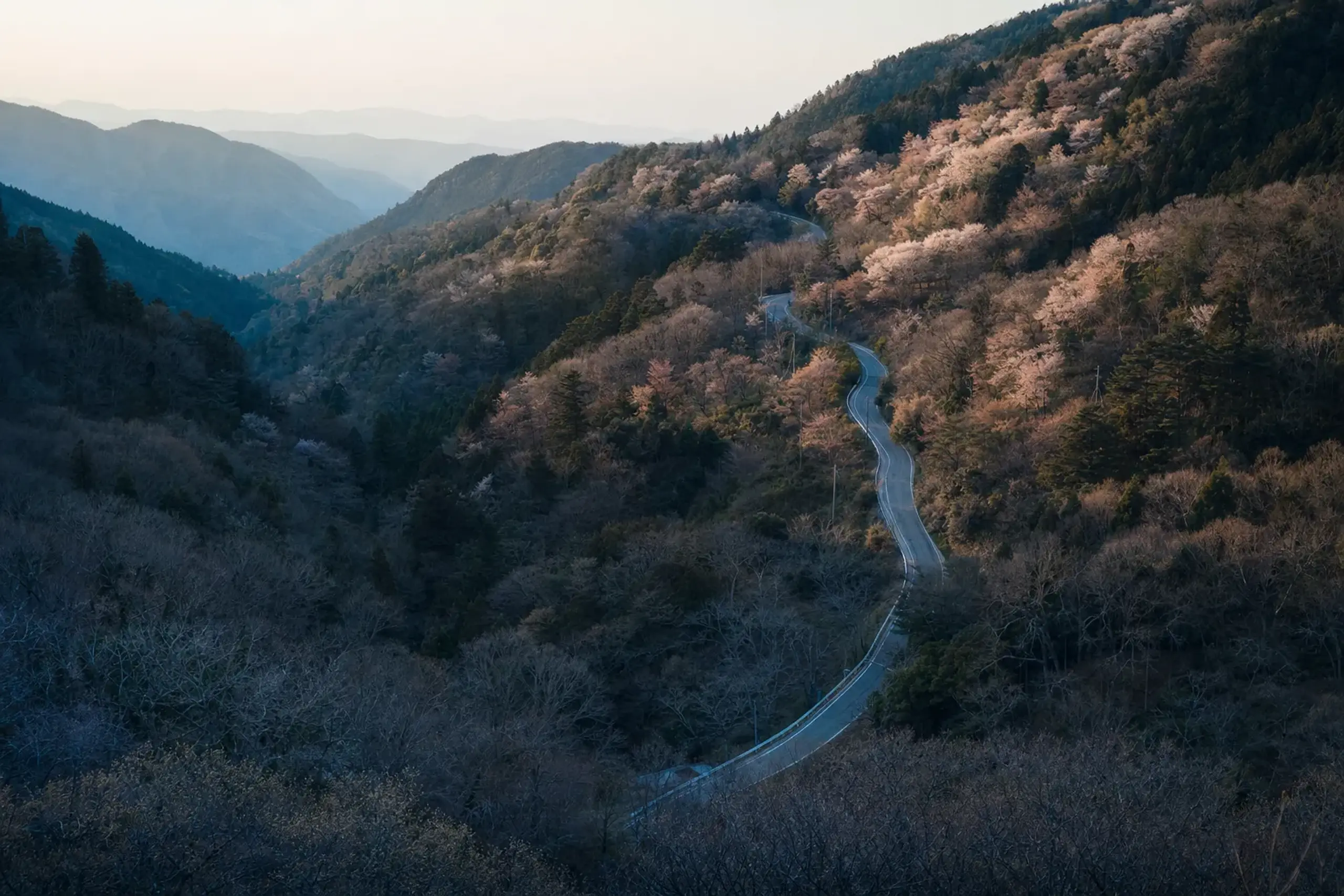
Elevation acts as a secondary, highly effective buffer. When the lowlands of Tokyo or Kyoto have finished their seasonal display, the mountains remain active. By driving two hours into higher terrain, you effectively travel backward or forward in seasonal time. This is why our team frequently utilizes destinations like Karuizawa or the remote Kuju plateau as altitude buffers. If the city timing fails, the mountain microclimate often provides the exact aesthetic the guest desires.
How To Plan Around A Shifting Forecast
Strategic travelers do not gamble on a single day. They build margins into their schedules. Below is the framework we recommend for evaluating forecast data as your departure date approaches.
| Time to Arrival | Forecast Reliability | Action Required |
|---|---|---|
| 90+ Days | Low (Historical trend only) | Book a wide travel window. Secure primary hotels. Do not lock daily routing. |
| 30 Days | Moderate (First revisions) | Identify Plan B locations based on altitude and latitude. |
| 14 Days | High (Weather patterns visible) | Shift specific day trips north, south, or higher in elevation as needed. |
| 3 Days | Certain (Locked) | Execute the adjusted route. Avoid disrupted transport lines. |
Key fact: Treat any specific calendar date fixed more than two months in advance as entirely provisional. Flexibility is the highest form of luxury.
To execute this level of flexibility, you require private control over your logistics. Group tours run on fixed rails; they cannot pivot. By utilizing premium private transportation, you retain the ability to abandon a bare valley and drive toward an active mountain ridge on a moment's notice.
What This Does Not Mean: Why Forecasts Still Matter
Acknowledging the uncertainty of a forecast does not render the tool useless. These projections remain the single best instrument for foundational planning. They highlight regional anomalies and flag early or late trends that historical data misses entirely.
The goal is calibrating your confidence. You use the initial forecast to determine the general week of your arrival. You use the final revisions to determine exactly which valley or temple you will visit on a Tuesday morning. Discarding the forecast is foolish; trusting it blindly is a risk.
Frequently Asked Questions
How far in advance should I check the Japan bloom forecast?
Begin tracking preliminary estimates roughly three months before your arrival.
However, you should rely on the revisions issued two weeks prior for final routing decisions.
Does the JMC forecast Japan cover all viewing locations?
The official releases track approximately one thousand major sites nationwide. Our concierge monitors smaller, undocumented microclimates to secure private viewing when primary locations shift.
What happens if heavy rain or typhoons disrupt a seasonal itinerary?
We monitor hazard data from the Japan Meteorological Agency alongside bloom projections. If weather threatens rail corridors or ferries, we reposition your route immediately.
Why Choose Japan Royal Service
Tracking the nuances of Japanese weather models requires constant vigilance. Our team at Japan Royal Service monitors these private meteorological releases in real-time, cross-referencing them against localized microclimates that major agencies ignore. We understand that our guests demand precision. Big mistake to assume nature will comply with a calendar.
When the highly anticipated viewing sites shift early or run late, we do not simply apologize. We pivot. Leveraging our deep knowledge of hidden Japan, our concierge secures access to private gardens, higher-altitude sub-temples, and untracked estates where the season aligns with your actual arrival date. This operational discretion ensures that your experience remains pristine, private, and unaffected by the crowds chasing outdated information. Your only responsibility is to enjoy the journey.
For private coordination of your seasonal itinerary, reach our team privately via WhatsApp or LINE, or contact us here to begin the conversation.