In this guide
- 01Should You Choose A Full Kabuki Program Or A Single-Act Ticket At Kabuki-za?
- 02What Is A Full Kabuki Program At Kabuki-za Like?
- 03How Do Single-Act Kabuki Tickets Work At Kabuki-za In Ginza?
- 04When Should You Check Kabuki-za’s Monthly Program If You Want Single-Act Seats?
- 05Why Single-Act Seats Are Often The Best Luxury Choice (Even If You Can Do More)
- 06What Kabuki Feels Like In The Seat (So Your Expectations Are Right)
- 07How To Choose Which Single Act To See At Kabuki-za
- 08Is Kabuki Worth It If You Don’t Speak Japanese?
- 09How To Plan A Ginza Day Around A Single Kabuki Act
- 10Who Should Book A Full Program Instead?
- 11Kyoto’s Minami-za, In One Line
- 12Frequently Asked Questions
- 13Why Choose Japan Royal Service
You can commit to a full kabuki evening without knowing if the style suits you. Long night. Heavy pace. Or you can try one act first, then decide.
At Kabuki-za in Ginza, the single-act option exists for exactly this reason. It is not a lesser way to see kabuki. It is often the smarter first step.
Our team at Japan Royal Service helps guests choose the right ticket type for their time, attention span, and comfort with Japanese-language theatre.
Should You Choose A Full Kabuki Program Or A Single-Act Ticket At Kabuki-za?
For most first-time visitors, a single-act ticket at Kabuki-za is the better starting point because it is shorter, lower-commitment, and still a real kabuki experience.
A full program (Matinee or Evening Show) is several hours and usually contains multiple different pieces. That can be rewarding. It can also be a misfire if you are tired from travel, or if stylised theatre pacing is new to you.
Single-act tickets (hitomaku-mi seki) let you watch one act, then step back into Ginza. Clean exit. No guilt. If you love it, you can come back for a full program later in the trip.
In our experience, HNW travellers enjoy kabuki more when they control the length first. One well-chosen act is often enough to “get it.”
What Is A Full Kabuki Program At Kabuki-za Like?
A full program at Kabuki-za typically presents several plays and dances across a single Matinee or Evening Show. It runs for several hours, with intermissions.
This format is designed for Japanese audiences who come for the whole arc of the day’s program.
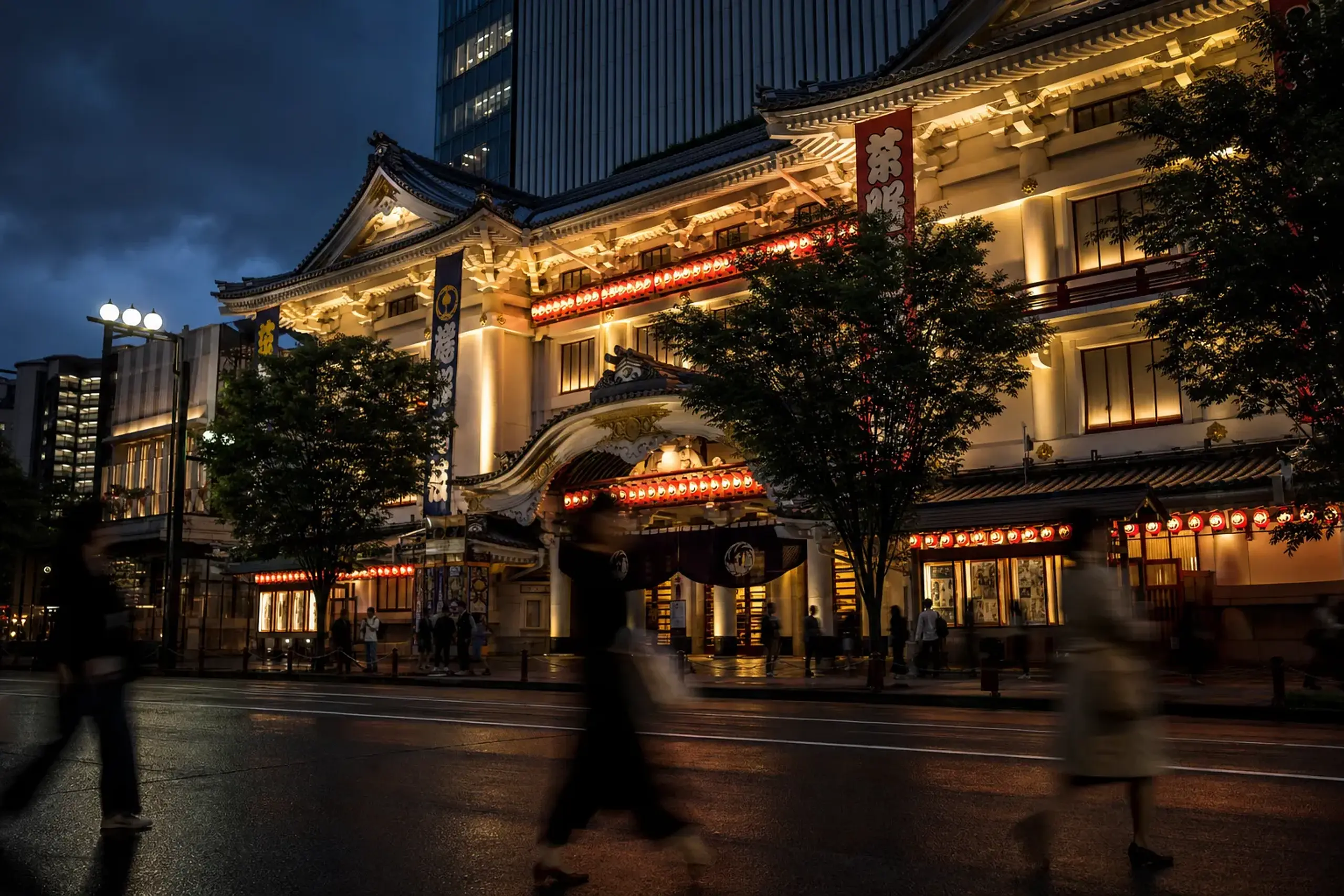
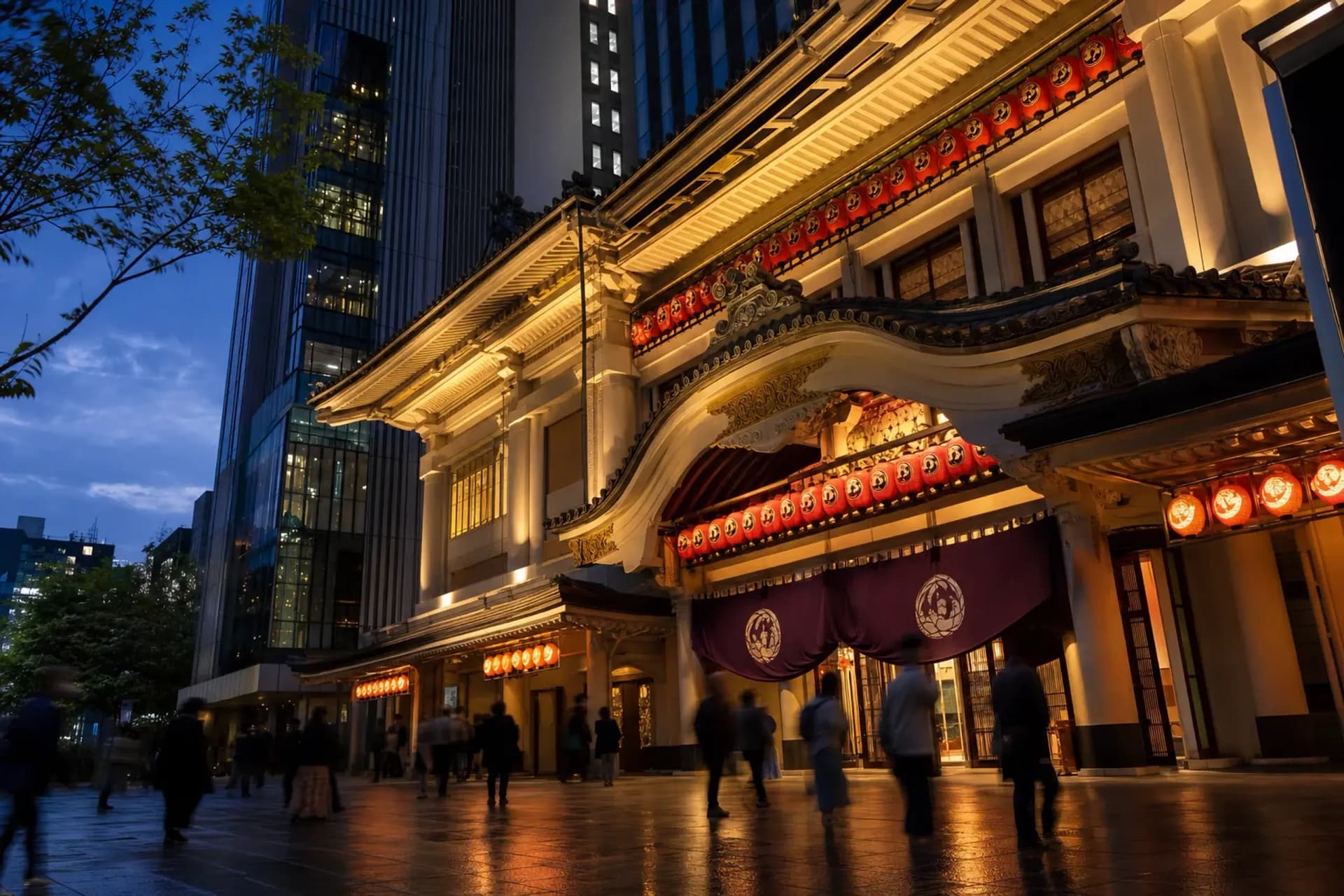
Kabuki-za in Ginza is the main venue in Japan with a formal single-act seating system.
The rhythm is deliberate. Scene changes can be part of the pleasure, not dead time.
If you are already interested in classical theatre, or you want kabuki to anchor a planned cultural night, the full program can be the right choice. Just don’t treat it like a two-hour Broadway slot. Different animal.
Kabuki-za provides international-visitor support, including captioning (English/Simplified Chinese) and a simplified English audio guide, as described by KabukiWeb and Shochiku’s guidance for theatre-goers.
How Do Single-Act Kabuki Tickets Work At Kabuki-za In Ginza?
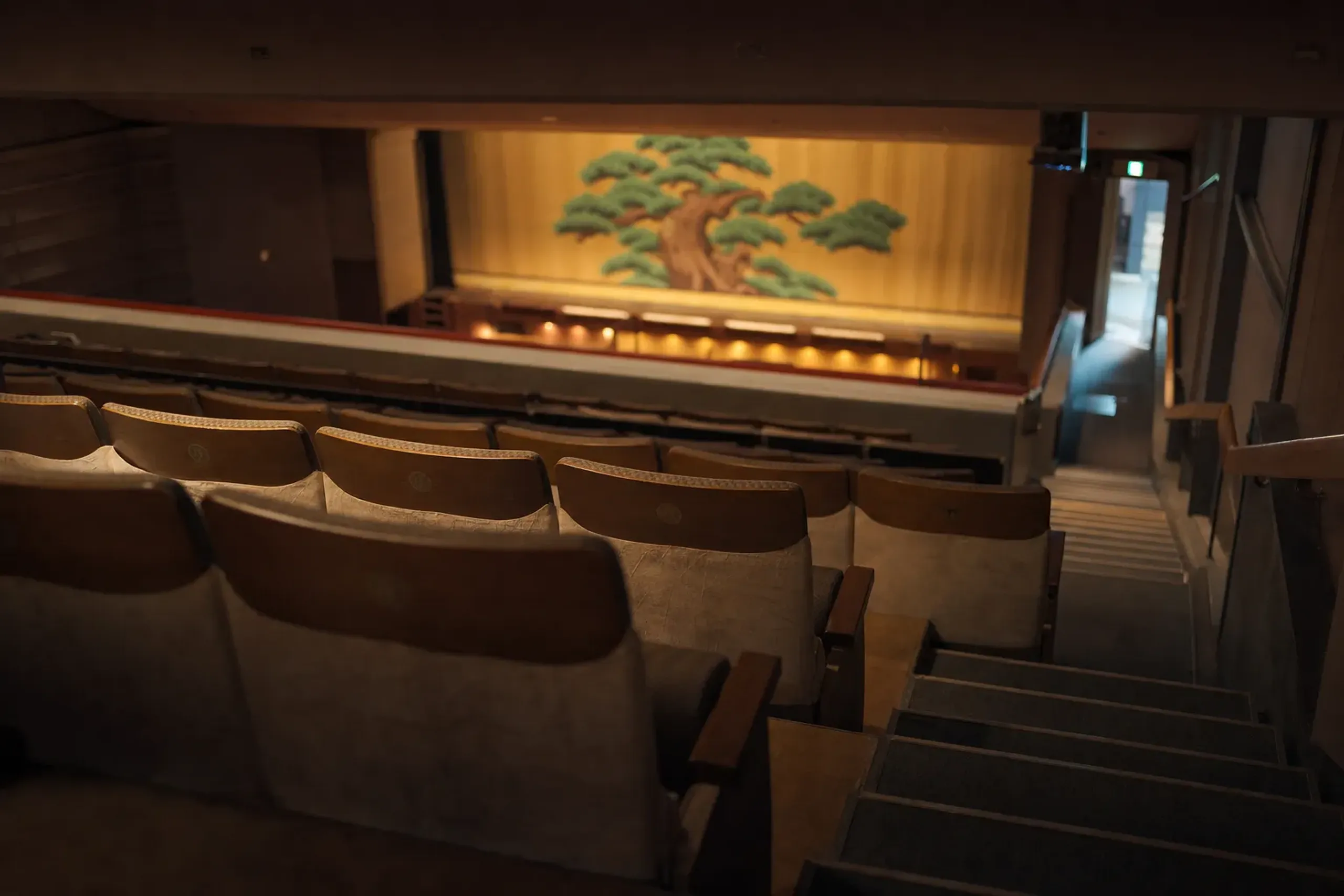
Single-act tickets at Kabuki-za let you see one specific act from that day’s program, with unassigned seating on the 4th floor.
This is the system most luxury travellers should know first. It is structured. It is normal. And it respects your schedule.
Key mechanics to understand before you plan your day:
- They are tied to a specific act. You choose an act, not “kabuki in general.”
- Seats are unassigned. These seats are on the 4th floor, and you sit where space is available.
- Pricing is per act. The official range is roughly ¥500 to ¥2,500 per act, depending on the act’s length.
- Details change monthly. The acts offered, timing, and per-act pricing are posted on the official Kabuki-za site at the start of each month’s program.
Because reporting in English online often reflects older systems, we do not recommend planning based on a blog post from five years ago.
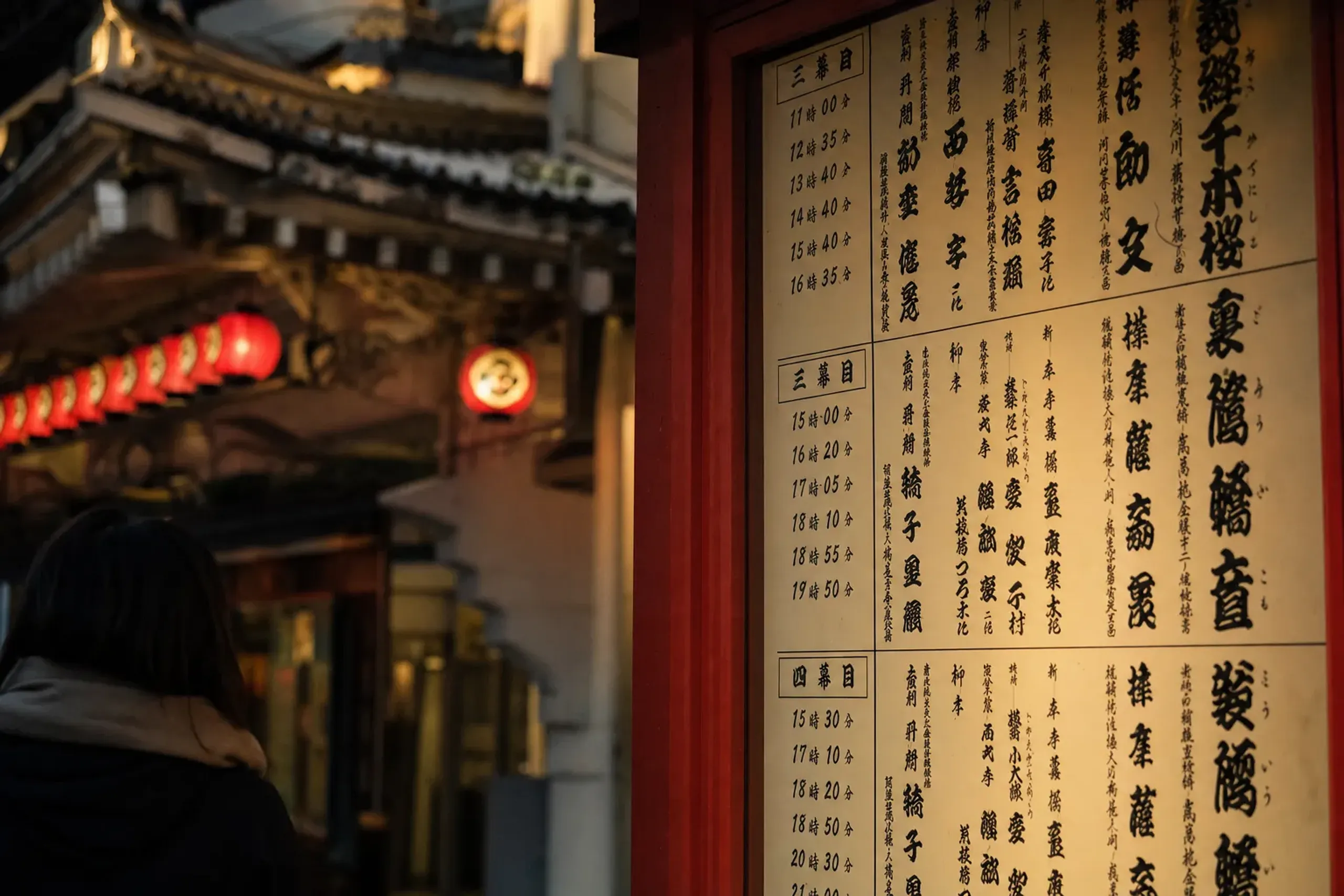
Small procedural details matter. Our concierge team confirms the current single-act method and the English-language support available for that month when aligning your visit.
Key fact: Single-act seats (hitomaku-mi seki) are exclusive to Kabuki-za in Tokyo and are located on the 4th floor with unassigned seating.
When Should You Check Kabuki-za’s Monthly Program If You Want Single-Act Seats?
Check the Kabuki-za single-act listing at the start of the month you plan to attend, because that is when the official act-by-act details and timing are posted.
This is the step most visitors skip. Big mistake. They plan “kabuki night” first, then discover the act they wanted does not fit their dinner, their child’s bedtime, or their jet lag.
We advise building your Ginza day around the act time once it is published. Keep the schedule loose until then. If you are travelling in a small party, even 2–4 people, the difference between a smooth night and a stressful one is often just timing discipline.
If kabuki is one of several cultural anchors on your trip, treat it like a fixed appointment. Let shopping, galleries, and cocktails flex around it.
Why Single-Act Seats Are Often The Best Luxury Choice (Even If You Can Do More)
Luxury travel is not about doing the maximum.
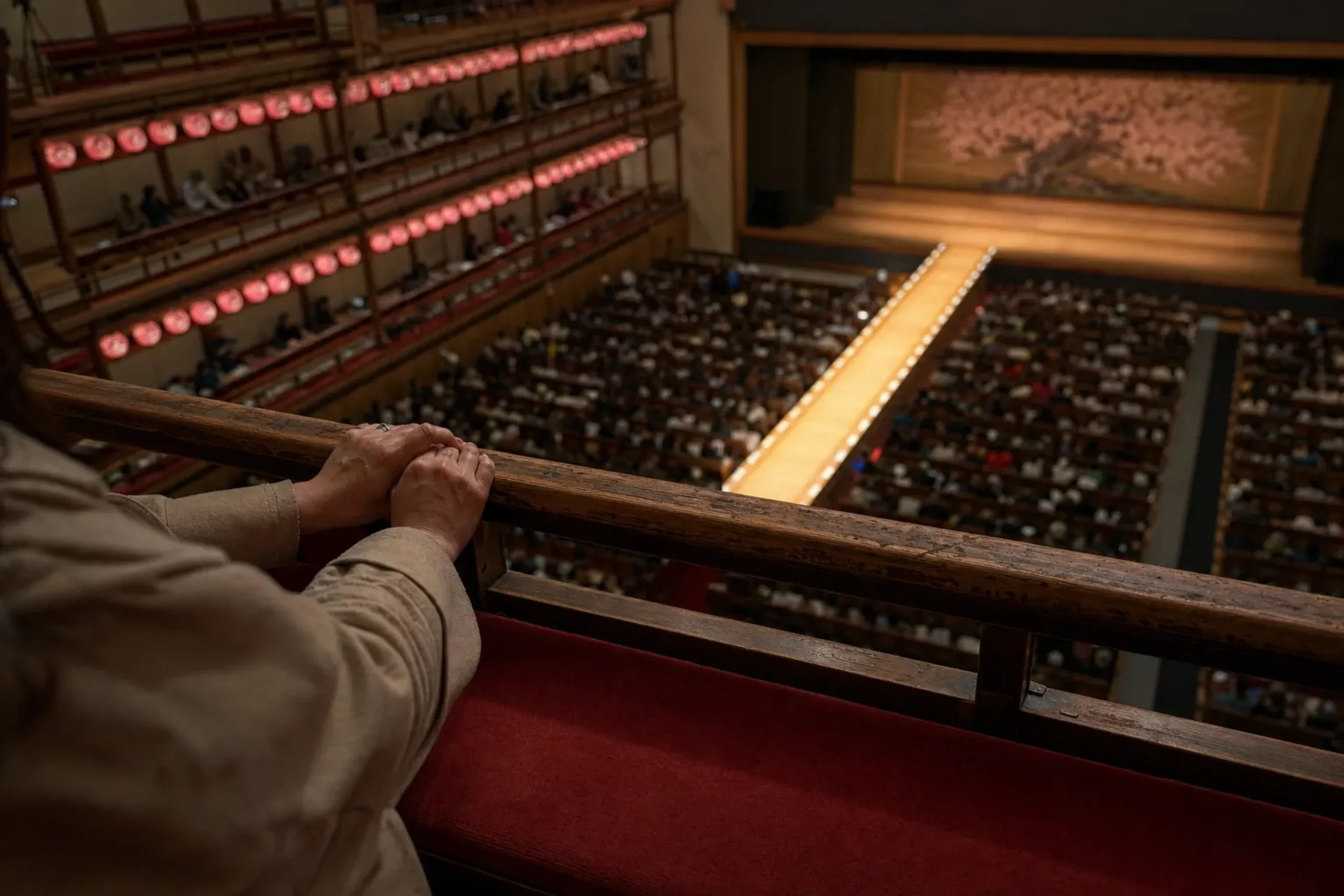
It is about choosing what lands well.
A single act gives you a genuine introduction with almost no friction. You hear the vocal style. You watch the stylised movement. You see how the audience reacts. That is the point.
You also keep control of your energy. Kabuki can be mesmerising, but it can also feel slow if you expect constant plot. With one act, you avoid forcing yourself through three more hours just to “get your money’s worth.”
For HNW guests, this is often the most refined approach: try it properly once, in the real theatre, then decide whether to go deeper on a second visit.
What Kabuki Feels Like In The Seat (So Your Expectations Are Right)
Kabuki is stylised theatre. The movement is deliberate, faces are expressive, and the vocal delivery can feel formal compared to Western stage acting.
Some scenes stretch. That is normal. The audience is not waiting for the next plot twist every minute.
Stagecraft is part of the experience. A pause can be the moment. If you arrive expecting constant action, you may misread what you are seeing.
We prepare guests for this in simple terms, not a lecture. Once you accept the pacing, you can relax into it.
How To Choose Which Single Act To See At Kabuki-za
Choose based on that month’s official act description and the act’s length, not on trying to predict content months in advance.
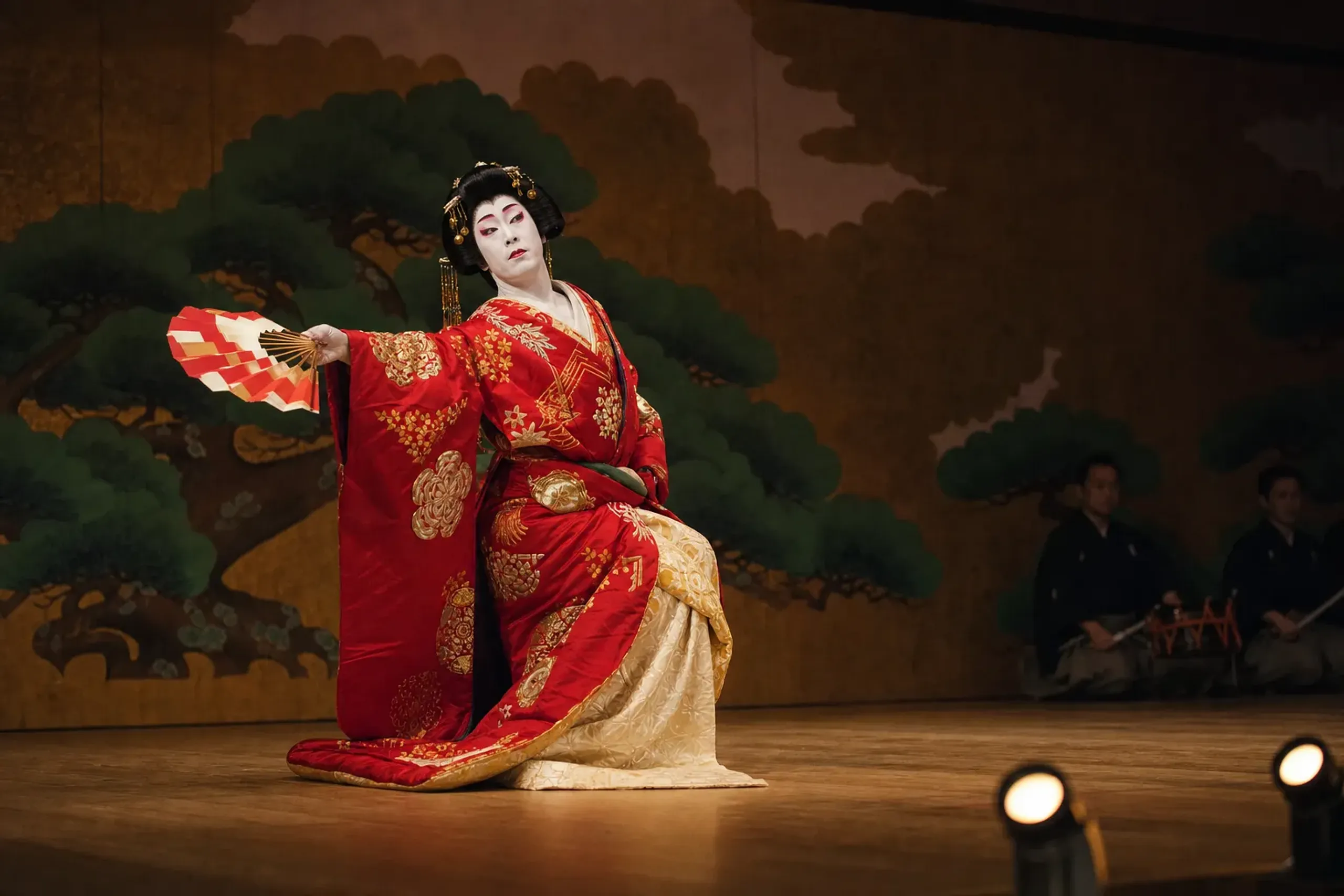
Acts vary widely. Some are easier for first-timers. Some are more dance-forward. Some are more narrative. The theatre’s monthly listing is your real decision tool.
Our practical guidance for first visits is straightforward:
- If you are time-tight: pick the shortest act that still interests you.
- If you worry about “not understanding”: pick an act whose description sounds visually clear.
- If you want a stronger first impression: pick an act that is long enough to settle in, but not so long it becomes a test.
We also consider your day’s flow. A 5:00 pm act changes your dinner strategy. A mid-afternoon act changes how you shop Ginza.
Is Kabuki Worth It If You Don’t Speak Japanese?
Yes—Kabuki-za offers international-visitor support such as captioning and a simplified English audio guide, so you can follow along without speaking Japanese.
This is the anxiety we hear most. And it is fair. A full kabuki program is not light viewing.
What tends to surprise guests is that even without catching every line, you can still understand the “shape” of a scene. Gesture, music, movement, and audience cues do a lot of work.
Because the exact support options for single-act seating can change with system updates, our concierge team confirms what is available for your specific performance date and aligns expectations before you go.
How To Plan A Ginza Day Around A Single Kabuki Act
Ginza is built for this kind of evening. You can keep the day polished, then step into the theatre without a long transfer.
Two rules help. First: arrive with time to spare. Second: don’t schedule a tight, formal dinner that forces you to rush as soon as the curtain falls.
If you want a broader evening arc—cocktails, a performance, then a late dinner—use kabuki as the anchor and let the rest orbit around it.
And if your trip also includes other spectator events with strict sell-out patterns, our mechanics-first guide to VIP sumo tickets at Ryogoku Kokugikan is a useful companion read.
Who Should Book A Full Program Instead?
Some guests should skip the sampler. No shame.
Choose the full program if you genuinely want complete plays, or if you enjoy theatre structure and can give it an unhurried block of time. This also suits travellers who want kabuki to be the main cultural focus of the day, not an interlude.
It can also be right if you already know you like kabuki’s pacing. Many repeat visitors do. They come back for the long form.
If you are bringing family members with mixed interest levels, be honest.
One person dragging another through hours of classical theatre rarely ends well.
Kyoto’s Minami-za, In One Line
Minami-za is Kyoto’s primary kabuki theatre, and it does not use Kabuki-za’s single-act seating system—so plan for a full performance format when you attend in Kyoto.
Frequently Asked Questions
Can I Buy Single-Act Kabuki Tickets In Advance For Kabuki-za?
Single-act ticket details and access methods can change, so the safest approach is to rely on the official monthly listing and confirm the current purchase method close to your visit date.
Because older English-language articles may describe outdated procedures, our concierge team at Japan Royal Service checks the current system for that month before your visit.
How Much Are Single-Act Kabuki Tickets At Kabuki-za?
Single-act tickets at Kabuki-za are priced per act, roughly ¥500 to ¥2,500, depending on the act’s length.
The precise per-act pricing is published in the official monthly program listing, alongside the act timing and which acts are available for one-act viewing seats.
Where Are The Single-Act Seats At Kabuki-za, And Are They Assigned?
Single-act seats (hitomaku-mi seki) are on the 4th floor at Kabuki-za and use unassigned seating.
This is part of why the single-act option works well for time-limited visitors: you enter for one act, sit where available, and leave when the act ends.
How Long Is A Single Kabuki Act At Kabuki-za?
A single kabuki act’s length varies by program, and the official monthly listing shows the timing for each act offered as a single-act option.
If you are matching kabuki to dinner, shopping, or a child’s schedule, choose the act after you see that month’s timings rather than planning generically.
Is There English Support At Kabuki-za For First-Time Visitors?
Kabuki-za offers international-visitor support including captioning (English/Simplified Chinese) and a simplified English audio guide.
For single-act attendance, support details can evolve, so our team confirms what is available for your specific date and ticket type when planning the visit.
Why Choose Japan Royal Service
Japan Royal Service is built for travellers who want kabuki to feel approachable, not like homework. Quiet guidance. Precise timing. No fuss.
We work in the way Japan often works best: through discretion, clear etiquette, and introductions where appropriate. That same sensibility also shapes how we recommend experiences around the theatre—craft-led encounters with shokunin, and pockets of hidden-Japan calm that keep Ginza from turning into a checklist.
Our concierge team arranges kabuki tickets for both full-program attendance and single-act seats, and we confirm the current month’s program details and visitor support before your visit.
If you want us to match Kabuki-za to your Tokyo dates and your attention span, reach our team privately via WhatsApp or LINE, or contact us here.