In this guide
- 01What Are The Kura, And Why Were So Many Built?
- 02Where Do You See The Kura In Kitakata?
- 03What Is Kura-no-Sato?
- 04What Is Kitakata Ramen, And The Morning Custom?
- 05Sake And Lacquer, Briefly
- 06How Do You Reach Kitakata?
- 07How Does Kitakata Fit Into An Aizu Stay?
- 08Frequently Asked Questions
- 09Why Choose Japan Royal Service
Kitakata sits in Fukushima, near Aizu-Wakamatsu, and it is a town of kura. These are traditional storehouses. Japan Royal Service wrote this guide for travelers who want to understand what the kura are, where to see them, what Kitakata ramen is, and how the town fits into a stay built around Aizu-Wakamatsu.
The questions here are practical ones. What are these storehouses? Why were so many built? Where do you walk to find them? And how do you reach the town?
What Are The Kura, And Why Were So Many Built?
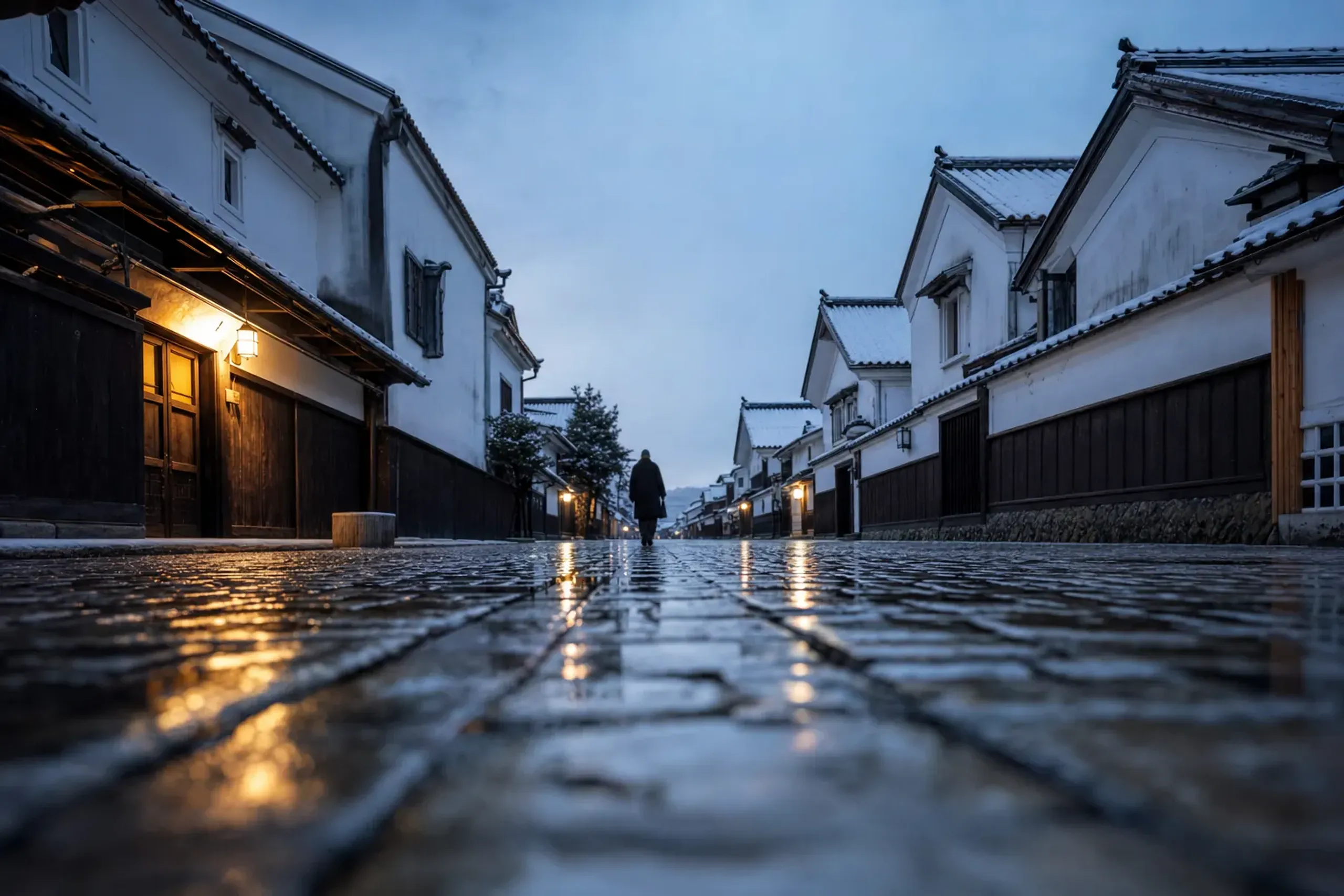
Kura are traditional Japanese storehouses. In Kitakata there are about 4,000 of them, according to JNTO. Many now serve as shops and inns rather than as stores.
The Fukushima prefecture tourism site explains that Kitakata saw a boom in kura building during the Meiji and Taisho eras. The storehouses were raised by businesses in the brewing and lacquerware industries. Building one was a symbol of status for a merchant household.
JNTO notes that many have since been converted into shops, inns and other businesses.
Where Do You See The Kura In Kitakata?
The storehouses are spread across the town rather than gathered in one square.
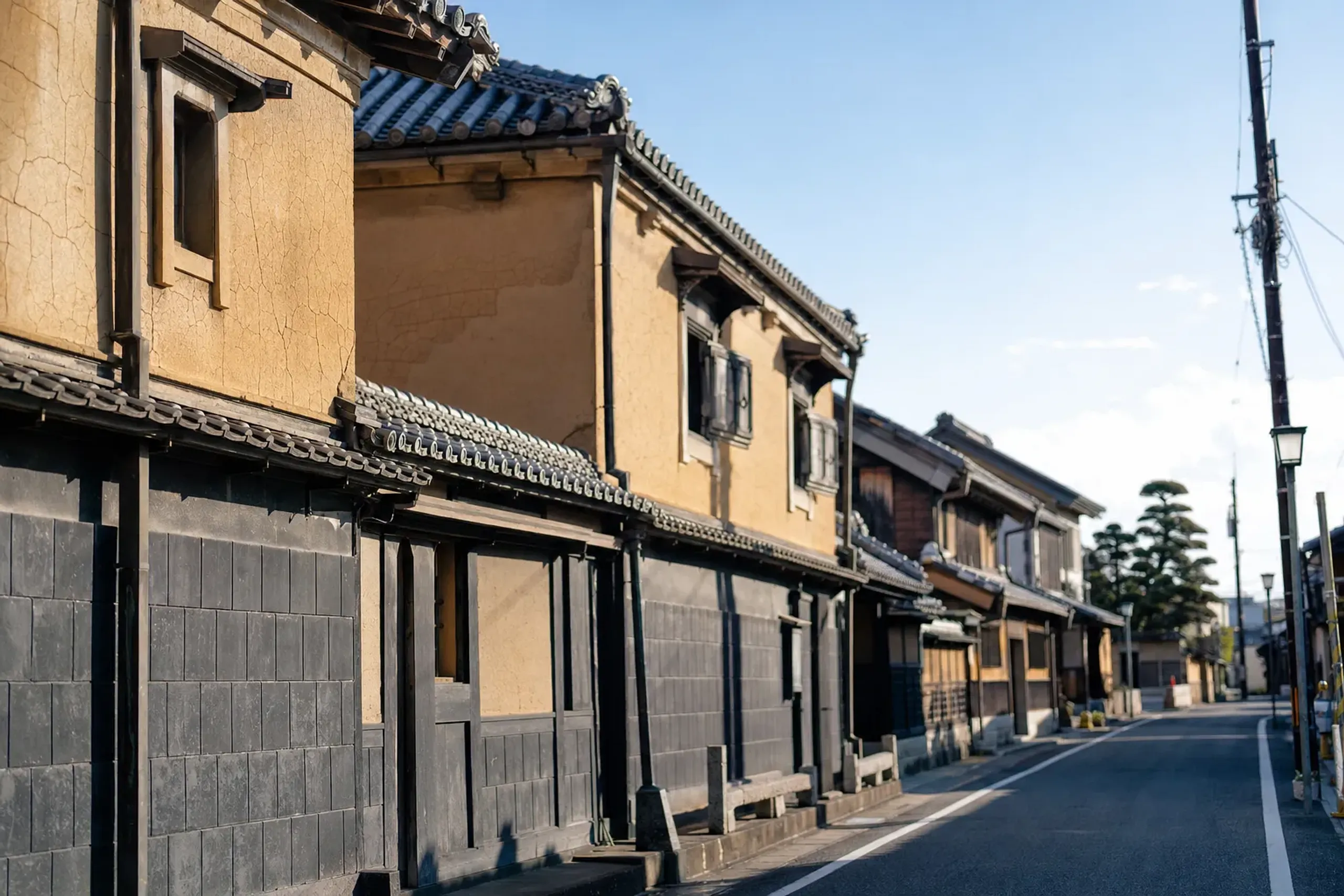
JNTO describes the main attractions as within walking distance of Kitakata Station. The Fukushima prefecture site adds that some storehouses sit close to the station while others need a taxi to reach.
Two districts stand out in the prefecture's own descriptions.
The Mitsuya District
The Mitsuya district has rows of brick storehouses. It lies farther out from the station.
The Sugiyama District
In the Sugiyama district, the storehouses have roofs that look like helmets, as the prefecture site puts it. This district also sits away from the town centre.
The central kura are walkable from the station, as the prefecture site describes them; Mitsuya and Sugiyama lie farther out. A vehicle from a partner company with an English-speaking driver covers the outlying districts without a change of transport. Our team at Japan Royal Service can place a guide and driver in separate roles, so one person interprets the townscape while the other handles the roads.
What Is Kura-no-Sato?
Kura-no-Sato is an open-air museum of storehouses and L-shaped farmhouses, about 20 minutes on foot from Kitakata Station. It was established in 1993 to pass on the tradition of kura and magariya.
According to the Fukushima prefecture tourism site, ten traditional-style buildings stand across a 4,500 square metre area.
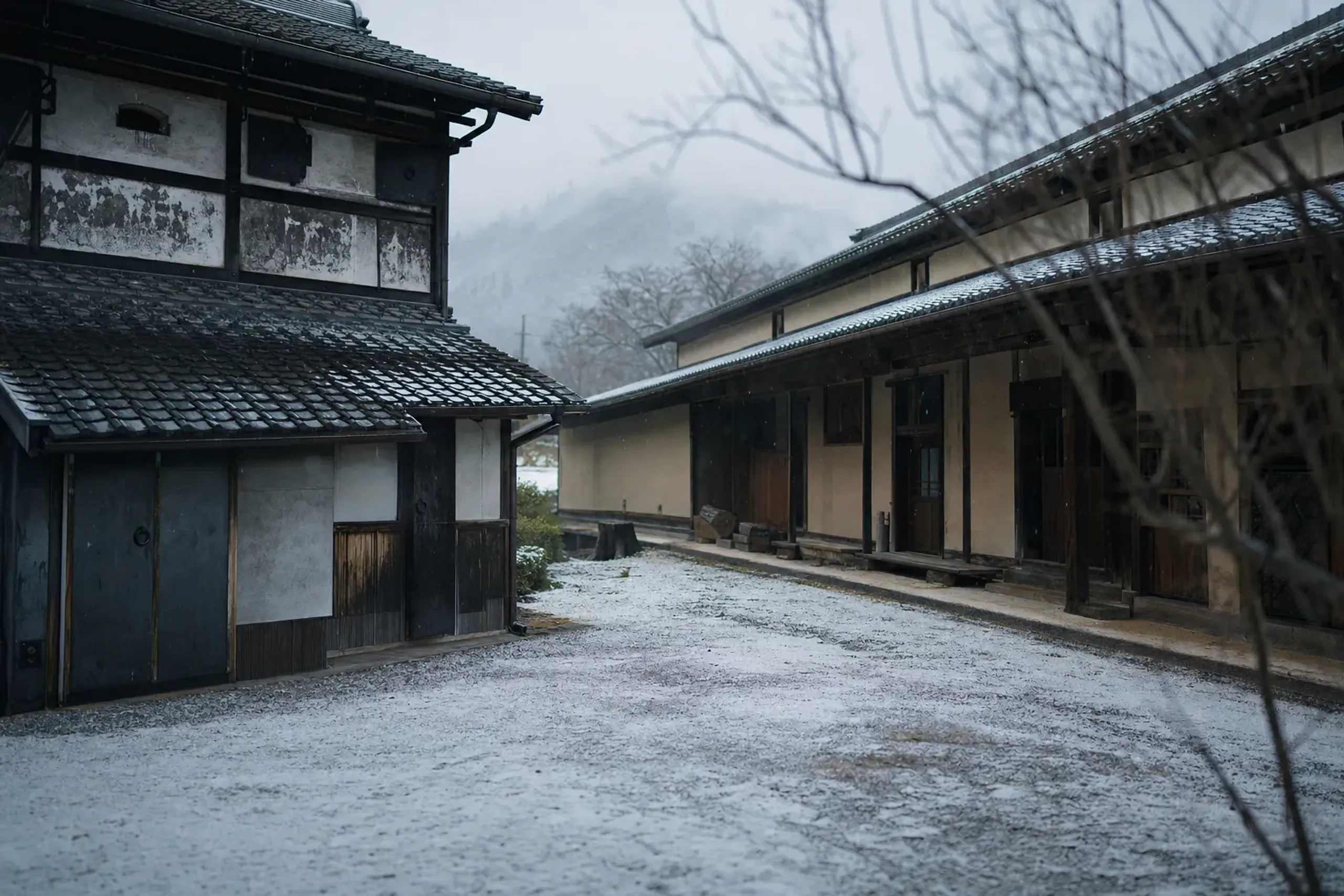
There is a shop kura, called a mise-gura. A miso kura, the miso-gura. A grain kura, the kokumotsu-gura. A residence kura, the kura-zashiki. Around a courtyard stand the residences of local officials.
JNTO adds that the site holds rebuilt Edo- and Meiji-era buildings, including the residences of two prominent merchant families.
What Is Kitakata Ramen, And The Morning Custom?
Kitakata ramen is a local noodle dish, and the town keeps a custom of eating it in the morning. JNTO and the Tohoku tourism site both record this morning habit.
The two sources describe the noodles differently. JNTO says Kitakata ramen uses thick, flat, curly noodles in a broth of pork and niboshi, which are dried sardines. The Tohoku tourism site describes flat-pressed, aged, high-water-content noodles, with the thickness and curl varying from shop to shop, and soy sauce as the usual base for the broth.
The dish has a history in the town. The Tohoku tourism site dates it to the late Taisho and early Showa periods, and recounts that a young man from China sold handmade noodles from a cart.
Key fact: JNTO and the Tohoku tourism site both note Kitakata's custom of eating ramen in the morning. Which shops open, and when, varies, so the JRS concierge team confirms directly with the guest at time of arrangement.
Sake And Lacquer, Briefly
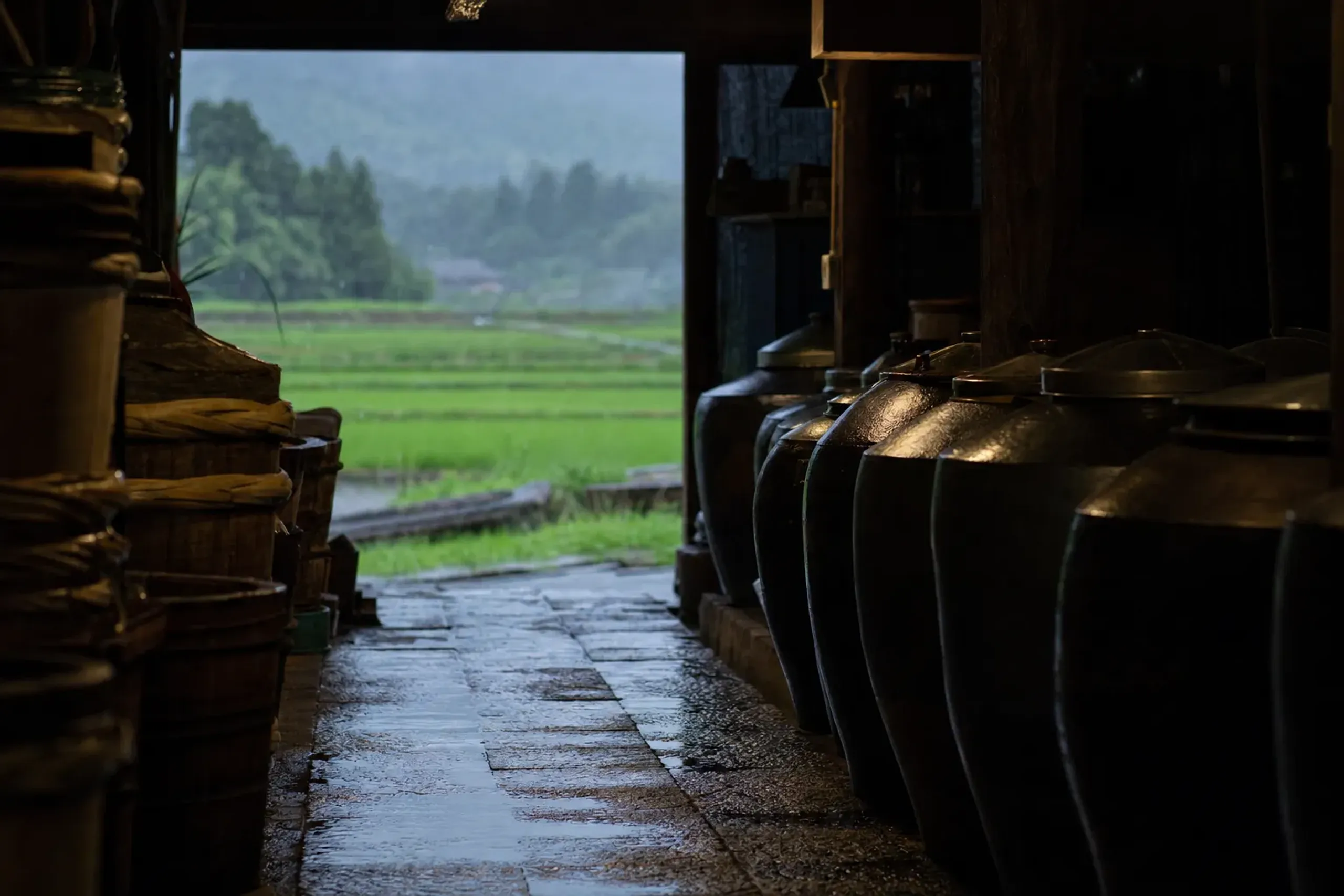
JNTO notes that the area is a rice-growing one, and that many local breweries offer tours with tastings, some by advance booking. Whether a brewery visit can be added on a given day varies, and the JRS concierge team confirms it directly with the guest at time of arrangement.
Kitakata also carries a long history of lacquerware and paulownia woodwork, as JNTO records. That history is part of why the kura exist at all, since the lacquer trade was one of the two industries that built them.
How Do You Reach Kitakata?
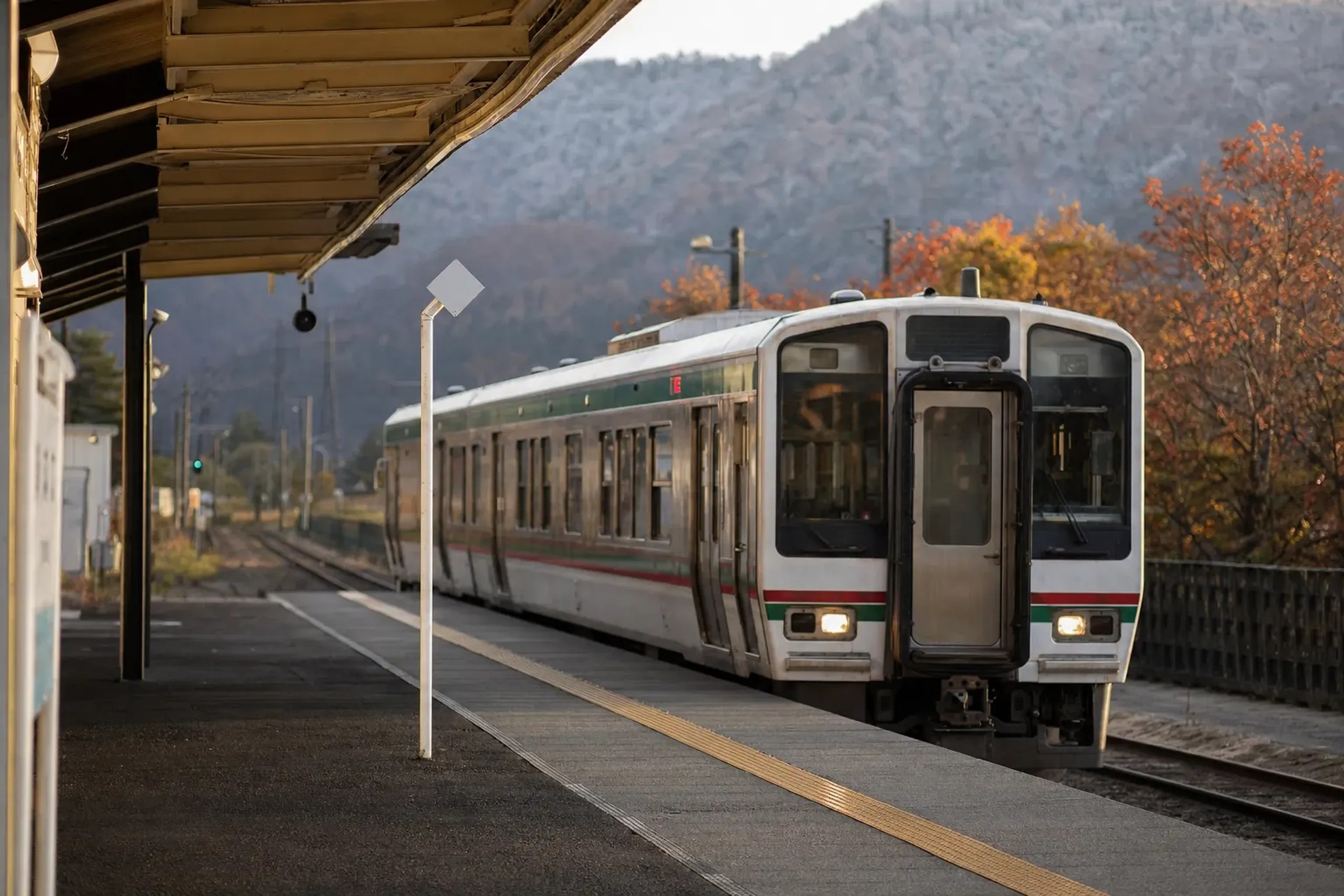
From Tokyo, take the JR Tohoku Shinkansen to Koriyama, then the JR Banetsu West Line rapid service to Kitakata. Kitakata Station sits on the Banetsu West Line.
By car, Kitakata is about 20 minutes from the Aizu-Wakamatsu interchange on the Ban-etsu Expressway, according to the Fukushima prefecture and Tohoku tourism sites. That short drive is what makes the town easy to fold into a base at Aizu-Wakamatsu.
For the rail legs, our team arranges tickets on the Tohoku Shinkansen to Koriyama and onward to Kitakata, including Green Car and Gran Class where available, with platform assistance and luggage forwarding so you travel light. Train timings between Aizu-Wakamatsu and Kitakata, and which buildings are open, are details the JRS concierge team confirms directly with the guest at time of arrangement.
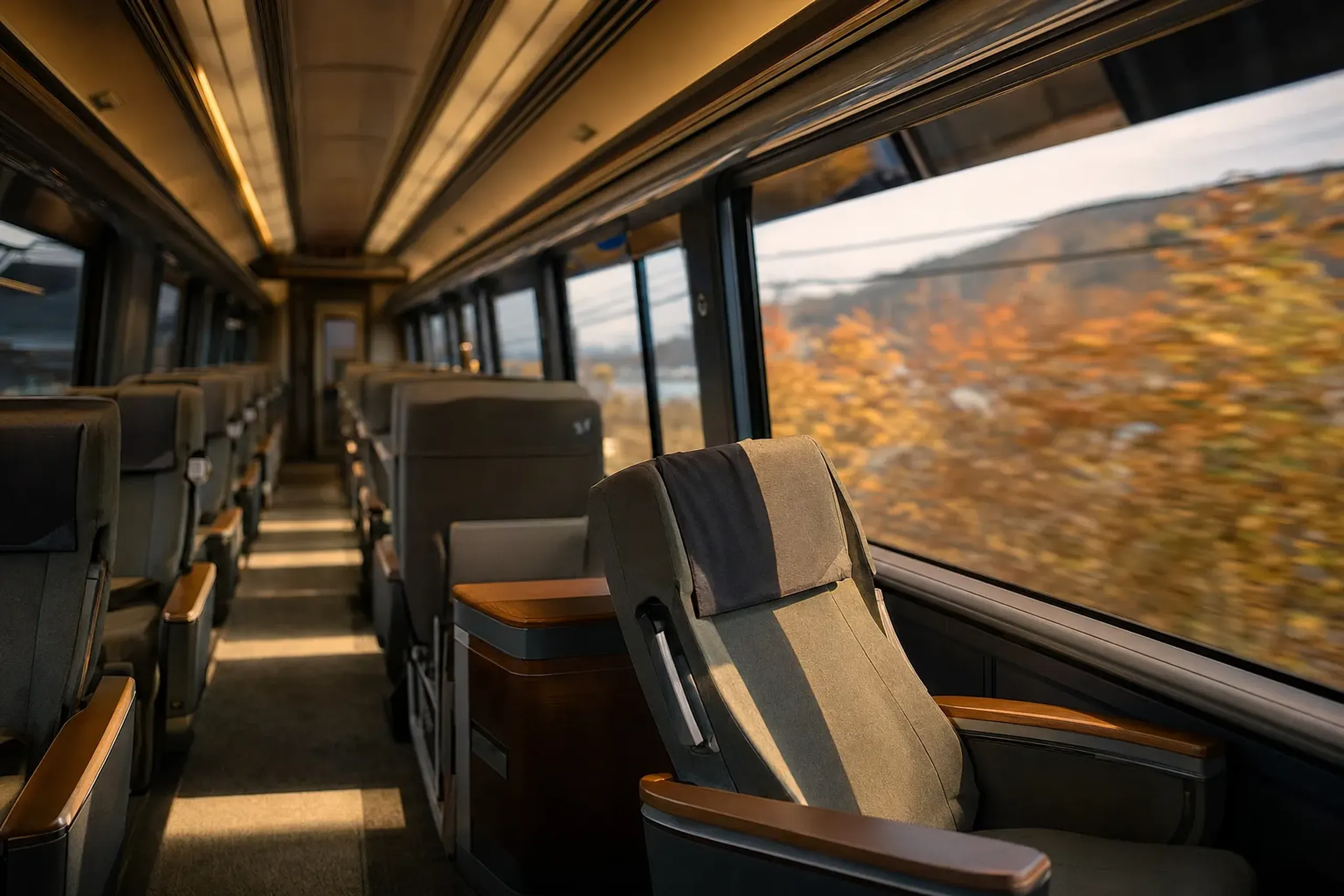
If you are weighing the train against a car, our private driver versus rail decision framework sets out how each choice plays out across a day.
How Does Kitakata Fit Into An Aizu Stay?
Kitakata works well as a half day or a full day from Aizu-Wakamatsu, given the short drive between the two. You can walk the central kura near the station, add Kura-no-Sato, and send a car out to Mitsuya and Sugiyama.
The wider Aizu region gives you more to pair it with. Tsuruga Castle stands in Aizu-Wakamatsu itself; our Tsuruga Castle guide covers the keep and its grounds. The post-town street of Ouchi-juku and the Urabandai highlands feature in our Aizu, Ouchi-juku and Urabandai guide. And the coloured ponds of Goshikinuma appear in our Urabandai and Goshikinuma guide.
Frequently Asked Questions
How Many Kura Storehouses Are There In Kitakata?
About 4,000, according to JNTO. They were built in large numbers during the Meiji and Taisho eras by businesses in the brewing and lacquerware trades, and many now serve as shops and inns.
What Is Kitakata Ramen?
JNTO describes thick, flat, curly noodles in a pork and niboshi broth; the Tohoku tourism site describes flat-pressed, aged, high-water-content noodles, usually with a soy sauce base. The town also keeps a custom of eating ramen in the morning.
How Do You Reach Kitakata From Tokyo?
Take the JR Tohoku Shinkansen to Koriyama, then the JR Banetsu West Line rapid service to Kitakata.
By car it is about 20 minutes from the Aizu-Wakamatsu interchange on the Ban-etsu Expressway.
What Is Kura-no-Sato?
Kura-no-Sato is an open-air museum about 20 minutes on foot from Kitakata Station, established in 1993. Ten traditional-style buildings stand across a 4,500 square metre area, including a shop kura, miso kura, grain kura and residence kura.
Why Choose Japan Royal Service
Our team at Japan Royal Service builds Kitakata into an Aizu stay as a half day or a full day from Aizu-Wakamatsu, with the parts matched to your pace. An English-speaking cultural interpreter guide, booked separately from the driver, can walk the kura districts and Kura-no-Sato with you. A vehicle from a partner company with an English-speaking driver links the station with the outlying storehouse districts of Mitsuya and Sugiyama.
We also handle rail tickets on the Tohoku Shinkansen to Koriyama and onward to Kitakata, including Green Car and Gran Class where available, with platform assistance and luggage forwarding. Ryokan and restaurant bookings in Aizu are made with your dietary needs passed ahead. If the weather turns, we re-plan the same day. Everything described here is open to the public, and the full plan comes together as a tailor-made itinerary.
To begin planning, contact our team here.