In this guide
- 01Where Kōdō Came From: Temple, Court, Codified Art
- 02What Actually Happens In A Kumikō Session?
- 03Genji-kō: The Best-Known Game
- 04The Material: Six Countries And Five Flavors
- 05Why Is Kyara So Rare?
- 06What Should A First-Time Participant Expect?
- 07Conduct: What Is Specific To A Kōdō Room
- 08Why Kyoto Holds This Tradition
- 09Frequently Asked Questions
- 10Why Choose Japan Royal Service
In kōdō, you do not smell incense. You listen to it. The verb is kiku — to listen, to attend — the same word used for music, and the choice is deliberate. Scent, in this 1,400-year-old discipline, is something you sit with the way you might sit with a single note held in a quiet room.
That one distinction reframes the whole practice. Kōdō (香道, "the way of incense") is one of Japan's three classical arts of refinement, standing alongside chadō, the way of tea, and kadō, the way of flowers. It is not aromatherapy. It is not a relaxation treatment. It is a literary and sensory art with codified etiquette, its own vocabulary, and a set of games that reward attention over cleverness.
Most passing mentions reduce it to "Japanese incense appreciation." That undersells what is actually happening in the room. Here is what the practice involves, where it came from, and what to expect if you sit down to a session in Kyoto.
Where Kōdō Came From: Temple, Court, Codified Art
Incense arrived in Japan with Buddhism in the 6th century. The Nihon Shoki, one of Japan's oldest chronicles, records a piece of fragrant agarwood washing ashore on Awaji Island in 595 CE — a moment traditionally marked as the beginning of Japanese incense culture. Awaji, fittingly, remains Japan's leading incense-production area today.
Early use was devotional. Monks burned incense to purify space, to honor the dead, to carry prayers upward on a thread of smoke. The purpose was sacred, not aesthetic.
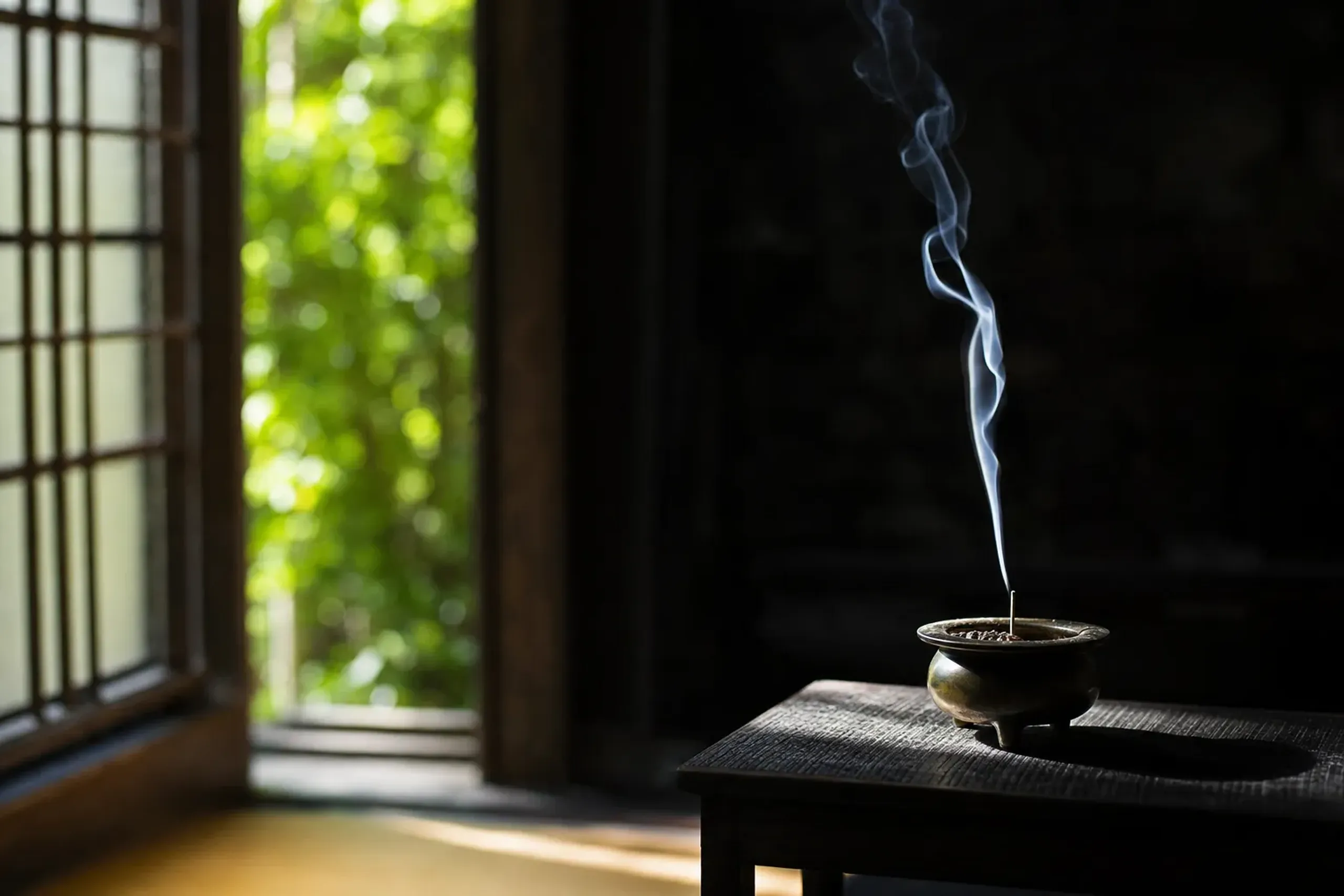
Incense entered Japan through Buddhist ritual before it became a court art.
That changed at court. During the Heian period, incense moved from the temple into aristocratic life. Nobles blended their own scents, wore them, competed quietly over them, and read them into their poetry. By the Muromachi period (1338–1573), the loose courtly pastime had hardened into a structured, codified practice — the kōdō we recognize now. It continued to develop through the Edo period, gathering rules, tools, and a literary grammar all its own.
Nippon Kodo, one of Japan's long-established incense houses, dates the maturation of kōdō as an art form to the end of that Muromachi era. Shoyeido, another historic Kyoto house, places incense ceremony's cultural weight on the same level as tea ceremony and flower arrangement. This is not a fringe curiosity. It is one of the country's serious arts.
What Actually Happens In A Kumikō Session?
A kumikō session is a structured incense-comparison game in which a host warms fragrant woods, presents them to guests one by one, and asks the guests to distinguish between them — often answering with a poem rather than a plain name.
Kumikō (組香) is the heart of the practice. The host does not burn the wood.
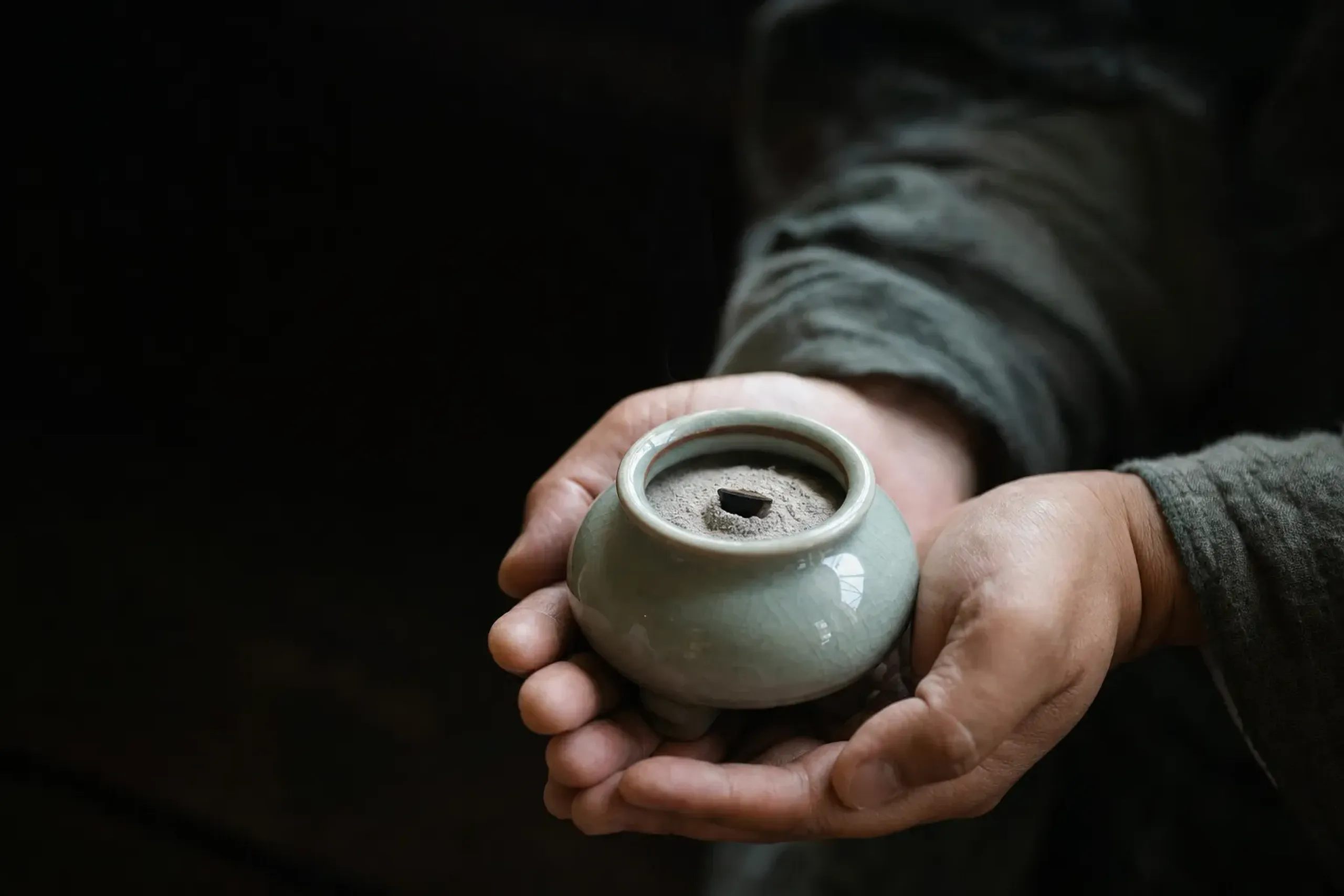
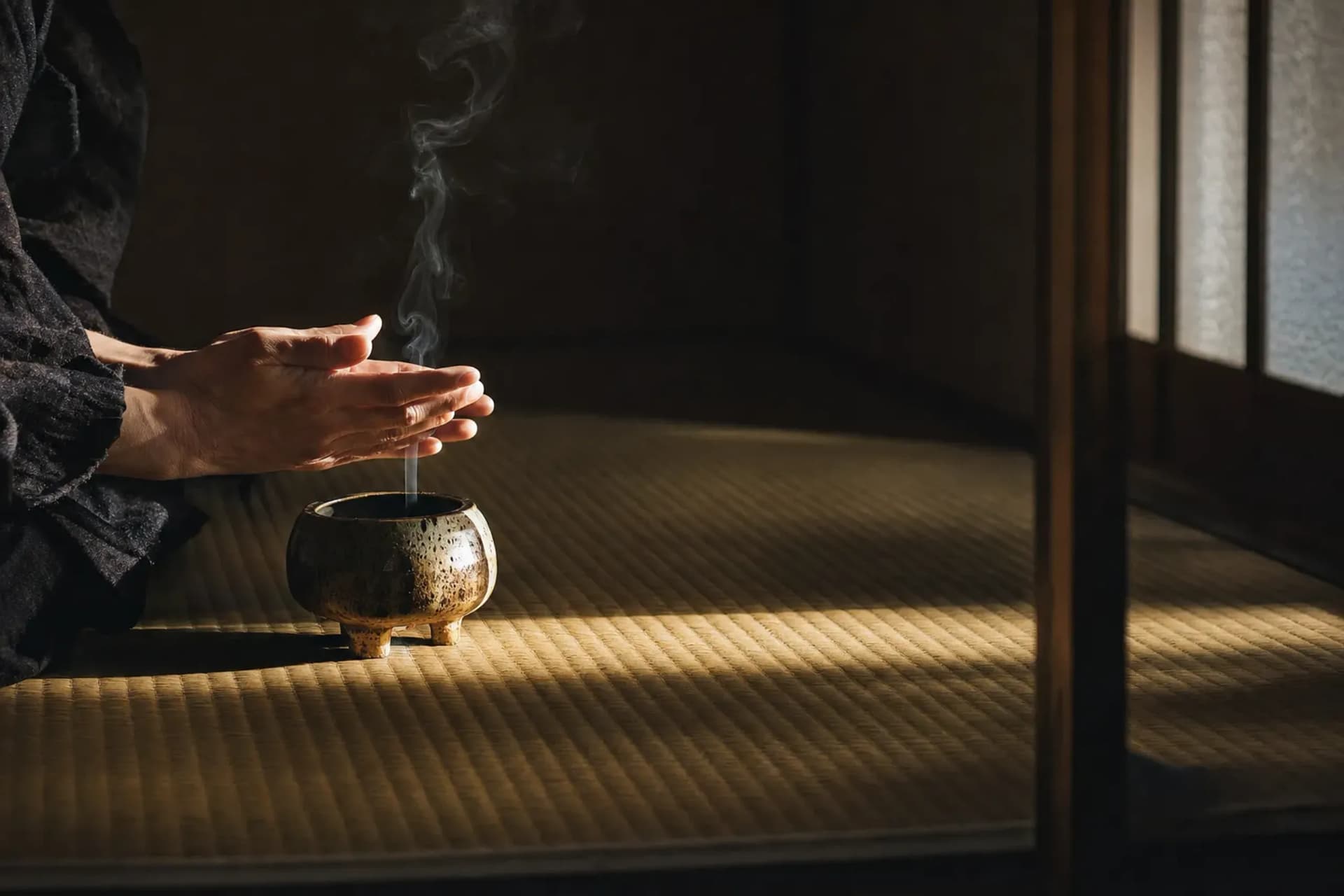
A small chip of jinkō is warmed gently over heated ash in the kōro, the incense burner, so that the scent lifts without smoke or char. The burner passes from guest to guest. Each person cups it, brings it close, and listens — a few slow breaths, no rush.
The game gives the session its shape. The host may present several woods, some named beforehand and some withheld, then ask which is which. Guests do not call out. They mark their answers on paper, and the responses are often literary — a line drawn from a classical poem, a chapter of a novel, a season implied rather than stated. Getting it "right" matters less than the quality of attention you bring, and how you name what you noticed.
The room is quiet throughout. The pace is unhurried. There is a formality to how the burner is held and passed, closer to the choreography of tea ceremony than to anything casual.
Genji-kō: The Best-Known Game
The most famous kumikō is Genji-kō, built around The Tale of Genji, the 11th-century masterpiece by Murasaki Shikibu. Its structure is a small marvel of design.
In Genji-kō, the host presents five incense samples, and guests group them by which smell alike and which differ. The possible grouping patterns come to fifty-two — and each pattern corresponds to one of the fifty-two chapters of the novel.
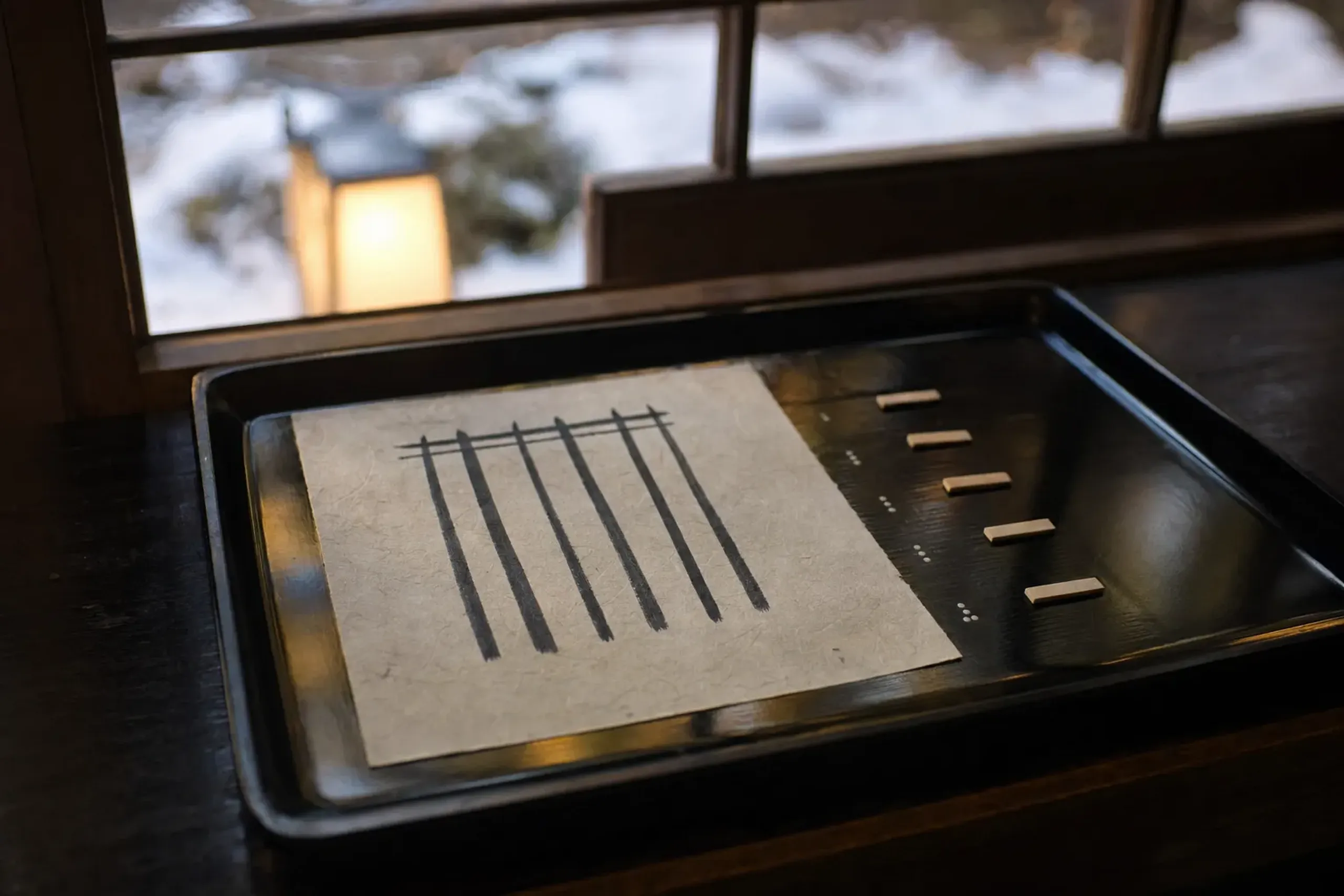
Guests record their answer not as a number but as the matching Genji-kō symbol, a set of vertical lines linked at the top to show which scents were judged the same.
The elegance is that a sensory judgment becomes a literary reference. You are not just saying "these two matched." You are naming a chapter of Japan's most revered work of fiction. Few practices anywhere fold scent, memory, and literature together so tightly.
The Material: Six Countries And Five Flavors
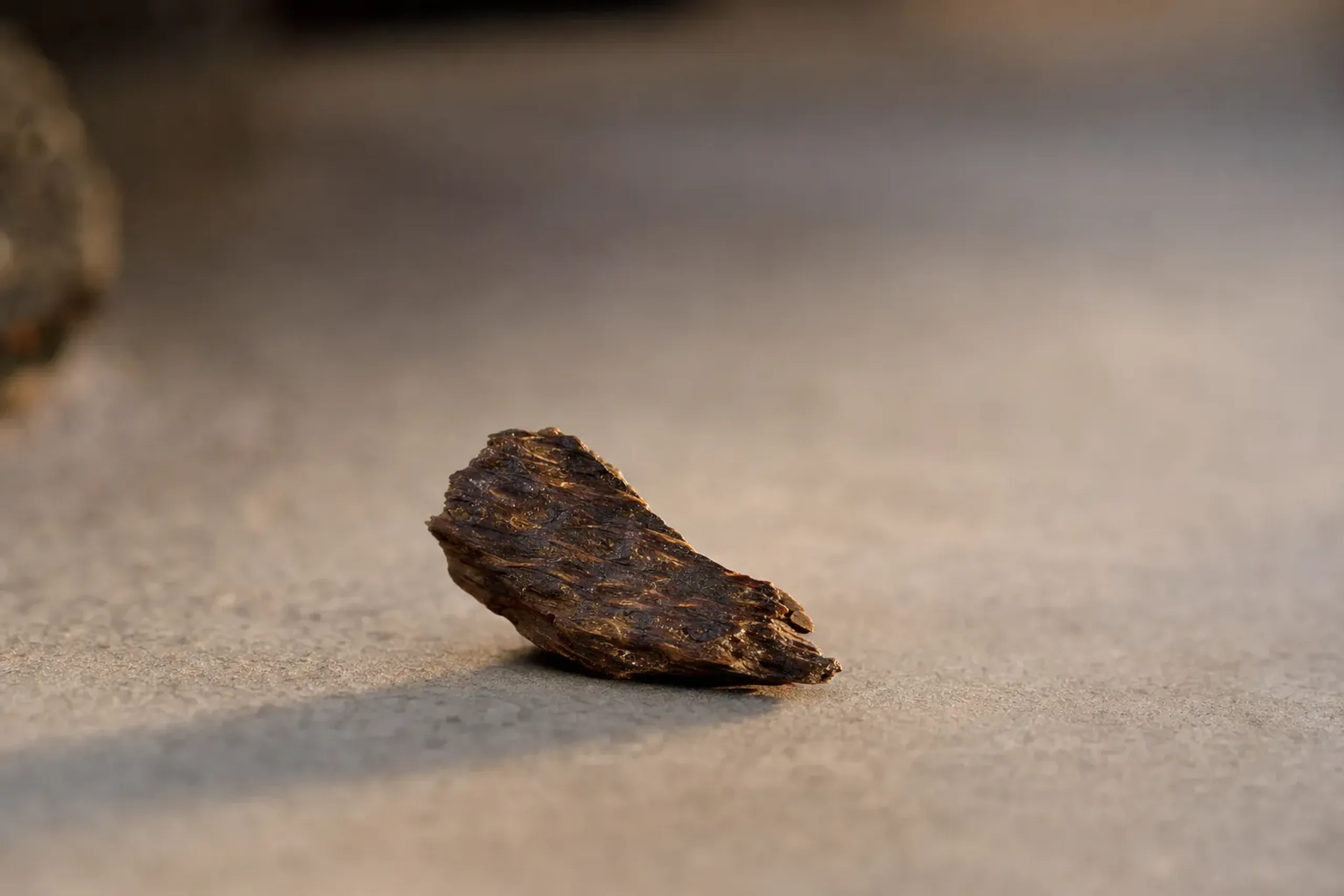
The wood at the center of all this is jinkō — agarwood, also called aloeswood. It is traditionally sorted using a poetic classification: six "countries" (rikkoku) and five "flavors" (gomi).
The six countries are a system of categories describing the character and provenance-type of the wood. The five flavors borrow the language of taste to describe scent: sweet, bitter, spicy, sour, and salty. A wood is read through this vocabulary — not measured, but interpreted, the way a taster might describe wine without reducing it to numbers.
A word of honesty here. The fine detail of the rikkoku system — how each country is defined, and which woods belong where — is precise, easily muddled, and best explained by the practitioner in the room rather than paraphrased loosely. Our concierge team confirms the specifics of a given school's teaching directly with the host at the time of arrangement, so that what you hear is accurate to the session you attend, not a general summary.
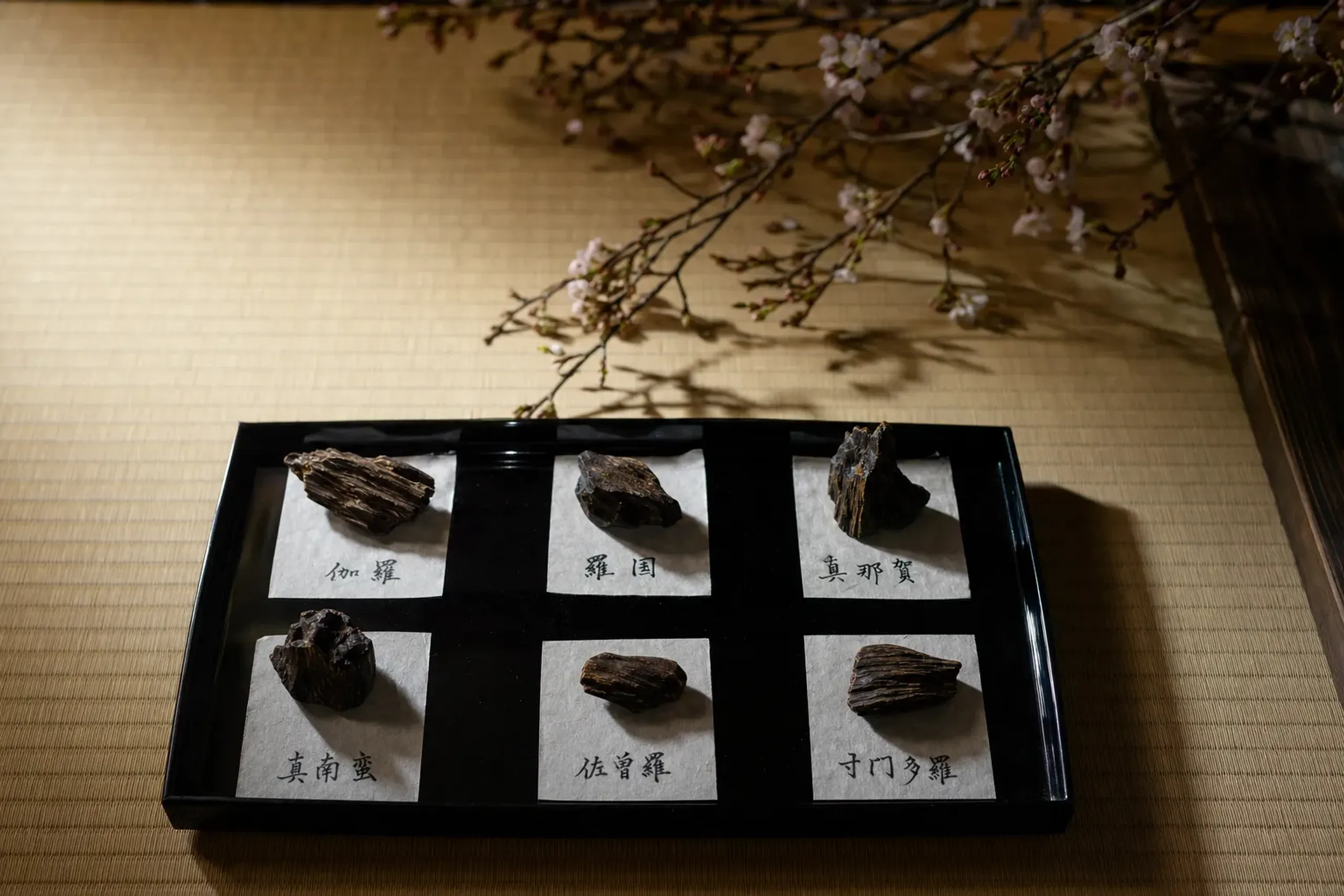
Key idea: The five flavors — sweet, bitter, spicy, sour, salty — describe how a scent is perceived, not how it tastes. Kōdō borrows the language of taste to give shape to something the nose alone struggles to name.
Why Is Kyara So Rare?
Kyara, the finest grade of aloeswood, is rare because agarwood forms only when a specific tree becomes infected and reacts to the infection over time — a slow, uncertain process that cannot be forced. By some accounts, an ounce of high-quality kyara costs many times the equivalent weight in gold.
This is a material fact, not a marketing line. The resinous, fragrant wood prized in kōdō does not exist in the living tree by default. It develops as a defensive response, and only in some trees, over long periods. As natural stocks have been depleted, fine aloeswood has grown genuinely scarcer.
Understanding this changes how you sit with a chip of it. The wood in the burner is not a commodity. It is a small, slow accident of nature, warmed just enough to release what it holds and no more.
What Should A First-Time Participant Expect?
Expect silence, close attention, a slow pace, and no pressure to identify anything correctly.
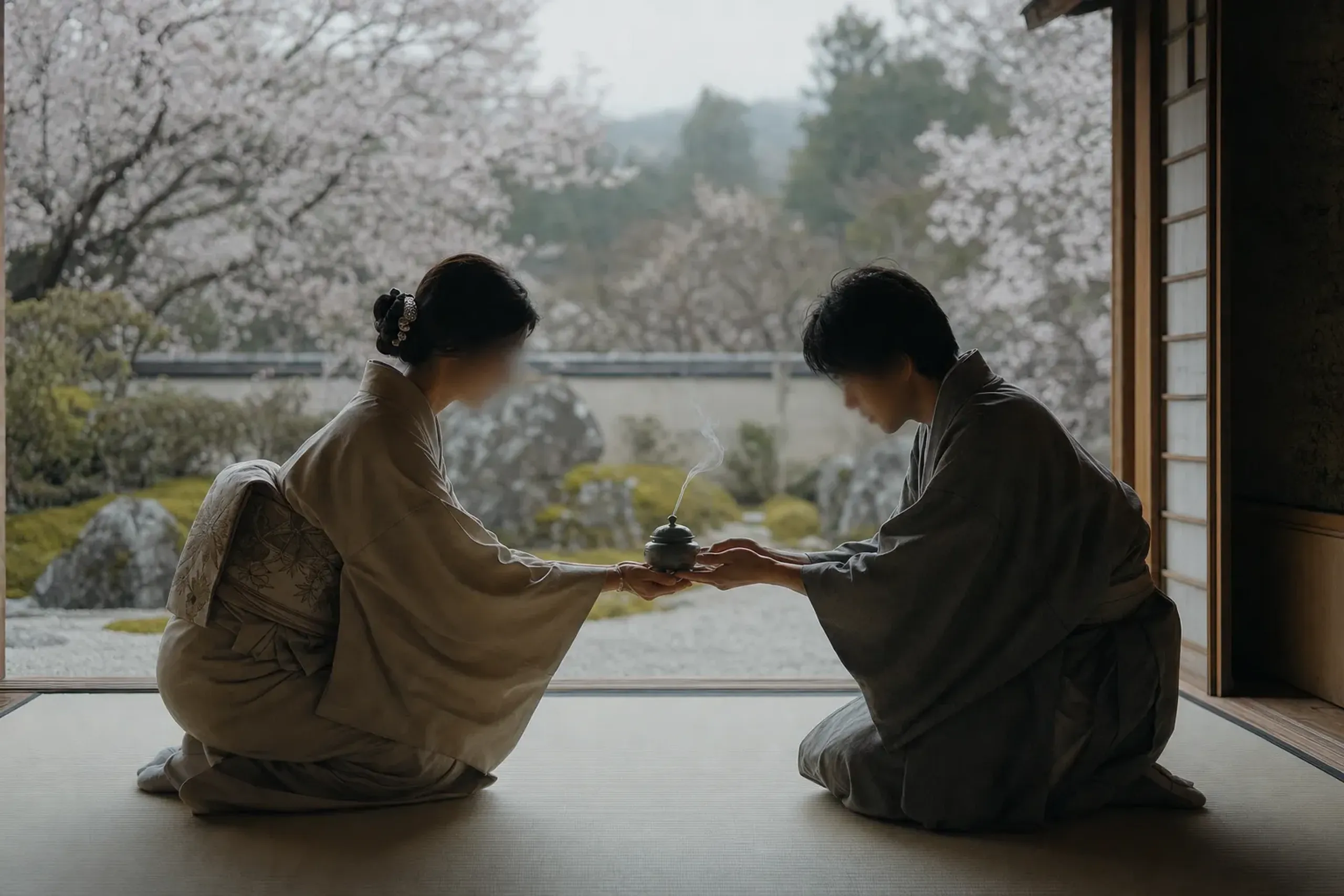
A first kōdō session is quieter and less performative than most cultural experiences, and that is the point.
You will sit. The host will prepare the burner with a care that rewards watching. When the kōro reaches you, you cup it in your hands, bring it toward your face, and take a few unhurried breaths, then pass it on. If there is a game, you record your impressions privately. No one grades you aloud.
What surprises most first-timers is how much attention a single scent asks for, and how quickly the mind quiets to give it. There is nothing to buy, nothing to master in one sitting, no photograph that captures it. It rewards the same discipline a first sitting of zazen does — you can read our account of that in our guide to reading Japan's seasons for how timing shapes what Kyoto offers month to month. The session simply asks you to be present with something faint and fleeting.
Conduct: What Is Specific To A Kōdō Room
The general etiquette of a quiet Japanese practice applies here — arrive composed, follow the host, keep your phone away. We cover that broader ground elsewhere, so we will not repeat it. A few things are specific to kōdō.
- Wear no perfume or scented products. This matters more in kōdō than almost anywhere. Any competing fragrance — cologne, scented lotion, even strongly scented soap — interferes with the woods and with your neighbors' experience.
- Follow the host's instruction on holding the burner. There is a correct way to cup the kōro and direct the scent, and the host will show you.
- Stay quiet. The room's silence is part of the practice, not an interval between the interesting parts.
For general conduct across Japanese cultural settings, the same restraint you would bring to a tea room serves you well.
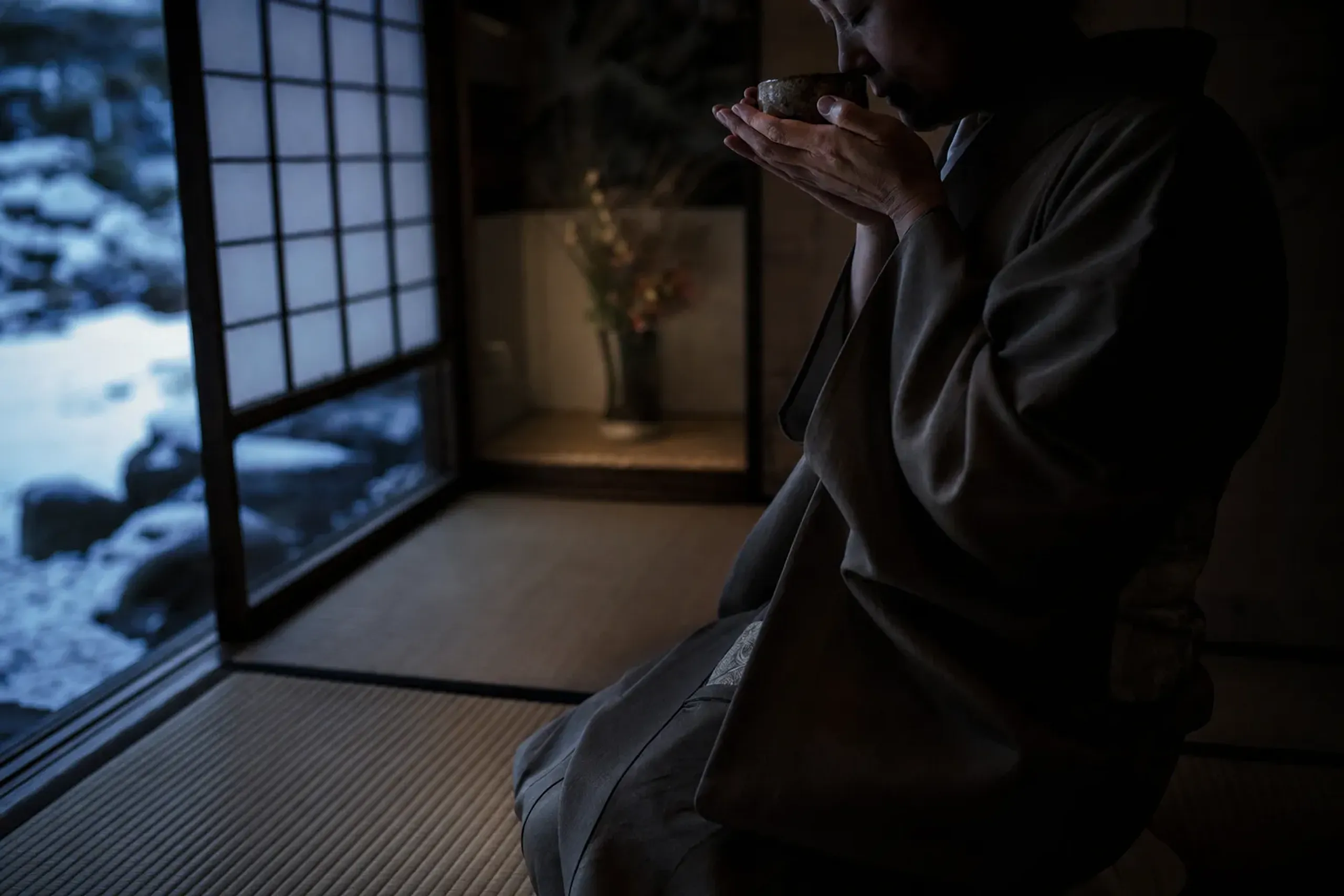
Kōdō simply adds the scent-free rule as non-negotiable.
Why Kyoto Holds This Tradition
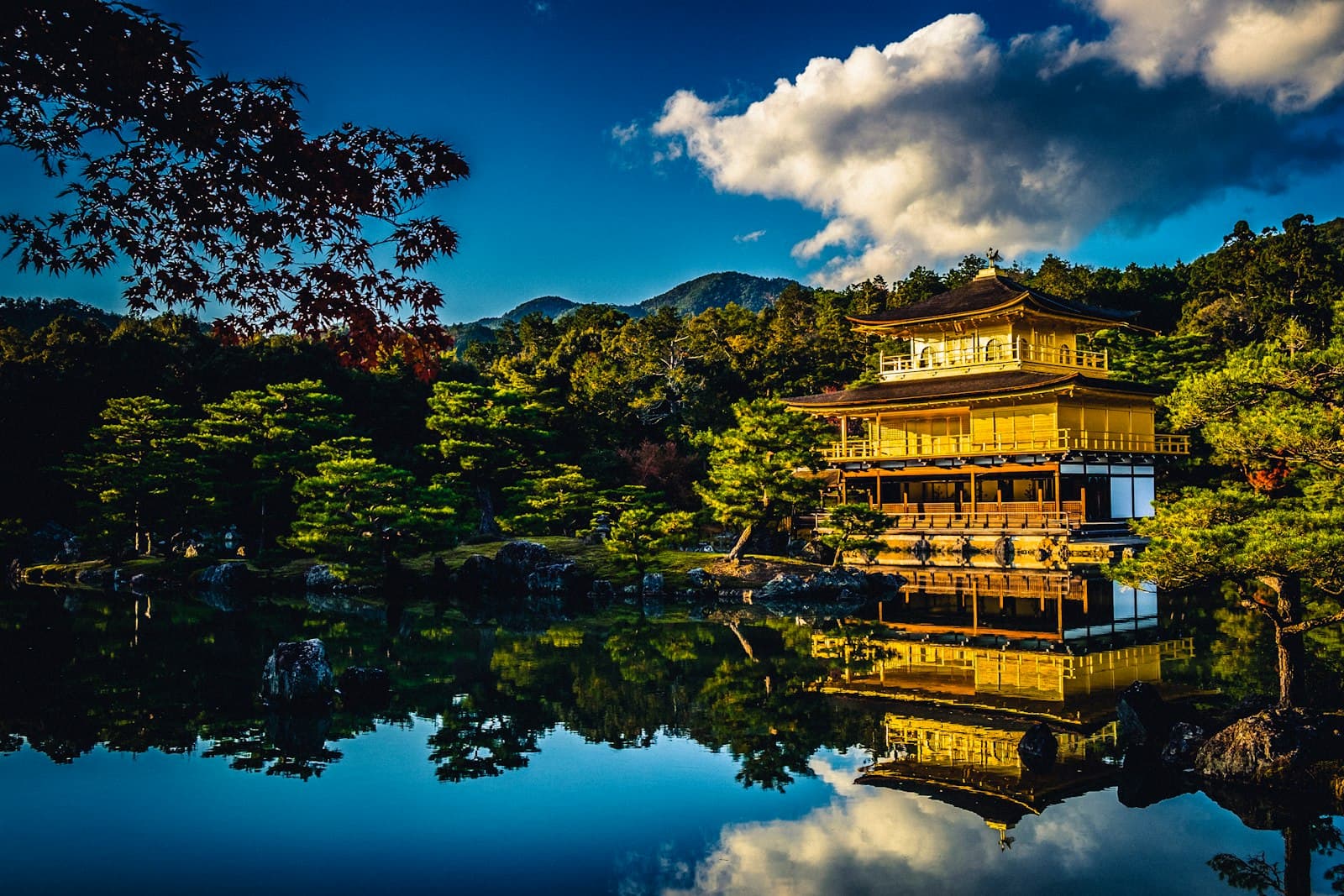
Kōdō belongs to Kyoto because Kyoto was the court. The city was Japan's capital for over a thousand years, and the refined arts that grew out of aristocratic life — tea, flowers, and incense — took root there and stayed. The literary sensibility that Genji-kō depends on is the same sensibility Kyoto's court produced.
Kyoto's historic incense houses continue that lineage. Shoyeido's Kyoto workshop, for instance, publishes a guided factory tour in English through its Kunjyukan facility beside the main store. Scheduled incense gatherings appear on Kyoto's cultural calendar, and the city's heritage venues program fragrance experiences through the year. The tradition is alive, not archived — and Kyoto remains its natural home.
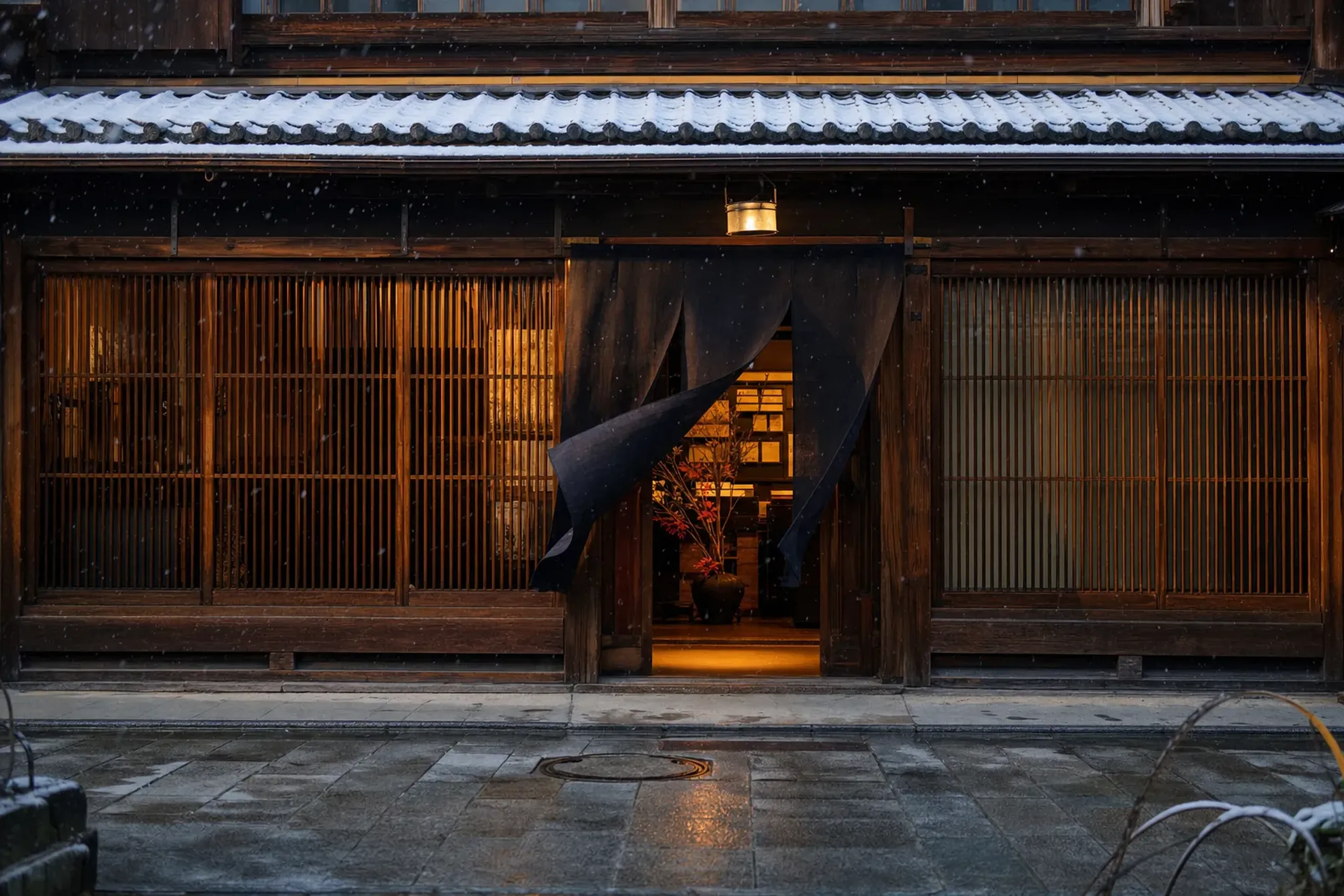
For a first-time visitor, this means a kōdō session in Kyoto sits inside a coherent world: the gardens, the tea rooms, the machiya streets, the same restraint expressed in different forms. It reads as part of the place, not a bolt-on.
Frequently Asked Questions
Is kōdō the same as an aromatherapy or incense-burning session?
No. Kōdō is one of Japan's three classical arts of refinement, alongside tea ceremony and flower arrangement. It is a literary and sensory discipline with codified etiquette and structured games, not a relaxation or wellness treatment.
Why do practitioners say they "listen" to incense instead of smelling it?
The verb used is kiku, meaning to listen or attend — the same word used for music. It reflects the meditative, focused quality of the practice, treating a scent the way one might attend to a single sustained sound.
What is Genji-kō and why does it have 52 answer patterns?
Genji-kō is the best-known kumikō game, built on The Tale of Genji. Guests group five incense samples by similarity, and the possible grouping patterns total fifty-two — one for each of the novel's fifty-two chapters.
Why is kyara aloeswood so expensive?
Aloeswood forms only when a specific tree becomes infected and reacts to that infection over time, making it genuinely rare. Kyara is the finest grade, and by some accounts an ounce costs many times the equivalent weight in gold.
Do I need any experience to attend a kōdō session in Kyoto?
No experience is needed. A first session emphasizes attention, not skill — there is no pressure to identify scents correctly. Arrive scent-free, stay quiet, and follow the host's instruction.
Why Choose Japan Royal Service
Kōdō is not a walk-in experience. It rewards a proper introduction — a practitioner willing to teach plainly, a room kept quiet, and an arrangement made with care. That is the kind of access we work in.
Our team at Japan Royal Service arranges a formal kōdō session with a practitioner, a visit to an aloeswood or incense-related house in Kyoto, or both. We confirm the details of the session — the school's teaching, the format, what the host will present — directly with the practitioner, so that what you experience is accurate and unhurried rather than packaged. Where you would like it woven into a wider Kyoto stay, our concierge places it alongside the gardens, dining, and private chauffeured travel that suit the pace of the day, all within a tailor-made itinerary. Discretion is a given.
To place a kōdō session within a Kyoto journey, reach our team privately via WhatsApp or LINE, or contact us here.