In this guide
- 01Kunōzan Tōshō-gū Is The Template, Not The Copy
- 02The Four-Part Will: Burial, Funeral, Memorial, Enshrinement
- 03How Fast Was Kunōzan Tōshō-gū Built After Ieyasu Died?
- 04Nakai Masakiyo And The National Treasure You’re Actually Looking At
- 05What Will You See On-Site At Kunōzan Tōshō-gū?
- 06Is Tokugawa Ieyasu Really Buried At Kunōzan Tōshō-gū?
- 07The Walk Up: 1,159 Steps, Lanterns, And A Different Kind Of Silence
- 08Ropeway Or Steps: Which Route Should You Choose (And Why It Matters)?
- 09What Happens If The Nihondaira Ropeway Is Closed In December 2026?
- 10When Is The Best Time To Visit Kunōzan Tōshō-gū For Cherry Blossoms?
- 11Dates That Matter: April 17 And A Confirmed Night Event In 2026
- 12A Collector’s Stop: The Kunōzan Tōshō-gū Museum Rotation Window In 2026
- 13Access And Practicalities For A Smooth Visit
- 14How Japan Royal Service Fits Kunōzan Into A Luxury Day (Without Rushing It)
- 15Plan Your Visit To Kunōzan Tōshō-gū
- 16Frequently Asked Questions
Stone steps. Salt air. A long, watchful line of lanterns leading into lacquer and color.
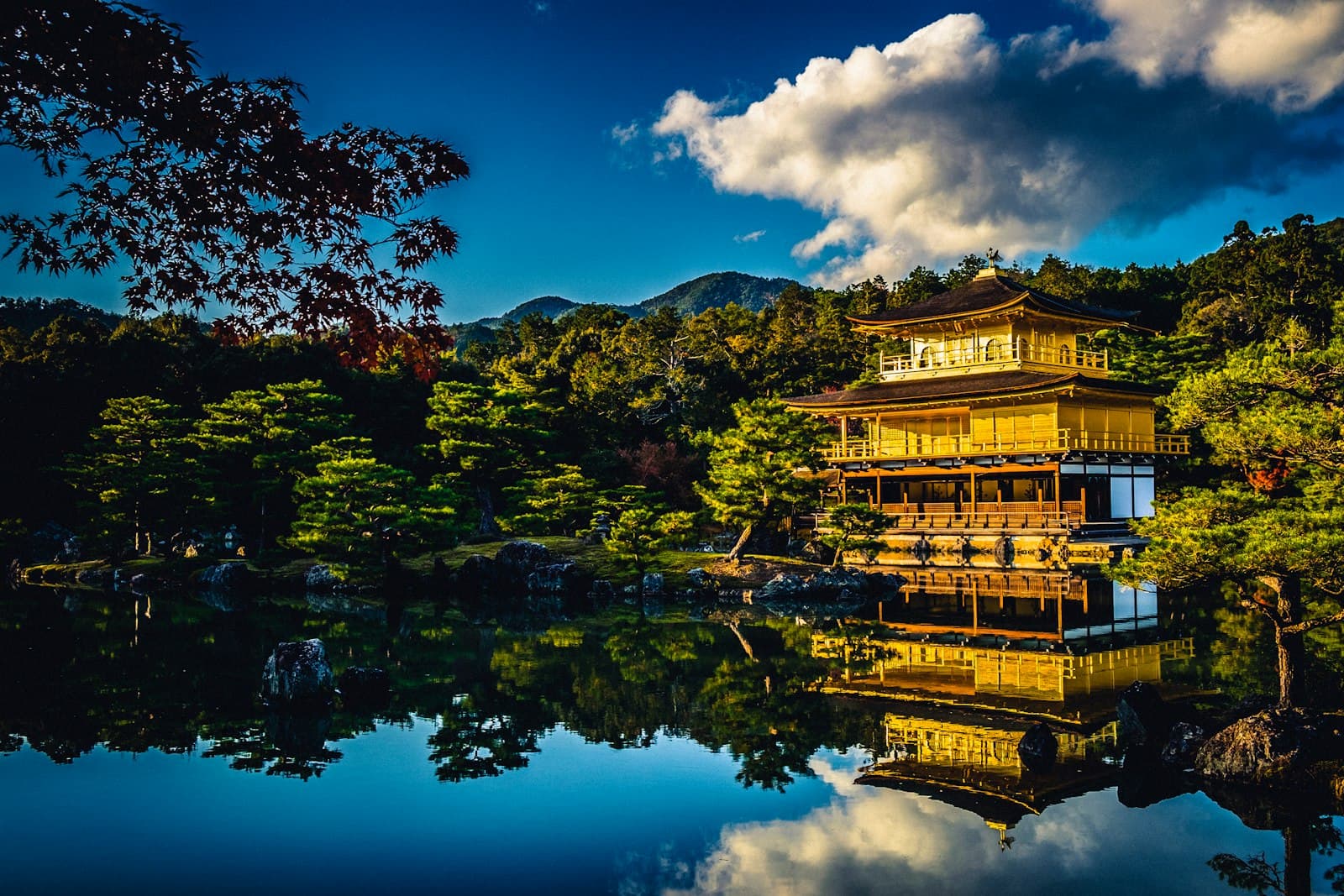
Kunōzan Tōshō-gū (久能山東照宮) sits above Suruga Bay in Shizuoka City, and it carries a rare kind of authority: it was built first, at the burial site itself, and its design became the template that Nikkō Tōshō-gū later expanded into global fame. That much is clear.
The unsettling part is equally clear. Both Kunōzan and Nikkō contain graves attributed to Tokugawa Ieyasu—and the shrine’s own curator has said the truth cannot be proven without excavation. Quiet, unresolved, and unmistakably Japanese in its comfort with what remains unknown.
Our team at Japan Royal Service treats Kunōzan as a destination for travelers who prefer originals to headlines. The visit rewards patience, a steady pace, and a genuine appetite for shokunin-level craftsmanship—the kind you cannot appreciate at a jog.
Kunōzan Tōshō-gū Is The Template, Not The Copy
Ieyasu’s burial-site shrine at Kunōzan was completed about 19 years before Nikkō’s current, more elaborate form, and its gongen-zukuri style became the model for Tōshō-gū shrines nationwide.
That difference changes how the place feels. Nikkō can read like a statement addressed to the world—grand, dense, and often busy. Kunōzan feels like a private origin story written in lacquer, perched above water and sky, keeping its confidence to itself.
Look closely at the architecture and you can trace the “first draft” that later became canonical. The core arrangement and ornamental language are already here, fully assured, long before Nikkō’s famous expansion under Tokugawa Iemitsu. There is a wabi-sabi honesty to that restraint: the essential form, unembellished by the theater that would come later.
If you want the companion narrative from the other end of Japan’s temple tradition, read our field guide and then return here with fresh eyes: Eiheiji Or Koyasan?
The Four-Part Will: Burial, Funeral, Memorial, Enshrinement
Tokugawa Ieyasu’s instruction, recorded in the Honkō Kokushi Nikki, named four separate places to honor him after death: burial at Kunōzan, funeral at Zōjō-ji, a memorial tablet at Daijuji, and—only after the first death anniversary—enshrinement at Nikkō.
This is the spine of the story. It also corrects the common mistake of treating Kunōzan as a mere “side trip” to Nikkō. It is the starting point, not the postscript.
Ieyasu died on April 17, 1616 (Genna 2), at Sunpu Castle. Each location in the will carried a distinct purpose, and the sequence mattered as much as the sites themselves. The shrine at Nikkō was not the first act—it was the final one.
When you stand at Kunōzan, the will stops being an abstract list of proper nouns. You can sense why the first burial and the first shrine were placed here, above the bay, deliberately away from Edo’s noise.
How Fast Was Kunōzan Tōshō-gū Built After Ieyasu Died?
Construction began the month after Ieyasu died in April 1616 and was completed in roughly one year and seven months, by order of his son, Shogun Tokugawa Hidetada.
For a project finished to this standard, the speed is striking. You feel it in the cohesion. The site reads as one concentrated burst of intent, not a patchwork of later compromises and second thoughts.
That tempo matters to travelers who care about craft.
A building raised quickly can still be meticulous—if the hands are right, and the mandate is clear.
Kunōzan is not “old” in a generic way. It is specific. A particular political moment, a particular family decision, translated into woodwork and lacquer on a mountainside.
Nakai Masakiyo And The National Treasure You’re Actually Looking At
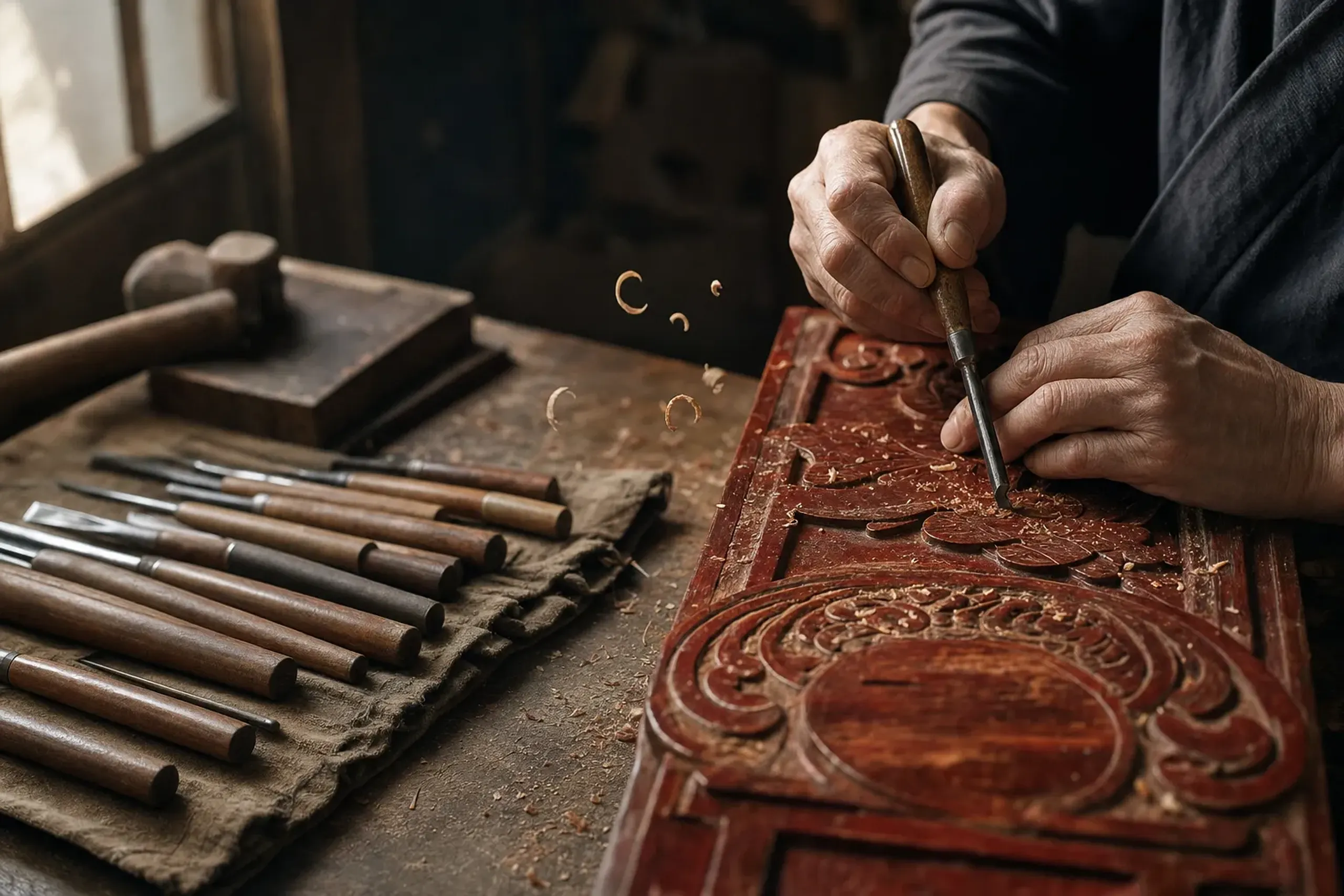
The master carpenter Nakai Masakiyo led the work at Kunōzan Tōshō-gū, and the shrine’s main building was designated a National Treasure in 2010.
Nakai Masakiyo is no footnote. His legacy includes major surviving landmarks such as Nagoya Castle, Ninna-ji, and Nijō Castle. Kunōzan is often regarded as his late-career masterpiece—the work of a shokunin at the height of his command.
This is where the word shokunin stops being romantic and becomes tangible. Stand near the shrine hall and let your eyes rest on the joins, the rhythm of the structure, the confidence of the ornament. It reads like a signature carved in wood.
Travel with a guide who can interpret construction logic—not merely symbolism—and you notice entirely different things. The visit slows down, in the best possible way.
What Will You See On-Site At Kunōzan Tōshō-gū?
Kunōzan Tōshō-gū enshrines Tokugawa Ieyasu, with Oda Nobunaga and Toyotomi Hideyoshi enshrined on either side, and the grounds encompass the shrine complex, the museum, and the stone-lantern approach to the tomb.
Many guests arrive expecting a single “main hall photo,” then leave. That is a waste. Give the site time, and move through it with intention.
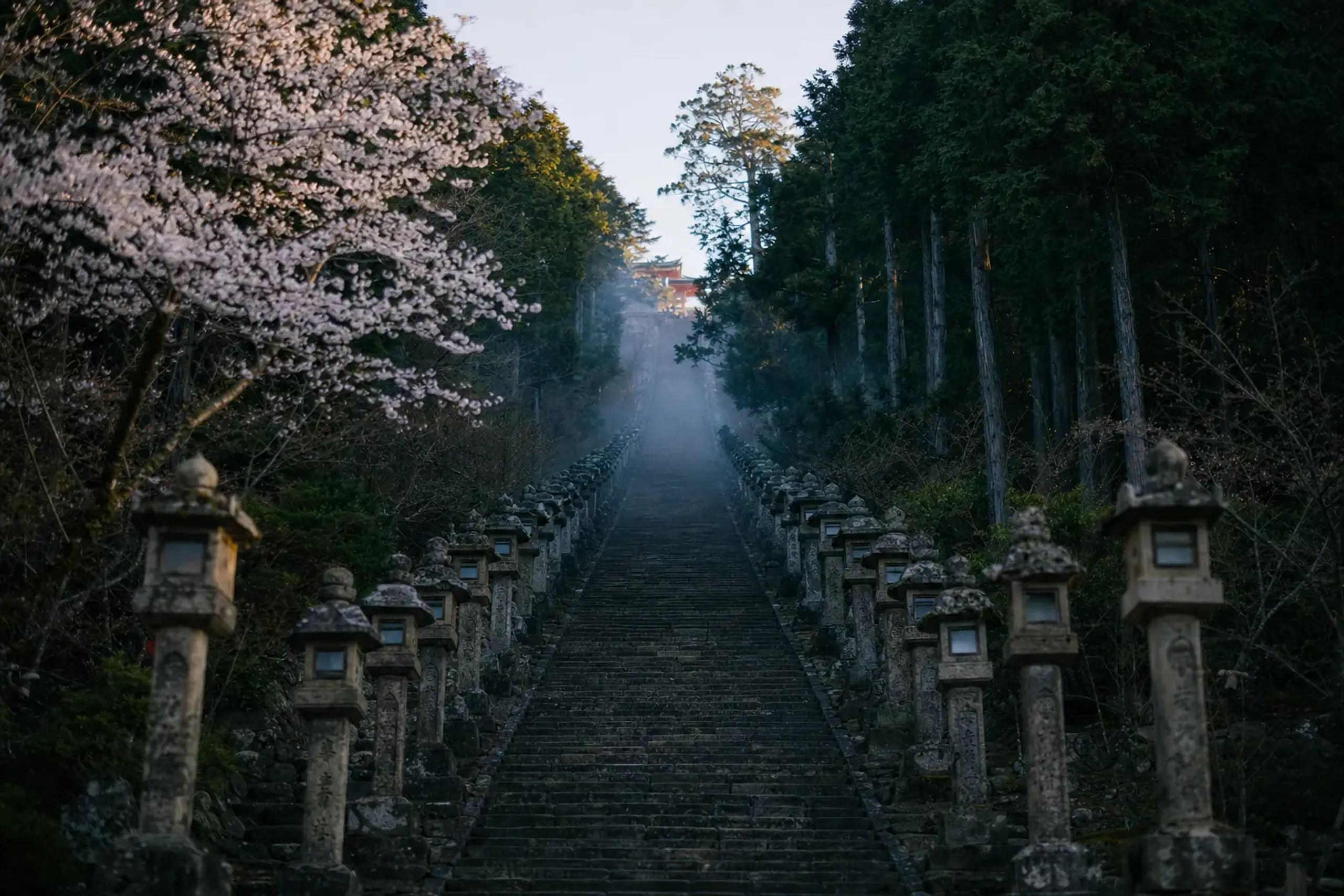
Start by letting the approach path set your pace. The line of stone lanterns—donated by daimyo who served under Ieyasu—functions like a roster written in stone, each one a pledge of loyalty made permanent.
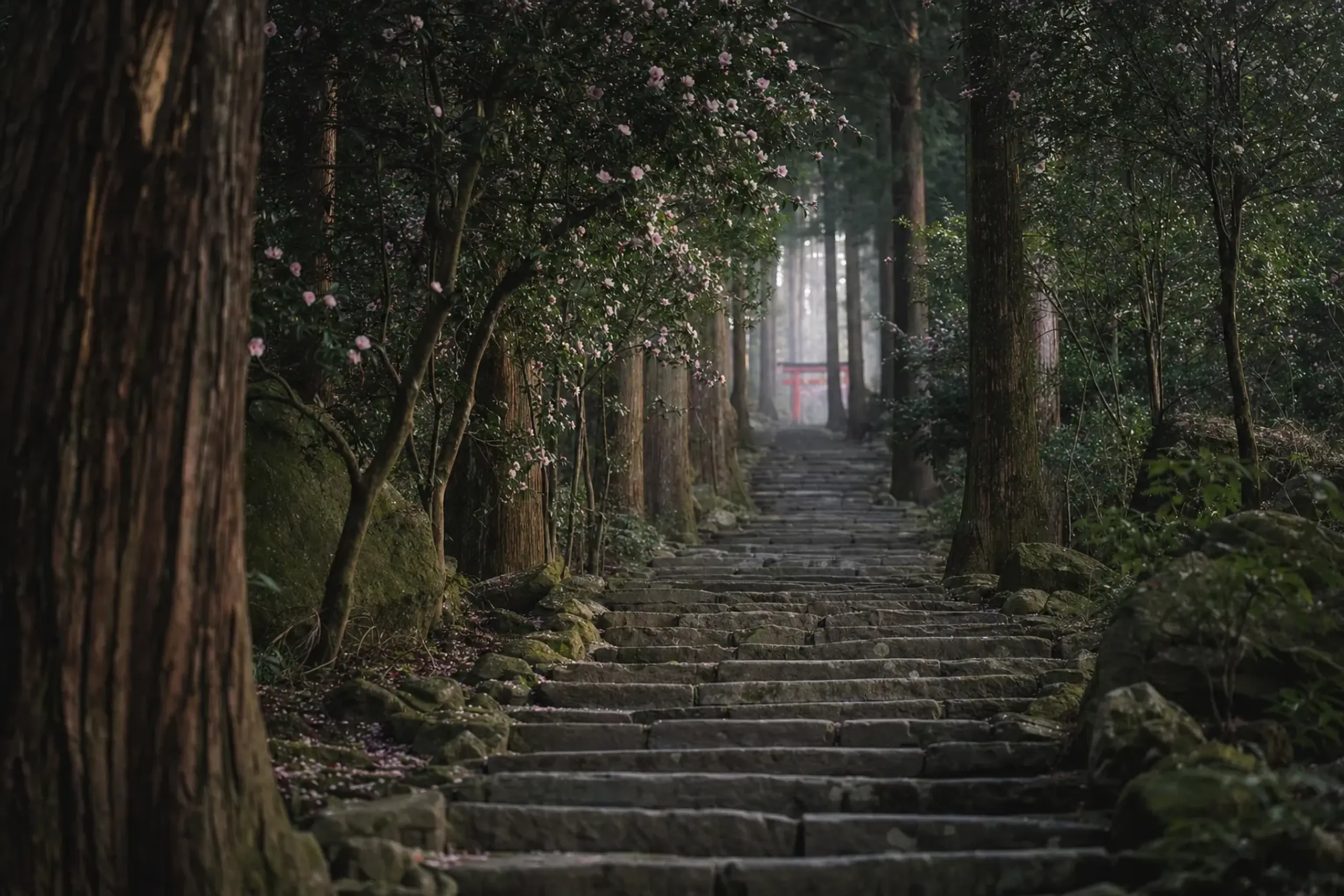
The approach itself is designated an Important Cultural Property.
When you reach the shrine buildings, the colors do not read as flashy. They read as formal. Imperial-class, in the sense of register: controlled, coded, and built to endure across centuries.
Is Tokugawa Ieyasu Really Buried At Kunōzan Tōshō-gū?
No one can confirm which grave contains Ieyasu’s remains without excavation, and both Kunōzan and Nikkō preserve tombs traditionally attributed to him.
This is not a marketed “mystery box.” It is a rare moment of institutional honesty. A museum curator at the shrine has stated plainly that certainty is impossible without digging—and digging is not the point of a sacred site.
Tradition holds that Ieyasu was buried standing upright, facing west. Some visitors feel that westward orientation carries more narrative weight here, gazing out toward Suruga Bay, than it does at Nikkō. That is an interpretation, not a verdict.
The stone tomb structure you see today replaced an earlier wooden one in 1640, rebuilt under Tokugawa Iemitsu—the same shogun who later dramatically expanded Nikkō. Even the tomb you contemplate is part of an evolving political memory.
There is also local tradition that Ieyasu’s horse is buried near the southern corner of the retaining wall behind the shrine hall. We mention it as tradition, and we leave it there. Respect matters.
The Walk Up: 1,159 Steps, Lanterns, And A Different Kind Of Silence
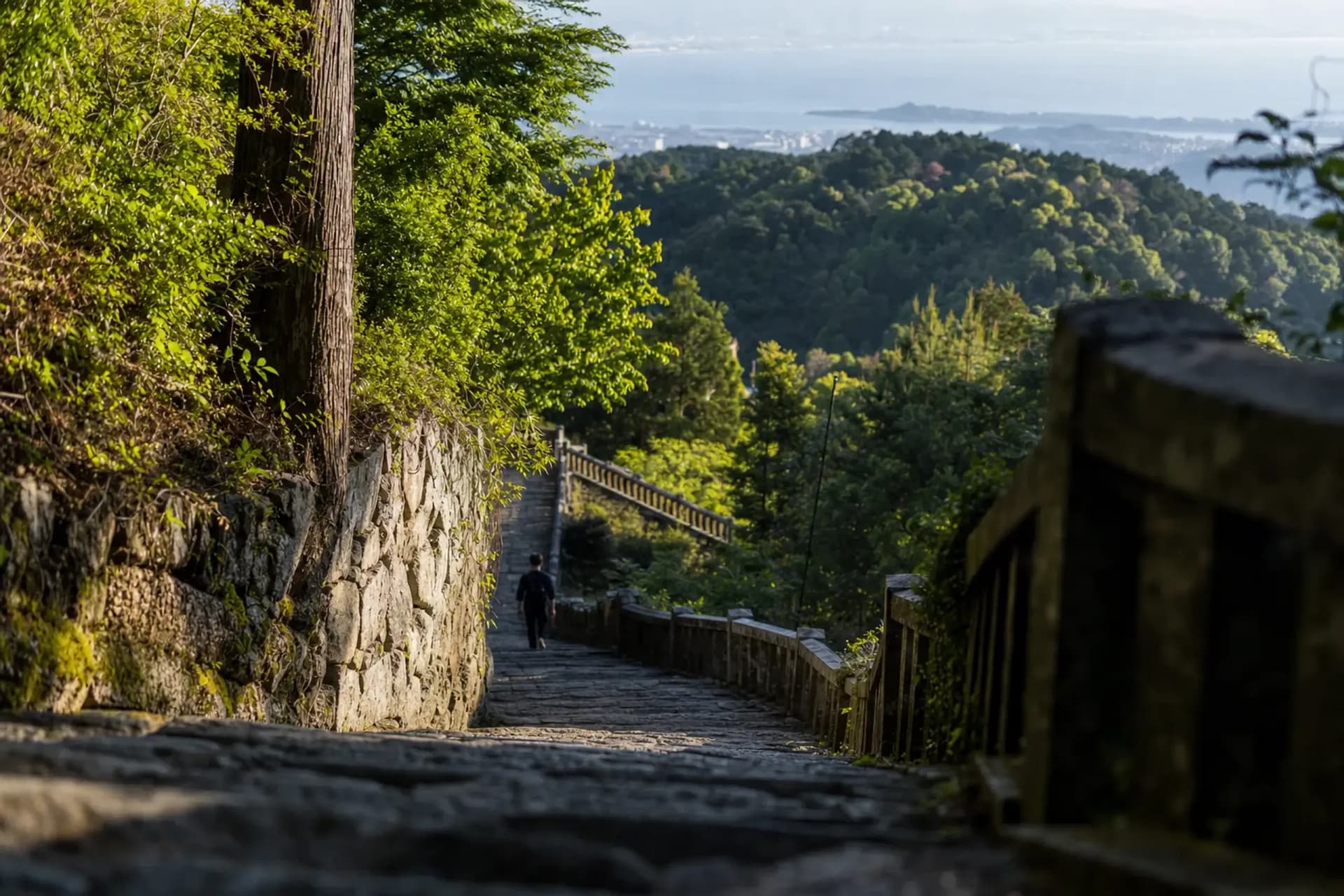
The Omotesandō approach to Kunōzan Tōshō-gū comprises 1,159 stone steps, typically about 15 minutes one-way for confident walkers and 20–25 minutes with rest breaks.
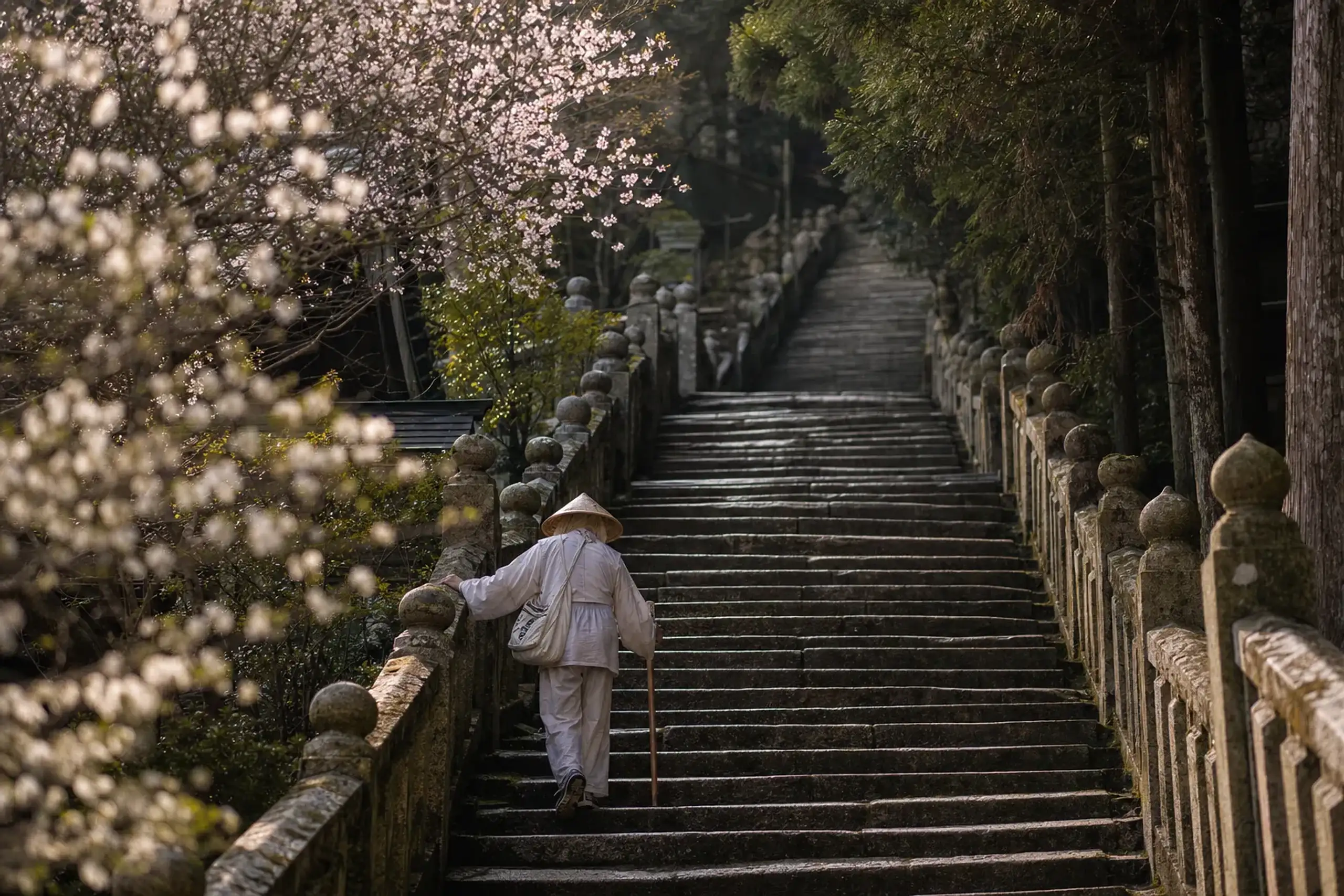
This climb is part of the experience, not a hurdle to be endured. Your breathing changes. The sea air thins into mountain air. Conversation quietly drops away, and a different kind of silence takes its place.
Along the route, Shizuoka City’s tourism materials note the area’s association with Ishigaki strawberries. You may pause for them; you may not. Either way, it is a gentle reminder: this is not a sealed museum island. Life continues around the shrine.
Wear shoes you trust on uneven stone. Carry water. And plan your timing so you are never forced to rush the most atmospheric part of the visit.
Ropeway Or Steps: Which Route Should You Choose (And Why It Matters)?
The Nihondaira Ropeway connects Nihondaira Plateau to Kunōzan Tōshō-gū in about five minutes, offering a calm arrival that preserves your energy for the shrine itself.
For many HNW travelers, the ropeway-first plan is the cleanest. You arrive composed, explore the buildings and museum at full attention, and decide later whether to descend by steps for texture and photographs.
The steps-first plan is more devotional in feeling. It also exposes you to heat, humidity, and pacing constraints—small details that can quietly bend a tightly planned day out of shape.
In our experience, the best choice is the one that matches your party’s mobility, the day’s weather, and your appetite for exertion. Pride is a poor planner.
What Happens If The Nihondaira Ropeway Is Closed In December 2026?
The Nihondaira Ropeway is scheduled to be suspended for equipment renewal from December 1 to December 21, 2026, and the shrine can still be reached via the Omotesandō stone steps from Kunōzan-shita.
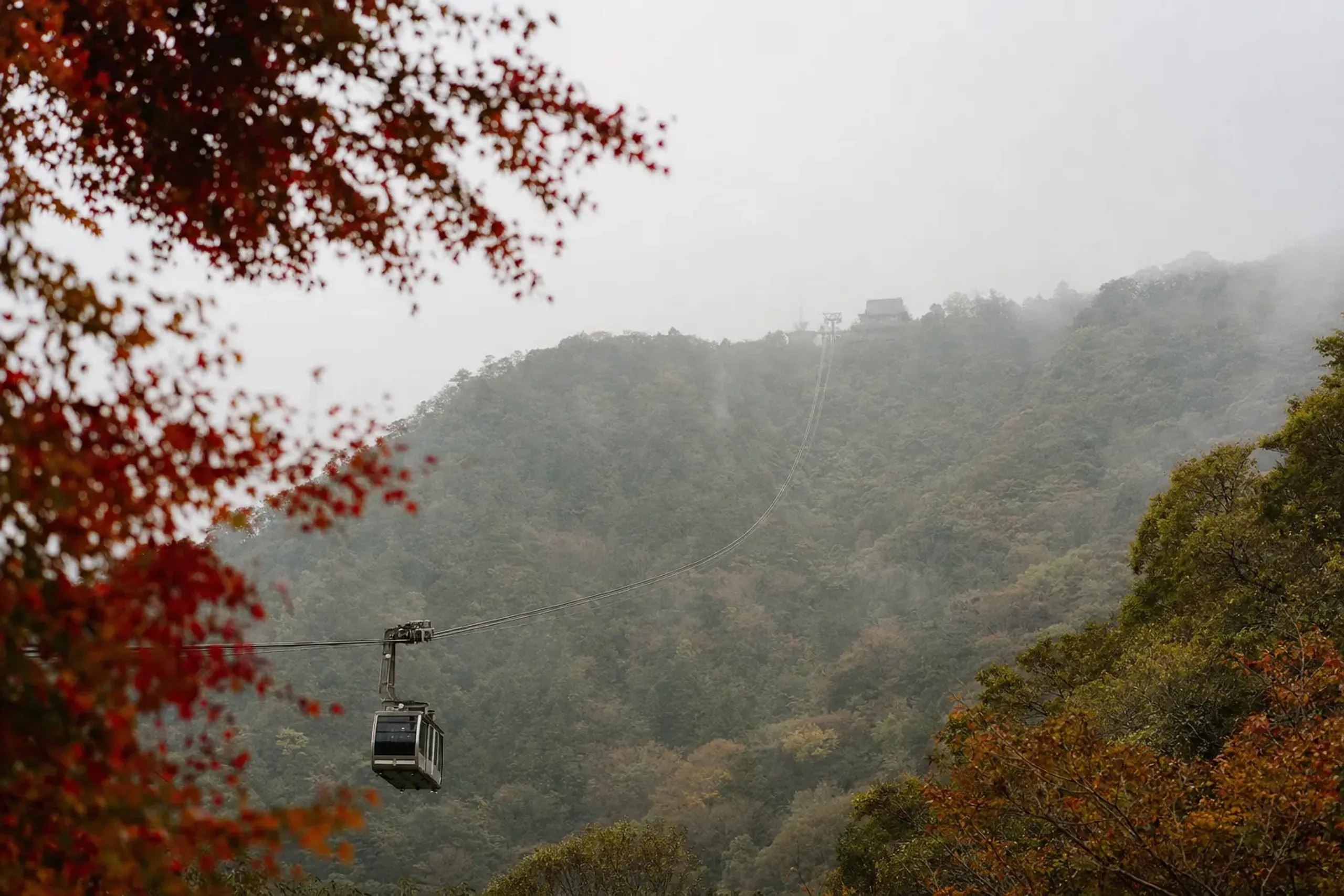
This is precisely where generic guides fail luxury travelers. A ropeway closure reshapes the entire day: footwear, pacing, driver staging, and even the hour you want to sit down for lunch.
If your party includes anyone who dislikes stairs, those dates should trigger a re-sequencing conversation early. Not panic. Just realism, applied well in advance.
Our concierge team at Japan Royal Service can verify current visiting hours, ropeway schedules, and any special dates ahead of your visit, then advise on a day plan that keeps the experience calm rather than rushed—the quiet anticipation of needs before they surface.
When Is The Best Time To Visit Kunōzan Tōshō-gū For Cherry Blossoms?
A large weeping cherry in front of the main hall typically blooms from late March into early April.
Timing shifts each year, so we treat this as a planning window rather than a promise. Knowing which week rewards the journey is exactly the seasonal intelligence—the sense of shun—that separates a memorable visit from a merely competent one. The payoff is the contrast: pale petals against deep lacquer, and Suruga Bay light reflecting up into the precinct.
If you visit in this period, start early. The shrine’s atmosphere is sharpest before mid-morning, before the day-tripper rhythm begins to build.
And be gentle with the camera. A shrine is not a studio.
Dates That Matter: April 17 And A Confirmed Night Event In 2026
Kunōzan Tōshō-gū holds an annual festival on April 17, marking the anniversary of Tokugawa Ieyasu’s death on April 17, 1616.
That date carries weight on-site. Expect a different mood, and potentially a different level of activity.
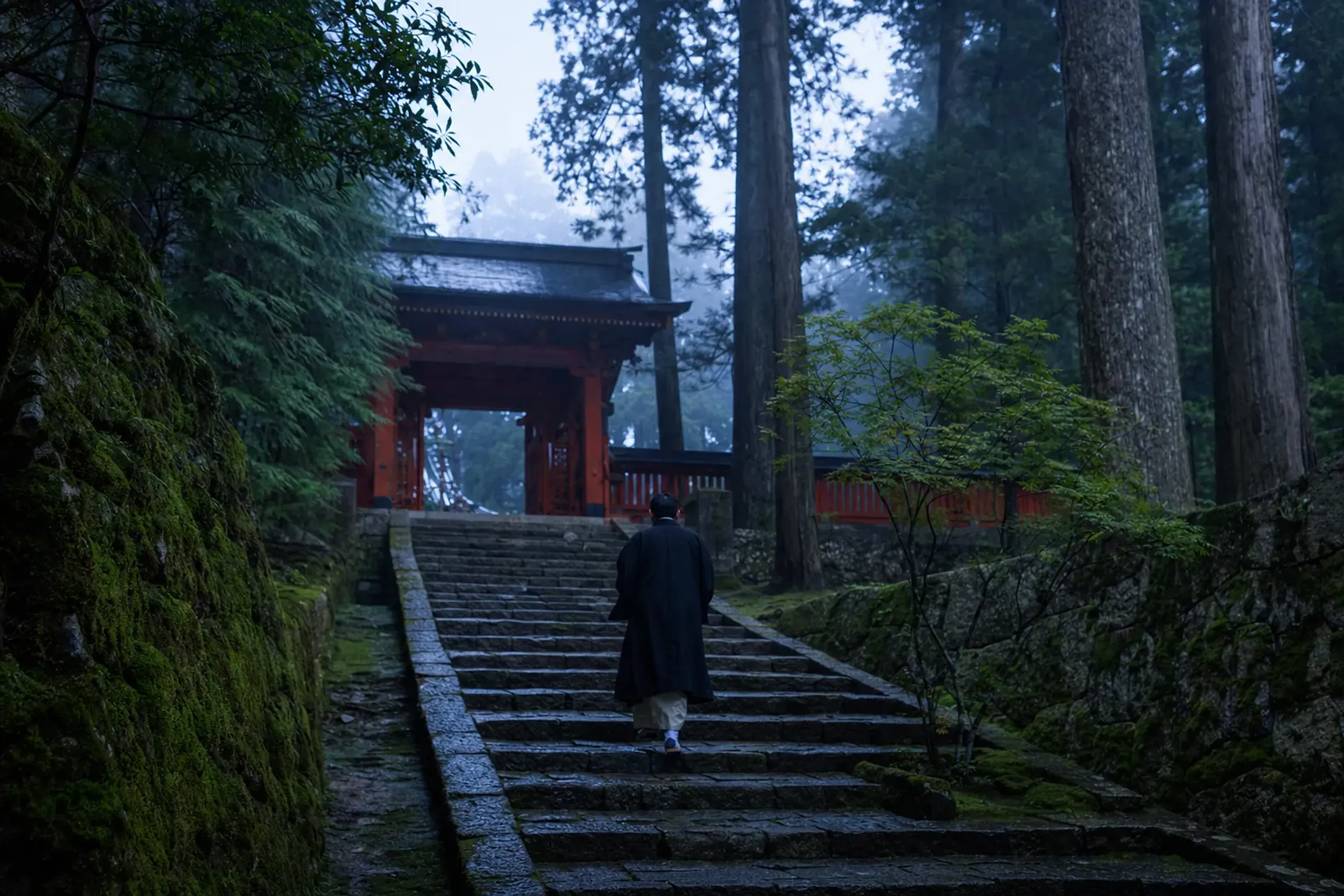
If you want quiet contemplation, choose another day. If you want to feel living tradition in motion, this is the day.
A special night-viewing event titled “Kōsai — IRODORI” is confirmed for August 5, 2026. Night changes everything. The colors deepen, and the lantern-lined approach feels like a passage rather than merely a path.
We advise guests to treat special events as their own rhythm. Build the day around them, not on top of them.
A Collector’s Stop: The Kunōzan Tōshō-gū Museum Rotation Window In 2026
The Tokugawa Memorial Foundation lists a planned rotation for the Kunōzan Tōshō-gū Museum’s permanent exhibition from August 22 to October 14, 2026.
If you are the kind of traveler who reads labels and lingers, this matters. Museum rotations change what you can learn in a single visit—especially when you care about arms, fittings, diplomatic objects, and the material language of power.
Do not treat the museum as an afterthought. Give it fresh attention while your mind is still quiet from the shrine precinct.
For those who collect Japanese art, the museum can become the most practical part of the day. It offers concrete references you can carry into later gallery and dealer visits.
Access And Practicalities For A Smooth Visit
Kunōzan Tōshō-gū is located at 390 Negoya, Suruga-ku, Shizuoka City, Shizuoka Prefecture, and commonly published hours list 9:00–17:00.
We do not publish admission fees here. Plans change, and discerning travelers should not be anchored to outdated numbers.
Instead, plan around the friction points:
- Footwear: choose stable shoes for stone steps and uneven surfaces.
- Weather: Suruga Bay humidity can make the climb feel longer than expected.
- Time on site: allow enough margin to linger at the lantern approach and the museum, not only the main hall.
If you are combining Kunōzan with a Shizuoka overnight, a quiet room and a discreet arrival matter as much as the sightseeing itself—the kind of hidden Japan that reveals itself only to those who slow down.
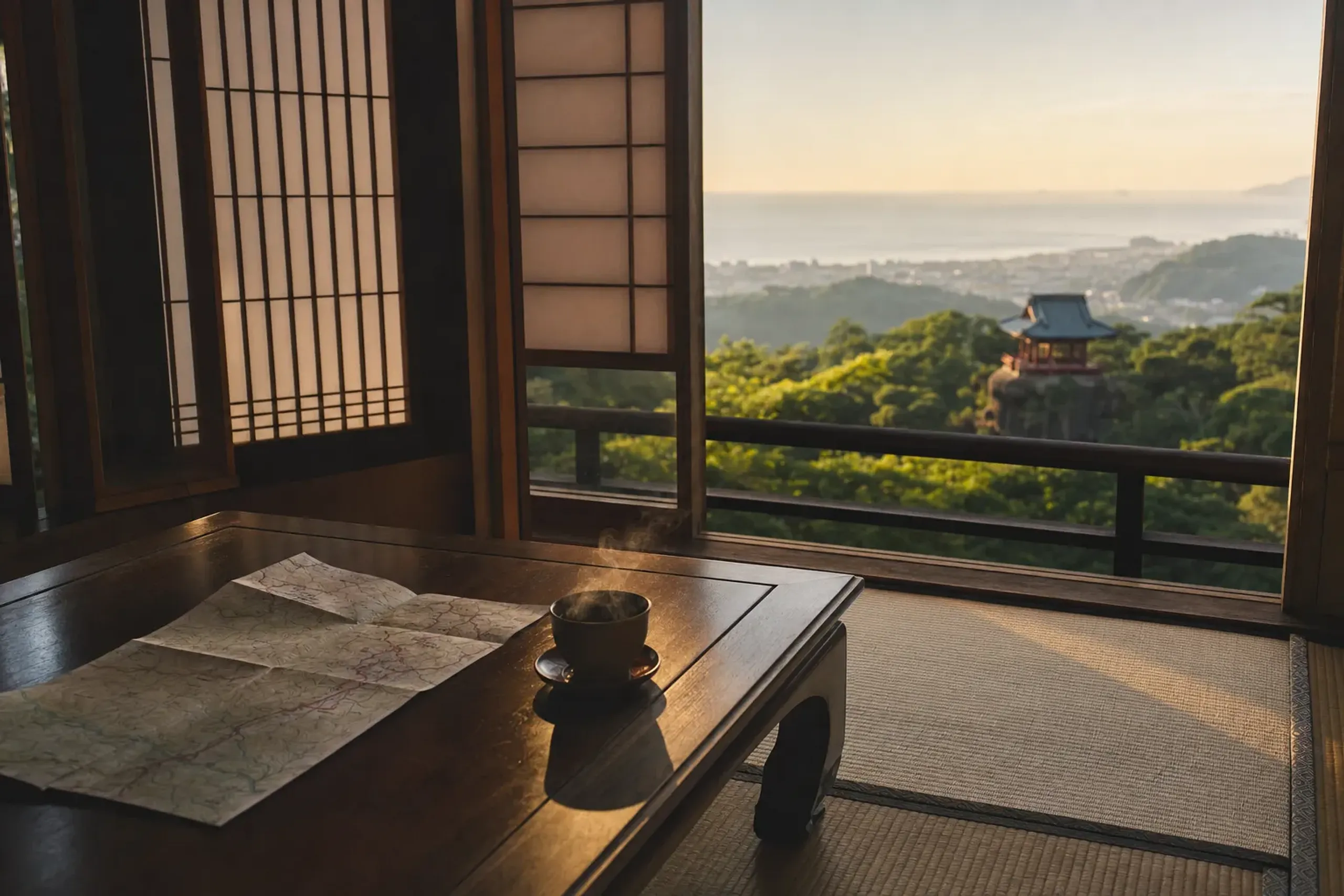
For a tailored plan, our team can advise on routing and pacing as part of a bespoke itinerary designed around your tempo.
How Japan Royal Service Fits Kunōzan Into A Luxury Day (Without Rushing It)
For Kunōzan, we focus on expert guiding and private transfers, then shape the day around pace, privacy, and the practical realities of stairs, weather, and event dates.
This is where discretion becomes practical rather than theatrical. A calm arrival. A quiet departure. No public fuss, and no itinerary that forces you to perform efficiency. Your identity and your plans remain entirely your own.
On the road, the difference is physical. The cabin stays quiet, the timing stays yours, and your driver can hold the day steady when crowds or weather try to bend it.
The first time we mention it, we link it: premium private transportation is often the single most effective upgrade for a Kunōzan visit, because it protects the edges of the day where fatigue and friction usually hide.
Plan Your Visit To Kunōzan Tōshō-gū
Kunōzan rewards those who come for the original rather than the reproduction—the first shrine, the master carpenter’s signature, the grave that keeps its own counsel. It is a place best experienced slowly, on your own terms, with the day’s edges smoothed away before you arrive.
When you are ready to build a visit around your tempo—verifying ropeway schedules, timing the weeping cherry, or arranging a discreet Shizuoka overnight—contact us here, and we will prepare a tailored proposal shaped entirely around you.
Frequently Asked Questions
How Many Steps Are There Up To Kunōzan Tōshō-gū, And How Long Does It Take?
The approach has 1,159 stone steps and usually takes about 15 minutes one-way for confident walkers, or 20–25 minutes with rest breaks.