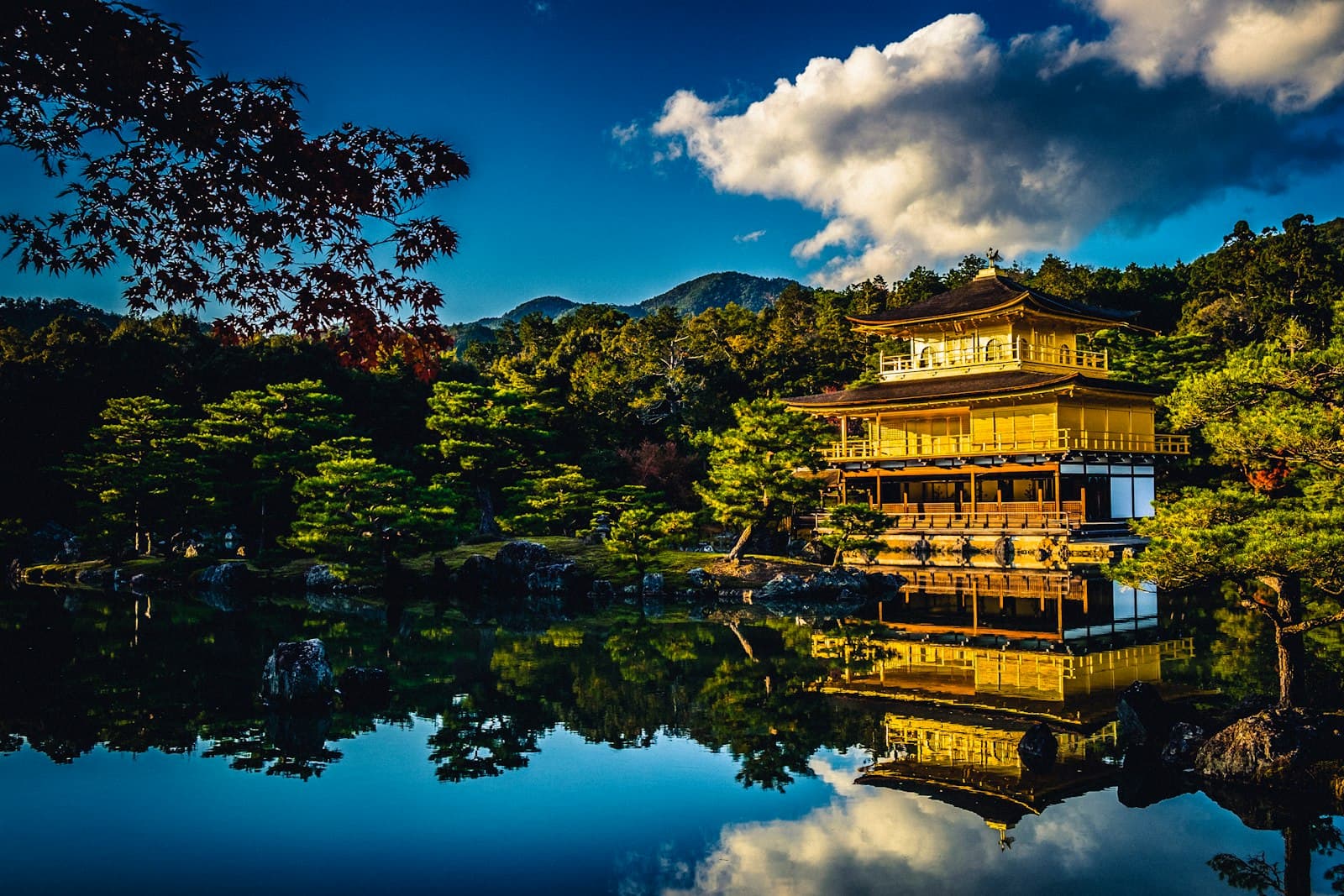
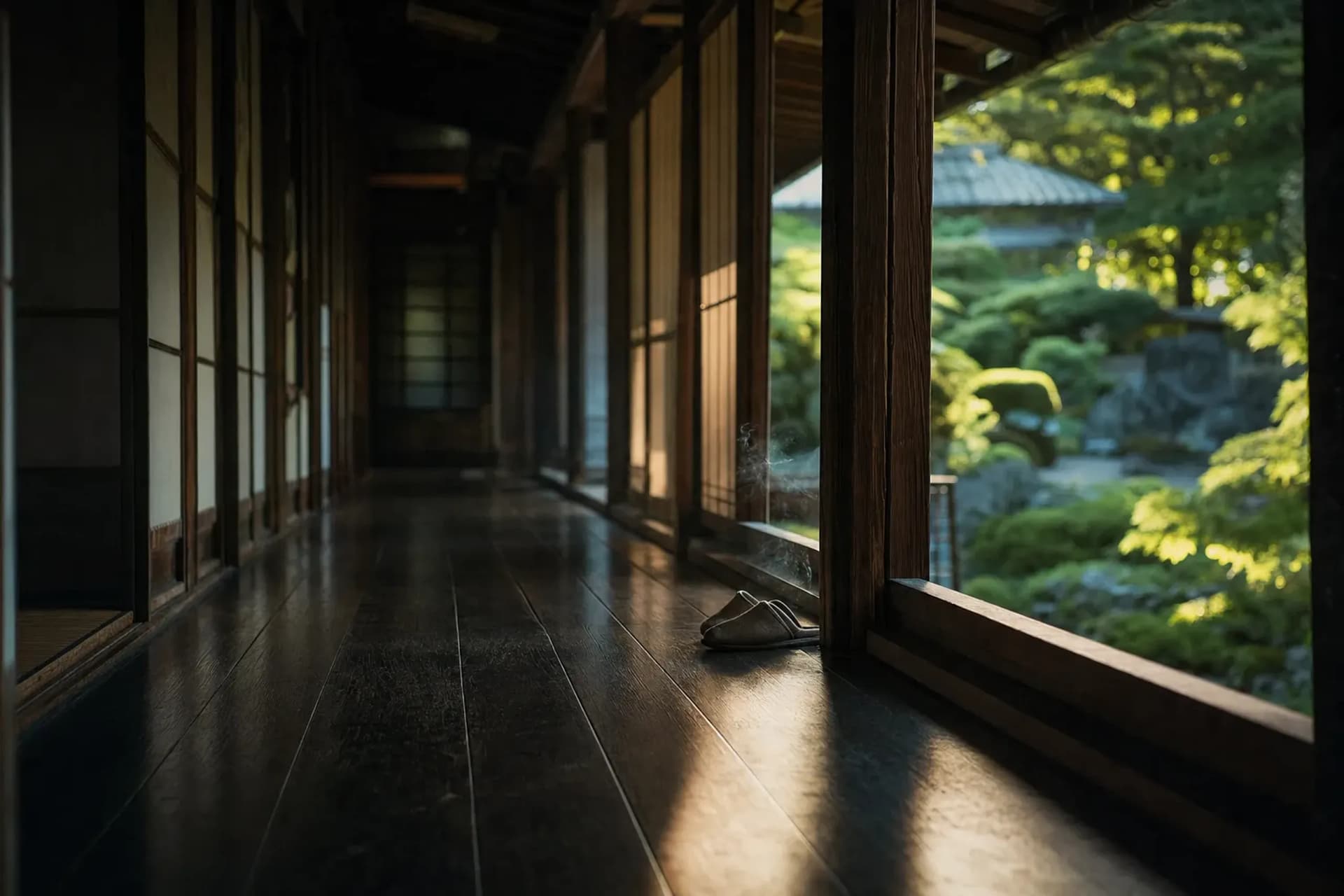
In this guide
- 01Why Do Eiheiji And Koyasan Feel Like Two Different Products Under One Word?
- 02What Does A Koyasan Temple Stay Include For One Night?
- 03How Does An Eiheiji Overnight Stay Actually Differ From Koyasan?
- 04Which Temple Stay Is Better For First-Time Shukubo Guests?
- 05How Do You Get To Koyasan From Osaka, And How Long Should You Stay?
- 06Temple-Adjacent Or Temple-Run: Where Does Hakujukan Fit Near Eiheiji?
- 07What You’re Really Paying For: A Practical Shukubo Comparison
- 08A Decision Guide: Who Should Choose Koyasan, And Who Should Choose Eiheiji?
- 09Rules And Realities: What Luxury Travelers Get Wrong About Shukubo
- 10How To Book A Koyasan Shukubo (Request Vs Instant Booking)
- 11Frequently Asked Questions
- 12Why Choose Japan Royal Service
“Temple stay” sounds like a single, tidy category. It isn’t. Eiheiji and Koyasan both offer overnight shukubo, but what you are asked to do—and, more importantly, what you are free to decline—changes the entire meaning of the night. Choose wrong, and you will feel either trapped or quietly underwhelmed.
This comparison is written for travelers who want a genuine encounter with Japanese Buddhist practice while still protecting their time, their privacy, and their energy. Quietly. Our team at Japan Royal Service sees the same misconception surface again and again: people assume “more expensive” means “more authentic,” or that every temple stay amounts to a Zen boot camp. Neither is true.
Here is the cleaner lens. Eiheiji places you inside a working training monastery’s real schedule. Koyasan places you near monastic life in a temple town where participation is, in most cases, optional. Same label on the door. A very different contract inside.
Why Do Eiheiji And Koyasan Feel Like Two Different Products Under One Word?
Eiheiji and Koyasan diverge because Koyasan’s practices are generally optional for guests, while Eiheiji’s overnight programs place you inside a non-optional training rhythm with real constraints.
That difference is not simply “strict versus relaxed.” It is structural. At Eiheiji, the monastery exists for training, and visitors step into that container for a short, carefully bounded time. At Koyasan, the mountain is a living religious center that has also, over centuries, become a community built to receive pilgrims and travelers, with dozens of temples offering lodging.
Wabi-sabi is a useful compass here. The value is never “more features.” It is the quality of attention, the sense of restraint, and the feeling that you have stepped into something that does not perform for you—an aesthetic of moss-covered stone and unhurried silence rather than gold-leaf display.
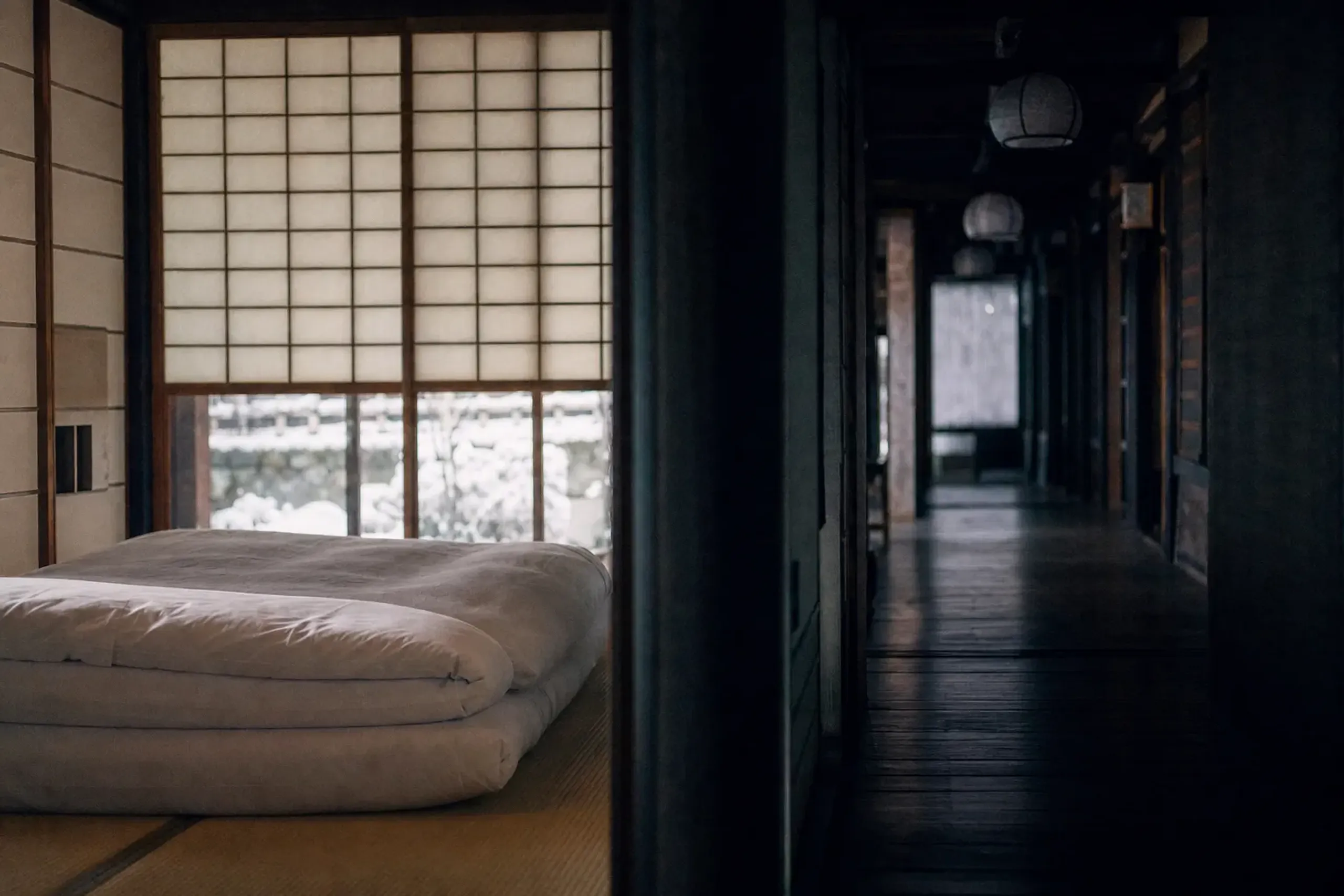
Some travelers want precisely that edge—the discipline, the constraint, the surrender. Others want proximity to it without surrendering control of their own day. Both are legitimate desires.
Discretion matters here as well. A temple stay is not anonymous in the way a large hotel can be, and your comfort with being observed—quietly, respectfully, without intrusion—should shape the decision from the outset.
What Does A Koyasan Temple Stay Include For One Night?
A typical Koyasan shukubo stay includes a tatami room with futon bedding, a shojin ryori vegetarian dinner and breakfast, and the option to attend an early-morning prayer service that usually begins around 6:00–6:30am.
Koyasan (Mount Koya) in Wakayama Prefecture is the spiritual heart of Shingon Buddhism, founded by Kōbō Daishi (Kūkai) in 816. It forms part of a UNESCO World Heritage listing. The mountain holds 117 temples, of which 51 accept overnight guests as shukubo, according to the official Koyasan lodging information.
Your room is typically simple and calm. Sliding doors. Paper screens. A low table set on tatami. At night, staff lay out the futon bedding, and the building falls hushed early. You will feel that stillness settle over you—even if you never once attend a service.
Meals are a core part of what you are “really getting.” Shojin ryori is not a stand-in for kaiseki. It is its own discipline—vegetarian, seasonal in spirit, and designed to steady you rather than dazzle you. This is where shun quietly asserts itself: what appears on the tray reflects the mountain’s moment in the year. Some temples serve dinner early in the evening. Many keep a curfew, often around 21:00–22:00.
One practical truth worth knowing before you pack: only a single temple on the mountain, Fukuchiin, has a genuine natural hot spring. Most temple baths are simply heated tap water.
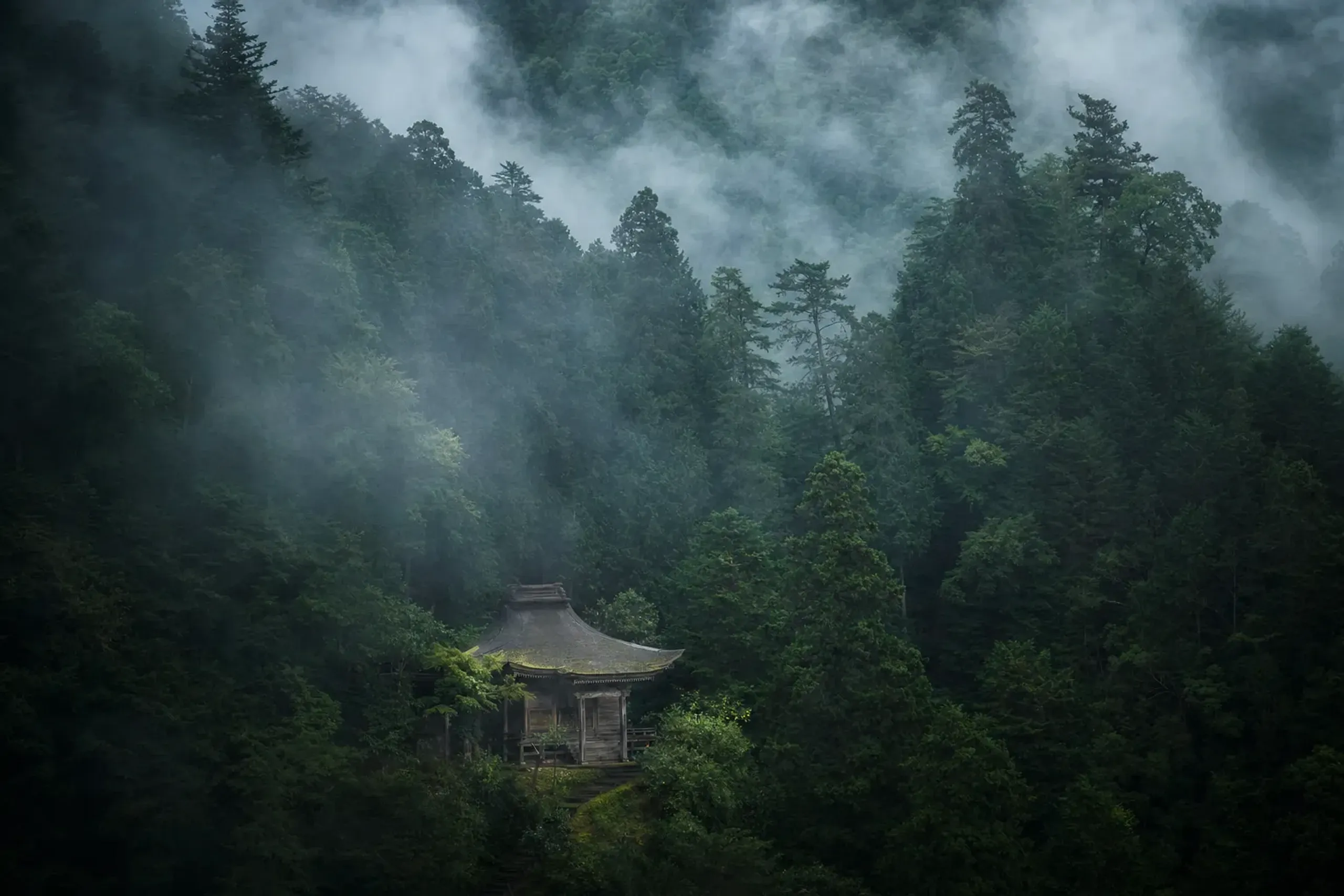
There is no harm in that. Simply set your expectations before you arrive, rather than after.
The Non-Negotiables You Still Agree To At Koyasan
Optional does not mean shapeless. A shukubo is a religious lodging, not a hotel with a spiritual theme. You will likely be asked to respect quiet hours, keep to set meal times, and observe a simple house style.
- Timing: Dinner is usually early, and late-night wandering is discouraged.
- Bathing: Baths can be shared, and hours may be limited.
- Etiquette: Dress and behavior rules apply in the prayer halls.
- Payment: Some shukubo may accept only cash; JNTO explicitly advises confirming payment methods in advance.
What “Optional Participation” Looks Like In Real Life
The important point is not merely that a ceremony exists. It is that your relationship to it is chosen. At many Koyasan temples, guests are welcome to attend the morning service, observe quietly, and step back afterward without feeling they have transgressed.
As one concrete example of how this can work, Ekoin (Eko-in) describes morning services and a daily Goma fire ritual, and its English guidance notes practical rules such as not attending ceremonies in pajamas or yukata. It also states that staying guests may attend without reservation or fees. That is a clean illustration of the Koyasan model: real access, but with clear boundaries.
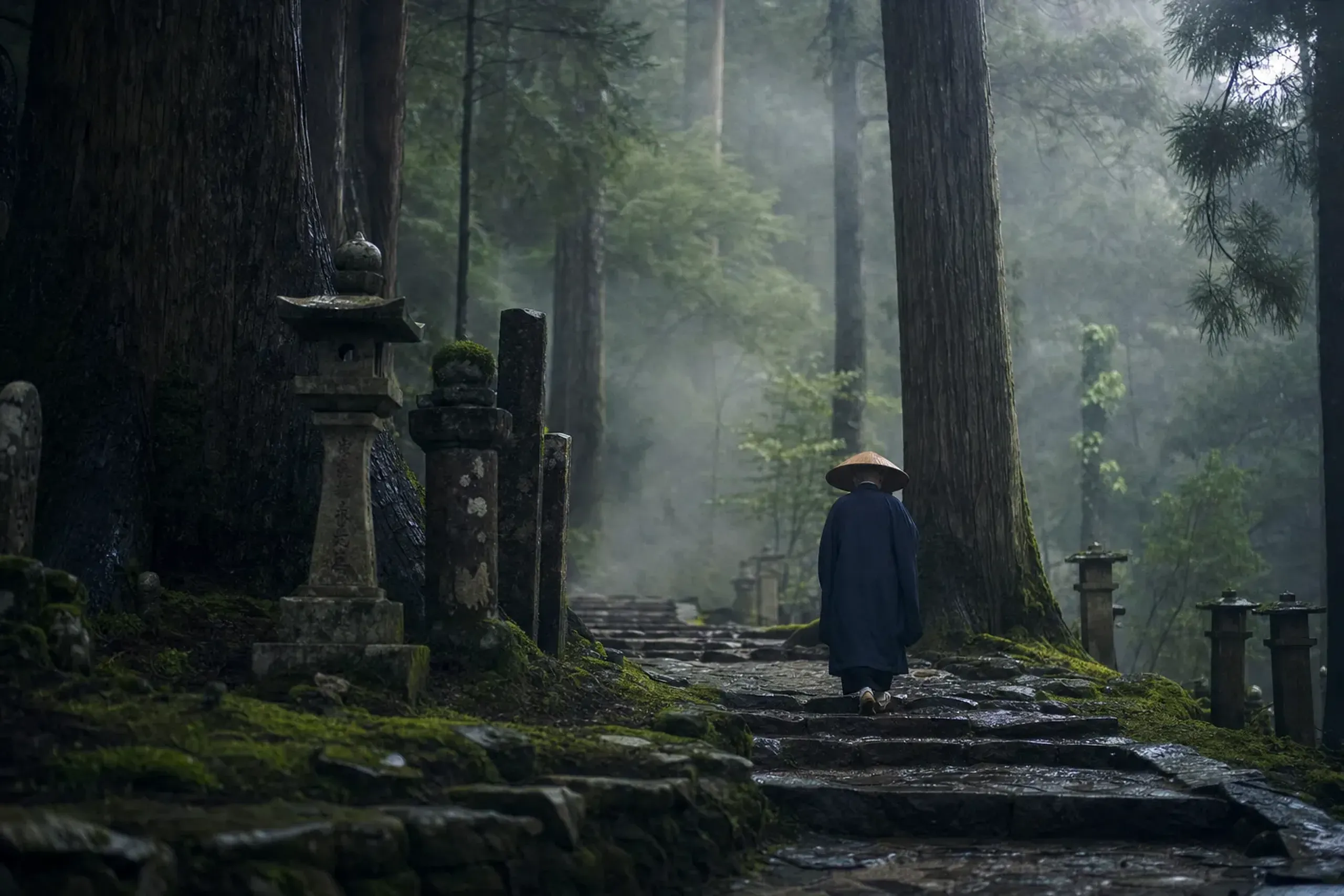
Hidden Japan still exists on Koyasan—though not in the “no one knows it’s here” sense. It reveals itself in small things: the lantern light as you slip off your shoes, the thin thread of incense in the corridor, the sound of water falling into a stone basin before breakfast.
How Does An Eiheiji Overnight Stay Actually Differ From Koyasan?
Eiheiji’s overnight experience is categorically different because it places you inside an active Sōtō Zen training monastery’s schedule, with genuine constraints and none of the “opt in / opt out” framing.
Eiheiji (Eihei-ji) in Fukui Prefecture is a place people go to train, and the atmosphere reflects that unmistakably. Cedar forest. Cold air that wakes you before you intend to be awake. Halls built for practice rather than comfort. You are a guest, yes, but you are also temporarily woven into their working life.
We are deliberately not repeating the full operational detail here, because we have already documented it carefully in our dedicated guide: A Night at Eiheiji: What the Monastery Actually Asks of You. Read it before you commit. It covers the lived reality, what the monastery expects of you, and the current uncertainty around availability.
If your goal is to test yourself—quietly, without performance—Eiheiji can be profoundly meaningful. If your goal is a culturally rich overnight with room to wander and explore, Koyasan is often the better match.
Which Temple Stay Is Better For First-Time Shukubo Guests?
Koyasan is usually the better first temple stay because it offers a real Buddhist setting with optional participation, broad visitor infrastructure, and generally accessible English support.
Most discerning travelers do not want their first encounter with temple lodging to become a stress test. That is entirely sensible. Koyasan delivers the core sensory markers—tatami underfoot, shojin ryori, the low resonance of early-morning chanting—without demanding that you function like a trainee.
It is also easier logistically. Many temples have English-speaking staff, and the Koyasan Shukubo Association supports booking without requiring Japanese.
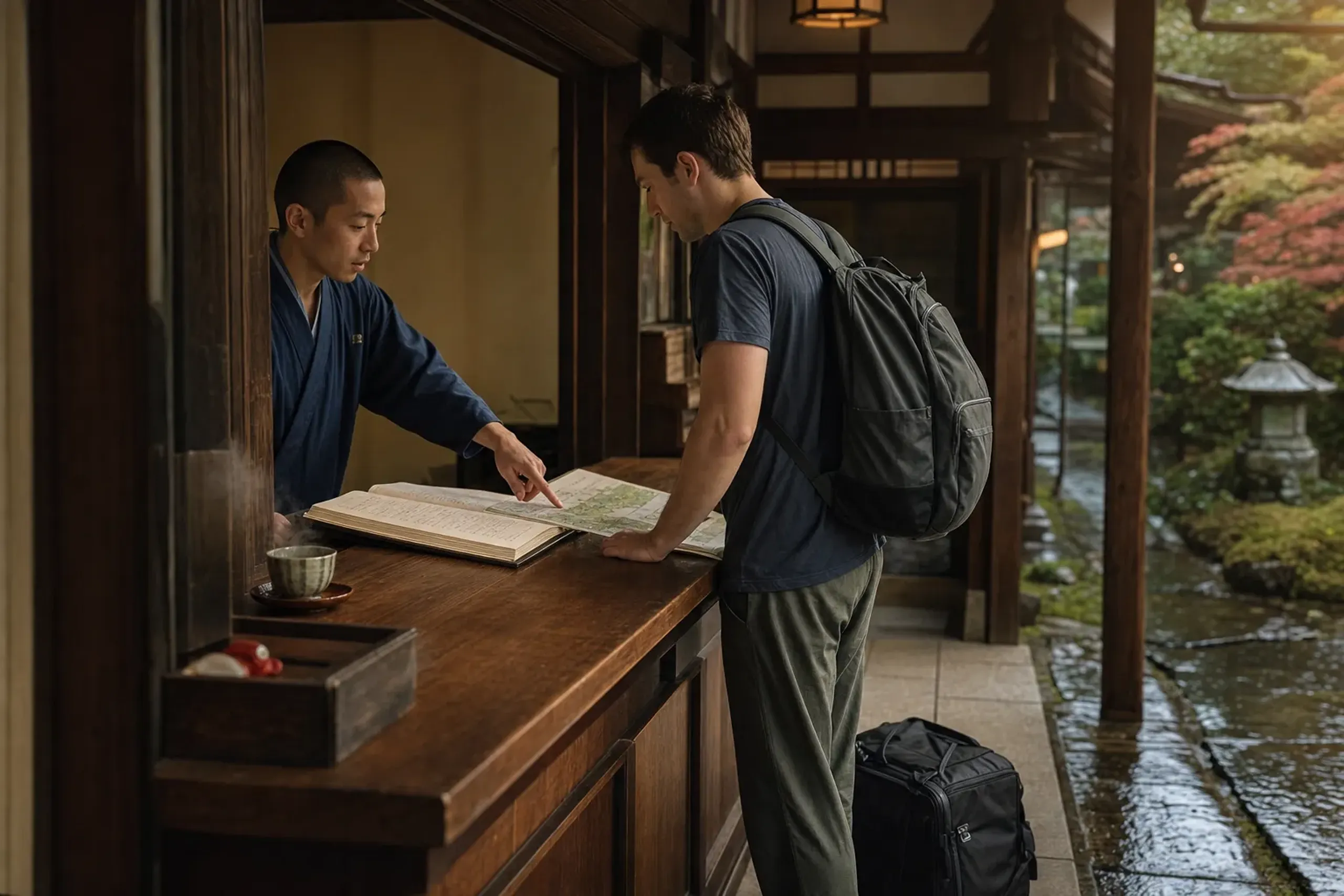
That matters when you are traveling with family, or when your window of time is tight and unforgiving.
Eiheiji can still be a first stay. But it tends to suit travelers who already know what early mornings and silent structure feel like—often through prior zazen practice—because the point is not comfort. The point is commitment.
How Do You Get To Koyasan From Osaka, And How Long Should You Stay?
From Osaka, Koyasan is commonly reached via the Nankai Kōya Line and the Kōyasan Cable Car, and most travelers plan a single night—roughly 18 to 20 hours from check-in to check-out.
Koyasan works beautifully as a one-night “chapter.” You arrive in the afternoon, settle in, take dinner, sleep early, attend (or skip) the morning service, then visit a few key sites before departing. That shape makes it easy to fold into a broader Kansai route. For arrivals and onward legs, a discreet private chauffeur service removes the friction of connections and lets the mountain, not the logistics, hold your attention.
Okunoin—the vast cemetery leading to Kōbō Daishi’s mausoleum—is often the emotional center of the visit. Go when the light is low. Walk slowly. It can feel like a different temperature entirely inside the cedars.
If you prefer a clearer, uncluttered itinerary, treat Koyasan as a place for two anchors only: one ritual, one long walk. Everything else is extra.
A Small Reality Check On Daily Freedom
Koyasan does not usually restrict you from leaving the temple grounds during the day. That, in itself, is a quiet luxury. You can visit Okunoin, return for dinner, and keep entirely to your own pace.
Eiheiji’s overnight programs, by contrast, tend to be more contained.
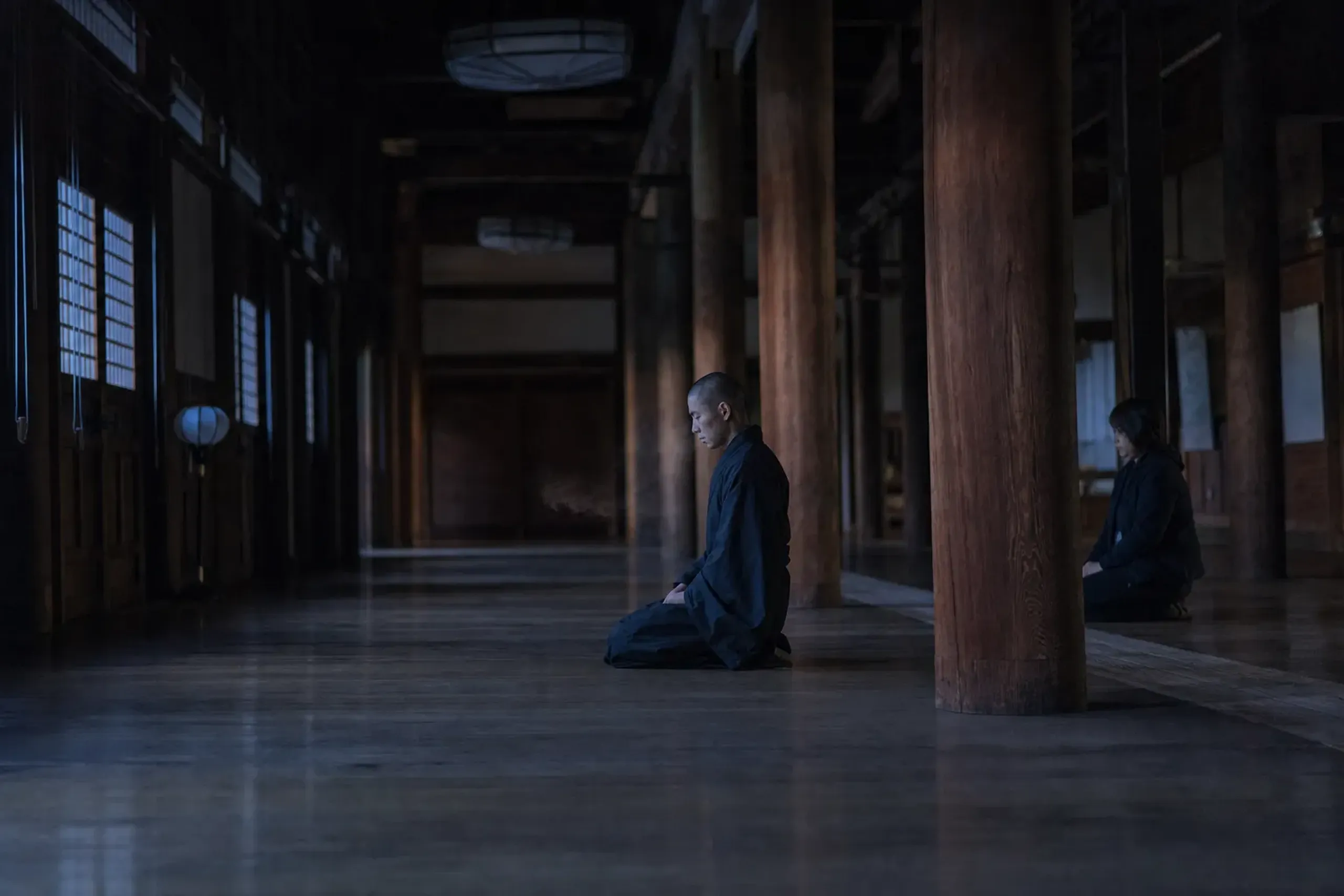
Not because the monastery wishes to punish you. Because it is protecting practice time—its own and everyone else’s.
Temple-Adjacent Or Temple-Run: Where Does Hakujukan Fit Near Eiheiji?
Hakujukan is a temple-adjacent hotel beside Eiheiji that offers Zen experience programming and access to Eiheiji’s morning service, while you stay in hotel-style accommodations.
This “borderland” option matters for travelers who respect Eiheiji’s seriousness but need a different physical setup. Hakujukan’s official English information describes participation in Eiheiji’s early-morning service before dawn, including sutra reading and incense burning, and notes support from a Zen Concierge. Japan’s MLIT multilingual tourism database similarly describes Hakujukan as a hotel positioned between Eiheiji and the outside world.
Think of it as a way to approach Eiheiji without claiming you are undertaking full monastery training. That honesty matters. It can also be kinder to multi-generational groups, or to travelers arriving straight from a long-haul flight and in no condition for a 4:00am summons.
The atmosphere remains restrained—wabi-sabi, not spectacle. You are near the temple gates, and you can hear the day begin.
Key fact: Not all “Eiheiji experiences” are the same: staying at the monastery and staying next door at Hakujukan create different obligations, comfort levels, and degrees of immersion.
What You’re Really Paying For: A Practical Shukubo Comparison
You are paying for a controlled environment—ritual access, quiet, and a specific rhythm—far more than for amenities, and the tradeoffs differ sharply between Koyasan, Eiheiji, and Hakujukan.
To keep expectations clean, we prefer a simple matrix. It does not flatten the spiritual side of these stays. It protects it, by preventing the wrong-fit choices that leave people quietly resentful the morning after.
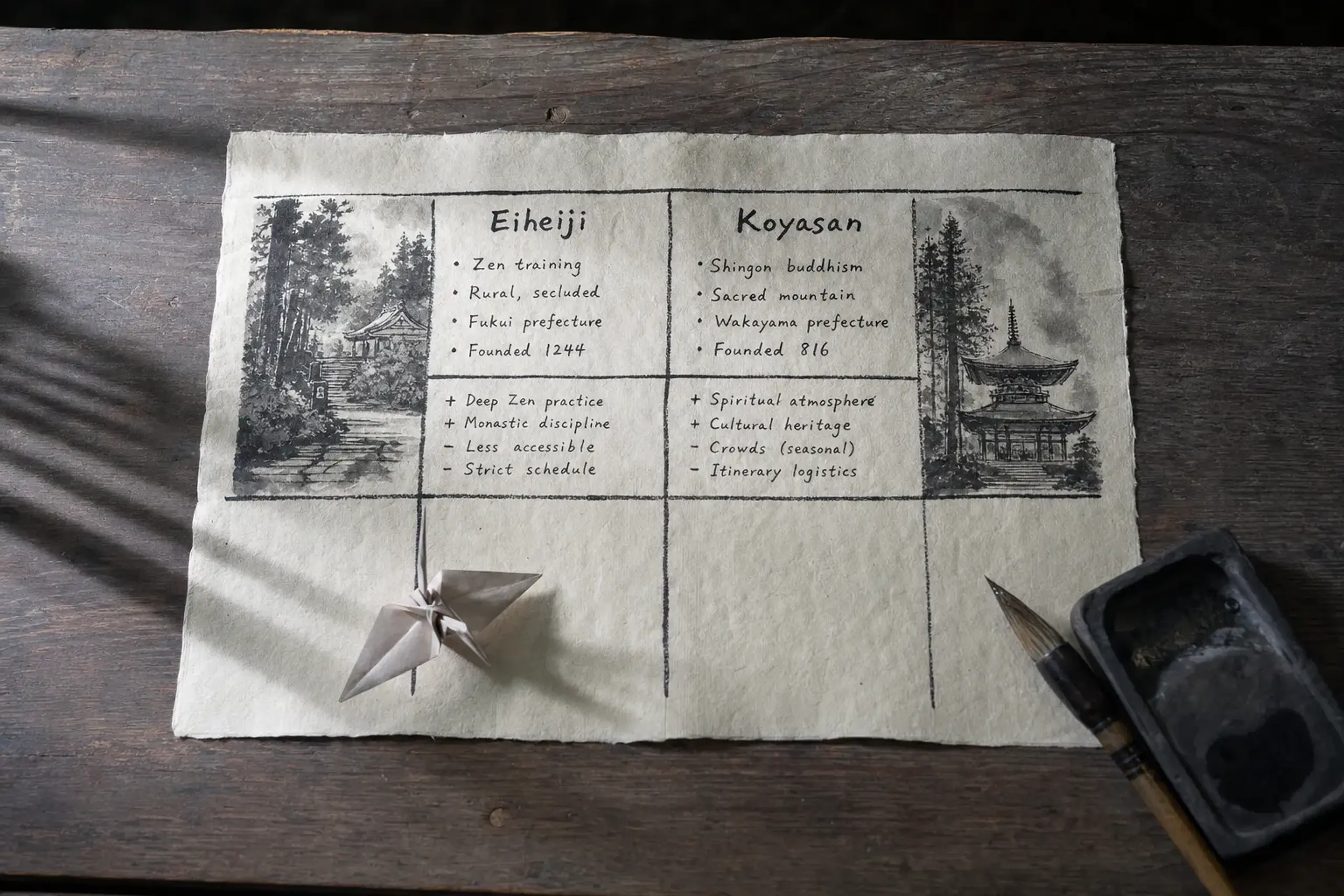
| Decision Factor | Koyasan Shukubo | Eiheiji Overnight | Hakujukan (Next To Eiheiji) |
|---|---|---|---|
| Participation | Typically optional morning service (often 6:00–6:30am) | Structured training-monastery rhythm; not framed as optional | Optional Zen experiences + access to Eiheiji morning service |
| Setting | Temple town with 51 lodging temples (of 117 total) | Active Sōtō Zen training monastery (Dōgen founded it in 1244) | Hotel on the “border” of the temple precinct |
| Freedom In The Day | Generally free to explore between check-in/out | More contained due to practice schedule | More flexible; you can balance temple access with rest |
| Meals | Shojin ryori dinner + breakfast is standard | Monastery food aligned with training life | Hotel-style stay paired with Zen programming (see official details) |
| Bathing | Mostly heated tap water; only Fukuchiin has a true onsen | Austere, practical facilities | Hotel-style bathing comforts (confirm specifics when planning) |
| Typical Cost Range | Often around ¥15,000–¥25,000 per person (varies by temple/season) | Varies; availability and conditions are specific | Varies by room and season |
A Decision Guide: Who Should Choose Koyasan, And Who Should Choose Eiheiji?
Choose Koyasan if you want a real temple environment with room to choose; choose Eiheiji if you specifically want to live inside a training monastery’s schedule and accept the constraints that come with it.
Here is the honest sorting question: do you want proximity to practice, or do you want to be practiced upon by the schedule? Both are legitimate. They simply serve different people.
Choose Koyasan If You Want This Kind Of Night
- A strong sense of place, but control over how you spend the morning
- A temple town you can walk through in daylight, not only at set times
- Better odds of English-language support
- A first shukubo experience that stays memorable, not punishing
It also suits family travel.
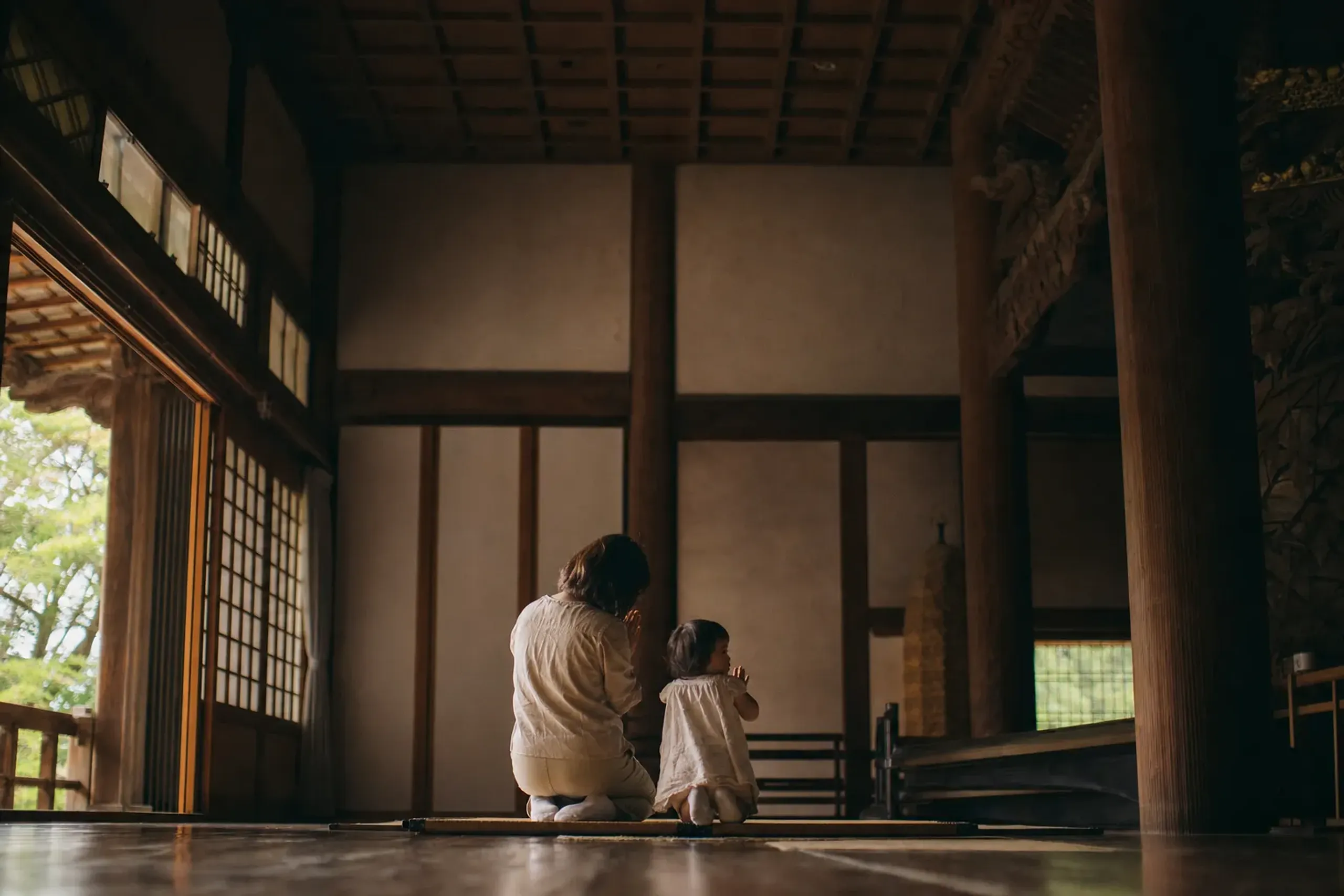
Not because it is “easy.” Because it is negotiable.
Consider Eiheiji If Your Motivation Is Narrow And Serious
- You are actively seeking a practice-facing environment
- You are comfortable with early mornings and being directed
- You do not need to “pop out” for sightseeing during your stay
If you are leaning this way, read our full guide first. It will save you from a wrong-fit decision: A Night at Eiheiji: What the Monastery Actually Asks of You.
Rules And Realities: What Luxury Travelers Get Wrong About Shukubo
The most common mistakes are assuming hotel-like privacy, expecting flexible meal times, and forgetting practical constraints such as cash-only payment—issues that official guidance from JNTO explicitly flags.
These stays can be deeply comfortable. But comfort is not the product. The product is a container: simple space, clear rules, and a social contract built on mutual respect.
Three watchful reminders:
- Privacy is different: corridors are quieter, but also more exposed than a modern luxury hotel floor.
- Warmth is not guaranteed: prayer halls can be cold, especially outside summer.
- Photos may be restricted: treat “no photography” as a likely rule around rituals.
Shokunin is quietly relevant here, even in the absence of any formal workshop. The craft is behavioral: how you enter a hall, where you place your shoes, when you speak and when you don’t, how you sit without fidgeting. It is the same disciplined attentiveness that a Living National Treasure brings to a kiln—turned inward.
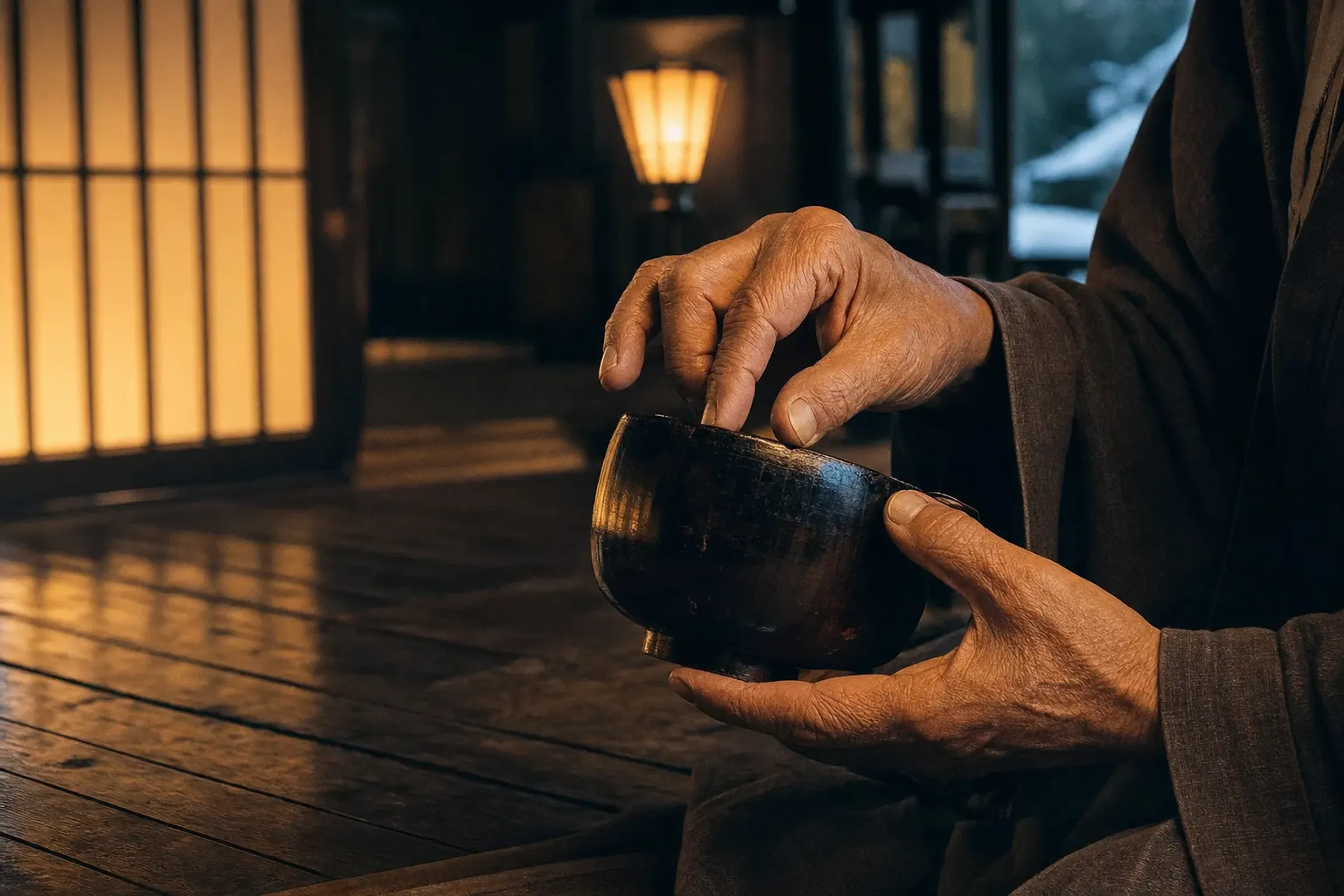
This is not performance. It is etiquette as a form of care.
How To Book A Koyasan Shukubo (Request Vs Instant Booking)
Koyasan shukubo reservations are commonly made through the Koyasan Shukubo Association’s official site using either “request booking” or “instant booking,” depending on the temple’s setup and available inventory.
In plain terms, “instant” behaves like a confirmed reservation flow, while “request” is closer to an inquiry that the temple must accept. The official site posts updates about extending instant booking to more temples—a useful sign of how the system is evolving.
Lead time is usually two to four weeks, and can stretch to months in peak seasons such as cherry blossom, autumn foliage, or Golden Week. That is not a scare line. It is simply how a finite number of tatami rooms behaves when demand surges—an expression, in its own way, of shun and the premium on knowing what to do where in which month.
Payment methods vary by temple, and JNTO advises confirming in advance because some shukubo accept only cash. For any of these questions, contact our concierge team.
Frequently Asked Questions
Is The Morning Prayer Service Mandatory At Koyasan Shukubo?
No—at Koyasan, morning services are generally optional for staying guests, and you may attend quietly as an observer rather than an active participant.
Many services begin around 6:00–6:30am and can run 20–60 minutes, though the exact time and format vary by temple. If you value sleep or are traveling with children, Koyasan’s built-in choice is often the deciding factor.
How Many Temples Offer Shukubo On Mount Koya Right Now?
Mount Koya has 117 temples, and 51 currently offer shukubo lodging for overnight guests.
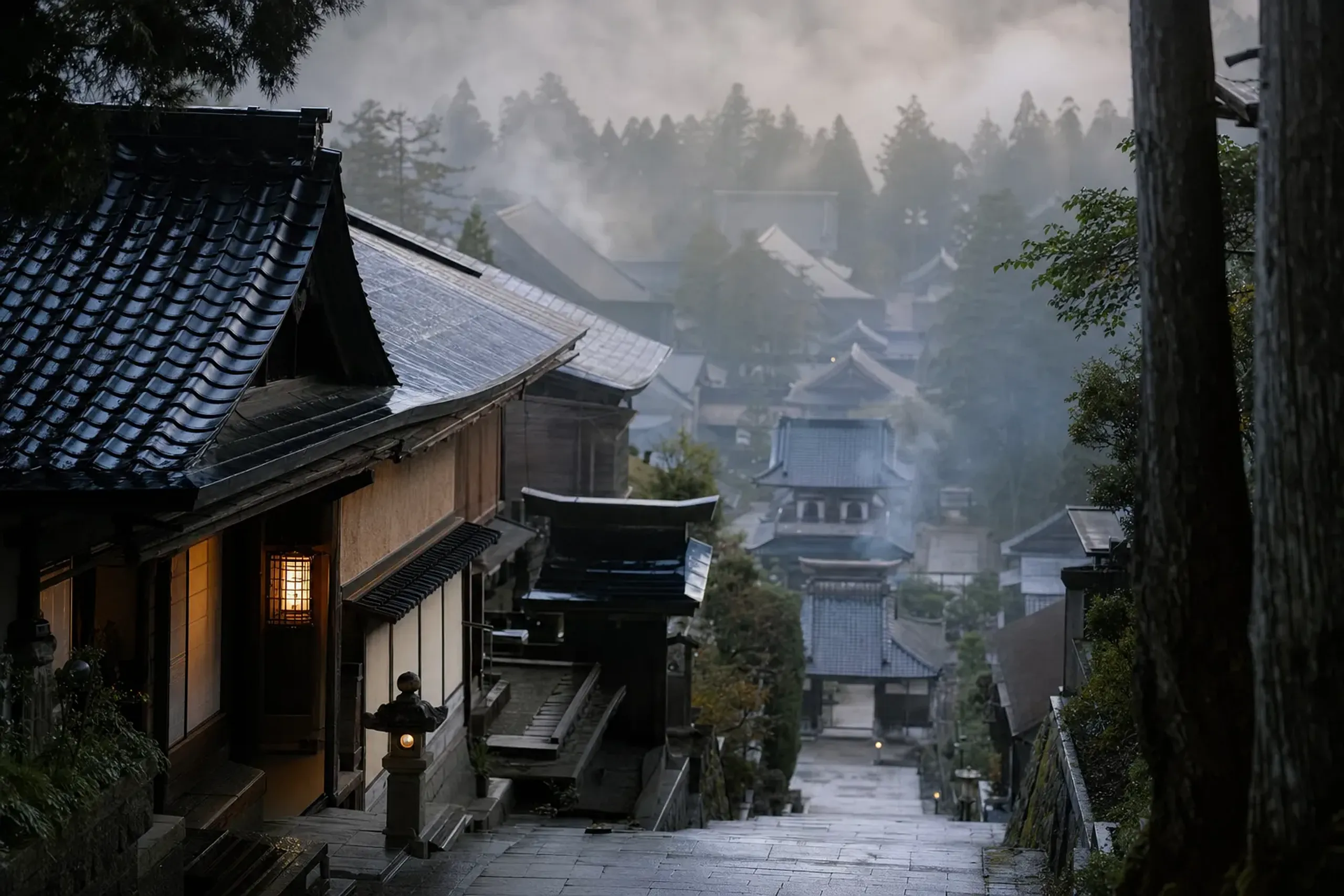
This count comes from Koyasan’s official lodging information. It also explains why the experience feels so varied: you are not choosing “the” Koyasan stay, but one particular temple’s version of it.
Does Koyasan Shukubo Have Onsen Hot Springs?
Only one temple on Koyasan, Fukuchiin, has a genuine natural hot spring; most other temple baths are heated tap water.
If onsen bathing is central to your trip, treat Koyasan as a spiritual overnight and pair it with an onsen ryokan elsewhere, rather than expecting both in one place.
How Much Does A Koyasan Temple Stay Typically Cost Per Person?
Koyasan shukubo commonly falls around ¥15,000–¥25,000 per person per night, including dinner and breakfast, varying by temple and season.
Some sources cite broader ranges depending on comfort level and timing. Our concierge team confirms the current conditions directly, based on your dates and preferences.
Is Hakujukan The Same As Staying Overnight Inside Eiheiji?
No—Hakujukan is a hotel next to Eiheiji that offers Zen experiences and access to Eiheiji’s morning service, while staying inside Eiheiji means entering the monastery’s own training environment.
That distinction is worth protecting. One is temple-adjacent immersion with comfort. The other is a direct encounter with a living training schedule.
Why Choose Japan Royal Service
Japan Royal Service is useful here for one reason above all: we help you choose the right level of obligation before you commit, and we protect your discretion once you do. Where it fits your intentions, we can also arrange quiet, introduction-only access—the kind of hidden Japan that a public booking engine cannot reach—and shape the surrounding days into a seamless, private journey.
Whether you are drawn to the negotiable calm of Koyasan or the disciplined immersion of Eiheiji, let us design the stay around who you are and how you wish to be received. To begin a confidential, tailor-made itinerary built entirely around your dates, your pace, and your privacy, contact us here.